
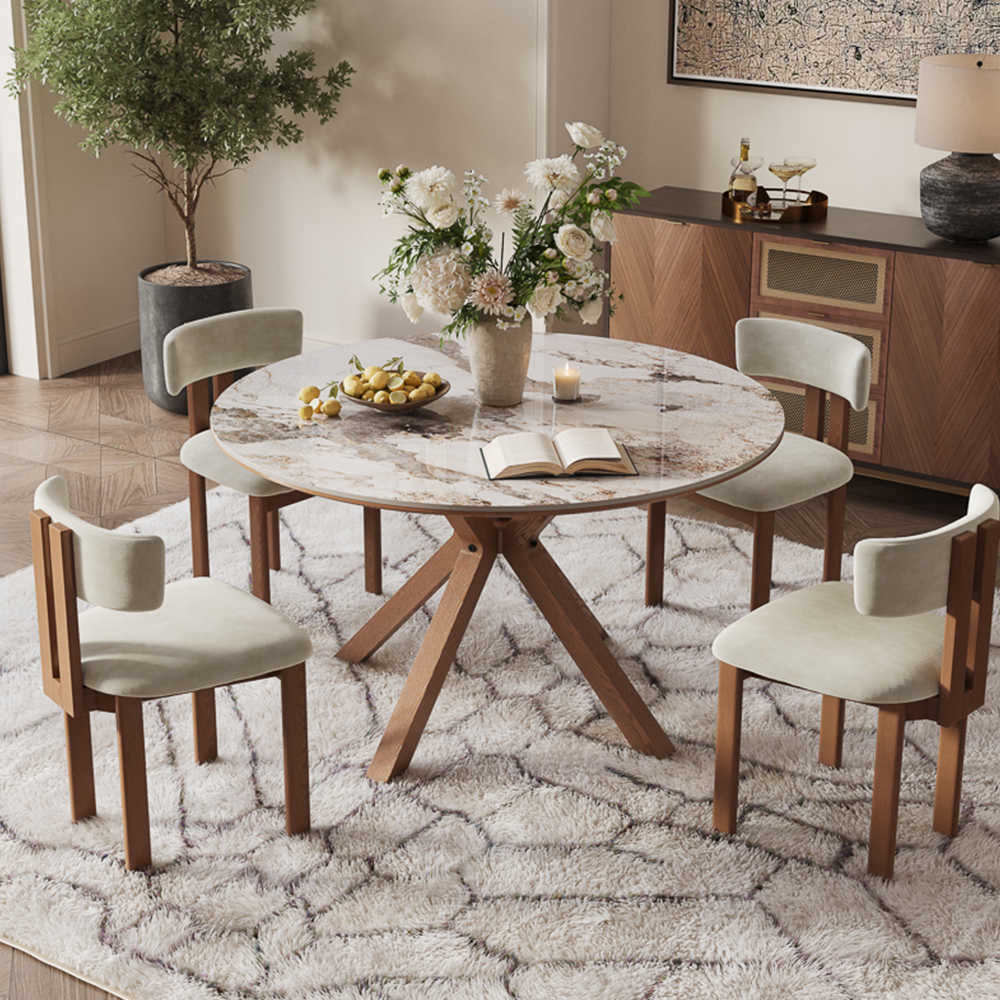
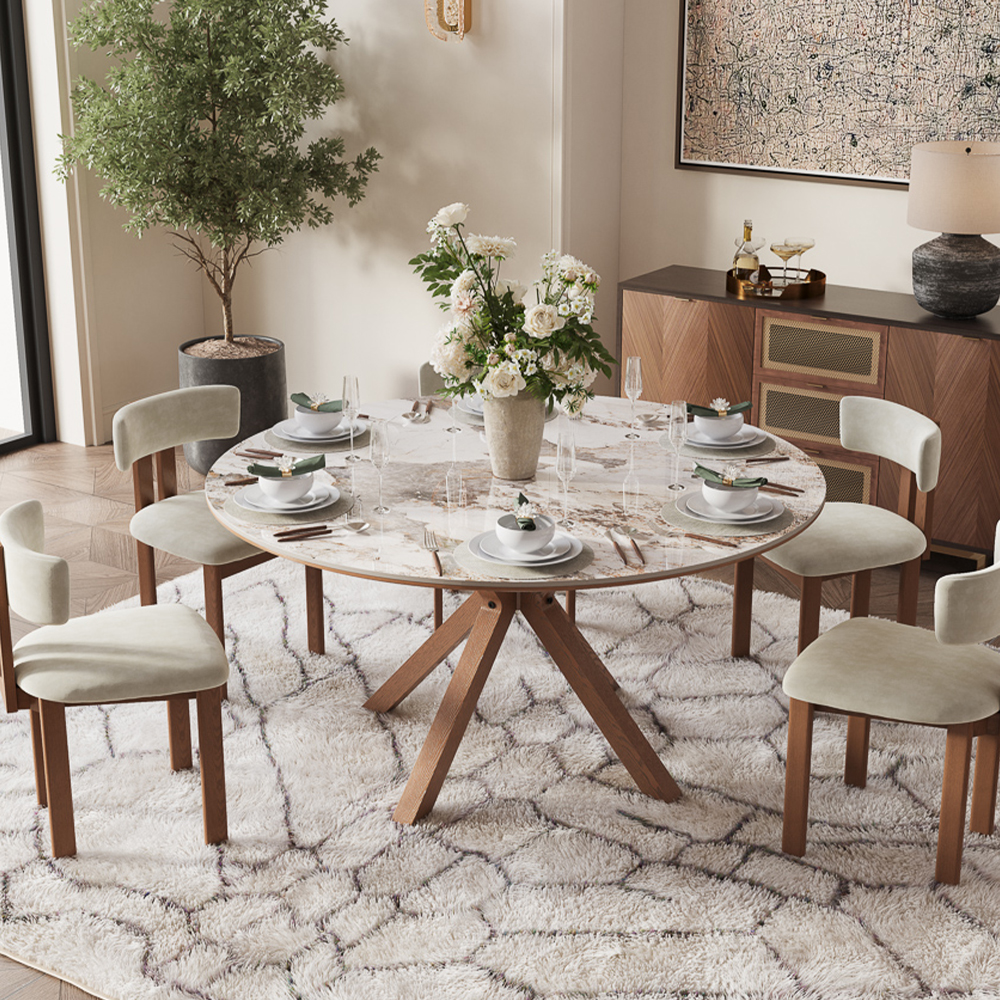
Why Sintered Stone Furniture Outperforms Natural Marble
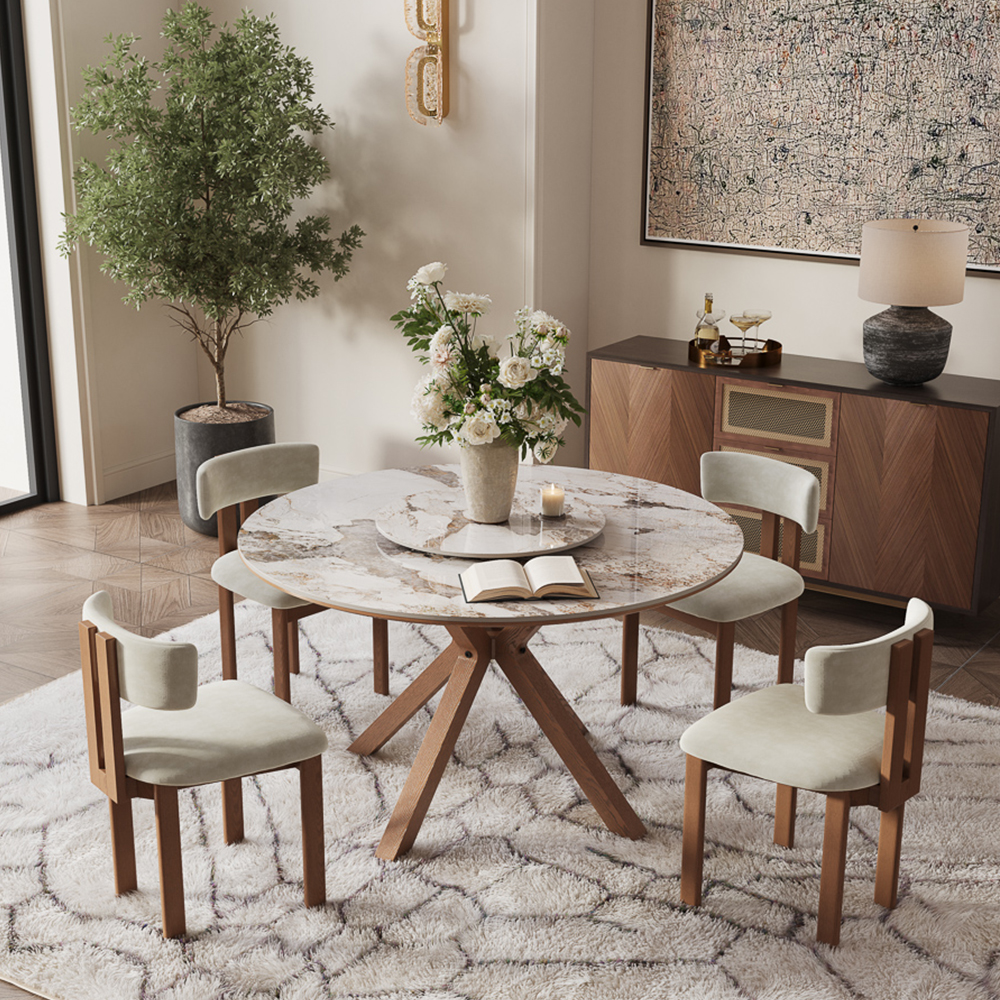
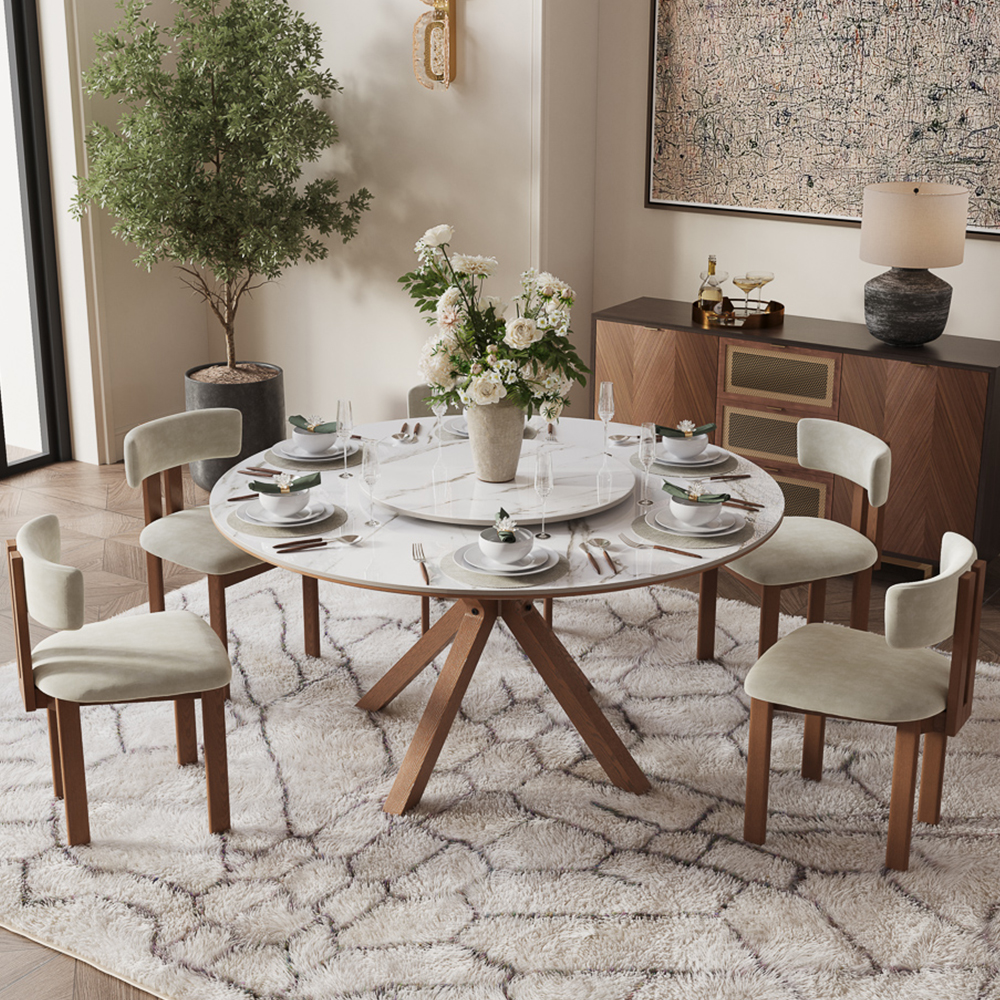
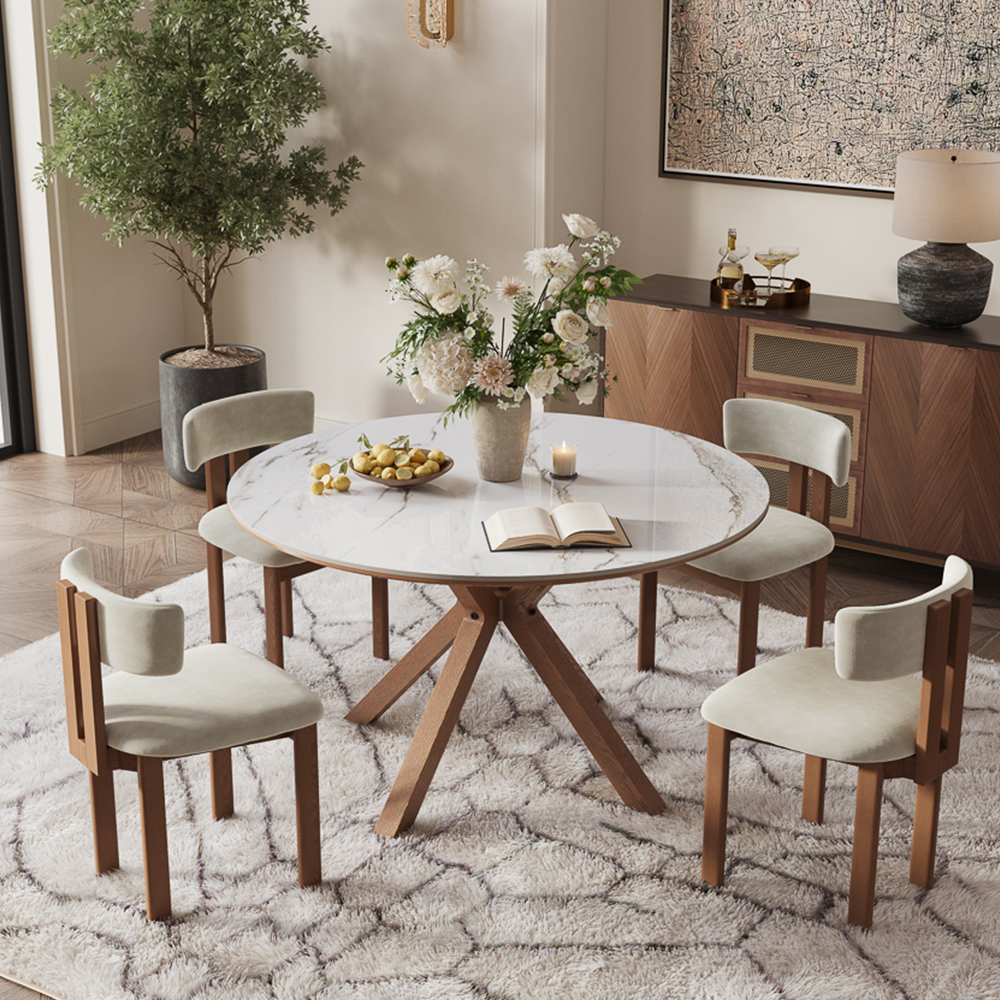
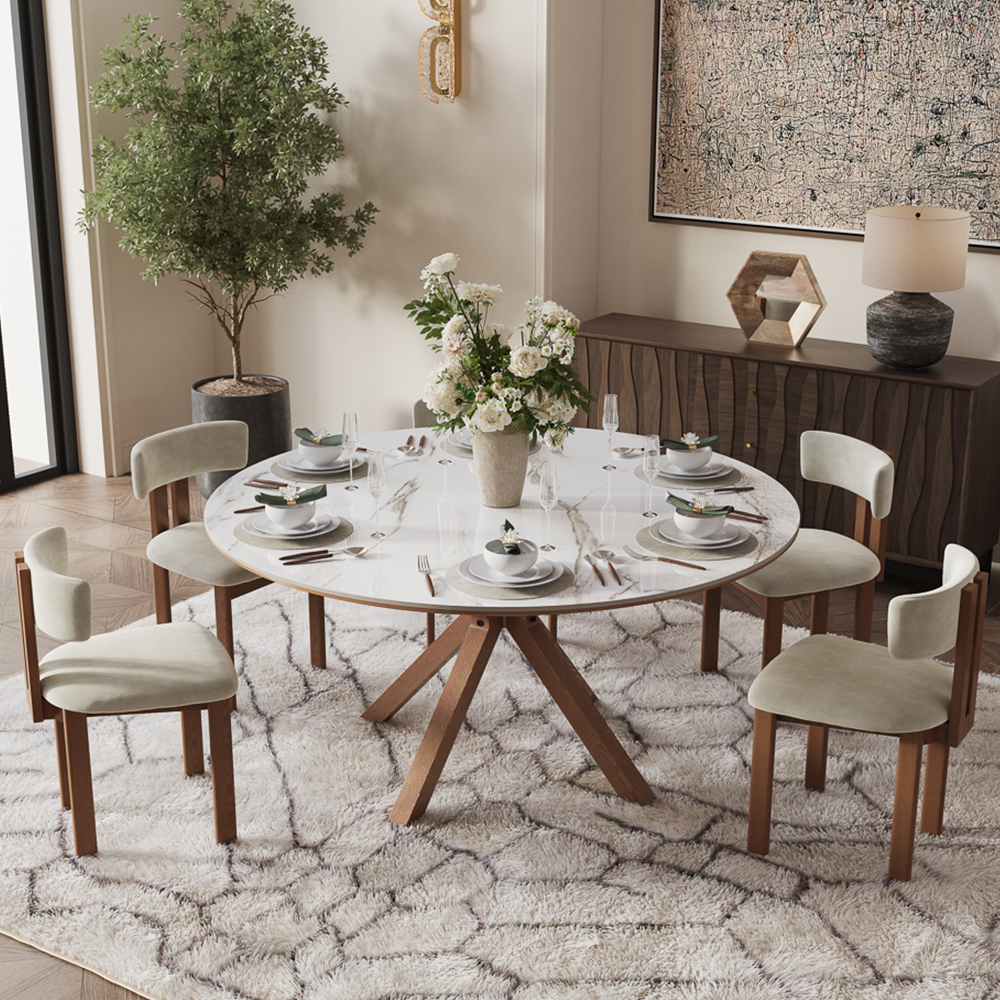
Sintered stone furniture delivers the luxurious look of marble without its maintenance headaches. The manufacturing process creates a non-porous surface with a Mohs hardness rating of 6-7, making it more scratch-resistant than granite. For dining tables, choose a 12mm or 15mm slab thickness for the best balance of elegance and durability. Pair sintered stone tops with solid steel or hardwood bases for stability, as the slabs weigh 15-20 lbs per square foot. When selecting finishes, matte options hide fingerprints better than glossy, while book-matched patterns create a seamless stone look across large surfaces. Sintered stone furniture resists wine, coffee, and citrus stains without sealing. Povison's fully assembled sintered stone furniture collection eliminates the risk of damage during DIY assembly, arriving ready for immediate use with professional installation.
Best Sintered Stone Furniture 2026
Sintered stone furniture has surged into the mainstream in 2026, with the global sintered stone surfaces market growing from $1.84 billion in 2024 to a projected $3.44 billion by 2033. Over 50% of stone surfaces specified by designers now feature honed or matte textures rather than high-gloss finishes. The material is manufactured by compressing natural minerals at extreme temperatures, producing surfaces that withstand heat up to 1200 degrees Fahrenheit, resist scratches, and block stains completely. Dining tables lead the category, but coffee tables, nightstands, and outdoor pieces are expanding rapidly.
What's Trending in 2026
Sintered stone pairs naturally with 2026's Japandi movement—glossy stone tops that mimic marble sit on walnut slatted bases for a warm-meets-modern contrast. Designers increasingly recommend mixing materials rather than matching sets: a sculptural sintered stone dining table with vintage wooden chairs creates visual interest without clutter. Matte and honed finishes dominate over polished looks, aligning with the broader shift toward understated luxury. Recycled and next-generation sintered stone formulations are gaining traction as eco-conscious buyers seek surfaces with 30+ year lifespans. The non-porous surface means zero absorption of spills, grease, or odors.
What the Best Options Have in Common
The best sintered stone furniture in 2026 combines aesthetic elegance with real-world durability. Top picks feature 12mm stone tops on sculptural metal or solid wood bases, with price points ranging from $800 for coffee tables to $2,500 for large dining sets. Key differentiators include edge profile options (beveled, bullnose, or raw-cut), base material quality, and overall weight stability. Povison's sintered stone collection stands out for arriving fully assembled, eliminating the risk of damaging delicate stone during DIY setup. Prioritize pieces with reinforced corner joints and anti-slip base pads for long-term stability.
Research draws from Research and Markets' sintered stone forecast, Artico Interiors' material analysis, ASK-T Furniture's 2026 dining trend report, and Povison's sintered stone buying guide.
Frequently Asked Questions
Everything you need to know about sintered stone furniture
Sintered stone furniture uses slabs created by fusing natural quartz and mineral powders under extreme heat (1200°C) and pressure. The process produces a non-porous surface that is scratch-resistant, stain-resistant, and heat-resistant up to 300°C. Common slab thicknesses range from 6mm to 20mm, with 12mm being the most popular for dining tables.
Sintered stone dining tables come in three standard sizes: small (63 x 31.5 inches, seats 4), medium (71 x 35 inches, seats 6), and large (79 x 39 inches, seats 6-8). Povison offers sintered stone furniture in multiple configurations, including extending tables that adapt from 4-person to 8-person seating for flexible entertaining.
Sintered stone furniture requires minimal maintenance compared to marble or natural stone. No regular sealing is needed. Simply wipe surfaces with a damp cloth and mild soap. The material holds an A1 fire rating, meaning it will not discolor from hot plates or mugs placed directly on the surface. Avoid dropping heavy objects on edges to prevent chipping.
Sintered stone furniture typically costs $800-$3,000 for dining tables, compared to $1,500-$5,000 for natural marble. The material outlasts marble with superior scratch and stain resistance, no sealing requirements, and UV-stable color that will not yellow over time. Its durability makes it ideal for families with children.
A standard 71-inch sintered stone dining table weighs between 120-180 lbs depending on slab thickness and base material. This weight requires professional delivery and placement. Povison's sintered stone furniture arrives fully assembled with white-glove delivery, eliminating the challenge of handling heavy slabs yourself.
Sintered stone rates 7-8 on the Mohs hardness scale, making it highly chip-resistant under normal use. However, a sharp direct impact on an unsupported edge or corner can cause chipping. Tables with rounded edges and reinforced corners reduce this risk significantly. Minor edge chips can be repaired with color-matched epoxy. Overall, sintered stone is far more impact-resistant than marble (Mohs 3) or glass.
For everyday dining, sintered stone outperforms marble in nearly every category. It resists stains, scratches (Mohs 7-8 vs marble's 3), and heat up to 300 degrees C without sealing. Marble requires resealing every 6-12 months and stains from wine or citrus. Sintered stone also costs 20-40% less long-term due to zero maintenance. Povison offers sintered stone dining tables that replicate marble's elegant veining without the upkeep drawbacks.
Sintered stone withstands temperatures above 300 degrees C (572 degrees F) without discoloring or warping, so everyday hot dishes, coffee mugs, and pans from the stove are safe to place directly on the surface. However, avoid placing cast iron straight from a 500 degree F oven onto a cold surface, as extreme thermal shock could theoretically cause stress. Using trivets for very hot cookware is a simple precaution.
No. Unlike quartz, which contains resin binders sensitive to UV rays, sintered stone is 100% mineral-based and completely UV-resistant. Colors and patterns will not fade, yellow, or degrade even with years of direct sunlight exposure. This makes sintered stone ideal for dining tables near windows or in sunrooms. The color runs through the full 6-12mm slab thickness, so surface wear never reveals a different shade beneath.
Carbon steel and stainless steel bases (powder-coated or brushed) provide the strongest support for slabs weighing 40-80 lbs. Solid oak or walnut pedestals add warmth and suit Scandinavian or mid-century styles. For modern interiors, a single sculptural metal base creates a floating effect. Avoid thin tubular legs for tables over 60 inches, as the stone's weight (15-20 kg per square meter) requires substantial structural support.
Both are fired at high temperatures, but sintered stone is compressed under 10,000+ tons of pressure, creating a denser, harder surface. Sintered stone scores 7-8 Mohs versus ceramic's 5-6, offering superior scratch resistance. Sintered stone slabs come in larger formats (up to 126x63 inches) with fewer seams. Ceramic is typically lighter and 15-25% cheaper, but sintered stone better resists chipping and offers more realistic natural stone patterns.
Complete Your Living Room
Pair your sintered stone furniture with these popular picks
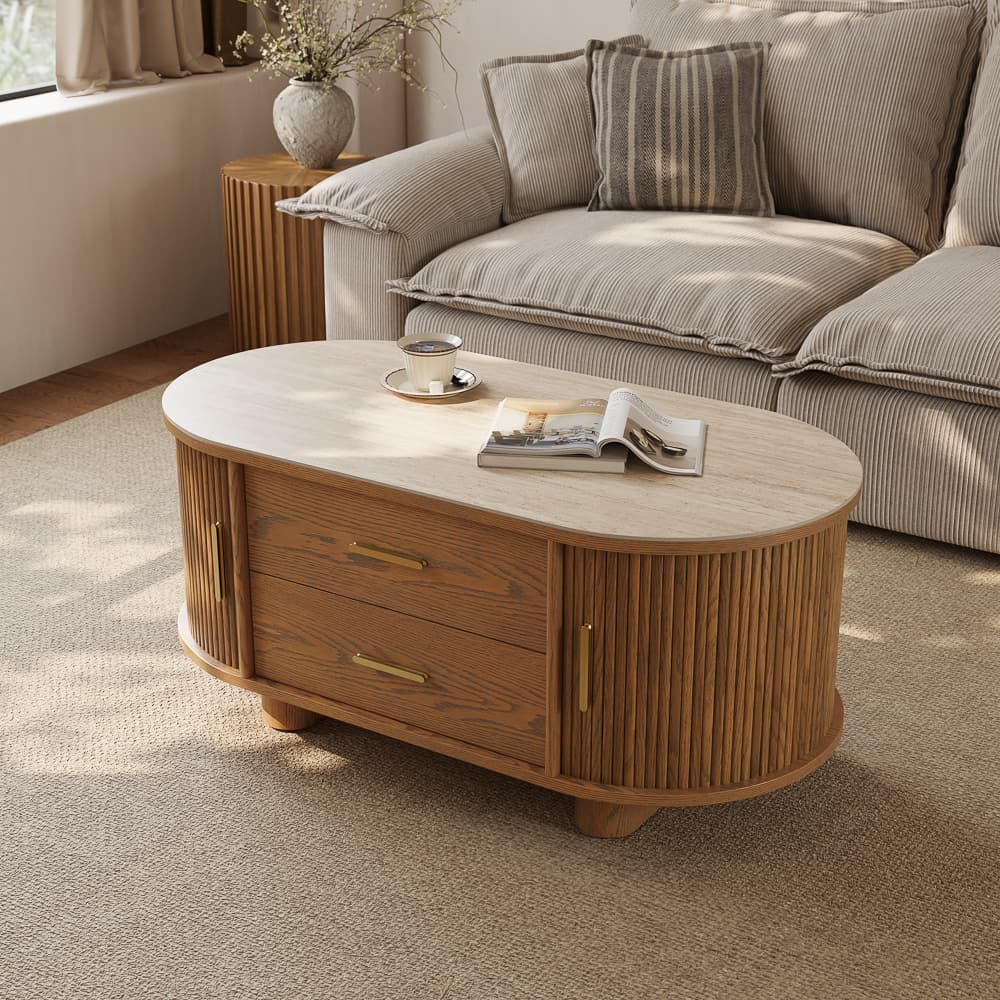
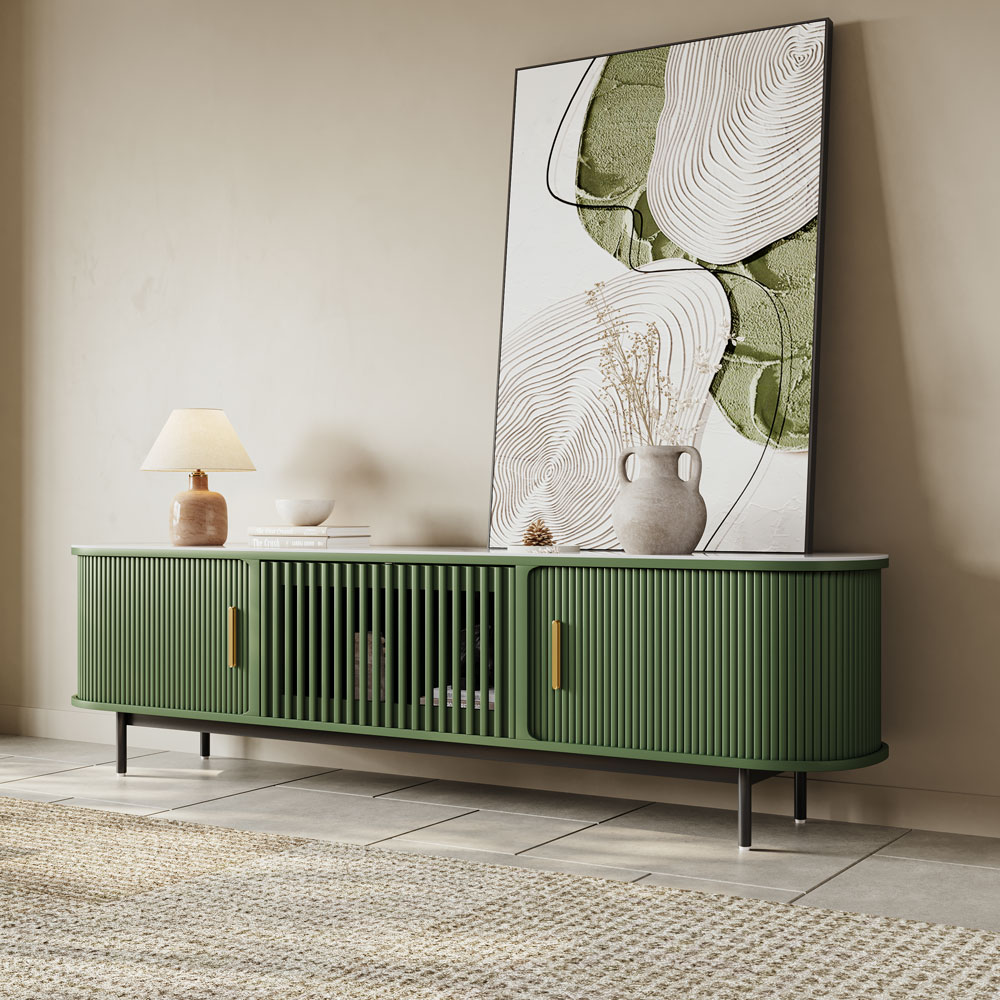
Sintered Stone Furniture — Comfort Meets Modern Design
Sintered stone furniture combines the natural beauty of marble with engineered durability that handles daily family life. Created by fusing mineral powders at 1200°C under extreme pressure, sintered stone furniture surfaces resist scratches, stains, heat, and UV fading without ever needing to be sealed. Available in slab thicknesses from 6mm to 20mm, sintered stone furniture is ideal for dining tables, coffee tables, and console surfaces.
When shopping for sintered stone furniture, pay attention to slab thickness and base construction. A 12mm slab offers elegant proportions for dining tables, while 20mm provides a substantial, luxurious feel. Quality sintered stone furniture features book-matched veining patterns and edges finished to prevent chipping. Standard dining table sizes range from 63 inches for four guests to 79 inches for eight.
Povison specializes in sintered stone furniture delivered fully assembled to your home. Their collection includes dining tables, coffee tables, and side tables featuring premium sintered stone tops paired with solid steel and hardwood bases. Every sintered stone furniture piece from Povison arrives ready to use, eliminating the risk of damaging heavy stone slabs during self-assembly.