
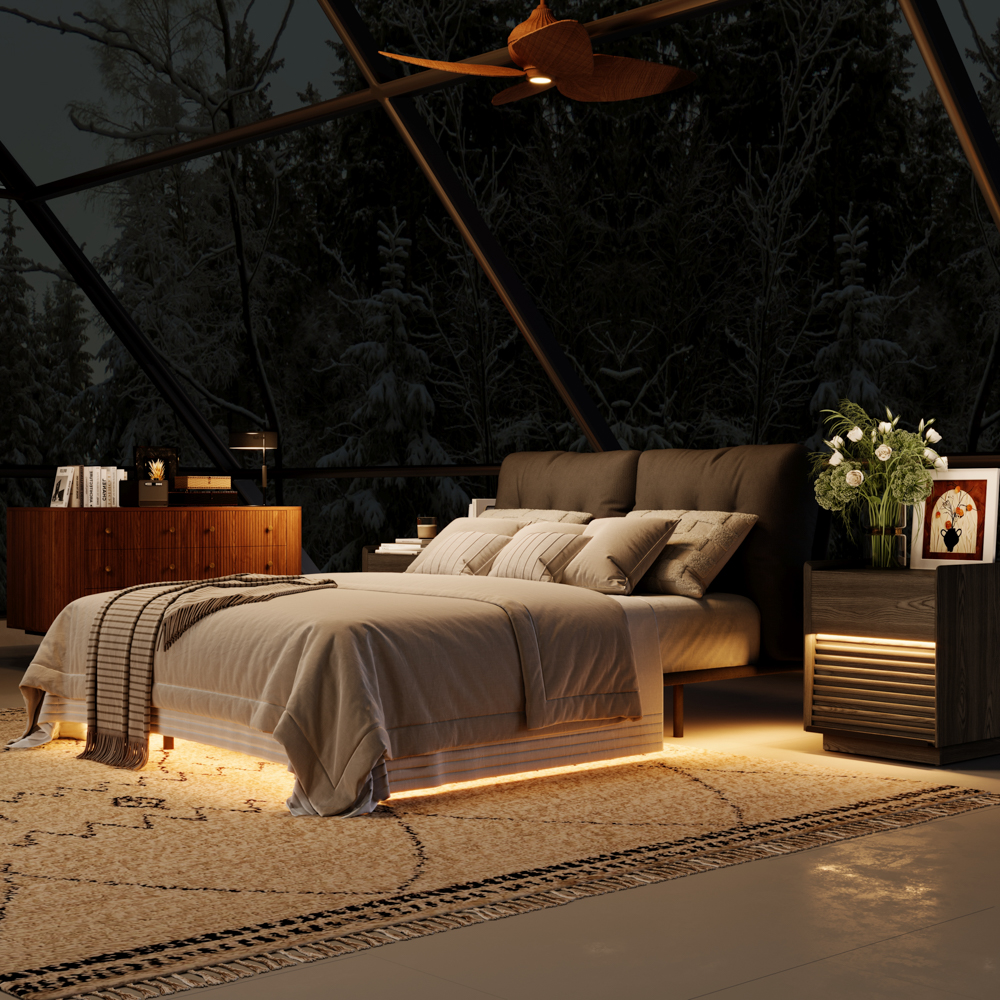
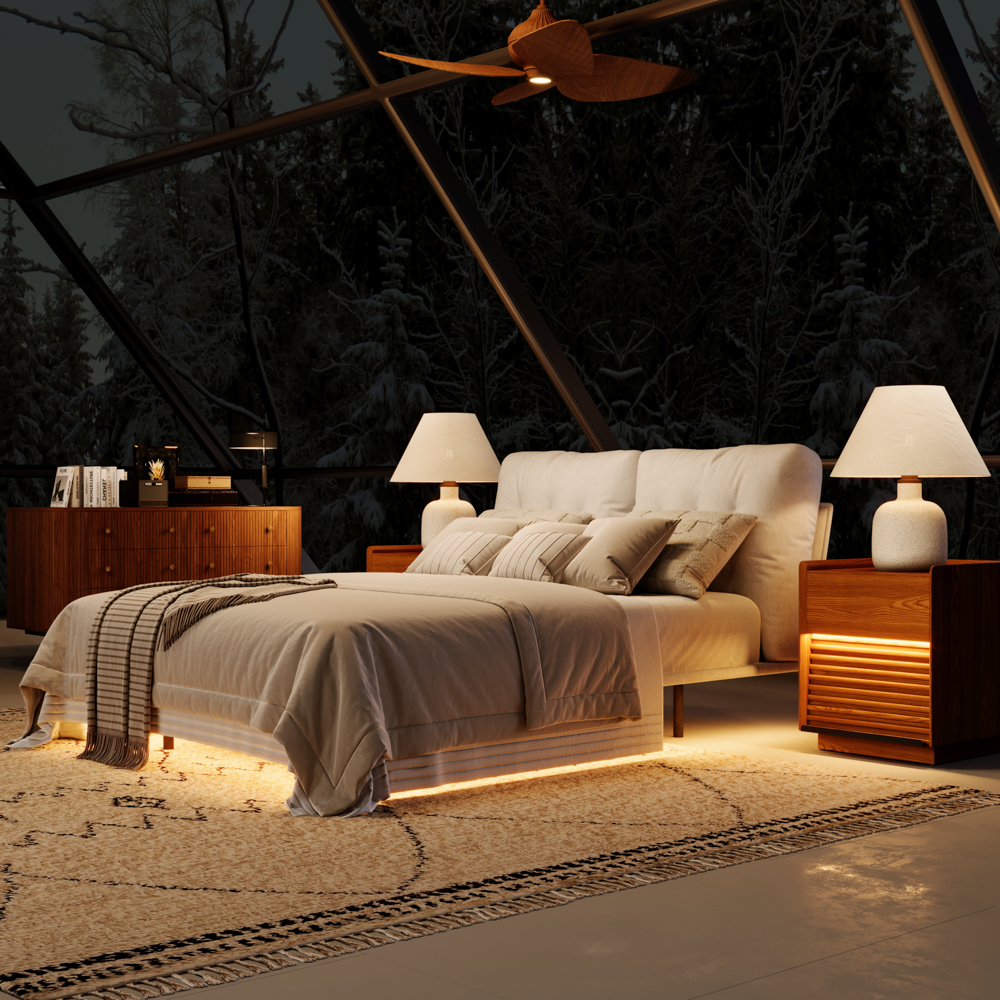
Creating an Authentic Japandi Furniture Space in Your Home
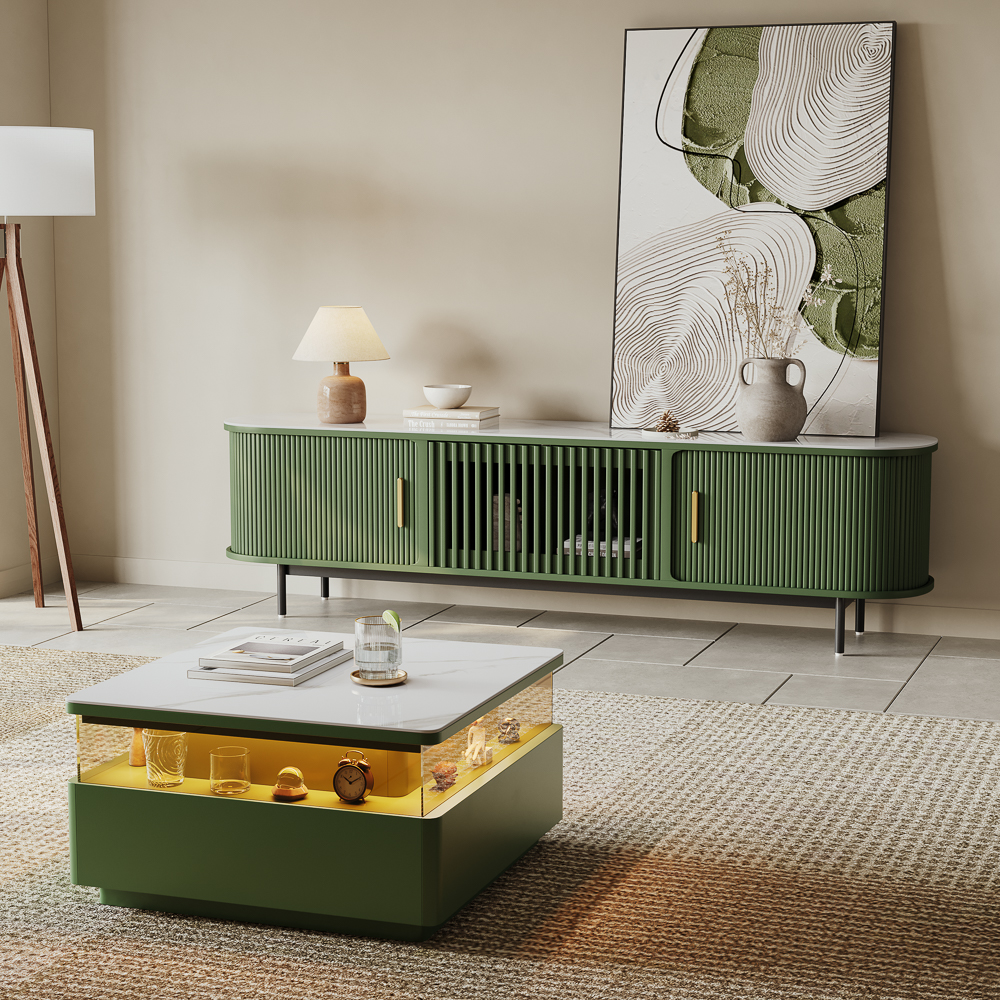
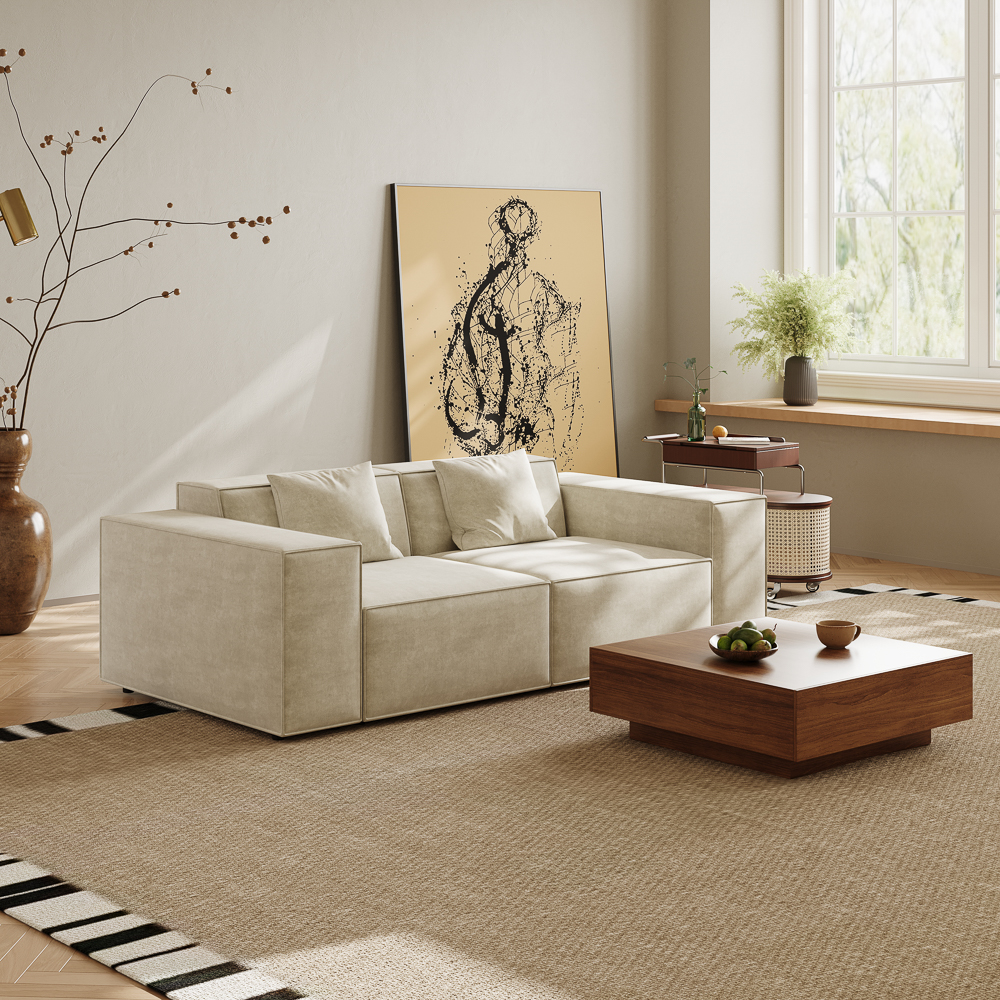
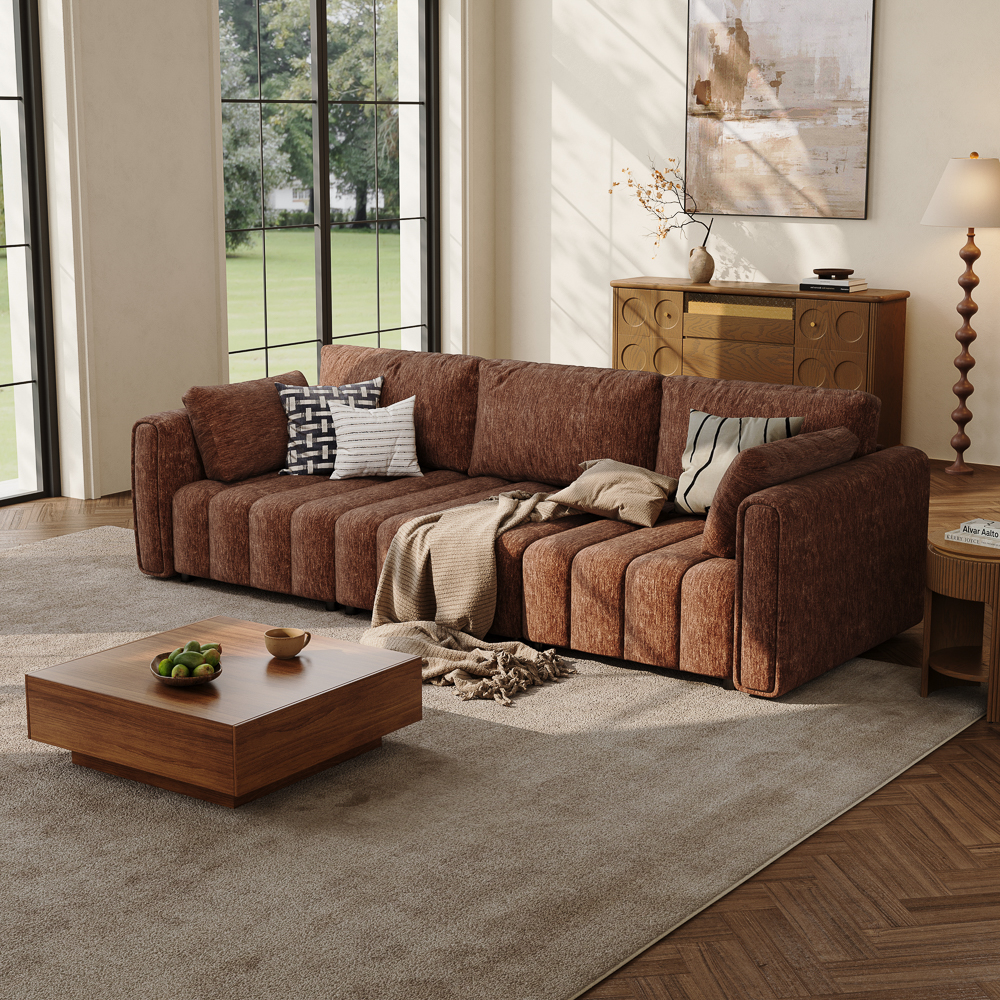
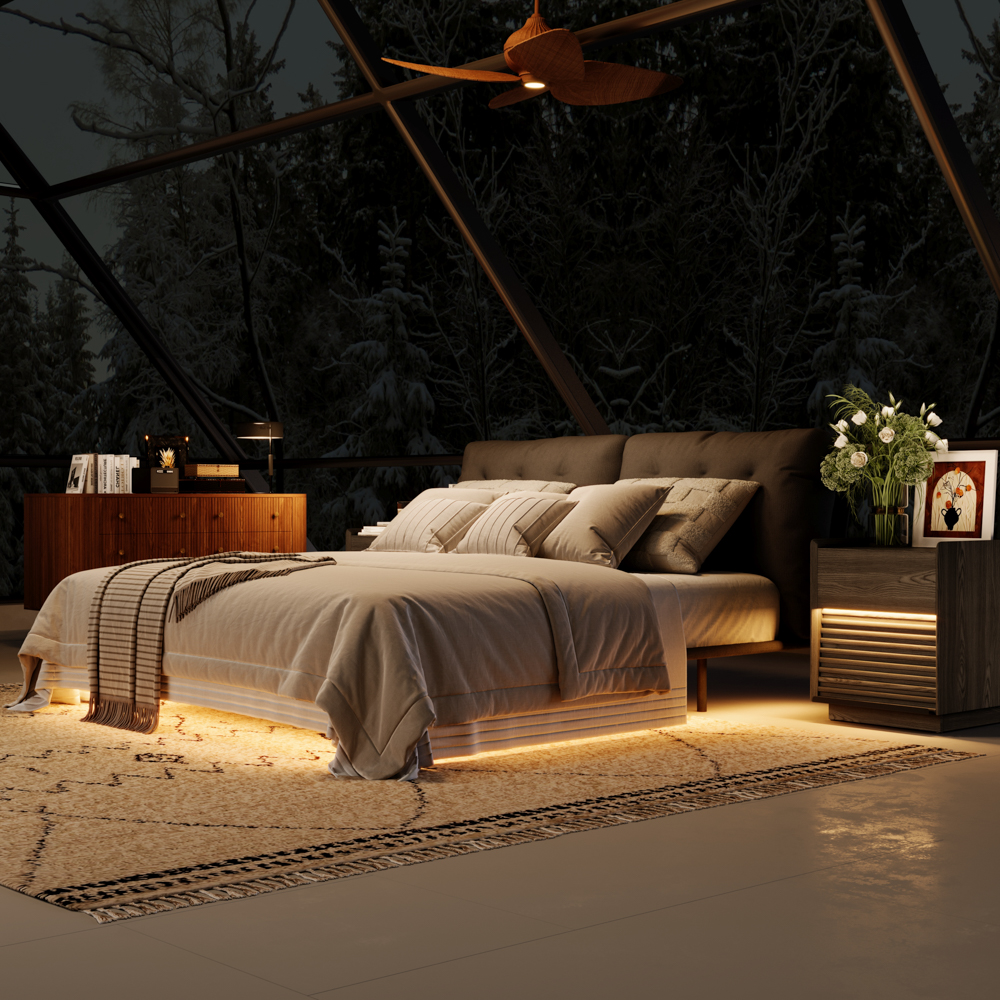
Japandi furniture succeeds through restraint and material quality, not quantity. Start with a neutral palette anchored by one dominant wood tone -- walnut for warmth or light oak for airiness -- and keep every piece in that family. In 2026, the Japandi trend has shifted toward richer, darker woods and embraces subtle imperfections that reflect handcraftsmanship: visible tool marks, irregular wood grain, and organic curves. Choose low-profile Japandi furniture under 32 inches tall to maintain the grounded, horizon-line aesthetic central to both Japanese and Scandinavian design. Limit each room to 5-7 furniture pieces with clear negative space between them. Storage should be closed or concealed -- open shelving contradicts Japandi's philosophy of visual calm. For textiles, layer natural materials: a linen sofa, cotton cushions, and a wool or jute rug. Avoid synthetic fabrics and plastic components entirely. Povison's Japandi furniture collection offers solid wood pieces in walnut and oak finishes, delivered fully assembled to preserve the precision joinery and material integrity that define authentic Japandi craftsmanship.
Best Japandi Furniture 2026
Japandi furniture, the fusion of Japanese simplicity and Scandinavian warmth, remains one of the most popular interior design styles in 2026. The movement has evolved beyond its initial aesthetic fusion into what scholars now term 'atmospheric minimalism,' prioritizing emotional resonance over stylistic purity. Light or medium-tone woods like oak, walnut, and ash in matte natural finishes anchor the look, while low-profile silhouettes directly reference traditional Japanese tatami culture. The market spans accessible retailers like Castlery and Article to specialized boutiques like Japandi Store and Karup Design, with price ranges from $200 accent pieces to $3,000+ dining sets.
What's Trending in 2026
Japandi's 2026 evolution centers on three shifts. The color palette expands beyond traditional oat-stone-beige neutrals to embrace warmer brown tones with increased texture and layering. Furniture profiles are getting lower and softer, with sharp mid-century lines giving way to organic curves that mimic natural forms. Material authenticity is non-negotiable: reclaimed wood, FSC-certified timber, and recycled materials form the foundation of a philosophy centered on fewer, higher-quality pieces that last a lifetime. Wall treatments in lime wash, clay plaster, and micro-cement add depth and shadow that complement the furniture's tactile restraint. The overall direction is what designers call 'warm minimalism with soul.'
What the Best Options Have in Common
The best Japandi furniture in 2026 achieves calm without coldness through four measurable qualities: natural wood grain visible through matte (never glossy) finishes, joinery that serves as decorative detail, multi-functional storage integrated into clean silhouettes, and proportions scaled for real living rather than showroom photography. Key pieces include low-profile bed frames under 14 inches high, oval dining tables in light oak, and sculptural lounge chairs with exposed wood frames. Povison's fully assembled Japandi-leaning collection, spanning TV stands, accent chairs, and dining sets, delivers everyday comfort and long-term value for buyers who want the aesthetic without sourcing individual pieces from five different specialty retailers.
Research synthesized from Povison Japandi top 10 picks, Hackrea Japandi style trends, The Coolist Japandi living room and bedroom ideas, Ideal Home trend analysis, and FrescoForma warm minimalism 2026 report.
Frequently Asked Questions
Everything you need to know about japandi furniture
Japandi furniture blends Japanese minimalism with Scandinavian warmth, creating pieces defined by clean lines, natural materials, and intentional simplicity. Typical Japandi furniture features low-profile silhouettes, muted earth-tone finishes, and natural materials like walnut, bamboo, oak, and linen. Every piece in a Japandi collection serves a clear functional purpose with no purely decorative excess, reflecting both Japanese wabi-sabi philosophy and Nordic hygge comfort.
Japandi furniture prioritizes natural, sustainable materials including solid woods (walnut, oak, ash), bamboo, rattan, and linen textiles. In 2026, dark woods like walnut and stained ash dominate the Japandi palette, replacing the lighter Scandinavian tones of previous years. Eco-friendly materials like reclaimed wood, FSC-certified timber, and recycled metals align with Japandi's core sustainability philosophy. Povison's Japandi furniture collection uses solid wood to honor this material-first approach.
While both styles value simplicity, Japandi furniture adds warmth through natural material textures, handcrafted details, and organic imperfections that minimalism typically avoids. Japandi furniture embraces subtle irregularities -- visible wood grain, hand-thrown ceramic accents, and slightly asymmetrical forms -- rooted in the Japanese wabi-sabi concept. Minimalist furniture tends toward uniform surfaces and geometric precision without this textural depth.
Japandi furniture excels in living rooms, bedrooms, and dining areas where a calm, grounded atmosphere is desired. Low-profile Japandi sofas at 28-32 inches tall and platform beds at 10-14 inches create the grounded aesthetic central to the style. A Japandi dining table in walnut or oak at 29-30 inches tall paired with woven-seat chairs creates a serene, intentional gathering space for daily meals.
Begin with 3-5 essential Japandi furniture pieces rather than filling the room. A low-profile sofa, a solid wood coffee table, and one storage credenza create a complete Japandi living room. Use a muted palette of warm grays, soft whites, charcoal, and natural wood tones. Layer natural textures through linen cushions, a jute rug, and one or two ceramic accents to add depth without visual clutter.
Japandi relies on warm neutrals: ivory, sand, beige, greige, and soft gray as base colors. Accent with muted greens, terracotta, deep brown, or soft charcoal drawn from nature. Avoid bright or saturated colors. Limit your palette to 3-4 tones per room. Wood tones should stay natural with matte or low-sheen finishes, never high-gloss, to maintain the calming organic aesthetic.
Yes, Japandi on a budget is achievable starting at $500-$1,500 per room. Use affordable materials like bamboo, pine, and rattan for natural warmth. Shop secondhand for simple wood furniture and refinish with natural oils. IKEA offers Scandinavian basics easily adapted to Japandi. Povison provides affordable Japandi-inspired furniture collections with clean lines and natural wood finishes starting under $300 per piece.
Wabi-sabi is a Japanese philosophy embracing imperfection, impermanence, and natural beauty. In Japandi furniture, this means valuing visible wood grain, handmade textures, and organic irregularities rather than factory-perfect finishes. A table with natural edge variations or a ceramic piece with slight asymmetry embodies wabi-sabi. This principle distinguishes Japandi from pure minimalism, which prioritizes uniformity.
Limit your Japandi room to 2-3 wood tones for visual harmony. Combine one light wood (birch, ash, or maple) with one medium tone (oak or bamboo) as your primary pairing. Add a third dark accent (walnut or cedar) sparingly through small accessories. Keep all finishes matte or satin, and ensure at least 60% of wood surfaces share a similar warmth undertone.
Japanese cedar (sugi) and cypress (hinoki) represent the Japanese side, prized for natural decay resistance and subtle fragrance. Scandinavian contributions include light-toned oak, birch, and ash. Bamboo bridges both traditions as a sustainable choice growing to harvest size in 3-5 years. Teak and walnut add warmth as accent woods. All should feature natural, low-sheen finishes.
Yes, Japandi furniture prioritizes solid wood construction and functional design, making it family-friendly. Hardwoods like oak and walnut resist scratches and dents from daily use. The wabi-sabi philosophy actually embraces wear marks as character. Choose sealed or oiled finishes for easy cleanup of spills within 1-2 minutes. Rounded edges common in Japandi design also reduce injury risk for young children.
Complete Your Living Room
Pair your japandi furniture with these popular picks
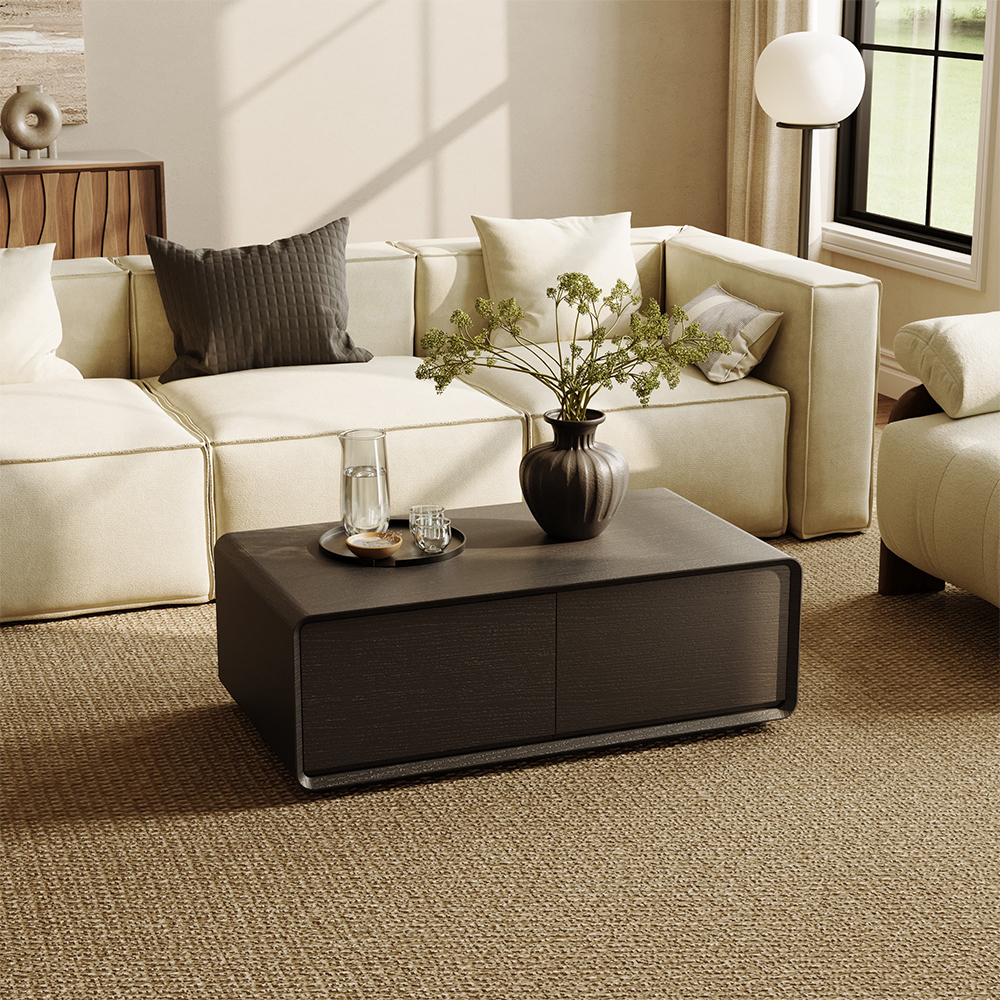
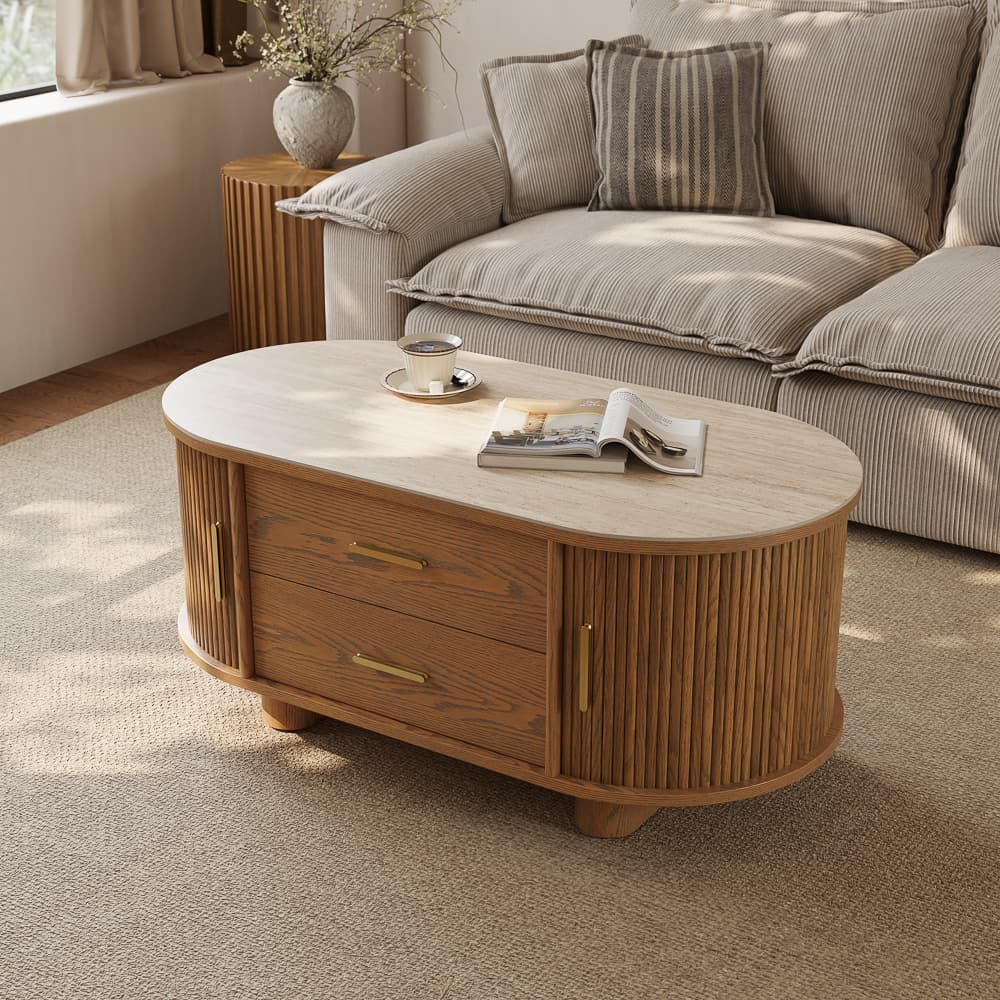
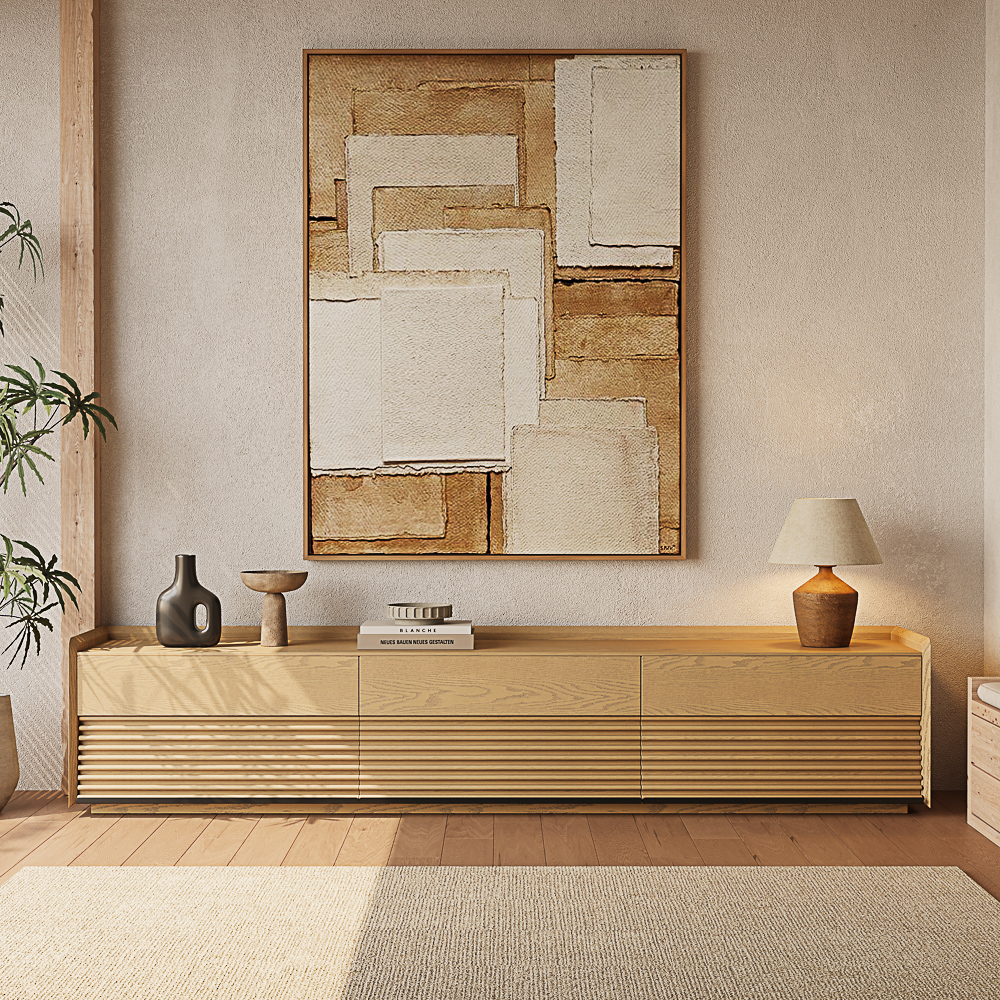
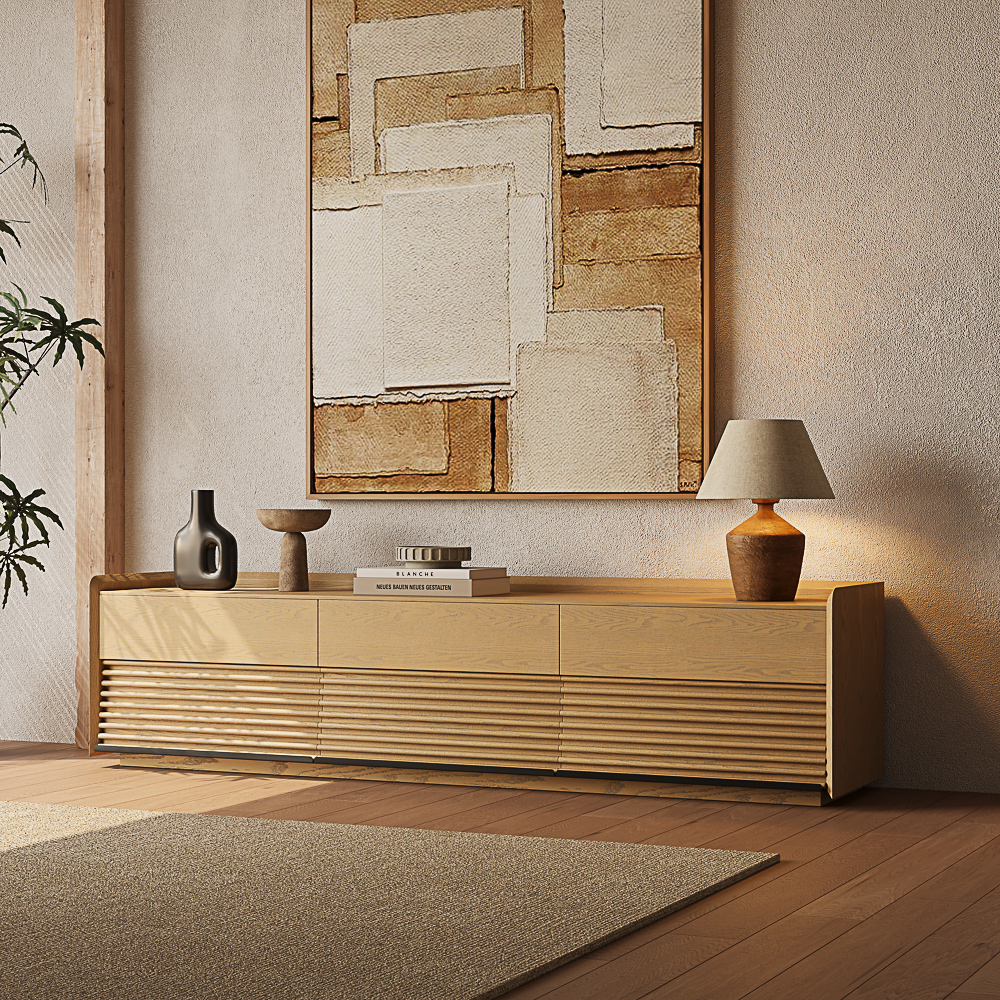
Japandi Furniture — Comfort Meets Modern Design
Japandi furniture merges Japanese minimalism with Scandinavian warmth, creating interiors defined by clean lines, natural materials, and intentional simplicity. Rooted in both wabi-sabi and hygge philosophies, Japandi furniture features low-profile silhouettes in walnut, oak, bamboo, and rattan with muted earth-tone finishes. Every piece of Japandi furniture serves a clear purpose, with no purely decorative elements cluttering the space. The result is a calm, grounded home environment that feels both refined and lived-in.
In 2026, Japandi furniture trends embrace darker woods, handcrafted imperfections, and sustainable materials. Rich walnut, stained ash, and reclaimed timber replace the lighter tones of earlier Japandi interpretations, while visible craftsmanship details like tool marks and organic wood grain celebrate authenticity. Japandi furniture in 2026 also emphasizes closed storage -- credenzas, drawer chests, and concealed shelving -- to maintain the visual calm that defines the style. Textured wall treatments in lime wash and clay plaster complement Japandi furniture collections.
Povison carries an authentic Japandi furniture collection crafted from solid wood and delivered fully assembled, preserving the precision joinery essential to this craft-focused style. From low-profile platform beds to minimalist dining tables and storage credenzas, each Povison Japandi furniture piece arrives ready to create a serene, intentional living space. Build your Japandi home with fully assembled furniture that honors both Japanese simplicity and Scandinavian comfort.