
Choosing the Right Wooden Coffee Table: Wood Types, Finishes, and Care
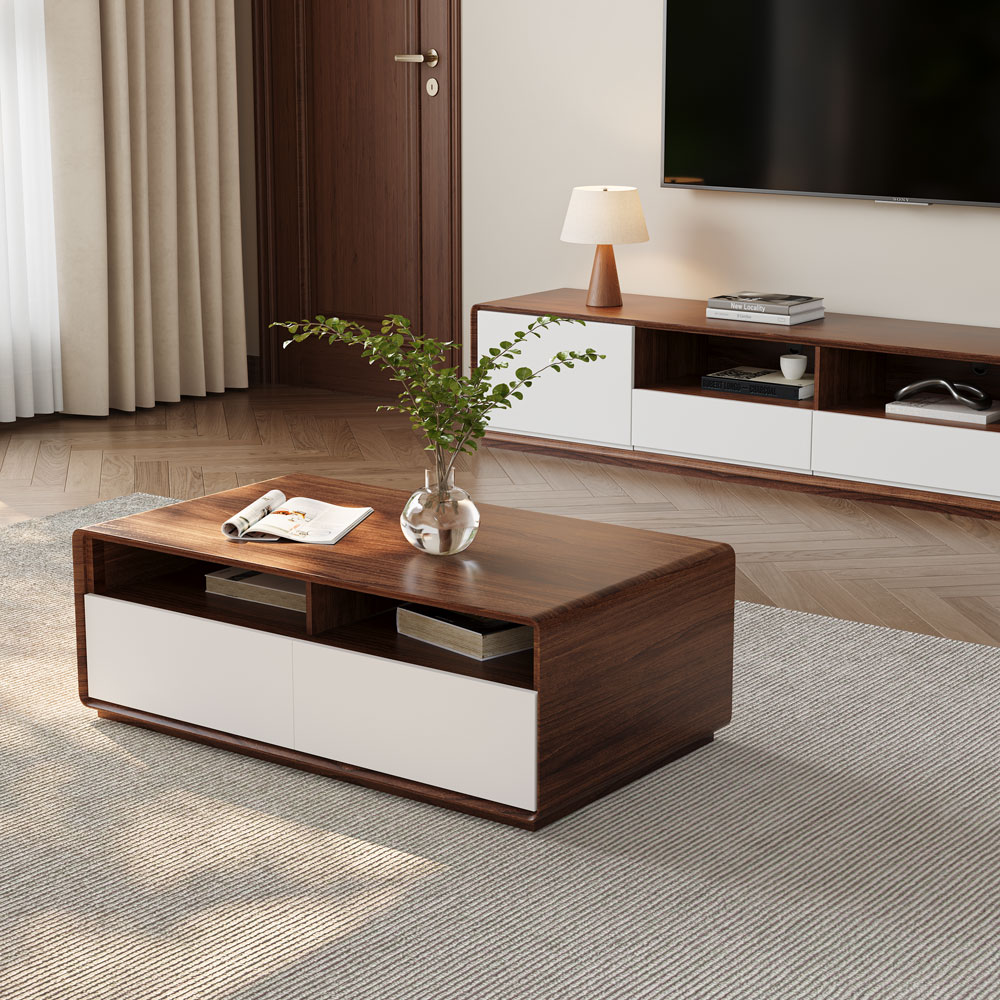
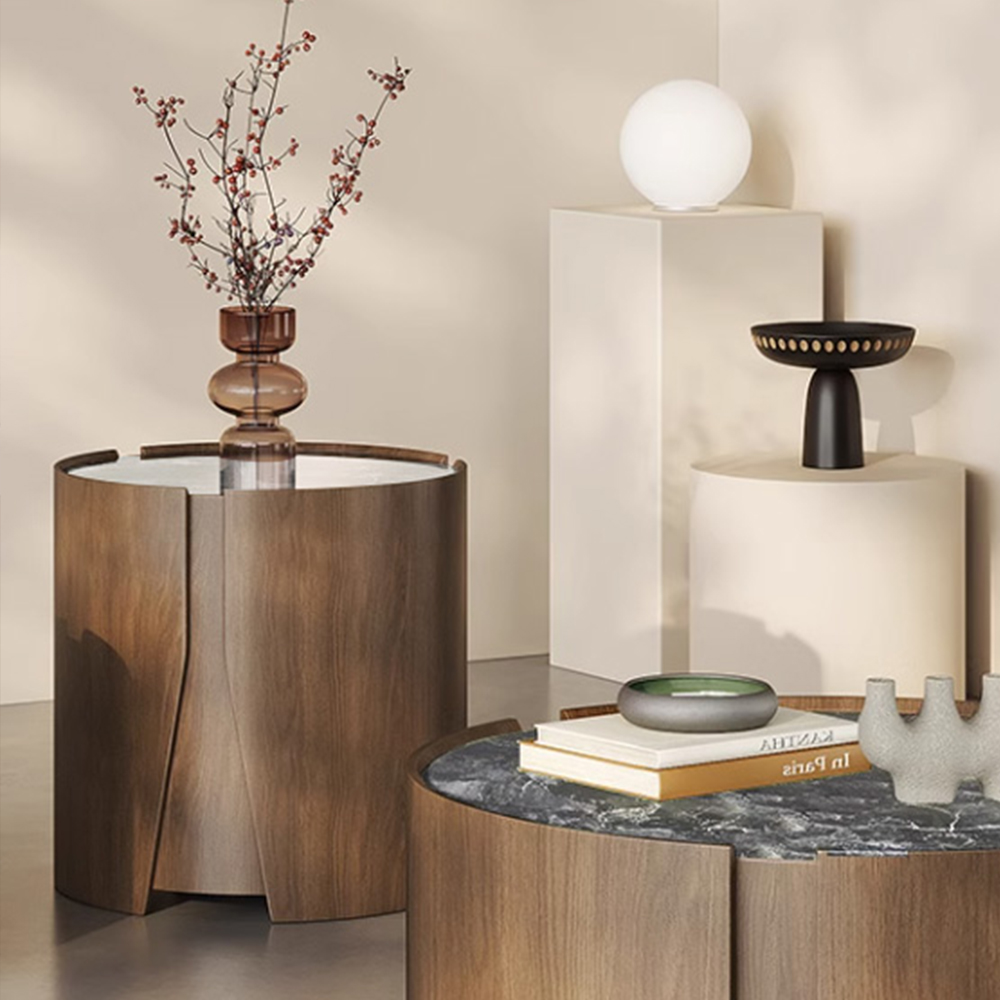
A wooden coffee table is the living room's workhorse, and the wood species you choose determines both aesthetics and durability. For high-traffic households, acacia is the standout performer at 55% harder than European white oak, with natural scratch resistance that shrugs off daily use. Walnut delivers the richest visual depth, with dark chocolate tones that grow more beautiful with age. Oak remains the versatile classic, available in dozens of stain colors from honey blonde to espresso. Finish type matters as much as wood species. Oil finishes let the natural grain breathe and are easy to touch up, while lacquer and polyurethane create harder surfaces but show wear patterns more visibly over time. For care, use coasters religiously and re-oil every 6-12 months. Keep wooden tables away from direct sunlight and heat sources that cause warping and fading. Povison's wooden coffee tables arrive fully assembled in solid oak, walnut, and acacia, with factory-applied finishes that protect from day one without requiring your own sanding or sealing.
Best Wooden Coffee Table 2026
Wooden coffee tables sit at the heart of 2026's design philosophy, which prizes natural materials, visible craftsmanship, and warmth over sterile perfection. Elle Decor's 2026 furniture trend report highlights sculptural curves, artisanal quality, and a decisive return to darker woods and expressive grain patterns. The Good Trade's 2026 sustainable furniture guide identifies FSC-certified and upcycled wood options gaining significant market share as eco-conscious buying increases. Popular wood species include walnut, oak, mango, and birch, with solid wood tables ranging from $300 to $2,000+ depending on species and construction quality. Veneer alternatives over MDF or plywood cores offer the wood aesthetic at 40-60% lower price points.
What's Trending in 2026
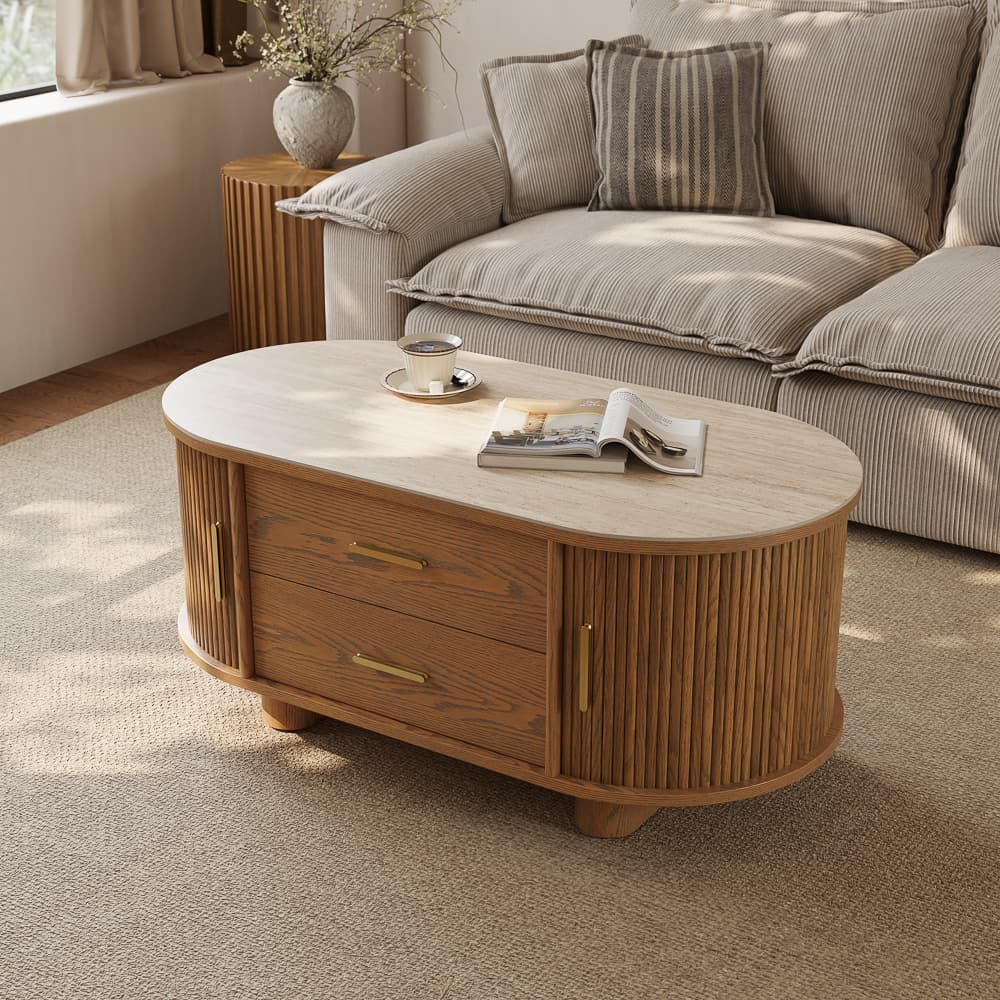
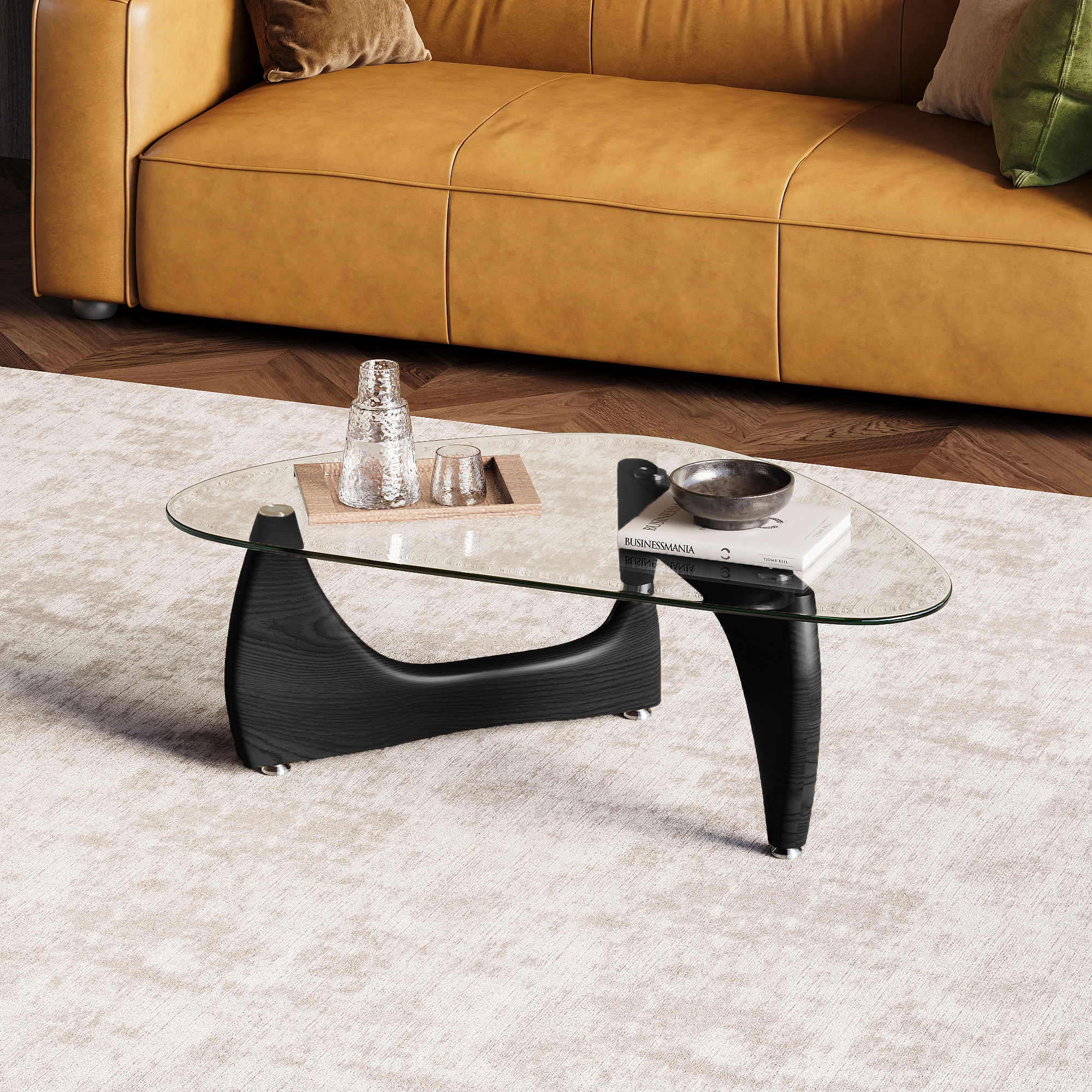
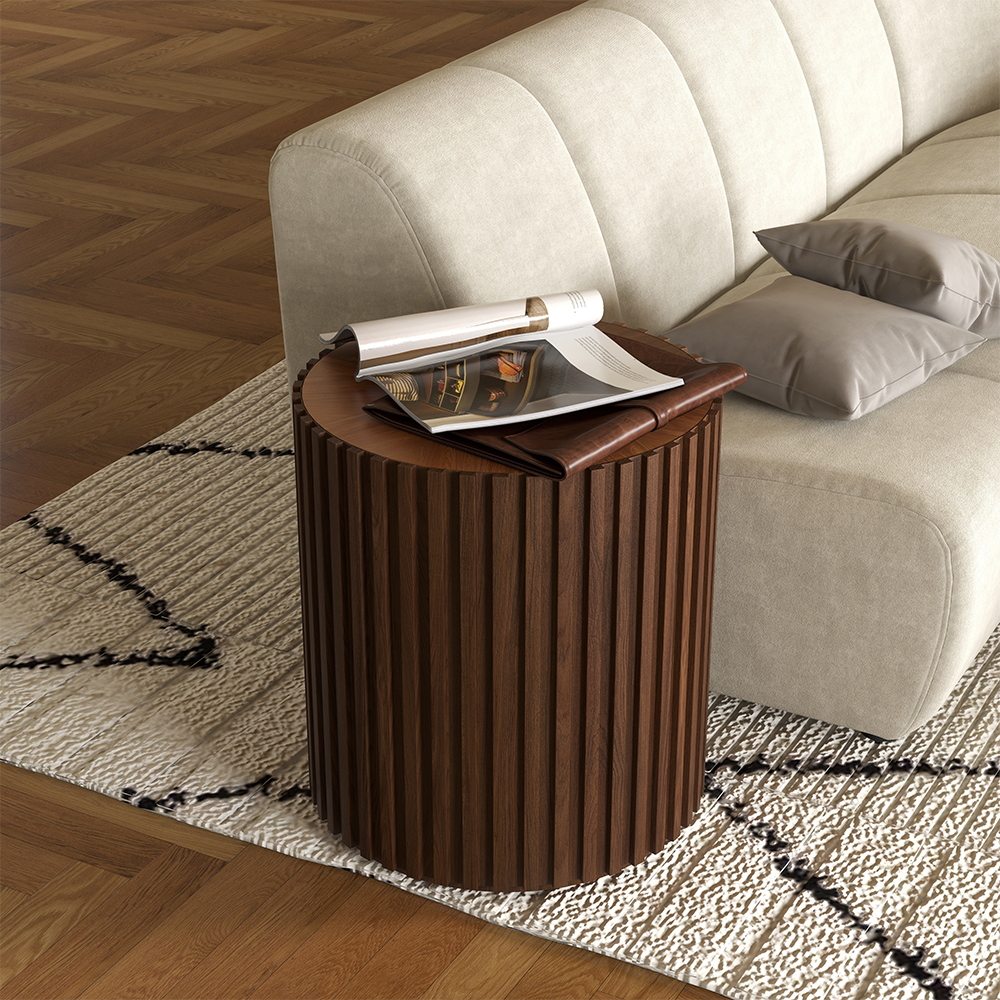
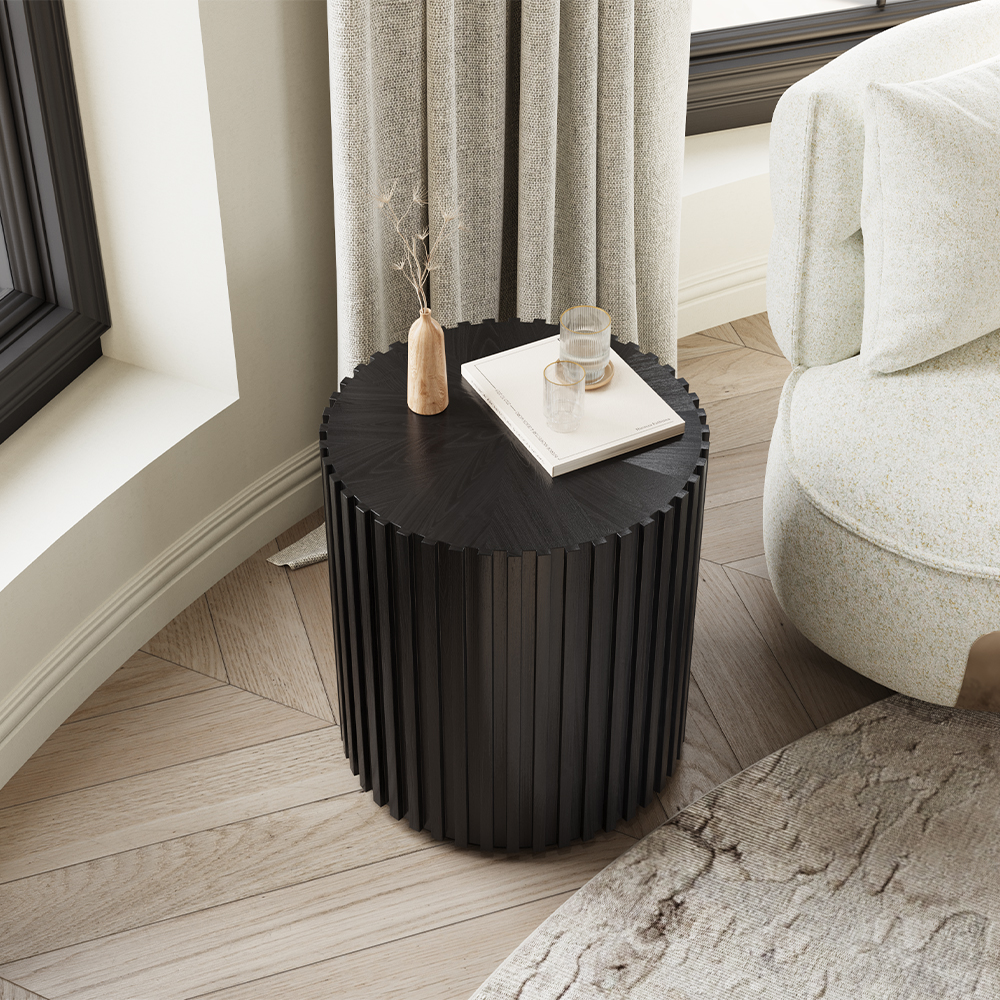
Darker, richer wood tones define 2026. Smoked oak, walnut, and ebonized finishes replace the bleached and whitewashed looks of recent years, providing sophisticated contrast against warm neutral palettes. Sculptural curved forms are essential, with pebble-like tops, softened corners, and asymmetrical silhouettes that feel almost hand-carved. Burl wood is experiencing a major moment, adding mesmerizing natural patterns and one-of-a-kind character to each piece. Sustainability drives material choices, with FSC/PEFC-certified woods and Rainforest Alliance certifications becoming purchase decision factors. Fluted wood bases and slim tapered legs create the quiet luxury aesthetic that defines the year's broader design movement.
What the Best Options Have in Common
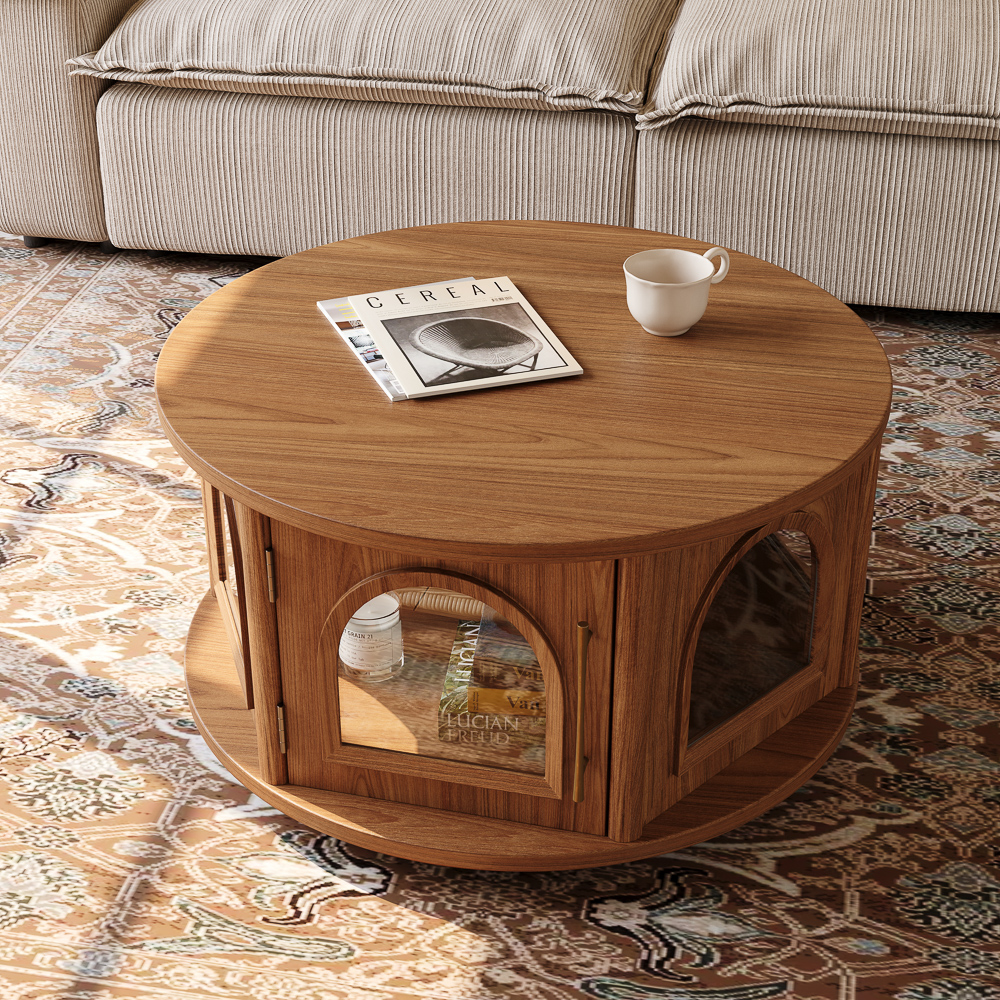
The strongest wooden coffee tables of 2026 showcase quality construction you can see and feel. Solid hardwood tables in walnut or oak with hand-finished details earn the highest marks from design reviewers. Key differentiators include kiln-dried wood that resists warping, non-toxic stains and finishes for family safety, and joints reinforced beyond basic dowel construction. Look for tables offering at least one storage element, whether an open shelf, discreet drawer, or lift-top mechanism. Povison's fully assembled wooden coffee tables stand out for eliminating the assembly frustration common with solid wood furniture, arriving ready to place with protective packaging that prevents transit damage.
Research drawn from The Good Trade's 2026 sustainable coffee table guide, Petra Madalena's contemporary trend analysis, Elle Decor's furniture trend report, and Castlery's 8 expert interior design trends for 2026.
Frequently Asked Questions
Everything you need to know about wooden coffee table
Oak, walnut, and acacia are the top choices for wooden coffee tables. Acacia is 55% harder than European white oak and 23% harder than hickory, making it exceptionally scratch-resistant for families with children. Walnut offers rich, dark tones that deepen with age. Oak provides classic versatility in both light and dark stains. For everyday family use, oak and acacia offer the best balance of beauty and durability.
Dust your wooden coffee table weekly with a soft, dry cloth. Always use coasters for hot and cold drinks since moisture rings are the most common damage. Clean spills immediately and avoid ammonia-based cleaners that strip protective finishes. Keep the table away from direct sunlight and heat sources like fireplaces and radiators to prevent warping and fading. Re-oil or wax the surface every 6-12 months for ongoing protection.
Solid wooden coffee tables range from $150-$450 for acacia and pine models, $300-$700 for oak and ash designs, and $500-$1,200+ for walnut and specialty hardwoods. Reclaimed wood and live-edge designs command premium prices of $600-$2,000. Povison offers fully assembled solid wooden coffee tables in the mid-range bracket, delivering genuine hardwood construction without the assembly hassle or misaligned components common in flat-pack furniture.
A well-made solid wooden coffee table lasts 15-25 years with proper care, and heirloom-quality hardwood pieces can last generations. Solid oak and walnut tables outlast engineered wood alternatives by 3-5 times. The finish is key to longevity: oil finishes penetrate the wood for natural protection and easy reapplication, while polyurethane coatings create a harder shell but are more difficult to repair when scratched.
Engineered wood including MDF and plywood with veneer can work for a coffee table if quality construction is used. High-grade plywood with real wood veneer is durable and more warp-resistant than solid wood in humid climates. However, avoid particleboard and low-grade MDF models under $100, as they lack moisture resistance and sag under weight within 2-3 years. Solid wood remains the gold standard for longevity.
A live-edge coffee table preserves the natural outer contour of the tree trunk, creating an organic, one-of-a-kind silhouette. Each piece showcases unique curves, bark lines, and grain patterns. Popular species include walnut, maple, and acacia. Slabs are typically 2-3 inches thick and 36-60 inches long. Prices range from $400 for acacia to $2,000+ for black walnut. They pair best with simple metal hairpin or slab bases.
Always use coasters, as condensation causes white water rings by trapping moisture in the finish. Apply polyurethane or lacquer every 1-2 years for a protective barrier. Wipe spills within 30 seconds. For existing rings, rub a paste of equal parts white vinegar and canola oil along the wood grain, let it sit 10 minutes, then buff dry. Felt-bottom coasters and cork trivets offer the best protection against both cold and hot beverages.
Reclaimed wood coffee tables are both eco-friendly and visually rich, offering aged patina, nail holes, and character marks that new wood cannot replicate. Reclaimed oak, pine, and barn wood are the most common species. Prices run $300-$1,200 depending on species and craftsmanship. Ensure the wood has been kiln-dried to eliminate pests and stabilize moisture content. Reclaimed tables last just as long as new hardwood when properly sealed.
Polyurethane offers the toughest protection against spills, scratches, and heat, ideal for families. Oil finishes (tung or Danish oil) enhance natural grain and feel warm to the touch but need reapplication every 6-12 months. Lacquer provides a hard, glossy shell. Wax gives a soft, matte look but is least durable. Povison's fully assembled wood coffee tables come factory-sealed with commercial-grade finishes that resist everyday wear for 5-10 years.
Yes, refinishing a solid wood coffee table is a manageable DIY project. Sand the surface with 120-grit paper, then progress to 220-grit for smoothness. Apply your chosen stain (1-2 coats, $10-$25 per can) and finish with 2-3 coats of polyurethane, allowing 4-6 hours of drying between coats. Total cost is $30-$60 in materials. The project takes one weekend. Engineered wood or veneer tables cannot be sanded deeply without exposing the core.
Yes, significantly. A 48x24-inch oak coffee table weighs roughly 45-65 lbs, while the same size in pine weighs 25-35 lbs and in walnut 40-55 lbs. Dense tropical hardwoods like teak or mahogany can reach 60-80 lbs. Lighter tables are easier to rearrange and vacuum under, while heavier tables feel more stable and resist shifting. Consider weight if you frequently move furniture for cleaning or entertaining.
Complete Your Living Room
Pair your wooden coffee table with these popular picks
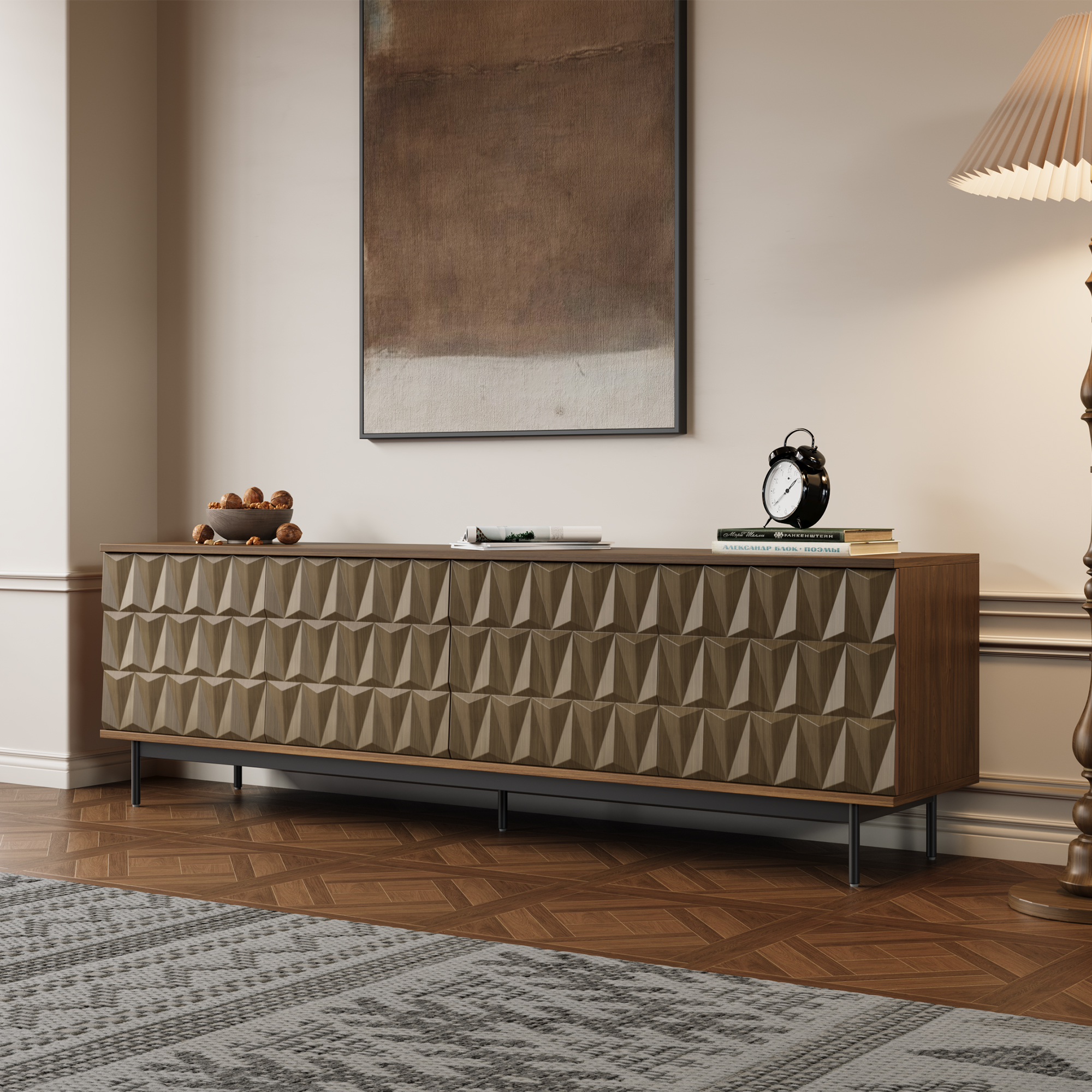
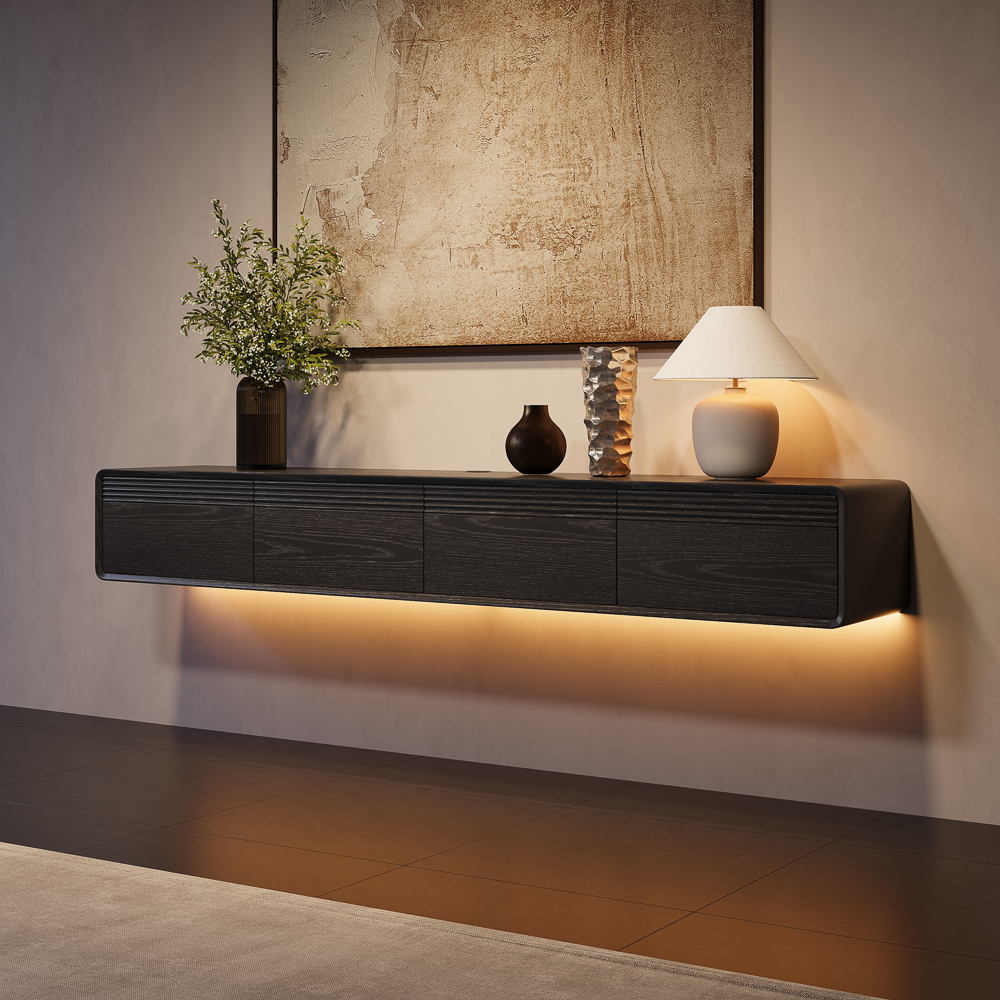
Wooden Coffee Table — Comfort Meets Modern Design
A wooden coffee table brings natural warmth and character to any living room that manufactured materials cannot replicate. The most popular wooden coffee table species are oak, walnut, and acacia, each offering distinct grain patterns and durability profiles. A solid wooden coffee table crafted from acacia is 55% harder than European white oak, making it an ideal choice for families who need a wooden coffee table that resists daily scratches and impacts.
Caring for your wooden coffee table ensures it lasts 15-25 years rather than the 3-5 years typical of particleboard alternatives. Protect your wooden coffee table with coasters, dust weekly with a soft cloth, and re-oil the surface every 6-12 months. Keep your wooden coffee table away from direct sunlight and radiators that cause warping. These simple habits maintain the natural beauty that makes a wooden coffee table worth the investment.
Povison's wooden coffee table collection features solid hardwood construction in oak, walnut, and acacia with factory-applied protective finishes. Each wooden coffee table from Povison arrives fully assembled, preserving the precise joinery and smooth surfaces that flat-pack assembly often compromises. Explore Povison's wooden coffee tables ranging from clean modern silhouettes to warm rustic live-edge designs that showcase natural wood grain at its finest.