
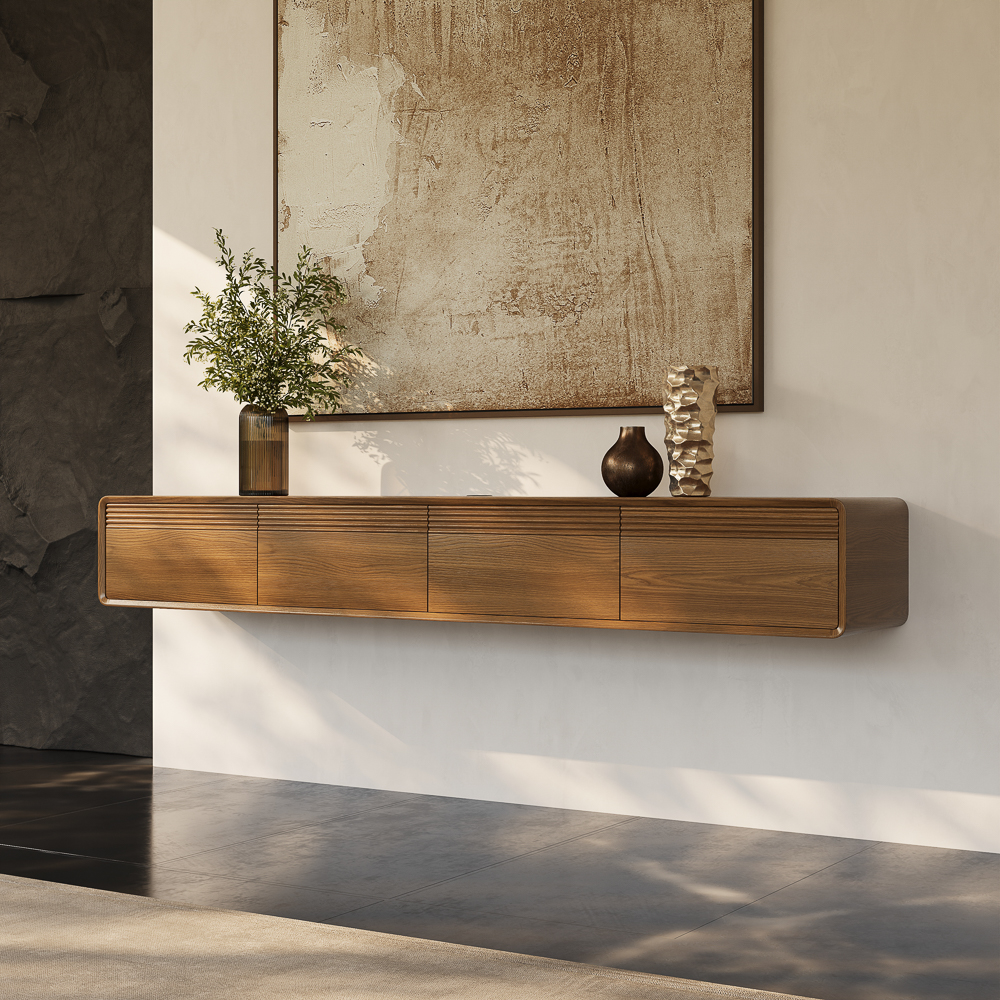
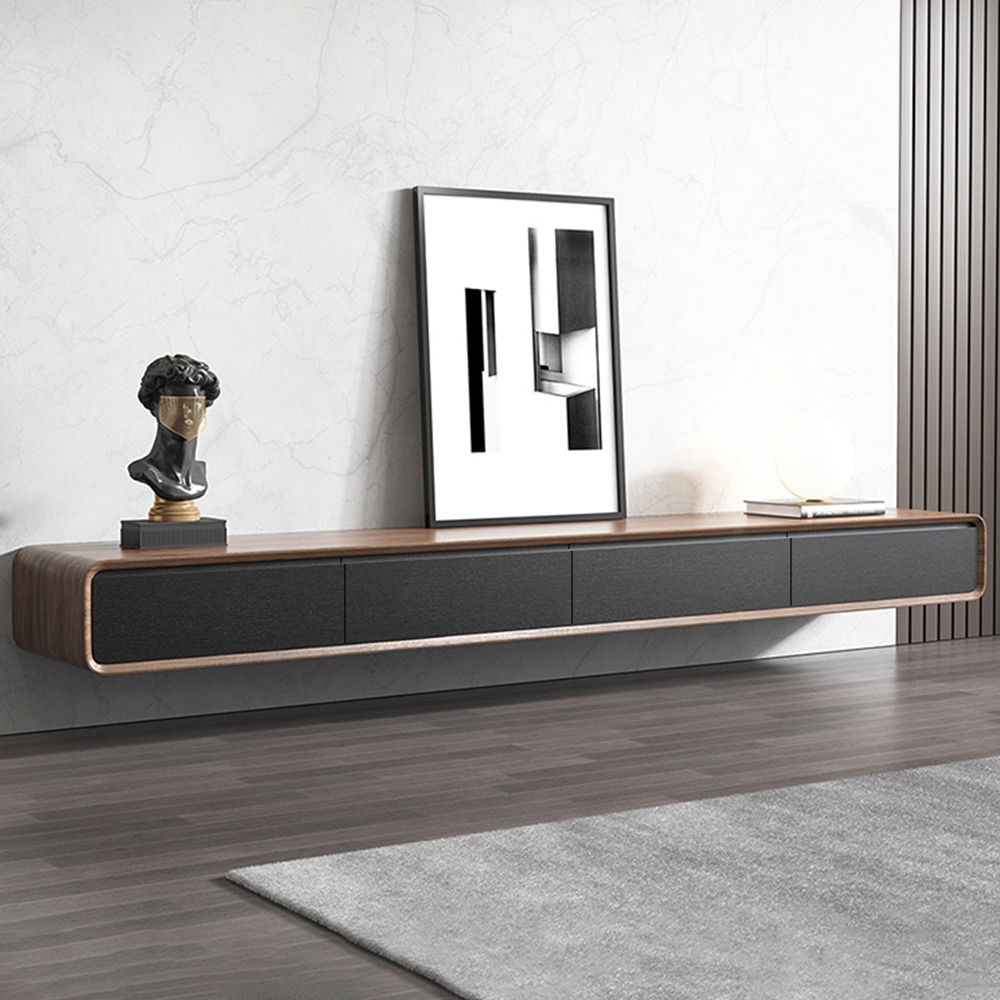
Your Complete Guide to Floating Entertainment Centers: Selection and Setup
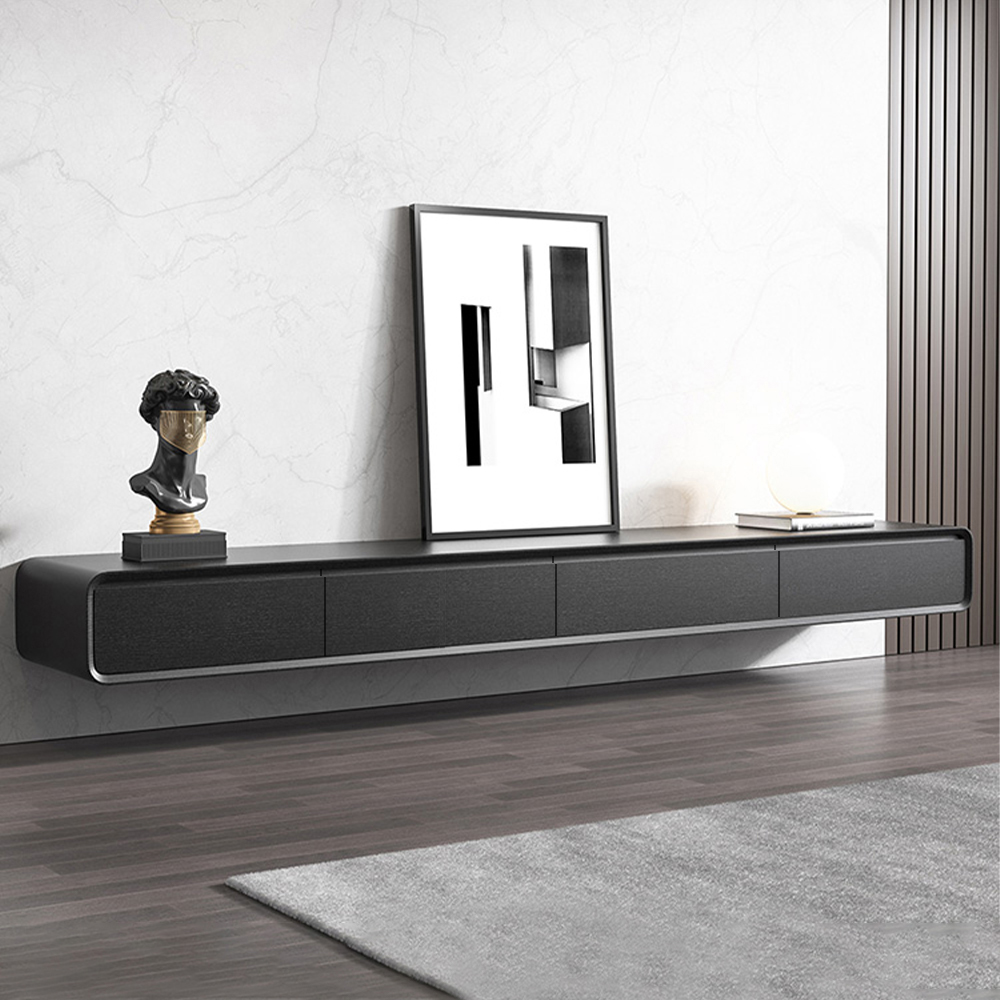
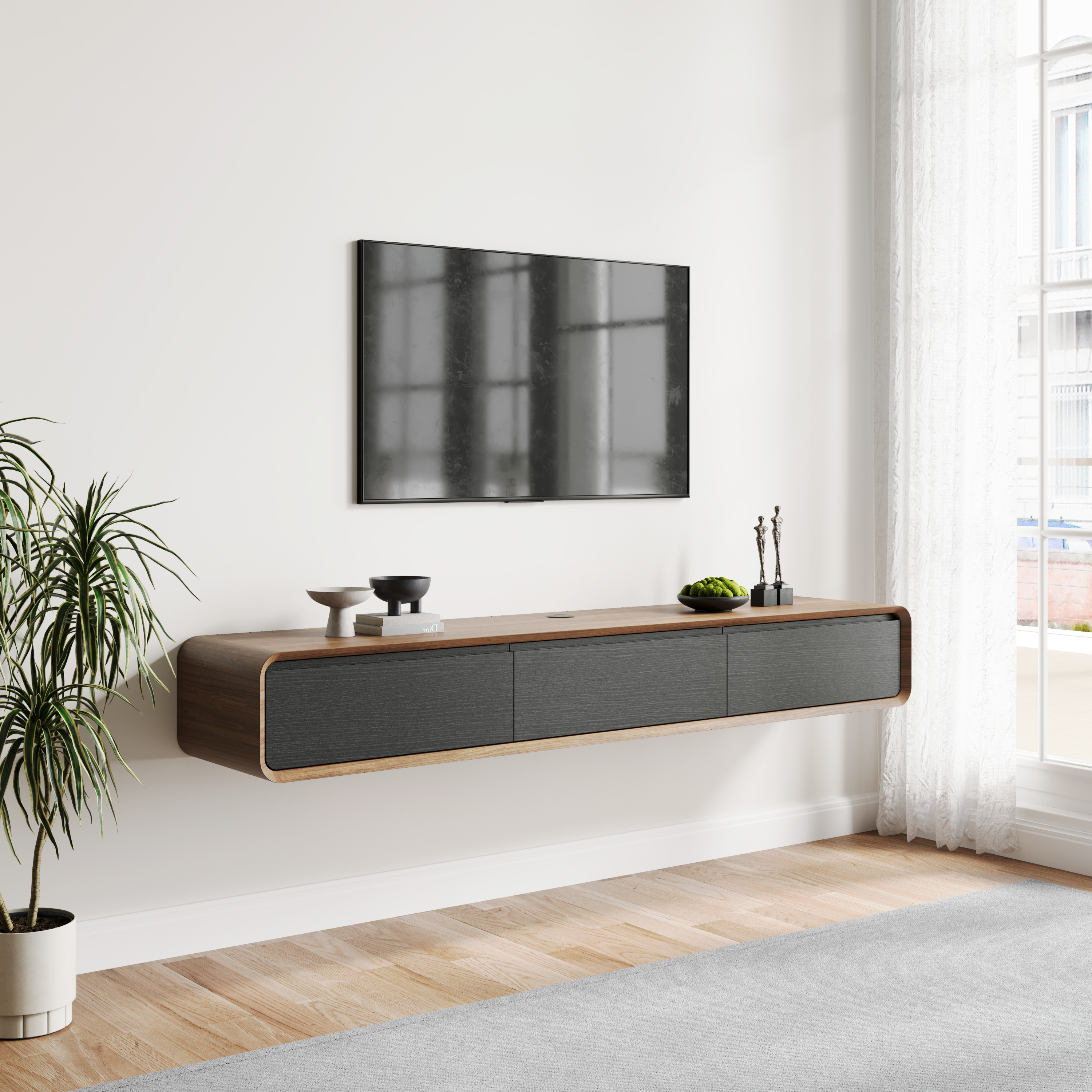
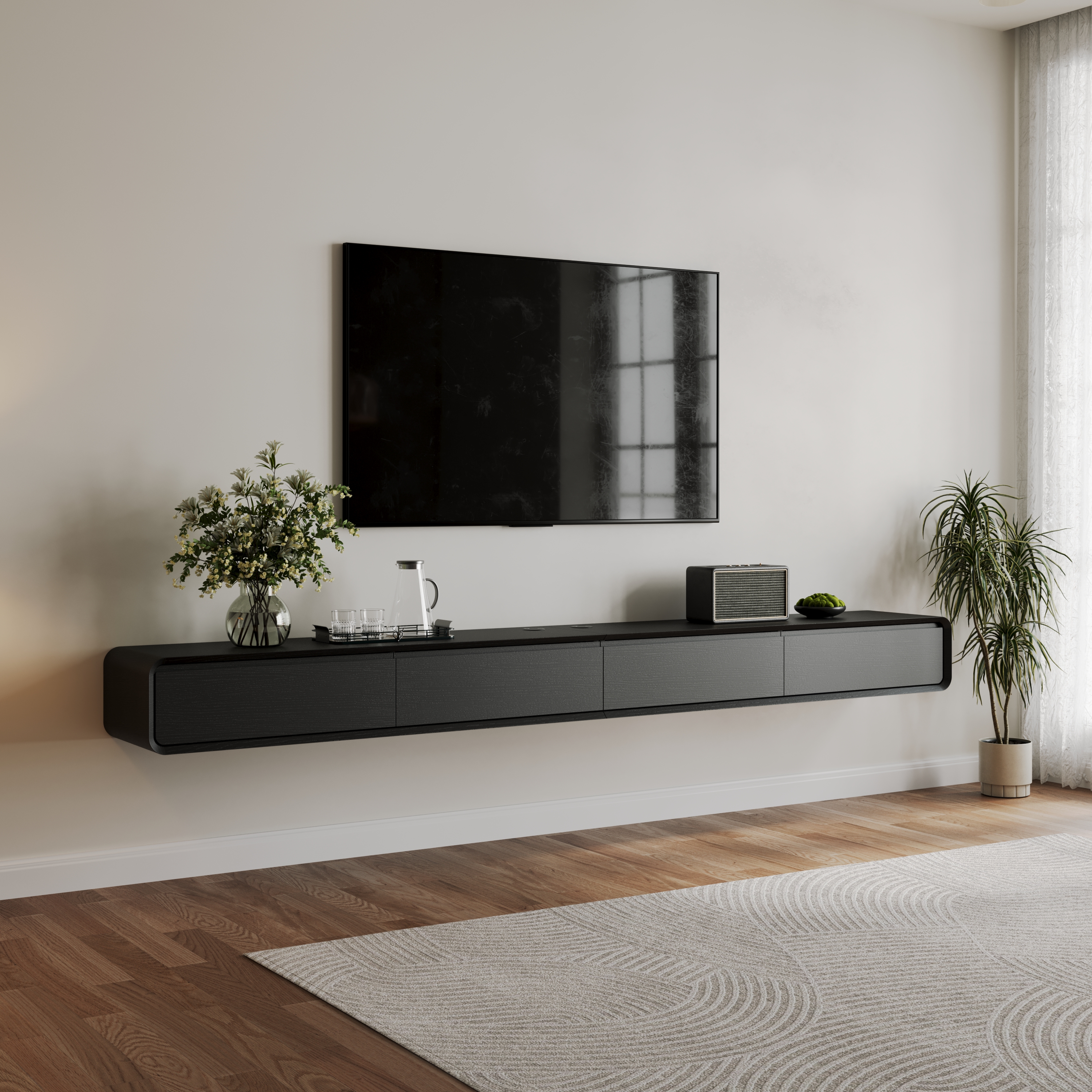
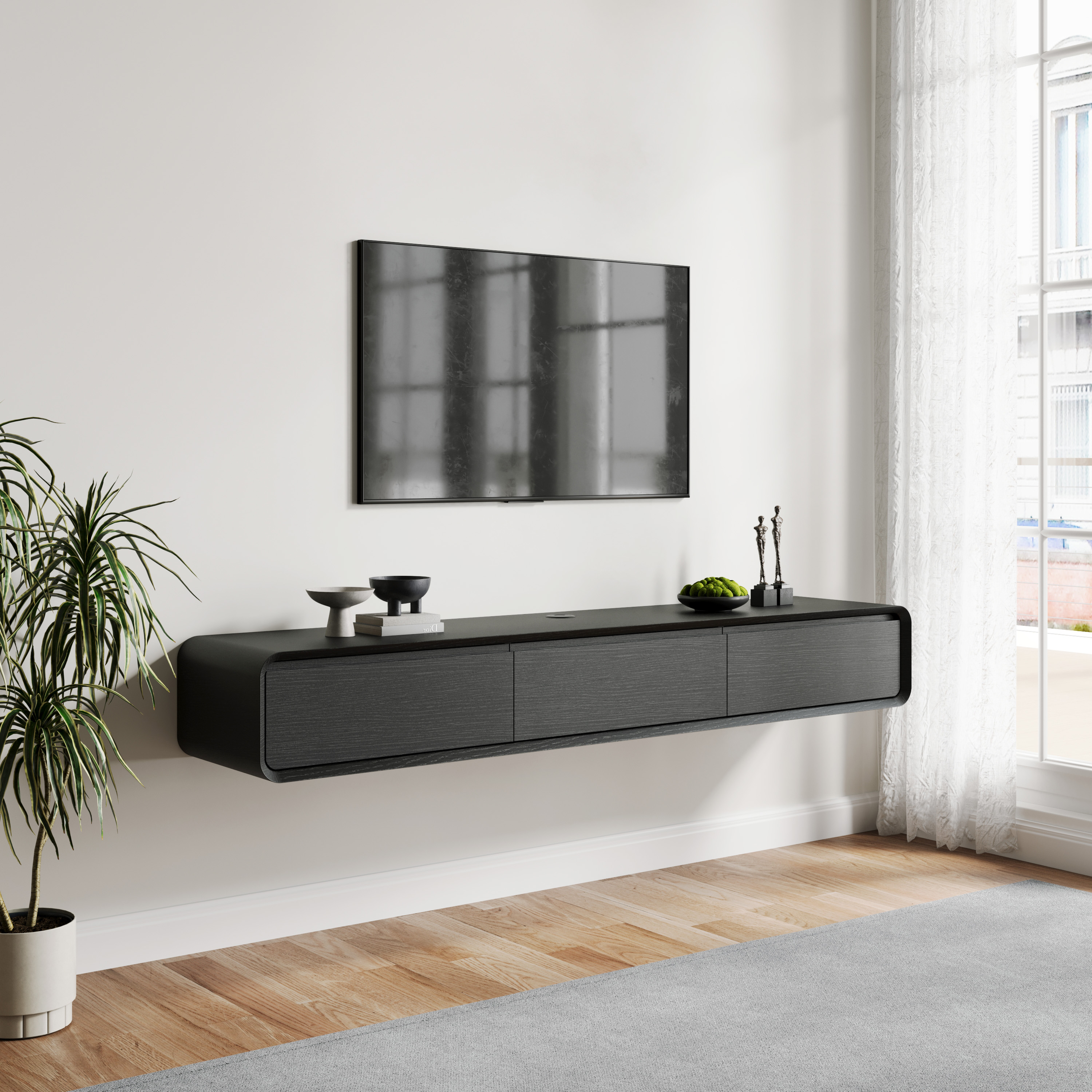
A floating entertainment center transforms your living room by eliminating visual bulk at floor level. When choosing a unit, match width to your TV size: the unit should extend at least 3 inches beyond each side of the TV. Most models range from 48-94 inches wide and 10-13 inches deep. Installation is the critical factor. Always mount into wall studs, never drywall alone. Use a level and measure twice since a crooked floating unit is far more noticeable than a slightly off-center floor console. Most units support 44-100 lbs, so verify the combined weight of your TV, soundbar, and components before purchasing. Cable management requires planning. Route cords through the wall using an in-wall cable management kit, or use adhesive cord channels for a simpler approach. Povison's floating entertainment centers arrive fully assembled with mounting hardware and templates included, reducing installation time to under an hour for most homeowners.
Best Floating Entertainment Center 2026
Floating entertainment centers continue to dominate the 2026 media furniture landscape. According to Resident's February 2026 report, floating TV consoles remain a leading trend because they create an uninterrupted floor plane that makes rooms appear up to 20% larger. These wall-mounted units support TVs ranging from 55 to 90+ inches and feature modular designs sold in blocks that mount side-by-side for a custom built-in appearance. The style appeals equally to renters and homeowners seeking the high-end look of custom cabinetry at a fraction of the cost, with price points typically ranging from $200 for single-piece floating shelves to $1,500+ for full modular systems.
What's Trending in 2026
Modular floating systems are the breakout trend of 2026, where individual blocks mount side-by-side to create seamless, extra-long consoles customized to any wall width. Cable management has been revolutionized with open-back designs, in-wall power channels, and single transparent optical cables that solve the wire problem elegantly. Design-wise, floating consoles are softening with curved edges, asymmetrical layouts, and LED under-lighting that washes the wall beneath with ambient color. Fluted vertical grooves on cabinet doors remain a top detail, catching light and adding depth that makes simple designs look premium. Push-to-open doors replace visible handles for a cleaner face.
What the Best Options Have in Common
The best floating entertainment centers share modular flexibility, robust wall-mounting hardware rated for 100+ lbs, and concealed storage behind push-to-open or soft-close doors. Top models accommodate TVs up to 80-90 inches and include cable management cutouts pre-positioned for standard outlet heights. High-gloss fronts with matte bodies and 16-color LED systems offer visual customization, while natural walnut finishes appeal to quieter aesthetics. Povison's fully assembled floating units stand out by eliminating the complex wall-mounting guesswork, arriving ready to install with all hardware and clear templates included.
Research synthesized from Resident's 2026 floating console trend report, Belleze's TV stand trends analysis, Hackrea's modern TV stand styles guide, and Wayfair's floating entertainment center collection data.
Frequently Asked Questions
Everything you need to know about floating entertainment center
Most floating entertainment centers support 44-100 lbs total, depending on wall type and mounting hardware. A typical unit holds 44 lbs across its surface, while heavy-duty models with steel brackets support up to 100 lbs. Your TV, soundbar, and media devices together usually weigh 40-60 lbs. Always mount into wall studs or use appropriate masonry anchors for brick and cement walls.
You must mount a floating entertainment center into wall studs behind the drywall, not the drywall alone. Standard drywall cannot support the combined weight of the unit plus electronics. Use a stud finder to locate studs spaced 16 inches apart. For walls without accessible studs, heavy-duty toggle bolts rated for 50+ lbs each can work, but stud mounting remains the most secure installation method.
Mount your floating entertainment center so the TV screen center sits approximately 42 inches from the floor. Since most floating units are 8-10 inches tall, install the center bracket 8-12 inches above the floor. This positions a 55-inch TV at ideal seated viewing height. Povison's floating entertainment centers come fully assembled with clear mounting templates that simplify the installation process.
Floating entertainment centers typically range from 48 to 94 inches wide, 10-13 inches deep, and 9-12 inches tall. Compact models around 48 inches suit TVs up to 55 inches. Mid-size units at 63-71 inches accommodate 65-inch TVs. Large models at 78-94 inches support 75-85 inch TVs. Depth stays shallow at 10-13 inches to maintain the lightweight wall-mounted aesthetic.
Floating entertainment centers free up 4-6 square feet of floor space compared to traditional consoles. This creates easier vacuuming access, makes rooms appear larger, and allows floor-level lighting or decorative baskets underneath. The clean visual line between floor and unit adds a modern, gallery-like quality. They work particularly well in apartments and smaller living rooms under 200 square feet.
You will need a stud finder, a level (at least 24 inches long), a power drill with a 3/16-inch masonry or wood bit, a socket wrench, and a pencil. Most kits include a wall-mount bracket, lag screws, and drywall anchors. Installation takes 45-90 minutes with two people. If your unit weighs over 50 lbs, use 3-inch lag bolts driven into at least two studs spaced 16 inches on center.
Yes, LED strip lighting is one of the most popular upgrades. Peel-and-stick RGBW LED strips cost $15-$40 and offer 20+ color options with app or remote control. Mount strips along the bottom edge or inside open shelves for ambient glow. Choose strips rated at 12V DC for safety. Floating units with built-in LED lighting typically add $50-$150 to the price compared to non-lit versions.
Floating units require drilling into wall studs, which leaves holes that must be patched before move-out. Most leases allow small picture-nail holes but may not permit the 3-4 larger lag-bolt holes a floating console needs. Repair costs run $20-$50 for spackle and paint. If your lease restricts wall modifications, consider a freestanding TV stand instead. Povison's fully assembled floor consoles offer a similar modern look with zero wall damage.
Route cables through the wall using an in-wall cable pass-through kit ($15-$25), which creates a code-compliant hidden channel. Alternatively, use surface-mount paintable cord covers ($8-$15) that run from the unit down to the nearest outlet. Many floating consoles include rear cable cutouts or channels. For a completely wireless look, position a power outlet directly behind the unit at the same height, costing about $75-$150 for an electrician install.
Wood-framed drywall with studs 16 inches on center is the ideal wall type, supporting 80-150 lbs when lag bolts hit at least two studs. Concrete and brick walls require masonry anchors and a hammer drill but can hold 200+ lbs. Avoid mounting on plaster-over-lath walls without reinforcing, as they crumble under load. Metal-stud walls need toggle bolts rated for the unit's total weight plus all components.
Use a 48-inch spirit level or a laser level to mark a perfectly horizontal line before drilling. If the wall surface bows, place thin shims (1/16 to 1/4 inch) between the mounting bracket and the wall at each fastener point. Tighten screws gradually in an alternating pattern, checking level after each turn. Most floating brackets have slotted holes that allow 1/2 inch of vertical adjustment after initial mounting.
Complete Your Living Room
Pair your floating entertainment center with these popular picks
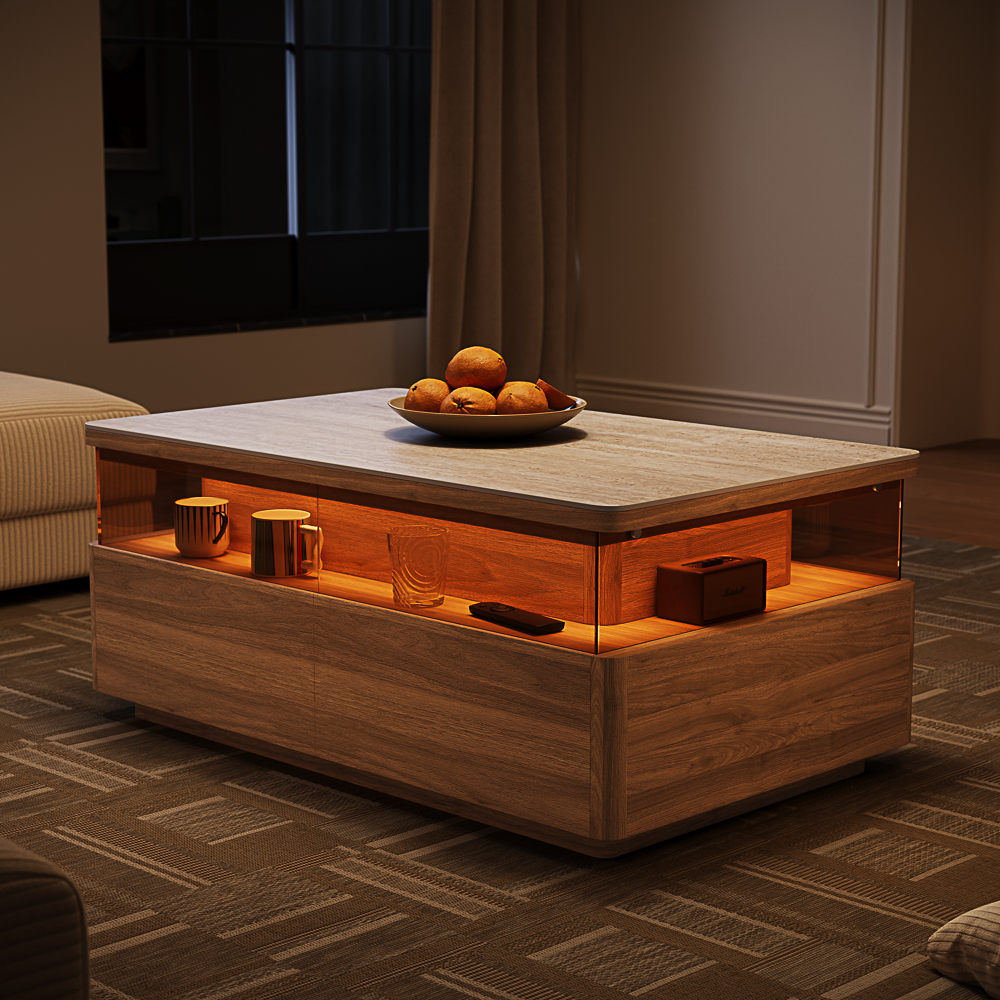
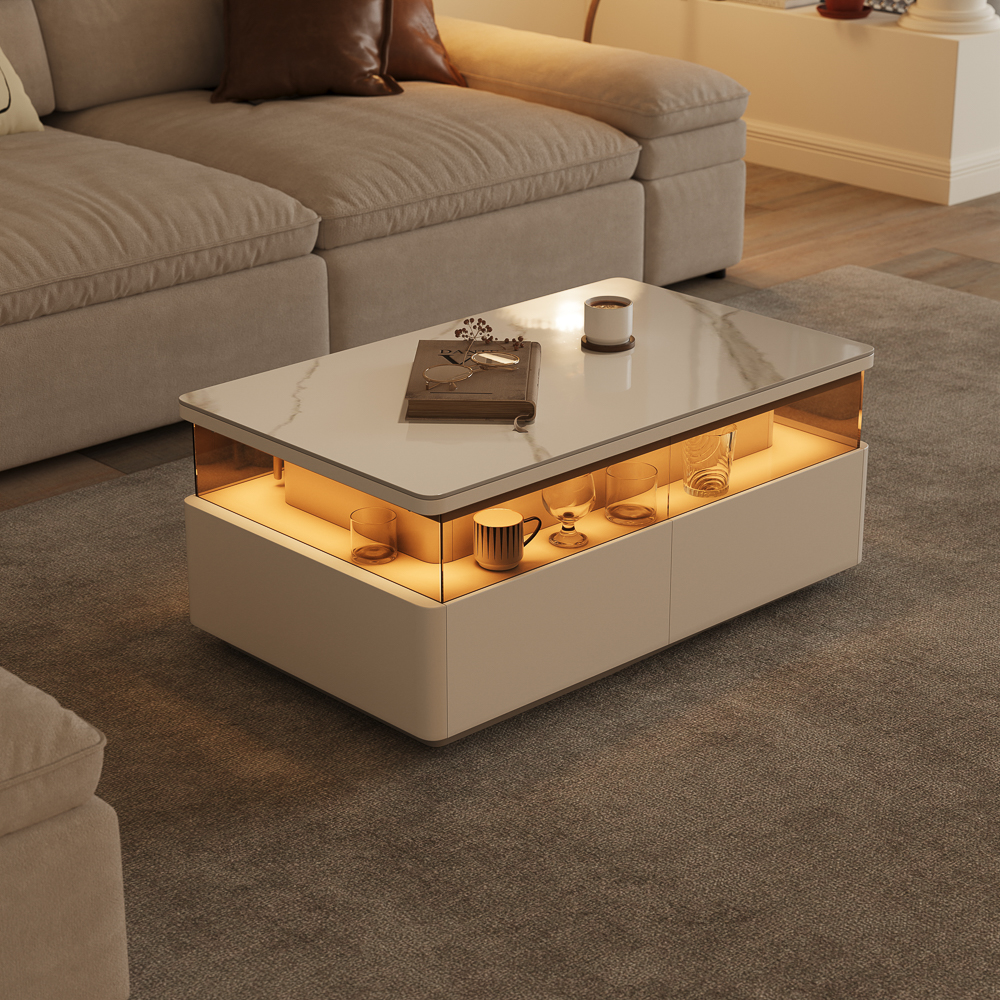
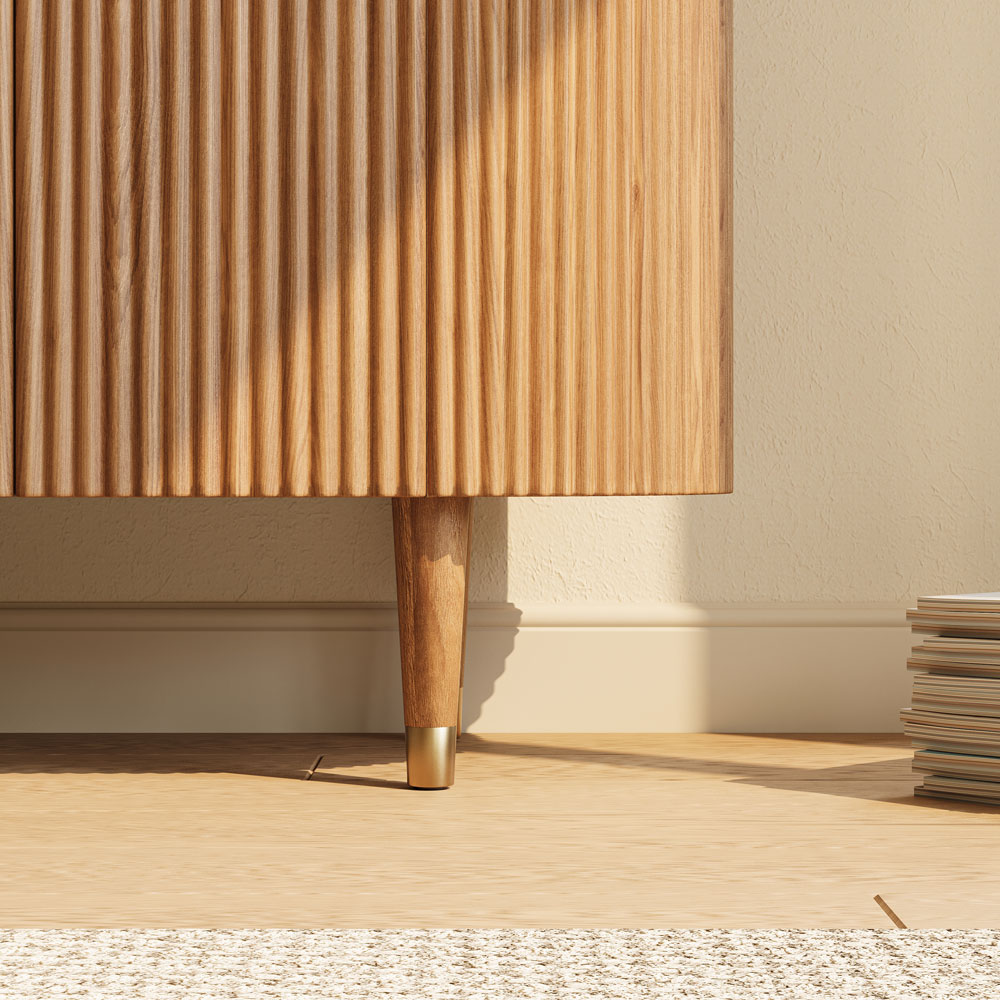
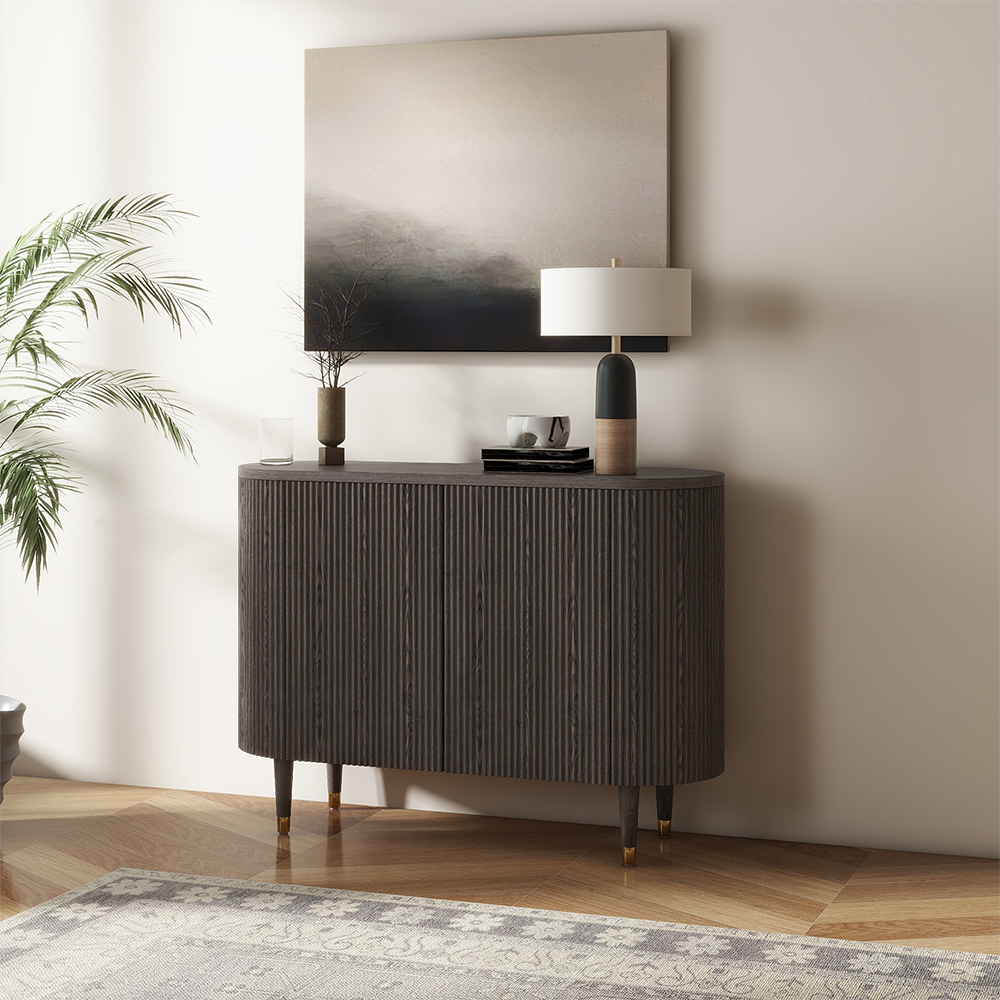
Floating Entertainment Center — Comfort Meets Modern Design
A floating entertainment center creates a striking modern focal point by mounting your media console directly to the wall, freeing up valuable floor space below. The best floating entertainment center models range from 48 to 94 inches wide and just 10-13 inches deep, maintaining a slim profile that keeps living rooms feeling open. This floating entertainment center style works especially well in apartments and smaller rooms where floor space is at a premium.
Choosing the right floating entertainment center means balancing aesthetics with structural requirements. Your floating entertainment center must be mounted into wall studs to safely support 44-100 lbs of electronics and media equipment. Popular floating entertainment center features include integrated cable channels, soft-close cabinet doors, and LED accent lighting that highlights the wall space beneath the unit.
Povison's floating entertainment center collection arrives fully assembled with mounting hardware and installation templates included. Each floating entertainment center from Povison features precision-crafted joinery that would be impossible to replicate through flat-pack assembly. Browse Povison's range of floating entertainment centers in finishes from matte black to warm walnut to find the perfect match for your space.