
Choosing the Right Dining Bench for Comfort and Style
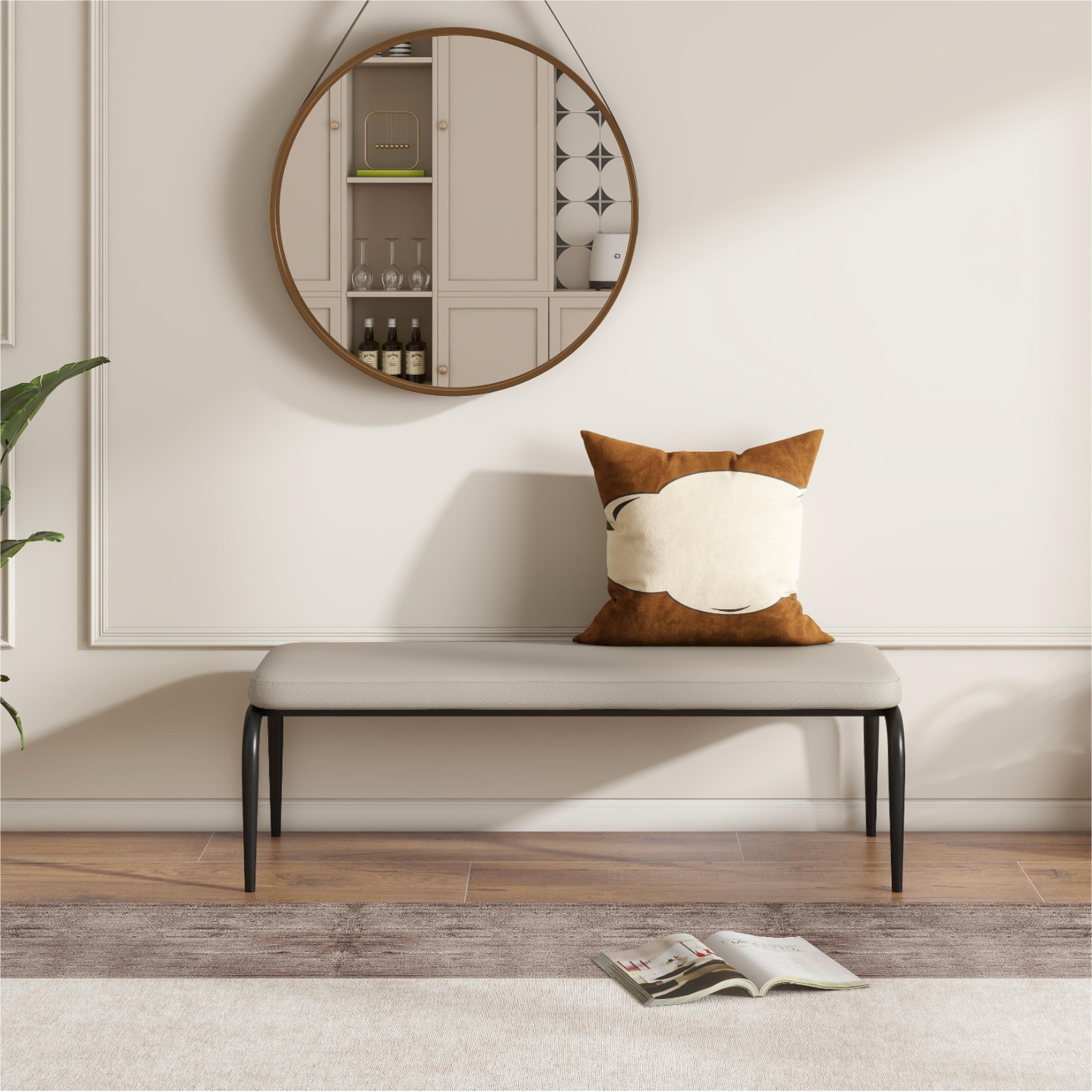
A dining bench offers a smart alternative to traditional dining chairs, seating 2-4 people while taking up less visual and physical space. When selecting a dining bench, start with your table dimensions: the bench should be 12-24 inches shorter than the table length, with a seat height within 10-12 inches of the tabletop for comfortable eating. For hardwood benches, look for kiln-dried construction that prevents warping and a weight capacity of 400+ pounds for a standard 60-inch model. Upholstered dining benches should use performance fabric rated for 30,000+ double rubs for durability in high-use dining settings. Seat depth of 17-18 inches provides the best comfort without making it hard to reach the table. Povison's dining benches arrive fully assembled in solid hardwood with smooth, splinter-free finishes that flat-pack assembly cannot guarantee. Consider storage benches with lift-top seats for hiding table linens and placemats.
Best Dining Bench 2026
Dining benches are a defining element of 2026 dining room design, with Furnirem, Jane at Home, and Decorilla all featuring bench seating in their 2026 trend guides. The market spans rustic farmhouse wood benches starting at $100 to premium upholstered banquettes like the Crate & Barrel Belmar at $799. Apartment Therapy ranked 11 dining room benches across modern, classic, and rustic categories, while Homemakers Furniture curates top dining chairs and benches for 2026. Typical bench lengths range from 42 to 72 inches, accommodating 2 to 4 diners. The category includes backless benches, banquette-style with backs, storage benches, and slipcovered options.
What's Trending in 2026
Dining benches in 2026 are trending toward multifunctional designs and communal living. Storage benches that double as seating conceal everything from seasonal decorations to board game collections while maintaining clean aesthetics. Upholstered benches with high-resiliency foam and tufted tops in performance fabrics are replacing basic wooden planks for everyday comfort. The farmhouse aesthetic is evolving, with kiln-dried solid wood featuring natural grain paired with powder-coated steel legs for a modern-rustic hybrid. Designers at Homes and Gardens and Hunker note that formal matched dining sets are being replaced by eclectic combinations mixing benches with individual chairs. Oak with rounded bullnose edges represents the refined, minimal direction of 2026 bench design.
What the Best Options Have in Common
The best dining benches in 2026 prioritize versatility, durability, and space efficiency. Article's modern bench combines thin powder-coated steel legs with plush tufted foam for a sleek profile. Sundays Furniture offers durable oak benches with clean lines and rounded bullnose ends. Wayfair's iron-frame leather bench at 72 inches wide provides industrial-modern style. Brands like Povison offer fully assembled dining benches that save buyers the common frustration of aligning long bench components during setup. Top-rated models share key features: weight capacities above 500 pounds, scratch-resistant leg pads to protect flooring, and compact profiles that tuck fully beneath standard 30-inch dining tables when not in use.
Research synthesized from Apartment Therapy, Furnirem, Decorilla, Crate & Barrel, and Homes and Gardens 2026 dining bench trend reports and product guides.
Frequently Asked Questions
Everything you need to know about dining bench
A standard dining bench measures 48-72 inches long, 15-20 inches deep, and 17-19 inches tall to coordinate with standard 30-inch dining table height. Allow 18-24 inches of bench length per person for comfortable seating. A 60-inch dining bench seats three adults comfortably. The bench should be 12-24 inches shorter than your table length for proper proportions.
Backless dining benches offer maximum flexibility, sliding completely under the table when not in use to save space. They also allow seating from both sides. Dining benches with backs provide more comfort for meals lasting over 30 minutes but require 6-8 additional inches of depth behind the table. Choose backless for small dining areas and backed for extended family dinners.
Hardwood dining benches in oak, walnut, and maple offer the best durability, lasting 20-30 years with minimal maintenance. Upholstered dining benches add comfort with cushioned seats in performance fabric or leather. Metal-frame dining benches with wood seats combine industrial style with easy maintenance. Povison's dining benches use solid hardwood and arrive fully assembled for immediate use.
Seating capacity depends on bench length: a 42-inch dining bench seats two adults, a 52-60 inch bench seats three, and a 72-inch bench seats four comfortably. Allow 18-24 inches per person. Children require less space at 14-16 inches each. Dining benches are especially practical for families because they accommodate more flexible seating than individual chairs.
Absolutely. A dining bench works beautifully as an entryway bench for putting on shoes, a bedroom bench at the foot of the bed, or extra seating in a living room. Backless dining benches under 52 inches fit most hallways. This versatility makes a quality dining bench one of the most practical furniture investments for any home.
Match your bench height to your table: standard dining tables (28–32 inches tall) pair with 18–20 inch benches, counter-height tables (34–36 inches) need 24–26 inch benches, and bar-height tables (40–42 inches) require 28–30 inch benches. Leave 10–12 inches between the bench seat and table underside for comfortable legroom. The bench should be 10–12 inches shorter than the table length for easy entry.
Quality dining benches support 250–500 lbs total, depending on construction. Solid hardwood benches with stretcher bars and corner block reinforcement hold 400–600 lbs. Metal-frame benches rated for 500+ lbs are the sturdiest option. Divide total capacity by the number of seated adults (2–4) to find per-person limits. Povison dining benches feature reinforced solid wood frames designed for reliable everyday family use.
For meals over 30 minutes, upholstered benches with 2–3 inches of high-density foam are significantly more comfortable. Fabric options (linen, performance polyester) cost $200–$600, while leather runs $400–$1,200. Wooden benches pair well with removable cushions ($30–$80) as a flexible compromise. Performance fabrics resist stains and clean easily—ideal for families. Benches with backs add lumbar support for extended dinner gatherings.
Yes. Storage dining benches offer 3–8 cubic feet of hidden space under a hinged or lift-up seat—perfect for stashing table linens, placemats, board games, or seasonal items. Typical storage bench dimensions are 48–60 inches long with an interior depth of 10–14 inches. This eliminates the need for a separate sideboard, freeing 4–6 square feet of floor space in compact dining rooms or eat-in kitchens.
Oak and maple are top choices—both score 1,300+ on the Janka hardness scale, resisting dents and scratches from daily use. Walnut (Janka 1,010) offers rich color but is softer. Rubberwood is a budget-friendly hardwood at $150–$300. Avoid soft pine (Janka 380–690) for high-traffic dining benches. Solid hardwood benches last 20–40 years with periodic oiling, versus 5–10 years for particleboard or MDF alternatives.
Place the bench on the wall side to save walkway space, and chairs on the open side for easy access. Use bench cushions or throw pillows that complement chair upholstery for cohesion. Mix materials—a wooden bench pairs well with upholstered chairs in matching tones. Keep bench height within 1 inch of chair seat height (typically 18 inches) so all diners sit at the same level relative to the table.
Complete Your Living Room
Pair your dining bench with these popular picks
Dining Bench — Comfort Meets Modern Design
A dining bench provides flexible, space-efficient seating that accommodates more guests than individual chairs while creating a casual, welcoming atmosphere. Standard dining benches measure 48-72 inches long and 17-19 inches tall, seating two to four adults depending on length. Whether in solid oak, upholstered walnut, or mixed metal-and-wood designs, a dining bench adapts to farmhouse, modern, and mid-century dining room styles.
Choosing the right dining bench means balancing comfort, durability, and proportion with your dining table. Allow 18-24 inches of bench length per person and select a seat height within 10-12 inches of your tabletop surface. Hardwood dining benches in oak and walnut last 20-30 years, while upholstered dining benches in performance fabric add cushioned comfort for longer meals. Storage dining benches with lift-top seats offer bonus organization.
Povison's dining bench collection features solid hardwood construction delivered fully assembled and ready to use. Each dining bench is crafted with kiln-dried wood and smooth, splinter-free finishes that are safe for the whole family. Discover Povison's dining benches in a range of styles and sizes, designed to complement their dining table collections for a cohesive, professionally styled dining room.