

Entertainment Centers in 2026: What to Look For and What to Avoid
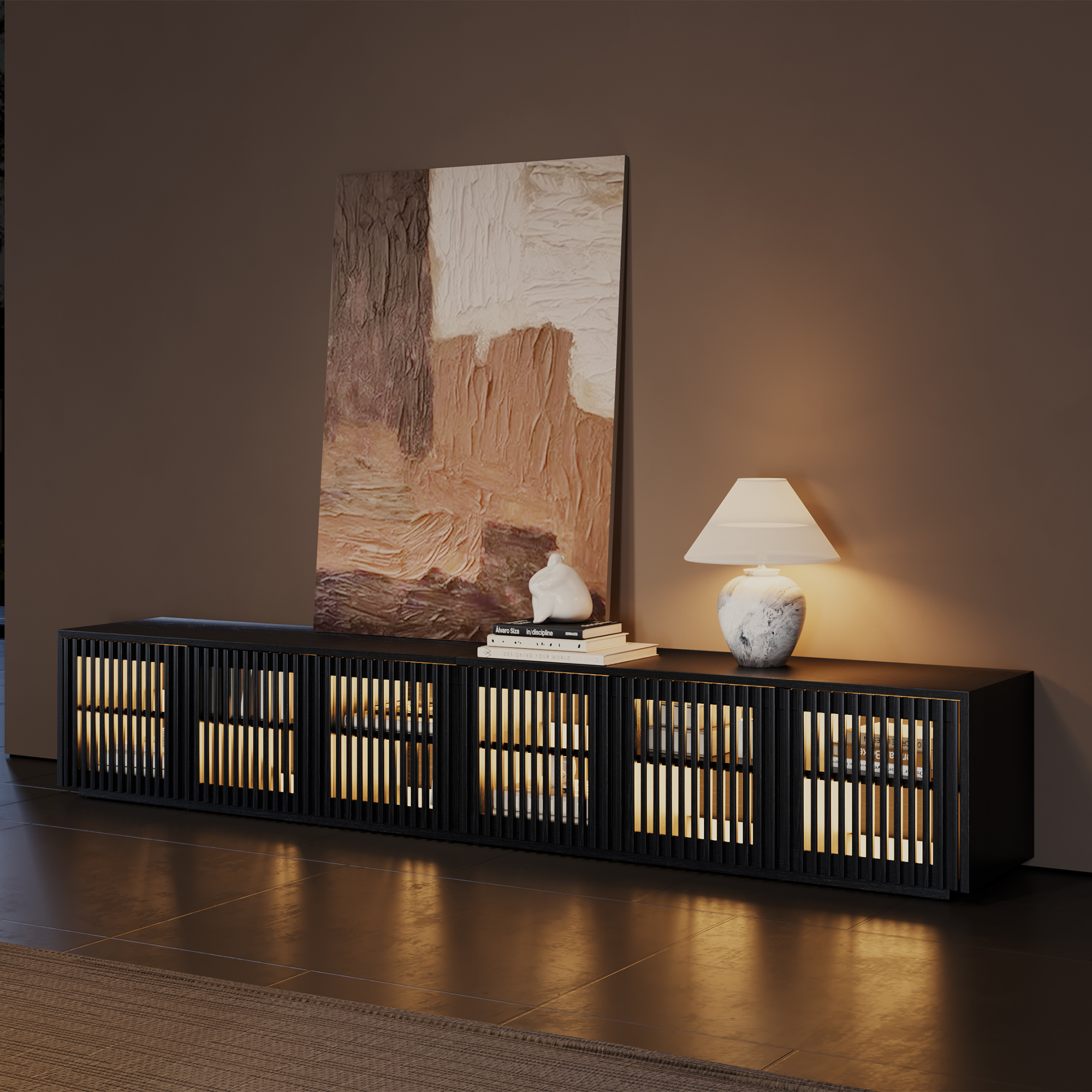
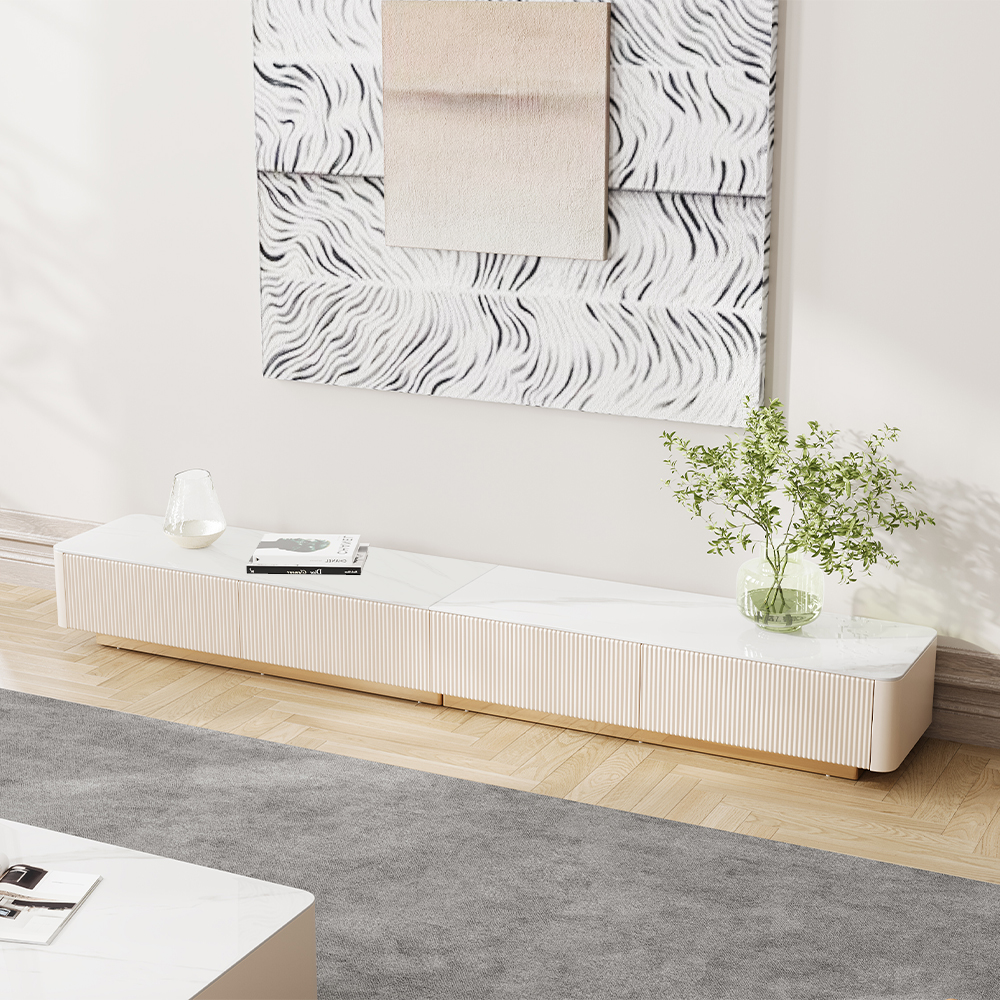
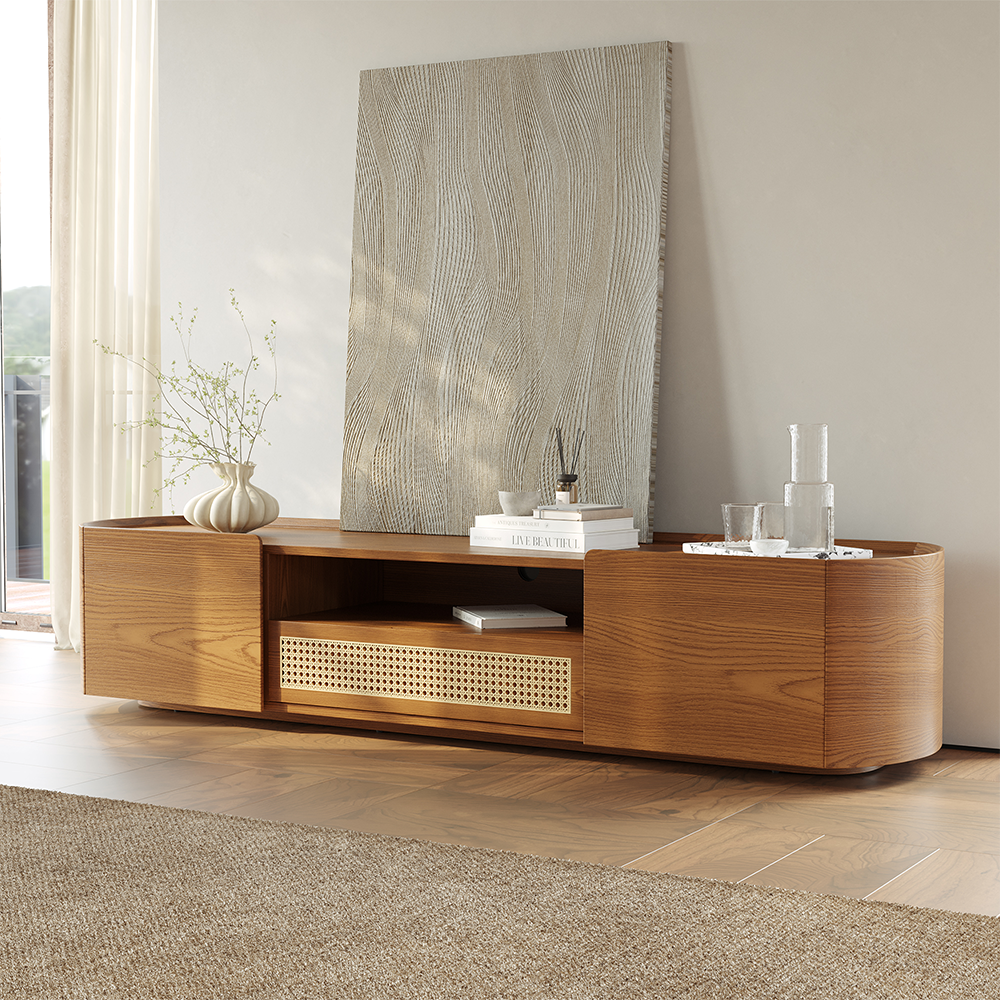
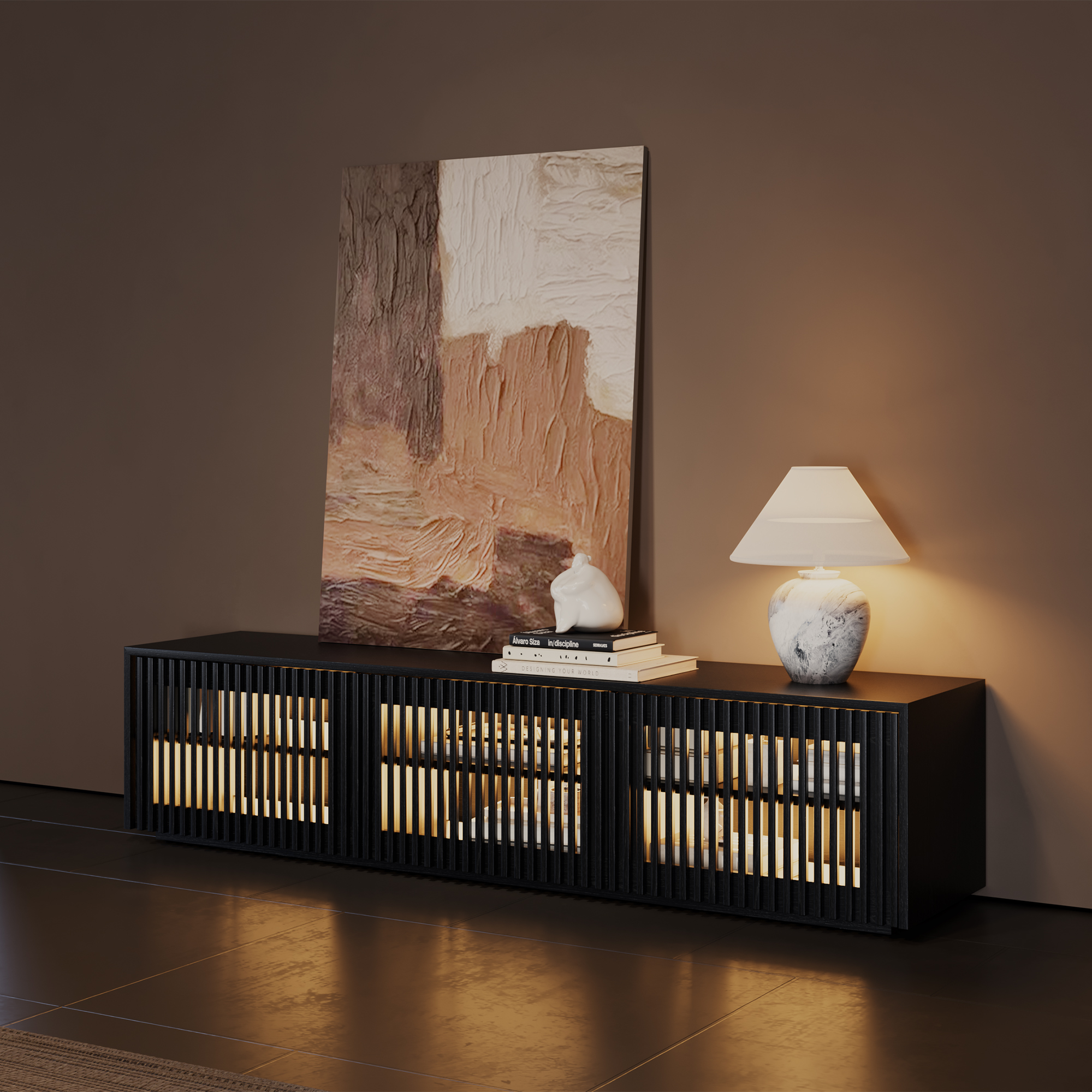
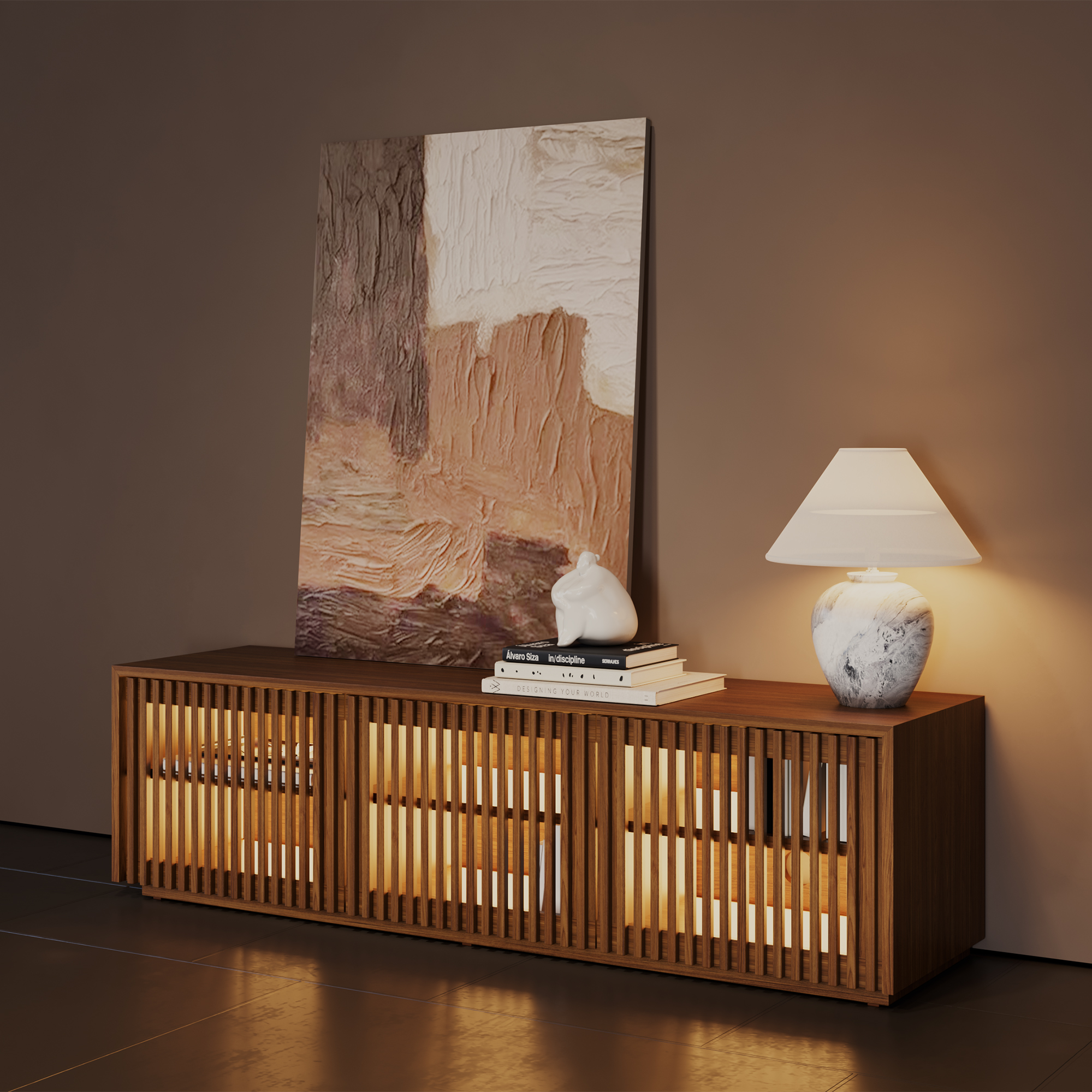
The entertainment center has been reinvented for 2026. Forget the massive oak wall units of the past. Today's best entertainment centers feature low profiles under 24 inches, modular components you can rearrange, and integrated smart home features. Prioritize cable management above all else since visible wires are the biggest design sin in modern living rooms. Look for units with internal cable channels, not just simple holes in the back panel. Material-wise, opt for fluted wood, matte finishes, or woven cane over glossy lacquer. Earthy tones like warm walnut, roasted oak, and deep green perform better long-term than trend-driven colors. For storage, ensure compartments provide proper ventilation for electronics with at least 2 inches of clearance around devices. Povison delivers entertainment centers fully assembled, preserving the precise joinery and alignment that flat-pack construction often sacrifices. Budget $400-$1,200 for a quality unit that balances style with function.
Best Entertainment Center 2026
Entertainment centers in 2026 have undergone a significant transformation from the bulky wall units of the early 2000s. According to Belleze's trend analysis, heavy wall-dominating entertainment centers are now considered outdated because they crowd small rooms and clash with open floor plans. The modern approach favors media walls: sleeker, lower-profile designs that deliver storage without bulk. Living Spaces' 2026 official list highlights models with built-in LED lighting, electric fireplaces, and modular configurations. Prices span from $120 for budget-friendly open-shelf units to $2,000+ for full wall systems with glass-front cabinets and integrated lighting.
What's Trending in 2026
The dominant 2026 trend is the media wall concept, where entertainment centers become architectural focal points prioritizing warmth and texture over sheer size. Light white oak remains popular, but roasted woods and darker stains feel more grounded this year. Electric fireplace integrations are mainstream, with oak construction in clove finishes combining durability with timeless warmth. Hidden cable management has evolved dramatically, with in-wall rated power solutions and furniture designs featuring strategically positioned cutouts. Fluted door fronts add visual depth, while rounded corners align with the broader curved furniture movement sweeping interior design in 2026.
What the Best Options Have in Common
The best entertainment centers in 2026 solve three problems simultaneously: cable clutter, storage needs, and aesthetic appeal. Top-rated models feature adjustable shelving for various component sizes, weight capacities of 150-200+ lbs, and ventilated compartments that prevent electronics from overheating. Modular systems allow customization from 60 to 120+ inches in total width. Look for units with soft-close hinges, tempered glass accents, and integrated LED systems with remote control. Brands like Povison deliver fully assembled entertainment centers that eliminate the notoriously difficult multi-hour assembly process typical of flat-pack alternatives.
Research drawn from Belleze's 14 TV stand trends for 2026, Living Spaces' official 2026 list, Hackrea's 7 modern styles report, and Straight.com's top 5 entertainment center rankings.
Frequently Asked Questions
Everything you need to know about entertainment center
Entertainment centers have evolved significantly for 2026. Heavy, wall-dominating units are out, replaced by sleek modular entertainment centers with floating components, open shelving, and lower profiles under 24 inches tall. The focus is on flexibility, smart technology integration, and eco-friendly materials. Fluted wood, honed stone, and woven cane have replaced high-gloss lacquer finishes.
Size your entertainment center to be at least 6-12 inches wider than your TV on each side. For a 65-inch TV (57 inches wide), look for units 70-80 inches wide. Standard heights range from 22-26 inches for low-profile models, while full-wall units reach 72 inches or taller. Depth should be 16-20 inches to accommodate media devices and allow proper ventilation for electronics.
Modern entertainment centers in 2026 need dedicated internal cable channels rather than simple back-panel holes. Look for built-in wireless charging pads, LED accent lighting, and ventilated compartments for gaming consoles. Soft-close drawers, adjustable shelving, and cord management systems are now standard. Povison's entertainment centers include these features and arrive fully assembled, ready for immediate setup.
A TV stand is a single console unit typically 48-72 inches wide designed to hold a TV and a few media components. An entertainment center is a larger system, often 80-120 inches wide, that may include side cabinets, hutches, bookshelves, or bridge units flanking the TV. Entertainment centers provide significantly more storage and create a focal wall in the living room.
For 2026, entertainment centers are moving toward natural, textured materials. Fluted wood panels, roasted oak, and creamy travertine accents are replacing high-gloss finishes. Woven cane door inserts add texture without visual heaviness. Earthy tones including warm browns, deep greens, and soft beiges dominate the color palette, creating a calming atmosphere that complements natural materials throughout the living space.
Entertainment center prices range widely by material and size. Budget particle-board units start at $150-$300, mid-range engineered wood models run $400-$800, and solid hardwood or custom built-in systems cost $1,000-$3,500+. A standard 60-72 inch unit averages $500-$1,200. Povison offers fully assembled entertainment centers from around $600, eliminating the typical 2-4 hours of assembly time required by flat-pack alternatives.
Yes, entertainment centers with built-in electric fireplaces are a top 2026 trend. Inserts typically measure 18-36 inches wide and use LED technology rated for 50,000 hours of life. They produce 4,600-5,100 BTUs of supplemental heat for rooms up to 400 sq ft. Most offer 3-7 flame color settings controllable via remote or app. No chimney, venting, or special wiring is needed; just plug into a standard 120V outlet.
Look for units with rear cord channels, 2-inch grommet holes, and open-back compartments that allow airflow and wire routing. Use adhesive cable clips to run wires along the inside back panel. Install a surge-protector power strip inside a cabinet to reduce visible cords. For a truly clean look, add a fabric or mesh panel behind open shelves, costing about $10-$25 for a custom-cut piece.
For rooms over 250 sq ft, choose a wall-unit entertainment center spanning 80-120 inches with a central TV section and flanking display towers. Bridge shelving above the TV adds visual height without bulk. Side cabinets should be 16-20 inches deep to hold game consoles and speakers. Leave 8-12 inches of clearance above the TV for ventilation, and position the screen center at 42-48 inches from the floor.
Yes, proper ventilation is critical. Enclosed cabinets can trap heat from cable boxes, gaming consoles, and receivers, causing them to throttle or fail prematurely. Choose cabinets with mesh or slatted doors, rear ventilation cutouts, and at least 2 inches of clearance above each device. For setups with 3+ components generating heat, add a USB-powered cabinet fan ($15-$30) to maintain airflow below 95 degrees Fahrenheit.
Open-back or double-sided entertainment centers work well as room dividers in studio apartments or large living areas. Choose a unit 36-48 inches tall for partial separation that maintains sightlines, or 60-72 inches for full visual division. Ensure it is at least 16 inches deep for stability and bolt it to the floor or use an anti-tip kit. Back-to-back shelving adds storage accessible from both sides.
Complete Your Living Room
Pair your entertainment center with these popular picks
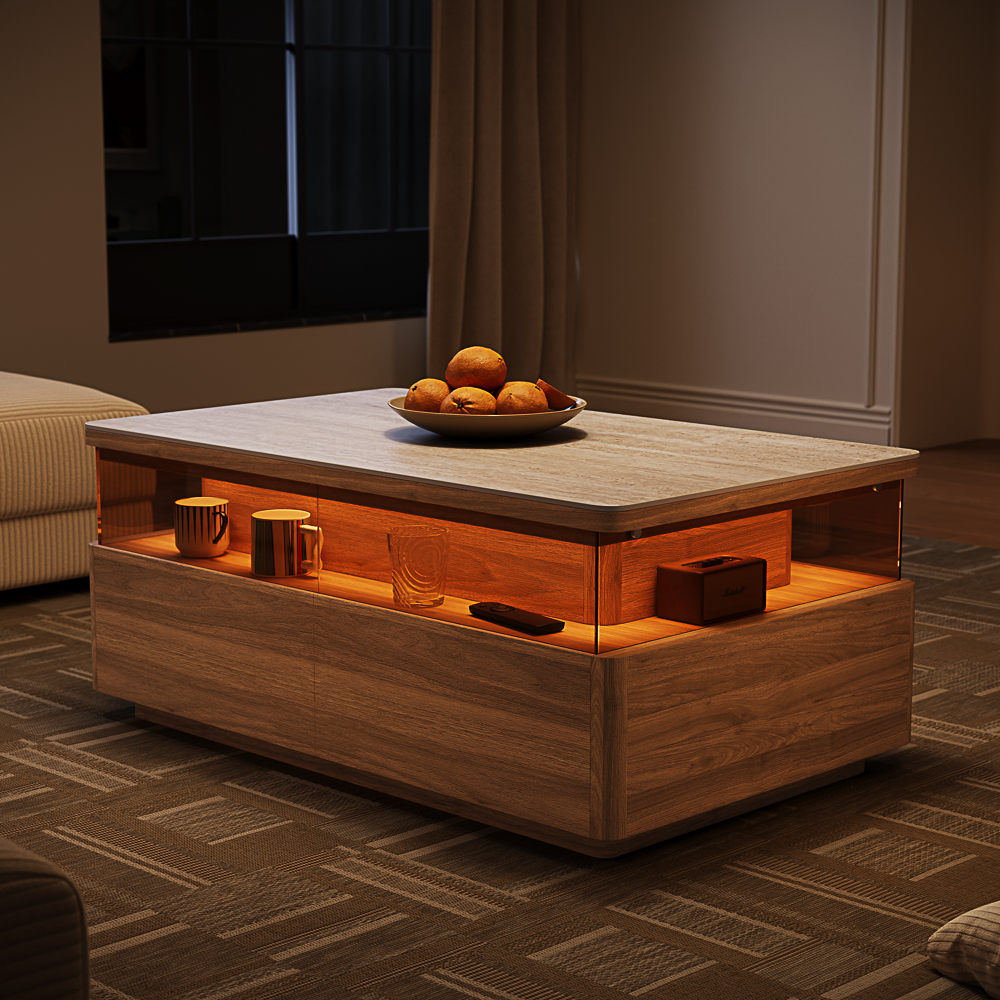
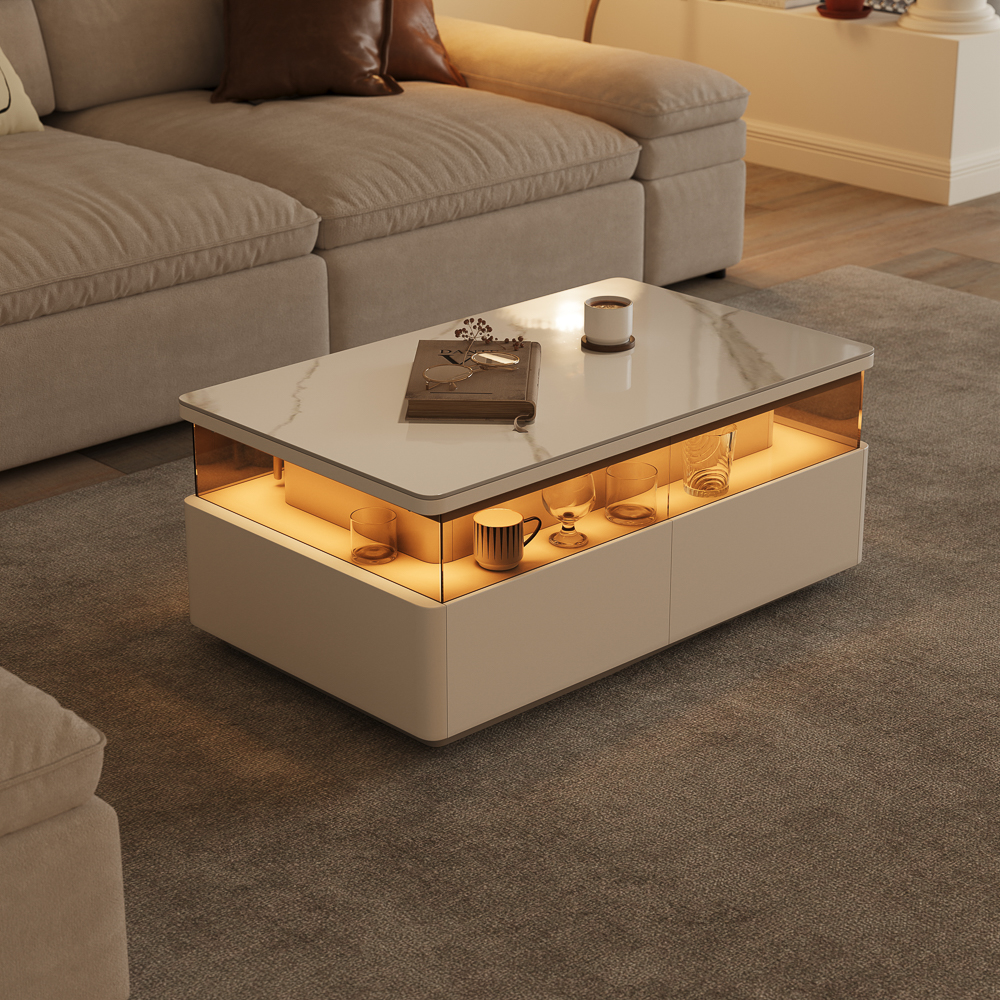
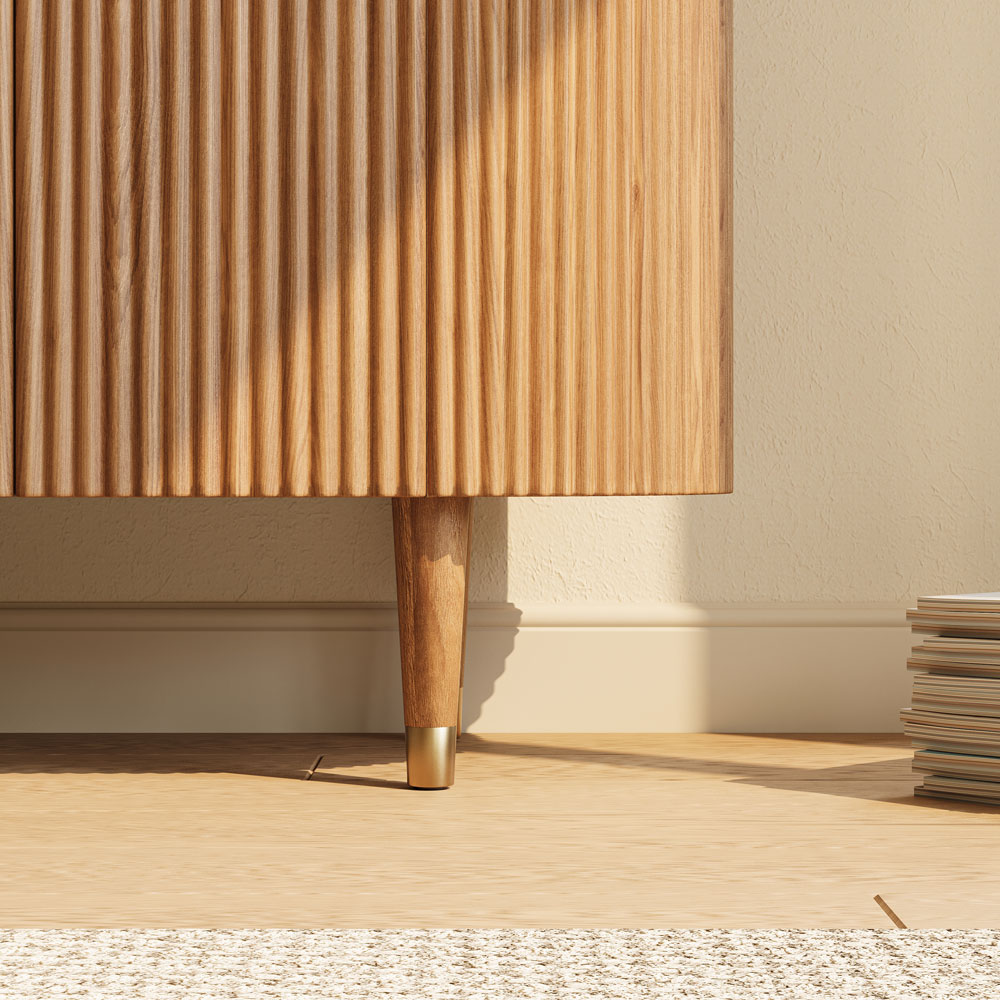
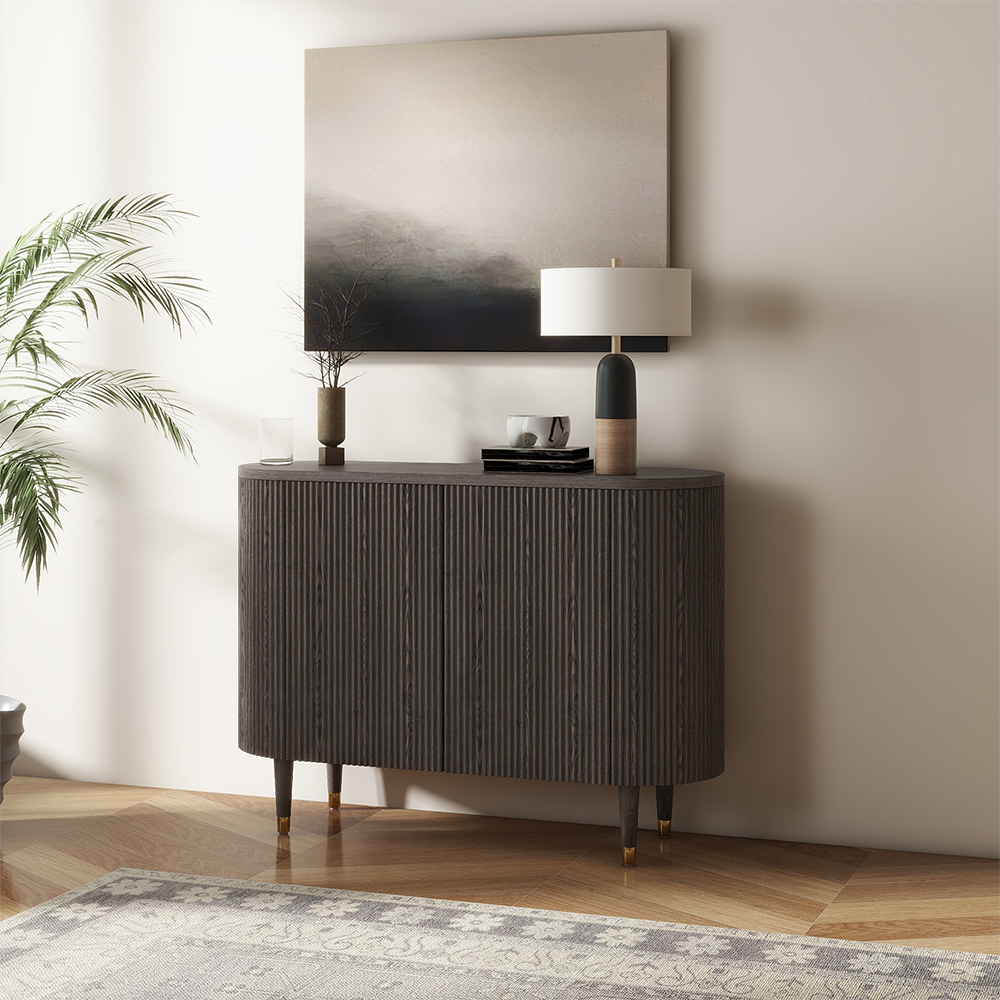
Entertainment Center — Comfort Meets Modern Design
The modern entertainment center has evolved far beyond the bulky wall units of the past. Today's entertainment center designs prioritize lower profiles, modular flexibility, and integrated cable management systems. A well-chosen entertainment center anchors your living room while providing storage for media devices, gaming consoles, and decorative objects. Standard widths range from 70 to 120 inches, with heights between 22 and 72 inches depending on the configuration.
When shopping for an entertainment center, consider how 2026 design trends emphasize natural materials and smart features. The best entertainment center options now include fluted wood panels, woven cane inserts, and built-in wireless charging. Cable management has become the most critical entertainment center feature since modern setups involve multiple devices and streaming boxes that generate cluttered wiring.
Povison's entertainment center collection delivers on both style and convenience. Each entertainment center arrives fully assembled with precision joinery intact, eliminating the frustrating multi-hour assembly process that flat-pack competitors require. Povison's entertainment centers feature integrated cable channels, soft-close hardware, and contemporary finishes in trending earth tones that will remain stylish for years.