
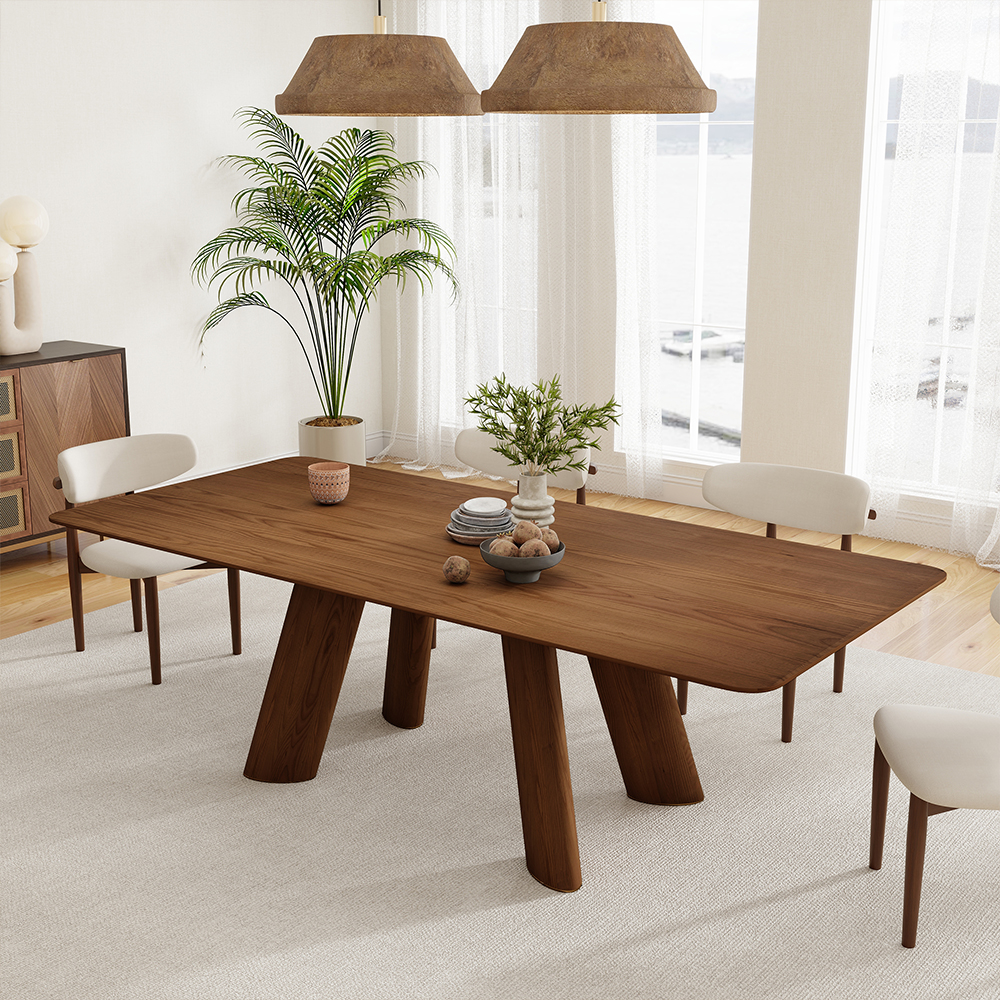
What Makes a Walnut Dining Table a Worthwhile Investment
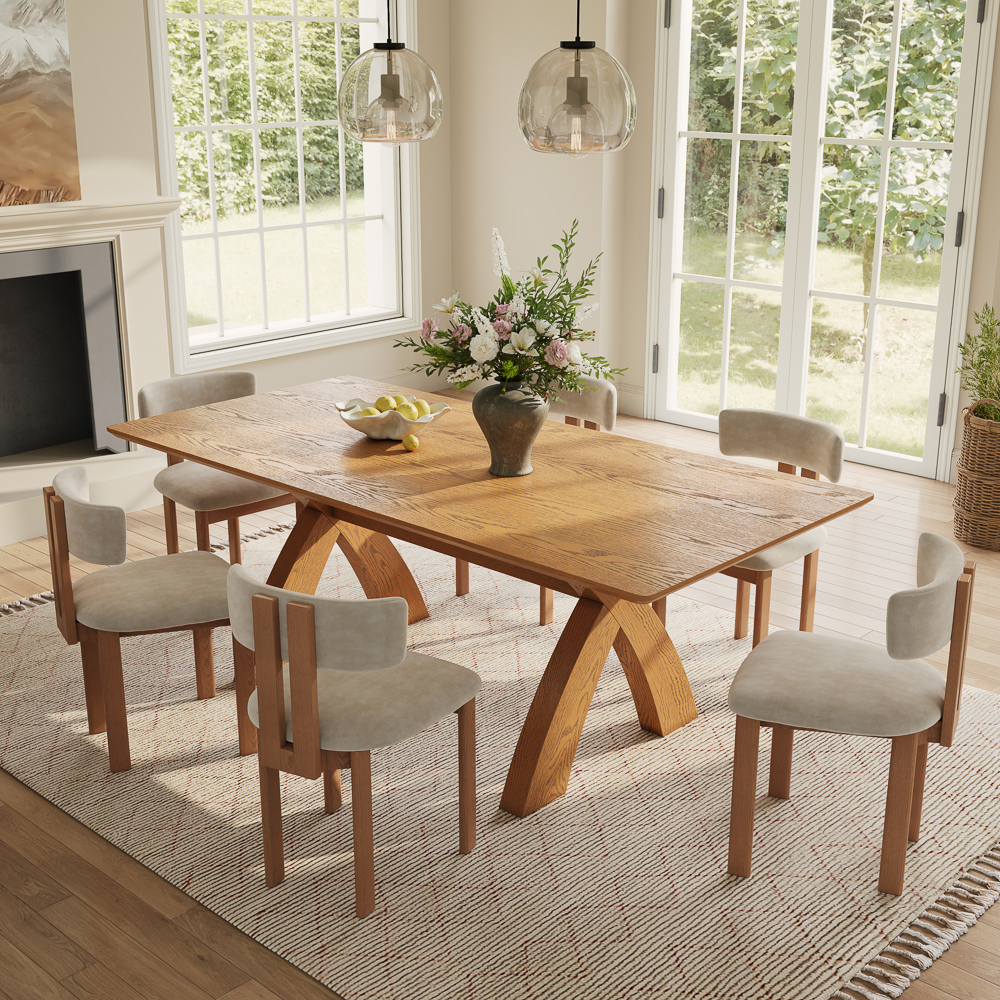
A walnut dining table is one of the smartest long-term furniture investments you can make. American black walnut scores 1010 on the Janka hardness scale — hard enough to resist daily wear yet workable enough for elegant, thin-profile tabletops that lighter woods cannot achieve at the same thickness. The rich chocolate-brown heartwood contrasted with lighter sapwood creates visual depth that oak and maple simply cannot match. When evaluating a walnut dining table, check whether it is solid walnut or veneer over engineered wood — solid walnut can be sanded and refinished multiple times over its 30-plus year lifespan. Look for tables finished with catalyzed conversion varnish, which provides waterproof, UV-resistant, and heat-resistant protection up to 220 degrees. Tabletop thickness of 1.5 to 2 inches indicates quality material use. Povison's walnut dining tables deliver solid construction with protective finishes, arriving fully assembled so the rich grain is showcased from day one.
Best Walnut Dining Table 2026
Walnut dining tables command premium positioning in the 2026 market, with natural wood finishes outperforming high-gloss alternatives according to multiple trend reports. American black walnut remains the gold standard, prized for its rich warm tones, striking grain patterns, and superior hardwood durability that resists dents and scratches better than softer wood species. Vermont Woods Studios leads the handcrafted segment with solid walnut tables made from sustainably sourced North American timber. Stickley's 2026 buying guide emphasizes walnut's versatility across traditional, modern, rustic, and eclectic interiors. Retail options range from $1,200 for veneered models at AllModern to $6,000+ for solid walnut heirloom pieces.
What's Trending in 2026
Walnut dining tables in 2026 draw heavily from midcentury modern and 1970s interior influences reinvented for contemporary use. Decorilla reports that natural oak, ash, and walnut finishes with hand-applied oils or low-sheen wax continue outperforming glossy alternatives. ASK-T Furniture's 2026 retail trend analysis confirms that solid wood with visible grain delivers the strongest commercial performance due to durability, aesthetic longevity, and reduced return rates. Elongated oval tops that subtly widen at one end are creating natural focal points for serving. Metal-frame bases paired with walnut tops are replacing heavy all-wood silhouettes, reducing shipping weight while expanding style compatibility across modern and transitional spaces.
What the Best Options Have in Common
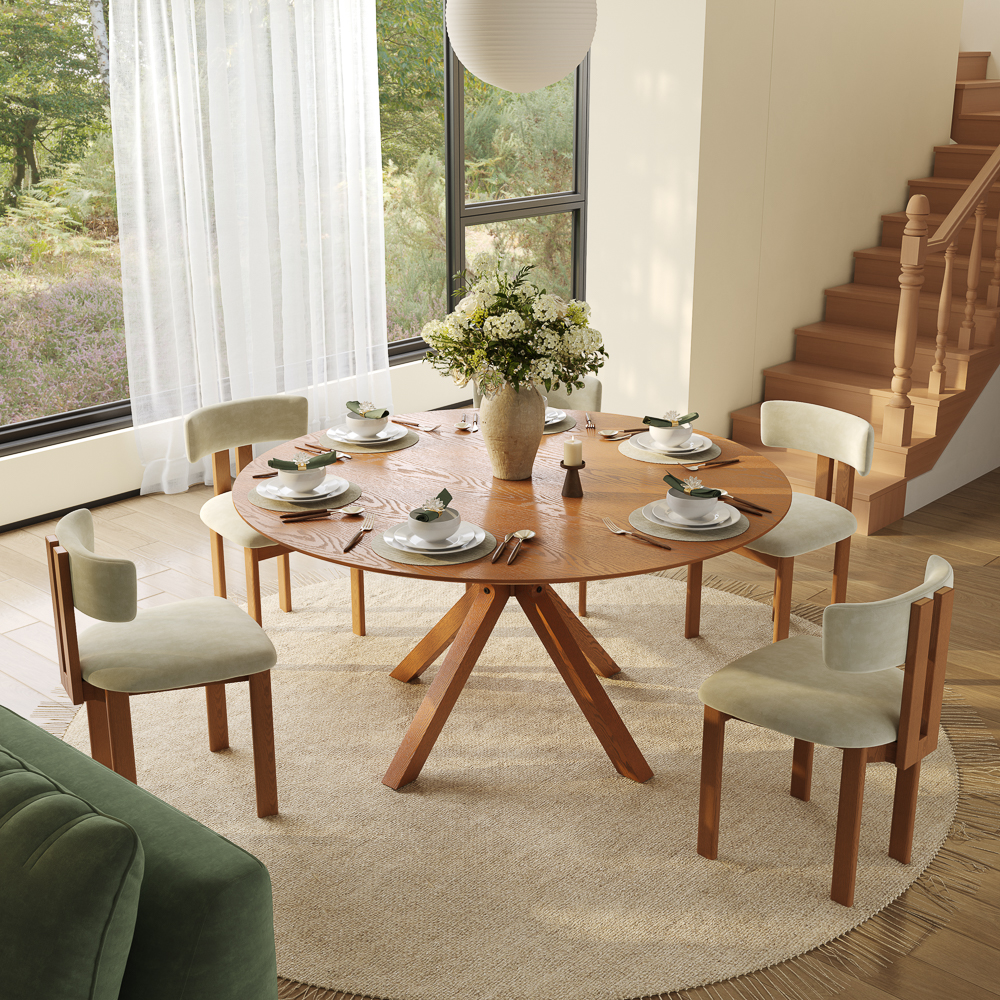
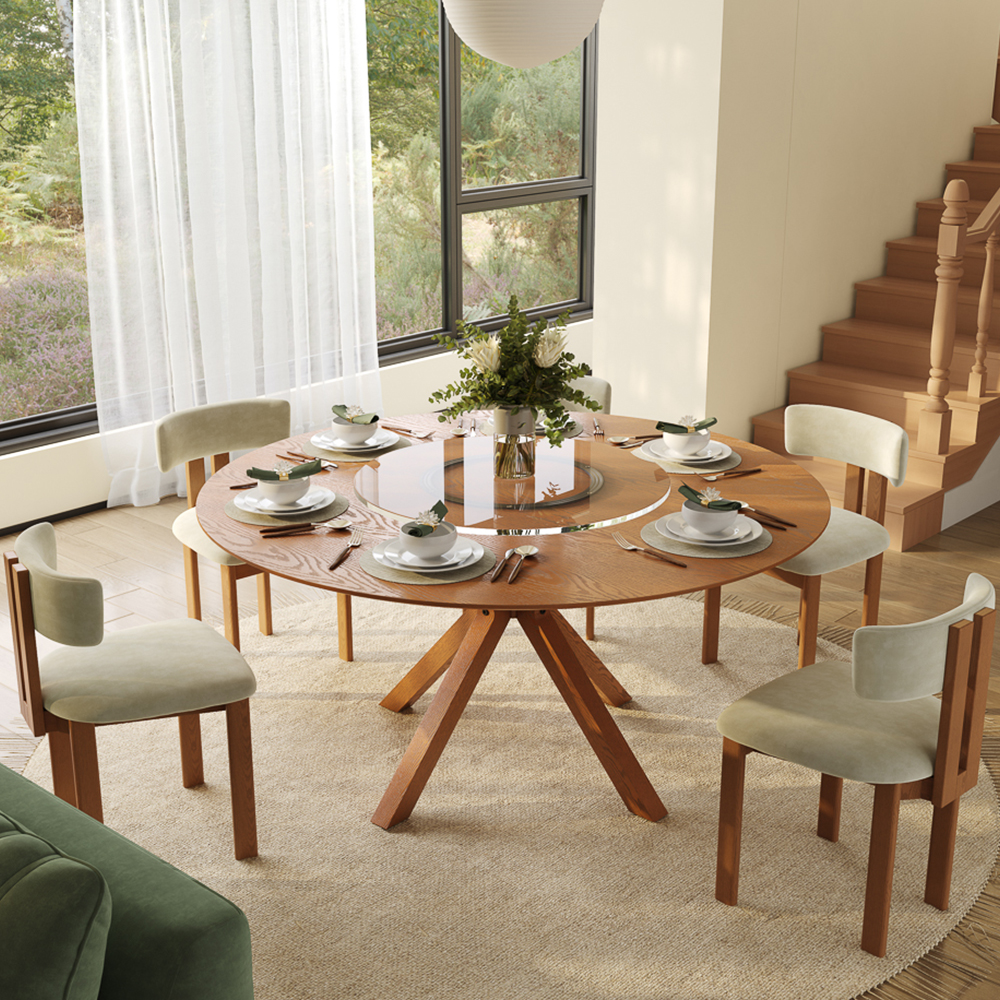
The best walnut dining tables of 2026 showcase the wood's natural beauty through transparent finishes that deepen grain and reveal subtle color shifts. Premium options from Vermont Woods Studios use kiln-dried solid American black walnut with traditional joinery for heirloom-quality construction. Mid-century-inspired models with clean lines and conical legs seat 6 comfortably while maintaining visual lightness. Round, rectangular, and extendable configurations accommodate different room layouts. Povison's fully assembled walnut dining tables deliver the warmth of real wood without the typical flat-pack assembly struggle, arriving ready to anchor your dining room. Prioritize tables with sealed or oiled finishes that protect against moisture rings while preserving the natural grain character.
Research synthesized from Stickley, Vermont Woods Studios, Decorilla, ASK-T Furniture, AllModern, and Houzz 2026 walnut dining table guides and market analysis.
Frequently Asked Questions
Everything you need to know about walnut dining table
Walnut ranks among the finest furniture hardwoods with a Janka hardness rating of 1010, making it highly resistant to dents and scratches. Its naturally rich brown color with creamy sapwood streaks creates unique grain patterns in every walnut dining table. The wood darkens beautifully over time, developing deeper character. Walnut's strength-to-weight ratio also makes it ideal for elegant, thinner tabletop profiles.
Walnut dining table prices vary significantly by construction method. Veneer walnut dining tables start around $500 to $1,000. Solid American walnut dining tables from quality manufacturers range from $1,500 to $3,500 for standard 6-seat sizes. Custom or live-edge walnut dining tables from artisan makers can run $3,000 to $8,000 or more depending on slab size and craftsmanship.
Protect your walnut dining table with coasters and trivets — despite its hardness, hot dishes and moisture can leave marks. Dust regularly with a soft, lint-free cloth. Apply furniture wax or oil every 6 to 12 months to maintain the finish. Tables with catalyzed conversion varnish are waterproof and heat-resistant to 220 degrees, requiring less maintenance. Povison's walnut dining tables feature protective finishes for everyday durability.
Yes, walnut naturally lightens slightly with prolonged UV exposure, shifting from deep chocolate brown toward a warm honey-brown tone over several years. This patina is considered desirable and adds character. To slow the color change, avoid placing your walnut dining table in direct sunlight and use UV-filtering window treatments. Regular oiling helps maintain the wood's rich depth.
Walnut dining tables come in mid-century modern, Scandinavian, industrial, farmhouse, and contemporary styles. Mid-century designs feature tapered legs and clean lines. Industrial walnut dining tables pair the warm wood with black metal bases. Live-edge walnut tables showcase the wood's natural bark line for a rustic-modern look. Povison offers walnut dining tables in multiple styles, all delivered fully assembled.
Solid walnut tables ($1,500-$5,000+) use 1-2-inch thick planks throughout and can be refinished multiple times over 30-50 years. Walnut veneer tables ($400-$1,500) layer a thin 1/40-inch walnut sheet over engineered wood, offering the look at lower cost but limited to 1-2 refinishings. Check edges for visible layering and grain consistency to identify veneer versus solid construction.
For light scratches, rub a raw walnut kernel along the mark; its natural oils blend into the wood tone within minutes. Medium scratches respond to wood stain markers ($6-$12). For white water rings, apply a hairdryer on medium heat for 15-20 minutes to evaporate trapped moisture. Deep gouges need wood filler matched to walnut's chocolate-brown hue, sanded smooth with 220-grit sandpaper.
Black metal chairs create striking contrast with walnut's warm brown tones. Upholstered chairs in cream, olive, or navy complement walnut beautifully. Mid-century style chairs with tapered legs echo walnut's organic warmth. Avoid matching walnut-stained chairs exactly; instead choose a wood 2-3 shades lighter or darker for visual depth. Povison offers fully assembled walnut dining tables that pair elegantly with various chair styles.
American black walnut (Juglans nigra) features deeper chocolate-brown tones and costs $8-$15 per board foot. European walnut (Juglans regia) is lighter with grayish-brown hues and runs $12-$20 per board foot due to limited supply. American walnut has a Janka hardness of 1,010, slightly softer than European walnut at 1,220. Both species darken and develop richer color when exposed to light over 5-10 years.
Oil finishes (tung or Danish oil) enhance walnut's natural grain and feel, requiring reapplication every 6-12 months. They allow easy spot repairs but offer moderate stain protection. Lacquer and polyurethane create a harder, glossy surface that resists spills and heat up to 150°F, lasting 5-7 years before refinishing. Families with young children benefit from lacquer's superior protection against daily wear.
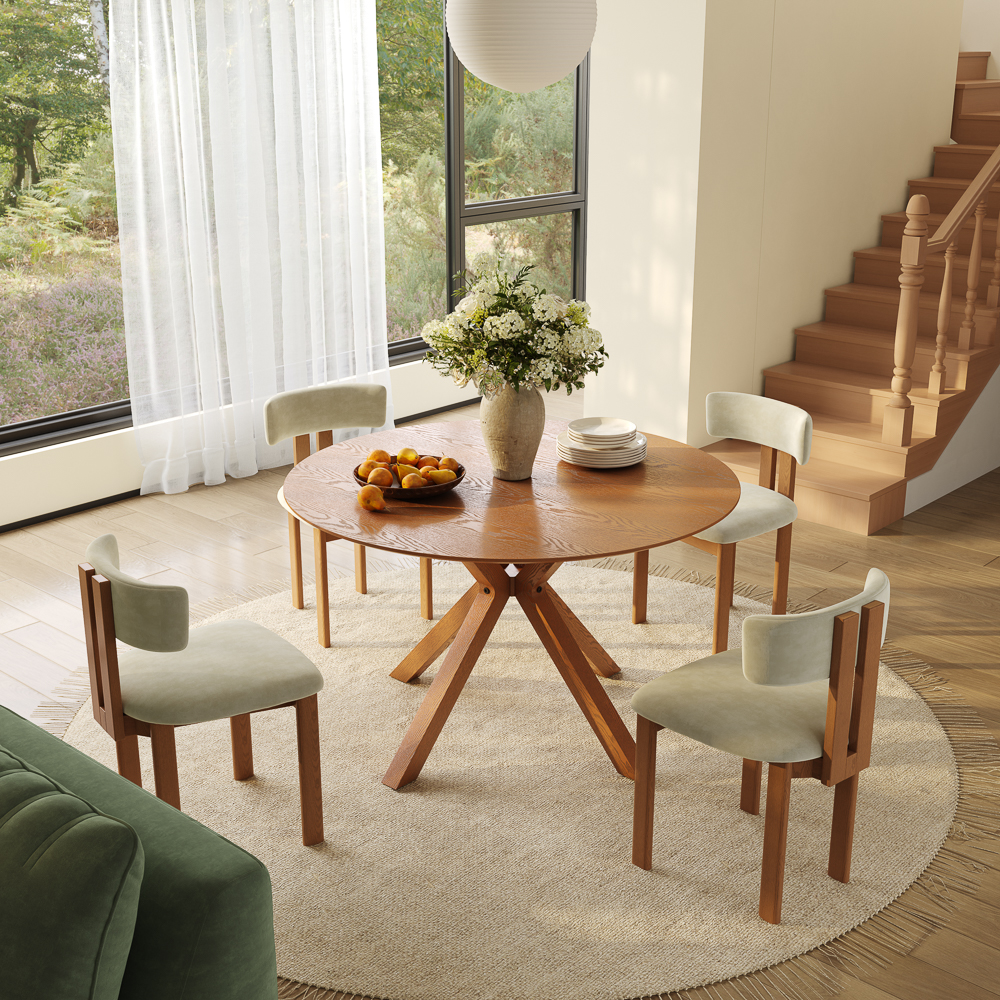
Standard width is 36-42 inches for rectangular walnut dining tables. A 36-inch width accommodates place settings but feels tight with serving dishes. A 42-inch width comfortably fits centerpieces and shared plates. Farmhouse-style walnut tables run 44-48 inches wide for a generous surface. For round walnut tables, 48 inches seats 4, while 60-72 inches seats 6-8 people comfortably.
Complete Your Living Room
Pair your walnut dining table with these popular picks
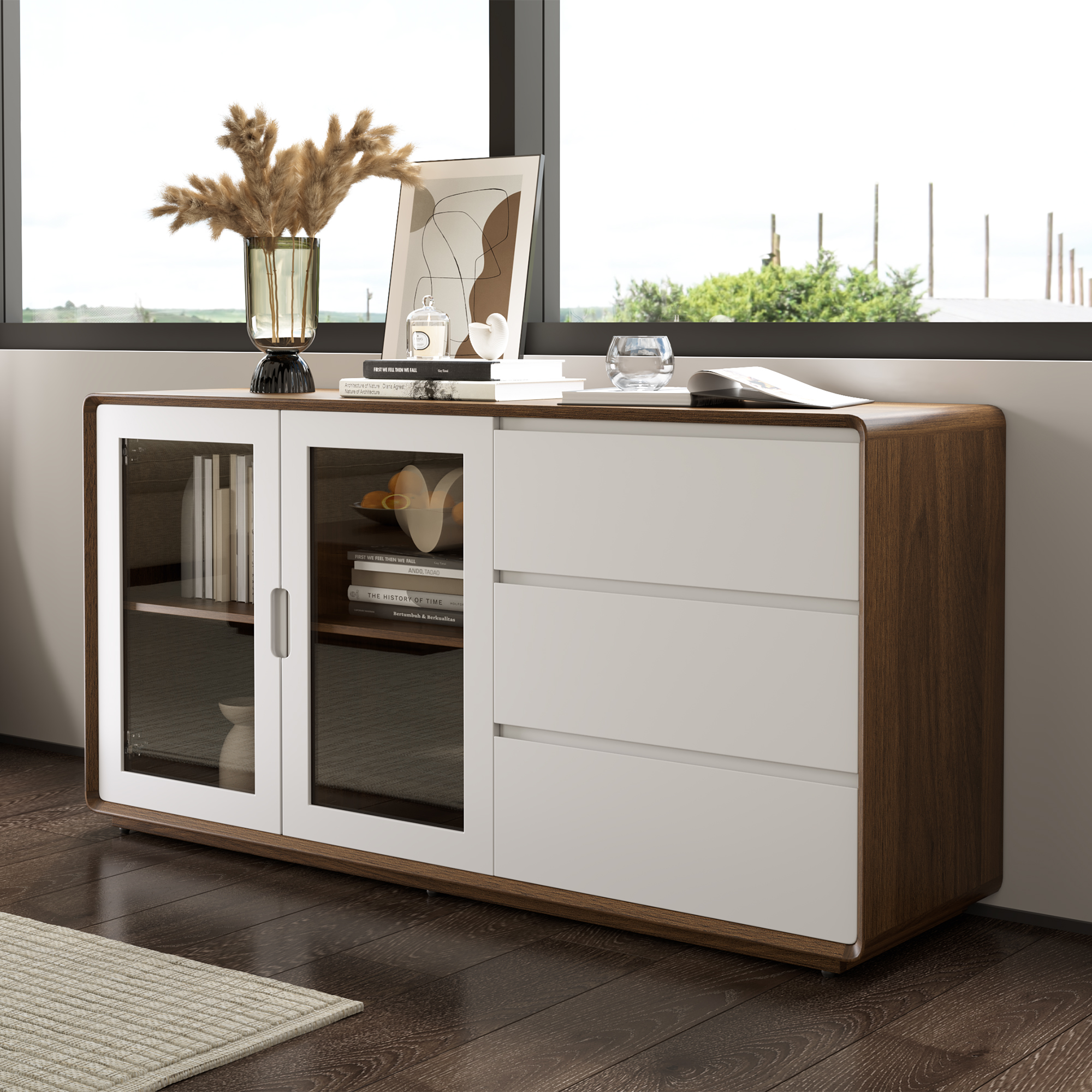
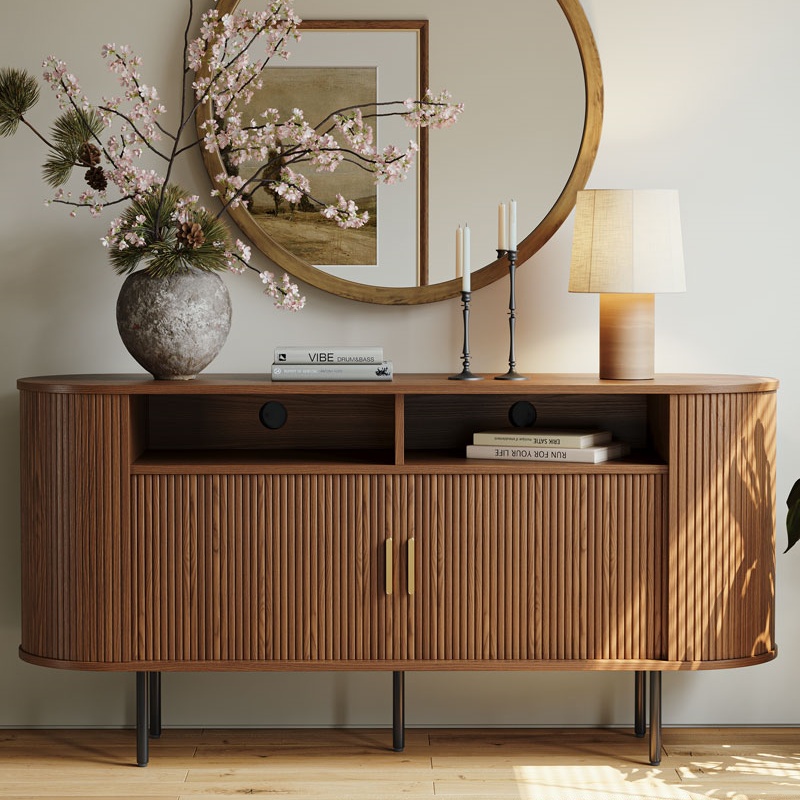
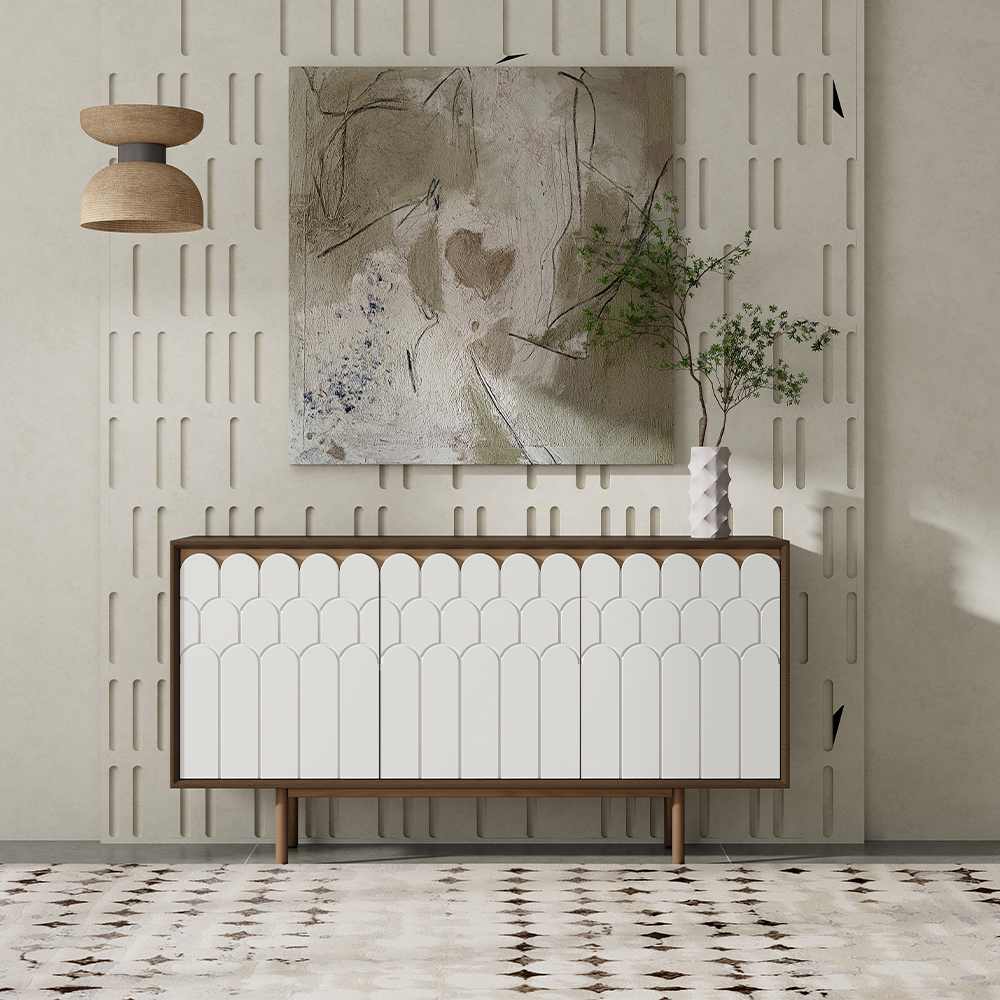
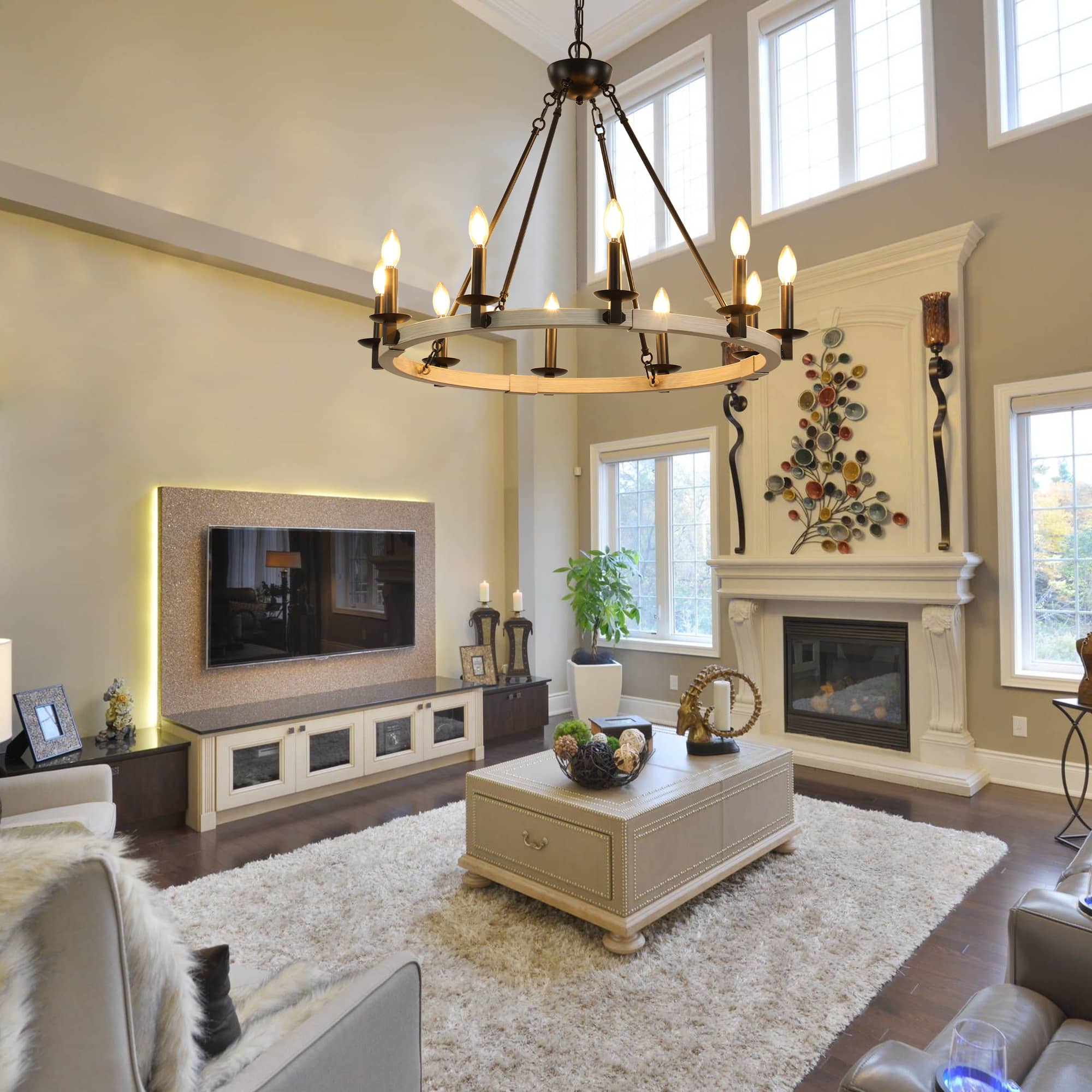
Walnut Dining Table — Comfort Meets Modern Design
A walnut dining table brings warmth, sophistication, and lasting durability to any dining room. Prized for its rich brown tones and distinctive grain patterns, walnut is a premium hardwood with a Janka rating of 1010, making every walnut dining table naturally resistant to everyday wear. Whether you prefer mid-century modern, industrial, or live-edge styles, a walnut dining table serves as a striking centerpiece.
Choosing a walnut dining table means balancing solid wood quality with your budget and size needs. Solid walnut dining tables for 6 typically measure 72 to 84 inches long, while 8-seat walnut dining tables extend to 96 inches. Open-pore and wire-brushed finishes are trending in 2026, highlighting the natural walnut grain texture that makes each walnut dining table unique.
Povison's walnut dining table collection features sustainably sourced hardwood with factory-applied protective finishes for worry-free daily use. Every Povison walnut dining table arrives fully assembled — no hardware, no instructions, no frustration. Explore the range of walnut dining table styles and sizes to find the perfect match for your dining space.