


Showing results for "couch with ottoman"
Color


Beige
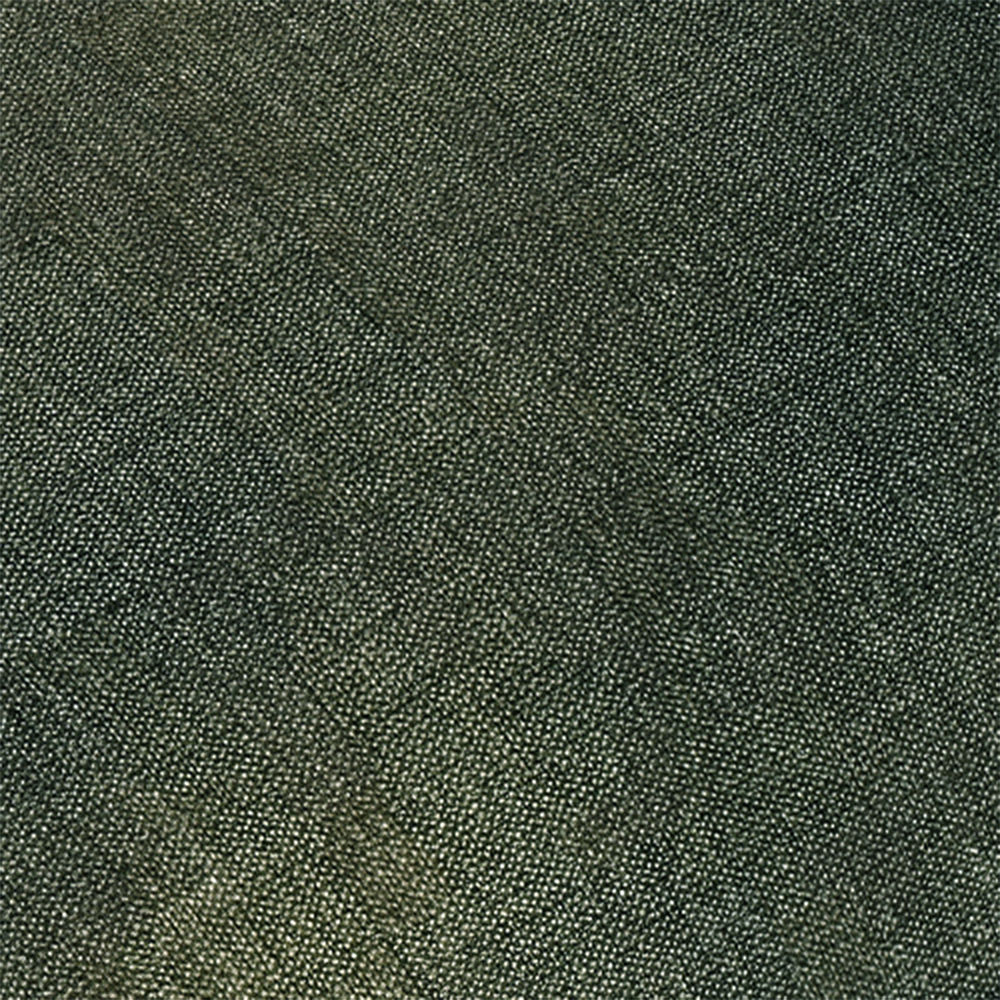
Green
Khaki
Black
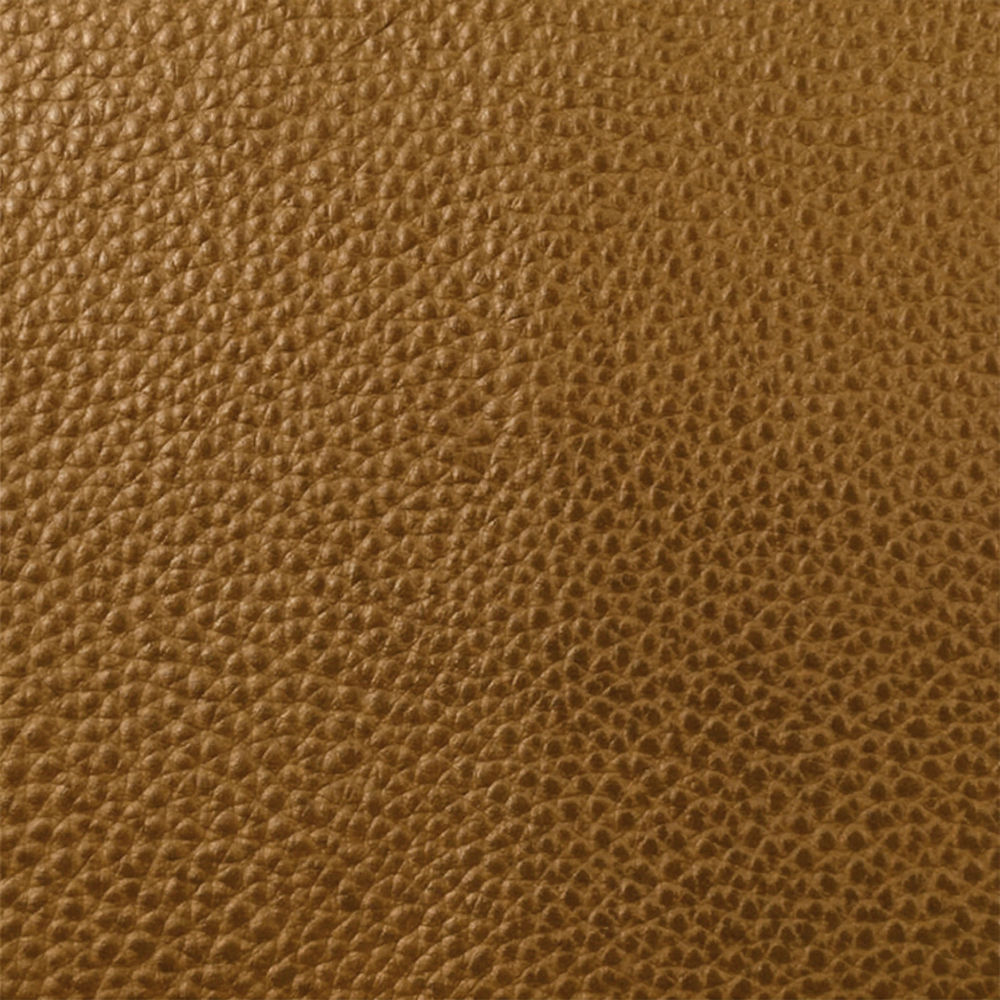
Brown
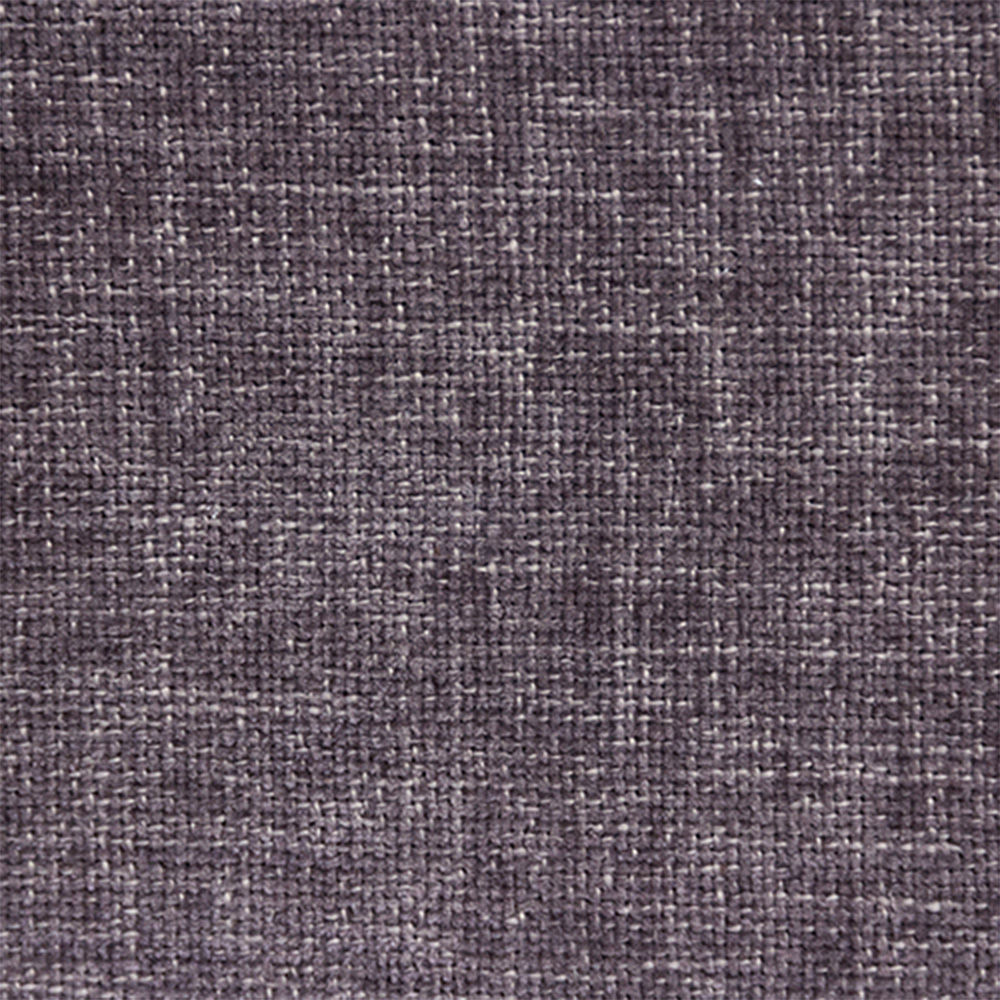
Dark Gray
Gray
Navy Blue
Light Brown
Dark Brown
Blue
Dark Coffee
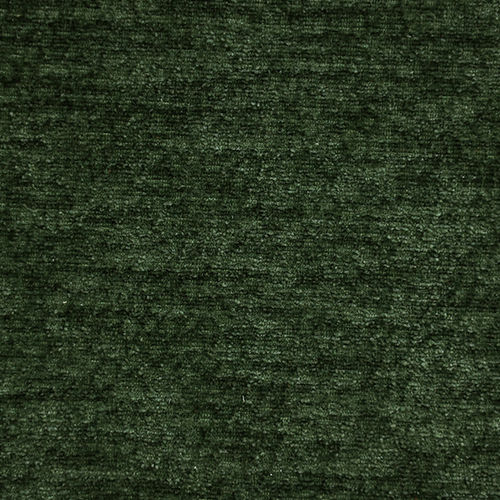
Dark Green
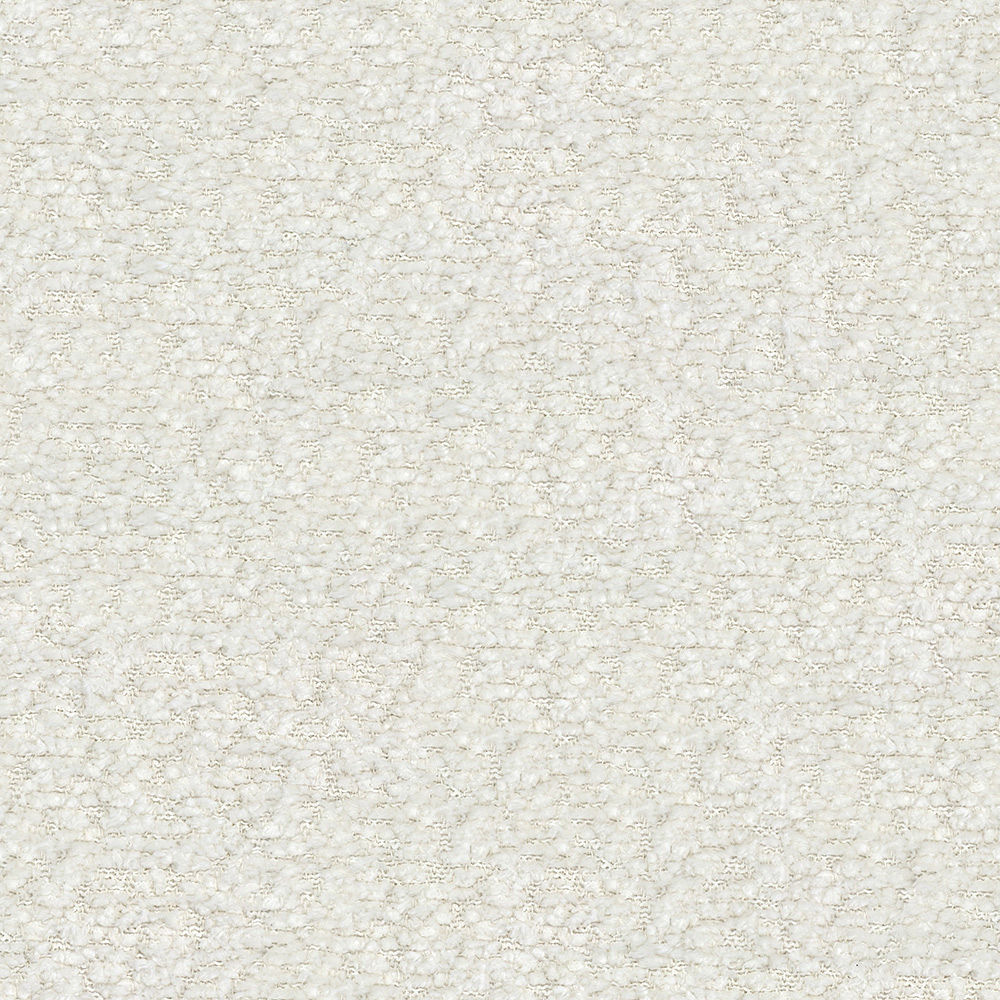
White
Off-white
Material
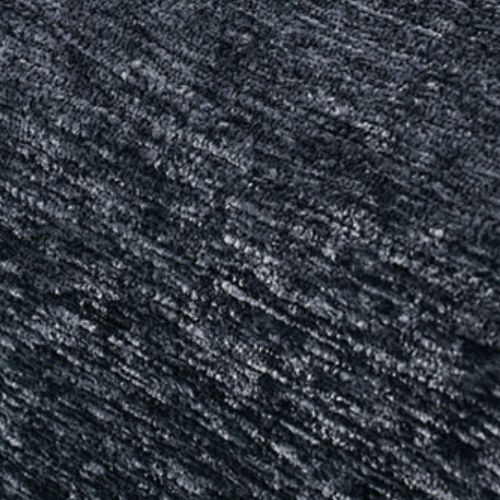
Chenille
Fabric
Pet-Friendly Fabric
Eco-friendly Microfiber Leather
Velvet
Skin-Friendly Fabric
Top Grain Leather
Genuine Leather
Suede Fabric
Cotton and Linen
Chenille Fabric
Bouclé
Full-Grain Leather
Leather
Linen
Price
Price
Min
to
Max
Sort By

 All Filters
Dispatch within 48H to
Sort By






























































- 1
- 2
- 3
FAQs About Povison's Sofas
1. What is the difference between a sofa and a couch?

Practically speaking, there is no difference. "Sofa" and "couch" refer to the same piece of furniture: an upholstered seat built for two or more people. The words come from different languages (sofa from Arabic, couch from French), but in everyday use they are fully interchangeable.
"Couch" tends to be more common in North America and Australia, while "sofa" is preferred in the UK.
On our product pages you will see both terms used alongside loveseat, sectional, and settee, which are all describing the same broad category of living room seating.
"Couch" tends to be more common in North America and Australia, while "sofa" is preferred in the UK.
On our product pages you will see both terms used alongside loveseat, sectional, and settee, which are all describing the same broad category of living room seating.
2. How do I choose the right sofa size for my living room?
Measure your room before you browse. A useful rule of thumb: your sofa should span roughly two thirds of the wall it sits against, with at least 18 inches of clearance on either side for foot traffic.
For a standard living room, a three-seater in the 84 to 90 inch range is the most flexible choice. In a smaller apartment, a loveseat at 52 to 58 inches keeps things from feeling cramped. If you are considering a sectional, tape out the footprint on your floor first. Most L-shaped sectionals need at least 120 by 84 inches to sit comfortably without blocking doorways.
For a standard living room, a three-seater in the 84 to 90 inch range is the most flexible choice. In a smaller apartment, a loveseat at 52 to 58 inches keeps things from feeling cramped. If you are considering a sectional, tape out the footprint on your floor first. Most L-shaped sectionals need at least 120 by 84 inches to sit comfortably without blocking doorways.
3. What is a sectional sofa and is it right for my home?
A sectional sofa is made up of two or more connected pieces, most often in an L-shape or U-shape, creating a large continuous seating area. Sectionals work best in open-concept living rooms where you want to define a seating zone without relying on a rug alone.
The most popular format is a chaise sectional: a standard sofa with an extended lounging section on one end. For overnight guests, a sleeper sectional adds a pull-out bed.
At Povison, all sectionals arrive fully assembled so you can enjoy the room on delivery day. Browse Povison sectional sofa collection to filter by shape, size, and fabric.
The most popular format is a chaise sectional: a standard sofa with an extended lounging section on one end. For overnight guests, a sleeper sectional adds a pull-out bed.
At Povison, all sectionals arrive fully assembled so you can enjoy the room on delivery day. Browse Povison sectional sofa collection to filter by shape, size, and fabric.
4. What is a modular sofa and why has it become so popular?
Modular sofas are built from individual interchangeable pieces, such as corner units, armless seats, ottomans, chaise sections, which can be connected and rearranged as your space changes.
Unlike a fixed sofa, a modular sectional can grow with your household: start with a three-seater and add a chaise later, or split the configuration when you move somewhere smaller.
Many Povison modular designs ship in separate boxes that maneuver through narrow doorways far more easily than a single full-length frame. For a breakdown of every configuration worth considering, see Povison's modular sofa guide.
Unlike a fixed sofa, a modular sectional can grow with your household: start with a three-seater and add a chaise later, or split the configuration when you move somewhere smaller.
Many Povison modular designs ship in separate boxes that maneuver through narrow doorways far more easily than a single full-length frame. For a breakdown of every configuration worth considering, see Povison's modular sofa guide.
5. What sofa frame material is the most durable?
Kiln-dried hardwood like oak, ash, or beech is the gold standard. The kiln-drying process removes moisture from the wood so it resists warping, cracking, and the creaking that cheaper frames develop within a year or two.
Sofas built on solid hardwood frames routinely last 10 to 15 years under normal use. High-grade 7-ply engineered plywood is a solid second choice and is used in many well-built mid-range sofas.
Particleboard and untreated softwood are the materials to avoid: joints loosen quickly under repeated stress, and visible sagging often shows up before the five-year mark. If a listing does not mention frame material, treat that omission as a red flag.
Sofas built on solid hardwood frames routinely last 10 to 15 years under normal use. High-grade 7-ply engineered plywood is a solid second choice and is used in many well-built mid-range sofas.
Particleboard and untreated softwood are the materials to avoid: joints loosen quickly under repeated stress, and visible sagging often shows up before the five-year mark. If a listing does not mention frame material, treat that omission as a red flag.
6. Which sofa cushion filling is the most comfortable?
High-resilience foam offers firm, supportive seating that springs back quickly after you stand up and holds its shape well for years. Down-wrapped foam adds a layer of down or down-alternative around a foam core, giving you long-term structure with a softer surface feel. Pure down cushions feel the most luxurious but require regular fluffing and flatten with daily use.
If the deep, cloud-couch feel is what you are after, look for a high-density foam core with a thick down-alternative wrap. That combination is what Povison uses across deep-seat sofas and cloud-style couches, balancing the plush first impression with structural support that lasts.
If the deep, cloud-couch feel is what you are after, look for a high-density foam core with a thick down-alternative wrap. That combination is what Povison uses across deep-seat sofas and cloud-style couches, balancing the plush first impression with structural support that lasts.
View More
top