 By Kelvin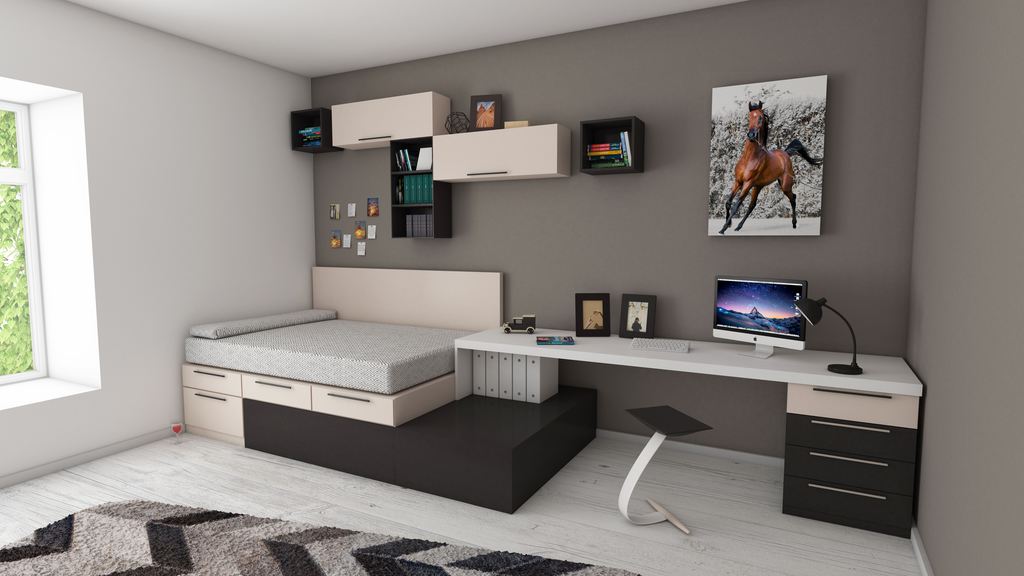
Introduction
A room that serves as both an office and a guest room should work well on ordinary weekdays before it accommodates occasional overnight visitors. The most useful home office guest room ideas protect your desk, chair, storage, and daily walking space while giving guests a comfortable place to sleep when needed. Instead of dividing the room equally between two functions, start with how often you work there, who usually stays overnight, and how much floor space sleeping furniture needs when fully open.
Table of Contents
How Should You Plan a Home Office Guest Room?
Start with the function the room serves most often. If you work there five days a week but host guests a few weekends a year, keep the desk and work setup permanent and make the sleeping area flexible. A room used regularly by visiting family may justify giving more floor space to a dedicated bed.
This priority-first approach makes home office guest room design easier because every furniture decision has a purpose.
| Your Routine | Better Starting Point |
| Work from home most weekdays | Permanent desk + flexible guest bed |
| Host one occasional guest | Daybed or compact sleeper |
| Host couples several times a year | Larger sleeper or Murphy bed |
| Guests stay frequently | More permanent sleep setup |
| Guests rarely stay overnight | Protect office floor space first |
Consider the type of work as well as frequency. A laptop-only desk can tolerate tighter surroundings than a setup with two monitors, a printer, equipment, and an office chair that needs room to roll backward.
The goal is not a theoretical 50/50 split. The room should support its primary job without requiring daily furniture rearrangement.
What Layout Works Best for Both Work and Guests?
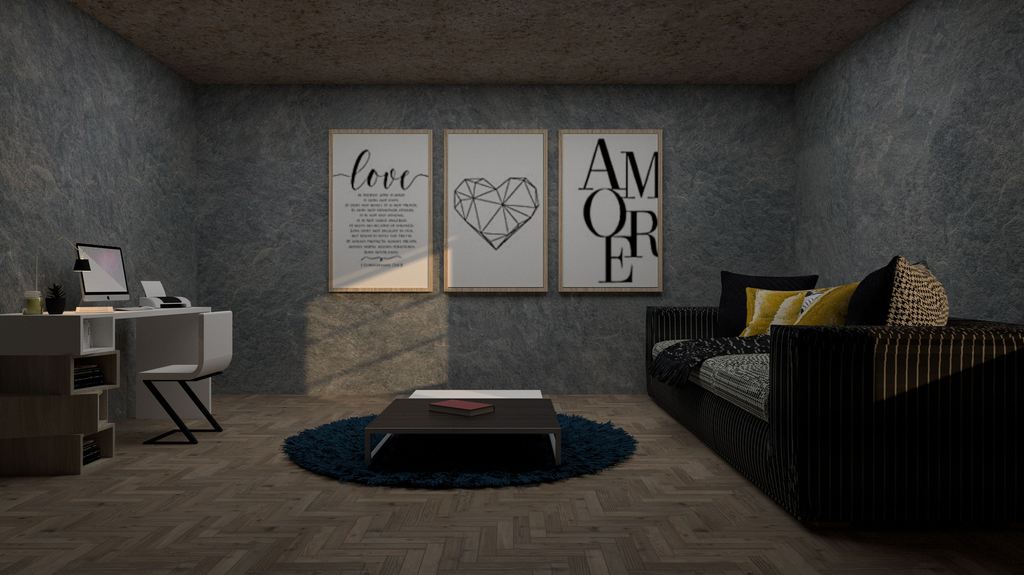
The strongest home office guest room ideas separate permanent functions from temporary ones. Your desk normally stays in place; the guest area changes only when someone stays over. Plan around furniture movement, not simply wall width, and test the room with drawers, doors, chairs, and sleeping furniture in their active positions.
Keep the Desk Permanent
Place the desk where you can use it without moving sleeping furniture first. Natural light can be useful during the workday, but avoid a position where opening a sleeper blocks the desk chair or traps you between furniture.
A Tuesday morning should not begin with folding a bed or shifting a side table just to reach your computer.
Give the Bed a Clear Conversion Zone
Convertible furniture needs more than its closed footprint. Check the entire area the seat, mattress, backrest, or frame occupies while changing position.
A compact sofa that fits neatly against a wall may still fail if the open bed collides with your chair or blocks a closet. Anyone considering a convertible option should compare small sleeper sofa layouts and open-space requirements before relying on the closed dimensions alone.
Preserve One Useful Walkway
After the guest bed is open, walk from the room entrance toward the bed and back out again. Then test access to the bathroom route, closet, light switch, and door.
A workable layout should not require guests to climb over the foot of the bed or squeeze between the mattress and desk.
Which Guest Bed Fits Your Everyday Office?
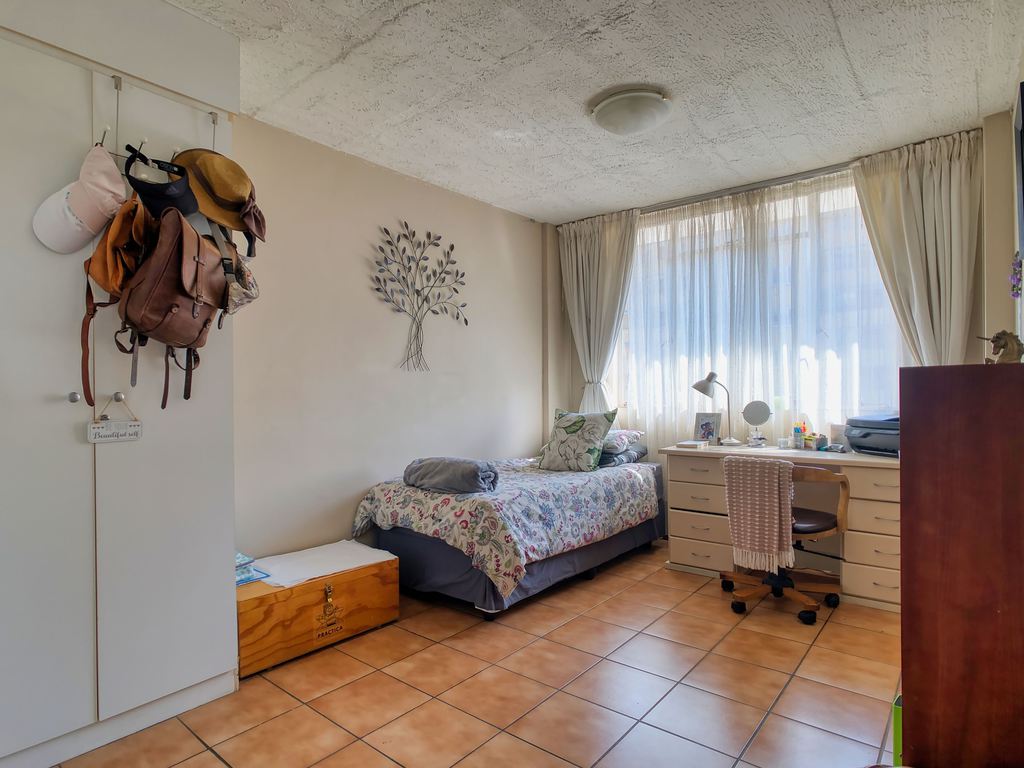
Sleeping furniture should be selected according to what it does when nobody is sleeping there. That makes the choice more useful than simply asking which bed occupies the least space.
A Murphy bed can return substantial floor area during the day but requires suitable installation conditions. A daybed keeps sleeping space ready but always gives the room a more bedroom-like appearance. A sleeper sofa provides everyday seating, although its open depth must be planned carefully.
Readers deciding between two common options can use a daybed vs sleeper sofa comparison for a home office to judge whether a bed-first or sofa-first setup better matches daily use.
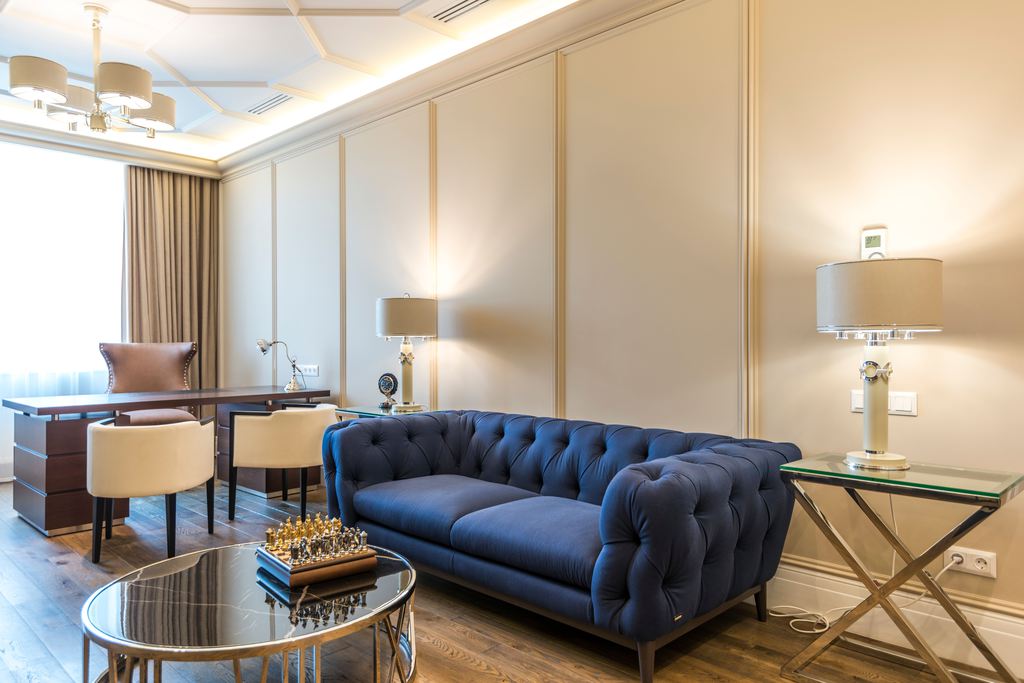
For an office that also needs seating during calls, reading, or downtime, a powered sleeper can reduce the amount of separate furniture required. The Aurora Power Sofa Bed adjusts its seat depth from 27 to 45.5 inches and uses water- and scratch-resistant performance chenille, allowing the room to remain a sitting area until additional sleep space is needed.
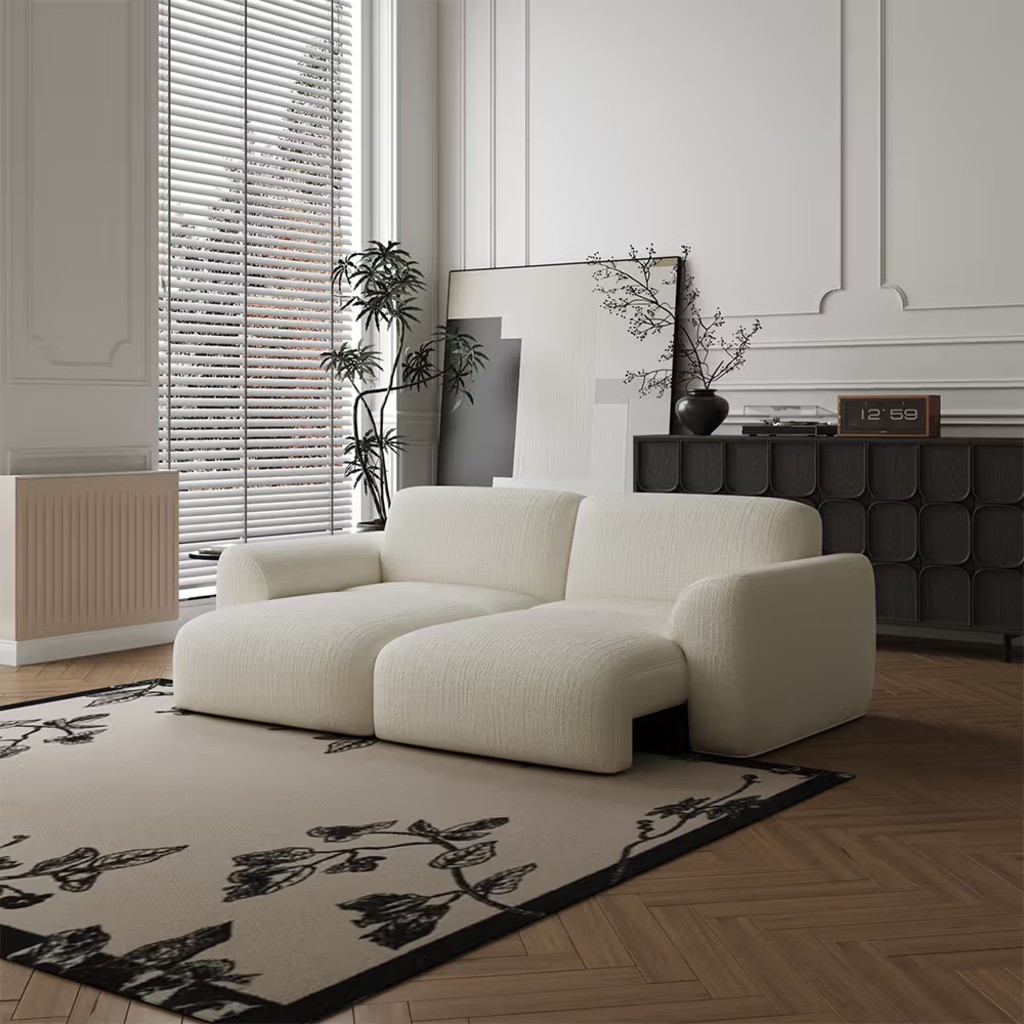
Aurora-Power Sofa Bed
Powered depth adjustment keeps an office useful before overnight guests arrive.
👍 Best for: Office-first multipurpose guest rooms
✨ 27″–45.5″ adjustable seat depth
✨ One-touch powered extension
✨ Performance chenille upholstery
Measure the Room in Both Office and Guest Mode
One floor plan is not enough for home office and guest room ideas involving moving furniture. Create two simple layouts: one showing an ordinary workday and another showing the room after the sleeping furniture is fully converted.
In office mode, confirm:
- The chair can pull out and roll naturally.
- Desk drawers and storage doors open fully.
- The primary doorway stays clear.
- Frequently used outlets remain accessible.
Then open the bed or extend the sleeper and run the second test. Check whether a guest can enter the bed from a practical side, reach a lamp, leave the room at night, and access essential storage.
Also decide where displaced furniture goes. If opening the bed requires moving the desk chair, side table, or ottoman, identify its temporary location before buying anything. Moving one lightweight item may be reasonable. Searching for places to put three large pieces every time someone visits usually signals an overfilled layout.
Use painter’s tape to mark the open footprint when specifications are available. This catches conflicts that are hard to see on a furniture page, especially where a desk and sleeper face each other across a narrow room.
Make the Room Switch to Guest Mode Without a Full Reset
A flexible room becomes frustrating when changing functions means dismantling the primary one. Organize the space so the work setup can remain substantially intact when someone stays over.
Closed office storage is more useful here than adding decorative baskets everywhere. Give files, notebooks, headphones, chargers, and confidential paperwork a place where they can disappear quickly. Store sheets, pillows, and guest towels separately near the sleeping area so preparing the room does not involve searching other closets.
The same principle applies to movable furniture. A second living area that must support both work and occasional overnight use benefits from choosing one primary function with one compatible secondary function rather than adding every possible activity to the room.
For a larger office where an additional seat serves reading, informal calls, and guest relaxation without becoming another bed, the Swayford Plush Power Recliner has a 41.3-inch-square footprint, 270-degree swivel, 90–130-degree powered recline, and adjustable lumbar support. Plan enough clearance around it to use the motion functions rather than treating the closed dimensions as the complete footprint.
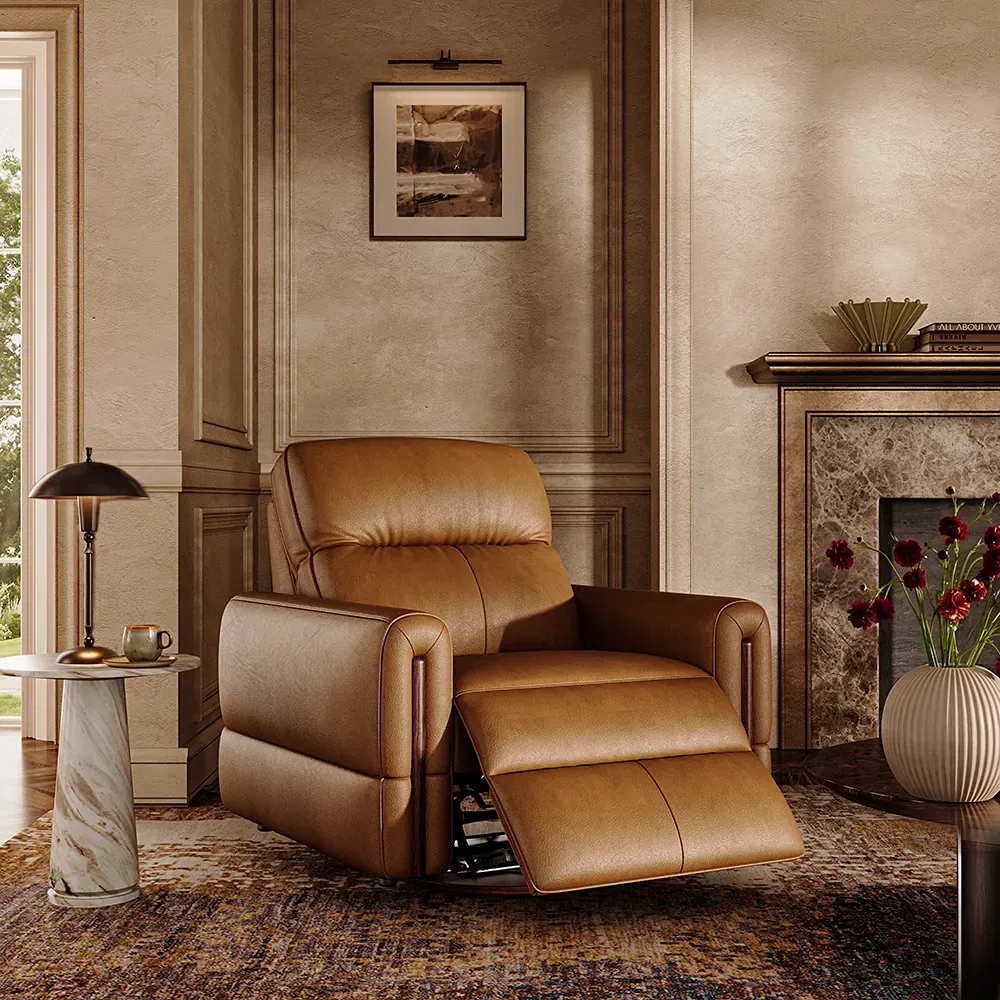
Swayford Plush Power Recliner
Flexible swivel seating adds everyday comfort without creating another fixed sleep zone.
👍 Best for: Larger office lounge zones
✨ 270° swivel movement
✨ Powered multi-angle recline
✨ Adjustable lumbar support
How Do You Make Guests Comfortable Without Losing the Office?
Guest comfort does not require converting the entire room into a permanent bedroom. Focus on the things an overnight visitor actually needs: somewhere to sleep, a reachable light, a place for a phone, access to power, and room for luggage.
Keep at least one small surface clear beside the sleeping area. A guest should not have to move your printer or work files just to put down a glass of water. For a short stay, hooks or one empty drawer can be more useful than dedicating an entire closet to visitors.
Lighting also needs two jobs. Keep focused task lighting at the desk while giving the sleeping area a softer light that can be controlled without crossing the room. If early morning light is strong, blinds or curtains can improve guest use without affecting the office during the day.
Finally, reduce the most visible signs of work rather than trying to erase them completely. Close the laptop, turn off monitors, contain cables, and store paperwork. The room can still look like a thoughtful office; it simply should not make the guest feel as though they are sleeping inside an active workstation.
Conclusion
The most practical home office guest room ideas start with the room’s everyday responsibility, not the occasional visit. Keep frequently used work furniture functional, choose sleeping furniture according to guest frequency, and verify the layout again with every convertible piece fully open. A successful dual-purpose room should change modes without dismantling the desk, blocking essential routes, or creating a pile of displaced furniture. Plan both states before purchasing, and the same room can support focused weekdays and comfortable overnight stays without either use feeling temporary.
FAQs
Should office files be locked away when guests stay?
Locking storage is useful when the room contains confidential work documents, client information, financial records, or company equipment. Everyday notebooks may only need closed storage, but sensitive materials should be secured before guests arrive. Choose lockable drawers or cabinets if the room regularly serves both professional and overnight functions.
Can you use a desk as a guest nightstand?
Yes, if the desk is close enough to the sleeping area and you can clear a small section for a phone, water, and personal items. Avoid this setup when cables, monitors, or work equipment occupy the entire surface. A separate compact side table is more practical when the desk sits beyond easy reach from the bed.
Do guests need closet space in an office guest room?
Not necessarily. For one- or two-night visits, an empty drawer, luggage surface, or several accessible hooks may be enough. Guests staying for a week or longer benefit more from hanging space. Reserve storage according to typical visit length instead of leaving a large portion of the office empty year-round.
Should you leave computer monitors out when guests stay?
Usually, yes. Monitors can remain on the desk if they do not take space guests need. Turn screens off and store confidential papers or sensitive work equipment. If the desk must double as a vanity or bedside surface, clear a usable section rather than dismantling the entire workstation.
Should a guest bed face the desk or sit beside it?
Either arrangement can work, but avoid placing the open bed where guests directly face active work equipment at close range. In narrow rooms, opposite long walls may preserve movement better. In square rooms, an L-shaped layout can create clearer separation between the work zone and sleeping area.


[…] a dedicated guest room or home office that occasionally hosts overnight visitors, you have more freedom — and you should use it. A queen sleeper here makes sense because the room […]
[…] to a permanent bed. Think holiday guests, visiting parents, friends staying after a late dinner, or a home office that becomes a guest room 6 to 12 nights a […]
[…] the sitting position works, decide how often the daybed must switch between seating and sleeping. A home-office daybed usually needs a clean daytime profile and reliable back support. A guest-room daybed can keep more […]
[…] Home office with occasional overnight stays […]
[…] cannot tell you whether the room still functions after conversion. The same logic behind practical home office guest room ideas applies here: protect the permanent workstation first, then test how much the sleeping setup […]