 By Stephanie
A summer dinner can easily turn into an overnight stay when friends linger, relatives drive in from out of town, or a backyard cookout ends later than planned. Learning how to choose furniture for a guest room means preparing for those real moments—not filling the space from a standard bedroom checklist. The right room gives guests a place to sleep, set down a bag, charge a phone, and move around after dark. After they leave, it should return to everyday use without hours of extra lifting, folding, and reorganizing.
Table of Contents
Define the Room’s Real Job
Start with how the room works during a normal week. A dedicated guest bedroom can prioritize sleep and storage. A home office, reading room, or second lounge must continue serving that daily purpose when no one is staying overnight.
Write down two answers:
- Most days, this room is used for: work, reading, hobbies, storage, or guests.
- When someone stays, it must provide: sleep, a bedside surface, luggage space, lighting, and stay-specific storage.
Buy for the visit that happens most often—not the longest one imaginable. A friend staying after a barbecue needs a comfortable sleep surface, a place for a bag, and an easy-to-reach light. Parents staying for a week may also need drawers, hanging space, and a stable place to sit.
Use the room’s normal function to choose the overall furnishing strategy:
| Room pattern | Best furnishing priority |
| Dedicated guest bedroom used regularly | Sleep-first |
| Home office used for occasional overnight stays | Conversion-first |
| Reading room that sometimes hosts one guest | Seating-first |
| Spare room used for extended family visits | Storage-first |
This filter answers the practical version of what furniture does a guest room need: only the pieces that support the room’s everyday purpose and its most common type of visit.
Choose the Right Sleeping Setup
Choose the sleep setup before buying any supporting furniture. It determines how much floor space remains, whether doors and storage can still open, and whether the room can serve another purpose during the day. Make the decision based on how often guests stay and how the room is used between visits.
Use a Regular Bed in a Dedicated Guest Room
A regular bed is the better choice when sleeping is the room’s main purpose. It provides a consistent setup and does not require guests to unfold, adjust, or reset anything during a multi-night stay.
Choose a regular bed when most of these statements are true:
- The room is used primarily as a guest bedroom.
- Guests usually stay for three nights or longer.
- Two adults often share the room.
- The room does not need to function as an office or lounge.
- There is enough space to approach the bed and open nearby storage without squeezing past furniture.
The main tradeoff is permanent floor use. Once the bed is in place, the remaining furniture must fit around it without narrowing the route from the door or forcing guests to place luggage on the sleep surface.
Use a Sofa Bed When the Room Has a Daily Purpose
A sofa bed makes more sense when the room is used every week as an office, reading room, or casual lounge, but only occasionally for overnight stays. It earns its space by providing useful seating when the room is not in guest mode.
Choose a sofa bed when most of these statements are true:
- Overnight guests visit only a few times a year.
- The room needs comfortable seating during the day.
- Guests usually stay for one or two nights.
- A permanent bed would interfere with work, reading, or household routines.
- The sleep surface can open without moving a desk, cabinet, or other heavy piece.
Detailed checks for mechanisms, sleep comfort, and delivery access belong in a sleeper sofa buying guide for small spaces in 2026. At this stage, focus on whether the room needs permanent sleeping furniture or useful daytime seating.
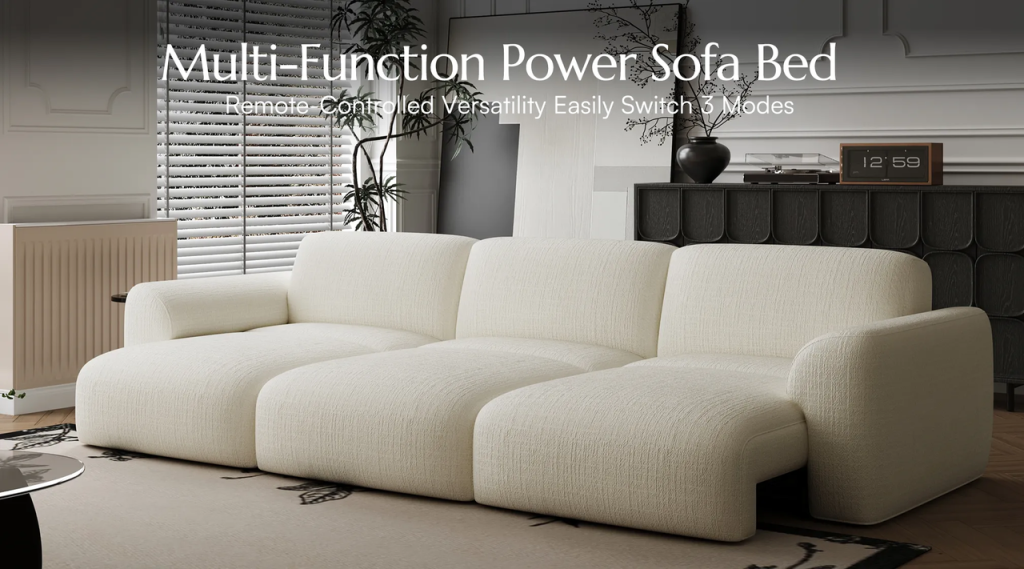
For a room that shifts from daytime seating to overnight use after a late gathering, remote-controlled conversion removes the need to pull out a separate frame by hand. The motorized sofa bed for a multipurpose guest room moves among lounge, recline, and sleep modes at the touch of a button, while its zero-distance wall placement reduces rear-clearance needs. At roughly 83 inches wide, however, it still suits a broad wall better than a narrow spare room.
| Room use pattern | Better sleeping setup | Why it works |
| Dedicated guest room with regular visitors | Regular bed | Keeps the room continuously ready |
| Home office with occasional overnight stays | Sofa bed | Preserves the room’s daily function |
| Reading room used by one overnight guest | Sleeper loveseat | Provides seating with a smaller footprint |
| Room that often hosts two adults | Full-size sleep surface | Avoids an undersized sleeping arrangement |
| Very small room used only for rare emergencies | Temporary sleep solution | Prevents permanent overcrowding |
Before choosing a sleeping setup, compare the room in two states: Everyday Mode and Guest Mode. Note which pieces must move, which doors or storage areas become unavailable, and whether the room can return to its normal function the next morning. Reject any layout that depends on moving heavy furniture or temporarily storing pieces elsewhere.
Add Only the Furniture Guests Will Use
After choosing the sleep setup, add furniture to the order guests will use it. Start with the items needed immediately after entering the room, then add storage based on stay length. Seating and work surfaces should come last because they are useful only for specific visitors, not every guest.
Cover the Three Basic Guest Needs
Every guest needs a reachable surface, a place for luggage, and enough storage for the length of the visit. These three functions matter more than symmetry or a complete bedroom look.
Provide one bedside surface for a solo guest and one on each accessible side when two people share the room. The surface should hold a phone, water, glasses, medication, and a small light. A narrow side table, movable table, or compact cabinet can work as well as a traditional nightstand.
Plan the luggage position before adding decorative furniture. Guests should not have to place a suitcase on clean bedding, leave it behind the door, or step around it at night.
Choose a luggage landing spot based on how the room is used:
- Storage bench: holds a carry-on, provides a dressing seat, and stores a light blanket.
- Compact console: works for luggage, grooming items, or occasional laptop use.
- Low cabinet: adds useful storage for longer visits.
- Folding luggage rack: disappears when the room returns to daily use.
During a July visit, a guest may arrive after a patio dinner with a canvas weekender, sandals, and a damp pool tote. A clear bench near the entrance keeps those items away from the bed and outside the nighttime walking path.
Storage should match the usual stay:
- One or two nights: hooks, empty hangers, and a clear surface.
- Three to seven nights: one drawer, shelf, or cabinet section.
- More than one week: several drawers for folded clothing, plus hanging space for longer garments.
A cabinet is not useful when every shelf contains the host’s belongings. Before guests arrive, leave at least one clearly empty storage area that can be used without moving paperwork, seasonal clothing, or household supplies. When children visit, anchor dressers and other tall storage pieces to the wall; the U.S. Consumer Product Safety Commission recommends securing top-heavy furniture with anti-tip hardware and installing included restraints right away.
Add Seating or Work Space Only When Needed
Add a chair when a regular guest needs a stable place to dress, an older visitor benefits from extra support, or the chair already serves the room’s daily function. Do not add one simply to fill an empty corner.
A full desk is worthwhile when guests regularly work during longer stays. For occasional laptop use, a narrow console is usually more practical. It can serve as a work surface during the day, hold luggage at arrival, and support grooming items the next morning.
Before adding either piece, ask:
- Who will use it?
- What specific task will it support?
- How often will that task occur?
- Can another piece already perform the same job?
Do not use a packaged bedroom set as the room’s default shopping list. Guest rooms often need less storage and symmetry than primary bedrooms. Evaluate each included piece against the five essential functions, and keep only what supports a guest task without reducing movement or interfering with the room’s daily use.
Stop furnishing when the room provides five essentials: a suitable sleeping surface, a reachable bedside area, a luggage landing spot, enough storage for the typical stay, and a clear route to the door. Anything added after that should solve a proven need rather than fill an empty wall or corner.
Plan for Summer Hosting
Summer guests often bring items that do not appear during an ordinary overnight stay: damp towels, pool bags, sunscreen, outdoor shoes, and cold drinks. Plan for those items before the gathering so they do not take over the bed, work surface, or guest storage.
Before guests arrive:
- Keep catering supplies, folding chairs, and party overflow out of the guest room.
- Store clean towels and a lightweight blanket in a closed cabinet or basket.
- Designate a washable basket or utility area for damp towels and pool gear.
- Protect finished surfaces with coasters or trays for iced drinks.
- Leave a small spot near the entrance for outdoor shoes or sandy belongings.
Choose materials with cleanup in mind. Sealed tabletops are easier to manage when condensation collects under a glass, while washable baskets prevent wet fabrics from touching upholstery or clean bedding. Avoid using an unfinished wood surface as the main landing place for drinks, sunscreen, or damp items.
After the gathering, return towels, drinkware, and outdoor items to their assigned places. Closed storage and wipeable surfaces keep cleanup contained, preventing damp fabrics, sunscreen, and drink rings from spreading into the sleeping, working, or luggage areas.
Run the Arrival, Night, and Reset Test
A room can look finished and still be difficult for a guest to use. Before buying another piece, test the complete visit in three stages: arrival, nighttime use, and the next-morning reset. This reveals whether the furniture supports real actions rather than simply fitting within the floor plan.
Arrival
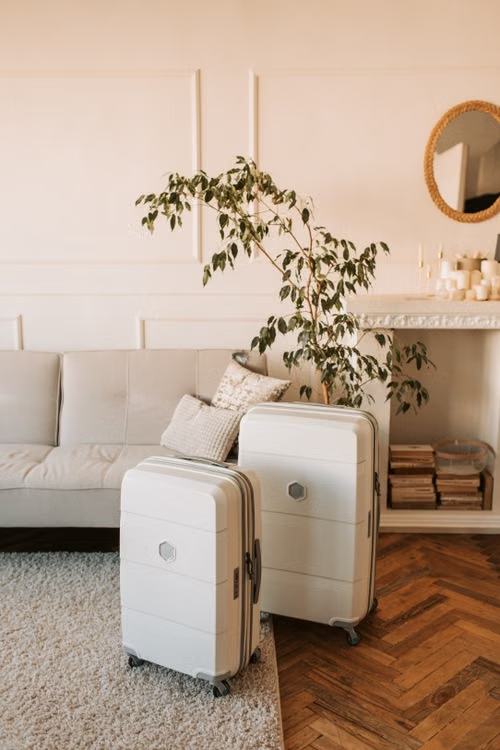
Carry a suitcase or weekender through the doorway and place it where a guest would naturally stop. The bag should have a dedicated landing area without blocking the door, occupying the bed, or narrowing the route into the room.
Confirm that a guest can immediately identify:
- A place for keys and a phone
- An available outlet or charging point
- A luggage surface
- Clearly empty hanging or drawer space
If any of these locations must be explained, cleared, or improvised after the guest arrives, the room is not fully ready.
Night
Prepare the sleeping area exactly as it will be used. Open the sofa bed if the room has one, switch off the overhead light, and walk from the sleeping surface to the door.
A guest should be able to:
- Reach a lamp, water, medication, and a phone
- Get out of bed without stepping around luggage
- Open the room door completely
- Use the designated storage without shifting to another piece
- Leave the room quietly without turning on the main light
Do not rely on a narrow gap that works only when drawers are closed or a desk chair is moved elsewhere. The room must remain usable in its complete nighttime setup.
Reset
The next morning, return the room to its normal office, reading, or lounge function. Count how many items must move and whether any heavy furniture must be lifted or stored in another room.
| Test problem | Practical correction |
| Luggage blocks the route | Replace low-value seating with a bench or luggage rack |
| Bedside items are out of reach | Add a narrow or movable side table |
| Guest storage is already occupied | Reserve one permanent drawer or cabinet section |
| A desk or chair becomes trapped | Reduce the sleeping footprint or revise the layout |
| Restoring the room requires heavy lifting | Remove the largest single-purpose piece |
The room passes when a guest can arrive, unpack, use the space after dark, and leave without requiring the host to rearrange furniture. When the routine fails, reduce the number or size of the pieces before adding another solution.
Conclusion
The best guest room furniture supports the visit that actually happens, whether grandparents stay for a week or friends sleep over after a summer dinner. Define the room’s daily job, choose the sleep setup first, then add a reachable surface, luggage space, and only the storage the stay requires. Skip pieces that duplicate a function or block movement. Finally, test the room with the bed open, a suitcase in place, and the lights low. A guest-ready room feels simple because every piece supports a guest task while preserving the room’s purpose throughout the busy season.
FAQs
Does Guest Room Furniture Need to Match?
No. Match one or two elements, such as wood tone, hardware finish, or overall shape. Consistent scale matters more than buying a set. Mixed pieces work when their heights are practical, their finishes relate, and each item has a clear function.
What Works in a Guest Room Without a Closet?
Use sturdy wall hooks, a short garment rack, or a compact cabinet with an open hanging section. Leave visible empty space so guests know it is available. For longer visits, add a small drawer unit rather than a full wardrobe.
Should a Guest Room Include a TV?
Add a TV when guests stay for a week or more, different generations follow different schedules, or the room also serves as a media space. For short stays, prioritize charging, lighting, luggage, and movement; those needs affect comfort more directly than entertainment.
Which Materials Are Easiest After Summer Gatherings?
Choose sealed wood, quality veneer, performance fabric, or other surfaces approved for gentle spot cleaning. Use coasters for cold drinks and avoid delicate unfinished tops near the bedside. Follow the manufacturer’s care directions before applying cleaners, especially on stains from sunscreen or beverages.


[…] same task-first thinking is useful when planning guest room furniture by use and fit, but in a short-term rental the goal is specifically to make the reset repeatable for housekeeping. […]
[…] without blocking the kitchen route or crowding the room too soon. This guide explains how to choose living room furniture in a practical order: find daily friction points, buy the essentials first, build a connected core […]