 By Charles
The first sleeper sofa I ever owned weighed 180 pounds, took two grown adults forty-five minutes to wrestle out of the box, and had a metal bar that ran straight across my mother-in-law’s lower back during her three-night stay. She has not slept on a sleeper sofa since. I think about her every time someone asks me whether a sleeper sofa is “worth it” for a small apartment.
Here’s the honest answer most buying guides won’t give you: sleeper sofas are a compromise. A great one can solve a real problem — extra sleeping space without dedicating a whole room to a bed nobody uses. A bad one becomes the most expensive piece of furniture in your living room that you secretly hate. This guide helps you figure out which side of that line you’re going to land on, before you spend $1,500 and a delivery fee finding out.
What Is a Sleeper Sofa Best For
A sleeper sofa earns its keep when occasional sleeping is part of how your home actually works. Think 6 to 30 nights of guest use a year, plus daily duty as your main couch. That’s the sweet spot. Below that, you’re paying a comfort tax (and a mechanism premium) for something you barely use. Above that — say, a household member sleeping on it nightly — you’ve outgrown it, and you should be looking at a real bed or a Murphy bed setup.
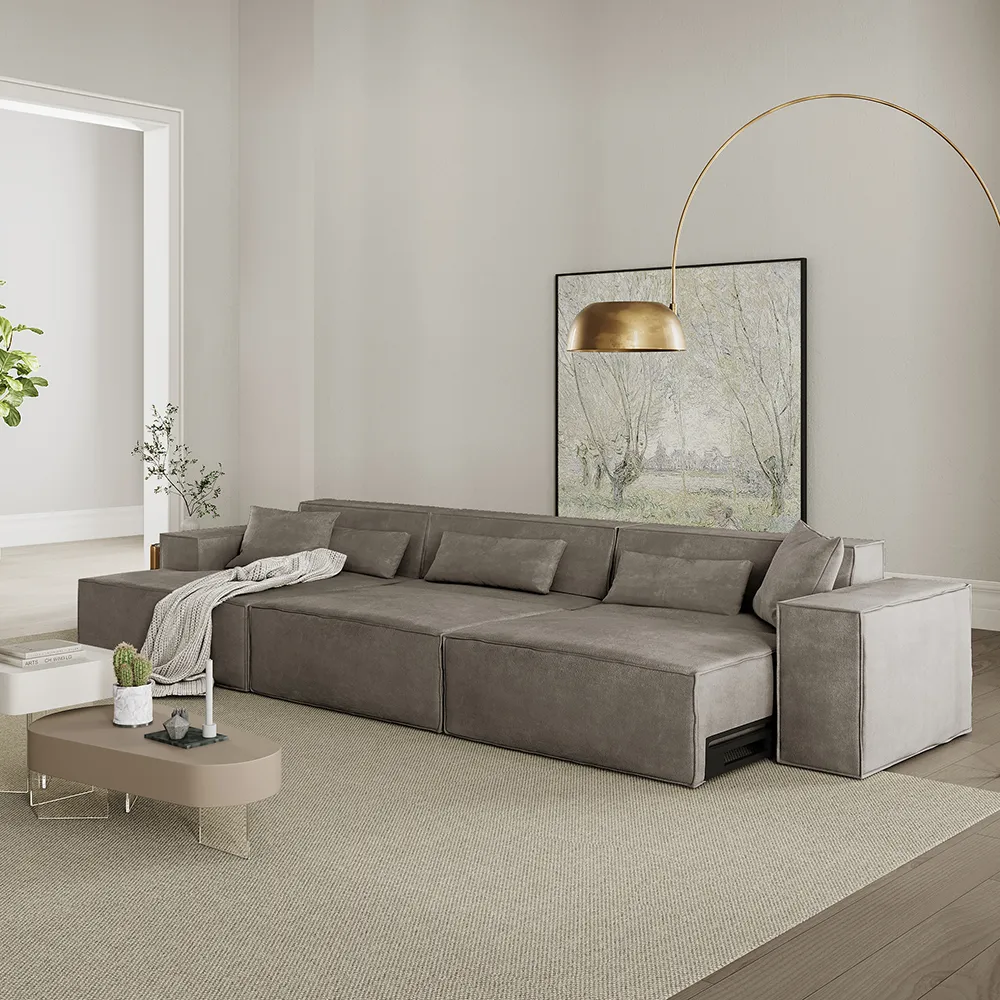
The four scenarios where I think a sleeper sofa genuinely makes sense:
- You host overnight guests 4–10 times a year but don’t want to give up a whole room to a guest bed that sits empty 350 nights a year.
- You live in a one-bedroom apartment where the home office, TV room, and “where my sister sleeps at Thanksgiving” are all the same 12×14-foot space.
- Your living room doubles as a flex zone — kids’ play area by day, movie zone at night, occasional crash pad for a friend who shouldn’t drive home.
- You’re moving every 2–3 years and want a piece that handles “studio in Brooklyn” and “second bedroom in Austin” equally well.
If none of those describe your life, a regular sofa plus a high-quality air mattress will probably make you happier. I’m not selling sleeper sofas to people who don’t need them.
Sleeper Sofa vs Sleeper Couch vs Sofa Bed
These three terms get used interchangeably online, and that’s mostly fine — but the small distinctions matter when you’re shopping. Here’s the working vocabulary I use after years of staring at spec sheets.
| Term | What it usually means in 2026 | What to verify on the spec sheet |
| Sofa bed | Catch-all term. Any sofa that converts to a sleep surface. | Conversion mechanism (pull-out, fold-down, electric). |
| Sleeper sofa | Higher-end sofa beds with a hidden mattress inside the frame. | Mattress thickness, frame material, mechanism brand. |
| Sleeper couch | Same thing as sleeper sofa, mostly used in casual or American English. | Identical to sleeper sofa — no real difference. |
| Convertible sofa / futon | Backrest folds flat to form sleep surface. No hidden mattress. | Whether the seating surface itself is comfortable for sleep. |
| Power sofa bed | Motorized conversion via remote or button. | Motor warranty, noise level (under 50 dB is reasonable). |
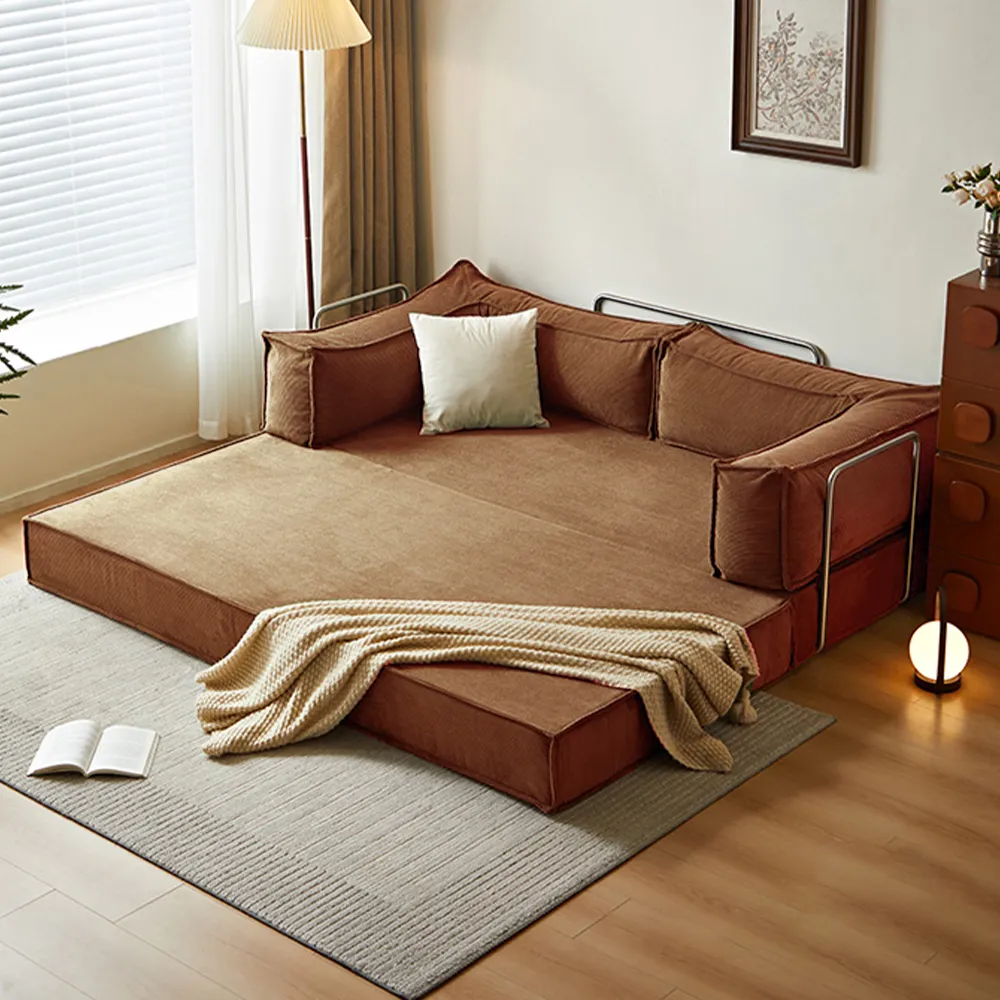
In practical shopping, the only distinction worth obsessing over is mechanism type. Pull-out sleeper sofas with a hidden mattress sleep better but eat more open floor space when deployed. Fold-down convertibles save floor space but ask the same surface to do two jobs. Power versions remove the wrestling match but add electrical components that can fail.
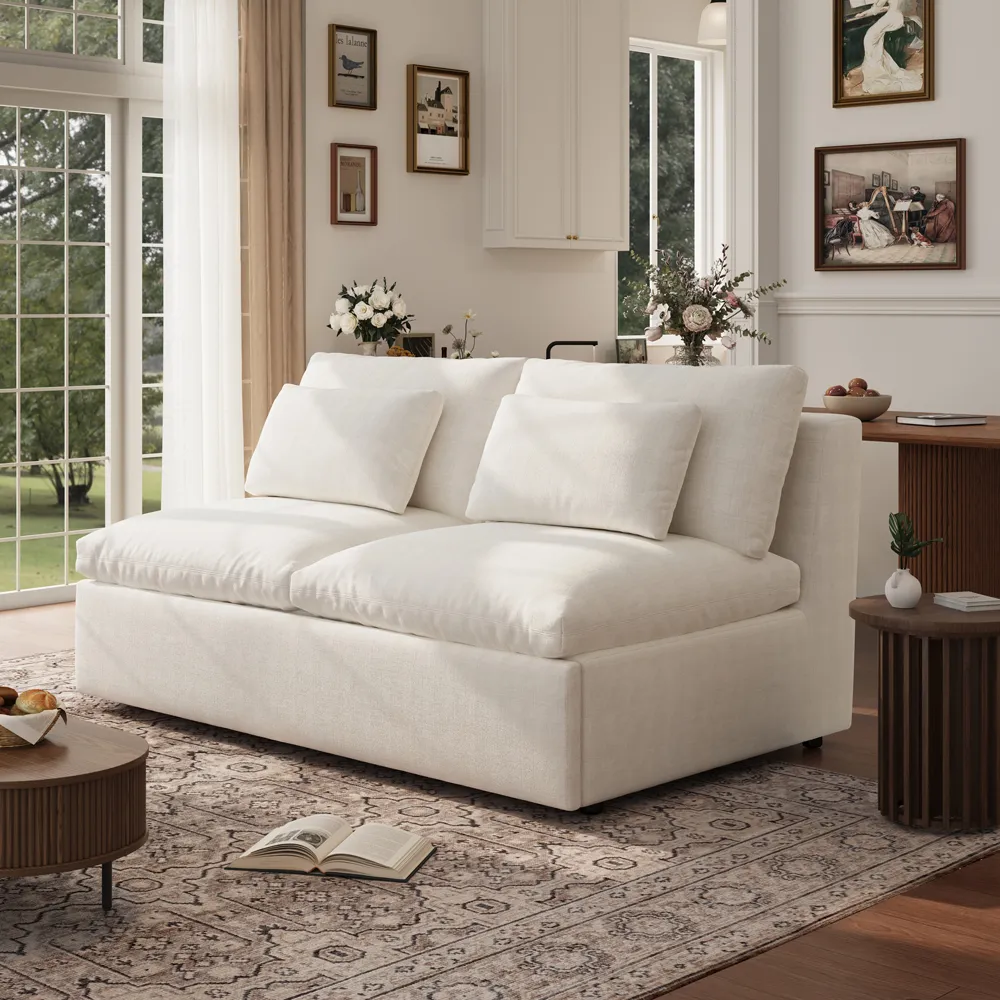
How to Choose the Right Sleeper Sofa Size
Sleeper sofa sizing is where most online buyers get burned, because the dimension that matters — the open footprint — is rarely the dimension featured in the listing photos. Before you fall in love with a piece, you need to know three measurements: closed width, open depth (how far it extends from the wall when folded out), and the diagonal access through your doorways and stairwells.
A typical loveseat-size sleeper sofa is roughly 60–80 inches wide closed, then opens to about 80–90 inches deep. A queen-size sleeper sofa runs 75–85 inches wide closed, opening to 85–95 inches deep. That’s a footprint the size of a parking space, deployed in your living room. You need at least 30–36 inches of walkway clearance around the bed for it to feel livable, and the American Society of Interior Designers’ general spacing guidance for residential traffic flow supports that minimum.
Apartments and Small Living Rooms
The average U.S. apartment is around 908 square feet, and studios average just 457 square feet. At those numbers, a sleeper sofa is not a “nice to have” — it’s a load-bearing piece of design. My rule for apartments under 700 square feet: pick a loveseat-size sleeper (60–80 inches wide closed) over a queen, even if you wish you had the bigger sleep surface. The closed-position footprint matters more than the open one, because that’s the position the sofa will be in 350+ days a year.
Before you buy, do this: take painter’s tape and outline the open footprint of the sleeper on your floor, including the bed surface and at least 30 inches of walking room around it. Live with that taped outline for two days. If you keep stepping on it or it blocks the path to the bathroom, the sofa is too big. This is the single most useful 10 minutes you can spend before clicking buy.
Guest Rooms and Multi-Use Rooms
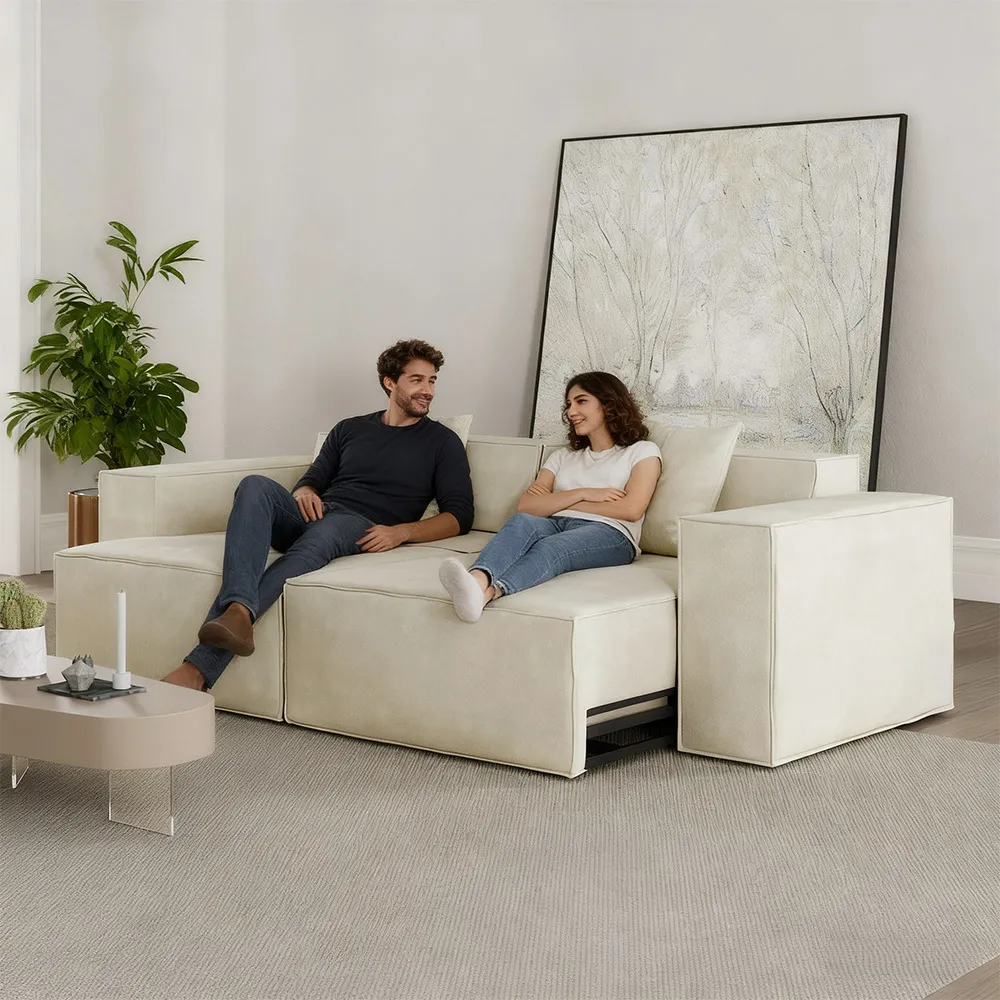
In a dedicated guest room or home office that occasionally hosts overnight visitors, you have more freedom — and you should use it. A queen sleeper here makes sense because the room is configured around it: a desk that can be pushed aside, a closet that can be cleared for guest hangers, walking room that doesn’t compete with daily traffic.
If the room also serves as a home office (it almost always does in 2026), pay attention to the closed-position seat depth. A 23–25 inch seat depth lets you take a video call from the sofa without sliding forward awkwardly. A 27+ inch deep-seat sleeper is great for movie nights but terrible for sitting upright with a laptop on your knees.
Everyday Sofa Comfort vs Guest Bed Function
This is the section where I have to be straight with you, because the marketing copy on most sleeper sofa pages will not be.
A sleeper sofa is a sofa first, and a bed second. Even the well-designed ones. The mattress is thinner than a real mattress (typically 4–6 inches versus 10+ inches for a standalone mattress) because the geometry of the fold mechanism limits how thick it can be. Commercial hospitality guidance suggests 4–5 inch high-density foam mattresses as the practical sweet spot for hidden-mattress sleepers — thick enough to be comfortable, thin enough to fold properly without binding the mechanism.
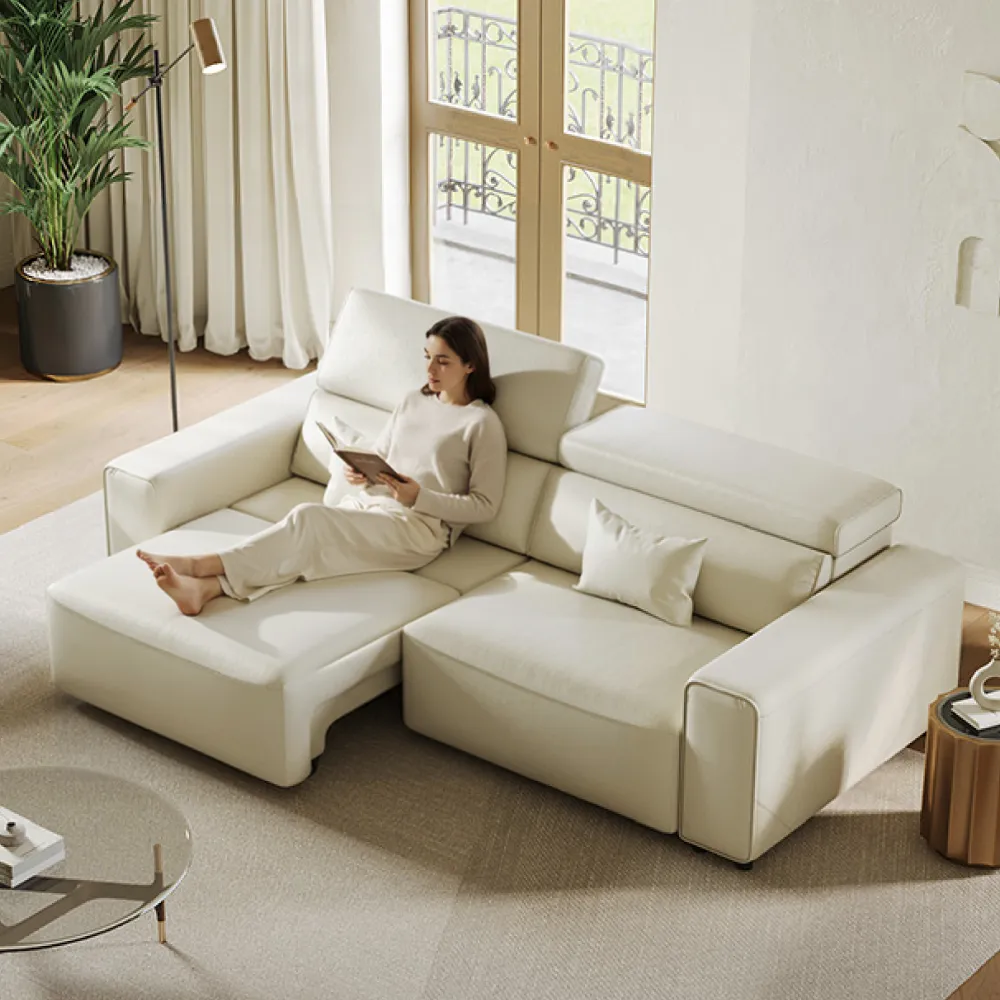
Here’s the realistic comfort hierarchy:
- One or two nights, occasional guest: Almost any decent sleeper sofa is fine. Adults wake up slightly stiff. They’ll forget about it by lunch.
- Three to seven nights, parents or in-laws visiting: You need a memory foam top layer or a 2-inch mattress topper. Without one, this is when complaints start.
- Two-plus weeks of regular hosting per year: Spend the money on a higher-spec mattress (memory foam over pocket coil), or accept that you’re shopping for something closer to a daybed.
- Nightly use: You’re past the sleeper sofa category. Look at platform beds with hidden storage instead.
For seating comfort, the variables that matter most for daily use are seat depth (21–24 inches for upright sitting, 25–27 inches for lounging), foam density (high-resilience foam holds shape; low-density foam compresses in 6 months), and back support (pillow-back is softer; tight-back is more structured). The fact that the sofa happens to convert to a bed shouldn’t degrade these — and on quality models, it doesn’t.
What to Check Before Buying Online
Five things I check on every sleeper sofa spec sheet before recommending it. Skip these and you’re rolling dice.
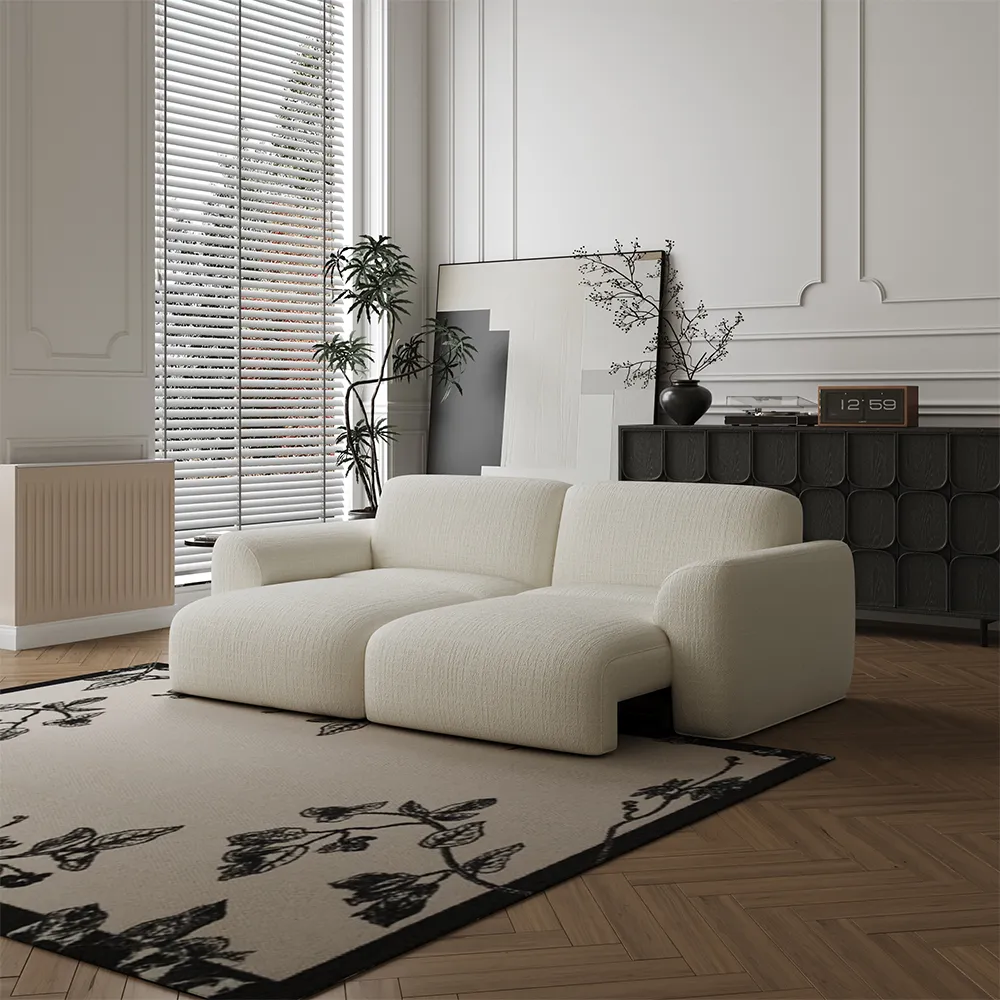
- Mattress thickness (not just “memory foam”). Look for the actual inches. Anything under 4 inches is a stiff back waiting to happen. Anything over 6 inches probably won’t fold cleanly. Sweet spot for residential use: 5 inches of high-density or memory foam.
- Frame and mechanism construction. Solid wood or steel-reinforced frame, period. Particle board frames in a piece that gets folded and unfolded hundreds of times will fail. The ANSI/BIFMA X5.4 lounge and public seating standard is the durability benchmark used in commercial settings — residential buyers can use it as a quality proxy. Brands that mention it on their spec pages aren’t doing it for fun.
- Flammability compliance. Sofa beds with a hidden mattress fall under 16 CFR Part 1632, the federal mattress flammability standard. This isn’t optional in the U.S., but compliance varies on imported pieces. A spec sheet that doesn’t mention any compliance is a yellow flag.
- Open-position dimensions, in writing. Closed width gets featured in the title. Open depth often hides in a footnote. Do not buy a sleeper sofa whose open dimensions you can’t find. I’ve returned a piece because the listing said “perfect for small spaces” and the open depth turned out to be 96 inches.
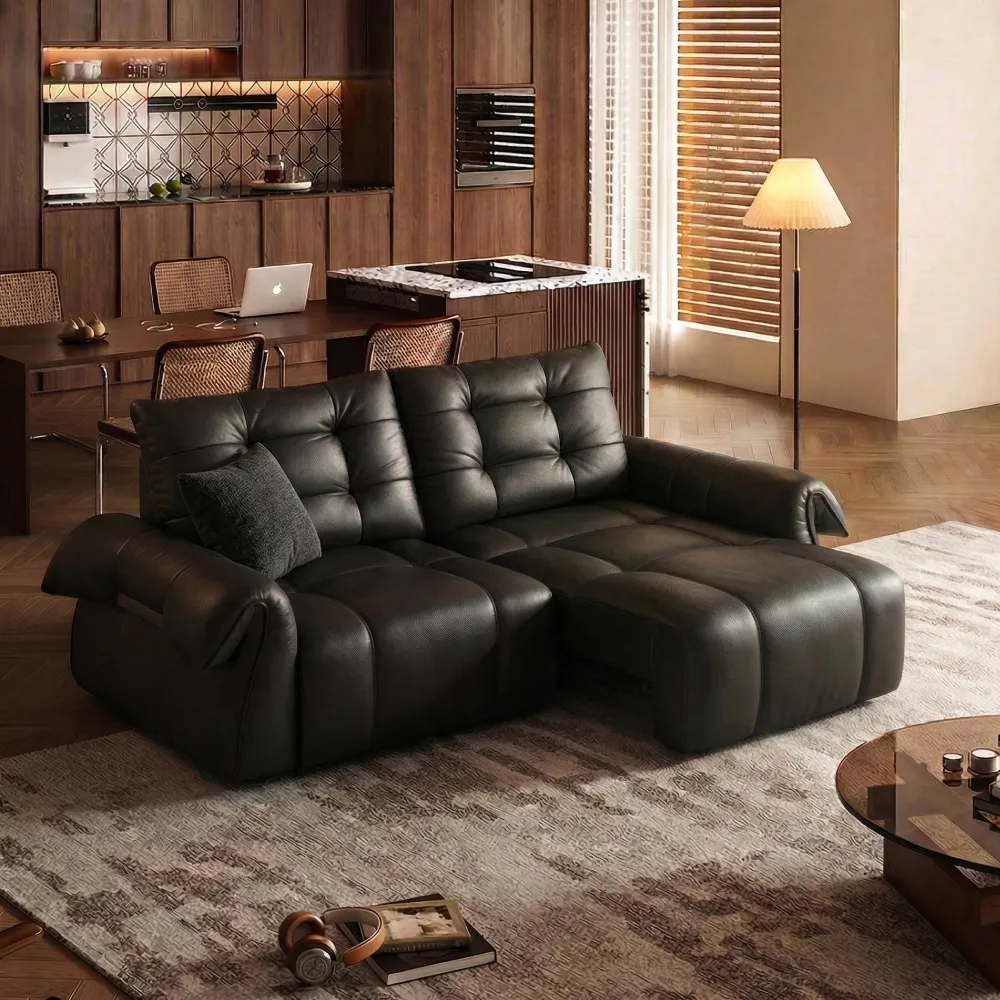
- Delivery, assembly, and return logistics. A sleeper sofa weighs 200–340 pounds depending on the size — significantly heavier than a regular sofa because of the mechanism. That changes everything about delivery. POVISON’s sleeper sofa collection ships pre-assembled with a 30-day return window and a 2-year warranty, which removes the two scariest variables in this category (the assembly nightmare and the “what if I hate it” risk). The 110-inch power sofa bed in their lineup, for example, ships at 340 pounds with a 1,000-pound weight capacity and requires no tool assembly — that’s the Ready To Live In experience working as advertised. If you’re buying from a brand that requires you to assemble the mechanism yourself, ask very specifically what happens if it fails out of the box.
FAQ
Is a sleeper sofa comfortable enough for everyday use?
A sleeper sofa is comfortable enough for everyday seating if it has the construction of a quality sofa first — high-resilience foam, a solid frame, and a seat depth that matches your body. The “sleeper” function shouldn’t change your daily seating experience. What it can compromise is back-cushion architecture on some models, since the mechanism takes up space behind the seat. Read reviews specifically about daily seating comfort, not just sleep performance.
What size sleeper sofa is best for guests?
For one adult guest, a 60–75 inch loveseat-size sleeper with a twin or full sleep surface works in most apartments. For two adult guests or a couple, a 75–95 inch queen sleeper with an 80-inch sleep length is the practical minimum. Anything shorter than 78 inches in sleep length will leave taller guests with their feet hanging off the end.
Does a sleeper sofa work in a small apartment?
A sleeper sofa works in a small apartment when you choose it for the closed footprint, not the open one. A loveseat-size sleeper in a 60–80 inch closed width fits most apartments under 700 square feet. The bed deploys when you need it, then disappears. Tape out the open footprint with painter’s tape before buying — if it blocks essential walkways, downsize.
What should I check before buying a sleeper sofa online?
Before buying a sleeper sofa online, verify five things: mattress thickness in inches (4–5″ is the practical sweet spot), frame material (solid wood or steel-reinforced), open-position dimensions in writing, mechanism type (manual pull-out vs power), and delivery/return policy. For a piece this heavy and this expensive to return, generous return windows and pre-assembled delivery aren’t luxuries — they’re essential risk management.
Conclusion
A sleeper sofa is one of those purchases where the right answer is almost always “yes, but smaller than you think you want.” The buyers who regret theirs got greedy on the sleep surface and ended up with a couch that swallowed their living room. The buyers who love theirs picked the smallest sleeper that genuinely worked for their actual hosting frequency.
If you’ve worked through this guide and decided a sleeper sofa is right for you, browse POVISON’s pre-assembled sofa bed collection to compare specs side by side — every model lists open dimensions, mattress thickness, and frame construction in plain English, which is more than I can say for most of the industry.
The Ready To Live In promise applies extra hard to this category: a sleeper sofa that arrives needing assembly is a sleeper sofa that arrives broken. That’s the line I’d hold.


