 By Charles
If you’ve ever fallen in love with a sofa online and then panicked wondering if it will actually fit, you’re not alone. Learning how to measure for sofa correctly saves you from delivery-day heartbreak, return fees, and awkward furniture Tetris in your living room. In a busy home with kids, pets, and zero spare time, getting this part right the first time is a sanity-saver.
Why Do 20% of Buyers Fail the “Fit Test”?
A surprising number of sofas don’t “fail” because of style or comfort, they fail because they simply don’t fit. Retailers report that around 1 in 5 returns on large furniture come down to measuring mistakes: too long for the wall, too deep for the room, or can’t even get through the door.
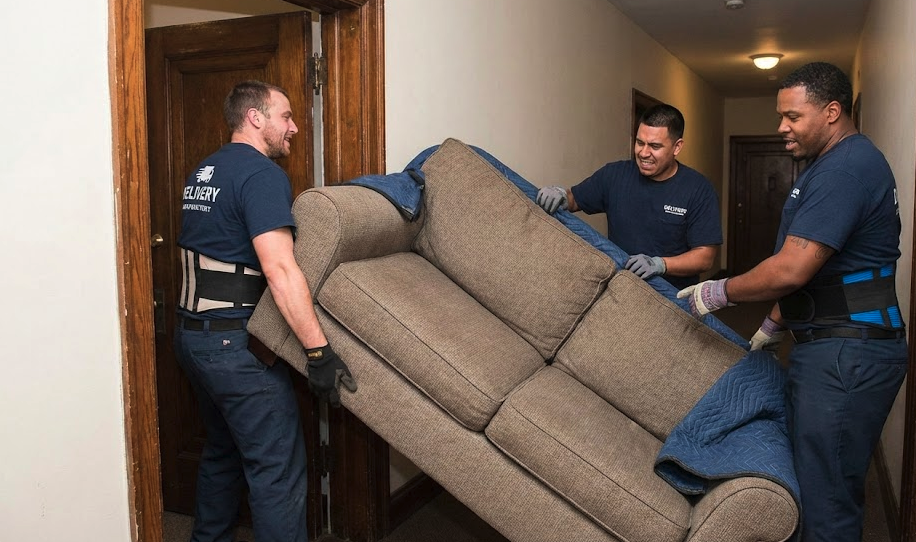
Most people only measure the wall and glance at the sofa width. You actually need three sets of measurements: your room, your sofa, and your doorways/hallways. Miss one, and you’re wrestling a 200-pound rectangle in your entryway while the delivery team watches.
It’s not just about “Will it fit?” but “Will it function?” You need enough space to walk, open doors, and let pets zoom through without knocking knees or coffee cups. Once you know how to measure for sofa size properly, you’re protecting your time, your money, and your Saturday mood.
If you’re planning a larger layout change, this is also a perfect moment to think about future pieces and avoid common living room furniture mistakes so you don’t box yourself into a corner, literally.
What 3 Tools Guarantee Accurate Results?
You don’t need fancy gadgets to measure for a sofa, but you do need the right basics. These three tools cover almost every situation and help you avoid guessing.
Before you grab the tools, remember this: accurate measuring answers nearly every “Will this fit?” question you’ll Google later. With clear numbers, you can compare sofas, check doorways, and even plan around things like radiators and vents.
- Tape measure (16–25 ft)
A standard tape is your MVP. You’ll use it for wall length, room depth, door openings, and the diagonal measurements that decide if the sofa can actually make the turn.
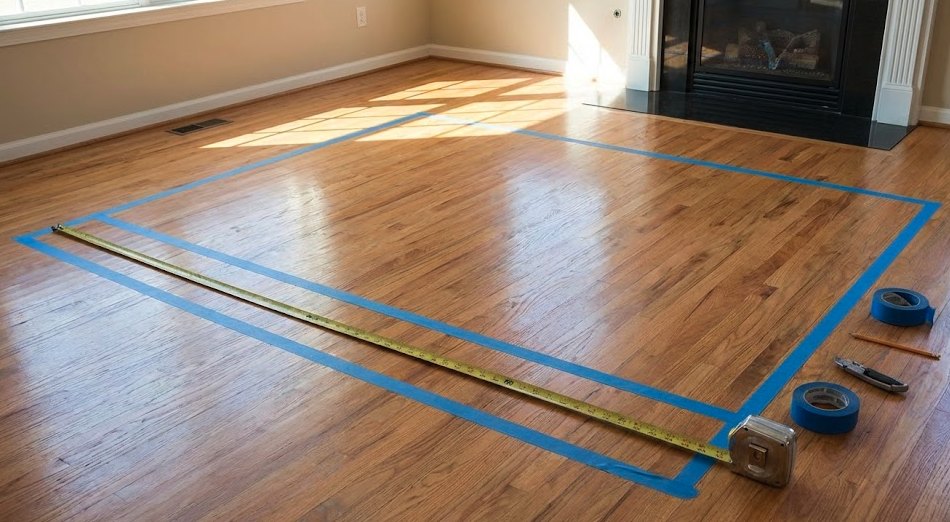
- Painter’s tape
Mark the outline of the sofa right on the floor. Painter’s tape lets you “see” the footprint without moving a single piece of furniture. It’s also great for testing walkway space.
- Notebook (or phone notes)
Write down every dimension and label it clearly: wall length, sofa width, doorway height, diagonal depth. That way, when you’re comparing options or reading a sofa size guide, you’re not trying to remember whether 36 inches was the door or the hall.
If you’re deep into planning, you can also use an online room planner, but these three basics already put you ahead of most shoppers.
How to Measure for Sofa Dimensions Step-by-Step?
Here’s the simple process: measure your space, mark the footprint, and double-check the path into the room. When you follow these steps, you’re answering three key questions, will it fit in the room, feel comfortable to sit on, and clear your doors?
First, measure wall length and room depth. Then use painter’s tape to outline the sofa size on the floor: width, depth, and height (mark height on the wall). Finally, check doorways, hallways, and any sharp turns.
How Wide Is the Actual Seating Area?
Sofa width is usually listed as the overall width, arm to arm. But you sit in the seating area, not on the arms. To get a realistic sense of comfort, focus on inside width.
- Look for “inside width” or “seat width” in the specs.
- If it isn’t listed, subtract about 8–10 inches per arm from the total.
- Compare that number to your current sofa or a favorite chair.
For a family that likes to pile on for movie night, aim for at least 70–75 inches of usable seating if you want three adults to sit comfortably. Consider browsing 3-seater sofas that are specifically designed for this purpose.
Does a 24-Inch Depth Fit Your Family?
Seat depth is where comfort lives. A typical “standard” depth is 20–22 inches: deeper, lounge-style sofas run around 24–26 inches.
Ask yourself:
- Do you sit upright often (reading, working on a laptop)?
- Or do you like to slouch, tuck your feet up, and nap?
If you’re on the shorter side or have older relatives visiting, a 24-inch depth might feel too deep without extra pillows. Taller adults usually love that extra depth, especially for long shows and weekend naps.
Will the Diagonal Depth Clear Your Door?
This is the step most people skip, and regret. Diagonal depth determines whether the sofa can angle through your door and hallways.
To measure diagonal depth on a sofa from listing photos or in person:
- Find the highest point of the back and the front edge of the arm.
- Imagine a line from top back corner to the front bottom corner.
- That diagonal usually falls around 36–40 inches on many sofas.
Now measure your doorway opening (height and width), and the diagonal of the opening if you have a tight turn. As a rule of thumb, your door’s clear opening should be at least 1–2 inches larger than the sofa’s diagonal depth.
But what if the math isn’t on your side?
If you have a tight hallway or a tricky corner and the numbers are making you panic, don’t worry. You don’t need to remove a window. You just need a “cheat code.”
Instead of wrestling with a single solid frame, look for modular sofa options or sectionals. These are the ultimate sanity-savers: they arrive in separate, manageable pieces that you can carry in box-by-box and simply clip together inside.
Ready to find a style that actually fits? Browse our full sofa collectionto filter for these apartment-friendly designs that solve the “tight door” problem for good.
How Much Walkway Space Do Pets and Kids
You’re not just fitting a sofa into a box, you’re fitting it into real life, with kids racing through and pets doing zoomies. Walkway space is where comfort and safety meet.
Most designers recommend 30–36 inches of clear path for primary walkways and at least 18 inches around a coffee table. In a busy family room, I’d stay closer to the higher end so no one is turning sideways with a laundry basket.
To test this, use painter’s tape to mark your planned sofa footprint, then actually walk the room:
- Can two people pass without bumping knees?
- Can your dog stretch out without getting stepped on?
- Can you open doors, drawers, and recliners fully?
If you have a small space, you might need to choose a slightly shorter width or shallower depth to keep at least 24 inches of walkway. That’s still comfortable for most daily traffic.
For more planning ideas, check out a small living room layout guide focused on families and pets, it can help you balance seating, storage, and play space without sacrificing your new sofa.
Frequently Asked Questions
How to measure for sofa so it actually fits my living room?
To measure for a sofa, start with your room: measure wall length and room depth. Then outline the sofa’s width and depth on the floor with painter’s tape and mark the back height on the wall. Finally, measure doorways and hallways to be sure the sofa can travel into the room.
What measurements do I need before buying a sofa online?
You’ll need three sets of measurements: your room (wall length, room depth, walkway space), the sofa (overall width, seat depth, back height, diagonal depth), and your access route (doorway height and width, hallway width, and any tight turns). Skipping any one of these is a common reason for returns.
How do I check if a sofa will fit through my doorway?
Measure the sofa’s diagonal depth by running an imaginary line from the top back corner to the front bottom corner, usually 36–40 inches. Then measure your doorway’s clear opening height, width, and diagonal. Your doorway should be at least 1–2 inches larger than the sofa’s diagonal depth for a safe fit.
How much walkway space should I leave around a sofa for kids and pets?
Plan for 30–36 inches of clear space for main walkways and at least 18 inches between the sofa and a coffee table. In busy family rooms with kids and pets, aim for the higher end. If the room is small, don’t go below 24 inches or it will feel cramped and awkward.
What is a good sofa seat depth for comfort?
Standard sofa seat depth is around 20–22 inches, which suits upright sitting and shorter users. Deep-seated sofas are 24–26 inches and better for taller people or lounging and napping. If you’re shorter or have older guests, deeper sofas may need added pillows for back support.
Past Review:


[…] ordering, take time to measure your space for a new sofa, including doors, hallways, stair turns, and elevator dimensions. Then check the furniture […]
[…] Is the Standard Sofa Size? How to Measure Your Space for a New Sofa (Complete Guide) The Best Small Sectional Sofa for Apartment Sleeper Sofa Buying Guide for Small Spaces in 2026 […]