 By Charles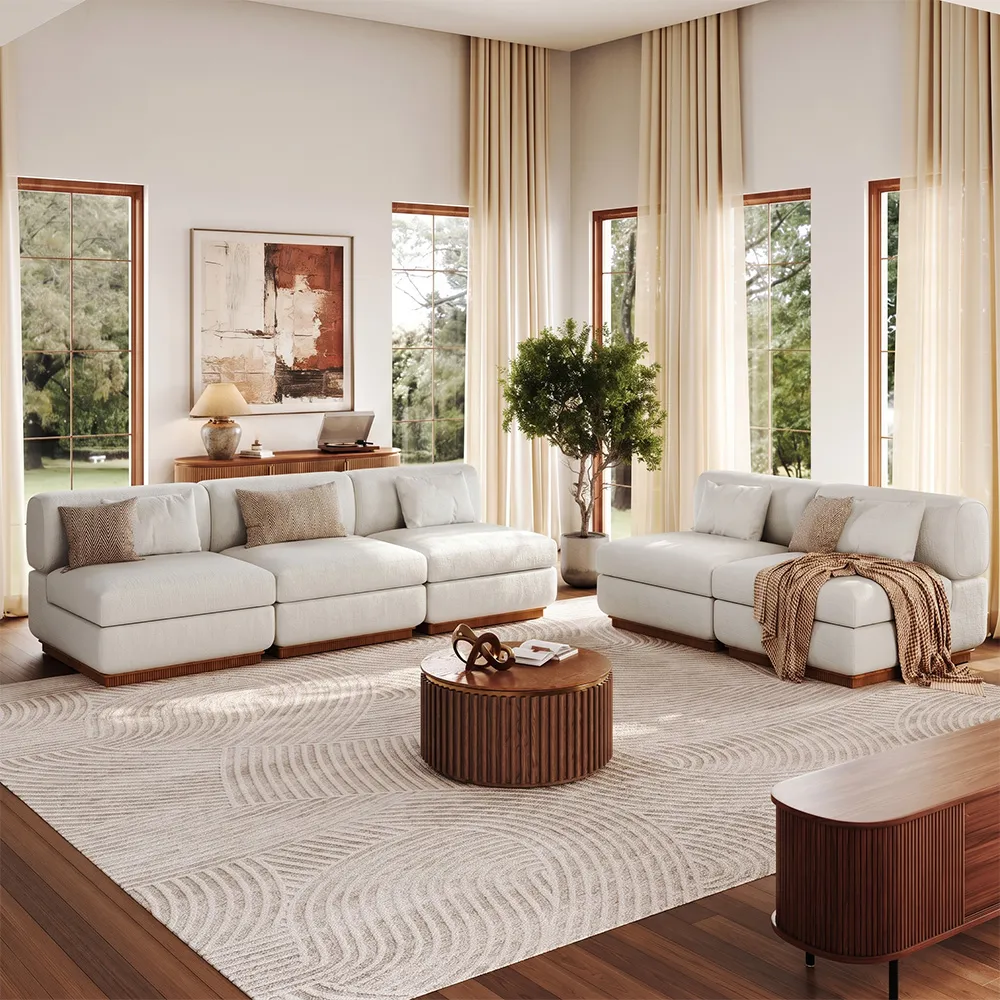
Here’s the question I kept circling before I committed to a modular couch: am I buying flexibility I’ll actually use, or am I paying extra for the idea of flexibility I’ll never touch?
Because let’s be honest — most furniture stays exactly where you put it on day one. The fantasy of “rearranging whenever I want” is appealing in theory. In practice, sofas are heavy, rooms have constraints, and most households find one layout that works and stick with it for years.
So the real question isn’t whether a modular couch can be reconfigured. It’s whether your life actually creates situations where that flexibility matters. For some households, it clearly does. For others, a fixed sectional is the more sensible — and often more comfortable — choice.
Here’s how to figure out which category you’re in.
What Makes a Modular Couch Different
A modular couch is built from individual seat units — typically armless chairs, corner pieces, and chaise sections — that connect together rather than shipping as one fixed frame. Unlike a traditional sectional, which is a single rigid structure in two or three joined pieces, a modular system lets you change the configuration entirely: add sections, remove them, flip the chaise, or break the sofa into separate seating clusters.
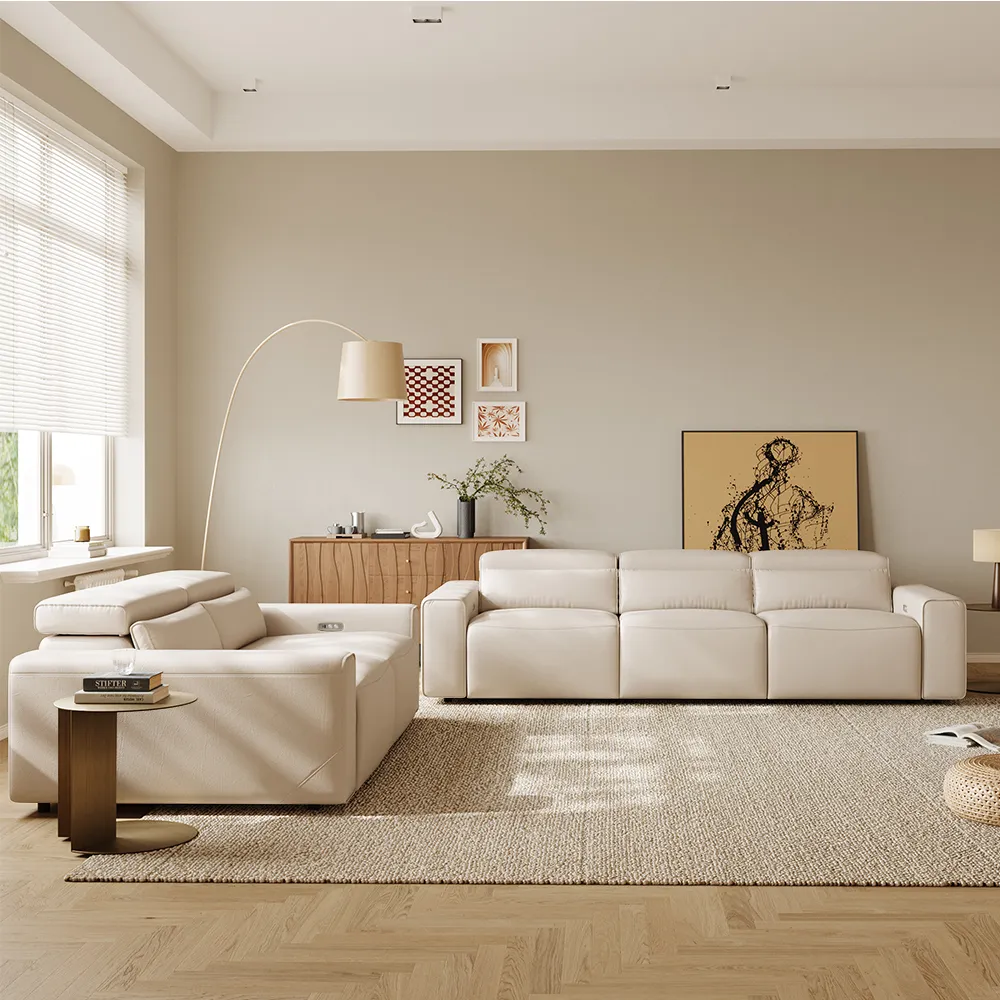
The connection mechanism matters more than most listings acknowledge. Most modular systems use one of three methods:
Clip connectors attach with a metal bracket on the underside of each module. They hold the units together firmly in a fixed position but require reaching under the frame to connect or disconnect — functional, but not quick. Tongue-and-groove or interlocking tabs slide modules together without hardware. They’re faster to reconfigure but provide less lateral stability, meaning sections can drift apart under regular use. Hook-and-loop straps or fabric ties are the most flexible but the least stable — you’ll feel modules shifting if someone sits across the seam between two sections.
Quality modular systems use connectors that hold modules flush, with gaps between sections of 2–4 millimeters when properly connected. Budget versions often leave visible gaps of 10 millimeters or more, which doesn’t just look bad — it means cushions slip and fabric collects debris along the seam.
Seat depth on modular units typically runs 22–26 inches, comparable to a standard sectional. The difference is frame weight: because each module ships independently, individual units are designed to be moved by one person — most weigh 35–55 lbs per section versus 80–120 lbs for a comparable two-piece traditional sectional. That difference is real when you’re navigating a stairwell or tight hallway.
For a reference on how modular sectional dimensions compare across configurations, Dimensions’ sectional sofa guide covers standard sizing for L-shapes, U-shapes, and chaise configurations — useful for cross-checking whether a proposed layout actually fits your room before ordering.
Who Benefits Most From Modular Seating
Movers and Room Refreshers
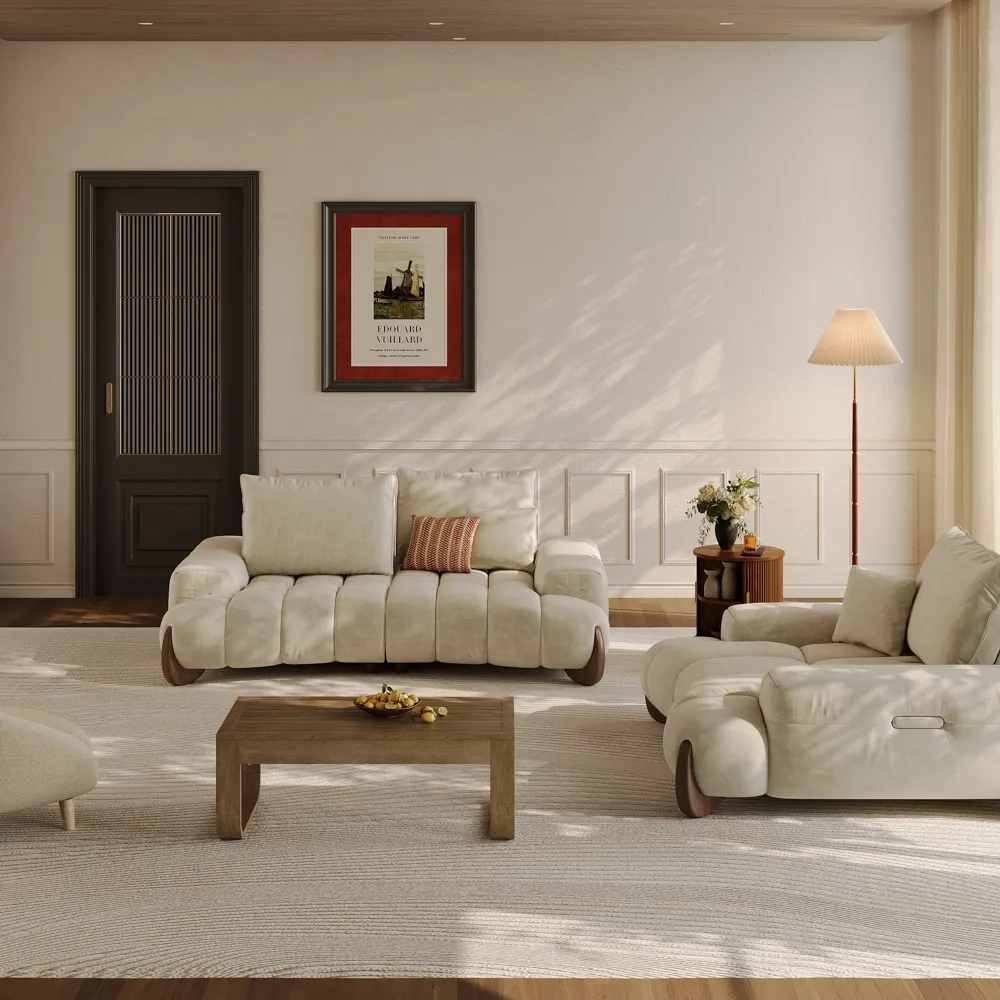
If you’ve moved in the last three years or expect to move in the next three, a modular couch earns its keep in a specific way: the modules fit through doorways and stairwells individually. A standard sectional that fits beautifully in your current apartment may be a logistical nightmare in the next one. A modular system ships in pieces that a single person can carry — no professional movers, no disassembly drama.
This matters more than people expect. Building entry points, elevator dimensions, and hallway widths vary enormously across apartment buildings — and the sofa you love can become the sofa you’re trying to sell because it won’t make the 90-degree turn. Individual modules averaging 30–40 inches wide navigate most standard 32-inch doorways with manageable maneuvering. A fixed sectional’s longest dimension is often 90–110 inches, requiring the kind of coordinated lift-and-tilt that results in damaged walls and strained relationships.
White-glove delivery helps here too. When a modular couch ships as separate modules with professional placement included, the logistics of getting a large seating system into a difficult space shift from your problem to the delivery team’s. That’s a meaningful part of the value proposition for upper-floor apartments or buildings without freight elevators.
Families Who Need Layout Flexibility
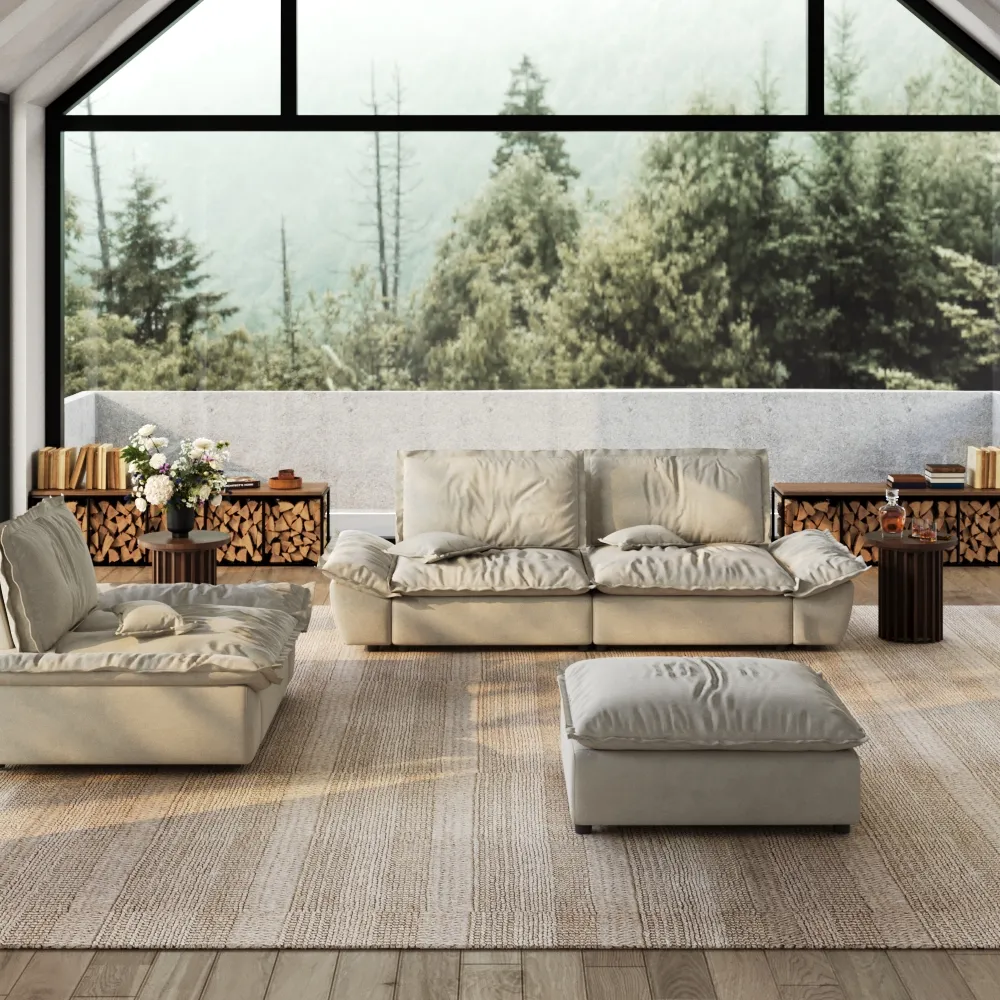
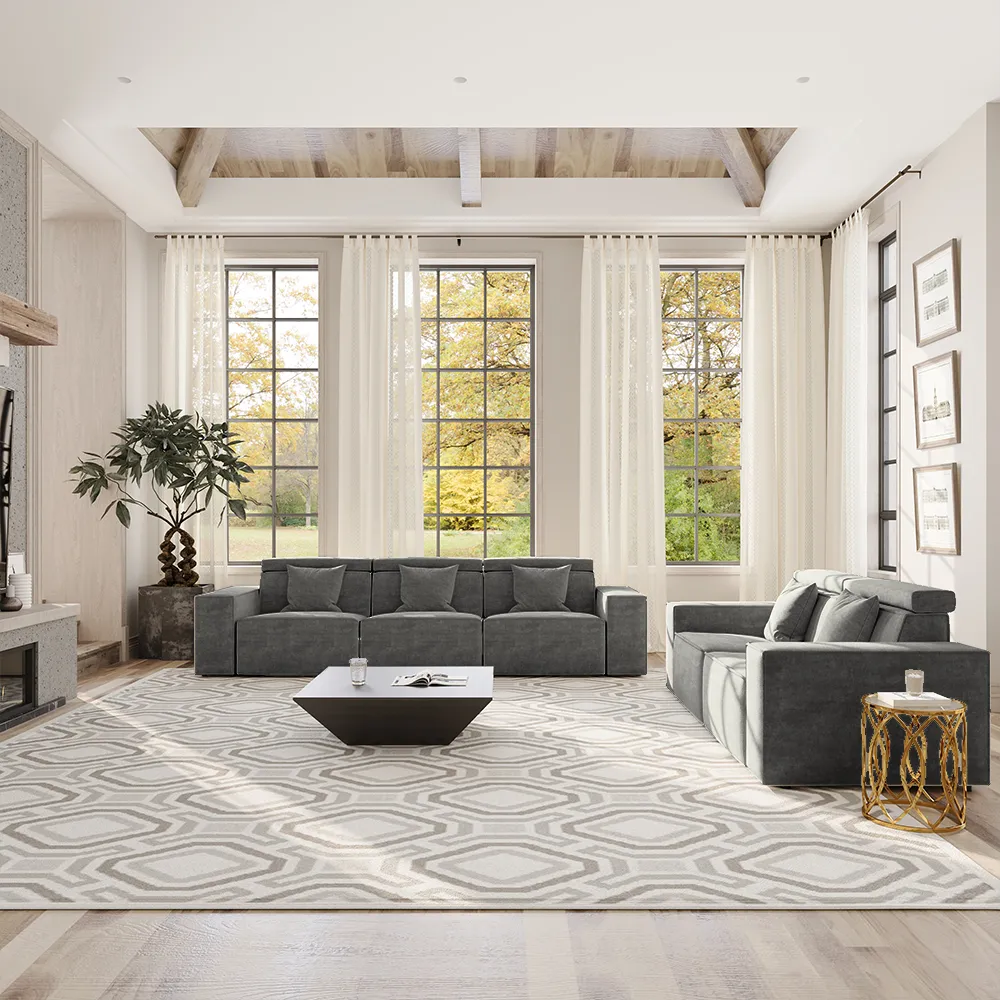
The second group that genuinely benefits: households where the living room function changes regularly. A family that hosts large gatherings, converts the living room for kids’ activities, or regularly reconfigures for different uses — TV watching versus game nights versus a play area — gets real value from being able to break the seating into separate clusters or push sections against the wall.
I’d put this in the “worth it” category specifically for households that:
- Host groups of more than 6 people regularly, where breaking the sectional into two facing clusters creates a better conversation layout than a fixed L
- Have kids who repurpose the living room floor several times a week and need furniture that can clear space quickly
- Work from home and occasionally need to convert the living room into a different-function space
The key test: tape out your current furniture arrangement, then tape out the alternative configurations you’d actually use. If you can only think of one realistic layout, a fixed sectional is probably the better choice — you’ll get more comfort and structural integrity for the same money.
When a Fixed Sectional Is the Better Choice
A traditional sectional outperforms a modular couch in three specific situations.
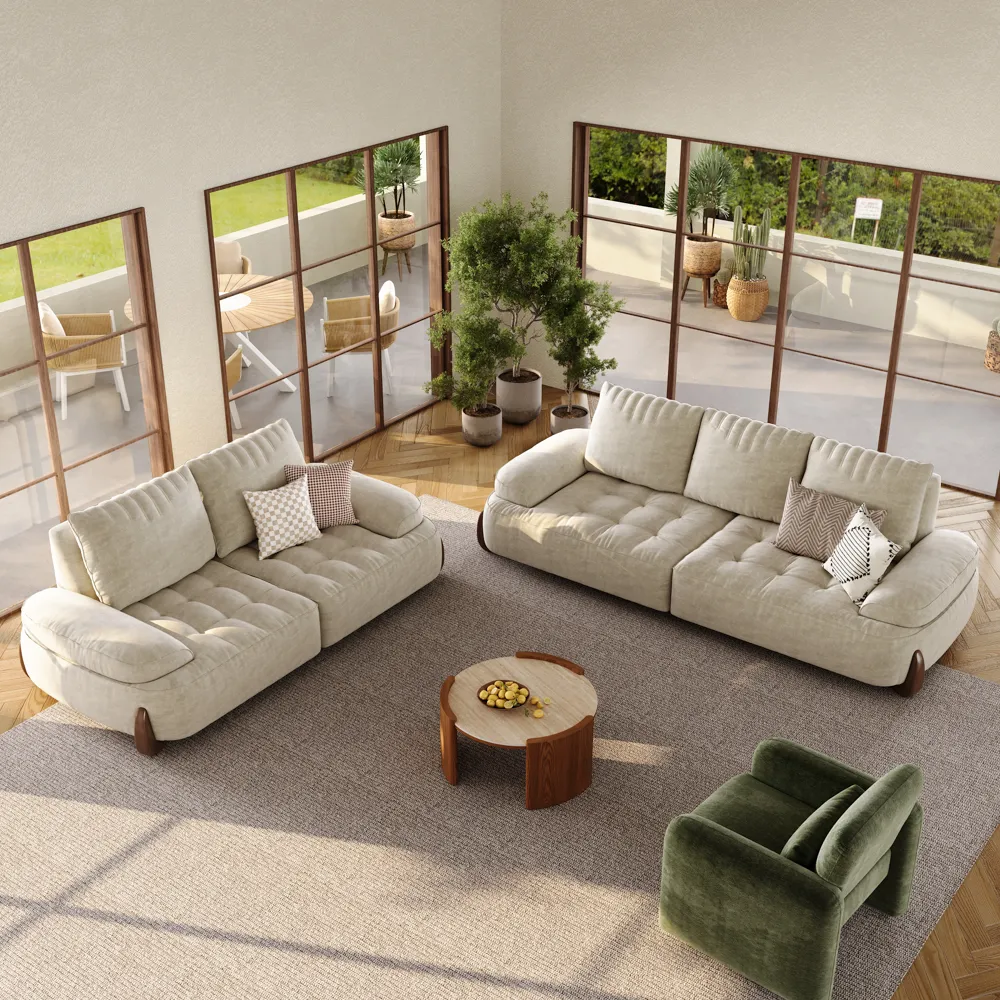
When you’ve found the room’s one right layout and you’re keeping it. If your room has a clear focal point, defined traffic paths, and one arrangement that works — and you’re not planning to move — a fixed sectional will be more comfortable, more structurally stable, and almost certainly available in more material and finish options at a given price point.
When long-term comfort is the priority. Fixed sectionals typically use denser foam in seat cushions — 1.8–2.0 lbs per cubic foot is standard for good-quality fixed sofas — because the frame doesn’t need to be optimized for reconfiguration. Some modular systems use lighter foam to reduce module weight, which is fine at purchase but means cushions lose their shape faster under daily use. After two or three years of regular sitting, that difference shows.
When you want a seamless silhouette. The gap between modules — even a well-engineered 2–3 millimeter one — is visible and tactile. Sitting across the connection point feels different from sitting on a continuous cushion surface. For households that prioritize the couch as a place to stretch out, lie down, or have a child sleep across the length, that seam matters more than it might sound. A fixed sectional is one continuous surface. A modular couch is always, at some level, several pieces trying to behave as one.
What Buyers Should Compare Before Ordering
If you’ve decided a modular couch fits your situation, the purchase decision is really about four things:
Connection system quality. Ask specifically: what holds the modules together? Metal clips with positive locking positions are more durable than interlocking tabs or fabric straps. If the brand can’t tell you the connector type, that’s information.
Module weight per section. Lighter modules are easier to reconfigure but sometimes signal lighter frames or lower-density foam. A single armless seat unit should ideally weigh 30–50 lbs. Much lighter than that, check the frame material — kiln-dried hardwood holds its shape over time; particleboard does not.
Foam density and cushion structure. Look for seat cushions with at least 1.8 lbs per cubic foot foam density, ideally with sinuous spring or 8-way hand-tied spring support underneath. High-resilience foam returns to its original shape more reliably than standard foam after extended daily use.
Delivery format and configuration. Confirm whether modules ship pre-assembled or require on-site assembly of internal components. A modular couch that ships as fully assembled individual units — where you connect them but don’t build them — is meaningfully different from one where you assemble each module from flat-pack components first, then connect them. The latter significantly increases setup time and introduces more variables for structural alignment. POVISON’s modular sectionals ship as pre-assembled modules with connectors included, so setup is a placement exercise rather than a build session — worth comparing directly against alternatives that require more hands-on assembly.
For materials, the same logic that applies to any upholstered furniture applies here: small sealed spaces concentrate VOCs from foams and fabrics faster than large ones. The U.S. EPA’s guidance on indoor VOC levels notes concentrations indoors typically run two to five times higher than outdoors. Look for CARB Phase 2 compliant frames and low-VOC fabric treatments — especially if the sofa is going into a studio or compact living space where air circulation is limited. FSC-certified wood frames, which verify responsible forest sourcing, are another signal that a brand is paying attention to what the furniture is made of. FSC certification for furniture covers the full supply chain from forest to finished product.
You can compare POVISON’s current modular sectional configurations — including module counts, seat depths, and connection systems — in their sectional sofa collection.
Real Trade-Offs Beyond Flexibility
Let’s talk about the things that don’t make it into the marketing copy.
Gaps collect debris. Even a well-fitted modular seam collects crumbs, pet hair, and small objects faster than a continuous cushion surface. The good news is that modules can be separated entirely for cleaning — you can get to the floor and the underside of each unit in a way you simply can’t with a fixed sectional bolted together. Whether that’s a net positive depends on how often you clean and how much pet hair you’re dealing with.
Re-configuration takes more effort than the renderings suggest. Moving a single module in a connected system means disconnecting it, repositioning it, and reconnecting it — a process that takes 10–15 minutes for one section, longer for a full reconfiguration. That’s not “rearrange on a whim” territory. It’s more like a seasonal layout change or a deliberate adjustment when you’re solving a specific problem.
The seam is always there. I said this above, but it’s worth repeating: sitting at the joint between two modules feels different. The firmness is slightly different, the cushion edges meet rather than flow, and if the connector has any play in it, you’ll feel a slight give when weight shifts across the seam. For a household where everyone has a designated spot on the sofa, this matters less. For one where people sprawl across the full length regularly, it’s something to factor in honestly.
Matching fabric consistency can degrade over time. If you buy now and add a module in two years, the fabric may not match exactly — dye lots change, collections update. If you anticipate expanding the sofa, buy all the modules you might eventually want upfront.
FAQ
Is a modular couch better than a regular sectional?
Neither is universally better. A modular couch is better when you move frequently, need multiple realistic layout configurations, or need individual modules to navigate difficult entry points. A fixed sectional is better when you’ve found a permanent layout, prioritize seamless comfort over configurability, or want denser foam and more upholstery options at a given price. The question is which constraints your actual household has — not which option sounds more versatile in principle.
Can you rearrange a modular sofa in a small room?
Yes, but with realistic expectations. Rearranging in a small room requires temporary staging space — somewhere to put disconnected modules while you reconfigure. In a room under 150 square feet, that staging space may not exist, which makes reconfiguration a multi-step process involving moving pieces into a hallway or adjacent room. Worth planning for before buying. The tape-out test applies here: tape both your intended primary and secondary layouts on the floor and check that both actually clear doorways and walking paths before ordering.
Do modular couches separate too easily?
With quality connectors: no. With clip-and-latch mechanisms that positively lock, well-made modular sofas don’t drift under normal sitting use. With lower-quality interlocking tabs or fabric ties, separation is a real daily annoyance. The connector type is the single most important quality indicator to ask about before buying — a modular couch with a poor connection system is the worst of both worlds: not stable enough to feel like a sofa, not flexible enough to be quick to reconfigure.
Is a modular couch worth it for families?
For families who regularly reconfigure their living room — clearing space for activities, breaking seating into clusters for larger gatherings — yes. For families who set up a layout once and use the sofa for sitting and sleeping on a fixed arrangement, the added cost of modularity doesn’t pay off. The durability question matters more for families with kids: check foam density, frame material, and whether the fabric is rated for high-use applications. A modular sofa that needs replacing in four years because of cushion compression is not a good value regardless of its flexibility.
Conclusion
A modular couch is worth buying when your household actually creates the conditions where flexibility matters: regular moves, room function changes, large gatherings, or navigating difficult building access. It’s not worth the premium when you have a fixed layout in a stable home and you’re drawn to the concept of flexibility you won’t realistically use.
The tape test applies: before ordering, mark the footprint of your current layout and at least one realistic alternative configuration on the floor. If the second layout genuinely makes sense for how you use the room, the modular format earns its price. If you can’t come up with a second configuration you’d actually use, save the money and put it toward a fixed sectional with better foam and more material options.
The connection system quality, module weight, cushion density, and delivery format matter more than the number of possible configurations a brand advertises. Flexibility that’s hard to execute — or that results in a sofa that shifts under you — isn’t flexibility that improves your daily life.
Related Reading:


