 By Kelvin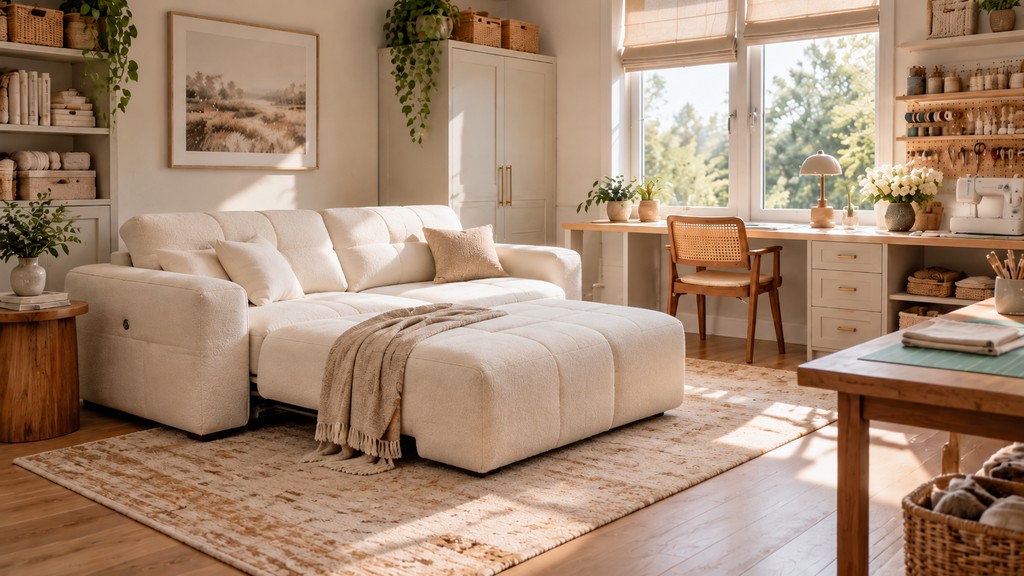
A craft room guest room combo has to support two different routines: projects during the week and comfortable overnight stays when visitors arrive. The solution is not to squeeze a craft room and bedroom into one space. Instead, choose the room’s primary function, keep its essential furniture usable, and make the guest area flexible. These five layouts show how to combine a work surface, storage, and sleeping space while limiting furniture moves.
Table of Contents
How Should You Plan a Craft Room Guest Room Combo?
Start with the function that deserves the permanent footprint. If you craft several times a week and host guests occasionally, keep the craft zone fixed. If relatives stay, give sleeping more room. Avoid an equal split; build a room that works well and changes easily. That priority-first approach also applies to home office guest room ideas.
Start With the Room’s Primary Use
Use frequency as the first filter:
- Crafting several times a week, guests rarely stay: craft-first.
- Crafting weekly, guests visit monthly: balanced.
- Guests stay regularly: guest-first.
- Two adults often stay overnight: prioritize a larger sleeping surface.
Then consider the craft itself. A sewing setup with a machine and cutting surface needs more working clearance than a paper-crafting station.
Separate Permanent and Flexible Furniture
Keep worktables, wall storage, and task lighting in their everyday positions. Make the sleeping solution the flexible part whenever possible.
Place the craft table along the longest wall with storage nearby. Keep the center open for the guest setup.
Which Guest Bed Works Best in a Craft Room?
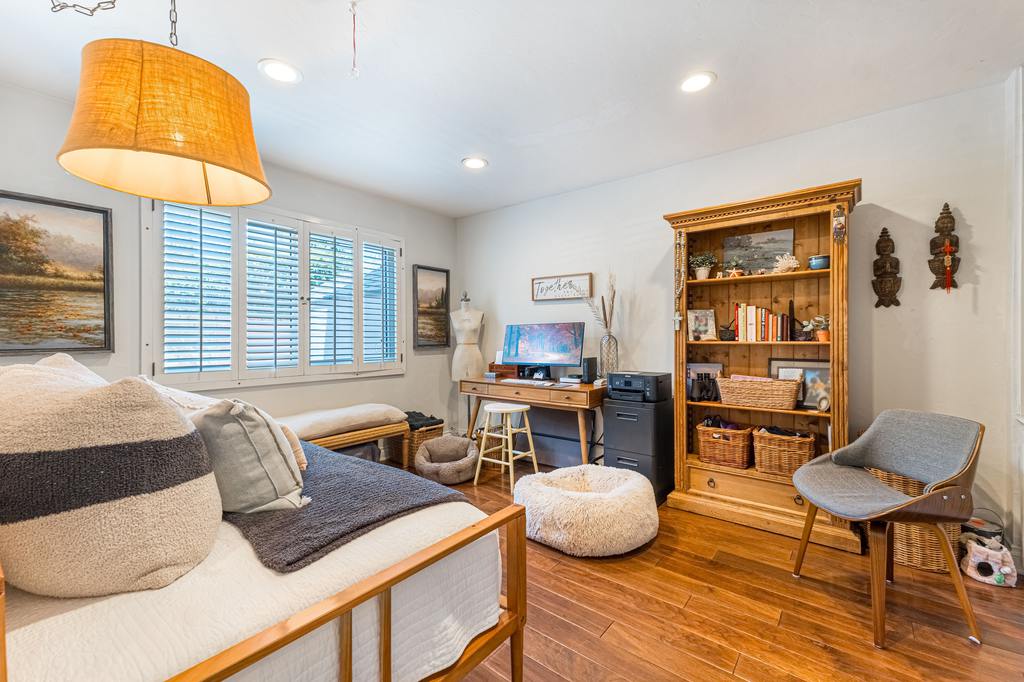
Choose sleeping furniture based on what the room needs to be when no one is visiting. A Murphy bed returns floor area when folded away, a daybed keeps a mattress ready, and a sleeper sofa puts everyday seating first. The right fit depends on guest frequency, room shape, and how much floor your craft routine already needs.
| Guest bed | Best when | Main advantage | Watch for |
| Murphy bed | Crafting dominates | Clears floor | Installation |
| Daybed | One guest | Ready sleep surface | Bed stays visible |
| Sleeper sofa | Seating matters | Daily seating + sleep | Open depth |
When a Murphy Bed Makes Sense
Choose a Murphy bed when the craft area needs most of the floor every day. With the bed closed, a larger cutting table or open project area can remain available.
The trade-off is installation and wall planning. Confirm that the wall, nearby doors, outlets, baseboards, and lighting can accommodate the unit.
When a Sleeper Sofa Is More Practical
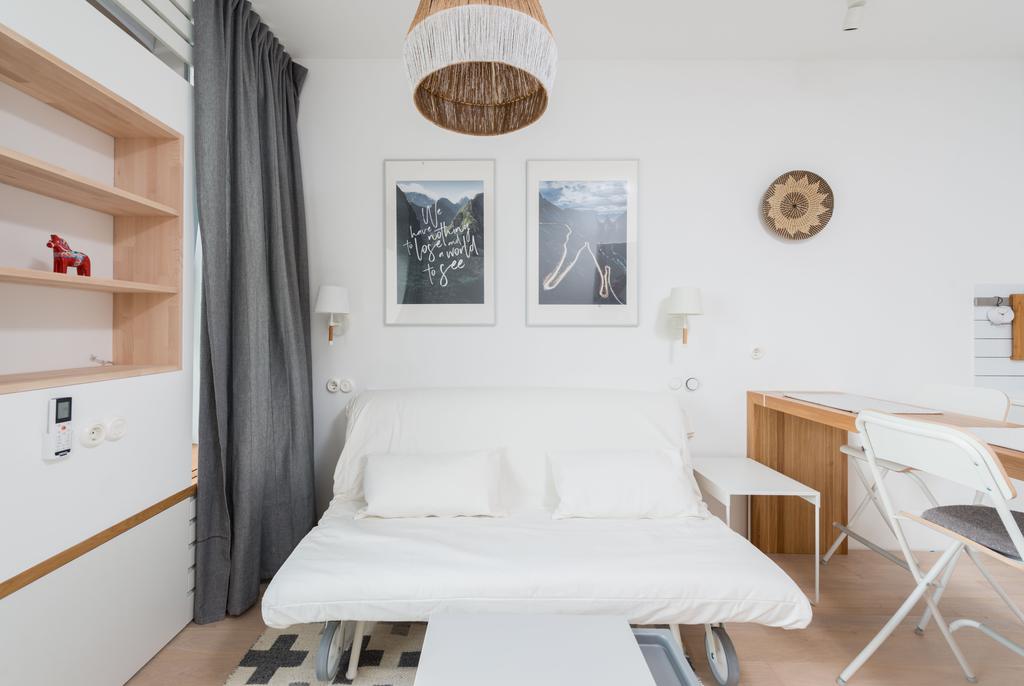
A sleeper sofa works when the room should feel like a sitting area between guest visits. It provides everyday seating without leaving a permanent mattress in view.
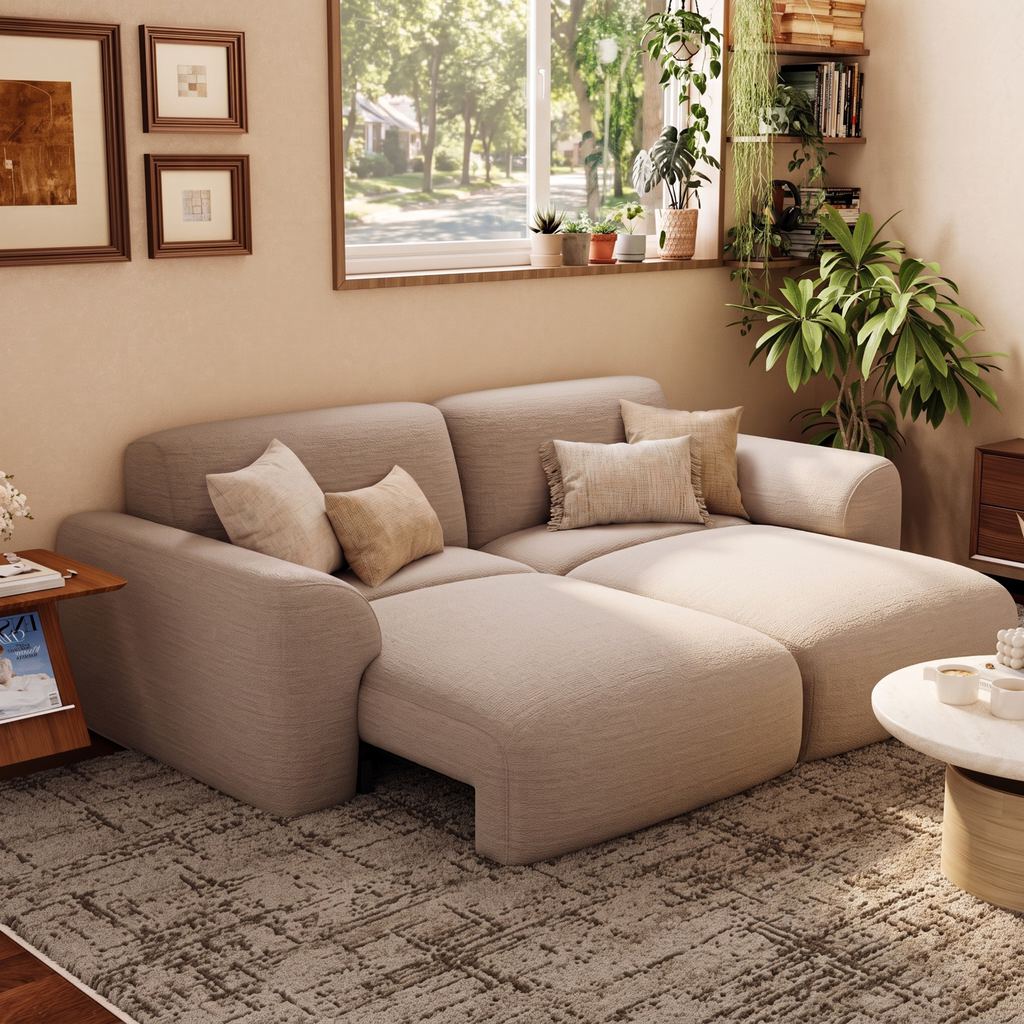
For a room that needs everyday seating and occasional sleeping space, a power sofa bed can reduce the need for another bed. Aurora uses one-touch electric adjustment, moving from standard seating into lounge or sleep configurations. Its 27–45.5-inch adjustable seat depth and water- and scratch-resistant chenille suit a room used often.
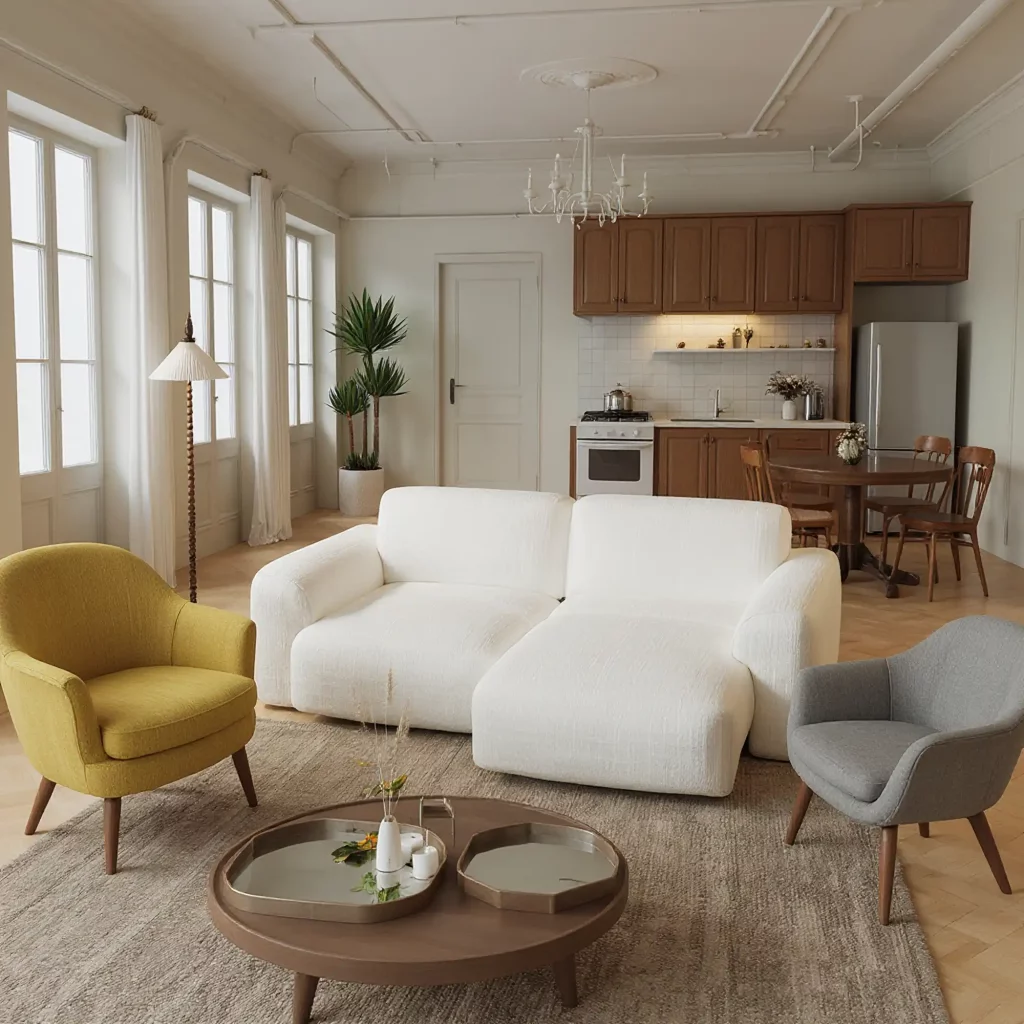
Aurora-Power Sofa Bed
One-piece power seating preserves craft-room floor space while adding guest sleeping flexibility.
👍 Best for: Craft-first rooms with occasional guests
✨ 27–45.5″ adjustable seat depth
✨ Water-resistant chenille upholstery
✨ One-touch electric adjustment
That is why power sofa beds for more ways to live can be useful when one room has to support several daily functions.
When a Daybed Is Enough
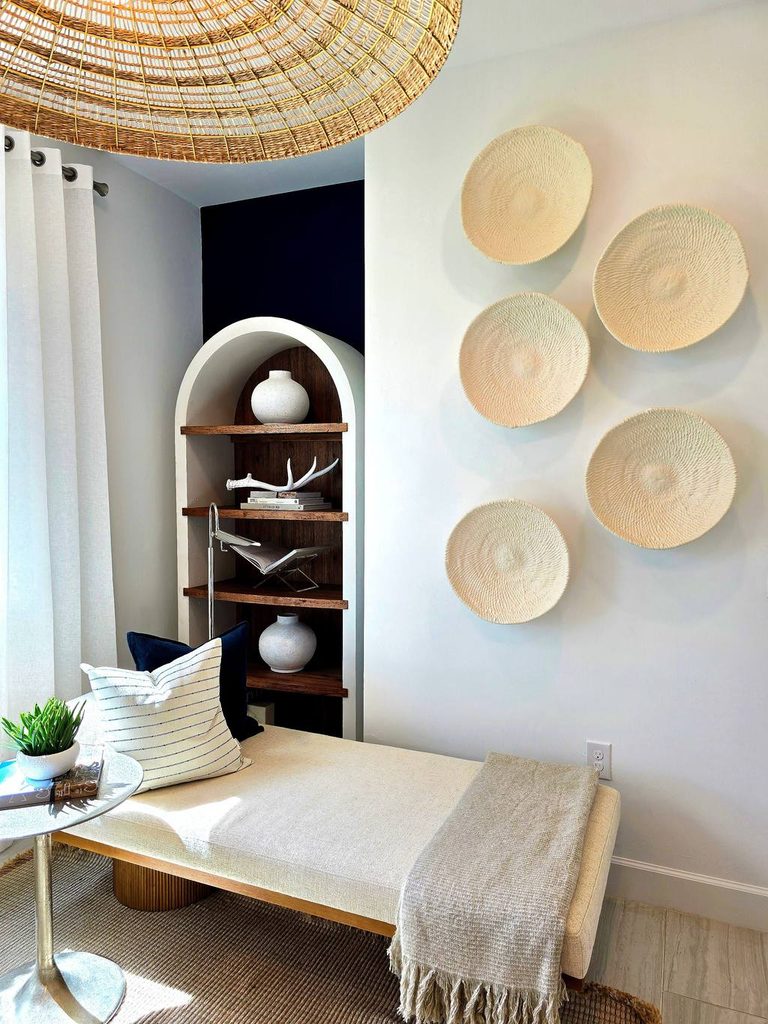
A daybed makes sense when one guest usually stays and you do not need the bed to disappear. It provides a ready sleeping surface and can double as casual seating with pillows.
This works well in a narrow room where the craft station occupies one wall and the daybed runs along another. The limitation is that the room still looks like a bedroom. A daybed vs sleeper sofa for small-space living comparison can help when you are deciding between a bed-first and sofa-first setup.
What Are 5 Craft Room Guest Room Layouts That Work?
These layouts are organized around different room priorities rather than five versions of the same furniture arrangement. Start with how often you craft, how many people stay overnight, and how much open floor you need. Then choose the setup whose conversion step creates the fewest conflicts.
1. Craft-First Layout With a Murphy Bed
Best for: Frequent crafters with occasional guests.
Place a fixed craft table along one wall and the Murphy bed on the opposite wall. Add closed storage above or beside the work surface so supplies stay out of the sleeping zone.
When guests arrive, clear the active project from the table and open the bed without dismantling the craft area.
2. Craft Workspace + Sleeper Sofa
Best for: Rooms that need everyday seating.
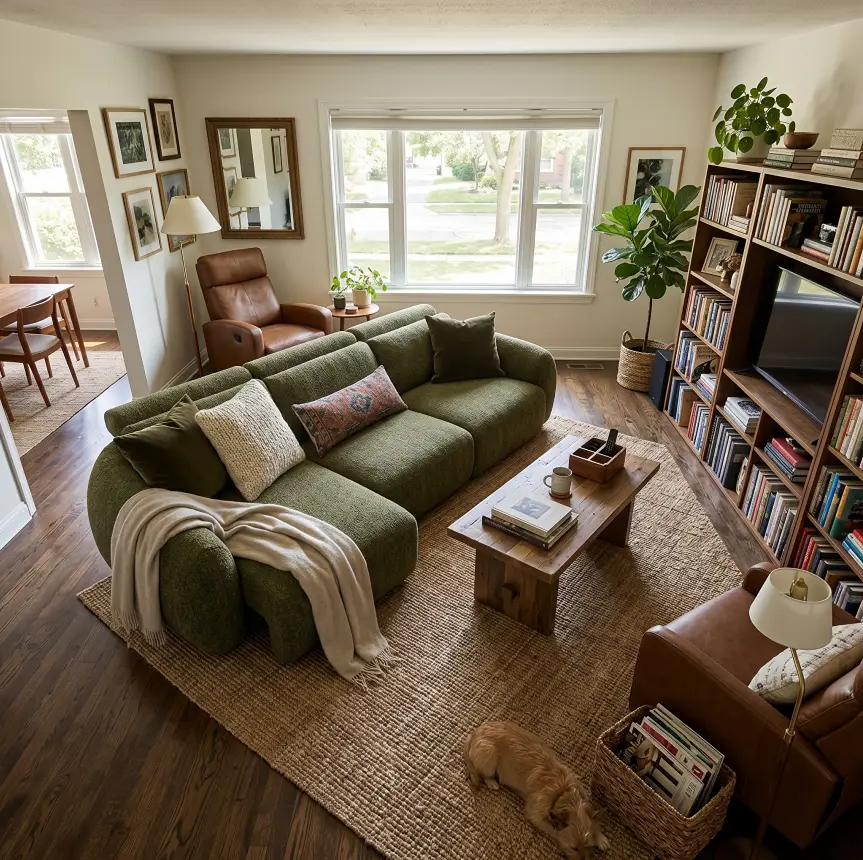
Place the workstation along one wall and the sleeper sofa along another, leaving the middle as a shared transition zone. Avoid a large coffee table if the sofa needs to extend forward.
For a larger room that functions as a craft room guest bedroom, Mila provides deeper adjustable seating and sleeping space. Its seat depth moves from 32 to 59 inches, the backrest from 105° to 180°, and the 90-inch frame suits rooms with enough open floor for deeper configurations.
Mila Power Sofa Bed
Deeper power seating adds guest sleeping space without a separate bed frame.
👍 Best for: Larger craft rooms with occasional guests
✨ 32–59″ adjustable seat depth
✨ 105°–180° power recline
✨ Water-resistant tweed chenille
3. Narrow Room With a Daybed
Best for: Narrow spare bedrooms and single guests.
Run the daybed along the longest wall and put a compact craft station opposite it. Use vertical storage above the workstation to keep the floor open.
Keep the chair and rolling cart outside the bed’s access path. This works when the bed can remain visible and the center is not needed for large projects.
4. Storage Wall + Flexible Craft Table
Best for: Crafters with many supplies.
Give one wall to cabinets, shelves, and the craft table, then keep the opposite side relatively open for guest furniture. A folding or movable craft table makes the room easier to reset.
Use three storage levels:
- Tools: near the work surface.
- Active projects: trays or bins that move together.
- Extra supplies: closed cabinets or higher storage.
Keep loose materials from spreading into the guest area.
5. Guest-First Layout for Frequent Visitors
Best for: Homes where guests stay regularly.
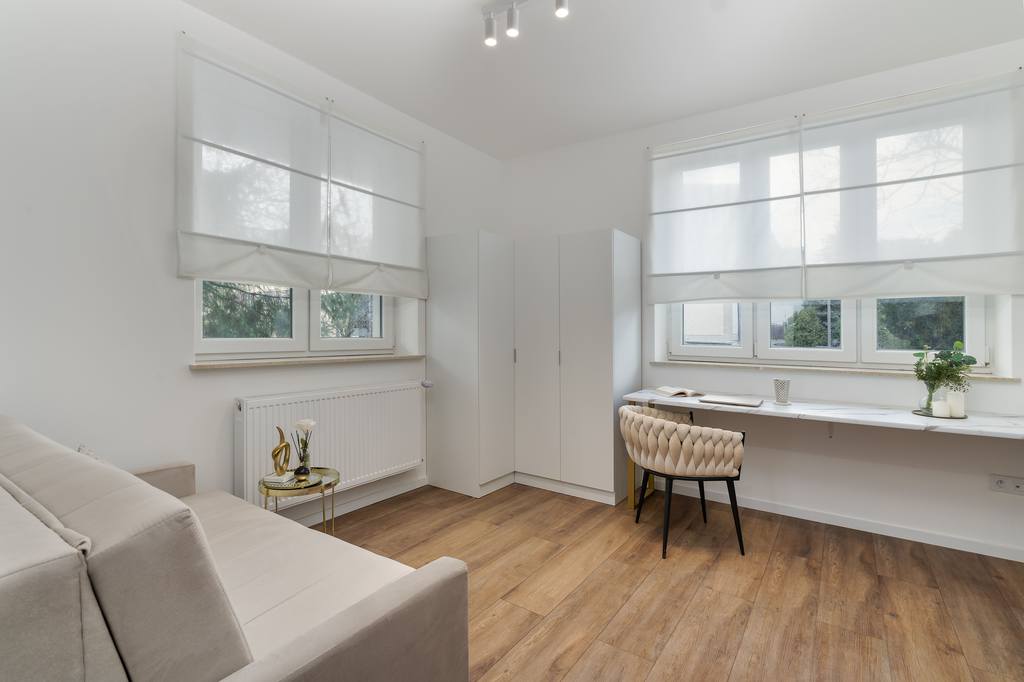
Give the sleeping area the clearest route from the door and keep the craft zone compact. A small work surface, wall-mounted storage, or corner workstation can preserve the hobby function without making guests navigate around equipment.
This is where many guest bedroom craft room ideas become impractical: a full-size craft table can consume floor space guests need more often. If most projects fit on a smaller surface, use the saved area for easier guest access.
How Much Space Should You Leave for Both Modes?
Do not size the room from closed furniture dimensions alone. Create two floor plans: one for active crafting and one for overnight use. This matters most with furniture that extends forward, because its usable footprint changes between sitting and sleeping.
Step 1: Mark the Craft Footprint
Use painter’s tape to mark the table, chair, storage doors, and equipment area. Include room to pull out drawers and move around the chair.
Step 2: Mark the Full Guest Footprint
Measure the sleeping furniture in its fully open position. For a sleeper sofa, measure from the back wall to its farthest extended point rather than relying only on closed depth.
Step 3: Test the Walkway
Check the route from the door to the bed, closet, light switch, and bathroom. A guest should not have to squeeze between the open bed and craft table.
Step 4: Decide Where Temporary Items Go
If opening the bed requires moving a chair or small table, identify its location first. One lightweight item may be reasonable; repeatedly moving several large pieces usually signals an overfilled layout.
How Do You Keep Craft Supplies Guest-Ready?
Guest-ready storage is about making the room easy to reset, not making it look empty. Keep daily tools accessible, but make loose materials and unfinished projects easy to contain.
- Daily tools: stay near the workstation.
- Active projects: use trays or bins that move together.
- Extra supplies: use closed cabinets or higher storage.
Store guest bedding and towels separately from craft materials. Before a visitor arrives, clear the sleeping area and one bedside surface rather than dismantling the entire craft setup.
Conclusion
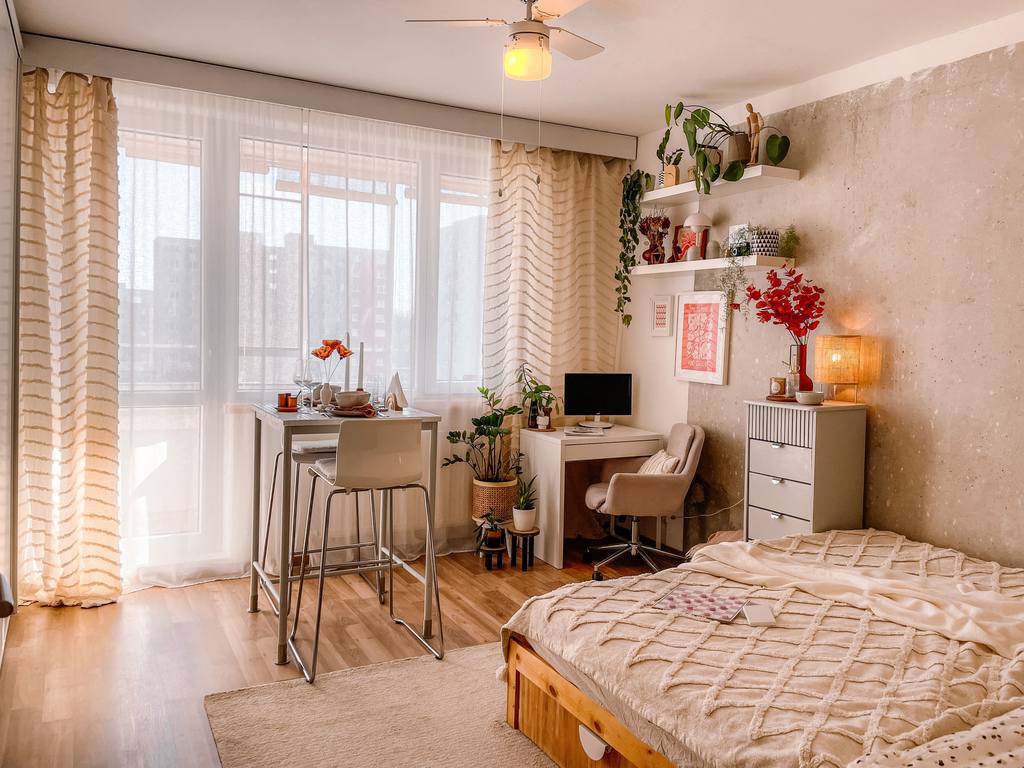
A successful craft room guest room combo gives the room a clear everyday purpose while making overnight use easy to activate. Frequent crafters may benefit from a fixed work zone and Murphy bed, while rooms that need everyday seating can use a sleeper sofa. Daybeds work when a visible bed is acceptable and guest needs are simpler. Whatever the layout, test both craft and guest modes before buying. The right setup lets you keep creating without making every guest visit a full room reset.
Find the Right Sofa Bed for Flexible Guest Rooms
Explore sofa beds that support everyday seating, flexible lounging, and occasional overnight guests.
Q&A
Can I leave a sewing machine on the craft table when guests arrive?
If the sewing machine is used daily, it can stay on the table, but the setup should not reduce guest access or become a sharp or fragile obstacle. Use a stable workstation, keep cords contained, and create a clear surface for guest use. Move bulky equipment only when its position blocks the sleeping route.
Where should guest bedding go in a craft room?
Keep guest bedding in a clean, enclosed area away from fabric scraps, paint, adhesives, and other craft materials. A nearby cabinet or dedicated closet shelf works better than storing linens beneath an active worktable. This keeps sheets clean and makes guest setup faster without taking storage space from daily craft supplies.
Is a Murphy bed always better for a craft room guest room?
A Murphy bed is not a good fit when the intended wall has a window, radiator, shallow obstruction, or unsuitable structure. Before planning around one, confirm the wall conditions, opening path, and nearby fixtures. If installation would compromise the craft zone or require major changes, a daybed or sleeper sofa may be simpler.
Should I use a rug in a craft room guest room?
A low-pile, easy-clean rug can define the shared room without interfering with movement. Keep its edges outside the sleeper’s extension path and leave the craft chair able to roll smoothly. Avoid thick or loose-pile rugs under moving furniture, especially if a power mechanism needs a clear, unobstructed floor.
Can two guests share a sleeper sofa in a craft room?
A two-person sleeper can work if its usable sleeping surface is designed for two adults and the room can accommodate the full open footprint. Do not infer sleeping capacity from the sofa’s seat count alone. Check the stated sleeping dimensions, weight limits, and side access before using it as the primary guest bed.


[…] guest room playroom combo works particularly well when children use the room daily but overnight visitors arrive only […]