 By Stephanie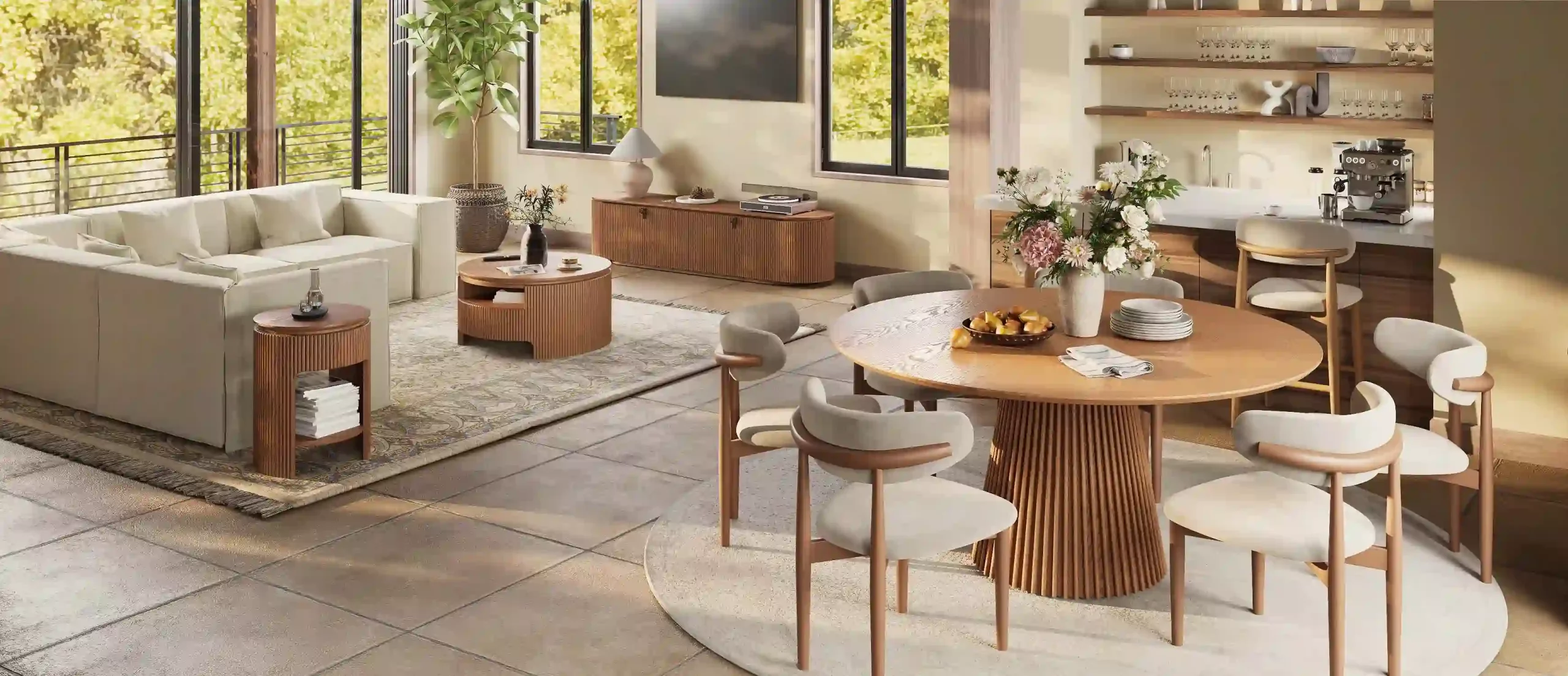
Your formal dining room may sit empty most weekdays while your household needs somewhere to work, read, or host friends. If you’re wondering what to do with an unused dining room, start with the activities that lack a comfortable place elsewhere. A dining area beside the kitchen functions differently from a quiet room with a door, and the table you own may already suit a new purpose. These eight setups show how to choose a use, keep worthwhile furniture, and make changes without committing to a major renovation.
Table of Contents
What Should You Turn Your Unused Dining Room Into?
To decide what to do with an unused dining room, identify the constraints that are difficult to change: whether the dining table needs to remain, whether the room can be closed off, and which doorways people use to pass through it. Match potential uses to those conditions before rearranging furniture.
| What You Have Now | Consider This Use | What Matters Most |
| Large table beside the kitchen | Homework or family games | Can everyone move around seated chairs? |
| Separate room with a door | Home office or guest lounge | Can you close it off when needed? |
| Sunny room with a large dining set | Reading room | Where will the table go? |
| Dining room near the front entry | Casual sitting room | Can visitors enter without crossing other activities? |
| Useful sideboard and worktable | Hobby or craft space | Will the existing storage hold supplies? |
| Dining set still needed for holidays | Flexible dining and activity room | Can you restore the dining layout easily? |
If two options fit, favor the one that can stay set up throughout the week.
8 Ways to Repurpose an Unused Dining Room
Different activities compete for different parts of the room. Desk work, crafts, and board games may benefit from a table you already own, while reading, conversation, and overnight stays generally need clear floor space around seating. The options below explain the main change each activity requires.
1. Create a Home Office or Study Space
Before turning your dining table into a desk, check where the chandelier hangs when you’re seated and whether nearby outlets can power your equipment without cords crossing the walkway.
A dining table can work for occasional laptop use or shared homework. If you work from home every day, consider moving the dining set and placing a dedicated desk along a wall instead. This gives you more control over your chair position, monitor placement, and video-call background.
2. Turn It Into a Reading Room or Library
If your dining room has a large table and an existing sideboard, consider removing the table while keeping the sideboard for books and reading supplies. This frees the center for comfortable seating without replacing every piece of furniture.
Place the reading chair near natural light but away from prolonged direct sun exposure, especially with fabric upholstery. Check the location of outlets before choosing a powered chair.
The Oliver Swivel Power Barrel Recliner combines soft chenille upholstery with power reclining, allowing you to sit upright for reading or lean back afterward. Its 270-degree manual swivel lets you turn toward the window or another person without repositioning the chair. Leave enough room for rotation and reclining, with the power cord kept out of walkways.

3. Create a Guest-Ready Lounge
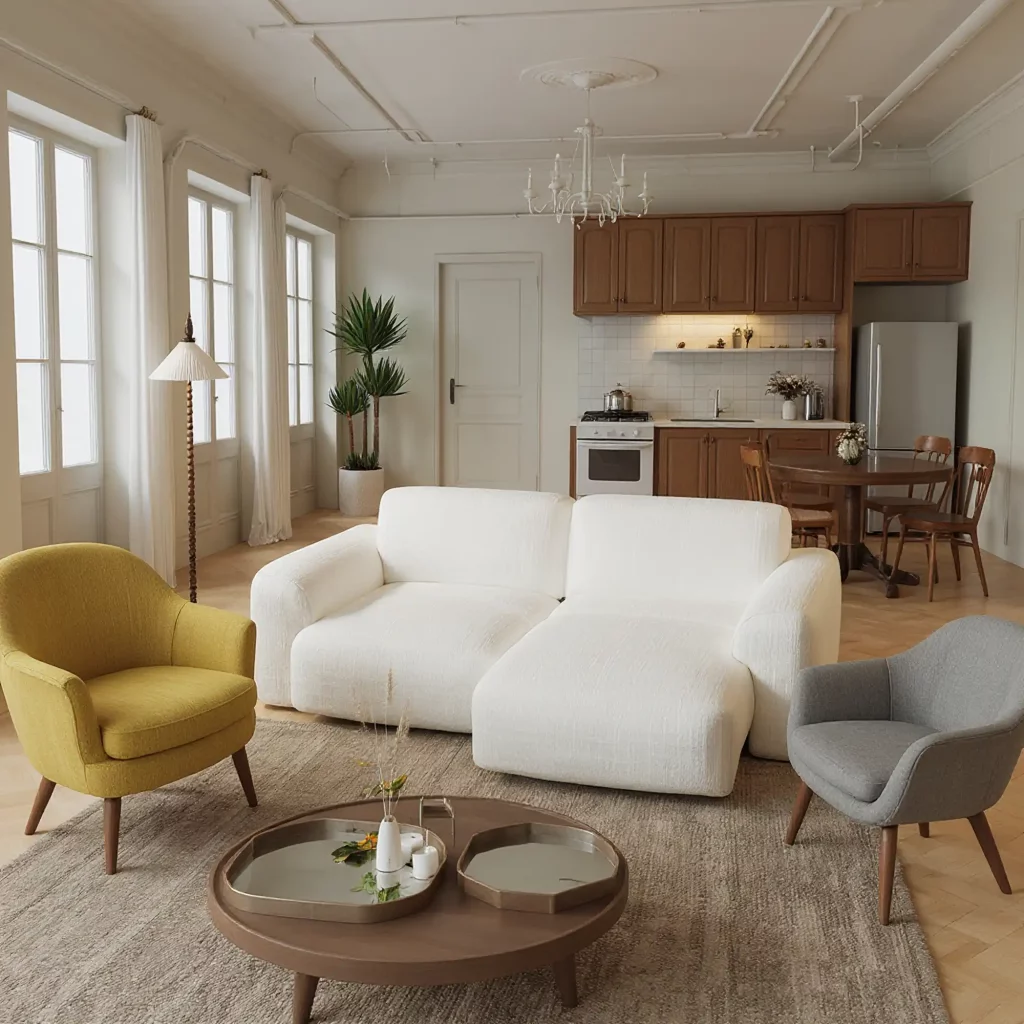
A dining room with a door can work as an occasional guest space, offering more privacy than one open to the kitchen or living room. Move the dining table out to create a comfortable sitting area, while keeping the entrance and route to a nearby bathroom accessible.
Instead of adding a permanent bed to a room that guests only use occasionally, choose seating that can serve both everyday relaxation and overnight stays.
The Aurora Comfortable Sofa Bed makes this arrangement easier with a motorized seat that extends at the touch of a button, switching between sitting, lounging, and sleep modes. Its soft chenille upholstery and high-resilience foam cushions provide comfort for daily use, while the extendable design creates extra sleeping space when guests visit. At 83 inches wide, it requires adequate wall space and clearance when extended.
4. Make a Family Game and Media Room
If your family mostly plays board games or works on puzzles, keeping the original dining table is usually the simplest option. Store game boxes in the existing sideboard so the table stays available for other activities.
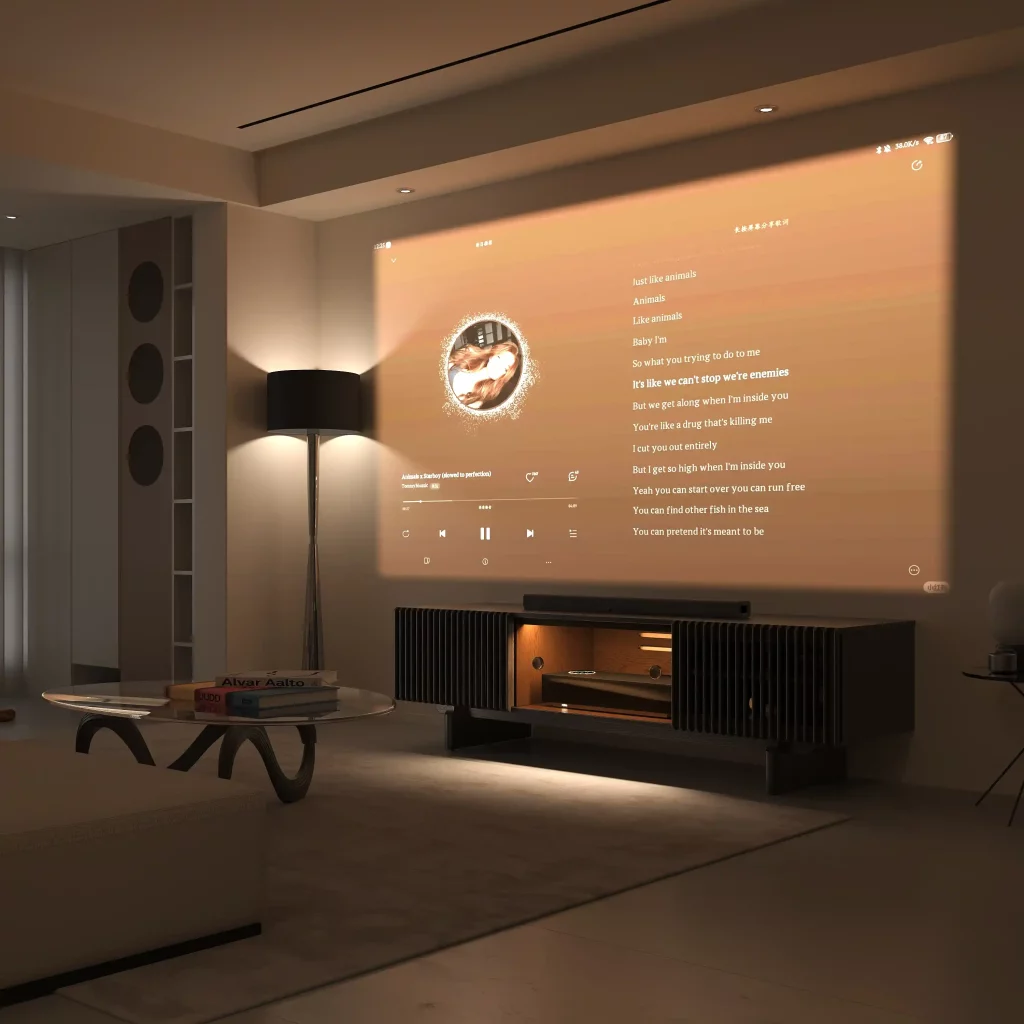
For families who regularly play console games, the room may also need a TV and dedicated seating. Choose a wall for the screen and position seating where everyone has a clear view. If you’re keeping the dining table, make sure it doesn’t block the viewing area or walkways.
Adding a TV and gaming consoles also means finding space for equipment and cables. The Delven Verse Deep Media Cosnole has deep compartments and adjustable shelves to accommodate different devices. Rear ventilation and cable openings help manage heat and wiring, while slatted doors allow infrared signals to reach compatible equipment without leaving the doors open.
5. Set Up a Hobby or Craft Space
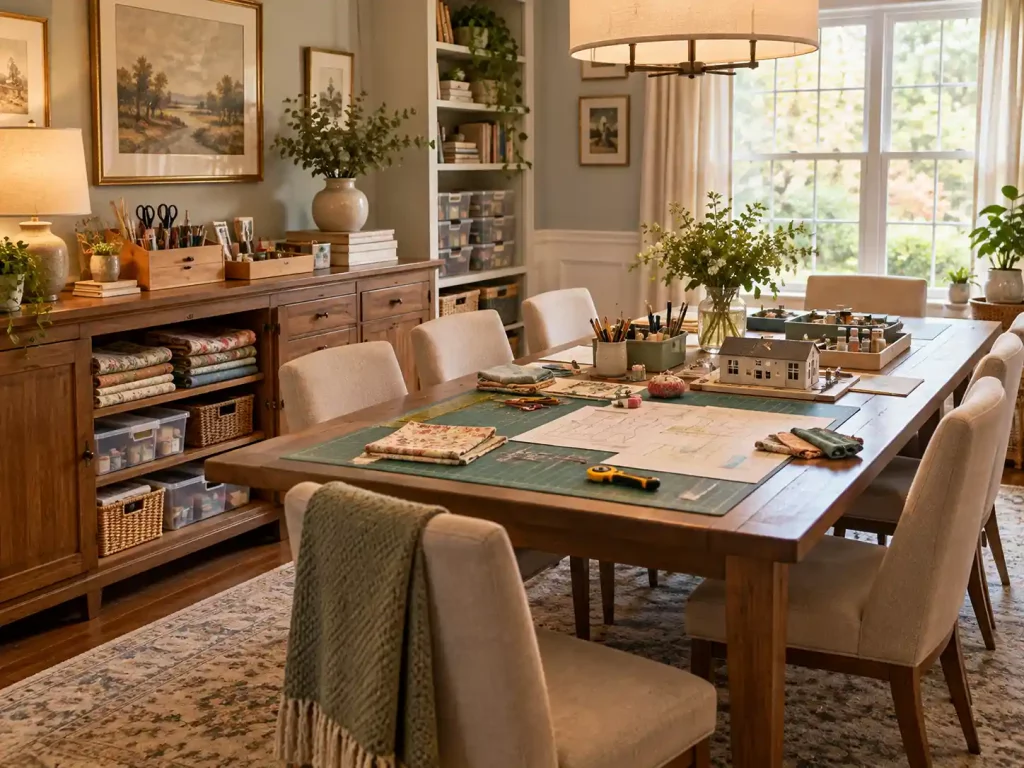
Before buying a craft table, check whether your existing dining table is large enough for the projects you make most often. A long rectangular table can support sewing patterns or model building, while an ornate or easily marked tabletop may need a protective work surface.
An existing sideboard can hold tools, fabric, and project materials. Keep frequently used supplies in the easiest-to-reach compartments, and separate anything that could leak or stain from items that need to stay clean.
If unfinished projects regularly cover the table, dedicate part of the storage to trays that can be moved without disturbing your work.
6. Make a Kids’ Activity and Homework Area
A dining room within sight of the kitchen can become a place for afternoon homework, drawing, and supervised play. Use appropriately sized chairs, keep frequently used supplies in reachable bins, and reserve a patch of floor for activities that don’t happen at a table.
For example, children can work on school projects while dinner is being prepared, then return pencils and paper to labeled containers. Anchor tall storage to the wall where appropriate, and avoid trailing charging cables across the path to the kitchen.
7. Create a Casual Sitting Room for Conversation
A formal dining room near the front entry can become a place for guests to sit without gathering around the living room TV.
Arrange two chairs where the dining set stood, angled toward a shared table for drinks. An existing sideboard can hold coasters and serving supplies, so you don’t need to add a separate bar cart.
Leave room behind the chairs for people arriving through the entry. If you often host larger groups, a second living room seating arrangement with a compact sofa and movable chairs may make more sense.
8. Keep a Dining Room That Does More Than Meals
If the room still hosts Thanksgiving or family dinners, plan for how quickly it can return to full dining use. An extendable table can take up less space during an ordinary week, provided you have a place for any removable leaves and extra chairs.
Between gatherings, the extra floor space can support a reading chair or hobby cart that is easy to move. Before adding permanent storage, check that you can extend the table fully and pull out every dining chair when guests visit.
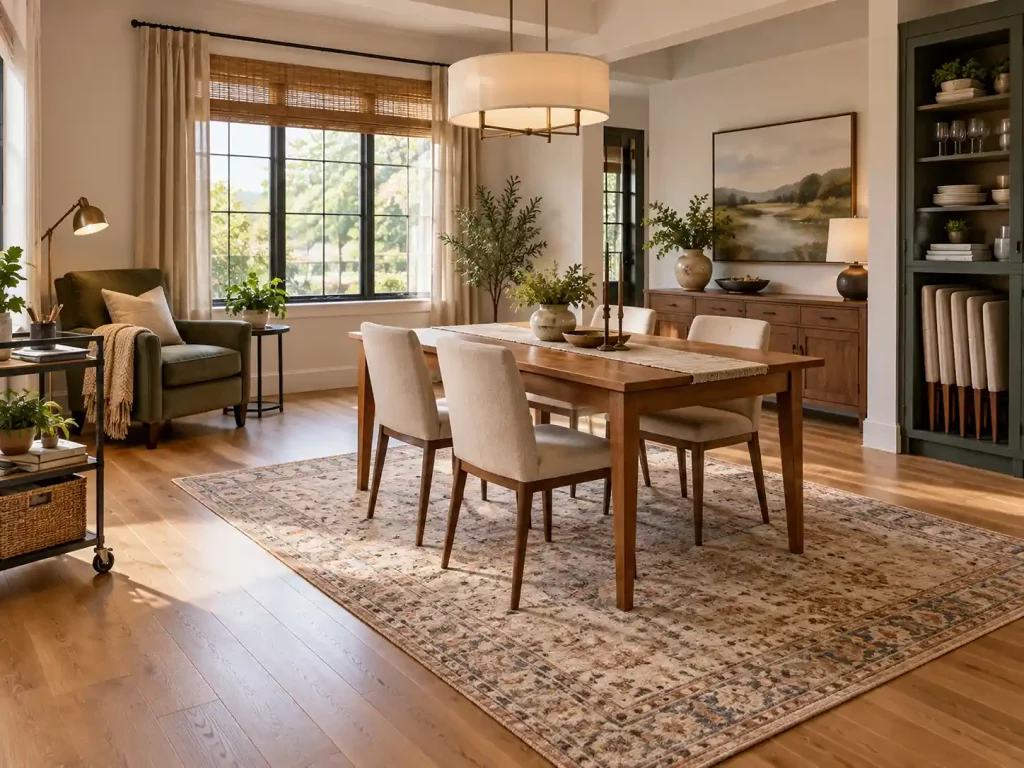
Should You Keep or Replace Your Dining Room Furniture?
Before shopping, separate furniture you can reuse from pieces that no longer fit the room’s job. The decision isn’t about whether a dining set matches the new decor. It’s about whether each piece earns its floor space.
| Existing Piece | Keep or Repurpose If… | Remove or Replace If… |
| Dining table | Its size suits games, crafts, work, or occasional meals | It blocks the new seating or circulation |
| Dining chairs | People still use them comfortably | Extra chairs occupy needed activity space |
| Sideboard | It holds books, games, or hobby supplies | The contents no longer justify its footprint |
| Display cabinet | It stores or shows items people use and enjoy | It limits access to doors or new furniture |
If you’re uncertain about selling a large table, decide whether you can temporarily relocate it before arranging delivery of replacement furniture. Once you see how the room actually works without it, you’ll know whether giving it up is worthwhile.
What Changes When You Remove the Dining Table?
Removing the dining set changes more than the available floor space. Several features may have been positioned specifically around the original table, so check them before bringing in new furniture.
- Overhead lighting: A chandelier that hung safely above the dining table may become an obstacle in an open walkway. Check its lowest point before changing the furniture arrangement.
- Rug placement: A large dining rug may no longer fit the new seating layout. Remove or reposition it rather than forcing new furniture around its edges.
- Outlets and storage: Check whether the original sideboard concealed outlets you’ll need for a recliner, sofa bed, or media equipment.
- Floor condition: Once the dining rug and heavy table are moved, inspect exposed flooring for dents, wear, or uneven surfaces before placing new furniture.
Conclusion
Knowing what to do with an unused dining room doesn’t mean committing to a permanent new identity for the space. An enclosed room might work as a reading retreat or an occasional guest lounge, while a room beside the kitchen may earn more use as a shared activity area. If holiday meals still matter, the dining setup can stay flexible. Choose a conversion that works with the room’s existing openings, lighting, and furniture, so it’s comfortable on an ordinary weekday as well as when company comes.
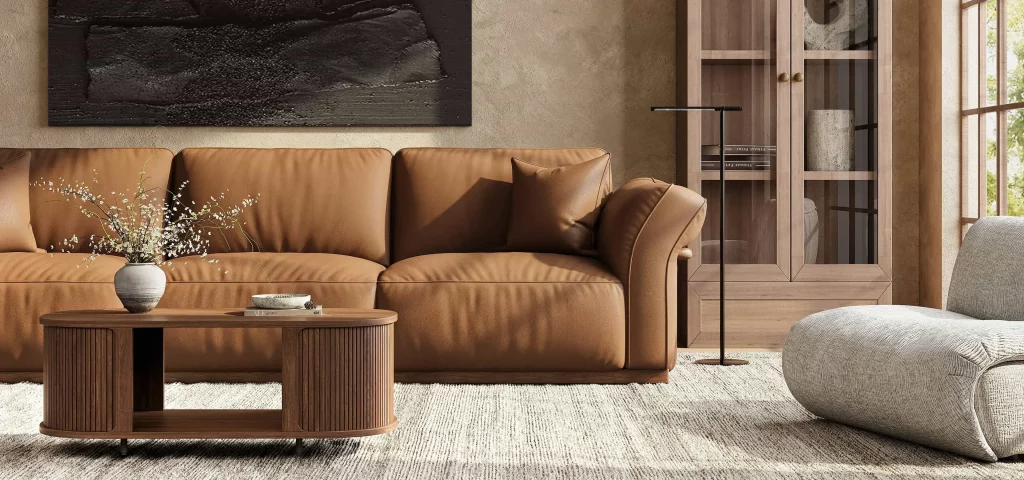
Make More of the Space You Have
Explore comfortable seating, versatile sofa beds, and practical storage to give your unused dining room a new purpose.
FAQ
How Do I Prevent TV Glare in a Former Dining Room?
Dining rooms often have large windows that can reflect daylight onto a TV screen. Position the screen perpendicular to windows when possible, and use adjustable shades for daytime viewing. Test the proposed screen position at your usual viewing time before mounting anything. Avoid blocking natural light permanently for occasional gaming.
Will Repurposing a Formal Dining Room Affect Home Resale Value?
It depends on your local market, the home’s other dining areas, and how permanent the changes are. A room furnished as an office or lounge can generally be staged as a dining room again. Removing walls or altering built-in features is a different decision worth discussing with a local real estate professional.
How Can Overnight Guests Get Privacy in an Open Dining Room?
Use an opaque folding screen to block views from shared areas, making sure it doesn’t obstruct exits. Window coverings provide additional visual privacy. These additions won’t soundproof the space, so arrange overnight stays when household activity is limited. Frequent guests may be more comfortable in a room with a door.
Can I Use a Carpeted Dining Room for Crafts or Play?
Yes, for dry activities such as puzzles, coloring, or board games. For painting, glue, or snacks, cover the work area with a wipeable surface and protect the carpet underneath. Avoid placing paint containers where they can tip from the table edge. Store messy materials out of children’s reach.
Where Should I Store Bedding for a Sofa Bed in a Converted Dining Room?
Use a clean, dry compartment in your existing sideboard or a dedicated storage bin for sheets, pillowcases, and blankets. Keep bedding away from moisture and dust so it’s ready when guests arrive. This allows the sofa bed to remain a comfortable sitting area without leaving sleeping supplies out during the day.


