 By Kelvin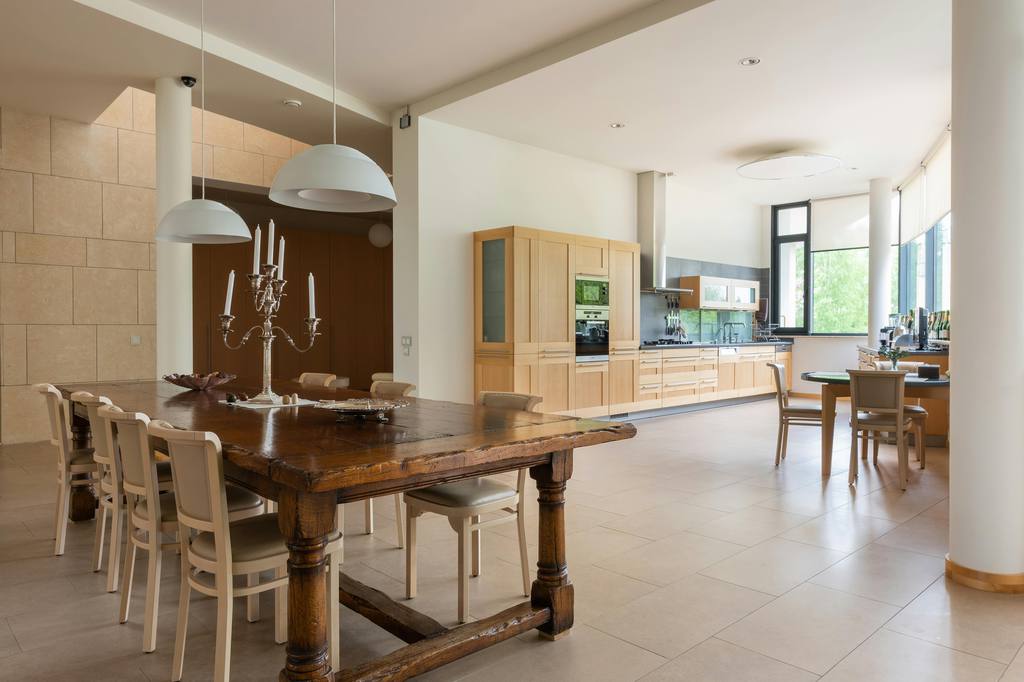
Introduction
If you are searching for light colored wood, you are probably trying to answer a practical design question: will a lighter wood tone make your home feel brighter, calmer, and easier to style? This guide explains what light wood means in furniture, which wood types matter most, and how to use it in real living and dining spaces. You will also learn when light wood works better than dark wood, how to mix wood tones, and what to check before buying a dining table, TV stand, cabinet, or coffee table.
Table of Contents
What Is Light Colored Wood Furniture?
Light colored wood usually refers to wood or wood finishes in pale cream, soft beige, light yellow, natural tan, or light brown shades. In furniture shopping, it may describe the actual wood species, the visible wood tone, or the surface finish, so a “light oak” table may be solid oak, oak veneer, or an oak-tone finish over engineered wood. This difference matters because light wood is not always a material name. It can describe a real wood species, a veneer, a stain, or simply a color option. If the product label feels unclear, comparing the different types of wood for furniture first can help you separate wood species from wood tone before choosing a dining table, TV stand, cabinet, or coffee table.
| Term | What It Means | Buyer Note |
| Wood species | The natural wood type | Maple, ash, white oak, birch, and beech can all look pale |
| Wood tone | The visible color of the furniture | A light wood color may come from stain, veneer, or finish |
| Finish | The surface treatment | Matte and satin finishes often look more natural than high gloss |
Light wood furniture works because it adds warmth without making a room feel heavy. A pale wood TV stand, dining table, or storage cabinet can soften white walls, brighten low-light areas, and reduce the visual weight of larger pieces. It also fits naturally into organic modern interior design, where natural materials, quiet colors, soft shapes, and daily function need to feel balanced rather than decorative.
Which Light Wood Types Matter for Furniture Buyers?
A wood type should be judged by more than color. Grain, hardness, finish, and furniture function all affect how a piece feels in daily use. A smooth maple cabinet looks quieter than an ash table with stronger grain. A pine console may feel casual and warm, but it can dent more easily than harder woods.
| Wood Type | What It Looks Like | Good Furniture Uses | Buyer Note |
| White oak | Warm beige to light tan with visible grain | Dining tables, TV stands, cabinets | A strong option for natural modern rooms |
| Maple | Creamy, smooth, subtle grain | Dressers, cabinets, tables | Can look very clean, but may feel plain without texture |
| Ash | Pale tone with clear linear grain | Chairs, tables, Scandi-style furniture | Adds movement and visual character |
| Birch | Light yellow-beige with fine grain | Cabinets, casual furniture, veneers | Simple and versatile, but less distinctive |
| Beech | Pale beige with a slight pink tone | Chairs, curved details, cabinets | Needs a protective finish for daily use |
| Pine | Pale yellow, often with knots | Farmhouse or casual pieces | Softer and more prone to dents |
| Alder or poplar | Light, soft, understated | Painted or casual furniture | Better for lower-impact pieces |
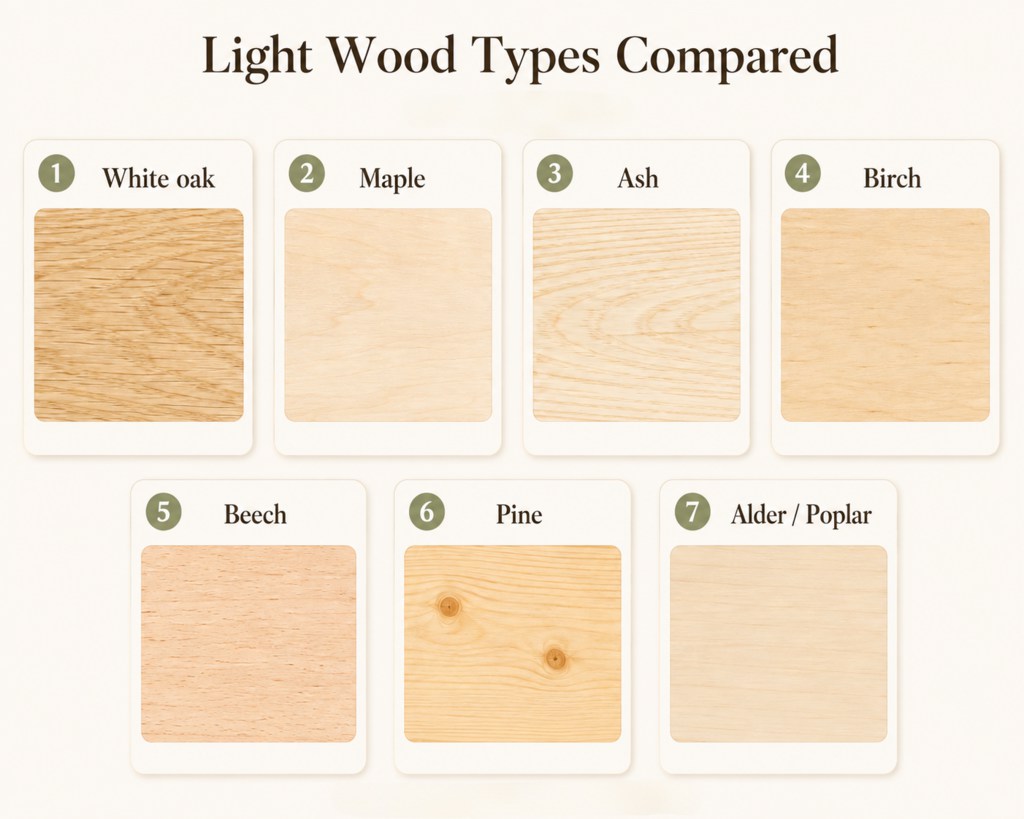
For furniture buyers, white oak, ash, and maple usually offer the strongest balance of light color, grain interest, and long-term style. Pine, birch, alder, and poplar can still work, especially when the finish and construction are appropriate for the furniture’s use.
Light Wood or Dark Wood, Which to Choose?
Neither light nor dark wood is automatically better. The right choice depends on your room size, light level, flooring, wall color, and the mood you want. Use light wood to reduce visual weight, and use dark wood to add depth.
Choose a light wood color if…
- your room is small, narrow, or low-light;
- your walls or floors already feel visually heavy;
- you want a softer modern, Scandinavian, Japandi, or organic look;
- you need a large furniture piece to feel less bulky.
Choose a dark wood color if…
- your room feels too pale, too open, or lacks grounding;
- you want a richer or more classic mood;
- your space has strong natural light;
- your furniture needs to create contrast against white walls and light floors.
How Do You Use Light Wood in Living and Dining Spaces?
The best place to use light wood depends on what the furniture needs to do. In a living room, it often reduces the weight of media storage. In a dining room, it can keep the space bright while still feeling warm. In an entryway, it works best when paired with closed storage and clean lines.
Living Room
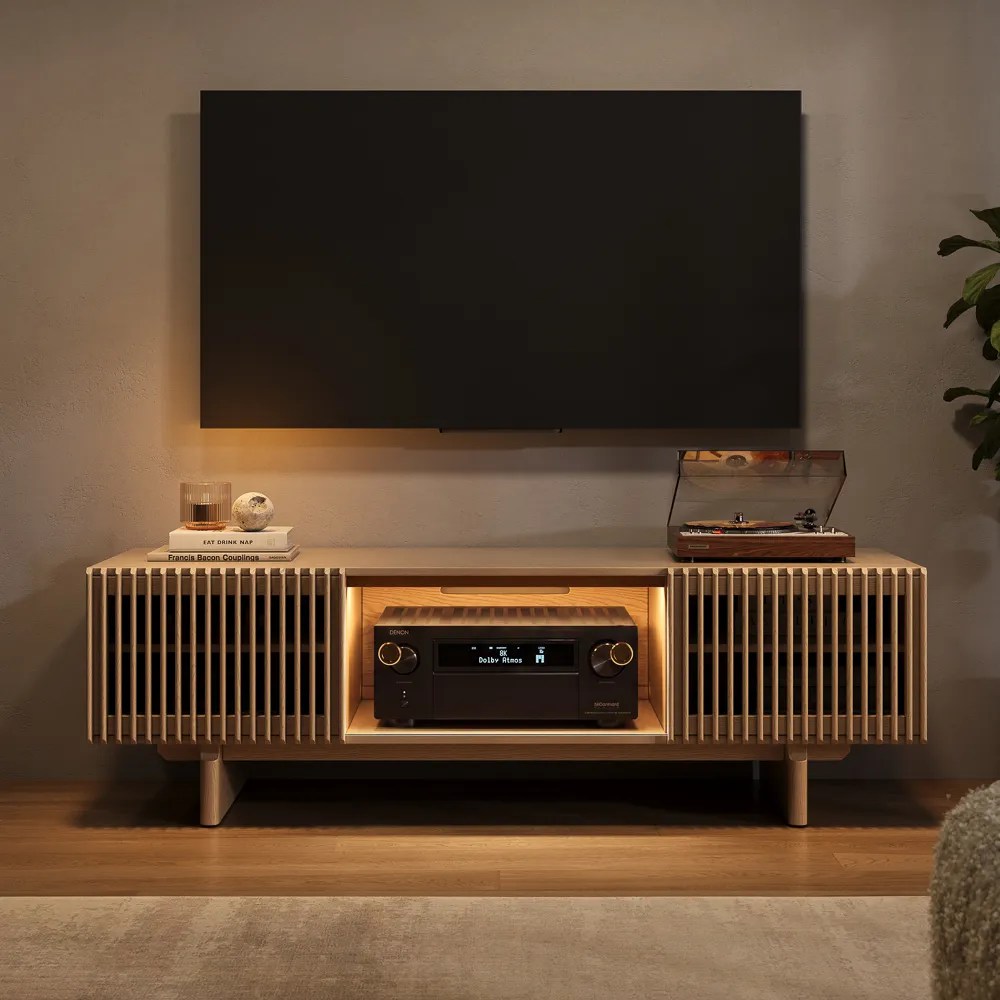
Light wood works especially well around the TV wall because screens, speakers, and cables can make that area feel dark and technical. A light wood TV stand or media console softens the setup while keeping the focus on function.
A light wood coffee table can also make the center of the room feel less crowded. If the sofa is beige, gray, cream, or olive, the table should not disappear into the room. Choose visible grain, a rounded shape, a stone detail, or a slightly warmer finish to create definition.
For a TV wall that needs a lighter look and better organization, the Arboren-22“ Deep Slatted Media Console with Large Storage works well with its natural wood color, slatted doors, removable shelves, and built-in cable holes. It helps soften the media area while keeping devices, cords, and living room items easier to manage.
Dining Room
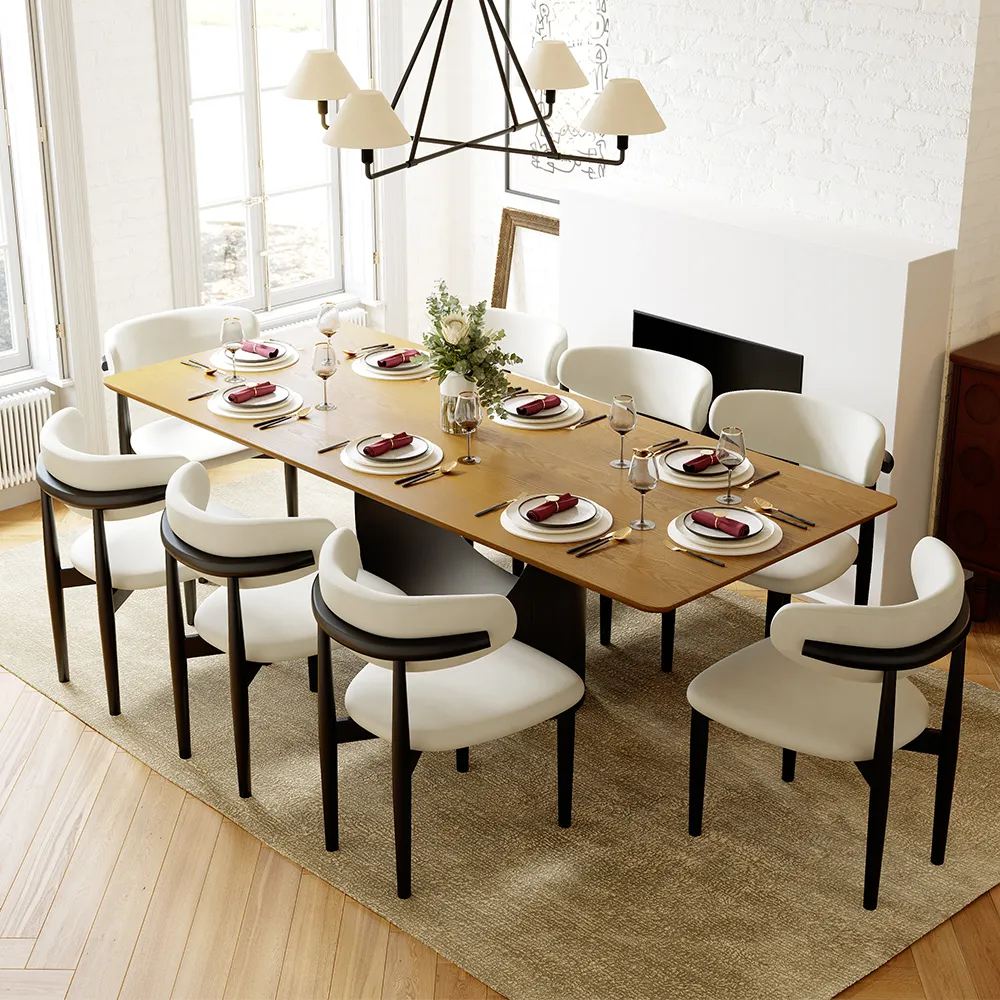
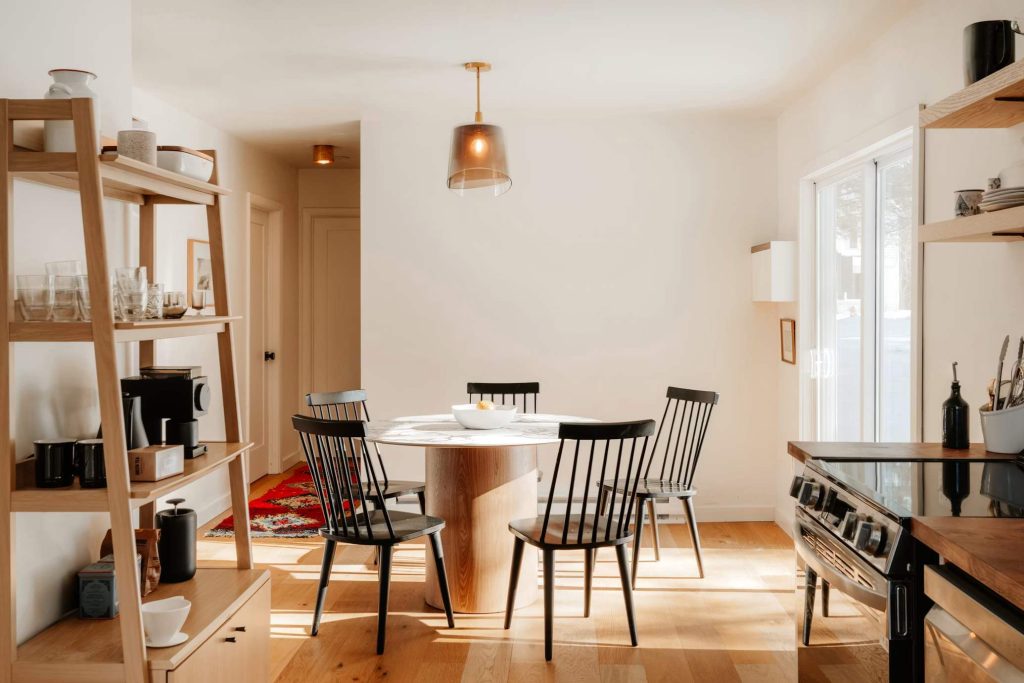
In a dining room, light wood can make daily meals feel relaxed rather than formal. It is useful in open kitchens where the dining table sits near white cabinets, pale counters, or large windows.
A light wood dining table should still be practical. Check whether the surface is sealed, how it handles spills, and whether the base gives enough legroom. For families who use the table for meals, laptops, homework, and weekend projects, a wood dining table for daily use needs more than a good-looking top. Finish, stability, and cleanup matter just as much.
Small Apartment or Entryway
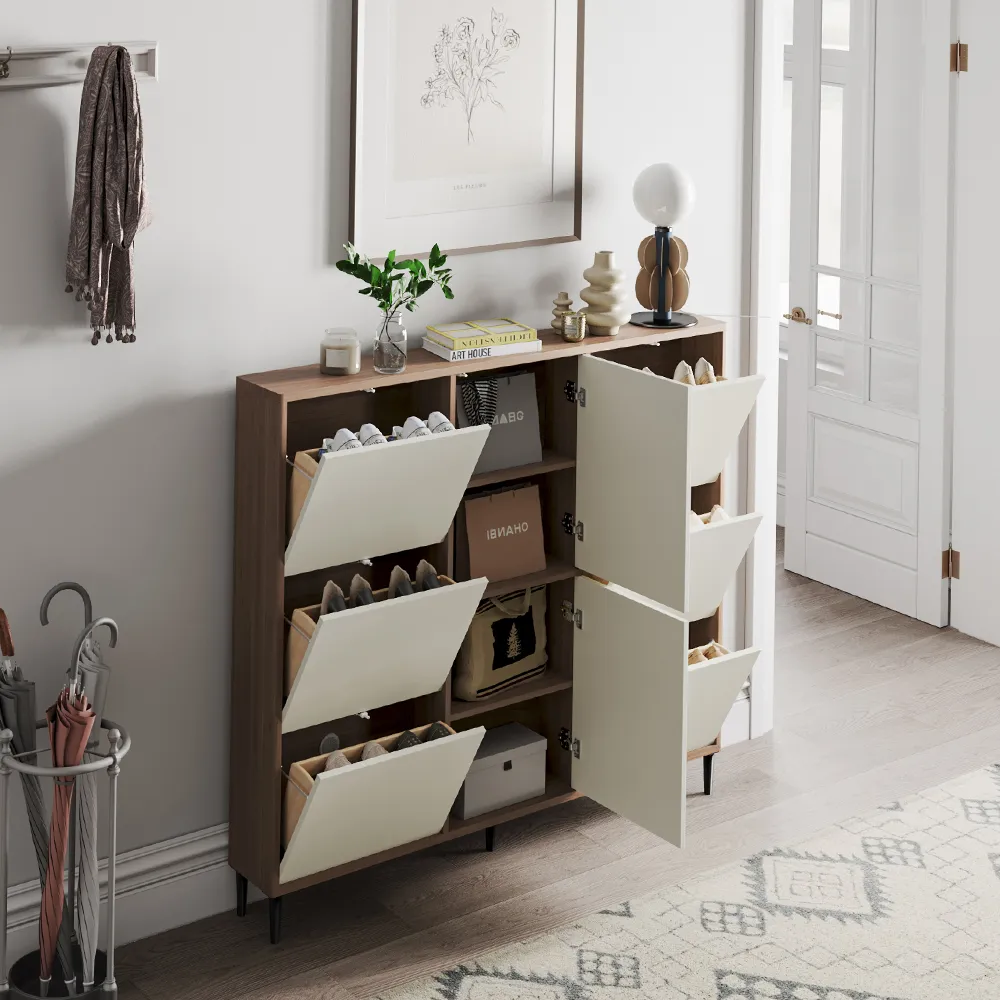
In small spaces, light wood furniture can help reduce visual pressure. A slim console, shoe cabinet, or low storage piece in a pale wood tone feels less bulky than a dark block of furniture near the door.
The key is storage. Light wood does not make clutter disappear. If an entryway collects shoes, bags, pet leashes, and delivery boxes, choose closed doors or drawers instead of open shelving. The color keeps the piece light; the storage keeps the area calm.
How Do You Pair Light Wood With Colors and Other Wood Tones?
Pairing light wood well is less about exact matching and more about building a clear sequence: identify the undertone, repeat the main wood tone, add contrast, then use texture to keep the room from looking flat. These steps help light wood furniture feel intentional, even when your floors, tables, and cabinets are not the same species or finish.
Step 1: Identify the Undertone
Look at whether the wood feels warm, cool, or neutral. Warm light woods have yellow, honey, or soft tan notes. Cool light woods can look gray, bleached, or slightly whitewashed. Neutral light woods sit closer to beige.
Warm wood pairs well with cream, greige, clay, sage, ivory, and soft black. Cooler pale wood works better with clean white, stone gray, muted blue, and simple metal details.
Step 2: Repeat One Wood Tone
Do not try to match every wooden piece exactly. Instead, choose one dominant wood tone and repeat it once or twice. A light wood TV stand can connect with a similar chair frame, side table, or cabinet detail.
When you mix wood tones in your living room, repetition matters more than identical color. It tells the eye that the mix is intentional.
Step 3: Add Dark or Solid Accents
A room with white walls, a cream sofa, pale flooring, and light wood furniture can start to feel unfinished. Add one or two darker anchors: a black lamp, charcoal rug, dark picture frame, walnut side table, or bronze hardware.
The goal is not to turn the room dark. The goal is to give the eye a place to rest.
Step 4: Use Texture to Keep the Room Warm
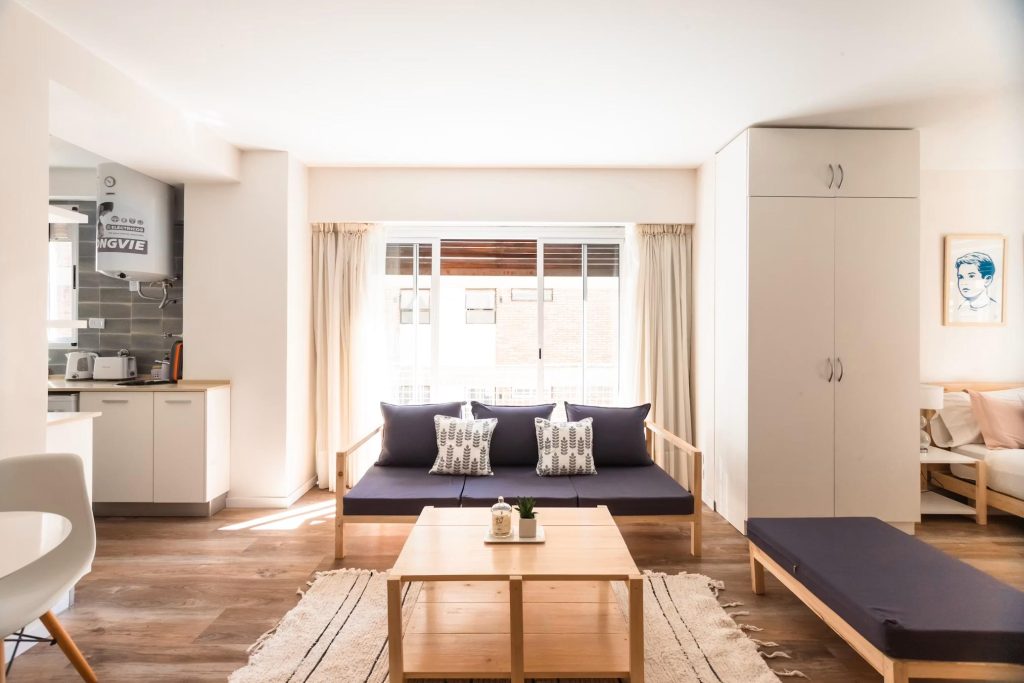
Texture is what makes a light room feel lived in. Pair light wood with linen curtains, a woven rug, ceramic decor, stone surfaces, boucle upholstery, leather accents, or plants. These materials add depth without making the palette busy.
A Sunday reset is a good test. If the room still looks calm after remotes, cups, books, and a blanket are put away, the furniture and storage are doing their job.
What Should You Check Before Buying Light Wood Furniture?
Before buying light wood furniture, check the details that affect real use, not just the product photo.
- Material: Is it solid wood, veneer, engineered wood, or mixed material?
- Finish: Matte and satin finishes usually look more natural than high gloss.
- Grain: Strong grain adds character; subtle grain creates a cleaner look.
- Undertone: Compare the wood against your floor, sofa, rug, and wall color.
- Scale: A light color helps, but an oversized cabinet can still crowd a room.
- Storage: For media units, entry cabinets, and coffee tables, hidden storage keeps the light look from becoming messy.
- Daily care: Dining tables and coffee tables need stronger protection than decorative cabinets.
- Photo context: Look for room photos, not only close-up swatches. Wood tone can shift under warm bulbs, daylight, and gray walls.
If you already have wood floors, avoid choosing furniture that almost matches but not quite. Either stay clearly within the same undertone family or create deliberate contrast with a different shade, rug, or material.
What Mistakes Make Light Wood Look Flat or Cheap?
Light wood can look calm and warm, but it can also look unfinished when the room has no contrast or texture. The issue is usually not the wood itself. It is the surrounding choices.
Common mistakes include:
- Using pale wood, white walls, beige upholstery, and a light rug with no darker anchor
- Choosing a glossy finish when the room needs natural texture
- Pairing yellow-toned wood with cold blue-gray walls
- Buying every piece in the same light wood tone, making the room look like a showroom set
- Ignoring scale because the color feels “light”
- Using open shelving when closed storage would make the space feel cleaner
- Mixing too many similar-but-not-matching pale woods without a rug or accent material
A better approach is simple: let light wood be the base, then add contrast through fabric, stone, metal, plants, lighting, or one deeper wood tone.
Conclusion
Light colored wood is a practical choice when you want furniture that feels warm, bright, and easy to style. It works especially well in living rooms, dining rooms, small apartments, and modern natural interiors, but the final result depends on tone, finish, scale, storage, and contrast. Start with one anchor piece, compare it with your floor and walls, then repeat the wood tone in small ways. With the right balance, light wood furniture can make a room feel calm without looking empty or unfinished.
FAQ
Does light wood show scratches or dust easily?
Light wood often hides dust better than very dark finishes, but scratches depend on the finish and wood hardness. A pale matte surface with visible grain is usually more forgiving than a glossy, flat, very light surface. For coffee tables and dining tables, use coasters, placemats, and quick spill cleanup.
Can light wood furniture work with dark floors?
Yes, light wood furniture can work well with dark floors because the contrast makes each piece feel intentional. Use a rug to soften the transition and repeat the light wood tone somewhere else, such as a chair frame, shelf, or side table. Keep wall colors lighter if the floor is very dark.
What wall colors go best with light wood furniture?
Warm white, cream, greige, soft gray, muted green, and beige usually work well with light wood furniture. Check the wood undertone first. Yellow-toned wood can look too warm beside yellow walls, while gray-washed wood may feel cold with icy blue-gray paint. A sample board helps prevent mismatch.
What lighting makes light wood furniture look most natural?
Warm or neutral lighting usually makes light wood furniture look more natural. Very cool bulbs can make pale wood look gray or washed out, while overly yellow lighting can make it look orange. For living rooms and dining rooms, soft white lighting often works better than bright, cold task lighting.
Will light wood furniture turn yellow over time?
Some light wood tones can become warmer over time, especially with sunlight exposure or certain finishes. This does not always mean the furniture is damaged, but it can change the room’s color balance. To reduce uneven color changes, avoid long-term direct sun on only one part of the surface.
Is light colored wood furniture hard to keep clean?
Light colored wood furniture is not hard to keep clean if the surface has a sealed, easy-wipe finish. Dust may be less visible than on dark wood, but spills, water rings, and sticky residue still need quick care. For daily maintenance, follow a gentle routine like the one in this how to clean wood furniture safely guide.


