 By Kelvin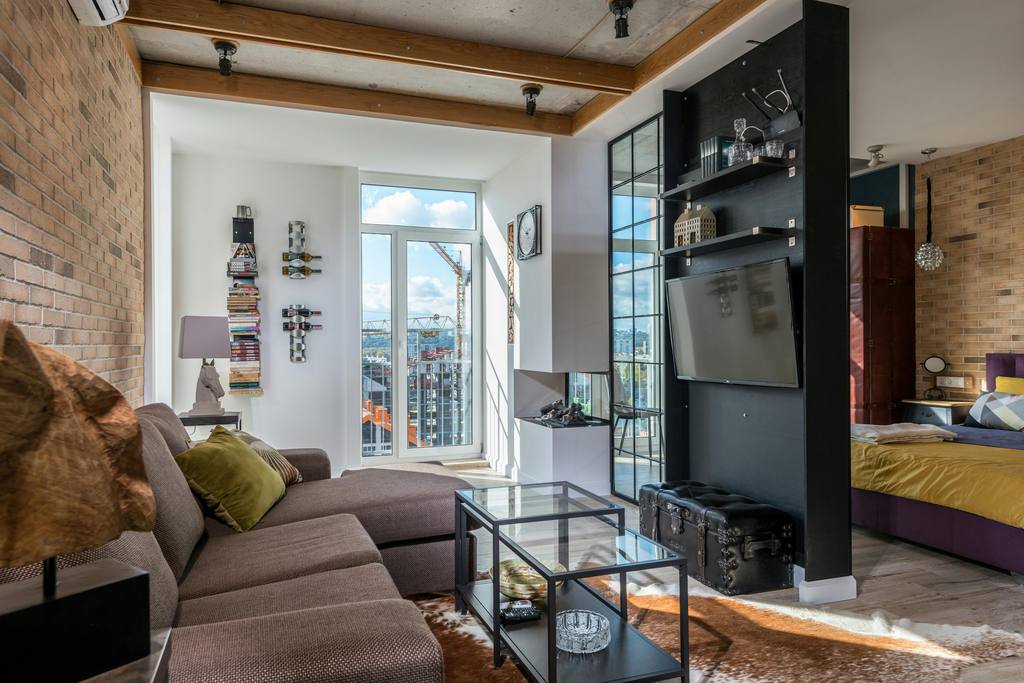
Introduction
A rectangular long narrow living room layout can feel confusing because the room often has enough square footage, but not enough usable width in the right places. The real question is not simply how to arrange furniture in a long narrow living room. It is which dilemma your room has: TV placement, pass-through traffic, a fireplace on the wrong wall, an empty end, or furniture that blocks movement. This guide helps you match the room problem to a practical layout before buying or moving large pieces.
Table of Contents
What Dilemma Do You Have in Your Long Narrow Living Room?
The best rectangular long narrow living room layout starts with diagnosis, not decoration. A long room can fail in several different ways, so copying one photo rarely works. First, decide what is making the room uncomfortable. Then choose the layout direction that solves that specific problem.
| Dilemma in Your Living Room | What It Usually Feels Like | Better Layout Direction |
| TV works best on the short wall | The room feels too long, but the focal point is clear | Sofa faces the short wall, walkway stays on one side |
| TV or fireplace is on the long wall | Seats line up like a hallway | Create a square-feeling seating zone across the width |
| The room is a pass-through space | People walk through the middle of the seating area | Keep traffic outside the conversation zone |
| One end feels empty | Half the room works, half feels unused | Add a reading, work, dining, or storage zone |
| Very narrow apartment room | Standard sofa + coffee table feels too tight | Use slim seating, movable tables, and shallow storage |
If your room has more than one issue, such as a corner fireplace, several doorways, and a narrow TV wall, the problem may be broader than room shape. In that case, awkward living room layout ideas can help you diagnose the extra obstacles before focusing on the long narrow shape.
Layout Dilemma 1: The TV Fits Best on the Short Wall
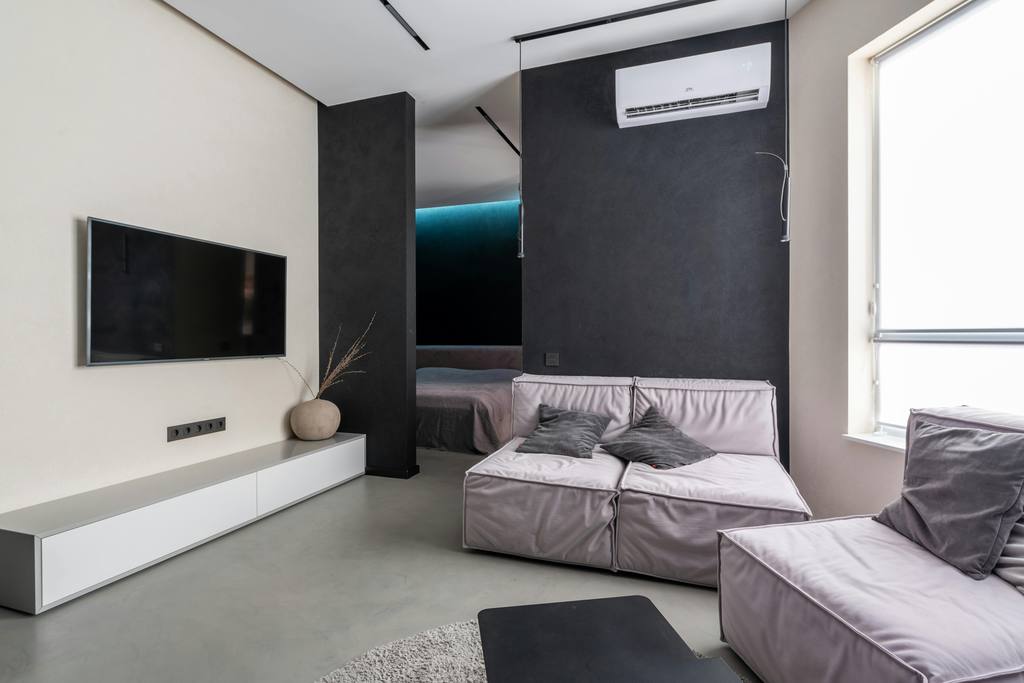
This is often the easiest long rectangular living room layout with TV because the short wall gives the eye a stopping point. It visually shortens the room and makes the seating direction obvious.
Place the sofa or main seating group facing the TV wall, then keep the main walkway along one side instead of through the center. A low, shallow TV stand works better than a bulky media cabinet because it keeps the short wall useful without making the room feel blocked.
Avoid pairing a long sofa with a long rectangular coffee table in the same direction. That combination can exaggerate the bowling-alley effect. A round, oval, or smaller storage table usually helps the seating zone feel more compact.
Layout Dilemma 2: The Fireplace or TV Is on the Long Wall
A long wall focal point can work, but it needs balance. The mistake is placing a sofa directly across from the TV or fireplace and leaving the rest of the room as one long walkway. That arrangement may function, but it often makes the space feel flat and stretched.
Instead, build a square-feeling seating zone. A sofa on one side, two lighter chairs across from it, and a coffee table in the middle can break the length visually. Swivel chairs are useful when the TV and fireplace compete because they allow people to turn without forcing every seat toward one wall.
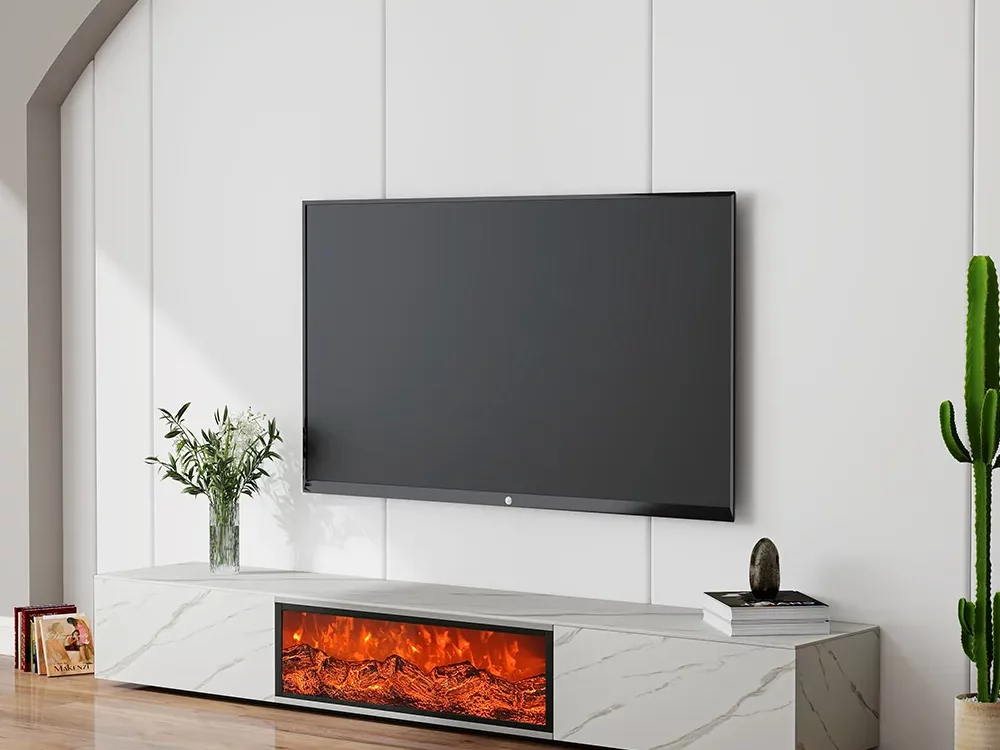
If the fireplace is too high for comfortable TV viewing, do not assume the TV has to go above it. A side media wall, a smaller screen, or a separate TV zone may work better for daily use.
Layout Dilemma 3: The Room Is a Pass-Through Space
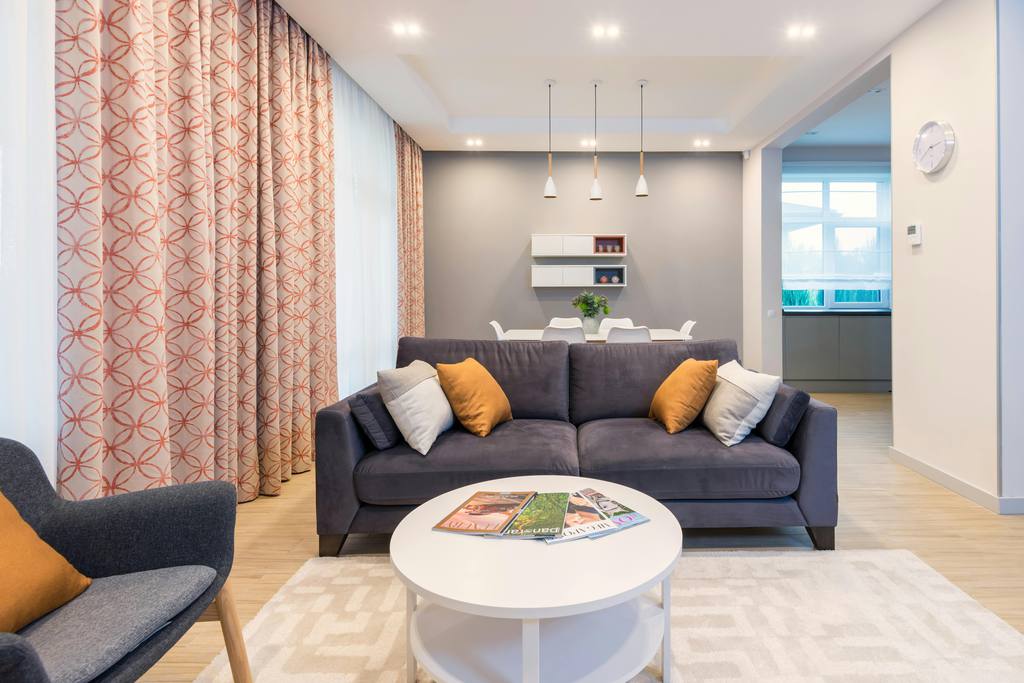
A pass-through long living room layout has one rule: protect the walking path first. If people need to move from the entry to the kitchen, hallway, patio door, or stairs, the seating group should not sit in that path.
In this room type, the walkway usually belongs behind the sofa, along one wall, or outside the rug zone. The coffee table should never become the obstacle everyone has to step around. Smaller side tables, nesting tables, or a soft ottoman can be more useful than a large center table.
For example, in a rental apartment where the front door opens straight into a narrow living room, a slim sofa along the long wall with two small tables may feel calmer than a full sofa, two chairs, and a standard coffee table.
Layout Dilemma 4: One End Needs a Dining, Work, or Reading Zone
A long room is not always a problem. Sometimes the length is the advantage. Instead of forcing one oversized seating area, divide the room into two useful zones.
The main zone can be for TV or conversation. The second zone can hold a reading chair, compact desk, storage cabinet, small game table, or dining setup. The key is to give the second zone a real purpose. A plant corner alone may look nice, but it will not solve the unused-end problem if the room still feels half empty.
Use rugs, lighting, and furniture backs to separate zones softly. A sofa back can mark the end of the TV area. A floor lamp can make a reading nook feel intentional. A console table can create a boundary without blocking light or movement.
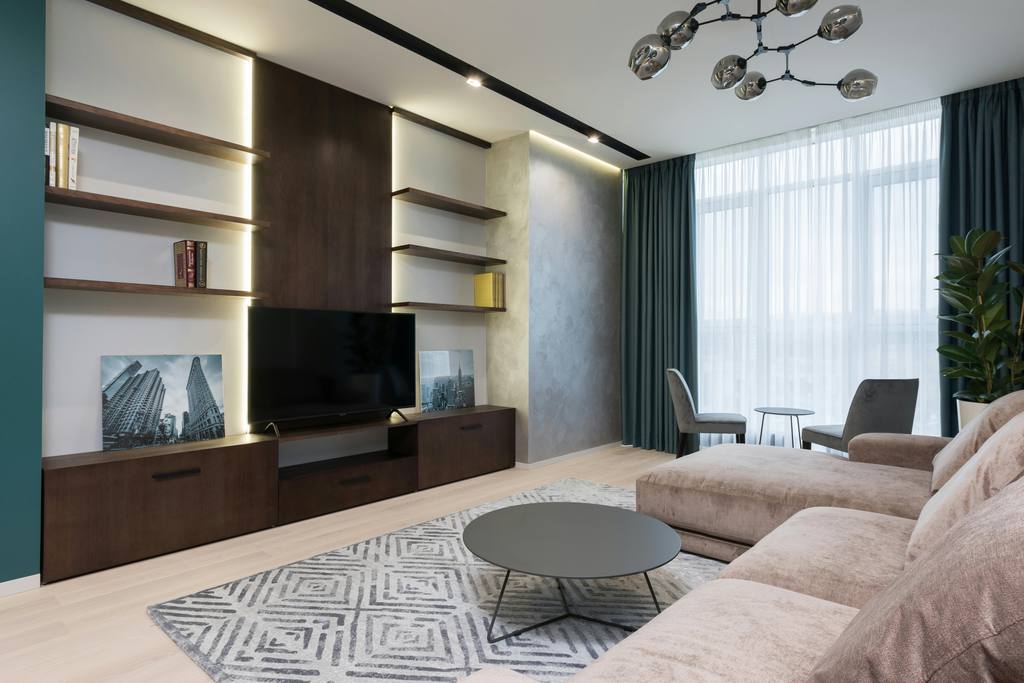
Layout Dilemma 5: The Room Is Very Narrow
In a very narrow apartment room, the right living room layout for long narrow room conditions may be simpler than expected. Do not force a standard living room set into a room that cannot support it.
A loveseat, compact sofa, armless chair, or slim modular setup may work better than a deep sectional. If the room also needs to host guests, measure both daytime and extended modes before choosing a sleeper. A sofa bed that looks compact when closed can still block the walkway when opened.
This is where small living room layout ideas can support the decision, especially if the room is narrow and under pressure to handle TV, storage, guests, and daily movement at once.
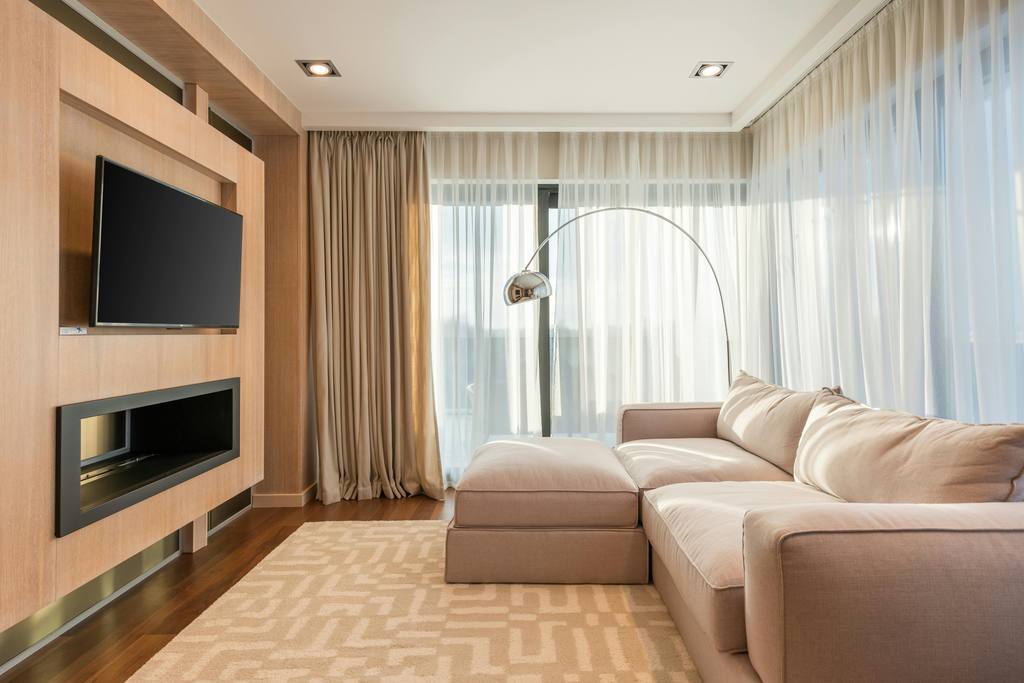
Furniture Arrangement That Work in Your Long Narrow Living Room Layout
Furniture should solve the dilemma, not just fill the wall. In a rectangular long narrow living room layout, the safest pieces are usually slim, flexible, and useful from more than one angle. Before choosing a style, check whether each piece protects the walkway, supports the focal point, and helps the room feel less stretched.
Sofas Should Fit the Path, Not Just the Wall
A sofa can be long enough for comfort without being too deep for the room. In narrow spaces, depth often matters more than width. A deep lounge sofa may look comfortable online, but it can push the coffee table into the walkway.
Use this quick rule: if a sofa forces people to turn sideways to pass, it is too deep for that layout. A straight sofa with two chairs can sometimes work better than a large sectional. A modular sofa is useful when the room may change later, such as when a reading end becomes a guest zone or a dining zone.
For sectionals, choose the chaise direction based on movement, not habit. The chaise should not block the entry, patio door, or path to the kitchen.
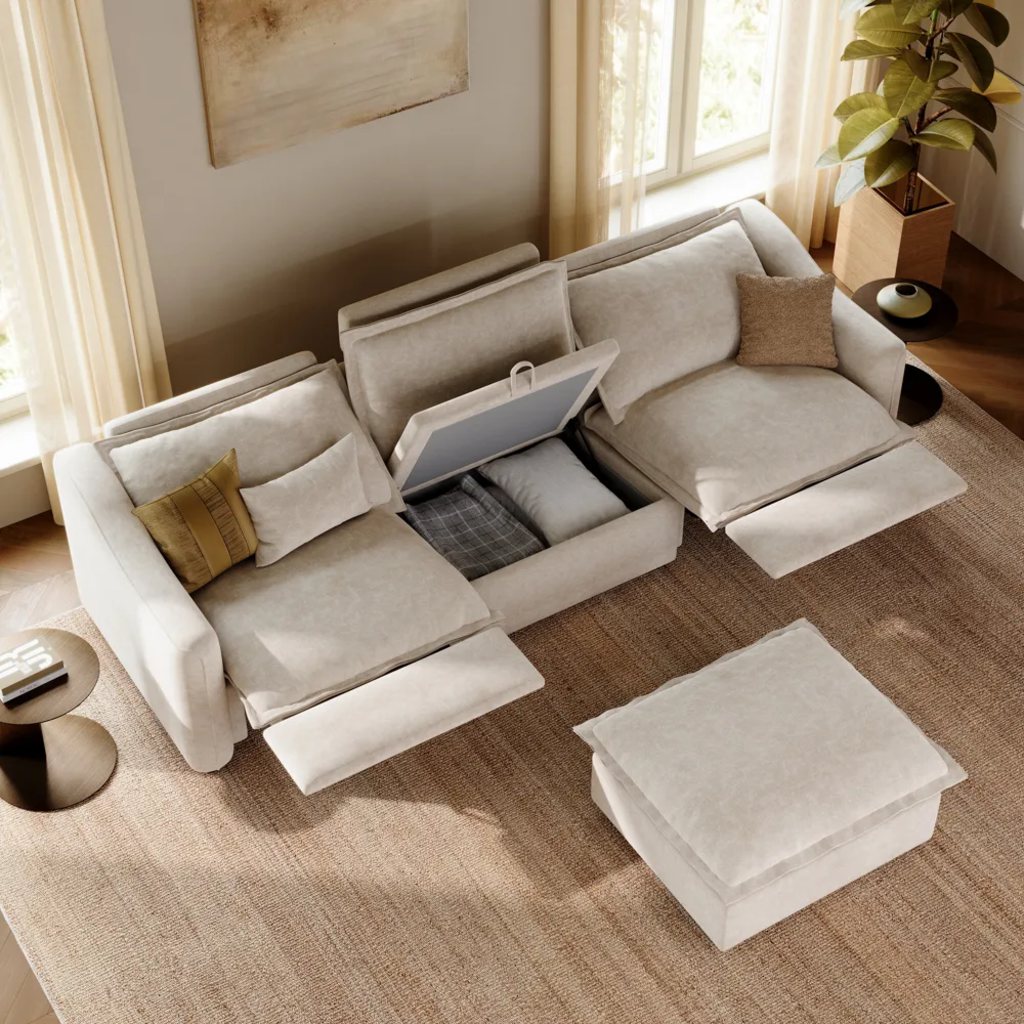
For a TV-focused long narrow room where comfort matters but rear clearance is limited, the Ergopals-Power Reclining Sofa works better along a longer wall than in the main walkway. Its built-in storage helps keep remotes, chargers, and small living room clutter close but out of sight.
Coffee Tables Should Shorten the Room Visually
The coffee table is small compared with the sofa, but it often decides whether the layout feels open or blocked. In a long narrow living room layout, round and oval tables usually create easier movement than sharp rectangular tables.
A rectangular table can still work if it is not too long, not too deep, and not aligned in a way that repeats the room’s hallway shape. Nesting tables are also practical because they can spread out during movie night and tuck away when the walkway needs to stay clear.
If your room doubles as a play area or pet-friendly space, soft ottomans and rounded edges reduce collision points without removing the surface you need for remotes, drinks, or trays.
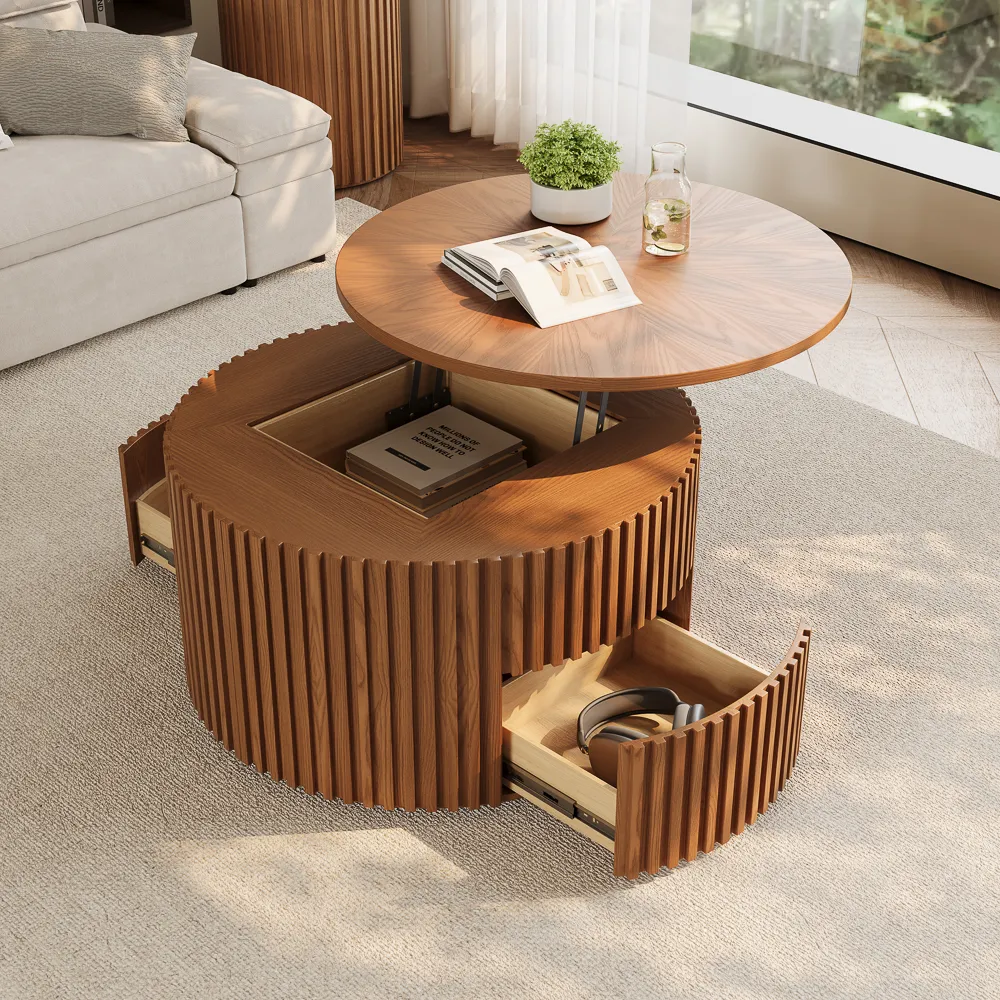
For a narrow room where a rectangular table would crowd the walkway, the Silva Lifting Top Round Coffee Table uses a compact round footprint and lift-top hidden storage, adding function without reinforcing the room’s long, corridor-like shape.
TV Stands Should Reduce Visual Clutter
A long rectangular living room layout with TV can fail when the media wall becomes too heavy. A bulky TV cabinet, exposed cables, open shelves, and extra speakers can make the narrow side of the room feel crowded.
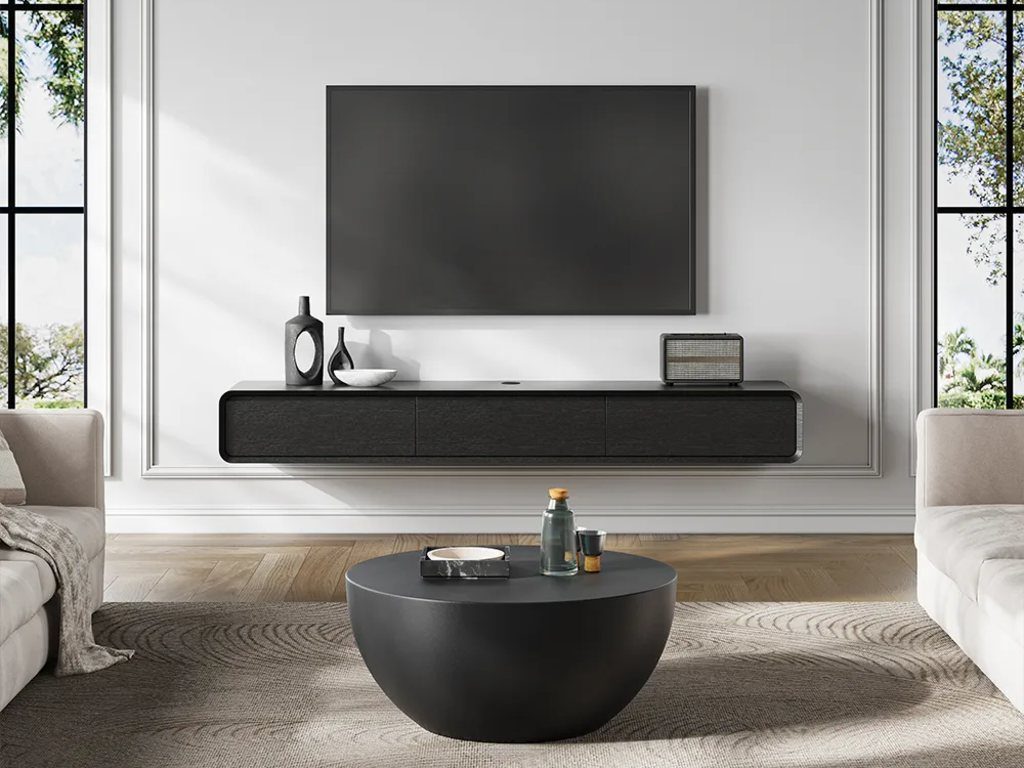
Look for a TV stand or media console with shallow depth, closed storage, and cable management. A floating or legged design can also show more floor, which helps the wall feel lighter. For tighter TV-focused rooms, small living room ideas with TV can help connect screen size, wall choice, storage, and viewing comfort.
For a narrow room where media storage projects too far into the walkway, Merrin Black Floating TV Stand keeps more floor visible, while three closed cabinets contain devices and everyday clutter.
Quick Check Before You Move or Buy Furniture
A good layout should pass a few practical tests before you move heavy furniture or order anything large. This checklist keeps the focus on daily use, not just appearance.
- Focal point: Can you tell where the main seating should face?
- Walking path: Can someone walk through the room without cutting between the sofa and table?
- Sofa depth: Does the sofa leave enough space for a table and movement?
- TV wall: Is the screen comfortable to watch without forcing awkward seating?
- Coffee table: Can people reach it without blocking the only path?
- Second zone: Does the empty end have a real function?
- Storage: Is clutter hidden without adding another bulky piece?
- Guest mode: If using a sofa bed, can it open without moving half the room?
A long living room layout works best when every piece earns its floor space. If the room already feels narrow, fewer larger decisions usually work better than many small fixes.
Conclusion
A rectangular long narrow living room layout works best when you solve the dilemma first: TV placement, pass-through traffic, a long-wall fireplace, an unused end, or limited width. Once the problem is clear, furniture choices become easier. Choose seating that protects the path, tables that do not stretch the room visually, and storage that keeps the TV wall calm. The goal is not to copy every long living room layout idea, but to build one setup that fits how the room is actually used.
Q&A
Is a sofa bed practical in a long narrow living room?
A sofa bed can be practical if the room has enough clearance when it is fully open. Measure the closed sofa, the extended depth, and the walking space around it. In a narrow room, a folding bed and sofa for small spaces works best with movable tables, slim storage, and a layout that does not depend on a fixed coffee table.
What kind of storage is best for a narrow living room?
Closed, shallow storage works best because it hides clutter without adding visual weight. Choose low TV stands, slim consoles, storage ottomans, or side tables with drawers. Avoid deep cabinets that push too far into the walkway, especially near doors, TV walls, or the main seating path.
How do windows affect furniture placement in a long narrow living room?
Windows affect both seating comfort and furniture height. Avoid blocking low windows with tall storage or deep sofas, especially if natural light is the room’s main advantage. If the best wall has windows, use lower furniture, lighter chairs, or a floating seating arrangement instead of forcing a full media wall there.
What rug size works best in a long narrow living room?
Choose a rug that defines the seating area without running the full length of the room. A very long rug can make the room feel even narrower. For most layouts, the front legs of the sofa and chairs should sit on the rug, while the area of rug should leave enough visible floor around the walking path.
What lighting works best for a long narrow living room layout?
Use several smaller light sources instead of relying on one ceiling fixture. A floor lamp near the seating area, a table lamp beside a reading chair, and soft lighting near the TV wall can create separate activity zones. This makes the room feel planned instead of like one long, evenly lit corridor.


[…] what defines it is how people move between those openings. If yours is also long and tight, a rectangular long narrow living room layout requires additional planning around usable width and focal-point […]
[…] Why this rating: Harmony’s 1-out-of-5 firmness rating makes it the softest and most lounge-oriented sofa in the ranking. It is also the only pick built around a separate Queen sleeping surface, making it better suited to regular adult guests than an extended seat platform. Its softness and larger operating footprint are less practical for formal or narrow living rooms. […]