 By Kelvin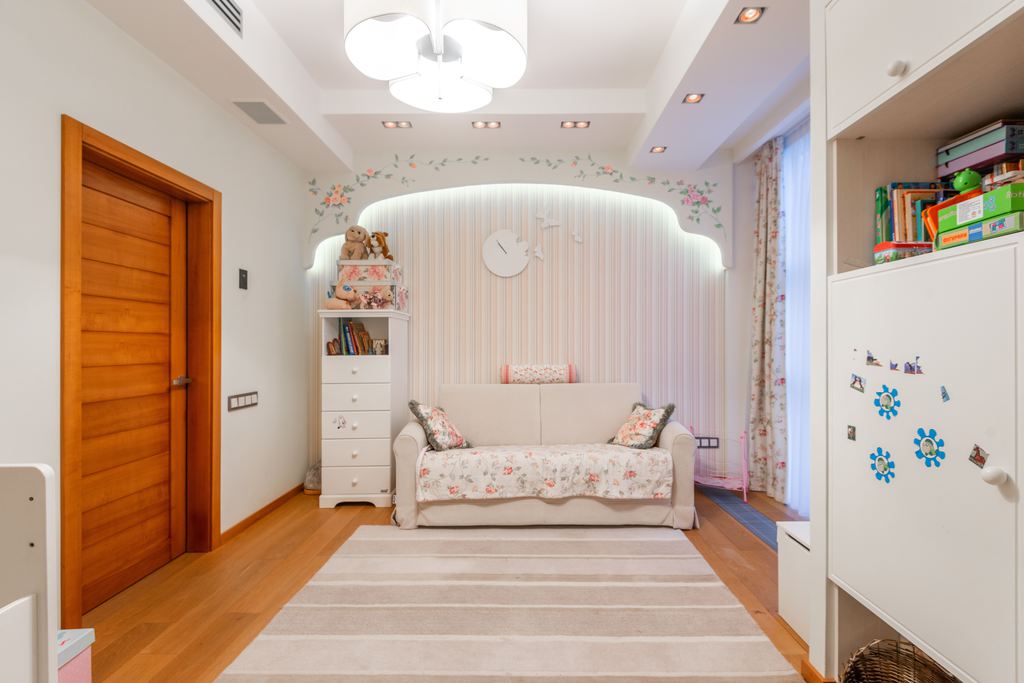
Introduction
Choosing a sofa bed for kids room use means planning for more than one child’s bedtime. The room may need a reading seat today, a sleepover bed on Friday, space for a visiting relative next month, and furniture that still works when the child becomes a teenager. This guide helps you choose by identifying who will use it, how often anyone will sleep there, how much floor space it needs when open, and which mechanism and upholstery care requirements fit family life.
Table of Contents
What Must the Sofa Bed Do in the Kids’ Room?
Start with the room’s jobs rather than a product label. The right sofa bed for kids room layouts depends on whether seating, play space, overnight comfort, or long-term flexibility matters most. One piece may serve several needs, but the most demanding sleeper and the most frequent daytime activity should set the minimum requirements.
Everyday Reading and Lounging
A low foam couch may be enough for reading, building forts, or taking a short supervised rest. It is easy to move and leaves the room visually light, but many models provide a narrow or short surface when unfolded.
A larger sleeper makes more sense when a parent regularly reads beside the child or an older child wants a real seat for gaming and homework breaks. Check seat height and depth as well as softness.
Sleepovers and Visiting Family
Count actual sleepers before choosing a size. One elementary-age friend may fit on a Twin-size surface, while two children need enough usable width to turn without crowding. An adult relative needs full body length, stable support, and a surface that is easy to get on and off.
A sofa bed for kids room and sleepovers should also leave a route to the door after the lights are off. The furniture fitting between two walls is not enough if the open bed blocks the closet or traps the sleeper behind a desk.
Use Through the Teen Years
Children can outgrow a short toddler couch long before the upholstery wears out. For a longer-term purchase, compare the open sleep length with future needs and choose a design that can move from a child’s bedroom to a teen room, playroom, or guest space.
| Primary use | Likely sleeper | Better starting format | Most important check |
| Reading and floor play | Toddler or young child | Low foam flip-out couch | Age guidance and washable or removable cover |
| One sleepover guest | School-age child | Twin sleeper chair | Actual open length and route to the door |
| Two children sharing | Older children | Full-width sleep surface | Usable width and total weight capacity |
| Parent or adult visitor | Adult | Adult-size sleeper sofa | Sleep length, support, and bed height |
| Use into the teen years | Older child or teen | Neutral adult-size sofa bed | Footprint, durability, and sitting comfort |
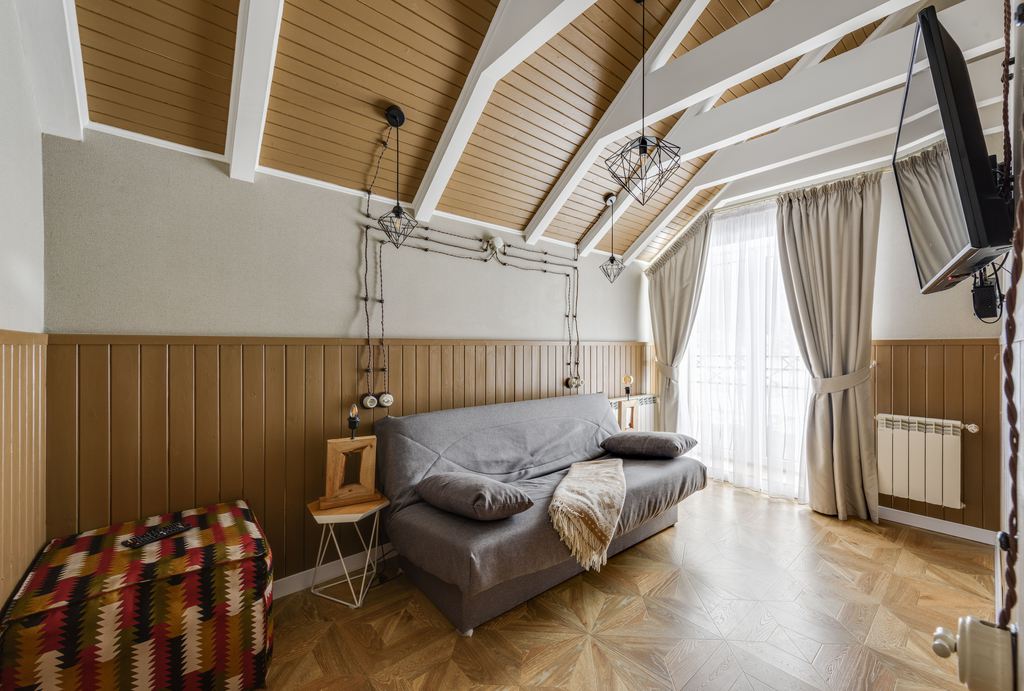
How Much Space Does It Need Open and Closed?
A sofa can fit the wall and still fail the room when converted. Measure the closed width and depth, then record the farthest point reached by the open bed or moving seat. Labels such as “compact,” “Twin,” or “two-seater” do not guarantee a particular operating footprint.
Compare open sofa bed dimensions and room clearance, then test the specific room with painter’s tape:
- Mark the closed footprint. Include the arms, not only the cushions.
- Mark the fully open footprint. Use the maximum extension.
- Operate the room around it. Open the bedroom door, closet, drawers, storage bins, and desk chair.
- Walk the nighttime route. Keep one usable path to the door without stepping over bedding or cords.
A frequent conflict appears when a compact sleeper opens toward a desk. The bed fits, but the chair must move into the hallway every time a friend stays over. That repeated reset matters more than saving a few inches when the sofa is closed.
Which Sofa Bed Type Fits Each User?
The phrase kid friendly sofa bed vs toddler couch describes two different purchases. A toddler couch is usually play-first and low to the floor; a sleeper sofa is furniture-first and may serve children, teenagers, and adults. Compare the conversion method and real sleeping surface rather than assuming every fold-out product handles the same job.
Foam Flip-Out Couch
This is usually the simplest option for a young child’s reading corner or short rest. Its low height is easy to access, and many models are light enough to reposition. Confirm the stated age range, open dimensions, foam care instructions, and whether the cover is machine washable rather than merely removable.
Twin Sleeper Chair or Compact Sofa Bed
A single sleeper works when one friend stays overnight and the room cannot support a wide sofa. Check usable length because arms, pillows, or a raised head section can reduce the space shown in the overall dimensions. Leave enough side clearance for the child to get up without climbing over furniture.
Daybed or Trundle
A daybed is bed-first furniture: its mattress stays ready and the room needs no conversion routine. A trundle adds a second separate sleep surface, which may work better for frequent sleepovers between friends who do not want to share.
Families comparing a daybed vs sleeper sofa for frequent overnight use should decide whether the room needs a ready bed or a true sofa most days.
Adult-Size or Power Sofa Bed
An adult-size sleeper can support older children, teens, parents, and visiting relatives, so it often has a longer useful life. It also needs more wall width, open floor depth, delivery access, and mechanism planning. Power designs reduce manual lifting, but younger users should not operate moving furniture without an adult checking the area first.
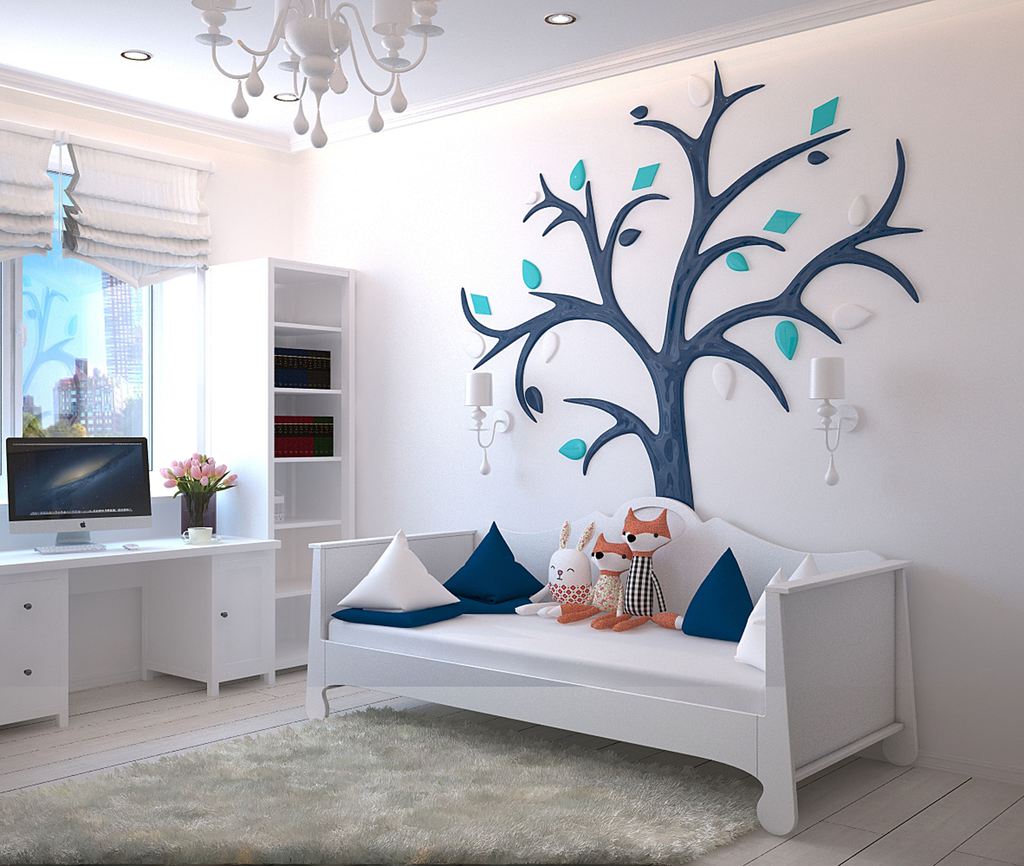
How Do You Check Safety, Comfort, and Care?
A kid friendly sleeper sofa is not defined by one fabric claim or rounded silhouette. Suitability depends on the intended age, how the furniture moves, whether the open surface supports the planned sleeper, and how the household will manage spills and bedding. Use the product instructions as the final authority for operation and care.
Mechanism and Operation
Before extending or closing the sofa, clear hands, feet, toys, blankets, and pets from the moving area. Place controls and power cords away from the walking route. If a mechanism is heavy, powered, or contains moving gaps, an adult should manage it for younger children.
Do not assume a partly open or unevenly adjusted position is supported unless the manufacturer says the mechanism can stop there.
Sleep Surface
Look at the usable surface, not only the external sofa size. It should be long enough, reasonably level, and free from an edge or hard seam directly under the shoulders or hips. Occasional guests may accept a firmer temporary setup; frequent overnight use calls for more consistent support and easier conversion.
The criteria used to compare the most comfortable sofa bed for overnight guests—surface evenness, conversion effort, bed height, and open footprint—also apply to a children’s room.
Fabric and Cleaning
Read each upholstery term literally:
- Removable does not always mean machine washable.
- Water-resistant gives more time to blot; it does not mean waterproof.
- Spot clean means the main upholstery normally stays on the frame.
- Highly textured fabric may hide small marks but can hold crumbs.
A pale sofa can still work when the care routine is realistic. Keep an approved cleaner nearby and follow the label for that exact fabric and color.
When Does an Adult-Size Power Sofa Bed Make Sense?
Choose an adult-size option when the room belongs to an older child or teen, a parent sometimes stays overnight, or visiting adults need a usable sleep surface. It can also make sense when the furniture may later move into a den or guest room. The room needs enough width and forward clearance, plus practical power access.
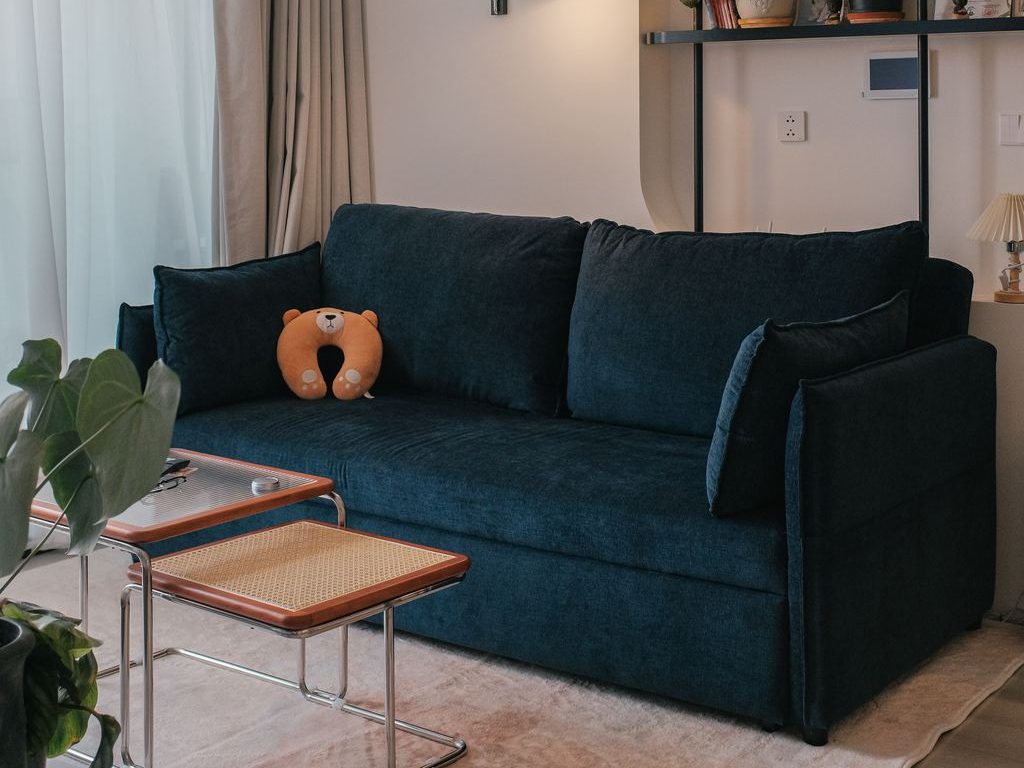
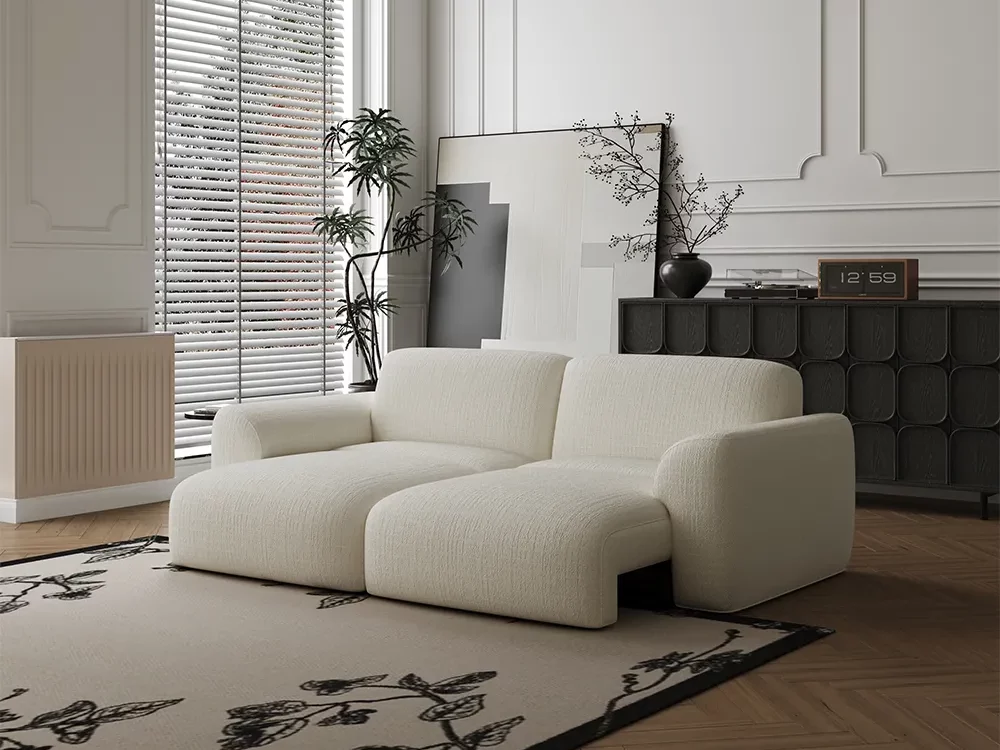
For a larger room used by older children, teens, and occasional adult guests, the Aurora Power Sofa Bed provides daily seating without keeping a separate guest bed open. Its 83-inch frame has powered seat depth adjustable from 27 to 45.5 inches, and the white polyester chenille is water- and scratch-resistant. Adults should manage the powered movement for younger users.
Aurora is an adult-scale product, not a toddler couch or a children’s primary bed. Its role here is flexibility: sofa seating for daily use, deeper extension for lounging, and occasional guest use without permanently turning the room into a bedroom.
When Is Another Sleepover Bed a Better Choice?
Choose a low foam couch when the room only needs a child-level reading seat. Consider a daybed or trundle when someone sleeps there frequently and a ready mattress matters more than sofa-like seating. A stored folding bed may be enough for one or two sleepovers a year.
Reject any sleeper if its open footprint blocks the bedroom door, closet, or nighttime route. The best format leaves the room usable in both its normal and overnight states.
Conclusion
The right sofa bed for kids room use begins with the people and routines the room must support. A toddler couch can serve play and short rests, while a Twin, daybed, trundle, or adult-size sleeper may better handle sleepovers and guests. Compare the actual sleeping surface, fully open footprint, conversion process, and fabric care before focusing on style. When the room must grow into the teen years, choose a format that remains useful without blocking daily movement or creating a difficult nighttime reset.
Q&A
Do Regular Bed Sheets Fit a Sofa Bed?
Sometimes, but choose sheets using the open sleeping surface rather than the Twin, Full, or Queen label alone. Measure its width, length, and thickness before buying fitted sheets because sofa beds may differ from standard mattresses. A flat sheet offers more flexibility when the dimensions are slightly unusual.
Can You Add a Topper to a Sofa Bed?
Use a topper only if it lies flat, stays within the sleeping surface, and can be removed before the mechanism closes. Check the manufacturer’s instructions first. An overly thick topper may bunch near a hinge, obstruct powered movement, slide during use, or create an unsupported edge around the sleeper.
Where Should Sleepover Bedding Be Stored?
Keep one complete set on a closet shelf, inside a lidded storage bench, or in a nearby cabinet. Store it outside the sofa’s moving structure and extension path. Packing the sheet, blanket, and pillowcase together makes setup faster and prevents loose bedding from becoming mixed with toys.
Can a Sofa Bed Sit on an Area Rug?
Yes, provided the rug lies flat and does not obstruct the sofa’s legs, wheels, or moving mechanism. Test the sofa in its fully open position and check that no edge bunches underneath it. A secured low-pile rug is usually easier to manage than a thick or loosely placed rug.
Should You Use a Mattress Protector for Sleepovers?
A thin, washable protector can help shield the sleeping surface from spills, sweat, and crumbs during sleepovers. Choose one that fits without folding into hinges or moving parts. Remove it before closing the sofa unless the manufacturer specifically states that protectors or other bedding may remain in place.


[…] families considering adult-sized seating, choosing a sofa bed for a kids’ room also involves checking upholstery care, operating mechanisms, and who will use the sleeping […]