 By Kelvin
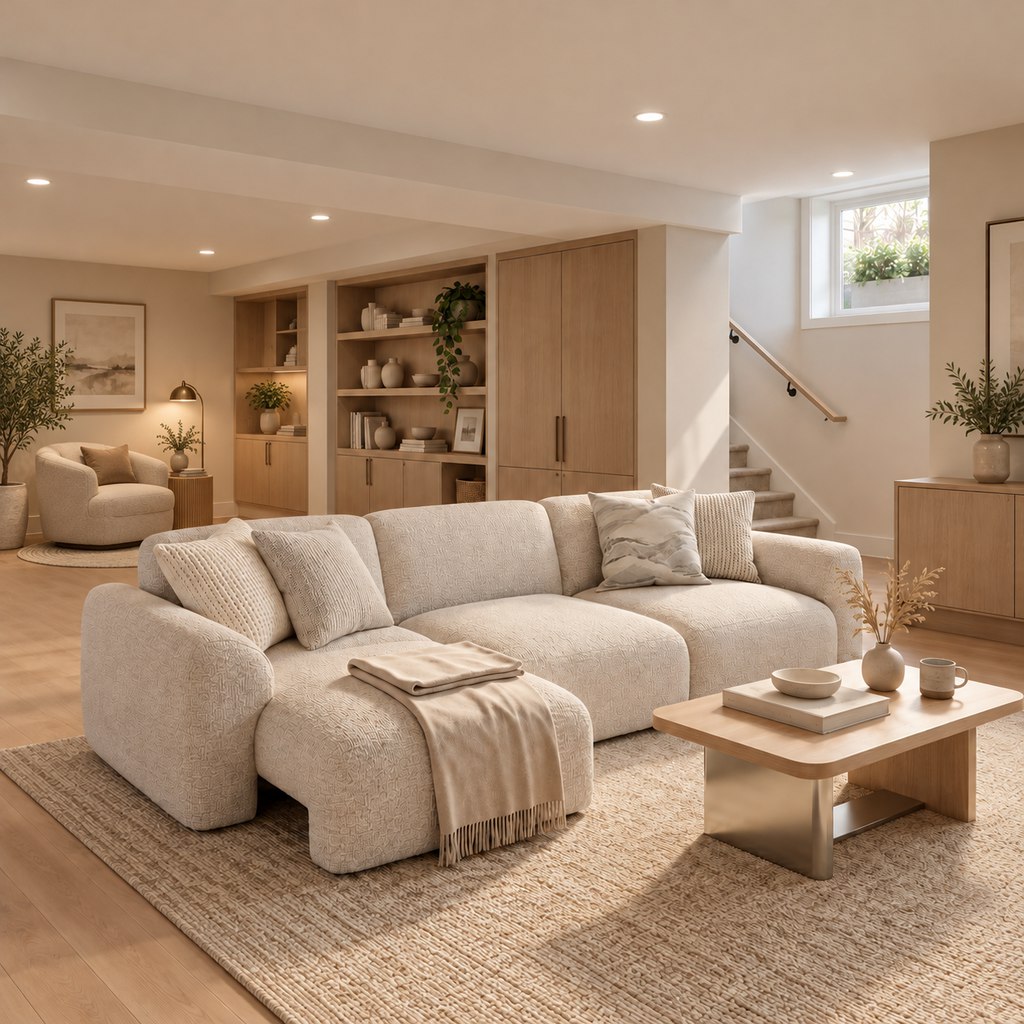
A basement can make a comfortable guest room while still leaving space for the things your family does every day. The key is choosing a layout that welcomes overnight visitors without turning the entire downstairs into a bedroom. Whether you have a separate room, a low-ceiling nook, or a family lounge that occasionally doubles as a sleeping area, your setup should account for lighting, privacy, furniture size, and how often guests stay. These six basement guest room ideas show how to make the space work for both guests and everyday family life.
Table of Contents
6 Basement Guest Room Ideas for Different Spaces
The most useful layout depends on what the basement needs to do when nobody is visiting. Start with the room’s shape, daylight, and available floor area, then choose a setup that supports both sleeping and everyday use. These six approaches cover separate guest rooms, compact spaces, and shared family areas without treating every basement as a full bedroom remodel.
1. Create a Private Guest Bedroom with a Small Sitting Area
If your basement has enough space for a dedicated bedroom, keep the sleeping area simple and comfortable. Position the bed against an uninterrupted wall, add compact nightstands, and use warm bedside lighting to create a sense of separation from the rest of the basement.
A small accent chair or bench can provide a place to sit without taking up the space needed for luggage. Choose bedding in warm neutrals, then add texture through a quilt, curtains, or a soft rug. The goal is to make the room feel like a guest bedroom rather than a finished storage area.
2. Turn a Basement Lounge into a Guest-Ready Retreat
When the basement serves as a family lounge most days, a convertible seating arrangement can accommodate overnight visitors without reserving an entire room for a permanent bed. Keep the main seating along a wall, leave the center relatively open, and use a small side table that can be moved easily.
These basement living area ideas work particularly well for families who use the space for movie nights, games, or casual gatherings. The same planning principles used in living room and guest room layouts apply here, with extra attention to ceiling height, daylight, and the route between the sleeping area and stairs.
When the basement doubles as a family lounge, a power sleeper sofa can keep the room guest-ready without reserving space for a permanent bed. The Aurora Power Sofa Bed switches between lounge, recline, and sleep modes with one-touch adjustment, and its seat depth extends from 27 to 45.5 inches. Water- and scratch-resistant chenille is designed for everyday use, but the full extended footprint still needs to fit clear of walkways.
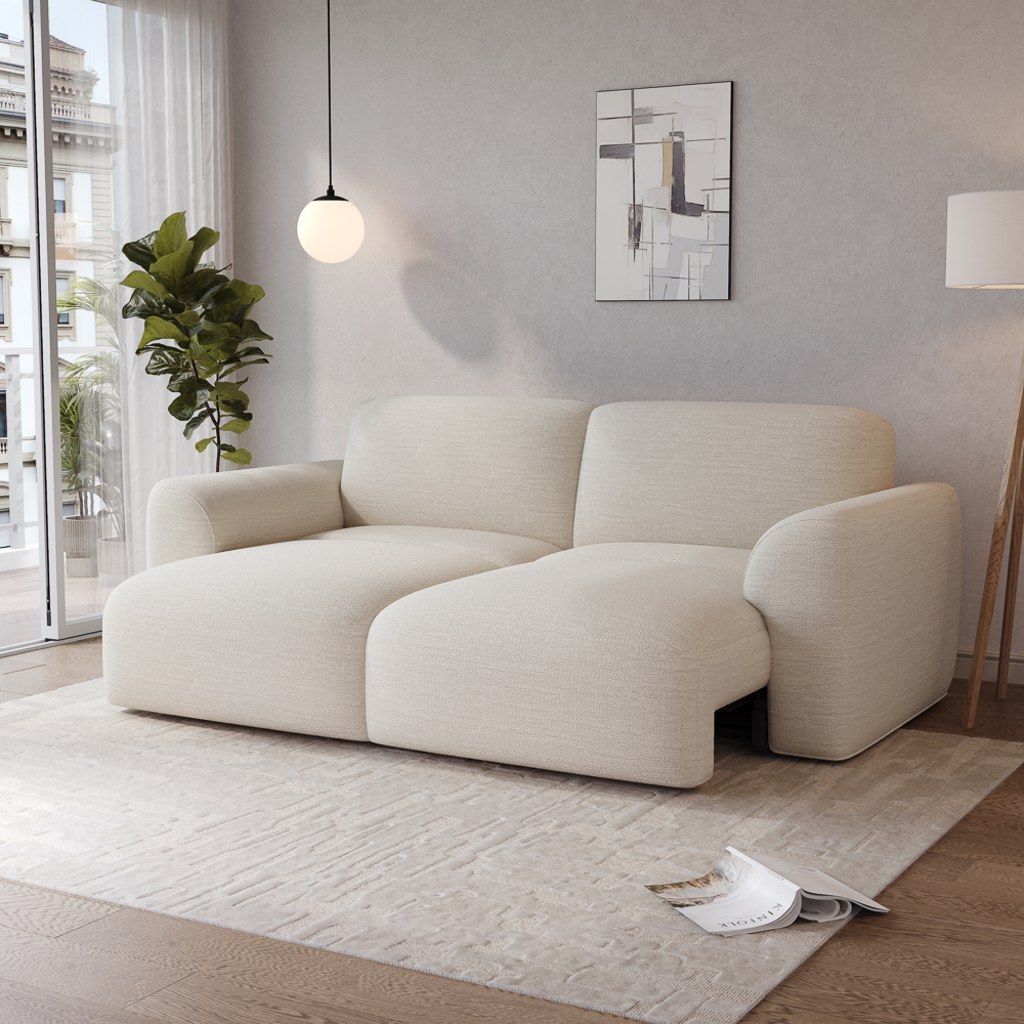
Aurora Power Sofa Bed
Keeps a family lounge guest-ready without dedicating floor space to a separate bed.
👍 Best for: Family lounges with occasional guests
✨ One-touch mode changes
✨ 27–45.5-inch adjustable seat depth
✨ Water- and scratch-resistant chenille
3. Design a Compact Guest Room Around the Right Bed
A small basement bedroom needs fewer, better-sized furniture pieces rather than miniature versions of every bedroom essential. A queen bed may dominate a compact room, while a full bed or daybed could leave more space for a nightstand, luggage, and a clear walking route.
Measure the actual room before choosing a mattress size. Account for the bed frame, drawers that need to open, door swings, and the space required to get in and out of bed. Wall-mounted shelves can replace bulky nightstands, while a narrow dresser can provide storage without filling an entire wall.
Avoid placing furniture in every available corner. An open strip of floor can make a small guest room easier to navigate and more comfortable to use.
4. Use Warm Materials to Soften a Low-Ceiling Basement
Low ceilings can make a guest room feel compressed, especially when large furniture and dark finishes dominate the space. Choose a low-profile bed, streamlined nightstands, and a limited palette of warm neutrals to keep the room visually calm.
Wood accents, woven textures, soft bedding, and a properly sized rug can make the room feel more inviting without adding clutter. Keep tall storage against a wall where it will not interrupt the main sightlines, and avoid oversized pendant lights that hang too low.
The practical priority is to preserve usable headroom and comfortable movement. Decorative features should support those needs rather than compete with them.
5. Make a Dim Basement Guest Room Feel Brighter
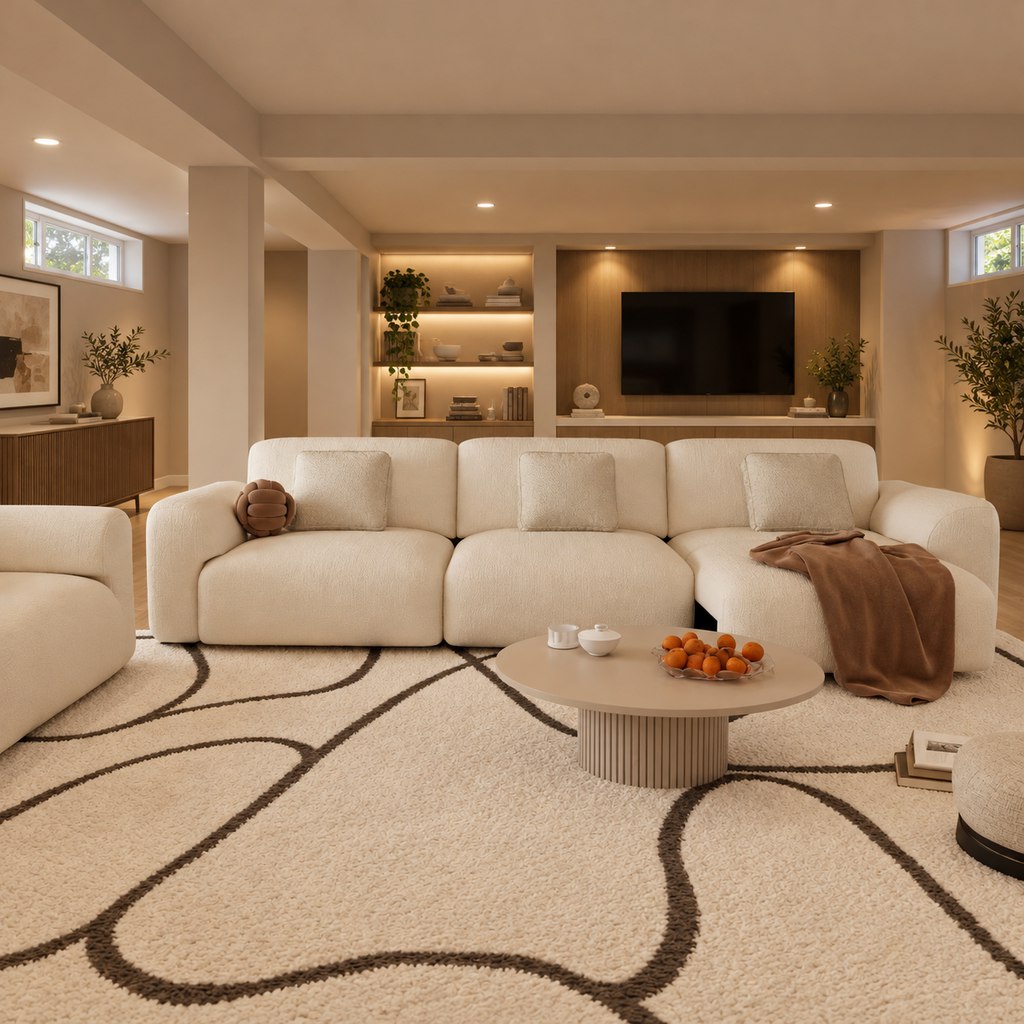
A basement with small windows or limited natural light benefits from layered lighting rather than a single bright ceiling fixture. Combine general lighting with bedside lamps and a floor lamp or wall light near a seating area. This gives guests enough light for reading and moving around without making the room feel harsh at night.
Use lighter bedding, curtains, and larger furniture surfaces to balance darker floors or walls. A mirror can help distribute light when it reflects a window or lamp, but it will not replace adequate lighting in a windowless area.
The same principles used to brighten a dark room can make a basement feel more open without requiring a complete renovation. Keep window areas unobstructed, and choose window treatments that provide privacy without unnecessarily blocking daylight.
6. Add Thoughtful Guest Details for a Longer Stay
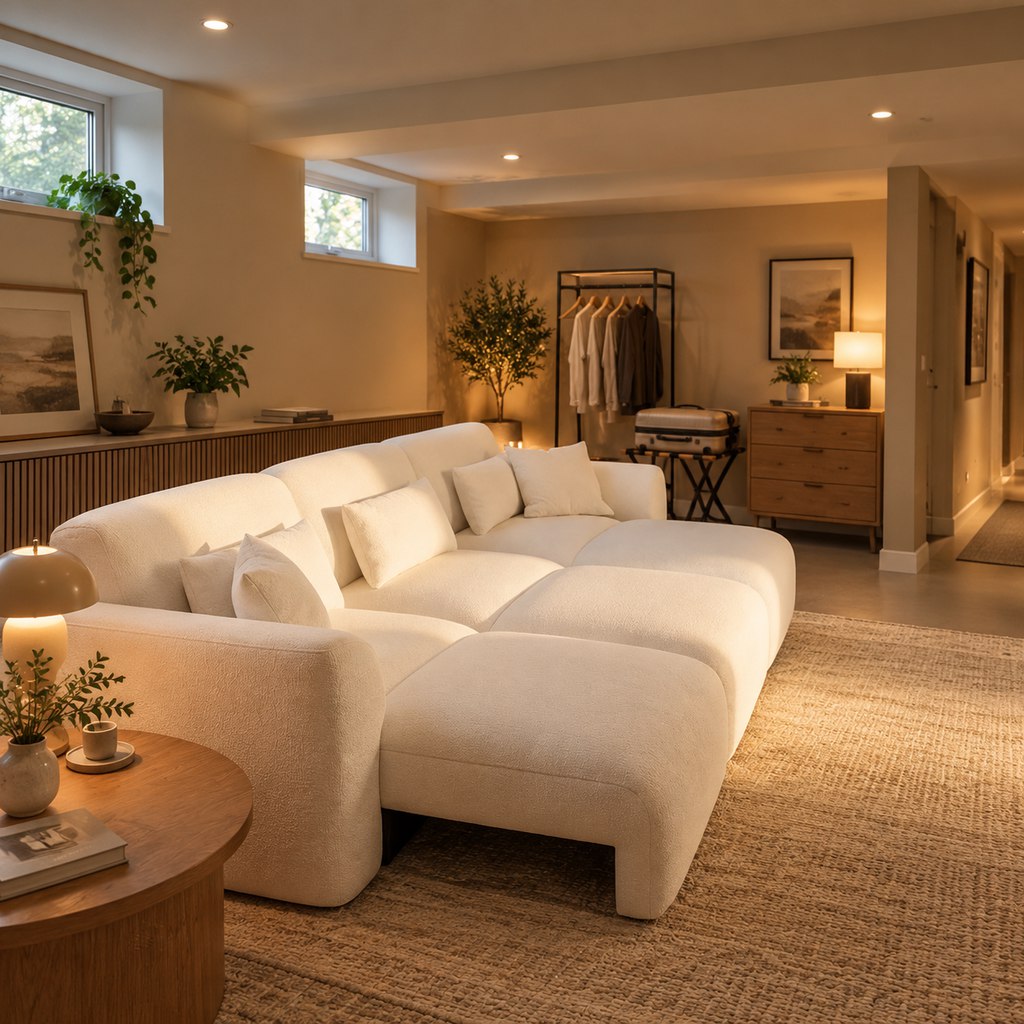
When guests stay for several nights, comfort depends on more than the bed. They need somewhere to put clothes, store a suitcase, charge a phone, and keep personal belongings within reach.
Provide a luggage stand or a clear spot for a suitcase, a few hangers, accessible outlets, and a bedside light. If there is no closet, a compact garment rack or drawer unit can make the room feel more usable. Keep frequently needed items easy to reach rather than placing everything in storage bins.
Consider the nighttime route to the stairs and bathroom, too. A motion-sensing night-light or low-level hallway lighting can help guests move around without turning on bright overhead lights.
How Can You Make a Basement Guest Room Feel Comfortable?
A welcoming guest room in the basement depends on the conditions beneath the decor. Before choosing fabrics and accessories, check whether the room stays dry, maintains a comfortable temperature, and has adequate ventilation. Persistent dampness, leaks, or musty odors should be addressed before adding upholstered furniture, rugs, or stored bedding.
Then focus on the details guests notice during everyday use:
- Lighting: Provide separate ambient and bedside lighting so guests can move around and read comfortably.
- Warmth: Use layered bedding and soft furnishings, but make sure the room’s heating and ventilation are adequate.
- Privacy: Position the sleeping area away from the television or the busiest part of the family lounge.
- Storage: Leave clear space for luggage and clothing instead of filling every corner with decorative furniture.
- Accessibility: Keep the route to the stairs and any bathroom clear, with lighting available after dark.
These practical choices help the basement feel like an intentional guest space rather than an area temporarily repurposed for sleeping.
Which Sleeping Setup Works Best for Your Basement?
The right sleeping arrangement depends on how frequently guests stay and how the basement functions during the rest of the year. A dedicated bed makes sense when overnight stays are frequent, while convertible furniture can be more useful when the room primarily serves another purpose.
| Sleeping setup | Best for | Main trade-off |
| Dedicated bed | Frequent or extended guest stays | Permanently occupies floor space |
| Power sofa bed | Family lounges with occasional overnight guests | Requires room for the extended seating or sleeping position |
| Murphy bed or daybed | Compact spaces that need flexible furniture arrangements | Requires careful planning for deployment, storage, or everyday appearance |
For a larger basement with a separate lounging zone, the Mila Power Sofa Bed offers a deep seat that adjusts from 32 to 59 inches and a backrest that reclines from 105° to 180°. Its water-resistant tweed chenille adds texture for everyday use. Because it is a substantial piece, check its extended footprint and the stair route before assigning it to a corner.
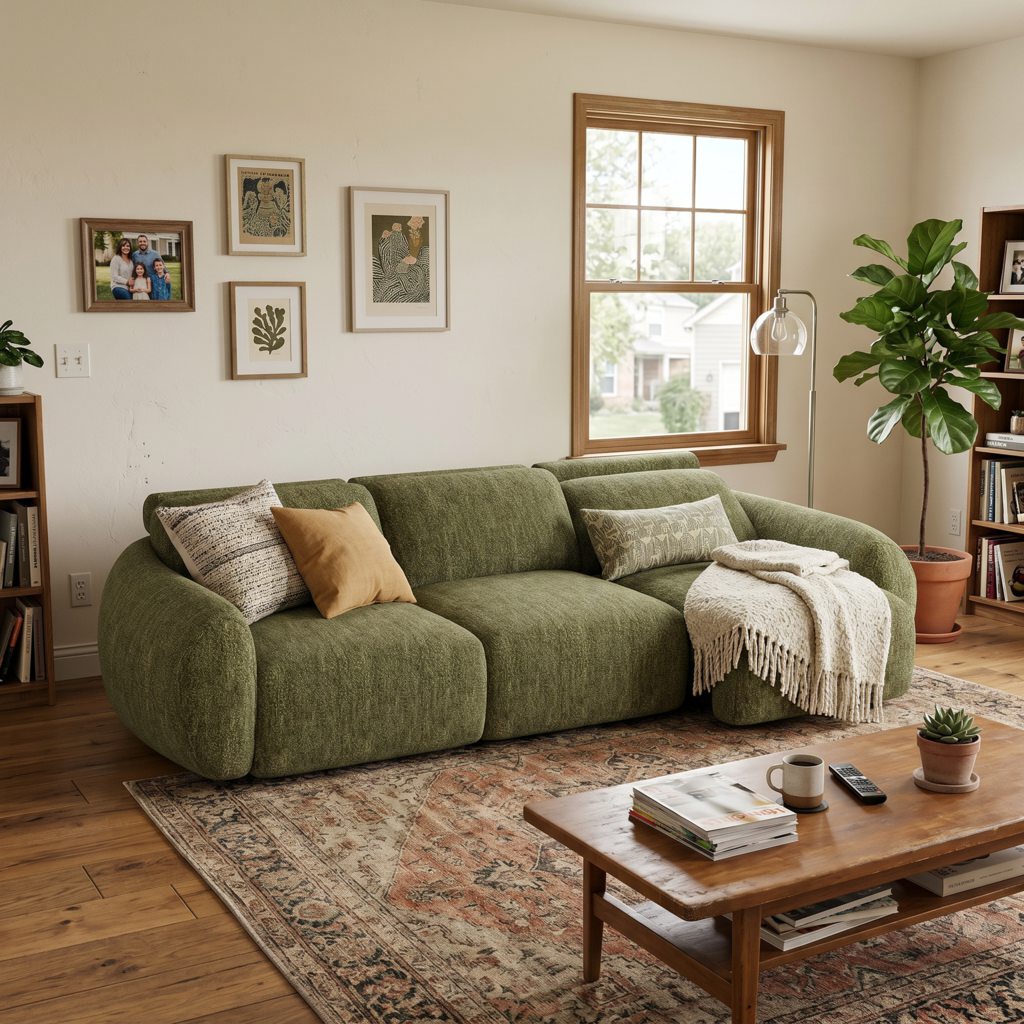
Mila Power Sofa Bed
A deep adjustable seat turns a spacious lounge zone into guest-ready sleeping space.
👍 Best for: Spacious basements with guest zones
✨ 105°–180° adjustable backrest
✨ Water-resistant tweed chenille
✨ Near-king extended surface
For households weighing different powered seating configurations, power sofa beds for more ways to live can help clarify how everyday seating and occasional sleeping can share the same space.
What Should You Check Before Furnishing a Basement Guest Room?
Before buying large furniture, check the room as it will function with guests staying overnight. A layout that looks spacious with the sofa closed or the bed unmade may become difficult to navigate once everything is in use.
Use this checklist before finalizing your arrangement:
- Measure the complete footprint: Include the bed frame or sofa in its fully extended position, not just its everyday dimensions.
- Check the delivery route: Measure stair widths, doorways, landings, and tight turns against the furniture’s packaged dimensions.
- Protect walking routes: Make sure furniture does not block doors, stairs, bathroom access, or required exits.
- Review the room conditions: Resolve leaks and persistent moisture, and confirm adequate temperature control and ventilation.
- Confirm sleeping-room safety: Check applicable local requirements for emergency escape openings and other safety provisions before using the basement as a bedroom.
- Test the everyday layout: Confirm that the room remains useful when the sleeping arrangement is not in use.
These checks are especially important when a convertible sofa or other large piece needs to serve more than one function. Measure first, then use painter’s tape to mark the proposed furniture footprint on the floor before committing to a layout.
Conclusion
The most successful basement guest room ideas balance overnight comfort with the way the household actually uses the space. A dedicated bedroom can provide privacy for frequent visitors, while a convertible seating arrangement may make more sense in a basement used for family relaxation every day. Start with the room’s dimensions, lighting, and environmental conditions, then choose furniture that fits both the guest setup and the everyday layout. A few well-planned choices can make the basement more welcoming without filling it with furniture that sits unused.
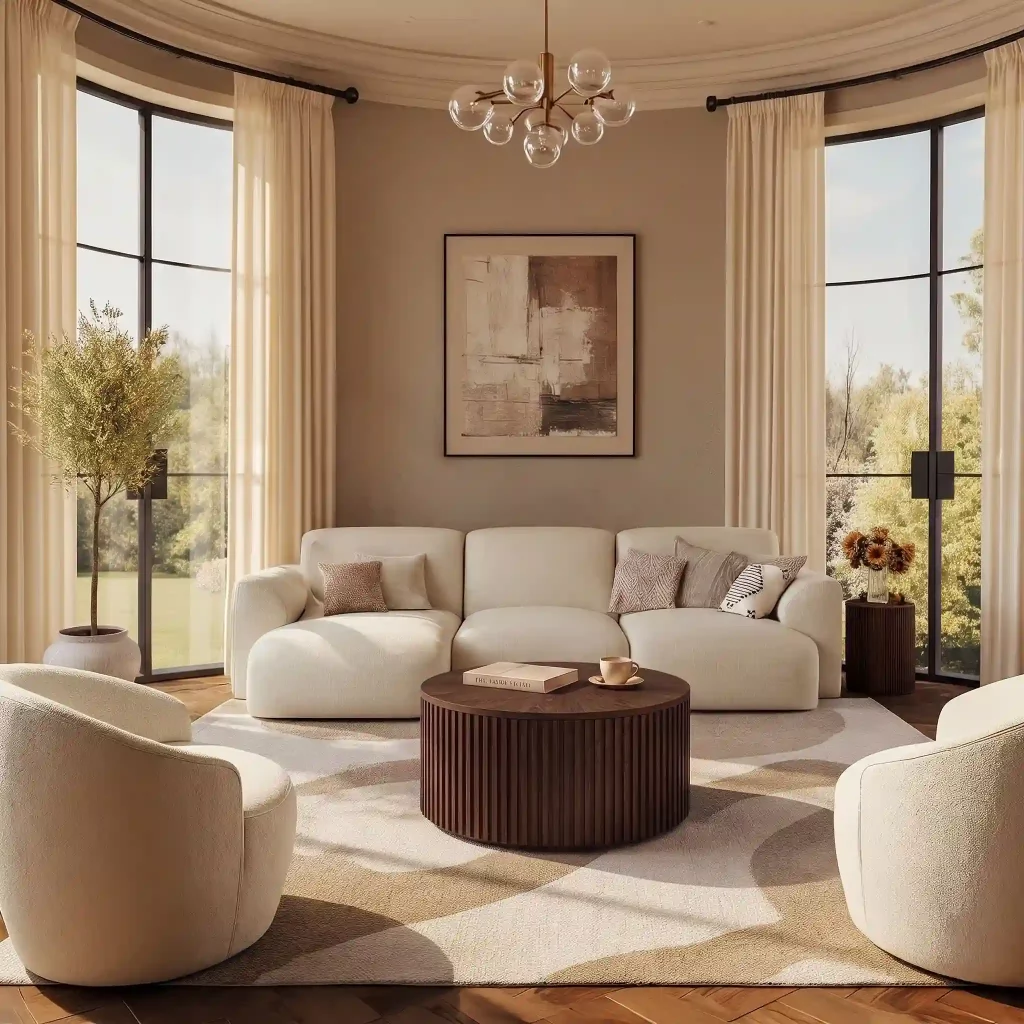
Find the Right Power Sofa Bed
Explore flexible seating for basement guest rooms, family lounges, and everyday living.
FAQs
What Can You Use Instead of a Closet in a Basement Guest Room?
A compact garment rack, wall hooks, a narrow drawer unit, or a luggage stand can replace a full closet. For a weekend stay, hanging space and a place for a suitcase may be enough. For longer visits, add drawers or shelves so guests can unpack without keeping everything on the floor.
How Do You Create Privacy in an Open Basement Guest Area?
Use a folding screen, ceiling-mounted curtain where installation is permitted, or furniture placement to separate the sleeping area from the main lounge. Choose a divider that does not block essential exits or ventilation. A separate bedside light also helps guests use the area without illuminating the entire basement.
How Should You Store Guest Bedding in a Basement?
Store clean bedding in a dry, enclosed cabinet or a lidded container in a climate-controlled area. Wash and dry everything completely before putting it away, and avoid storing linens near exterior walls or known damp spots. If the basement has persistent humidity, resolve the moisture problem before using it for textile storage.
Can a Power Sofa Bed Sit Against a Basement Wall?
That depends on the sofa’s mechanism and manufacturer requirements. Some models are designed for close-to-wall placement, but their seats still extend into the room. Check the specific product instructions and measure the full operating footprint before positioning the sofa near a wall, doorway, or fixed cabinet.
What Should You Measure Before Moving Furniture Downstairs?
Measure the narrowest doorway, stair width, landing depth, ceiling clearance, and any tight turns along the delivery route. Compare these measurements with the packaged dimensions, not just the assembled furniture size. For heavy or bulky pieces, confirm delivery and handling options before ordering.


[…] than a large fixed frame. Then match the sofa to the room’s main job—lounging, gaming, guest sleeping, or mixed family use—and make sure the materials suit a dry, humidity-controlled […]