 By Stephanie

Your new couch may look just as comfortable as the showroom model, yet feel surprisingly firm when you sit down. The good news is that some new cushions gradually soften with regular use, although the amount of change depends on their materials and construction. Learning how to break in a couch means knowing what to do safely, how long to wait, and which changes are normal. Before trying to force your cushions to soften, follow these practical steps to help your couch settle naturally without compromising its support.
Table of Contents
How Long Does It Take to Break In a Couch?
Most new couches that soften with use show some change over days or weeks, but there is no universal break-in period. Foam density, cushion construction, upholstery, and how frequently you sit on the couch all affect the process. Some supportive cushions may remain relatively firm even after months of use.
A practical way to track progress is to check your couch at several points:
- On delivery: Inspect the cushions for visible damage or unevenness. If they arrived compressed, allow them to expand according to the manufacturer’s instructions before evaluating their firmness. Then check how each seat feels and recovers.
- During the first week: Use the couch for ordinary activities, such as reading or watching TV. Notice whether the cushions begin to feel less resistant.
- Over the following weeks: Compare the same seating positions under similar conditions. Look for gradual, even changes rather than dramatic softening.
- Before your return deadline: Decide whether the couch is becoming comfortable enough for everyday use.
Break-in time depends on the couch’s construction and regular use, not just the number of days since delivery. Firm, resilient foam may retain its supportive feel, while feather-filled cushions can develop a more relaxed surface sooner.
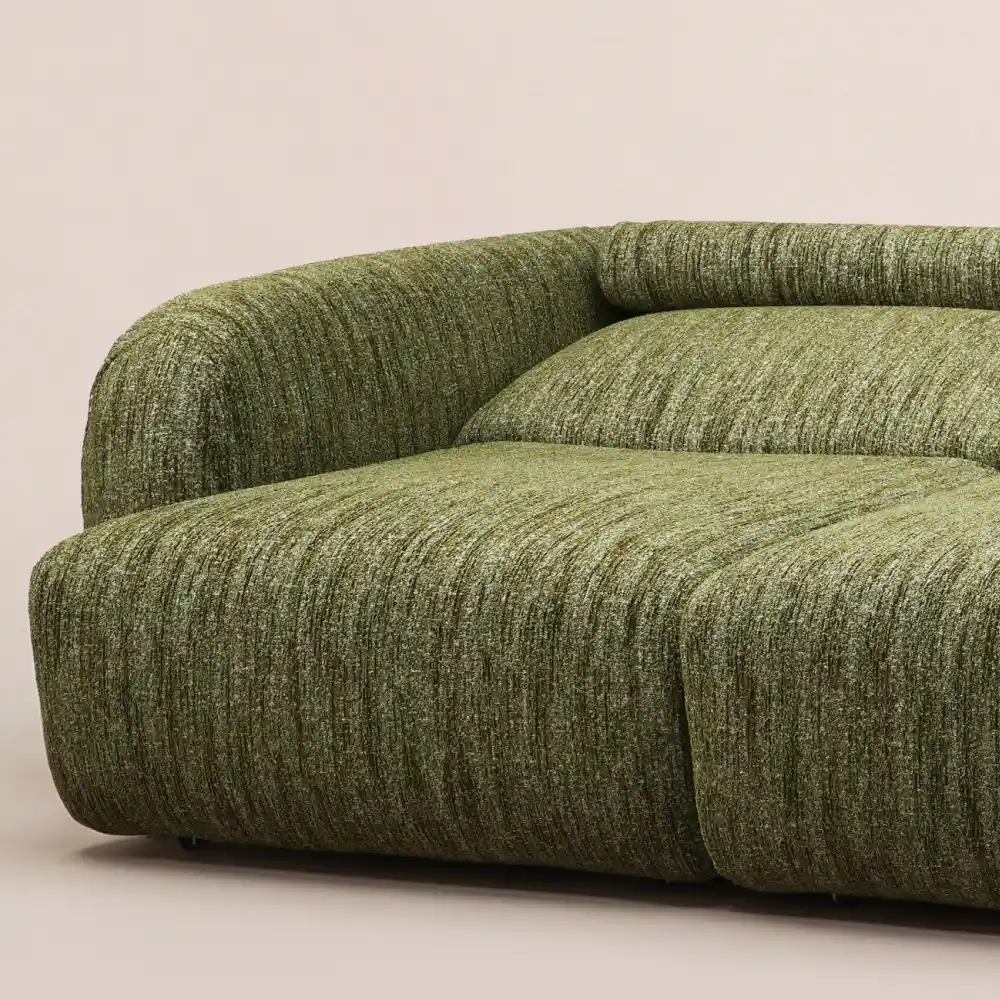
How to Break In a Couch Without Damaging It
The safest way to break in a new couch is through regular, evenly distributed use rather than force. Before trying any method, identify how your cushions are constructed. Removable cushions, attached seats, and loose-fill designs need different handling. The following steps help you choose appropriate actions without damaging the upholstery or internal support.
Step 1: Check Your Cushion Construction
Start by checking the product label or manufacturer’s care instructions. Determine whether your cushions can be removed, repositioned, flipped, or gently reshaped.
Use this table to choose a suitable approach.
| Cushion Type | What to Do | What to Avoid |
| Removable, reversible | Rotate positions and flip when permitted | Forcing cushions into incompatible positions |
| Removable, one-sided | Swap positions if the design allows | Sitting on an unfinished underside |
| Attached cushions | Alternate between seating positions | Pulling seams or forcing removal |
| Down or fiber-filled | Gently reshape loose filling as instructed | Excessive compression or twisting |
| Power sofa or recliner | Use the seat and mechanism normally | Pressing, jumping on, or forcing moving parts |
If you cannot identify the construction, stick to normal sitting until you confirm the manufacturer’s instructions.
Step 2: Use Different Seats During Normal Sitting
Regular sitting gradually exposes the cushioning to the pressure it was designed to handle. You don’t need special exercises or extra weight.
For example, if you normally watch television from the right side of a three-seat couch, try sitting in the middle during your next movie or moving to the other end while reading.
The goal is to distribute ordinary use rather than concentrating it in one location. This also helps you notice whether all seats respond similarly.
Avoid jumping, standing, or repeatedly dropping your weight onto the cushions. These actions can damage components without producing more comfortable, lasting results.

Step 3: Rotate Cushions Only When Allowed
Once you’ve confirmed which cushions are interchangeable, use a consistent rotation pattern. On a three-seat sofa with identical removable cushions, move the left cushion to the center, the center cushion to the right, and the right cushion to the left every week or two.
Take a quick photo before rearranging them so you can keep track of their original positions. Keep one-sided cushions facing upward and shaped cushions in their designated locations. For attached seats, skip rotation and alternate where you sit instead.
Step 4: Gently Reshape Loose-Fill Cushions
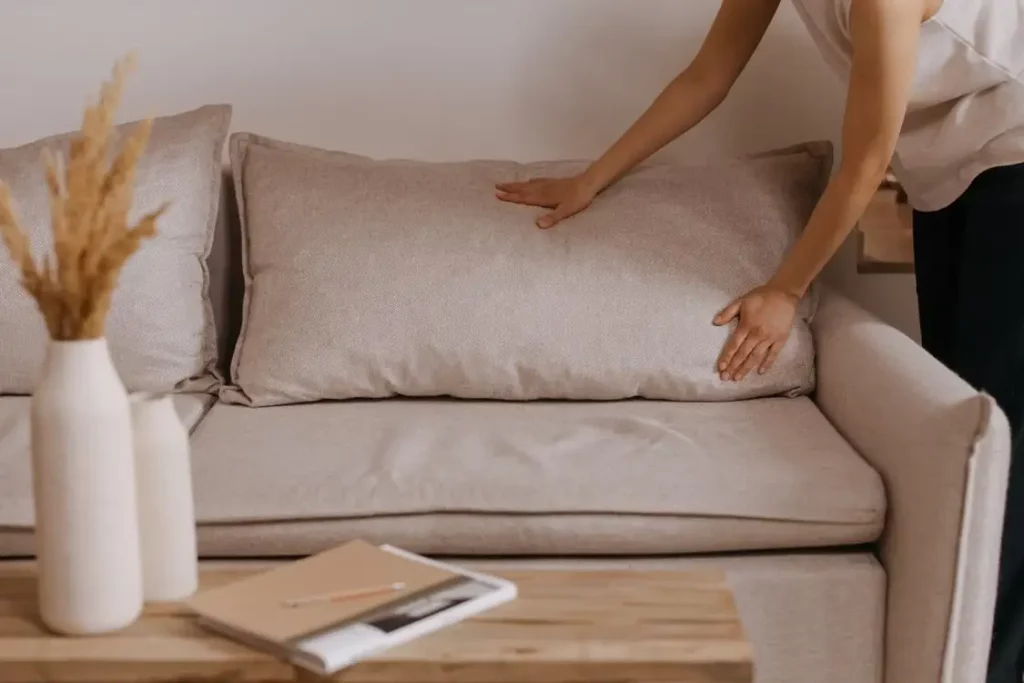
When permitted by the manufacturer, lightly pat removable feather- or fiber-filled cushions to redistribute filling that has shifted during use. Keep the pressure gentle and avoid opening the cushion or pulling its seams.
Regular fluffing of sofa pillows and cushions helps loose-fill designs maintain their shape, but it won’t make a solid foam core break in faster. Treat reshaping as routine maintenance, not a shortcut to softer seating.
What Changes as Different Couch Materials Break In?
Not every part of a couch softens in the same way. The upholstery, cushioning, and support system perform different jobs, so understanding their individual characteristics helps you set realistic expectations.
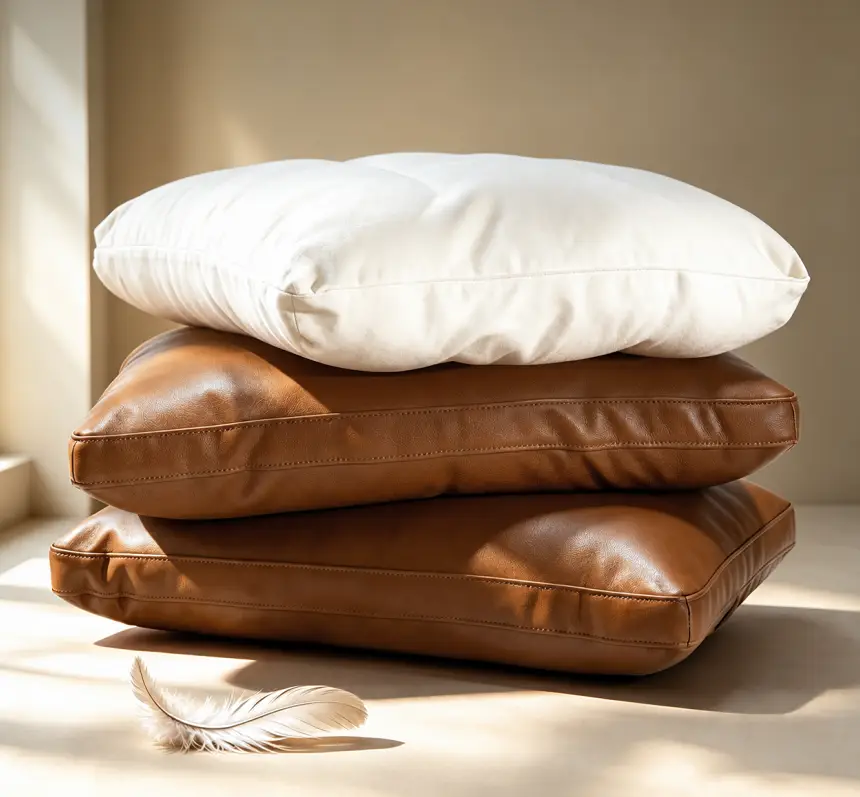
High-resilience foam: New foam may initially feel resistant and gradually become more accommodating with use. However, resilient foam is designed to recover its shape and maintain support. A firm foam cushion won’t necessarily develop a deep, sinking feel.
Down and feather filling: Loose filling can redistribute under body weight, creating a more relaxed surface. These cushions often need occasional reshaping to maintain their appearance and comfort.
Fiberfill: Polyester fibers may settle and compress with use. Some settling is normal, but persistent clumps or noticeably empty areas can indicate that the filling needs attention.
Leather upholstery: Genuine leather may become more supple and develop natural surface character over time. However, softer leather doesn’t automatically mean that the foam underneath has become softer.
On leather furniture, slight surface relaxation can also cause wrinkles. Understanding leather sofa puddling and normal wrinkles helps distinguish upholstery changes from deeper cushion problems.
How Can You Tell if Your Couch Is Breaking In Normally?
A successful break-in should make your couch feel more familiar and comfortable without causing uneven support or permanent deformation. The most useful test is whether the cushioning changes gradually while continuing to recover after you stand up.
Instead of relying on memory, use a consistent comparison.
1. Record the initial condition.
On delivery day, sit in each position and identify where the couch feels firmest. Take photos of the cushions from the front and side, preferably without anyone sitting on them.
Note any existing wrinkles, uneven areas, or visible defects.
2. Compare the same seat after regular use.
Choose a seat you use regularly and note how it feels during a normal activity, such as reading after dinner. Repeat the activity a week later under similar conditions, and record whether the cushion feels less resistant.
Compare photos taken when the seat is unoccupied, ideally after a similar period of recovery. Note any cushion rotations between checks so you’re not comparing different inserts by mistake.
3. Check Whether the Cushion Still Recovers Evenly.
After sitting, leave the cushion unoccupied for a consistent period and compare its shape with your delivery-day photos. Focus on what has changed, then choose the appropriate next step:
- Softer feel with even recovery: Continue normal use if the couch feels comfortable.
- Little change but stable support: Check whether the firmness matches the manufacturer’s description.
- Persistent indentation or an unusually low seat: Photograph the area and ask the retailer whether an inspection is needed.
- Sudden hard spots or structural instability: Stop using the affected seat until the problem has been checked.
Keep your dated photos and observations together. They can help you explain a possible defect if you contact customer service before the return deadline.
When Should You Stop Waiting for Your Couch to Soften?
Use your break-in records and the retailer’s return deadline to decide what to do next. If you documented an unusual change, contact customer service with the delivery date, affected seat, and photos rather than continuing to experiment.
If the couch is functioning normally but still feels too firm, reversible changes such as making a couch softer without losing support may help.
But when the underlying problem is the couch’s intended cushion feel or fixed seating dimensions, additional use is unlikely to create a different design. That’s when comparing a replacement becomes more useful than waiting for further softening.
New Sofa Alternatives When Break-In Doesn’t Improve Comfort
If your couch still feels uncomfortable after normal break-in, replacing it with a different seating design may make more sense than waiting longer. The key is identifying what’s missing: a softer surface for relaxed sitting or the flexibility to change seating positions. These two needs call for different solutions.
For Softer, More Relaxed Seating
If your current couch remains too firm for curling up or sitting cross-legged, the Cronus Genuine Leather Modular Sofa offers a more relaxed seating feel through premium down cushioning and supple top-grain leather. Its 26-inch seat depth leaves room to tuck up your legs, making it worth considering when softness and freedom to lounge matter more than a tightly structured seat.

Cronus Genuine Leather Modular Couch
Soft-touch genuine leather and plush down cushioning create a relaxed, inviting feel, while the 26-inch-deep seat gives you room to curl up or sit cross-legged.
For More Flexible Seating Positions
If your couch feels fine for upright sitting but too restrictive when you want to stretch out, the Aurora Power Extendable Couch addresses the problem through adjustable seating depth. Its motorized extension moves between 27 and 45.5 inches, letting you switch from conversation to extended lounging without rearranging cushions. Chenille upholstery and high-resilience foam add a soft surface feel with underlying support.

Aurora Modern Power Extendable Couch
The power-adjustable seat lets you move easily from upright sitting to deep lounging, giving you more room to stretch out whenever you need it.
Conclusion
Knowing how to break in a couch helps you give new furniture a reasonable chance to settle without damaging its construction. Start by identifying the cushion type, use different seating positions naturally, and reshape or rotate cushions only when the manufacturer allows it. Then compare how the seats feel and recover over time. Some materials become more accommodating, while others retain their original firmness. If support becomes uneven or the couch’s dimensions remain uncomfortable, don’t rely on additional waiting. Check your warranty and return options before making permanent changes.
FAQ
Can I Remove Cushion Covers to Speed Up Break-In?
Removing cushion covers won’t necessarily make the internal foam soften faster. A removable cover may be intended for cleaning rather than cushion modification. Check its care label before unzipping it, and don’t remove glued wraps or internal layers. Incorrect reassembly can distort the cushion and potentially affect warranty coverage.
Why Does My Couch Feel Firmer Than the Showroom Model?
Showroom sofas often feel softer because many shoppers have already used them. First, confirm that your delivered couch matches the model, cushion filling, and upholstery option you tried. If the difference remains substantial after normal use, document it and ask the retailer to verify that your order matches the showroom specifications.
Does a Sleeper Sofa Mattress Need Separate Break-In Time?
Not necessarily. A sleeper mattress may use different foam, padding, and support components from the seating cushions. Follow its separate care and expansion instructions when provided. Opening and closing the sleeper mechanism doesn’t automatically soften the mattress, and forcing the frame can cause damage rather than improve sleeping comfort.
Does Body Weight Affect How Quickly a New Couch Breaks In?
Body weight and frequency of use can influence how cushioning responds over time, but they cannot reliably predict a specific break-in period. A heavier person may compress a cushion differently from a lighter person. Don’t add weights or apply excessive force to accelerate settling; normal use provides a safer indication of comfort.
Can I Return a Couch After Normal Break-In?
Possibly. Eligibility depends on the retailer’s return window, condition requirements, and exclusions for use or alterations. Keep your delivery date, order information, and photos of the couch’s condition. Normal sitting may be acceptable under some policies, but removing filling or applying excessive force could affect eligibility. Contact the retailer before the return deadline.


