 By Stephanie
When you move to a smaller home, the hard question is which pieces from your current home should come with you. A sofa may be comfortable but need too many companion pieces; a dresser may fit but duplicate the new bedroom’s built-in storage.
This guide helps you decide which furniture to keep when downsizing by starting with daily use, then checking how each piece works in the new layout. You’ll also see when changing a piece’s role makes sense and when replacing it solves a real problem.
Table of Contents
What Furniture Should You Keep First When Downsizing?
The furniture to keep when downsizing usually supports daily routines, fits a specific place in the new home, and remains comfortable to use. Start with the bed, everyday seating, dining furniture, and storage you’ll actually need. Then consider adaptable pieces and a few favorites that make the new place feel like yours. A useful piece does not have to be small; it has to justify the space it occupies.
| Furniture | Keep it when… | Reconsider it when… |
| Main bed | It supports your usual sleep needs and leaves room to reach both sides you use. | The frame blocks a closet or forces a dresser into a walkway. |
| Everyday sofa or chairs | Everyone who regularly uses the room has a comfortable place to sit. | Keeping the seating also requires an ottoman and extra chairs with no clear place to go. |
| Dining table and chairs | The set suits everyday meals, with a workable plan for guests. | Most chairs remain unused and have nowhere to be stored. |
| Dresser or cabinet | It holds belongings that won’t fit in the new home’s existing storage. | You are keeping the cabinet mainly because you have not sorted its contents. |
| Adaptable or meaningful piece | It has a defined new use or a place where you’ll enjoy it regularly. | It would spend the move and the following year in storage. |
Do a quick inventory before deciding which cabinets to bring. Count the clothing, linens, dishes, and equipment that will remain after the move, then compare them with the new home’s closets and built-ins. This prevents a familiar cabinet from dictating how much you keep inside it.
You can also preserve a piece for personal reasons. An inherited sideboard may deserve the dining room wall even if a newer cabinet offers more storage. Give it that position on the floor plan first, then choose the remaining furniture around it. The goal is a home that works and still feels familiar.

How Do You Check Whether Your Furniture Really Fits?
A room measurement gives you a starting point, but it does not tell you whether you can pull out a chair, open a drawer, or carry a sofa around a hallway turn. Check each piece in three stages: where it will stand, how you will use it, and how it will enter the home. Record the results before booking movers.
Check the Space Available for Placement
Measure each room yourself if you can. Note usable wall lengths, windows, outlets, built-ins, and the direction doors swing. Measure the furniture at its widest and deepest points, including arms and handles. Sketch the pieces to scale or mark their footprints on the floor with painter’s tape.
A dresser can fit along the bedroom wall and still be the wrong piece to move if its open drawers block access to the bed. Mark the dresser’s closed footprint and drawer reach separately, then decide whether its storage is worth that position in the new room. The small living room layouts that preserve walking space matter more than whether the sofa fits against the wall on paper.
Check the Space Needed to Use It
Test the furniture in its active position. Pull dining chairs back as someone would before sitting down. Open cabinet doors and drawers fully. Extend a sleeper sofa, then trace the route from the seating area to the bathroom. If a table must move whenever the sofa opens, decide where the table will go.
Use the same test for furniture you hope to repurpose. A dining chair may tuck neatly under a table but block the route to the kitchen when someone sits down. If you plan to use a former dining table as a desk, pull out the work chair and check whether anyone can still pass behind it.
Check the Route Into the New Home
Measure the building entrance, elevator, stairs, hallway turns, and apartment doorway. Compare the narrowest points with the furniture’s dimensions and ask the mover to review difficult turns. If a piece comes apart, follow the manufacturer’s instructions; do not assume its legs, arms, or powered components can be removed.
Which Piece Should You Keep When Two Do the Same Job?
When two pieces compete for one spot, compare the whole arrangement each one requires. The better choice supports the routine more comfortably and needs fewer additional pieces to make it useful. First confirm whether the jobs truly overlap: two people working at the same time may need separate surfaces, while a desk used briefly once a week may not need permanent floor space.
Empty your current coffee table and side table before deciding whether both should move. If the side table holds a lamp used beside a reading chair, it has a separate job. If it mostly collects the same remotes, chargers, and mail as the coffee table, compare the storage and reach you would lose by leaving it behind. The same question applies to a sofa and an accent chair: does the household use both at once, or does one mainly hold bags and blankets?
If you can leave both old tables behind but still need one surface beside the sofa, the Silva Lift-Top Round Coffee Table is worth comparing with the cost of moving them. Its 31.5-inch top lifts closer to a seated user, while two drawers hold small items that otherwise spread across both tables. Check whether those drawers meet your actual storage needs before replacing two pieces with one.
That is the useful test for furniture for smaller homes: which other piece can you leave behind without making a daily task harder? If the answer is “none,” an extra feature alone has not reduced the furniture you need.
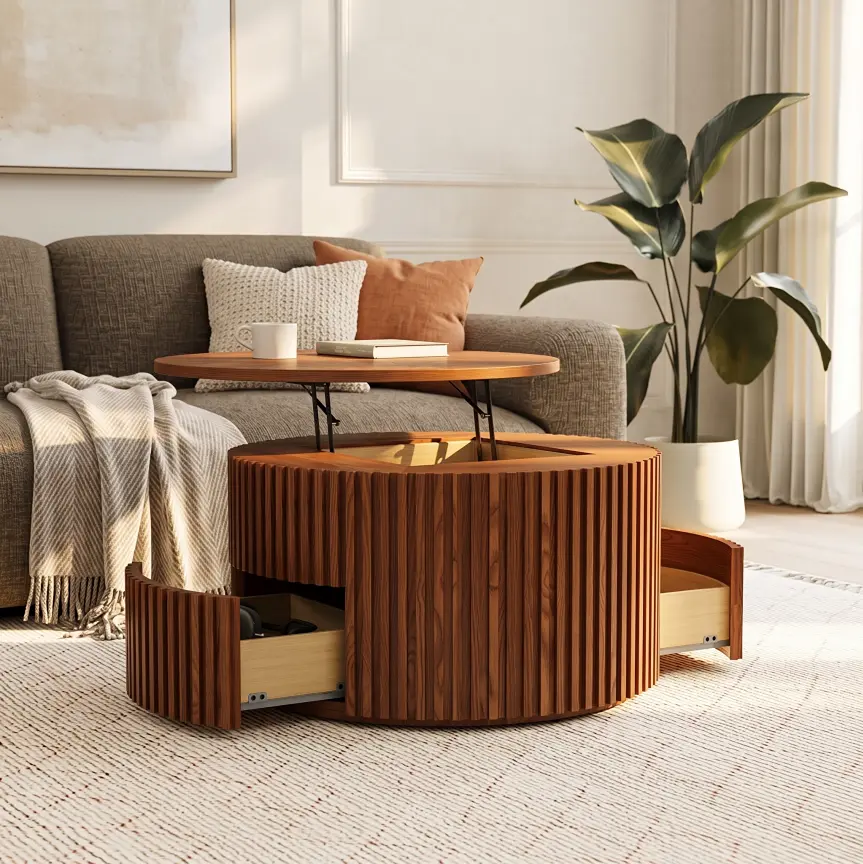
Silva Lift-Top Round Coffee Table
A sensible replacement when your current coffee table and side table serve the same purpose, and you can do without one of them.
When Is Replacing Furniture Better Than Moving It?
Replace a piece after you have confirmed two things: the old one will not work well in the new home, and you still need the function it provides. Then compare the actual cost of each option. Keeping may involve extra moving charges, a repair, or temporary storage; replacing involves the new purchase and its delivery. The price you originally paid for the old piece does not change what it will cost to use now.
Compare the Cost of Keeping and Replacing
Get moving quotes for the large pieces you are unsure about. Add a repair estimate if a joint, cushion, or mechanism needs attention. If the furniture cannot go directly into the new home, include storage and a second delivery. Compare that total with the cost of a replacement that provides the same comfort and function.
Cost is only one part of the decision. A favorite chair that fits well may be worth moving even when a new chair costs less. An inexpensive cabinet may cost more to transport than it would to replace. Record the reason for each choice so the decision stays tied to the way you will use the new home.
Replace Only What Leaves a Confirmed Gap
If your current sofa fits the new living room, keep it unless another missing function changes the decision. If the guest bed has no place in the new home, consider how often someone actually stays overnight. An occasional guest may justify seating that converts; if guests rarely stay, replacing a sofa you already enjoy may add cost without solving a regular problem.
The Aurora Power Sofa Bed suits a living room that needs comfortable seating most days and a sleeping surface when guests visit. Its powered seat extends from 27 to 45.5 inches, letting you keep it shallower for everyday sitting and open it for lounging or an overnight stay without unfolding a separate mattress frame. Just leave enough space in front for the seat to extend.
Before leaving the guest bed behind, mark the Aurora’s extended position on the new floor plan. Check that sleeper sofa opening space and nighttime access leave a usable path to the bathroom. That confirms whether one piece can serve both roles in your room, rather than assuming a convertible sofa will save space automatically.
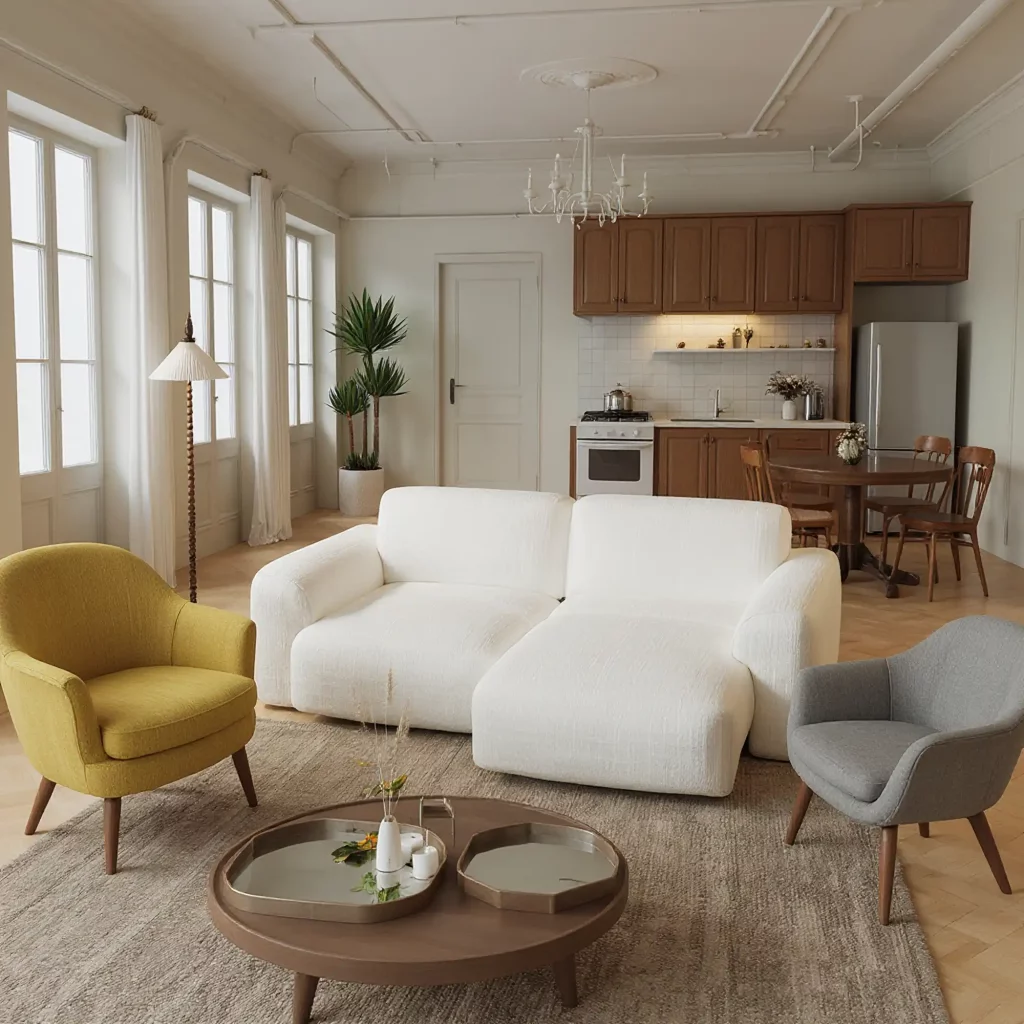
Aurora Power Sofa Bed
Worth considering when you still host overnight guests but no longer have room for a separate guest bed.
Conclusion
Choosing furniture to keep when downsizing starts with how you will live in the new home. Keep pieces that support daily routines, fit when fully in use, and have a clear place. Give meaningful furniture space deliberately, and compare duplicate pieces as complete arrangements rather than judging each one alone. Replace a piece when it leaves a real gap that another piece can fill more effectively. A measured list of what to keep, repurpose, leave behind, and replace will make the move easier to plan and the new rooms easier to use.
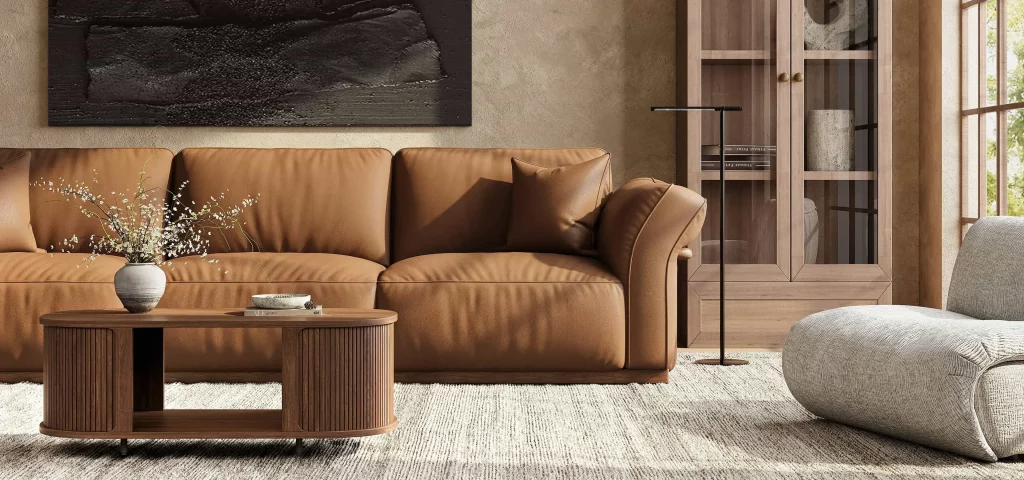
Furnish What Your New Home Still Needs
Keep the pieces that work. Explore seating, tables, and storage for the spaces you still need to furnish.
FAQ
What if I don’t have the final floor plan yet?
Measure the furniture you rely on daily and keep a separate list of large pieces whose placement is uncertain. Do not buy replacements that require an exact wall or room shape yet. Once you can measure the new home, test those uncertain pieces first and confirm what will move before committing to additional furniture.
Can I keep only part of a matching furniture set?
Yes. A dresser can work without its matching nightstands, and a dining table does not require every chair originally sold with it. Keep the pieces that have a purpose and a place. Repeat a wood tone, upholstery color, or simple shape elsewhere if you want the room to feel connected.
What if my partner wants to keep different furniture?
Ask each person to name the pieces they use most and one or two they would strongly regret losing. Put both lists on the new floor plan. When choices compete for space, try a different room or remove an unnecessary companion piece before deciding which favorite stays.
Can I make my existing sectional smaller?
Only if its design allows the remaining sections to function safely and look complete. Check the manufacturer’s configuration instructions, connectors, finished ends, and dimensions after removing a module. Decide what will happen to the unused section before moving day. A fixed sectional should not be assumed to separate into independent seats.
Should I keep a large rug from my old home?
Measure the new seating area and test whether the rug lets furniture sit securely without a corner crossing a doorway or walkway. Check door clearance over the rug and pad, especially near an entry. If the size or shape does not work there, try another room before paying to move it.


