 By Kelvin
Introduction
A small sleeper sofa should solve two problems at once: provide useful everyday seating and create a guest bed without making the room unusable. The difficult part is that a sofa can look compact against the wall yet block the doorway, coffee table, or route to the bathroom after it opens. This guide helps apartment, studio, and flex-room owners compare sleeper types by opening direction, guest capacity, nighttime clearance, and reset effort—so the final choice fits the way the room actually works.
Table of Contents
What Makes a Small Sleeper Sofa Truly Small?
There is no single width that makes every sleeper “small.” The better definition is a model that works in all three stages of use:
- Closed footprint: It fits the available wall and leaves the daytime route open.
- Conversion zone: Its frame, seat, or back can move without hitting nearby furniture.
- Open footprint: Guests can sleep while doors, cabinets, and essential walkways remain usable.
A narrow frame can still be a poor fit when it projects far into the room. A slightly wider convertible may work better if it opens with fewer moving parts or stays close to the wall. Before comparing styles, record both the closed and fully open measurements. Standard labels such as twin, full, and queen are useful starting points, but exact frames vary, so a detailed sofa bed size and measurement guide should support—not replace—the product specifications.
The practical definition is simple: the sleeper is small enough only when the room still performs its essential jobs in sofa mode, during conversion, and overnight.
Which Sleeper Type Fits Your Layout?
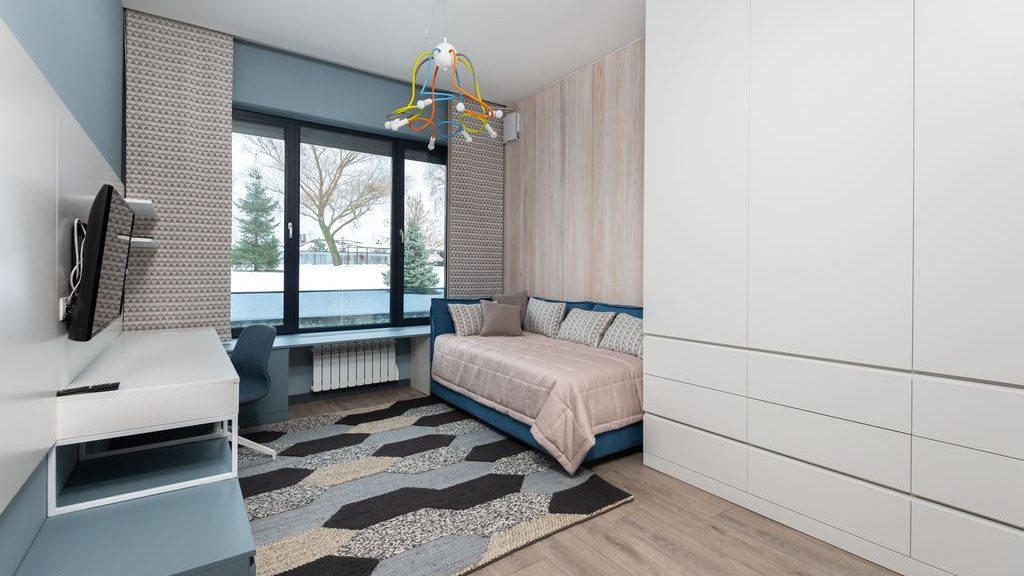
The mechanism determines where the furniture needs space. Start with the shape of the room and the direction in which the bed can open, then consider who will sleep there and how often. A sofa bed for small spaces works best when its movement matches an area that is already easy to clear.
| Sleeper type | How it opens | Better suited to | Main advantage | Main layout risk |
| Sleeper chair or twin sleeper | Folds or pulls forward | Home office, reading room, very tight studio | Uses little wall width and serves one guest | Narrow or low sleep surface |
| Loveseat pull-out | A mattress and frame pull forward | Square living room with a clear center zone | More bed-like surface in a compact sofa profile | Requires substantial open depth |
| Fold-flat sofa bed | Back lowers to create the bed | Narrow room with open space behind or beside it | Fast conversion with few separate parts | May need distance from the wall |
| Slide-out platform | Seat extends and cushions form the bed | Open-plan apartment or wall-facing layout | Quick reset and no folded mattress | Seams and front clearance need checking |
| Power-extension sofa bed | Seat depth changes by motor | One-bedroom apartment with more usable floor area | Low-effort transition between sitting and sleeping | Larger frame, outlet access, and open-floor needs |
A sleeper chair makes sense when one friend occasionally stays in a home office. A loveseat pull-out can work better in a square studio where the coffee table can roll aside without blocking the kitchen. In a narrow room, a fold-flat design may be easier than a long pull-out, but only if the back has room to lower.
Retail names are not always consistent. The most useful distinction is whether the guest sleeps on a separate folded mattress or on the sofa’s converted seat and back. Comparing a pull-out sleeper sofa vs. a convertible sofa bed can clarify the trade-off between a more bed-like surface and a faster daily reset.
How Much Room Does It Need When Open?
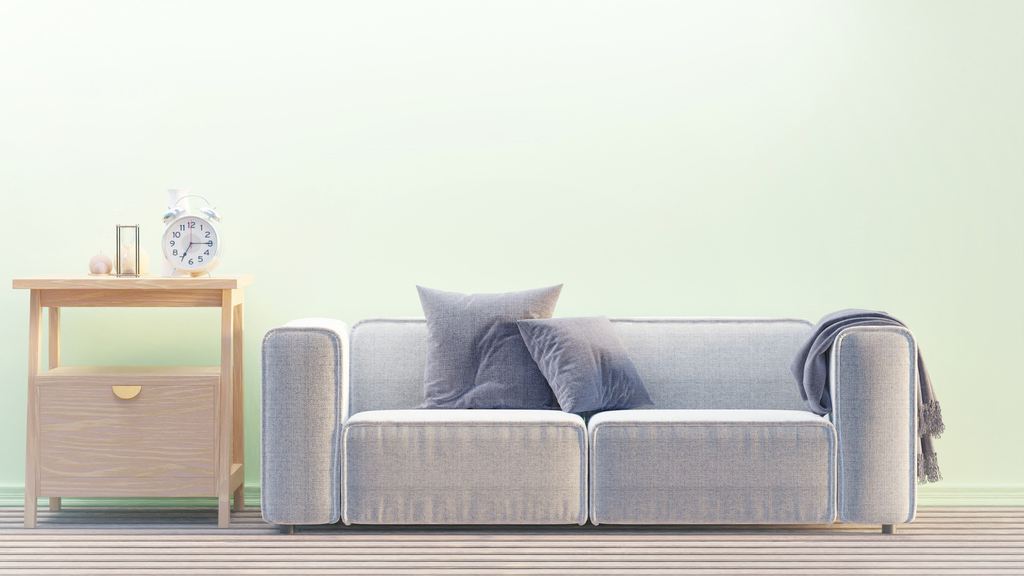
Measure the room as a nighttime layout, not as an empty rectangle. Painter’s tape can show the closed sofa and the fully opened bed, but the test is incomplete until the other furniture is placed where it will realistically go.
Use this four-step check:
- Mark the sofa mode. Confirm that doors, drawers, and the main daytime walkway work normally.
- Mark the full open position. Include projecting legs, extended platforms, or a lowered back—not just the labeled mattress size.
- Walk the nighttime route. Move from the sleeping surface to the bathroom, entry, kitchen, and light switch without stepping over furniture.
- Relocate displaced pieces. Put the coffee table, ottoman, loose cushions, and floor lamp in their planned overnight positions.
A common studio problem appears at bedtime: the table moves toward the kitchen, the ottoman blocks the closet, and the removed back cushions end up in the only remaining walkway. The sofa technically opens, but the room stops functioning.
Aim to preserve at least one clear side for getting in and out of bed. Also check whether the front door can open fully and whether a roommate can cross the room without disturbing the sleeper. A broader sleeper sofa buying guide for small spaces can help with delivery access and general purchase checks, while this layout test focuses on what happens after the furniture is inside.
What Should You Test Before Buying?
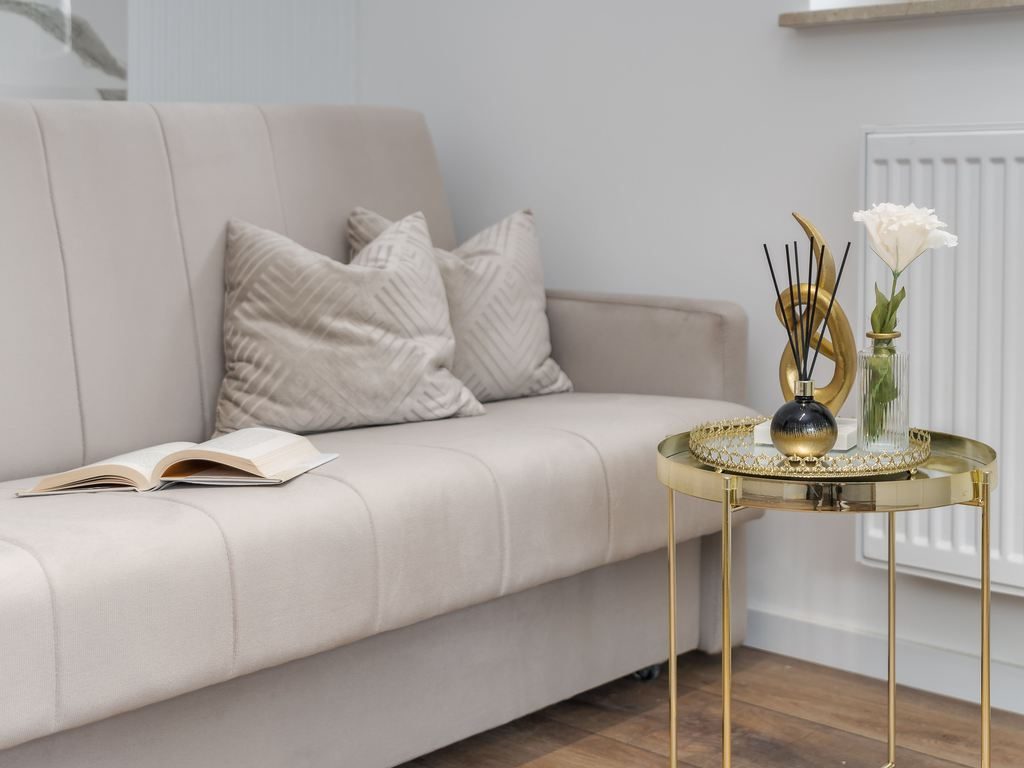
A showroom conversion proves that the mechanism moves; it does not prove that the piece suits your routine. Test the sofa and bed as separate products, then judge the work required to switch between them. The right model should remain comfortable enough for daily seating and manageable enough that you will actually prepare it for guests.
Test Seating and Sleeping Separately
Sit in your normal posture for several minutes. Check seat height, back support, cushion depth, and whether your feet rest comfortably. Then open the bed and lie in more than one position. Look for slopes, hard frame points, deep center seams, weak edges, or a surface that is too short for the intended guest.
Do not let a twin, full, or queen label make the decision alone. Verify the usable flat area, especially when arms, bolsters, or attached back cushions border the sleep surface. A guest who is tall, broad-shouldered, or staying for several nights needs more usable space than a child spending one night.
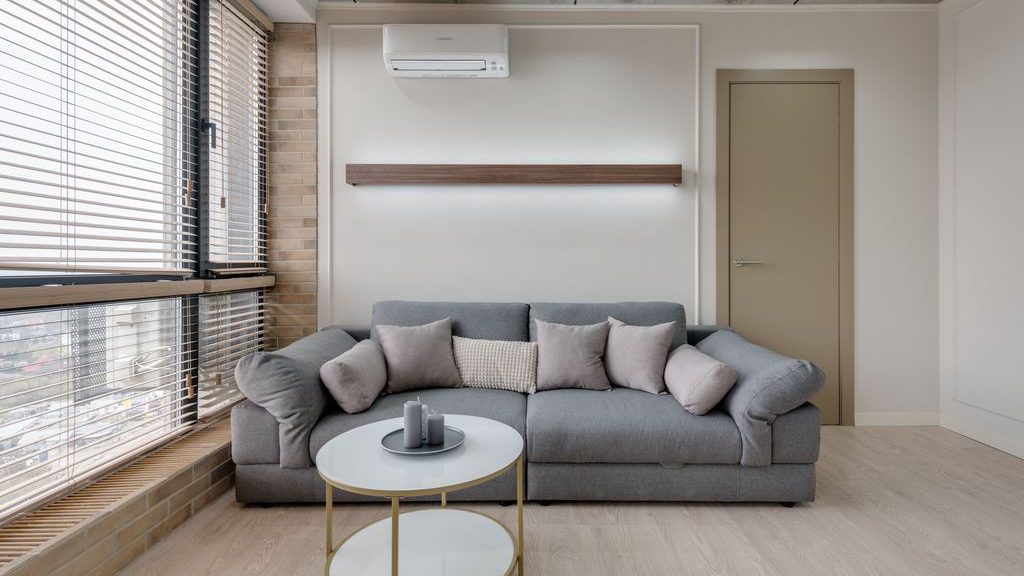
Run the Nightly Reset Test
Time one complete conversion from normal living room to made bed, then reverse it. Count the items that need to move and decide where each one will stay overnight.
Rate the routine honestly:
- Easy: One person opens it without moving furniture.
- Manageable: A light table or a few cushions move to a planned spot.
- Disruptive: Several pieces, a rug, or electronics must be relocated.
- Poor fit: The open bed blocks a required door or route.
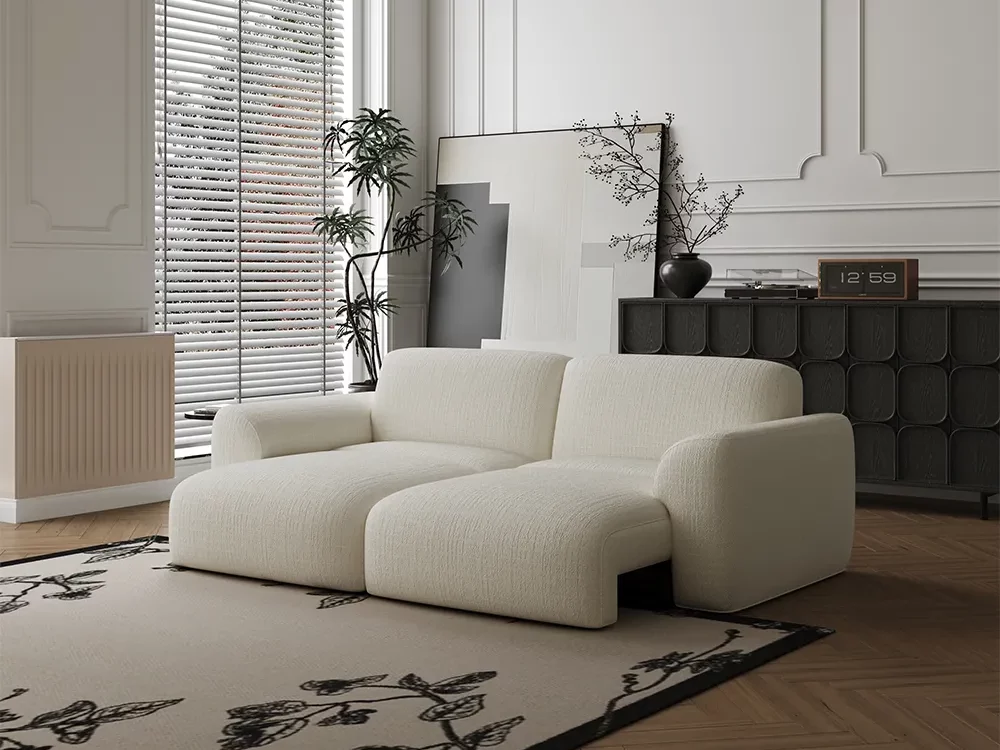
For a one-bedroom apartment with a little more room, the Aurora-Power Sofa Bed offers a roomier alternative to a typical small sleeper sofa. Its powered seat extension removes the need to pull out a separate frame, while three adjustable modes support everyday sitting, deeper lounging, and overnight use. Its chenille upholstery also gives the room a softer, more residential feel.
Check the Delivery Form
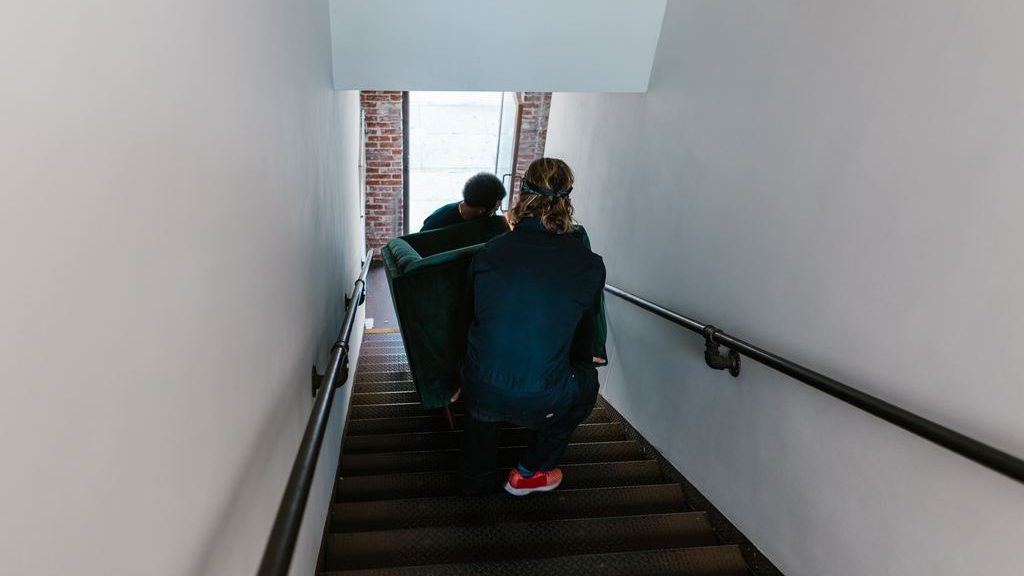
Measure the packaged piece, not only the assembled sofa. Confirm whether backs, arms, or modules detach and whether the largest section can clear the building entrance, elevator, stair turn, and apartment doorway. Powered models also need a practical outlet location and a cord path that stays outside the moving mechanism.
In a rental, note where the sleeper will turn inside the room. A product may pass through the front door but still fail at a narrow hallway corner.
When Is a Sleeper Sofa the Wrong Fit?
A multifunctional sofa is not automatically the right solution for every compact room. Choose another arrangement when the bed function would create more daily frustration than value.
It may be the wrong fit when:
- Two adults will sleep there often, but the room only supports a narrow single-guest surface.
- The sofa will replace a primary bed every night, yet the mechanism is designed for occasional use.
- Every opening direction blocks the entrance, bathroom route, closet, or kitchen.
- The guest has difficulty rising from a low surface or needs strong edge support.
- Bedding, toppers, and removed cushions have no dedicated storage location.
- The household needs more everyday seats than the compact frame provides.
- Each reset requires moving heavy furniture or disconnecting electronics.
A wall bed, daybed, sleeper chair, or regular sofa paired with a portable guest solution may suit the room better. The deciding question is not whether the furniture can become a bed, but whether both versions of the room remain practical.
Conclusion
The right small sleeper sofa is not simply the shortest model on a product page. It is the one whose closed footprint, opening direction, sleep surface, and reset routine work with your real layout. Match the mechanism to the room shape, preserve a usable nighttime route, and test comfort in both modes. When the room can handle a slightly larger frame, extra lounging space or powered adjustment may be worth the trade-off. Choose the setup you can use comfortably on an ordinary evening, not only when the room is empty.
FAQ
Can you leave sheets on a small sleeper sofa when closing it?
Sometimes, but only when the manufacturer allows it and the sheets do not bunch near hinges or sliding parts. Thin fitted sheets may remain on certain pull-out mattresses. Blankets, pillows, and thick toppers should usually be removed because added bulk can prevent full closure or place unnecessary pressure on the mechanism.
Will a thick area rug interfere with the sleeper mechanism?
It can. High-pile rugs, curled edges, and thick rug pads may catch rollers, sliding platforms, or support legs. Test the complete opening motion slowly. If the rug shifts, bunches, or leaves the frame uneven, move it outside the conversion path or position the sofa fully on a stable rug surface.
Do regular twin or full sheets fit a sleeper sofa?
Not always. Sleeper mattresses and converted platforms may be thinner, shorter, or slightly narrower than standard beds. Measure the usable sleeping surface and mattress depth before buying sheets. Low-pocket fitted sheets often work better on thin pull-out mattresses, while stretch-knit sheets can accommodate less conventional corners and platform shapes.
Where should bedding go when there is no built-in storage?
Use a storage ottoman, nearby closed cabinet, or labeled under-sofa bin that remains accessible after the sleeper opens. Keep bedding outside the conversion zone. The storage location should allow one person to prepare the bed without carrying linens across the apartment or leaving pillows and blankets in an essential walkway.
Are removable back cushions better on a small sleeper sofa?
Removable cushions can create a flatter sleeping surface and provide easier access to some conversion mechanisms, but they require a dedicated overnight storage spot. Attached cushions reduce clutter and make the reset faster. Choose removable cushions when sleeping comfort matters more, and attached cushions when storage space and daily convenience are limited.


[…] collides with your chair or blocks a closet. Anyone considering a convertible option should compare small sleeper sofa layouts and open-space requirements before relying on the closed dimensions […]
[…] nightly use, prioritize explicit manufacturer guidance when available. In tighter rooms, choosing a small sleeper sofa for your layout also means checking whether the fully opened bed leaves a usable route to doors, storage, and the […]
[…] dimensions. Convertible furniture dimensions vary by model. If space is already tight, comparing a small sleeper sofa for your layout can also help you judge the furniture in both closed and sleeping […]