 By Stephanie
A couch that feels too firm can make everyday lounging uncomfortable, even when the furniture is still in good condition. Learning how to make a couch softer starts with identifying whether the problem comes from the seat surface, foam core, or backrest. The right solution depends on where you feel the resistance and whether the cushions can be adjusted safely.
This guide covers five practical fixes, from simple changes you can reverse to more involved cushion modifications, along with a way to check whether the result feels better without sacrificing support.
Table of Contents
Why Does Your Couch Feel So Firm?
A couch can feel firm for different reasons, and the right fix depends on where you notice the resistance. Remove extra pillows and sit directly on the seat. Check whether the pressure comes from the seat surface, deeper cushioning, or backrest. Then compare different seating positions to see whether the problem affects the entire couch or just one area.
| What You Notice | Possible Cause | What to Try First |
| A new couch feels firm across the entire seat | New cushioning hasn’t settled | Normal break-in |
| The seat feels hard but rebounds evenly | Firm core or thin comfort layer | Removable seat padding |
| The backrest pushes against your shoulders | Firm or uneven back filling | Adjust back cushions |
| The seat has lumps or isolated hard spots | Displaced filling or damaged support | Inspect before modifying |
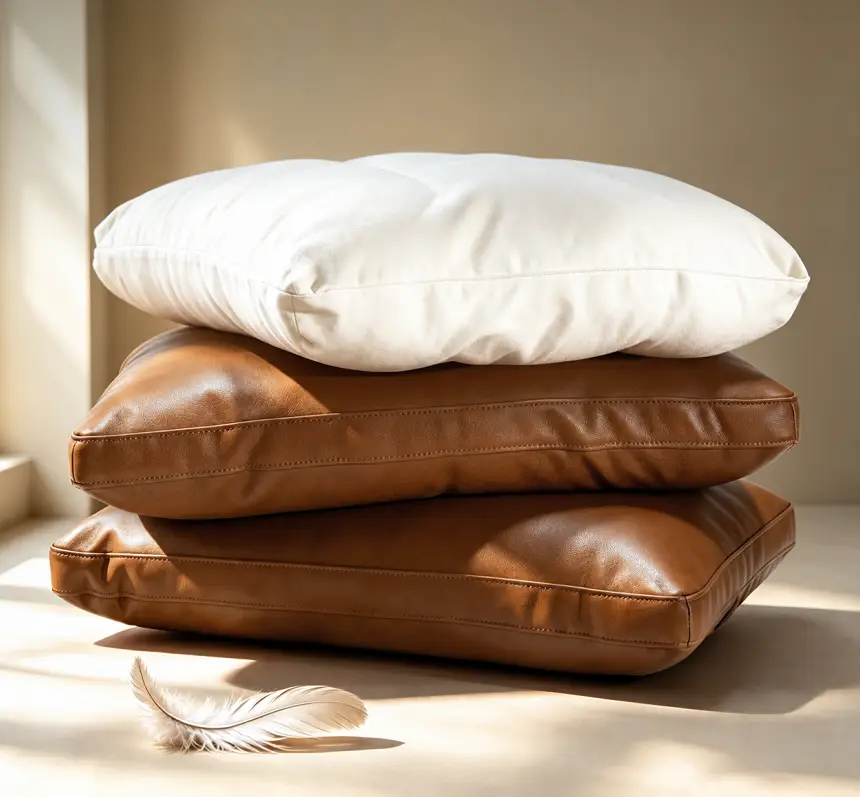
How to Make a Couch Softer: 5 Practical Fixes
Start with changes that don’t require opening upholstery or replacing foam. Fixes 1–3 focus on normal break-in, surface padding, and back cushions, making them easier to try or reverse. Fixes 4–5 involve modifying the cushion’s internal materials for longer-lasting softness. Choose the approach that matches where your couch feels too firm.
Fix 1: Allow New Cushions to Soften Naturally
New cushions may gradually feel softer with regular use, although the amount of change depends on their construction. Sit in different spots and rotate removable cushions when possible. Flip them only if both sides are designed for sitting.
Avoid jumping or walking on the cushions to speed things up, as this can damage the foam or support underneath. If the couch stays too firm, check the manufacturer’s return policy rather than counting on further break-in.
Fix 2: Add a Soft Layer Over the Seat
If your couch feels hard against your hips and thighs but still provides good support, try adding a removable layer of padding.
Fold a soft quilt over your usual seat and sit on it for a few minutes. If it makes a noticeable difference, consider a thin, fitted sofa pad or upholstered topper for everyday use.
Before buying a pad, measure the usable width and depth of your seat so it lies flat without hanging over the front edge. For everyday use, look for a removable, washable cover and a backing that helps keep the pad in place.
Fix 3: Adjust Your Back Cushions
If your seat feels fine but the backrest is too firm, check whether the cushions are overstuffed or uneven.
For removable cushions with loose filling, gently redistribute the material. If they’re designed to be opened and feel overstuffed, try removing a small amount of fill and save it in case you need to restore the original shape. Regular fluffing of sofa pillows and cushions can also help maintain an even feel.
For fixed backrests, use a thin lumbar pillow to soften the contact area without pushing you too far forward.
Fix 4: Add or Replace the Cushion Wrap
A firm foam core doesn’t always need replacing. If it still supports your weight but feels hard at first contact, the softer wrapping around it may need attention.
For removable, serviceable cushions:
1. Take out the insert and check whether the existing batting is thin, flattened, or uneven.
2. If the wrap is worn, replace it with an even layer of soft upholstery batting.
3. If the original wrap is intact and the cover has extra room, test a thin additional layer instead.
4. Reinstall the cushion, smoothing the corners and checking that the zipper closes without tension.
Don’t overstuff the cover. If the added material creates bulging or makes the fabric feel stretched, remove it. More filling can increase surface tension rather than improve softness.
Fix 5: Replace an Overly Firm Foam Insert
If softer wrapping doesn’t help, the foam core itself may be too firm. Replacing it can provide a longer-lasting change, provided the cushion is designed for servicing.
Remove the insert and measure its length, width, and thickness, including shaped edges. When choosing replacement foam, the Polyurethane Foam Association recommends evaluating firmness and support separately. A lower 25% IFD indicates a softer initial feel, while a higher support factor helps prevent excessive sinking. Ask your foam supplier about both rather than choosing by density alone (Polyurethane Foam Association).
If possible, test a sample before ordering. Make sure the replacement matches the original cushion’s shape and fits inside the cover without stretching the seams.

How Can You Test Softness Without Losing Support?
After adjusting a couch, check whether you’ve reduced the hard surface feel without creating excessive sinking. If possible, modify only one cushion first so you can compare it with an unchanged seat.
Use the same sitting position for both:
- Check the first contact. Does the adjusted cushion feel gentler against your hips and thighs when you sit down?
- Stay seated for 10–15 minutes. Notice whether the initial comfort remains or your hips begin sinking too deeply.
- Change positions. Move between upright sitting and relaxed lounging. The padding should stay in place without bunching.
- Stand up and inspect. Check whether the cushion recovers evenly and whether the cover, seams, or added layers have shifted.
If the couch has one continuous seat cushion, compare the feel before and after each change instead.
A successful fix reduces surface pressure while preserving the seat’s original stability. If the couch feels softer initially but becomes harder to move around on, you’ve likely gone too far.
When Is Softening Your Couch No Longer Worth It?
If your cushions can’t be serviced or the frame needs repairs, compare the cost of professional alterations with the couch’s age, condition, and warranty. Returning a newer couch or replacing an older one may be more practical than continued modifications.
When choosing a replacement, look for a softer initial feel without sacrificing support during longer sitting. For those who enjoy stretching out after work, the POVISON Aurora Power Sleeper Sofa pairs soft-touch chenille with high-resilience foam for gentle surface comfort and supportive rebound. Its powered seat extends from 27 to 45.5 inches, giving you room to relax without rearranging cushions.

Aurora Multifunctional Sofa Bed
Worth considering when cushion fixes aren’t enough. Its roomy seating favors relaxed lounging over a compact, upright sit.
Conclusion
The goal of learning how to make a couch softer isn’t to make every cushion as plush as possible. It’s to reduce the hard surface feel while keeping the seat comfortable and easy to use. Start with adjustments you can undo, and consider internal changes only when the cushion construction allows them. Judge the results during your usual sitting routine, not just by pressing the cushion with your hand. If the couch still feels wrong or repairs no longer make financial sense, reassessing the furniture itself may be the better choice.
FAQ
Can I Soften Just One Seat on a Sectional?
Yes. A removable seat pad works well when one person prefers softer seating. If you’re replacing the foam in just one cushion, match its finished height to the neighboring seats. Check the joint between seats, especially if people regularly stretch out across more than one cushion.
Does Leather Conditioner Make Sofa Cushions Softer?
No. Leather conditioner may help maintain the suppleness of certain leather finishes, but it won’t change the firmness of the foam underneath. Coated or protected leather may require specific care products, so check the manufacturer’s instructions before applying conditioner.
Can I Add Padding to a Power Reclining Couch?
Only if the padding stays secure and doesn’t interfere with the reclining mechanism. Check that it cannot slip into gaps around the moving seat or footrest. Avoid modifying internal foam near motors, hinges, or wiring without manufacturer approval, as this can affect safe operation and warranty coverage.
Will Softening a Sofa Bed Affect Its Sleeping Surface?
It depends on the design. On a fold-flat sofa bed, the seat cushions also form the sleeping surface, so softer foam could reduce support when lying down. On a pull-out sleeper with a separate mattress, changing the seat cushions won’t affect the mattress. Check both modes before making permanent changes.


[…] players benefit from arm support and enough depth to sit cross-legged without losing upper-back contact. A chaise, movable backrest, or well-positioned throw pillow can support the […]