 By Stephanie
Can sleeping on a couch cause back pain? Yes. Uneven cushions, limited sleeping space, and awkward body positions can contribute to back stiffness or discomfort after a night on the sofa. However, waking up sore doesn’t automatically mean your couch is responsible. What matters is how you respond, whether the discomfort follows a recognizable pattern, and whether your current sleeping arrangement is suitable.
This guide explains the most common furniture-related causes, what to do after waking up with back pain, and when changing your sleeping setup makes more sense.
Table of Contents
Why Can Sleeping on a Couch Cause Back Pain?
A couch may feel comfortable for an evening but become restrictive overnight. Unlike a bed, its cushions, armrests, and backrests are primarily designed for sitting. Three common furniture-related factors can make sleeping uncomfortable, even when the couch initially feels soft and inviting.
- Uneven Cushion Support: Worn or sagging cushions may allow your hips to sink lower than your shoulders, creating an uncomfortable resting position. A visibly uneven seat is a more useful warning sign than softness alone.
- Restricted Sleeping Positions: Fixed armrests and narrow seats can prevent you from stretching out or changing positions. A tall adult sleeping on a short loveseat, for example, may have to keep their knees bent or torso twisted.
- Pressure From Armrests and Cushion Seams: Firm edges, cushion gaps, and raised armrests can create localized pressure. Using an armrest as a pillow may also leave your neck at an awkward angle.
These factors may contribute to morning stiffness or soreness, but they cannot establish the medical cause of back pain.
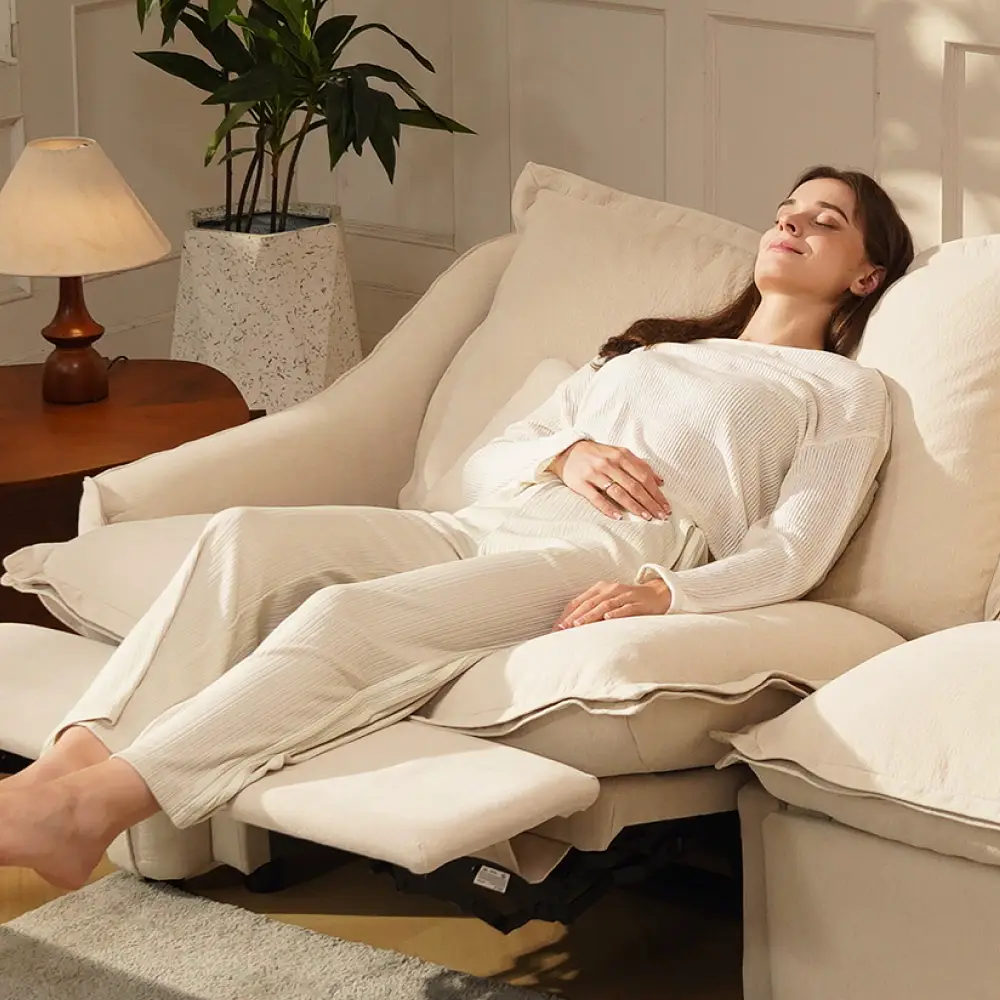
What Should You Do After Waking Up With Back Pain?
If your back feels stiff after sleeping on the couch, focus first on the discomfort you’re experiencing rather than immediately trying to fix the furniture. Mild soreness may respond to ordinary self-care, while persistent or unusual symptoms deserve more attention. The following steps explain what to do now, how to approach your next night’s sleep, and when medical attention matters.
Step 1: Move Gently Instead of Staying Still
If the discomfort is mild and you can move normally, start with gentle activity.
1. Stand up slowly rather than twisting quickly off the couch.
2. Walk around your home for a few minutes at a comfortable pace.
3. Change positions regularly instead of staying seated for hours.
4. Avoid movements or stretches that increase the pain.
You don’t need an intensive stretching routine. The goal is to resume comfortable movement without forcing your back into painful positions.
According to the NHS guidance on back pain, staying active when possible is generally preferable to prolonged bed rest. A wrapped heat or cold pack may also provide temporary relief.
Step 2: Change Where You Sleep Tonight
If you have access to your usual bed, return to it rather than spending another night in the same uncomfortable couch position.
Choose a stable sleeping surface that provides enough room to lie down and change positions without pressing against armrests or unsupported edges.
If the couch is your only temporary option, avoid stacking decorative pillows over deeply sagging cushions. Extra padding may change how the surface feels, but it cannot restore damaged support.
For an occasional overnight stay, how to sleep on a sofa comfortably depends on making effective use of the available surface and choosing bedding that doesn’t introduce additional pressure points.
Step 3: Recognize When Medical Attention Is Needed
Seek medical advice if the pain persists, worsens, repeatedly interrupts sleep, or interferes with everyday activities.
Seek emergency medical care if back pain occurs with new bladder or bowel control problems, loss of sensation around the groin or buttocks, or severe or worsening weakness in the legs.
These symptoms should not be dismissed as the result of an awkward sleeping position. Furniture adjustments cannot replace medical evaluation.

How Can You Tell If the Couch Contributed to Your Back Pain?
Once you’ve addressed the immediate discomfort, consider whether the couch was a likely contributing factor or simply where you happened to sleep. You don’t need to repeat an uncomfortable night to investigate. Instead, compare your recent experience with your normal sleeping routine and consider what else may have affected your back.
Use these three observations:
- When did the discomfort start? If your back felt normal before sleeping but was unusually stiff when you woke up, the sleeping environment may have contributed. However, timing alone doesn’t establish the cause.
- Does it also happen in your usual bed? If you generally sleep comfortably in bed but notice soreness after couch naps, that difference is worth noting. If similar pain occurs across different sleeping surfaces, the couch may not be the primary issue.
- Were there other possible causes? Heavy lifting, unusual exercise, prolonged sitting, or an existing back condition may also explain the discomfort. Consider these factors before attributing the pain to your furniture.
Look for a pattern in your ordinary routine rather than deliberately recreating the discomfort. If the cause remains unclear or the symptoms continue, seek medical advice instead of relying on furniture adjustments alone.
When Should You Stop Using a Regular Couch for Sleep?
An occasional couch nap and regularly sleeping in the living room create different furniture needs. The decision shouldn’t depend on softness alone. Consider how often someone needs to sleep there, whether a suitable sleeping surface is already available, and whether the current arrangement can reasonably accommodate that use.
| Your Situation | What Makes Sense Next |
| You accidentally slept on the couch once | Address the discomfort and return to your normal bed. One uncomfortable night doesn’t automatically justify replacing your sofa. |
| You need temporary sleeping space while hosting guests | Arrange a stable, level sleeping surface with enough room to change positions rather than relying on a cramped loveseat. |
| Your living room regularly doubles as a sleeping area | Consider a convertible sofa designed for both seating and overnight use. Compare its fully extended dimensions, not just its daytime appearance. |
When Occasional Sleeping Calls for More Flexibility
In a small apartment, a fixed-depth couch may leave too little room to stretch out, while a permanently oversized sofa can crowd the living area. An adjustable sofa offers a way to accommodate occasional overnight rest without sacrificing everyday seating space.
The POVISON Aurora Power Sofa Bed offers multiple seat depth settings from 27 to 45.5 inches, letting you switch between upright seating, relaxed lounging, and a more extended position. You can stretch out when needed and return to a compact setup during the day. Its zero-clearance design also lets you place it close to the wall, making it practical for smaller living rooms.
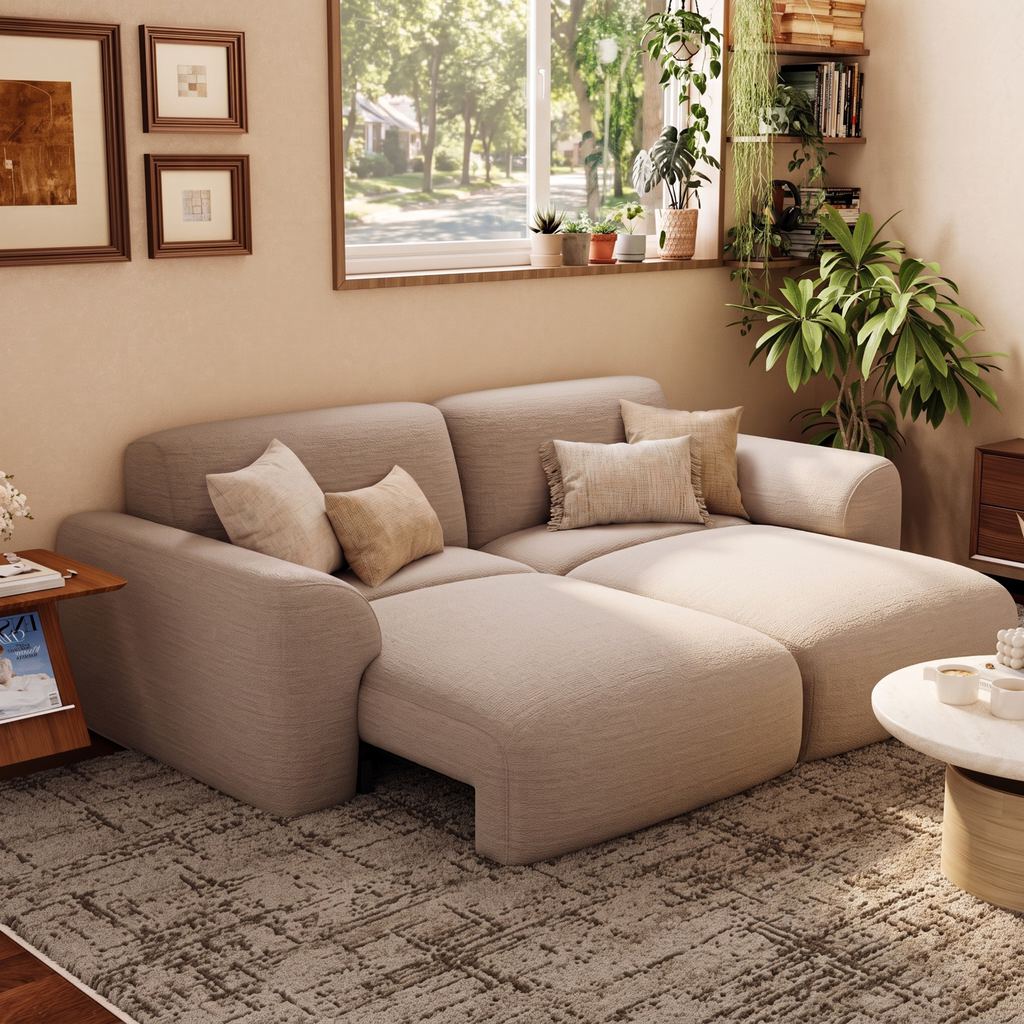
Aurora Power Sofa Bed
A practical fit for occasional overnight guests without dedicating extra floor space to sleeping.
When Frequent Overnight Use Needs More Space
If the living room regularly doubles as a sleeping area, a standard couch may not provide enough space to stretch out or change positions comfortably. A sofa with a larger extendable surface can better accommodate this routine.
The POVISON Mila Power Sofa Bed extends its seat depth from 32 to 59 inches, providing more room to lie down and reposition. Its backrest also adjusts from 105° to 180°, allowing a transition from upright seating to a flatter resting position. This makes it more suitable for households with frequent overnight guests and enough room for its fully extended footprint.
Neither model guarantees relief from back pain. When comparing the best sofa bed for back pain, evaluate the actual sleeping surface, stability, and usable dimensions rather than assuming power adjustment alone means better support.
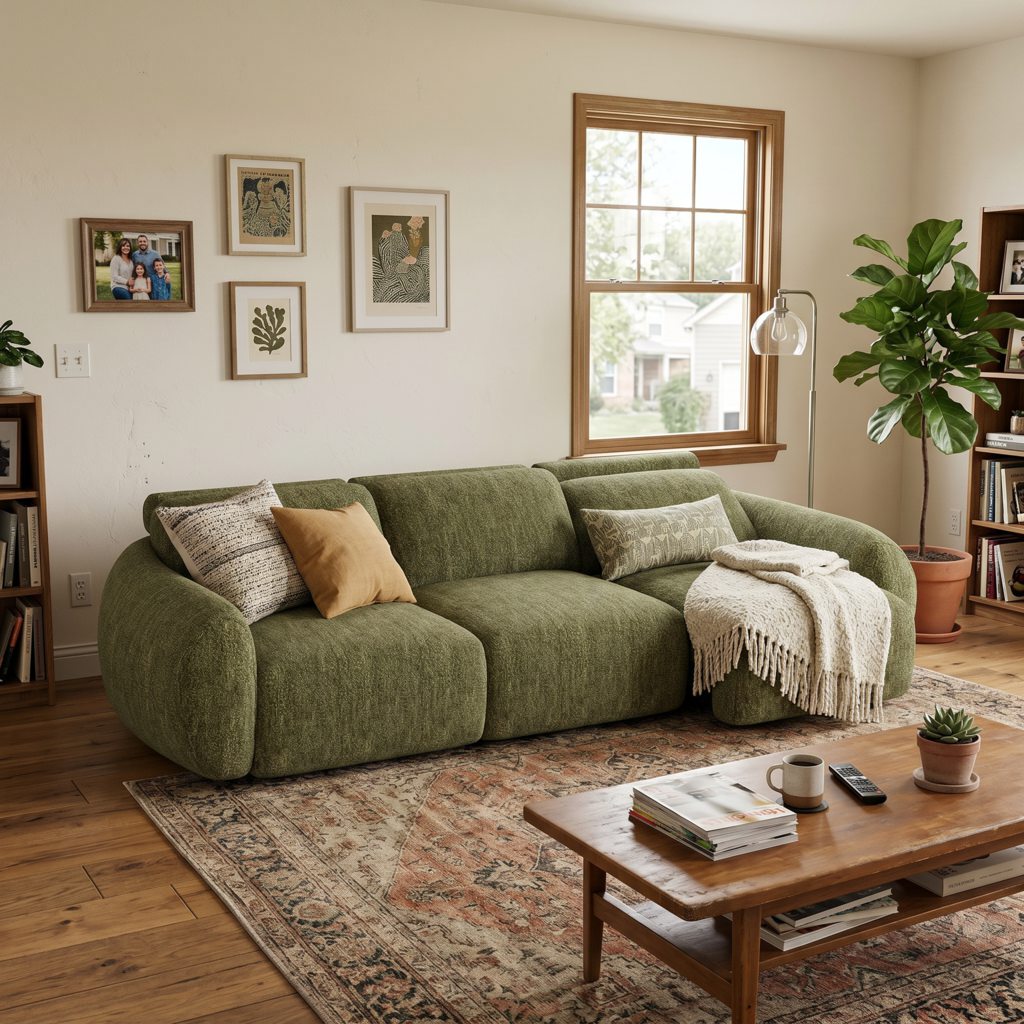
Mila Power Sleeper Sofa
Better suited to frequent overnight use when room to stretch out and reposition matters.
Conclusion
Can sleeping on a couch cause back pain? Yes, but an uncomfortable morning doesn’t automatically mean the couch is responsible or needs replacing. Start by addressing the discomfort, then consider whether your usual sleeping experience suggests the furniture contributed. If you only sleep on the sofa occasionally, returning to a suitable bed may be enough.
For recurring overnight use, furniture designed to accommodate sleeping may be more practical than a standard couch. Persistent or worsening back pain deserves medical attention, regardless of where you sleep.
FAQs About Couch Sleeping and Back Pain
Can Couch Sleeping Make Existing Sciatica Worse?
A cramped sleeping position may aggravate sciatica symptoms in some people, but couch sleeping doesn’t necessarily cause sciatica. If pain travels from your lower back into one leg, or you experience recurring tingling or numbness, seek medical evaluation rather than assuming the furniture is the only cause.
What If My Couch Feels Better Than My Bed?
Check whether your mattress has visible sagging, uneven firmness, or worn edges before assuming the couch provides better support. Also consider whether your usual pillow affects your neck position. Feeling comfortable during a short couch nap doesn’t necessarily mean the surface is suitable for overnight sleep.
Can a Worn Sofa Frame Cause Morning Back Pain?
Yes, it can contribute to discomfort. A weakened frame or damaged suspension may create an uneven surface even when the cushions look fine. If the cushions are removable, inspect the support underneath for sagging or damage. Contact the manufacturer about repair options and warranty coverage before replacing the cushions.
How Long Should a Sofa Bed Be for Taller Sleepers?
The usable sleeping length should exceed the sleeper’s height. For someone six feet tall, roughly 78–80 inches is a practical starting point for allowing movement. Measure the fully extended, supported surface rather than the sofa’s overall width or adjustable seat depth. Exclude raised armrests and unsupported sections.


