 By Kelvin

A folding sofa bed can help a small apartment accommodate overnight guests without dedicating permanent floor space to a separate bed. But combining seating and sleeping in one piece of furniture also comes with trade-offs. Some models take effort to open, offer a less supportive sleep surface, or occupy more floor space than expected once extended.
Understanding the pros and cons of a folding sofa bed can help you decide whether it fits your room and daily routine. This guide covers its main benefits, common limitations, and when a power sofa bed may offer a more convenient alternative.
Table of Contents
Pros of Folding Sofa Beds
It Combines Everyday Seating With Guest Sleeping
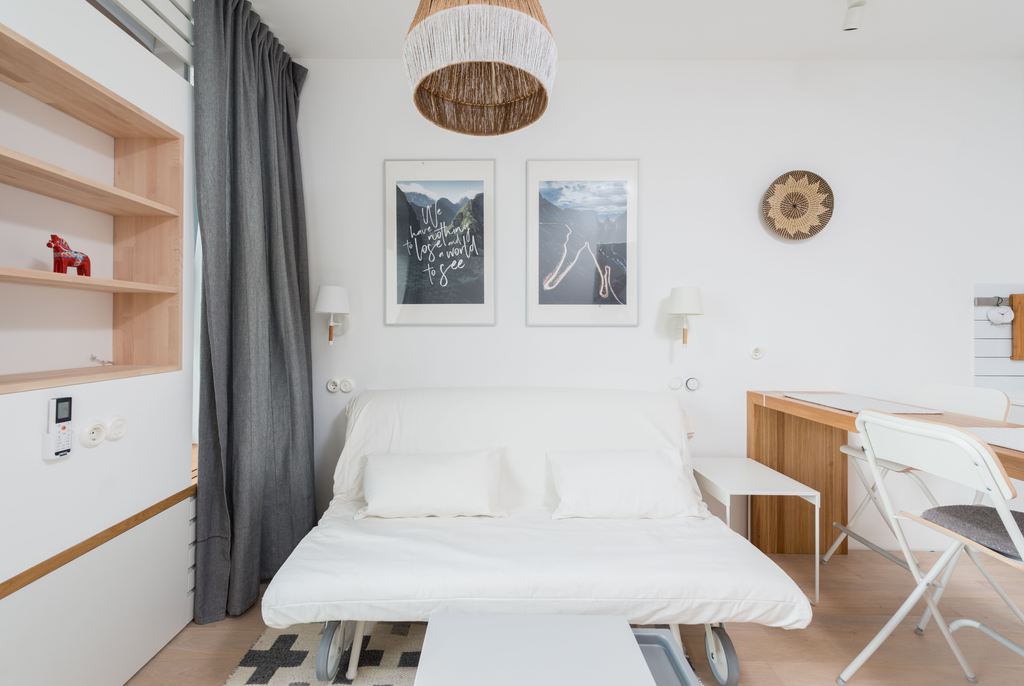
A folding sofa bed combines everyday seating and occasional sleeping in one piece of furniture. During the day, it works as a regular sofa for watching TV, reading, or relaxing. When someone stays overnight, the same piece converts into a sleeping surface. This dual-purpose setup is especially useful in studio apartments and one-bedroom homes where there is not enough room for a separate guest bed.
It Keeps a Guest Bed Out of the Daily Layout
A folding sofa bed keeps the sleeping surface out of the way when it is not needed. This allows the living room to maintain its usual seating arrangement instead of leaving a mattress or daybed in place throughout the week. For households that host occasionally, this flexibility makes it easier to use the same room for everyday activities and overnight stays.
It Offers a More Ready-to-Use Guest Setup Than an Air Mattress
In a small apartment, the living room may need to function as a TV area, reading spot, and occasional guest room. A folding sofa bed provides a permanent seating arrangement while keeping an additional sleeping option available when needed. This makes it useful for households that want to accommodate guests without turning part of the room into a dedicated bedroom.
Cons of Folding Sofa Beds
Manual Conversion Can Take Extra Effort
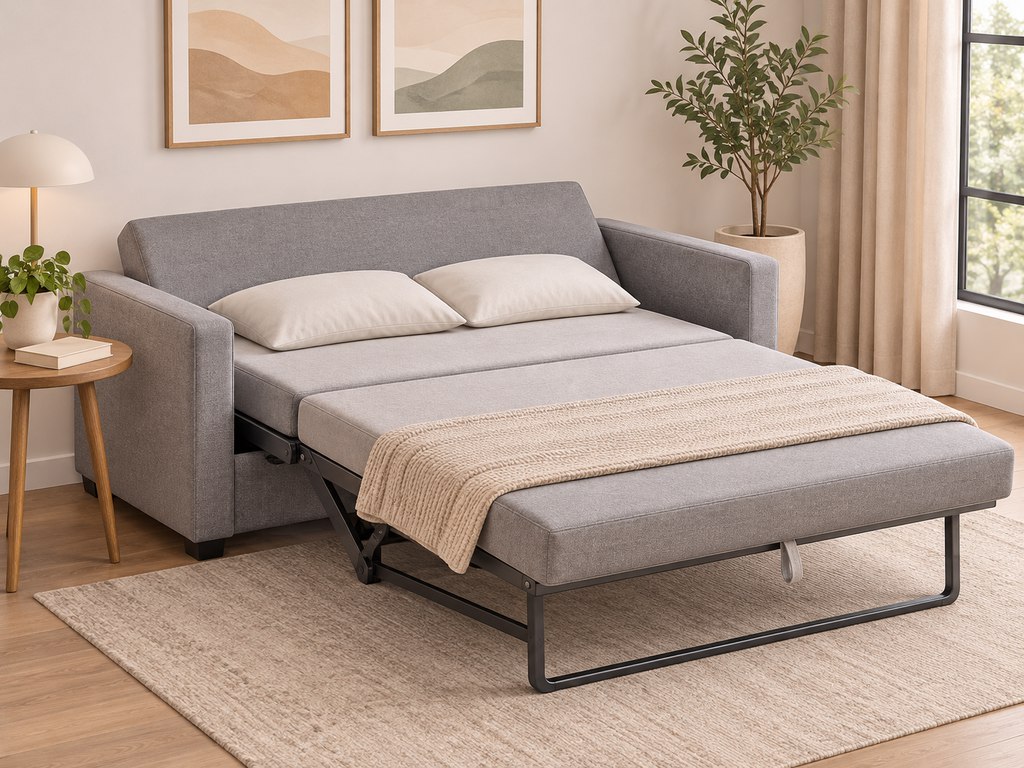
Some folding sofa beds require users to remove cushions, pull out a frame, unfold a mattress, or reposition several components before they are ready for sleeping. This process may be manageable for occasional guests, but it can become inconvenient when the sofa changes between seating and sleeping modes frequently.
The effort also depends on the frame weight, conversion mechanism, and clearance around the sofa. In a small room, working around a coffee table, rug, or nearby furniture can make manual conversion feel more cumbersome.
The Sleeping Surface May Feel Less Supportive
Some folding sofa beds use the same seat and back cushions to create a sleeping surface, while others include a separate mattress. Depending on the construction, guests may notice uneven support, gaps between cushions, or firm sections underneath. A surface that feels comfortable for sitting does not necessarily provide the same support for sleeping.
Before buying, check:
- Sleeping dimensions: Make sure the surface provides enough length and width for the intended guest.
- Cushion support: Look for cushioning that maintains its shape under weight.
- Surface continuity: Check whether the seat and back sections form an even sleeping surface.
- Frame support: Look for a stable base without noticeable gaps or weak areas.
For occasional guest use, these details help determine whether the sleeping surface will be comfortable enough without requiring a separate guest mattress.
The Open Bed Takes Up Valuable Floor Space
A folding sofa bed may fit comfortably against the wall when closed but occupy much of the usable floor area once opened. In a narrow living room, the extended bed can overlap with the coffee table, block a walkway, or make it difficult to reach other parts of the room.
This is especially important in studio apartments and multipurpose living rooms where the same floor space is used for several activities. The sofa bed needs to work in both configurations, not just look appropriately sized when closed.
Bedding May Require Separate Storage
Not every folding sofa bed includes built-in storage for sheets, pillows, and blankets. Some designs also cannot close properly with thick bedding or mattress toppers left inside. In a small apartment, finding room for these extra items can become another storage challenge.
Before buying, check whether the sofa includes a storage compartment or whether you will need a separate ottoman, cabinet, or closet shelf for guest bedding.
Power Sofa Beds: A Solution to Manual Conversion
Manual and power sofa beds differ mainly in how they transition between seating and sleeping positions.
| Comparison | Manual Sofa Bed | Power Sofa Bed |
|---|---|---|
| Operation | Requires pulling, lifting, or folding manually | Uses motorized controls |
| Position Adjustment | Requires physical repositioning | Adjusts with a remote or button |
| Everyday Convenience | Better suited to occasional conversion | More convenient for frequent adjustments |
| Physical Effort | Requires more manual handling | Reduces pulling and lifting |
| Power Requirements | No electrical outlet needed | Requires an accessible outlet |
A manual sofa bed can work well for occasional overnight guests. However, if you regularly switch between sitting, lounging, and sleeping, a power sofa bed makes these transitions easier with less physical effort. It is particularly worth considering when the sofa serves as your primary everyday seating.
For small living rooms that also accommodate overnight guests, the Aurora Power Sofa Bed offers remote-controlled, stepless seat-depth adjustment from 27 to 45.5 inches. One-touch controls switch between lounge, recline, and sleep modes, reducing the need to manually pull out or rearrange the seating surface.
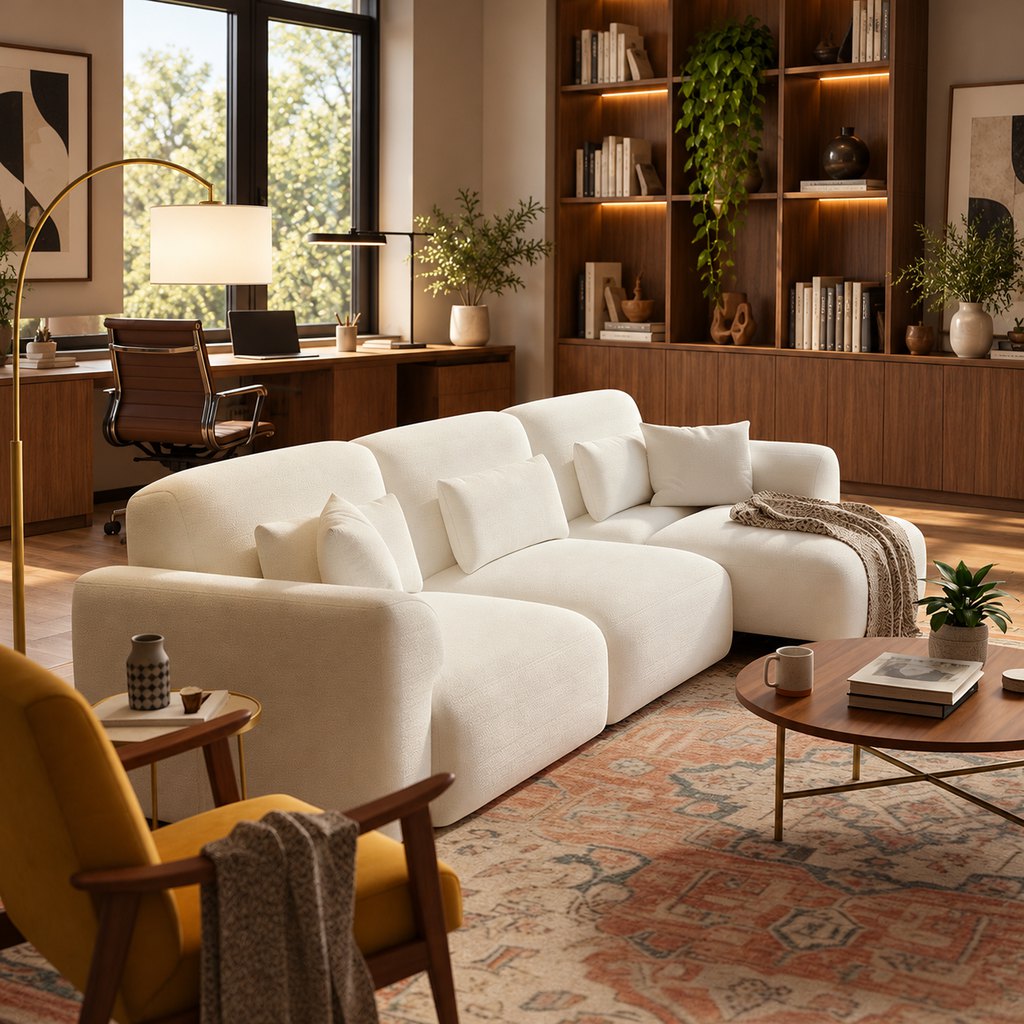
Aurora Power Sofa Bed
A motorized sleeper for compact homes balancing everyday seating with occasional overnight guests.
👍 Best for: Small rooms and overnight guests
✨ 27–45.5-inch stepless seat adjustment
✨ Remote-controlled motor operation
✨ Three lounge, recline, and sleep modes
What Should You Check Before Buying a Folding Sofa Bed for a Small Space?
Before choosing a folding sofa bed, check these details to make sure it works in both seating and sleeping positions:
- Closed Dimensions: Measure the sofa’s width and depth to confirm it fits your available wall space.
- Full Open Footprint: Check the extended width and depth, including the direction in which the bed unfolds.
- Walkway Clearance: Make sure the opened bed does not block doorways or everyday walking paths.
- Sleeping Surface: Compare the actual sleeping length, width, and support rather than relying only on the product label.
- Bedding Storage: Decide where sheets, pillows, and blankets will go when the bed is not in use.
- Conversion Requirements: Check how much effort and clearance the mechanism needs. For a power model, confirm that a suitable outlet is accessible.
- Delivery Access: Measure doorways, stairs, elevators, and hallway turns before ordering.
Conclusion
A folding sofa bed can be a practical solution for small spaces when you need everyday seating and occasional guest sleeping in one piece of furniture. Its main advantages are flexible use and the ability to keep a separate bed out of the daily layout. However, manual conversion, sleeping comfort, open-bed dimensions, and bedding storage are important trade-offs.
If you only host occasionally, a traditional folding sofa bed may meet your needs. If you regularly switch between sitting, lounging, and sleeping, a power sofa bed may offer a more convenient alternative. Compare the mechanism, available space, and intended use before deciding which design works better for your home.

Find the Right Sofa Bed for Your Space
Explore sofa beds designed for everyday comfort, flexible seating, and occasional overnight guests.
FAQ
Is built-in storage worth it in a sofa bed for small spaces?
Built-in storage is worth it when your bedding has no dedicated home. It keeps sheets, pillows, and a lightweight blanket close to the sofa bed, which makes setup faster and keeps closets free. Skip storage only if it adds too much bulk, raises the seat height awkwardly, or makes the sofa harder to move.
Can I leave sheets or a mattress topper on a folding sofa bed when it closes?
Usually, you should not leave thick bedding or a mattress topper inside a folding sofa bed when it closes. Extra layers can strain the mechanism, create uneven pressure, or stop the sofa from closing flat. A thin fitted sheet may work on some designs, but always check product instructions and store bulky bedding separately.
What upholstery is easiest to maintain on a sofa bed used often?
Performance fabric, microfiber, treated chenille, and wipeable leather alternatives are easier to maintain on a sofa bed used often. The best choice depends on your household: pets need tighter weaves or scratch-resistant surfaces, kids need spill-friendly fabrics, and frequent guests need materials that feel comfortable under sheets without trapping lint or odors.
What sleeper size works best for tall guests in a small room?
Choose the longest actual sleep surface your room can open safely, not the largest product label. Tall guests usually need enough length to avoid sleeping diagonally, so check the open bed dimensions, mattress length, and pillow space. Some sleeper sofa mattresses run shorter than standard bed mattresses, so confirm the listed sleep size before ordering.
What Are the Main Disadvantages of a Folding Sofa Bed?
The main disadvantages include the effort required to convert some manual models, a sleeping surface that may feel different from a regular mattress, and the floor space needed when fully opened. Some models also lack built-in storage for bedding. These trade-offs matter most in small rooms where furniture movement and storage are already limited.
When Should You Consider a Power Sofa Bed Instead?
A power sofa bed may be worth considering if you regularly switch between sitting, lounging, and sleeping and prefer easier adjustments. Motorized controls reduce the need for manual repositioning, but you should still check the extended dimensions and sleeping surface before buying.


[…] Measure the closed sofa, the extended depth, and the walking space around it. In a narrow room, a folding bed and sofa for small spaces works best with movable tables, slim storage, and a layout that does not depend on a fixed coffee […]