 By Stephanie
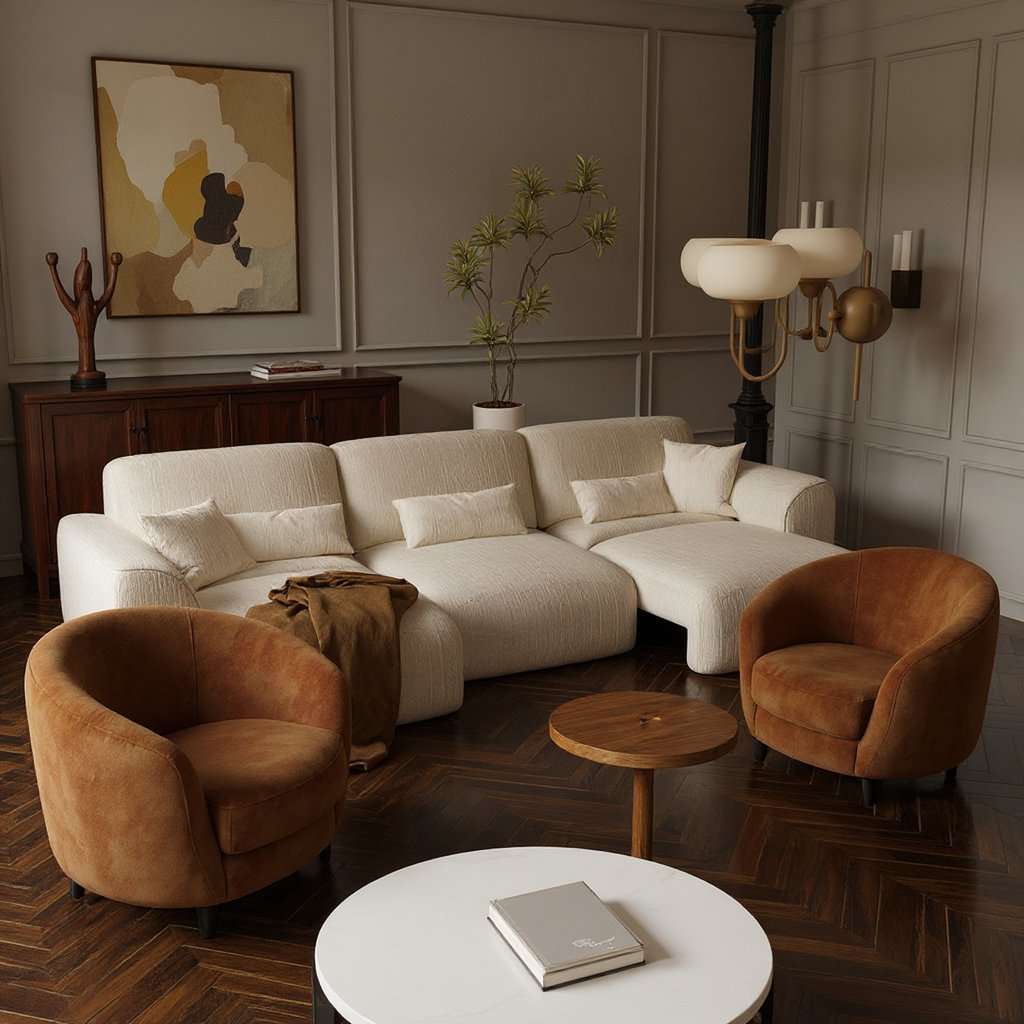
Are futons comfortable for everyday sitting and overnight sleep? They can be, but the answer depends on the mattress, frame, and how often you use each position. A futon that works for occasional guests may feel too firm or awkward as the main living room couch, while a comfortable seat may not provide an even sleeping surface. This guide explains how Western-style futons differ from Japanese floor futons, what affects their comfort, and what to check before buying one for your home.
Table of Contents
How Comfortable Is a Futon in Each Position?
A futon has to do two different jobs, and each position creates different comfort requirements. When used as a couch, seat proportions and back support matter most. When opened into a bed, the mattress needs to provide an even, adequately supported surface. Evaluating both positions separately helps you determine whether one futon can realistically meet your needs.
As a Couch: Seat Fit Matters More Than Plushness
If you’re asking, “Are futons comfortable to sit on?” start with seat dimensions rather than how soft the mattress feels. A futon designed for occasional seating may not provide the same support as a sofa intended for everyday use.
Check three things when sitting down:
- Seat depth: Your back should reach the backrest without forcing you to slide forward or leave your feet unsupported. If the seat is too deep, you may struggle to maintain a natural sitting position.
- Cushion firmness: The surface should feel supportive without being uncomfortably hard. A cushion that compresses too much can make the frame more noticeable underneath.
- Backrest support: The angle should allow you to sit comfortably without constantly adding pillows or leaning forward.
For example, in a small apartment where the futon serves as the main living room couch, someone might use it for reading, working on a laptop, and watching television. A seat that feels acceptable during a short visit may become uncomfortable after several hours.
Check the usable seat depth and height together rather than judging comfort from the furniture’s overall dimensions. A sofa seat depth and height guide can help you understand these measurements before comparing different seating options.
As a Bed: Check the Entire Sleeping Surface
If you’re wondering, “Are futons comfortable to sleep on?” pay attention to what supports your body after the frame is fully extended.
A convertible futon mattress often has to bend where the frame folds. This construction can create differences in surface height, firmness, and support.
Look for these potential issues:
- Center seams: A noticeable ridge or gap where two sections meet can interrupt the sleeping surface.
- Exposed support bars: If you can feel a hard frame component through the mattress, the cushioning or support arrangement may be inadequate.
- Uneven compression: Worn or compressed filling can create areas that feel softer or harder than the rest of the mattress.
- Limited sleeping space: The usable surface may be smaller than the overall furniture dimensions suggest.
A futon that feels fine during a short afternoon rest may not provide the same experience over a full night. Test the entire surface, including the center and edges, rather than judging comfort from one spot.

Western Futons vs. Japanese Floor Futons
The word “futon” describes more than one type of sleeping arrangement in the US market. A framed convertible futon and a traditional Japanese futon have different constructions, support systems, and everyday uses. Identifying the type first prevents you from applying the wrong comfort expectations when comparing products.
Western-Style Convertible Futons
A Western-style futon typically combines a folding frame with a mattress or upholstered cushion that serves as both the seat and sleeping surface.
Its main advantage is that one piece of furniture can accommodate everyday seating and occasional overnight guests. However, the shared surface creates a design trade-off: the mattress needs to provide enough cushioning for lying down while remaining firm and flexible enough to function as a seat.
Comfort varies with:
- Mattress filling and thickness.
- Frame construction and support spacing.
- Seat height and backrest angle.
- How frequently the mattress is folded and unfolded.
Some models use basic cotton or foam filling, while others incorporate higher-density foam or innerspring systems. These materials can produce noticeably different seating and sleeping experiences.

Traditional Japanese Futons (Shikibuton)
A traditional Japanese shikibuton is a thin, flexible sleeping mat placed on a floor or tatami surface. Unlike a Western futon, it is designed primarily for sleeping rather than converting between a sofa and a bed.
Its firmer, closer-to-the-floor feel may suit people who prefer a minimal sleeping setup, but it can feel unfamiliar to those accustomed to thicker mattresses. The rest of this guide focuses on Western-style convertible futons, which have different seating and sleeping requirements.

What Determines a Futon’s Comfort?
Beyond its overall design, a futon’s feel depends largely on two things: what the mattress is made of and how the frame supports it. These construction differences explain why futons with similar appearances can offer very different sitting and sleeping experiences.
Mattress Materials and Their Feel
Futon mattresses use different fillings, each with its own characteristics:
- Cotton: Often creates a firmer, denser feel. Its overall comfort depends on the amount and distribution of filling.
- Foam: Offers a range of firmness levels and cushioning. Foam density and resilience influence how the mattress responds to body weight.
- Innerspring: Uses coils to provide support, while the padding above them affects the surface feel.
- Layered filling: Combines materials to balance cushioning and underlying support.
Thickness alone doesn’t determine comfort. The type, quality, and combination of materials matter just as much. Personal preference also plays a role: side sleepers may prefer more cushioning around the shoulders and hips, while back sleepers may favor a more evenly supportive surface.
If you already own a futon and find its surface uncomfortable, the appropriate adjustments depend on the source of the problem. These ways to make an existing futon more comfortable address common issues after purchase.
Frame Design and Mattress Support
The frame influences how the mattress bends, distributes weight, and maintains support when the futon changes between sofa and bed positions.
Unlike a conventional mattress resting on a fixed bed base, a convertible futon mattress has to accommodate the frame’s folding design. The arrangement of its support sections and joints can therefore affect how the mattress feels in each position. Even when two futons use similar filling materials, differences in frame construction can produce noticeably different experiences.
Is a Futon Comfortable for Your Everyday Routine?
A futon that works for occasional guests may not meet the demands of everyday use. The more frequently you rely on it, the more important consistent support and comfortable proportions become. Consider which position gets used most often before deciding how much flexibility you’re willing to trade for space savings.
| Usage Pattern | Main Comfort Priority | What to Check |
| Daily living room seating | Consistent sitting comfort | Seat depth, backrest support, and cushion resilience |
| Occasional overnight guests | Basic sleeping support | Surface flatness, center seams, and usable dimensions |
| Frequent overnight sleeping | Reliable sleeping surface | Mattress construction, frame support, and intended use |
For a home office that doubles as a guest room, test the futon as a seat first if you spend most weekdays working there. Occasional overnight use should not come at the expense of the comfort you need every day.
How to Test a Futon’s Comfort Before Buying
Product descriptions and photographs can help you compare dimensions and construction, but they cannot tell you exactly how a futon will feel. If possible, test both positions before purchasing. A consistent process makes it easier to spot problems that might not be obvious from a product listing.
Step 1 — Test the Sitting Position
Sit all the way back against the backrest. Check whether your feet can rest naturally on the floor and whether your thighs receive adequate support.
Stay seated for several minutes and change positions. Notice whether you feel pushed forward, sink excessively, or need extra pillows to maintain a comfortable position.
Step 2 — Test the Sleeping Surface
Open the futon completely according to its instructions. Lie down in your usual sleeping position and check the center, edges, and areas directly above the frame joints.
Pay attention to noticeable ridges, gaps, or hard spots. If the mattress feels uneven, determine whether the issue comes from its filling or the support beneath it.
Step 3 — Check the Actual Sleeping Dimensions
Measure the flat sleeping surface rather than relying only on the furniture’s advertised width.
Confirm:
- Usable sleeping length from top to bottom.
- Usable sleeping width between the frame edges.
- Whether the surface accommodates your intended number of sleepers.
- Whether the frame or armrests reduce the available space.
This is particularly important for couples. A futon that looks spacious in sofa mode may provide less room once opened.
Step 4 — Evaluate the Frame and Conversion
Switch between sofa and bed positions, following the manufacturer’s instructions. The frame should move without excessive force, and the finished sleeping position should be stable.
Check for loose joints, uneven folding, or sections that fail to lock into their intended positions. Also confirm that you have enough clearance around the furniture to open it without moving other essential pieces every time.
A Power Sofa Bed Alternative to a Fixed-Depth Futon
When a futon serves as your main living room seating, its fixed configuration may not offer enough flexibility for different activities throughout the day. A power sofa bed provides a more adaptable setup, using a motorized mechanism to change the seating surface at the touch of a remote. This makes it easier to move between everyday seating and a more relaxed lounging position without manually rearranging the furniture.
The POVISON Aurora Power Sofa Bed brings this convenience to everyday use with an adjustable seat depth of 27 to 45.5 inches. Keep the seat more compact for sitting or extend it when you want extra room to lounge. Its water- and scratch-resistant chenille upholstery adds practical durability for a busy household.

Aurora Comfortable Sofa Bed | $2,699
A thoughtful option for living rooms where everyday seating and relaxed lounging both matter.
Conclusion
Are futons comfortable? They can be, but comfort depends on the job you expect them to do. For everyday seating, check seat fit, back support, and how the cushion holds its shape. For overnight use, inspect the flat surface, frame support, and actual sleeping dimensions. A futon makes sense when both positions meet your needs without constant adjustment. If one position feels like a compromise, compare an adjustable power sofa bed for deeper lounging and verify that its dimensions suit your intended use before deciding.

Looking for More Flexibility Than a Futon?
Explore power sofa beds with adaptable seating for everyday sitting and relaxed lounging.
Frequently Asked Questions
Is a Futon Comfortable for Tall Sleepers?
It can be, provided the usable sleeping length accommodates your height. Measure the fully extended mattress rather than the sofa’s overall dimensions. Leave enough room for your pillow and feet without resting against the frame or side rails.
Can Two Adults Sleep Comfortably on a Futon?
Only if the usable sleeping width and frame capacity accommodate both people. Check the actual mattress dimensions after the futon is fully opened, and compare your combined weight with the manufacturer’s rating. A two-seat sofa does not automatically provide enough room for two sleeper couchs.
Can You Replace a Futon Mattress Without Replacing the Frame?
Often, but only if the frame accepts a separate replacement mattress. Match its length, width, thickness, and folding flexibility to the manufacturer’s specifications. Some futons use integrated cushions or proprietary folding mattresses, so confirm compatibility before ordering.
Can a Western-Style Futon Mattress Be Used Directly on the Floor?
Not automatically. Many Western futon mattresses are designed for folding frames that support the mattress in both positions. Floor use can change airflow and stability, particularly on carpet. Check the manufacturer’s instructions before using the mattress without its intended frame.


