 By Hana
Introduction – Why Seat Depth & Height Make or Break Your Sofa
Most people pick a sofa for color and style, then realize after a week that something feels “off.” That “something” is usually sofa seat depth and sofa seat height. We spend years of our lives on the sofa, so comfort really matters – one UK poll found people log about 97.5 minutes a day on theirs, adding up to more than 4.2 years over adulthood (source: JOE, 2025). This guide helps you match depth, height and habits so your next comfortable sofa actually fits your body.
What Is Sofa Seat Depth (and How Do You Measure It)?
Sofa seat depth is the distance from the front edge of the cushion to the front of the back cushion. Designers call this the “inside seat depth,” and it’s what your legs and lower back really feel, far more than the sofa’s overall depth. Most sofas fall in an average sofa seat depth range of about 21–24 inches, with anything shallower feeling quite upright and anything much deeper encouraging lounging (source: Houzz, 2017). This single number often decides whether you sit comfortably for ten minutes or keep fidgeting and sliding forward.
To measure sofa seat depth accurately at home or in a showroom, first press the back cushion gently into its normal position so there’s no gap. Then place the end of a tape measure where your lower back would touch the cushion and run it straight to the front edge of the seat, keeping the tape level rather than following any curve. Note that number in inches or centimeters; it becomes your personal reference when you compare different sofas or look at specs like “sofa seat depth 21” or “sofa seat depth 24″” online.
Sofa Seat Depth vs Sofa Seat Height – Finding the Right Balance
If depth decides how far you sink in, sofa seat height decides how easy it is to sit down and stand up. Seat height is measured from the floor to the top of the seat cushion at the front. Many interiors guides treat about 17–19 inches as a comfortable sofa seat height for most adults, because it lines up with standard coffee table heights and keeps knees near hip level (source: ArchitectureLab, 2021).
Depth and height work together. A low, deep seat feels loungey; a high, shallow one feels more formal. In a showroom, do a quick test: sit all the way back, keep your feet flat, and check that your knees are at or slightly below your hips and your lower back is supported. If that posture is easy to hold for a couple of minutes, you’ve probably found a good seat depth + height combo.
For a more moderate example, the Benjamin Power Reclining Loveseat pairs a 22.44-inch seat depth with a 17.51-inch seat height. That puts the fixed seat close to the middle of the ranges above, making it a practical starting point for buyers who want room to relax without beginning with an extra-deep seat. Power reclining changes the lounging position when needed rather than relying on an oversized fixed seat.
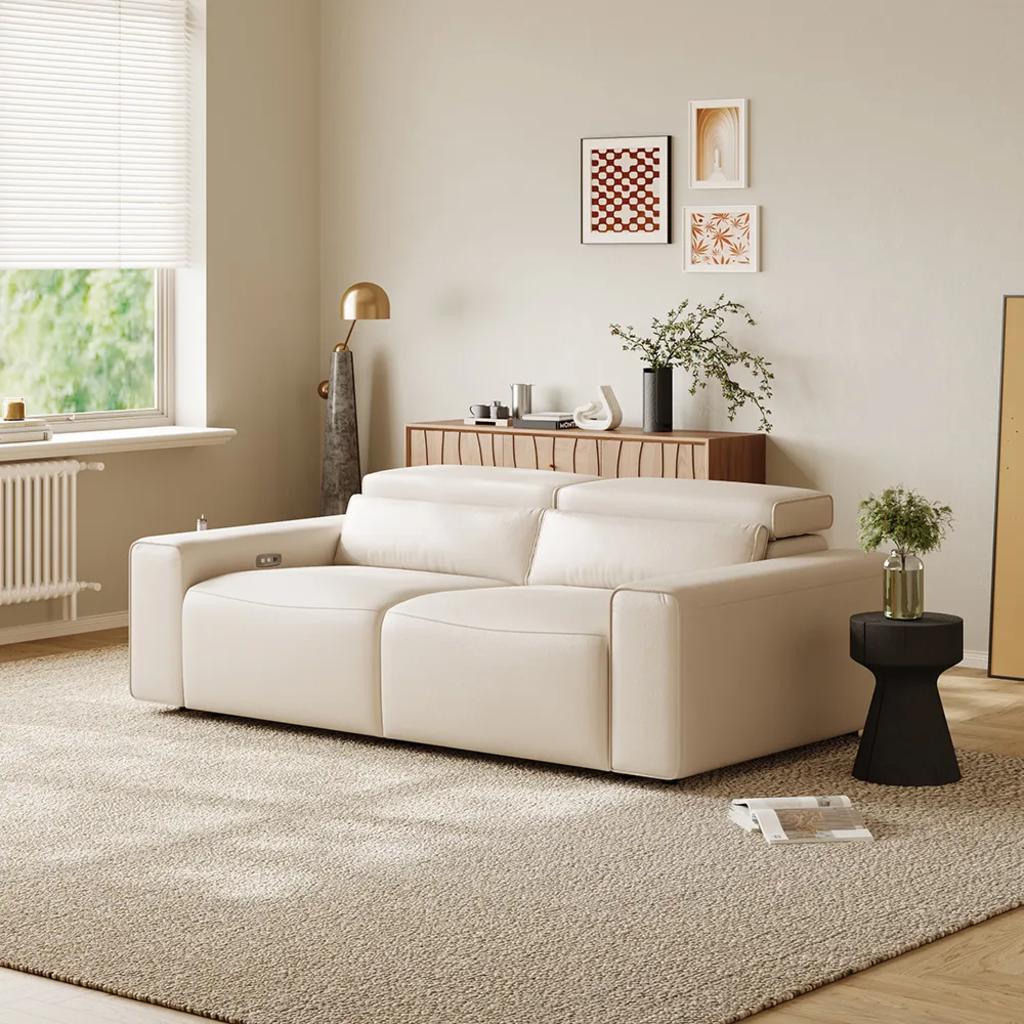
Benjamin Power Reclining Loveseat
Moderate-depth power seating balances upright support with reclining flexibility for buyers who do not want a permanently extra-deep sofa.
👍 Best for: Balanced sitting and reclining
✨ 22.44-inch moderate seat depth
✨ Power recline up to 135°
✨ 17.51-inch balanced seat height
Best Sofa Seat Depth for Different Bodies & Lifestyles
Body size matters. Petite users usually feel better on a standard sofa seat depth around 20–21 inches; that’s often the best sofa seat depth for short person because feet stay flat without a gap behind the knees. Taller people often love a deep seat sofa with mid-20s inches of depth, especially if they like to tuck one leg up. For families with mixed heights, a middle-ground seat depth sofa around 22–23 inches plus a few back cushions is the most flexible.
Quick Size Guide (Height, Depth & Height Together)
Use this table as a simple starting point for inside seat depth and seat height:
| Height & Use | Suggested seat depth | Suggested seat height |
| Under 5’4″ (≤163 cm), mostly upright | 19–21 inches | 18–19 inches |
| Under 5’4″ (≤163 cm), lounging / TV | 20–22 inches | 17.5–18.5 inches |
| 5’4″–5’9″ (163–175 cm), mostly upright | 20–22 inches | 17–18.5 inches |
| 5’4″–5’9″ (163–175 cm), lounging / TV | 22–24 inches | 17–18.5 inches |
| Over 5’9″ (≥175 cm), mostly upright | 21–23 inches | 17–18 inches |
| Over 5’9″ (≥175 cm), lounging / napping | 23–25 inches | 16.5–18 inches |
If you are not sure how deep you want to sit throughout the day, an adjustable design can be more useful than choosing one fixed number. The Hudson Sailboat Deep Sofa changes usable seat depth from 22.83 to 33.46 inches as the backrest moves, while the seat height stays at 17.32 inches. The shallower setting works closer to conventional seating, while the deeper setting creates substantially more room for lounging.
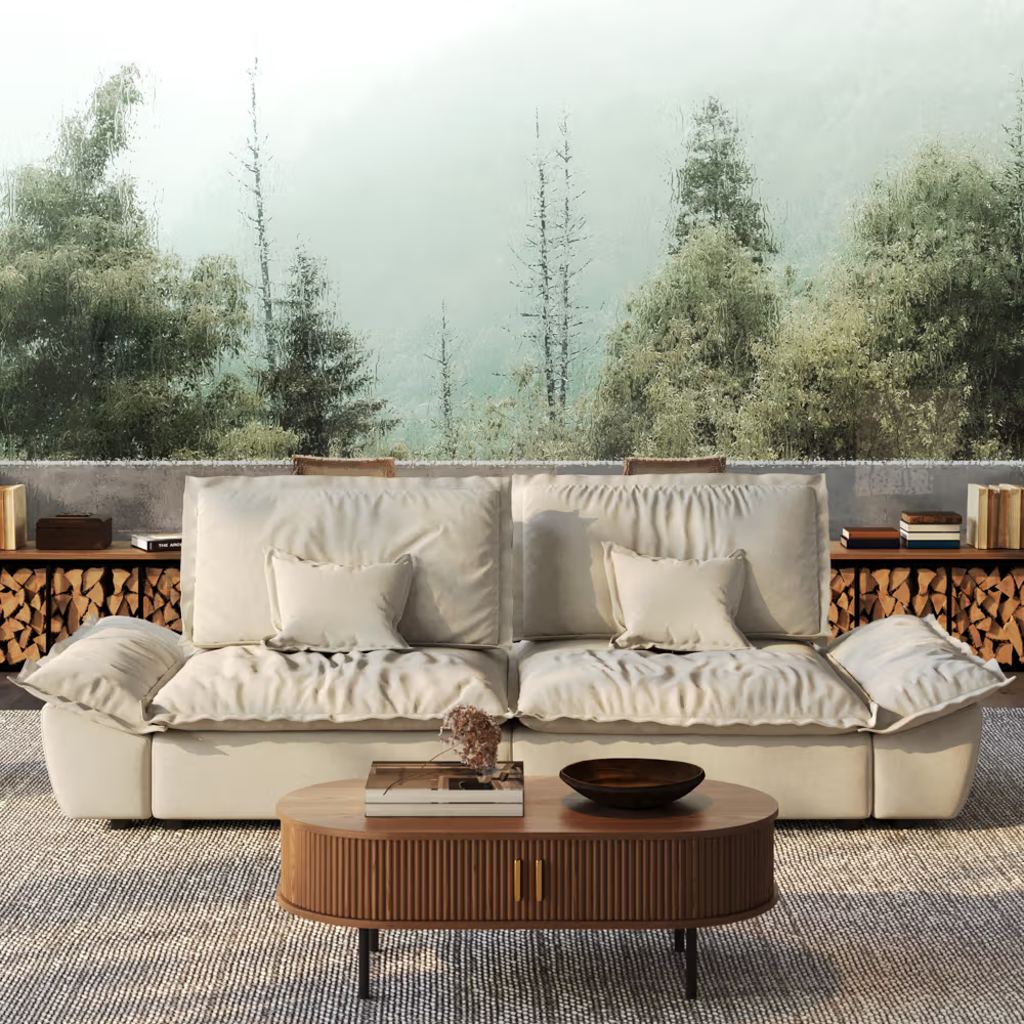
Hudson Sailboat Deep Sofa
Adjustable backrests shift seat depth from moderate to extra-deep for more flexible sitting and lounging.
👍 Best for: Best for mixed sitting preferences
✨ 22.83–33.46-inch adjustable seat depth
✨ Movable backrests change seating position
✨ 17.32-inch relaxed seat height
Lifestyle is the second big driver. Think about how you actually use the sofa: If you host and chat, a slightly shallower, firmer seat keeps everyone upright and engaged. If you mostly binge-watch, nap or work from the sofa, deeper seats and softer cushions feel better. Picture a Sunday: laptop open, coffee on the table, your back supported while your legs stretch out on an ottoman – that’s your personal “comfortable sofa” target, and your ideal depth should support that exact scene.
Is a Deep Seat Sofa Right for You?
A deep seat depth sofa looks luxurious and feels like a mini daybed. It’s perfect for large living rooms, home theaters and relaxed family spaces where you read, nap and pile in with kids or pets. Deep seats, though, can be tiring for shorter guests or seniors; if they can’t plant their feet, they end up perching on the edge. Formal sitting rooms, narrow apartments or spaces that double as home offices are often better with a standard seat depth sofa. Design media usually treat anything beyond the usual 21–24 inches as “deep,” so check those numbers if you’re unsure (source: Livingetc).
If you already own a deep seat sofa, use this quick comfort checklist:
- Layer lumbar and back cushions to shorten the effective seat depth.
- Add an ottoman so shorter users can fully support their legs.
- Choose slightly firmer seat cushions if you feel like you’re sinking into a hammock.
- Keep throws and pillows edited so the sofa still looks clean and modern.
- For very deep models (like a 40 inch seat depth sofa), reserve them for lounging rooms, not your only seating.
In a larger family room where lounging matters more than upright sitting, the Mila Power Sofa Bed starts at a listed 31-inch seating depth—already much deeper than the conventional 20–25-inch ranges above. Its powered surface then extends to 59 inches for chaise-like lounging, daybed use, or sleep. That makes Mila a lounge-first option rather than a standard-depth sofa, so shorter users may need extra back support and buyers should measure the fully extended footprint.
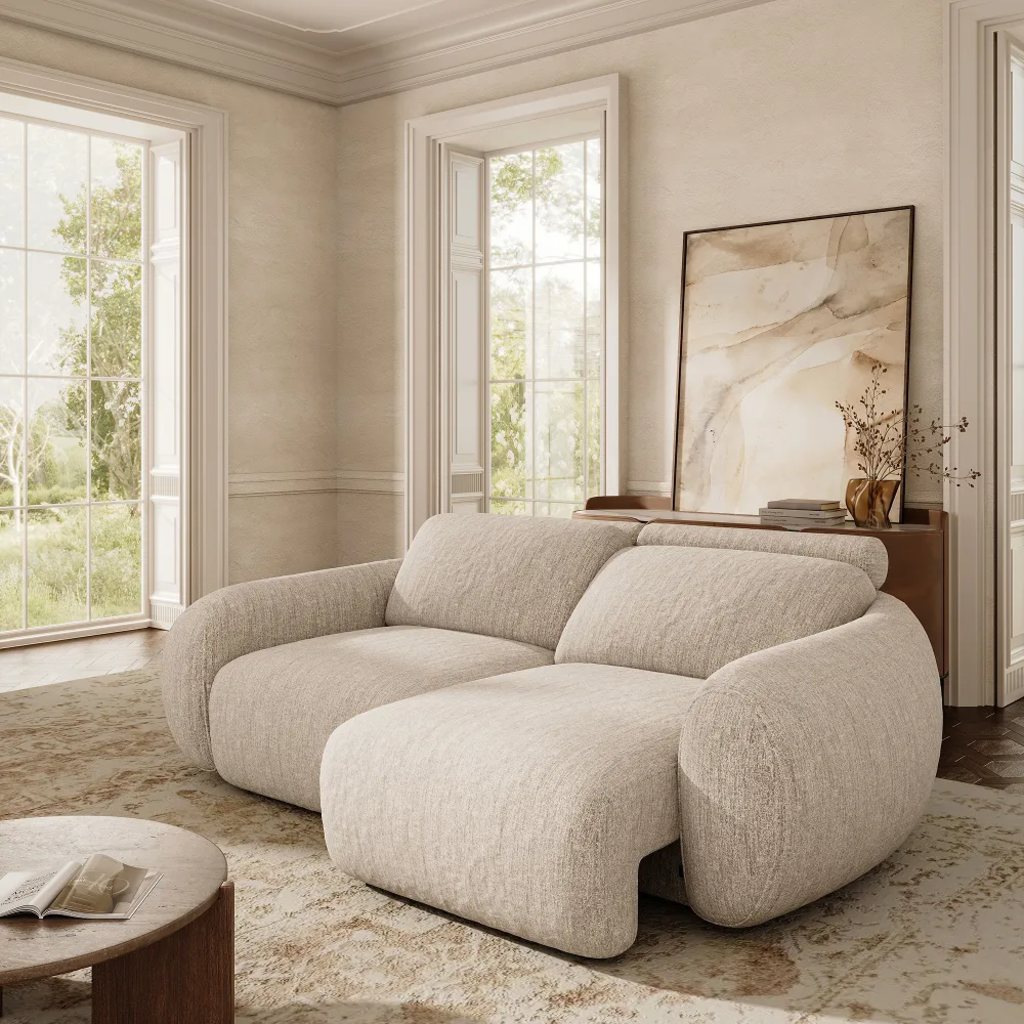
Mila Power Sofa Bed
Extra-deep power seating expands from lounge-first sitting into a near-King sleep surface for buyers who intentionally prefer more room.
👍 Best for: Committed extra-deep loungers
✨ 32–59-inch adjustable seat depth
✨ 105°–180° powered adjustment
✨ Near-King extended sleep surface
Measuring, Testing & Buying a Comfortable Sofa
Before you shop, measure a chair or sofa you already love – that “best seat depth for sofa” in your home is a perfect benchmark. Note seat depth, seat height and how far it sits from the wall, rug and coffee table. Then measure your room so you keep at least 75–90 cm of walkway around the sofa. When browsing online, focus on what is seat depth on a sofa, seat height, back height and cushion type rather than only overall depth. If a listing only shows total depth but not depth of sofa seat or seat height, treat that as a red flag.
Also check whether the number describes a fixed seat or an extendable seating platform. The Aurora Power Sofa Bed, for example, adjusts from 27 to 45.5 inches while keeping an 18-inch seat height. That range should not be read like a conventional fixed sofa depth; it shows how far the powered seating surface can extend for sitting, deeper lounging, or sleep. Measure both the closed and fully extended footprint so the sofa still leaves enough usable floor space.
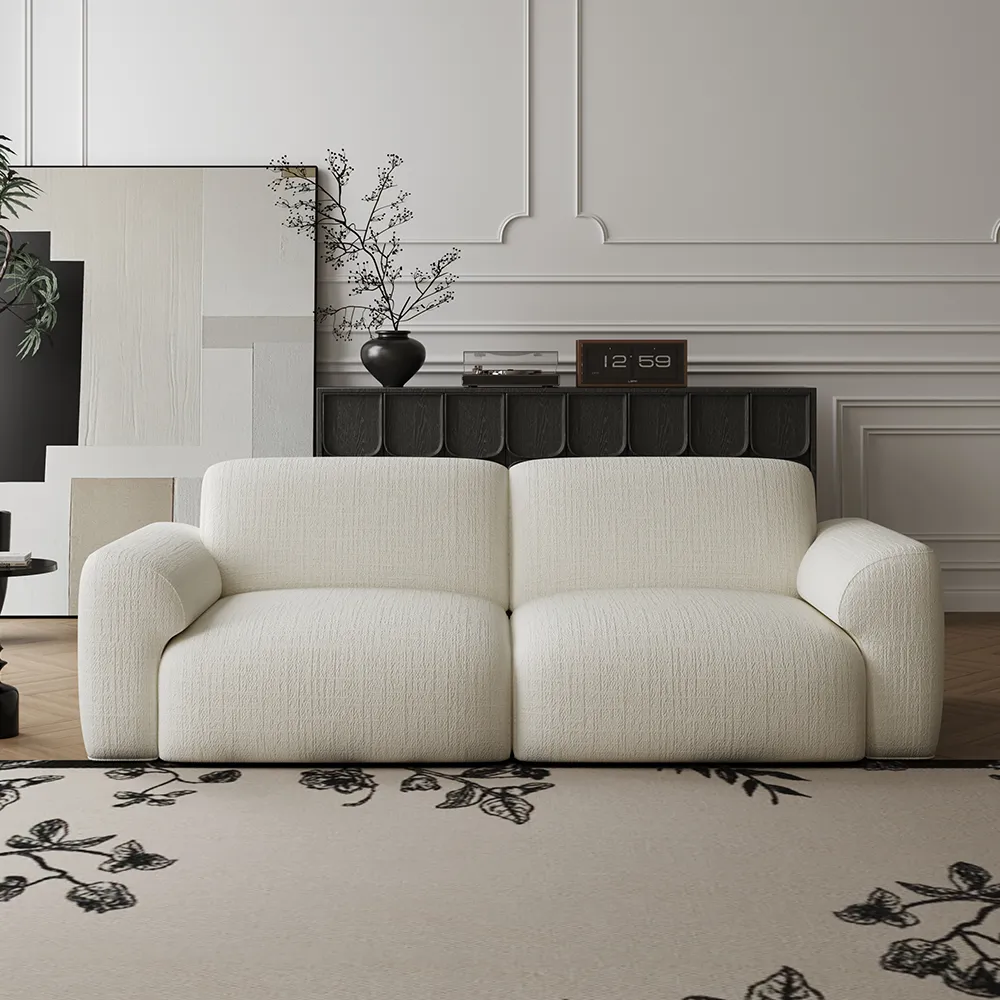
Aurora Power Sofa Bed
Variable-depth power seating moves between everyday sitting and deeper lounging, giving multipurpose rooms more flexibility without one fixed depth.
👍 Best for: Multipurpose sitting and lounging
✨ 27–45.5-inch stepless extension
✨ Independent powered seat adjustment
✨ Consistent 18-inch seat height
When comparing sofas online, treat seat depth and seat height as primary specifications rather than judging comfort from overall dimensions alone. Also check how the sofa changes in use: a fixed seat, movable backrest, power recliner, and extendable sofa bed can all show very different depth numbers even when they serve similar living rooms. If you are specifically deciding whether a deeper design fits your space, our Deep Seat Sofa vs. Deep Seat Couch guide offers a closer comparison.
Conclusion – Build Your Own Comfort Formula
There’s no “perfect” sofa seat depth that suits everyone. Comfort is a formula: seat depth + seat height + how you live. Aim for numbers that let your feet rest flat, your back feel supported, and your favorite daily rituals – movie nights, quick naps, coffee chats – feel effortless. Use your current favorite seat as a reference, compare spec sheets carefully, and adjust with pillows or ottomans if needed. When in doubt, choose the option that feels best to your body, even if trends say otherwise. That’s the real definition of a comfortable sofa.
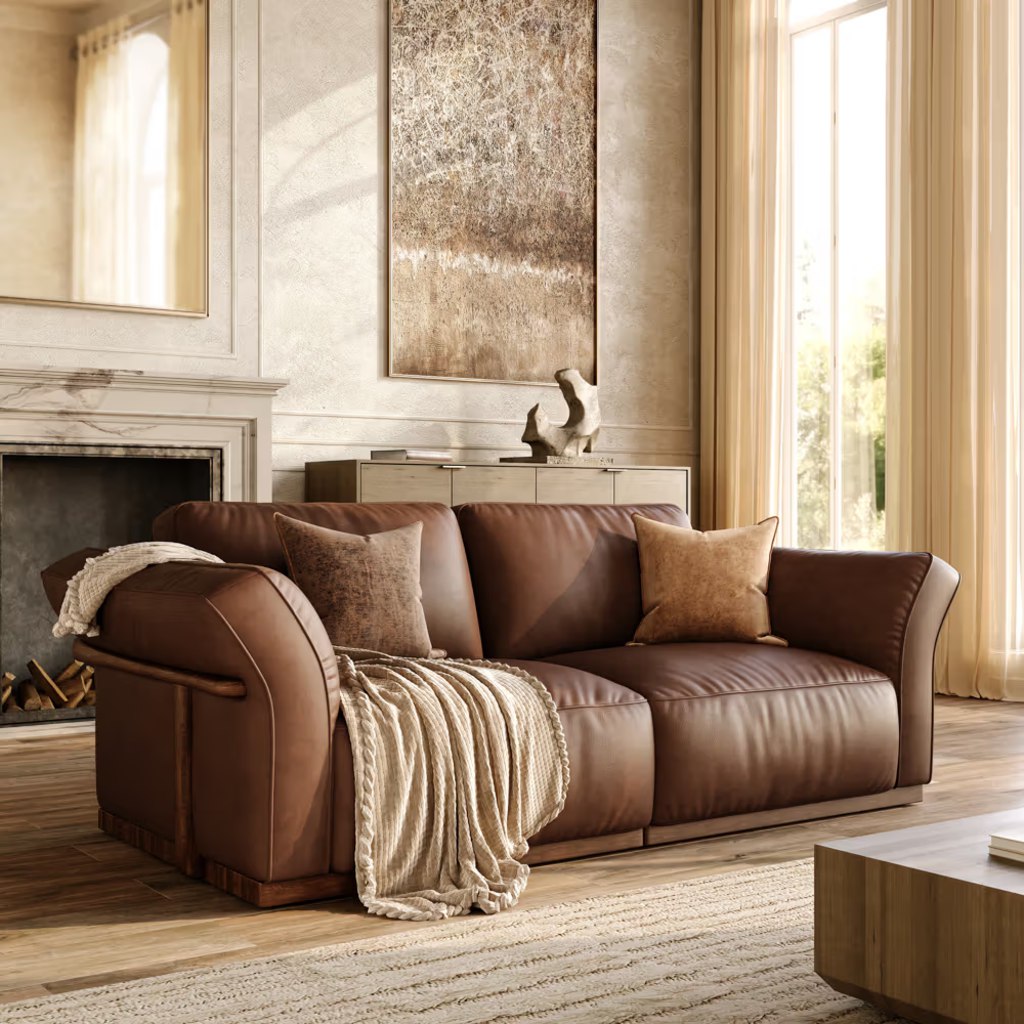
Find the Right Sofa for Everyday Living
Compare seat depth, seat height, and seating styles for your space.
FAQs About Sofa Seat Depth & Height
What is a standard sofa seat depth?
For most adults, a standard sofa seat depth means an inside depth of about 21–24 inches. This range usually supports the thighs while keeping feet flat on the floor and posture fairly upright, which makes it a safe default for family rooms and multi-use spaces.
What depth counts as a deep seat sofa?
A deep seat sofa is any model that’s clearly beyond the usual 21–24-inch range, often around 25 inches or deeper. These sofas are designed so you can curl up, sit sideways or stretch out without your knees hanging off the edge, which is why many “best deep sofa” round-ups focus on these roomier seat depths.
What is the best sofa seat height for seniors or people with knee pain?
For older adults or anyone with knee or hip issues, a slightly higher sofa seat height makes standing up easier. Aim around 18–20 inches from floor to top of cushion, and avoid very low lounge sofas. When possible, pair that with a medium seat depth so they can sit back without struggling to keep feet flat.
Is a deep seat sofa bad for your back?
Not necessarily. A deep seat depth sofa can feel amazing if you’re tall or love to lounge, but your back still needs support. Add lumbar cushions so you can sit with your pelvis neutral, and mix in more upright chairs for long conversations or laptop work. If you constantly slouch or slide forward on a deep sofa, it may be too long for your legs.
How can I tell if a sofa will be comfortable when I’m buying online?
First, compare the specs to a sofa or chair you already like: sofa seat depth 24″ vs 21″, sofa seat height vs your leg length. Check real-life photos and reviews for comments on firmness and support. If seat depth or height are missing, ask the seller; a transparent brand will share full measurements and how that model is meant to be used – upright, lounging, or both.


[…] while a smaller power model can create much more usable legroom once extended. A practical sofa seat depth and height guide is especially useful when comparing how the seat will support the thighs in an upright […]