 By Stephanie
Hosting gets easier when you know exactly how guests will use your home before you start cooking or decorating. These holiday hosting tips focus on the decisions that prevent the most common problems: too few places to eat, a crowded living room, blocked walkways, and an unexpected overnight stay. Start with the type of gathering and a confirmed guest count, then plan how people will eat, sit, move, and—if needed—sleep. Once those basics work, food prep, lighting, and seasonal details become much easier to manage.
Table of Contents
What Kind of Holiday Gathering Are You Hosting?
The same home can handle different guest counts depending on the event. A seated dinner needs a real dining place for each person. An open-house gathering can use sofa seating, chairs, and standing room. Overnight hosting adds another requirement: a sleep setup that does not make the rest of the home hard to use.
| Hosting type | Check first | Why it matters |
| Sit-down dinner | Dining seats and table capacity | Everyone eats at the same time. |
| Casual gathering | Seating and circulation | Guests move between food, drinks, and conversation. |
| Dinner + overnight stay | Dining, seating, and sleep space | The home must work through several phases. |
Confirm the guest count early instead of planning around “about eight.” Once you know who is actually coming, test that number against the space they will need to eat, gather, move around, and possibly stay overnight.

How Much Guest Capacity Does Your Home Really Have?
Guest count is only the starting number. Real capacity has four parts: how many people can eat, how many can sit afterward, whether people can move between rooms, and whether anyone needs a sleep space. For small apartment holiday hosting, this check is more useful than judging the home by square footage alone.
Count Places to Eat
Count actual dining places, not chairs you might squeeze in. Each guest should be able to sit, pull the chair back, and reach the table without trapping the person beside them. When everyday and holiday capacity differ, first check whether the table can expand without compromising chair clearance or circulation.
For homes that need more dining space only when guests arrive, the Hobart Extendable Dining Table can expand from everyday meals to larger gatherings without permanently taking up more room. Its extendable design adds nearly 25 inches of table length when needed, while the stain-resistant sintered-stone top is practical for a busier holiday table with shared dishes and accidental spills.
If table capacity is the main constraint, how extendable dining tables work can help you compare extension mechanisms, usable size, and everyday footprint before choosing one.
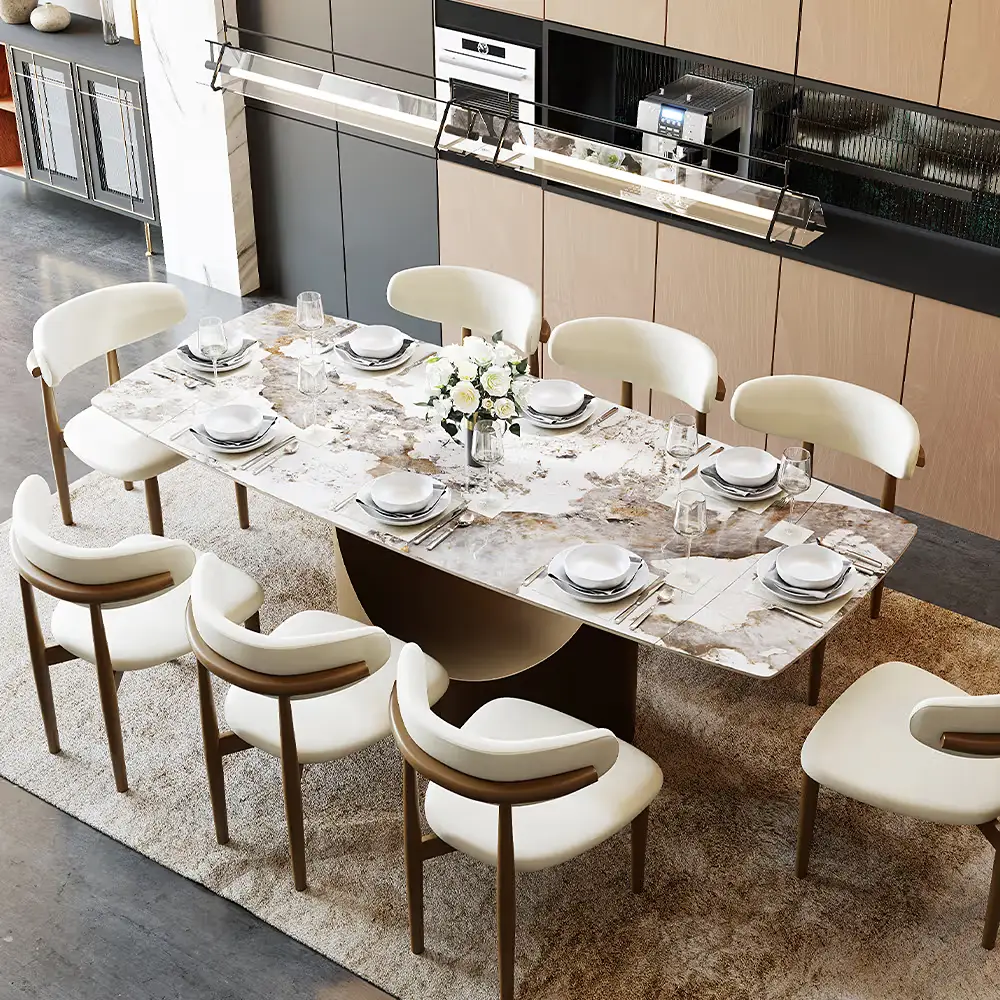
POVISON Hobart Extendable Dining Table
A smart fit for homes that need extra dinner space only when the guest list grows.
Plan the Second Seating Count
Dinner seating and after-dinner seating work differently. A formal meal requires simultaneous seats, while a casual living-room gathering may include people sitting, standing, or moving between conversations. Still, no guest should have to perch on an armrest or sit in a doorway. Focus on whether the main gathering area can support the group comfortably without scattering chairs across every open corner.
The Barrett Modular Sofa works when the problem is shared social seating rather than simply adding another loose chair. At 83.86 inches wide, it creates one defined gathering zone, while its modular design gives you more freedom to adjust the seating arrangement as the room changes. Its water-repellent fabric also gives you time to wipe up drink splashes during a busy gathering.
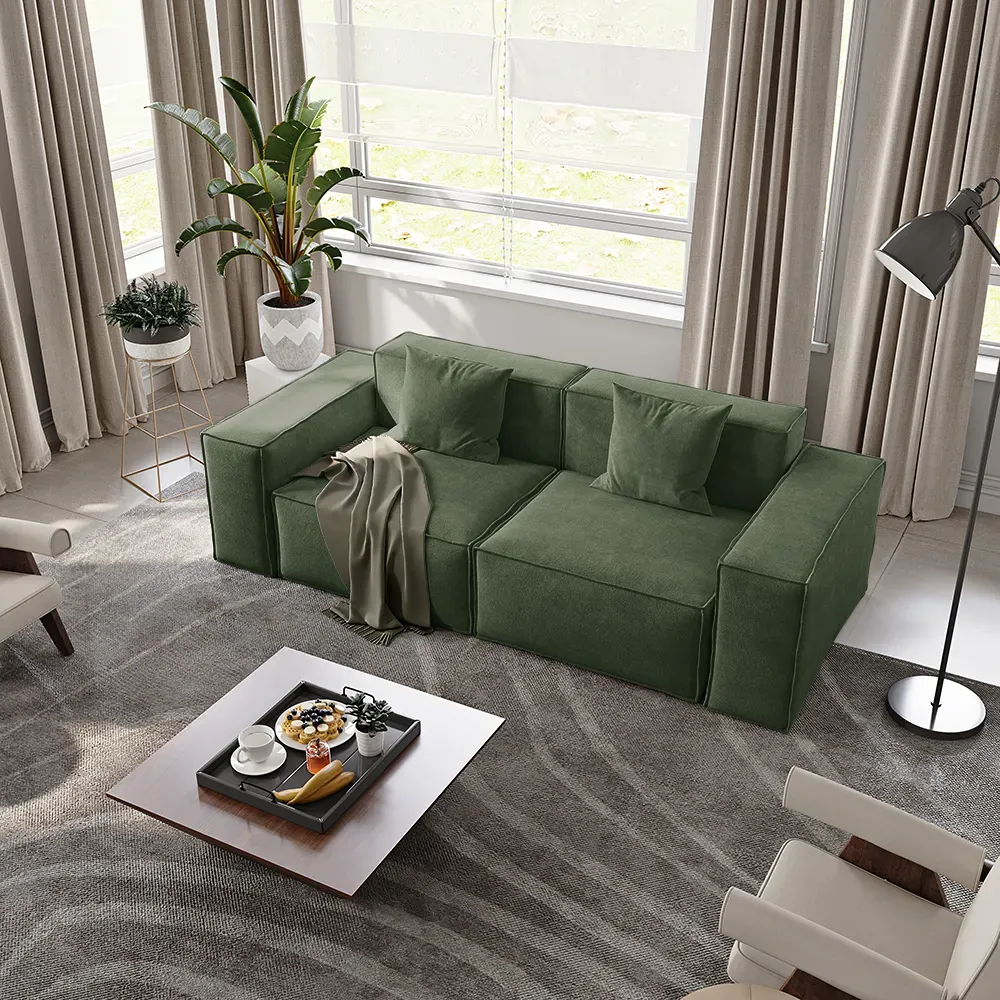
POVISON Barrett Minimalist Modular Sofa
A flexible pick for keeping after-dinner seating social without crowding the room with extra chairs.
Check Your Walkways With Everything in Place
Test the room in its busiest configuration, not its everyday one. Extend the dining table, pull out the chairs, add any temporary seating, then carry a plate from the kitchen to the dining and living areas. If one chair has to be pushed every time someone passes, the layout is too tight. Remove or relocate the piece causing the problem instead of squeezing the route further.
Should You Rearrange, Borrow, or Upgrade Furniture?
Do not treat every holiday-space problem as a shopping problem. Match the solution to how often it happens.
- Rearrange when the furniture fits the guest count but the normal layout wastes circulation space.
- Borrow suitable chairs or a folding table when extra capacity is needed once or twice a year.
- Upgrade when the same shortage returns across holidays, birthdays, and family visits, and the new piece would still improve everyday use.
If the issue is mainly a blocked doorway, awkward chaise direction, or oversized table, fix the layout before buying more. Learning how to avoid an awkward living room layout can clarify whether the real problem is capacity, placement, or furniture scale.
What Should You Prepare Before Guests Arrive?
Once space works, reduce the tasks that still depend on you. The goal is not to finish every possible chore; it is to remove the work most likely to interrupt you after guests arrive. Food, drinks, and guest-facing rooms come first because they affect nearly everyone.
Prepare Most of the Food Ahead of Time
Choose several dishes that can be cooked, assembled, or portioned before guests arrive. Avoid a menu in which multiple items need the oven or stovetop at the same time. Confirm dietary restrictions before shopping so you are not improvising a second meal at the last minute.
A useful test: if one dish runs ten minutes late, can guests still start eating or snacking? If not, the menu depends too heavily on last-minute timing.

Make Drinks or Snacks Self-Serve
Set up at least one thing guests can handle without asking you: water, soft drinks, appetizers, coffee, or breakfast items for overnight guests. Keep cups, napkins, and the relevant food or drink together. The value of self-service is fewer repeated requests, not a complicated display.
Tidy the Spaces Guests Will Actually Use
Do one short reset around the things most likely to interrupt the gathering: empty visible trash, clear the dining surface, free the kitchen counter space needed for food, remove clutter from usable seats, and put out a clean bathroom hand towel. Stop once the spaces guests will actually see and use are functional; a full-house deep clean adds work without improving the gathering.
Plan How Guests Will Use Your Home Through the Evening
A gathering rarely stays in one room. People arrive with coats, move toward drinks, sit for dinner, shift to the living room, and sometimes stay overnight. Planning those transitions prevents furniture and serving pieces from being moved while guests wait. Think of the home as a sequence of uses, not separate rooms.
Set Up Each Stage Before Guests Arrive
A smooth gathering depends on having each space ready for its next use before guests need it. Focus on the three transitions most likely to create extra work during the evening: arrival, dinner, and the move to after-dinner conversation.
- Arrival: Give coats and bags one clear destination away from dining chairs and sofa seats. Place the first drinks or snacks where guests can reach them without crossing the active cooking area.
- Dinner: Have the table, place settings, and serving plan ready before guests arrive so the room does not need another reset when everyone is ready to eat.
- After dinner: Decide where conversation will continue and leave a few surfaces free for cups before the meal begins. Keep the path between the dining and living areas open so guests can shift naturally from one space to the next. This is where holiday hosting tips for small spaces matter most: one area may need to support several uses during the same evening.
Prepare for an Overnight Stay
If someone may stay over, reserve the future sleep footprint without turning the living room into a bedroom all evening. Keep borrowed chairs, gifts, and bags out of the area the sleeper will eventually use, and store bedding nearby. The goal is to preserve an easy room conversion after the gathering rather than complete the sleep setup hours too early.
The Aurora Power Sofa Bed works well when the living room needs to serve two roles in one evening. Its seat depth expands from 27 to 45.5 inches, adding 18.5 inches of usable depth when it is time to settle in. One-touch lounge, recline, and sleep modes let guests use it as regular seating first, then shift to a deeper sleep surface later.
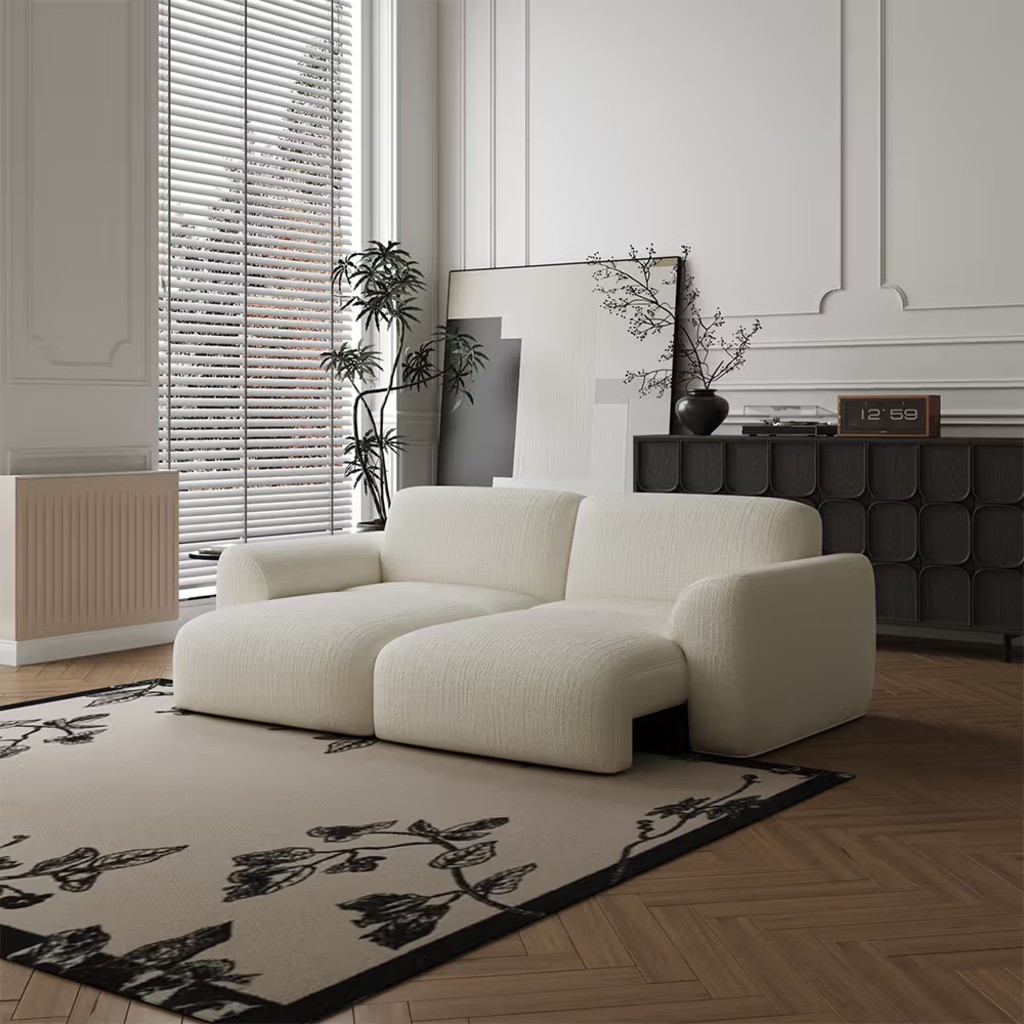
POVISON Aurora Power Sleeper Sofa
A practical choice when the living room needs to host the evening and handle an overnight stay.
Once Guests Arrive, Let the Setup Do the Work
Once the gathering starts, stop optional cleaning, decorating, and furniture adjustments. Finish only the food tasks that are time-sensitive, and accept small offers of help with refills or clearing instead of trying to control every detail yourself.
If guests use the room differently than expected, make the smallest useful adjustment—move one lightweight chair or clear one surface rather than rebuilding the layout. The goal of planning ahead is not to keep the evening perfectly on schedule; it is to leave fewer decisions that require the host’s attention.
Conclusion
The most useful holiday hosting tips remove friction before the doorbell rings. Build the gathering around the space you actually have, prepare the tasks that would otherwise keep you busy, and solve recurring furniture problems differently from one-time ones. A home does not need to become larger or more elaborate for the holidays; it needs to work smoothly as guests move from dinner to conversation and, when necessary, an overnight stay.
FAQs
How many extra seats should I plan for unexpected guests?
Plan for the confirmed guest count first, then keep one flexible seat available if last-minute additions are common. Do not place several unused chairs around the room “just in case.” The backup seat should be easy to add without blocking a doorway, dining chair, or main walking route.
Can an ottoman count as extra guest seating?
Yes, if the ottoman is designed to support a seated person. A stable, firm-topped ottoman can work for casual seating; a lightweight decorative piece may not. Check the manufacturer’s weight guidance and keep it outside the main circulation route.
Is a sofa bed better than an air mattress for guests?
A sofa bed is more practical when the room regularly serves both everyday seating and overnight guests. An air mattress can work for occasional stays if enough floor space is available. Compare the open footprint, setup time, storage requirement, and how often you expect overnight guests before deciding.
How should I protect furniture from holiday spills?
Use coasters or placemats where spills are likely and clean liquids promptly. Blot upholstery instead of rubbing it, then follow the care instructions for the exact fabric or finish. Water-resistant or water-repellent materials provide more reaction time, but they should not be treated as stain-proof.


[…] for more than one season. Whether your dining room doubles as an office, a kids’ art studio, or a holiday hosting hub, paying attention to comfort, footprint, and materials will pay you back every single day. […]
[…] more permanent because it is already part of the room. For a couple in a one-bedroom apartment who hosts family during the holidays, that difference matters. The guest setup can be ready in minutes without pulling boxes from […]