 By Jenny Smith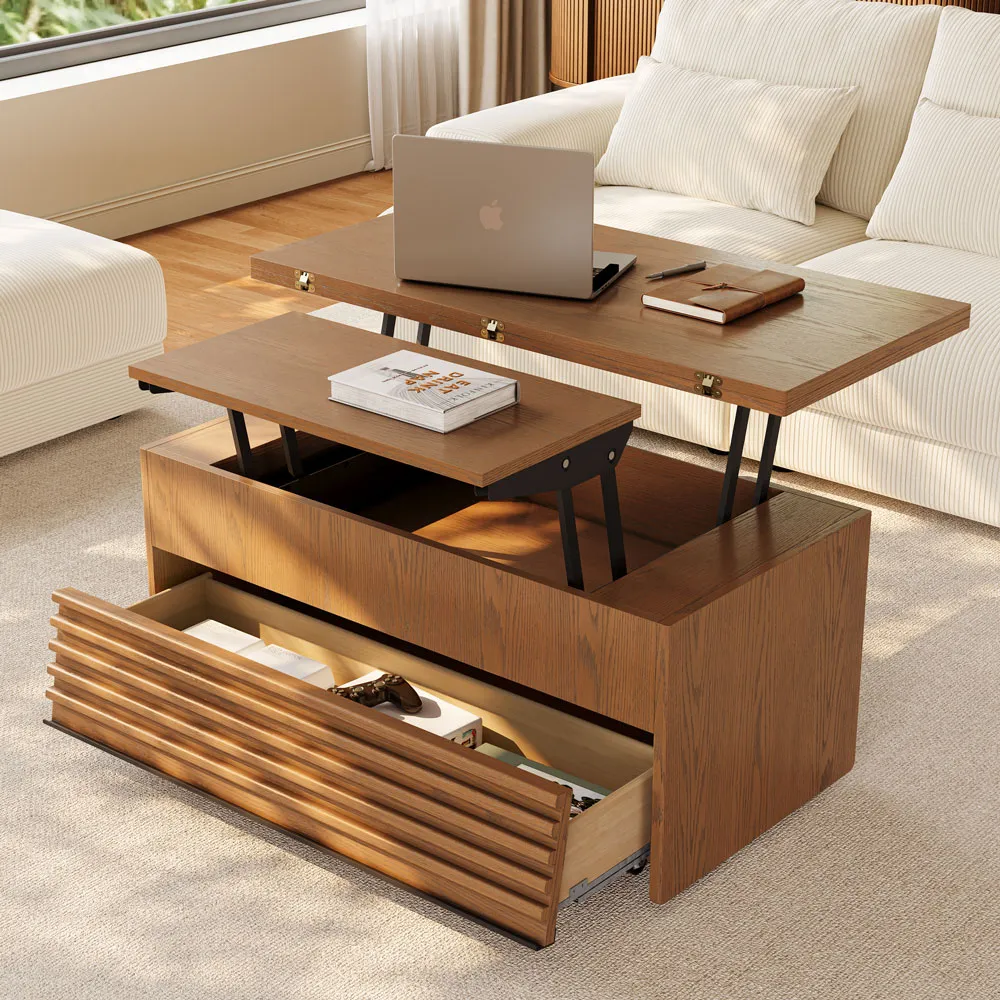
Homes are getting smaller, life is getting busier, and many of us now expect one room to do three jobs. That’s why space saving furniture is having a moment: it’s designed to reduce wasted space by folding, hiding, stacking, or doing more than one function—without making your home feel like a storage unit. Think “smarter living,” not just “more shelves.” When every inch has to work harder, the best pieces help you stay organized, comfortable, and in control of your space.
Why Space Saving Furniture Is Booming Right Now
Shrinking Living Spaces in Cities Around the World
As urban living grows, floor plans often shrink. The UN projects 68% of the world’s population will live in urban areas by 2050 (United Nations, 2018). In dense cities, that usually means smaller apartments, more studios, and tighter layouts where bulky furniture quickly becomes a daily obstacle. Traditional deep sofas, oversized dressers, and wide dining sets can block pathways and make rooms feel crowded.
This is the pain point behind so many searches for space saving furniture: people aren’t trying to “own less” for the sake of it—they want a home that feels open, functional, and easy to live in. When the room is compact, furniture has to earn its footprint.
Remote Work and Multi-Use Rooms
The living room might be your office, a workout area, and a kids’ play zone—sometimes all before dinner. Gallup reports that 60% of remote-capable employees prefer hybrid work, and 52% expect to be hybrid long-term. (Gallup.com, 2022) That shift changes how we buy furniture: you’re no longer furnishing for weekends only—you’re furnishing for everyday use.
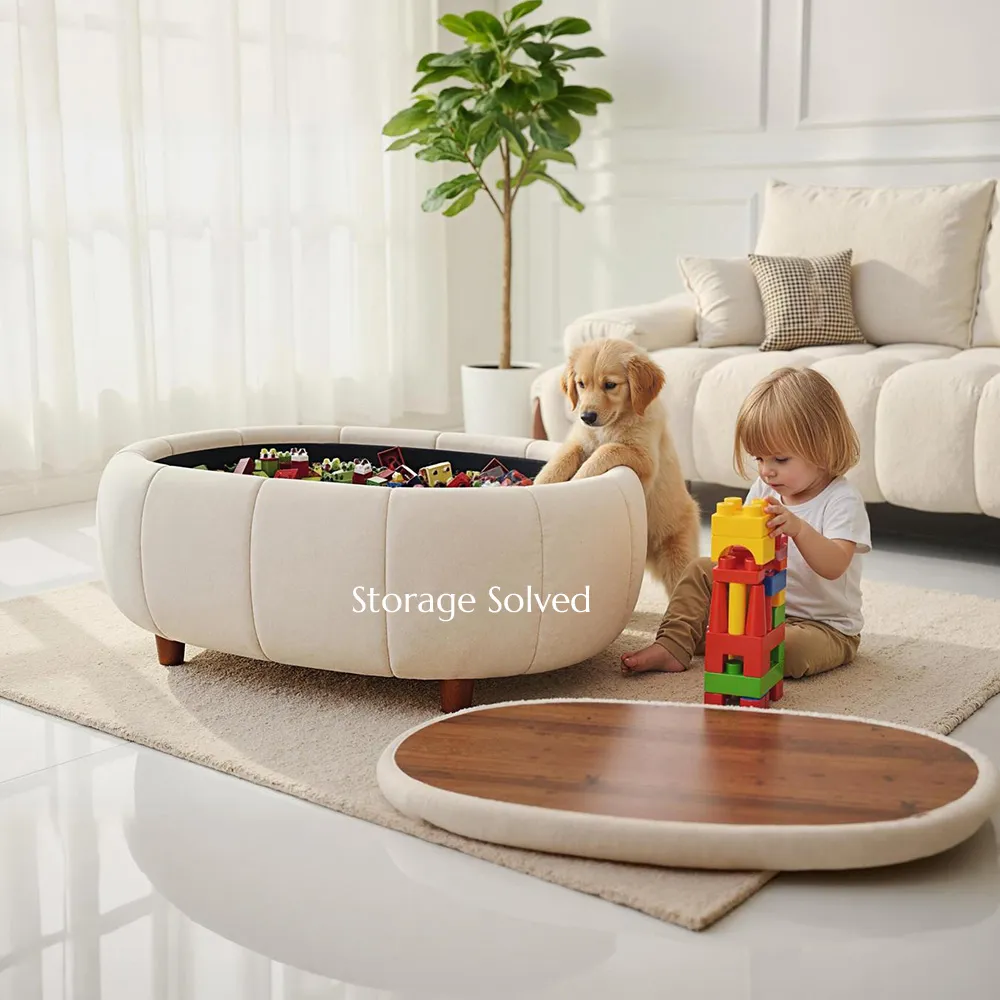
So flexible pieces matter more: desks that fold down, coffee tables that lift into work height, storage ottomans that hide cables and toys. When your room has multiple roles, your furniture needs multiple answers.
Conscious Consumers: Less Clutter, More Control
Minimalism isn’t only a style—it’s a coping strategy for busy lives. A clutter-free room feels calmer because your brain has fewer “visual tasks” competing for attention. Space saving furniture sits right at the intersection of function and mental wellness: it helps you put things away quickly, keep surfaces clear, and create breathing room—even in a small apartment.
What Counts as “Space Saving Furniture”? Types & Smart Examples
Multifunctional Pieces That Do Double (or Triple) Duty
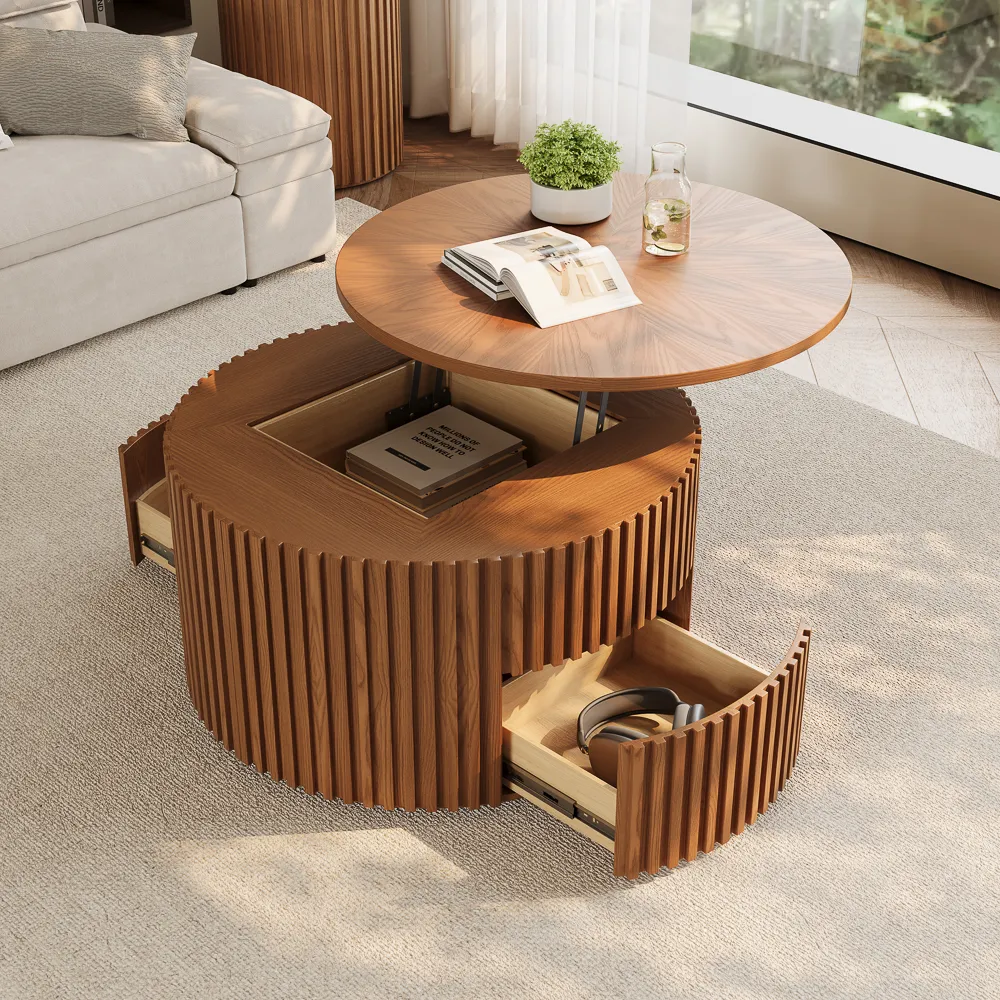
At its core, space saving furniture is anything that replaces two or more “single-purpose” items, or changes shape to match the moment. The best designs feel effortless: you don’t need a complicated manual or a full workout to transform them. One winter, I switched to a lift-top coffee table during a busy project week—by Friday, it had served as my desk, my dining table, and the place I hid all my chargers before guests came over.
Here are quick, high-impact examples worth browsing:
- Sofa beds, daybeds, futons
- Lift-top coffee tables with storage
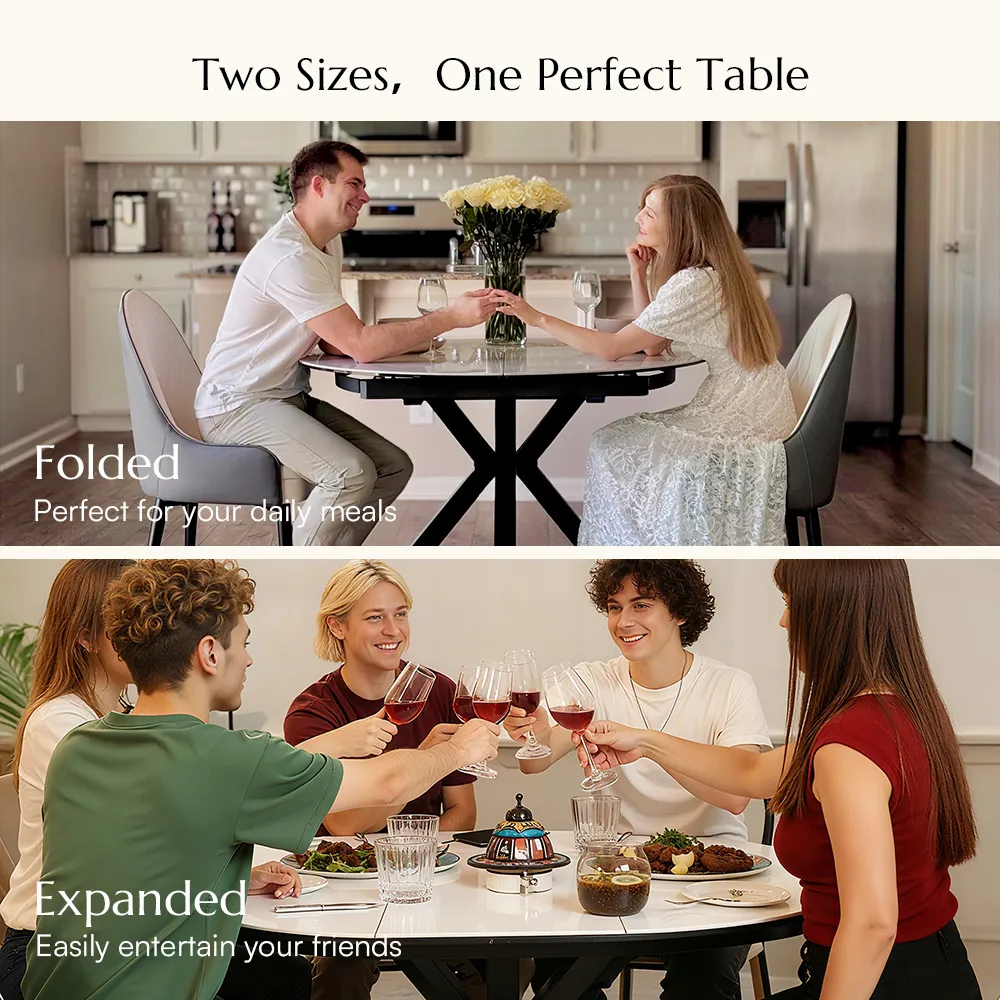
- Extendable dining tables
- Storage ottomans that double as seating
- Benches with hidden compartments
- Nesting side tables
- Console tables that expand into dining surfaces
- Murphys or wall beds (where allowed)
Vertical & Wall-Mounted Solutions
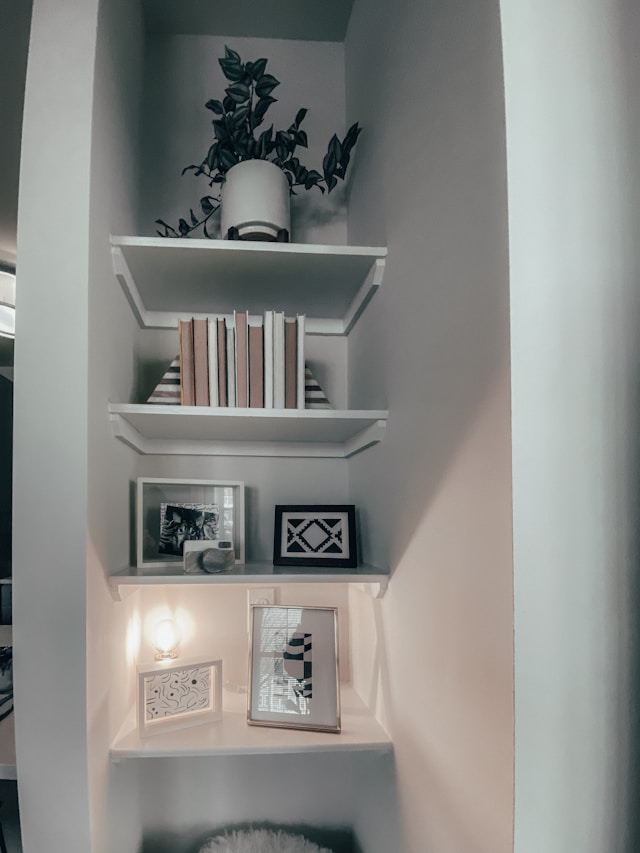
When floor space is limited, the easiest win is often “going vertical.” Wall-mounted desks, fold-down tables, floating TV stands, and tall shelving systems keep the ground clear so the room feels bigger and you can walk through it safely. Even a slim wall shelf near the entry can replace a bulky console, while still catching keys, mail, and headphones.
Vertical storage also helps you define zones in multi-use rooms. A wall shelf over a desk says “work corner,” while a floating cabinet under the TV says “living space”—without adding visual weight.
Modular, Foldable & Nesting Designs
Modular furniture is built for change: add a seat, reconfigure a shelf, split a sectional into separate chairs. Foldable and nesting designs do something similar, just faster—chairs that tuck away, drop-leaf tables that shrink after dinner, nesting tables that separate when guests arrive.
If you rent, look for renter-friendly space saving furniture: pieces that are free-standing, require minimal tools, and don’t depend on drilling into walls. Modular shelving, tension-rod organizers, and slim storage towers can transform a room while keeping your deposit safe.
Space Saving Bedroom Furniture: Turning the Smallest Room into a Sanctuary
Storage Beds, Under-Bed Drawers & Clever Headboards
The bedroom is often the smallest room—but it has the biggest “stuff problem.” Space saving bedroom furniture usually starts with the bed because it occupies the most square footage. Platform beds with drawers, lift-up storage beds, and loft beds (for kids and adults) can replace an entire dresser. Headboards with shelving or charging stations also reduce the need for bulky nightstands.
A simple rule: store “soft” and seasonal items under the bed—extra bedding, sweaters, luggage. Avoid storing anything moisture-sensitive (important papers, photos) or items you need daily, because constant digging defeats the purpose.
Wardrobes, Closets & Vertical Bedroom Storage
When closet space is limited, vertical storage becomes your best friend. Floor-to-ceiling wardrobes maximize capacity, while open clothing racks keep the room visually lighter (but demand better tidiness). Corners and awkward niches are perfect for modular towers or narrow cabinets designed for tight gaps.
Here’s a quick comparison to guide your choice:
| Option | Storage Capacity | Flexibility | Typical Cost |
| Traditional large wardrobe | High | Low | Medium–High |
| Modular tall cabinets / open systems | Medium–High | High | Low–Medium |
If you want the most renter-friendly setup, combine a tall modular cabinet with over-the-door organizers and wall hooks (no drilling) for bags, belts, and accessories.
Layout Tips for Small Bedrooms (Singles, Couples & Families)
In small bedrooms, layout matters as much as furniture. Start by placing the bed to protect walking space—usually with one clear “main lane” from the door to the closet. Then zone the room: sleep area first, then a small work corner or vanity only if you can keep circulation clear.
Before buying space saving bedroom furniture, take five minutes to measure: room length/width/ceiling height; door swing direction; window placement; outlet locations; and any obstacles like beams, radiators, or weird corners. That tiny checklist prevents 90% of “why doesn’t this fit?” headaches.
Benefits Beyond Square Footage: Why People Love Space Saving Furniture
A Cleaner Look: Minimalist Aesthetics That Still Feel Cozy
Hidden storage reduces visual noise. When fewer objects live on open surfaces, even a small room feels calmer and more spacious. The trick is to choose pieces that look light: slim legs, clean lines, and finishes that reflect a little light. Soft textiles—rugs, throws, warm lamps—keep the space cozy so it doesn’t feel sterile.
A good mindset is “less furniture, more function.” One excellent piece (like a storage bench) often beats three mediocre pieces that fight for the same floor space.
Everyday Convenience, Safety & Comfort
The real magic of space saving furniture is how it feels on an average Tuesday—not just how it looks in photos. Here are everyday wins people notice quickly: easier cleaning; fewer tripping hazards; more open walking lanes; faster tidying; better cable control; less “where do I put this?” stress; safer play space for kids; fewer bumped shins; more comfortable work posture with adjustable surfaces; and smoother hosting when furniture can expand or shift.
I once swapped a heavy coffee table for a nesting set in a narrow living room, and the difference was immediate: I stopped squeezing sideways past furniture, and vacuuming went from annoying to effortless.
Sustainability: Buy Less, Use Longer, Move Smarter
Space-saving designs can also reduce waste. When one piece replaces two, you’re less likely to overbuy. And when a modular setup adapts to your next home, you’re less likely to discard furniture during a move. This aligns with where the market is heading: the global multifunctional furniture market was estimated at $7.21B in 2023 and is projected to grow at a 6.6% CAGR from 2024–2030 (Grand View Research, 2024).
For long-term renters, this is especially practical: invest in durable, move-friendly pieces that keep working even when your layout changes.
How to Choose (and Where Can I Buy) Space Saving Furniture
A Simple Checklist Before You Hit “Add to Cart”
Start with your constraints, not the product photos. Measure your space, confirm door and stair clearance, and check how the piece transforms (does it need extra space to unfold?). Then look for practical details: soft-close hardware, stable hinges, weight limits, removable covers, and easy-clean surfaces. If it’s for daily use (like a sleeper sofa), prioritize comfort and durability over cleverness.
Finally, think in zones: choose one “hero” piece that solves the biggest pain point first, then add small supportive pieces later.
Where Can I Buy Space Saving Furniture? Online vs In-Store
If you’re asking where can I buy space saving furniture, the honest answer is: both—but use each channel for what it does best. Online is great for variety, reviews, and filtering by size, while in-store helps you test comfort, materials, and transformation mechanisms. Ideally, shortlist online, then test the most important category (like a sleeper sofa or mattress) in person if possible.
You can also find space saving furniture for every room—living, dining, and bedroom—on Povison, especially if you like modern, curated pieces that help a home feel “ready to live in” without overfilling the floor plan.
Conclusion: Space Saving Furniture as a Lifestyle Upgrade
The next big trend isn’t just smaller furniture—it’s smarter furniture. Space saving furniture fits how people actually live now: hybrid work, multi-use rooms, smaller urban homes, and a growing desire for calm, uncluttered spaces. When you choose pieces that fold, store, expand, or adapt, you’re not only saving square footage—you’re buying back time, comfort, and control. Done well, it turns a tight layout into a home that feels open, flexible, and surprisingly luxurious.
FAQs About Space Saving Furniture
Is space saving furniture only for very small apartments?
Not at all. It’s useful anywhere you want a cleaner layout—guest rooms, home offices, kids’ rooms, or open-plan spaces. Even larger homes benefit from furniture that reduces clutter and supports flexible routines, especially when rooms need to serve multiple purposes.
Will multifunctional furniture be less comfortable or durable?
It depends on the build. High-quality multifunctional pieces can be very durable, but low-quality hinges and thin frames wear out fast. Look for strong joinery, solid hardware, and clear weight ratings. For comfort items (sofas, beds), prioritize cushioning and support first, then features second.
What’s the best space saving bedroom furniture for renters?
Start with a storage bed frame or under-bed drawer system, plus a tall modular wardrobe that doesn’t require wall anchoring (or uses non-damaging methods where safe). Add over-the-door organizers and freestanding shelves for maximum storage with minimal installation.
How can I make my existing furniture more space efficient without replacing everything?
Use vertical add-ons: wall shelves (if allowed), over-the-door organizers, and under-bed bins. Swap bulky side tables for nesting tables, replace a large coffee table with a lift-top or slimmer model, and add a storage ottoman. Often, one “storage upgrade” can reduce three piles of clutter.
Are there any mistakes to avoid when buying space saving furniture online?
Yes: skipping measurements, ignoring how much clearance is needed to unfold, and trusting photos without checking dimensions. Also watch for vague material descriptions and limited return policies. Read reviews specifically about stability, comfort, and how easy it is to transform the piece day-to-day.


