 By Hana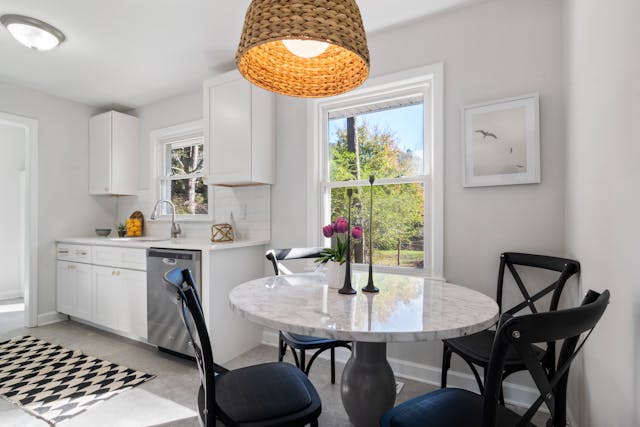
In many homes today, the dining table is doing triple duty: weekday office, kids’ homework station, and weekend entertaining hub. An extendable dining table is simply a table that can grow longer on demand, usually with hidden leaves or panels, then shrink back to everyday size. It gives you flexible seating, saves precious floor space, and still looks intentional instead of makeshift. Whether you’re in a studio apartment or a busy family home, the right design can feel like having two tables in one. Let’s break down how these tables work, when they truly make sense, and how to choose one that fits your life.
What Is an Extendable Dining Table, Really?
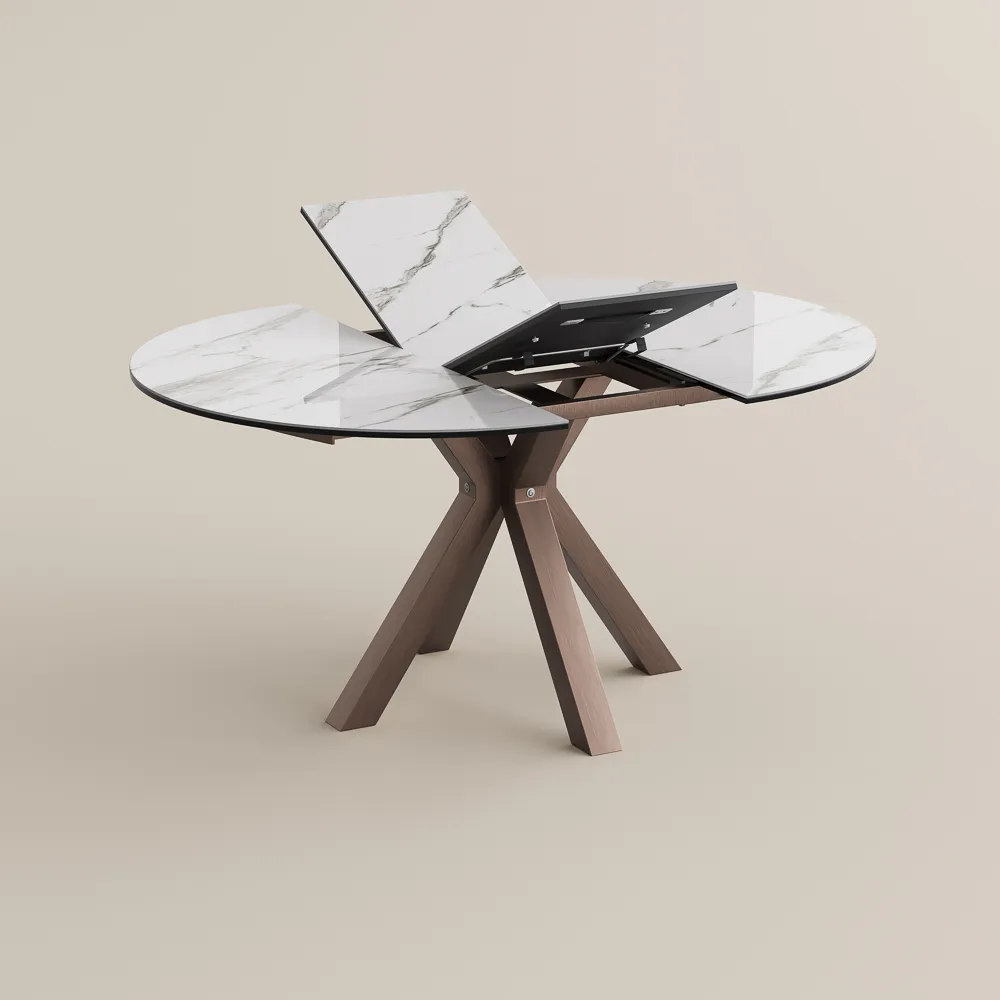
An extendable dining table looks like a regular fixed table most of the time, but the top can split or unfold so you can add length. A compact 4-seater might stretch to seat 6, an everyday 6-seater can become a dining table extendable enough for 8 or more. Some long models even reach “extendable dining table seats 12” territory for big gatherings.
Common styles include drop-leaf ends that hinge up, butterfly leaves stored inside the top, slide-out leaves at each end, and classic removable leaves you store elsewhere. Their rise isn’t just a trend: the global multifunctional furniture market, which includes extendable tables, was worth about $7.21 billion in 2023 and is projected to grow at a 6.6% CAGR through 2030 (Grand View Research, 2024). One smart piece doing more than one job is quickly becoming the norm, not the exception.
Inside the Engineering: How Extension Mechanisms Actually Work
Common Extension Mechanisms Explained
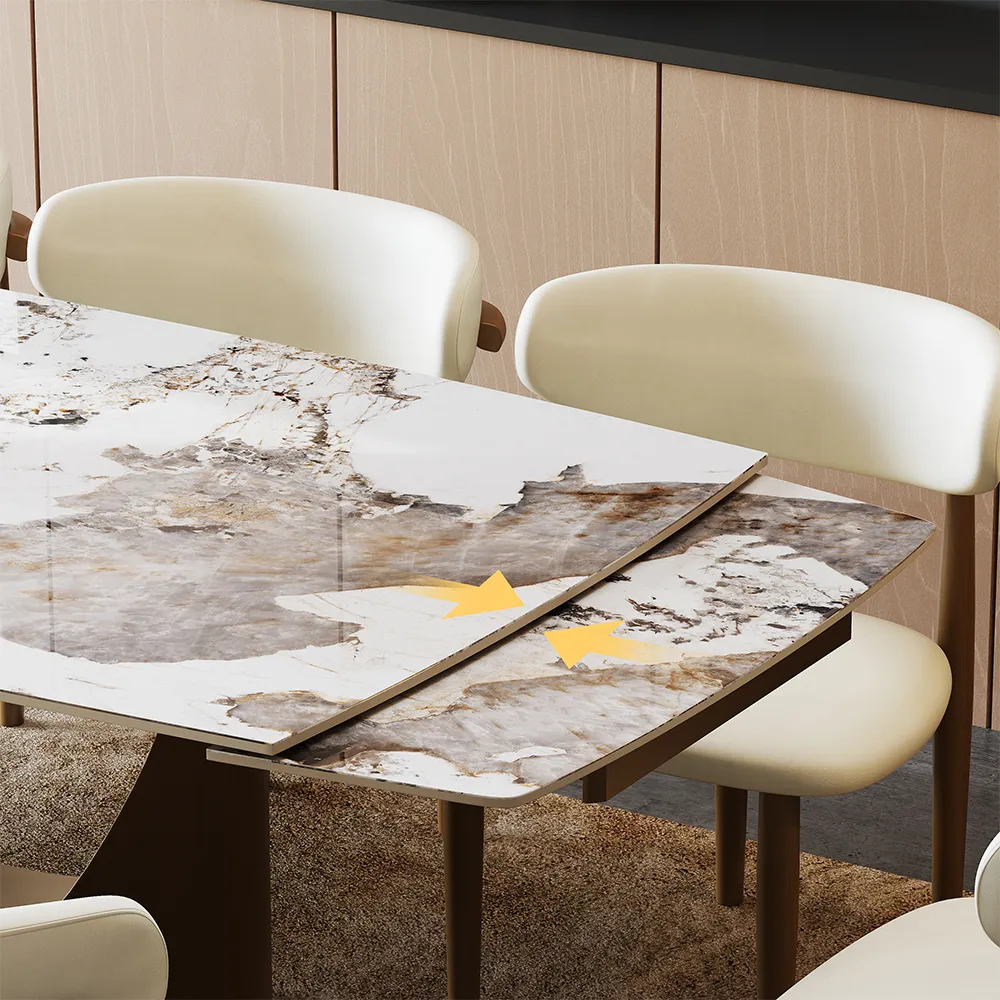
Different mechanisms all chase the same goal: more seats with as little fuss as possible. Butterfly leaves fold in half and tuck inside the top, so you never lose parts. Slide-out or pull-out ends glide from beneath, turning a compact table into a modern extendable dining table for guests. Center-rail systems let the top split in the middle so you can drop in extra leaves, while drop-leaf tops hinge up when needed and hang straight down the rest of the time. In practice, most are a smooth one-person job, but very large solid-wood tops often feel safer with two people.
| Mechanism | Operation | Leaf Storage | Typical Gain | Best For |
| Butterfly leaf | Top opens; folded leaf unfolds | Inside the table | +2–4 seats | Everyday family dining |
| Slide-out / pull-out ends | Ends glide from under tabletop | Hidden under top | +2 seats | Narrow rooms, clean look |
| Center leaf with rail system | Top halves pull apart; leaf drops in | Separate closet or inside rails | +2–6 seats | Large gatherings, formal spaces |
| Drop-leaf | Side panels hinge up | Always attached | +1–2 seats | Tiny spaces, round extending dining setups |
If you’d like to see these in real product shots, Povison’s guide to the Best Extendable Dining Tables for 2026 walks through several mechanism styles in detail.
Durability, Stability & Maintenance Basics
Long-term stability depends heavily on hardware: quality metal rails, solid locking mechanisms, and sturdy leg placement reduce wobble when fully extended. A quick maintenance ritual goes a long way—vacuum or wipe crumbs out of tracks, clean hinges, and tighten screws once or twice a year. The first time I cleaned the slides on my own extending dining table, the leaf suddenly felt smooth and almost weightless. Avoid forcing stuck leaves, and always lift the top slightly instead of dragging it to protect both hardware and flooring.
When an Extendable Dining Table Truly Makes Sense
Everyday Scenarios Where Extendable Tables Shine
Extendable designs are ideal when your everyday household is small, but your guest list isn’t. Research shows that about two-thirds of Americans hosted at least one gathering at home in the past year (Mintel, 2024), and many plan to host even more often going forward (HomePage News, 2024). At the same time, new U.S. apartments average around 887 square feet – about 54 square feet smaller than a decade ago (RentCafe, 2023). Keeping a huge fixed table out all year in that kind of space can feel like a permanent obstacle. With an extendable dining table, you live comfortably at a compact four-seater most days, then unlock space for six or eight people only when the invites go out.
If you’re focused on compact living, Povison’s piece on space-saving furniture trends shows how extendable dining and modular storage work together.
When a Fixed Table Might Be Better
A fixed table may still win if you rarely host more than 2–4 people, or if your dining area is so tight that pulling out leaves would block doors or walkways. Households doing heavy crafts or kids’ projects every day sometimes prefer fewer seams and hinges to wipe around. In those cases, a smaller fixed table paired with a separate extendable outdoor dining table for special occasions on the patio might be a more relaxed choice. The goal isn’t to chase a trend, but to match the table to how you truly live.
Design vs Function: Finding the Right Trade-Offs
What to Prioritize: Aesthetics vs Everyday Use
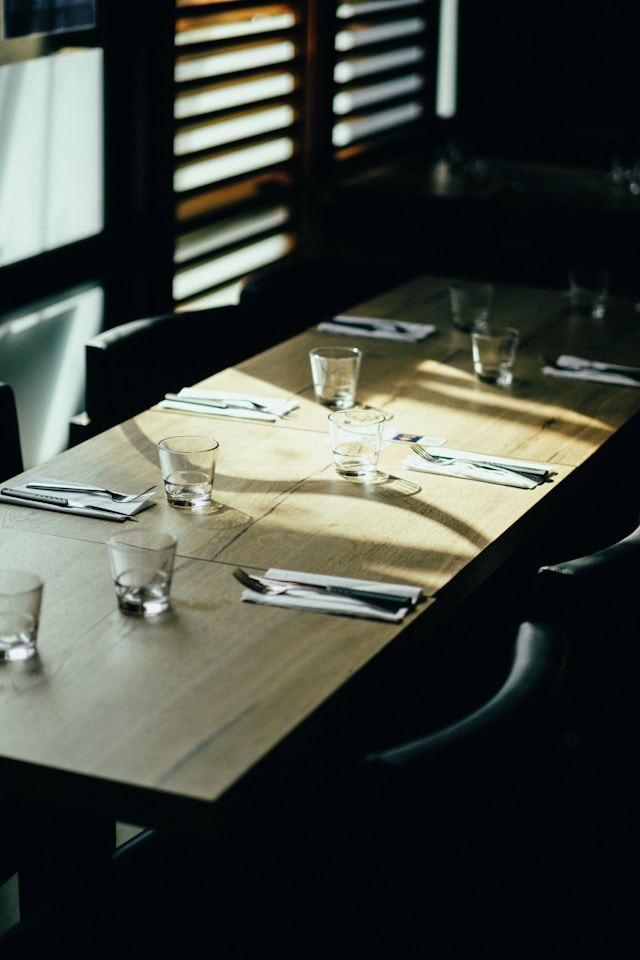
Shape changes both the vibe and the flow. A rectangular extendable dining room table lines up beautifully with long rooms, while a round extendable dining table softens corners and makes conversation easier in compact spaces. Ovals sit in the sweet spot—formal enough, but less “boxy.” Visible seams are the trade-off for flexibility, and chunkier bases often mean better stability. Povison’s Round Extendable Dining Table shows how a pedestal base can maximize leg room while the top grows from 4 to 6 seats.
- If you’re design-first, look for slim tabletops, minimal seams, and bases that echo your existing chairs and sideboard.
- If you’re function-first, prioritize generous legroom, sturdy frames, and mechanisms you can operate alone—even when the table is set.
For more ideas on balancing modular flexibility with a clean look, see Povison’s comparison of modular dining sets vs fixed tables.
Materials, Finishes & Sustainability
Most extendable tables mix a solid frame with a solid-wood, veneer, MDF, glass, or sintered-stone top. Solid wood feels warm and can be refinished; veneer keeps costs and weight down; MDF with a wood finish is stable and smooth; metal bases add a modern edge. Finish matters too: matte, lighter tones hide fingerprints; darker, glossy tops show more smudges but can feel luxe. Eco-conscious buyers can look for FSC-certified wood and low-VOC finishes so the table is kinder to indoor air. Brands like Povison design around these standards and build extendable pieces to feel Ready To Live In from day one, instead of a weekend-long assembly project.
How to Choose the Right Extendable Dining Table for Your Home
Measure, Plan, Then Choose
Start with a tape measure, not a mood board. Note the room size, door swings, and a comfortable 75–90 cm of clearance around chairs soly. Decide your “everyday” and “maximum” seating needs, then work backward to ideal closed and extended lengths. A slim extendable oval dining table or a circle extendable dining table can make a small room feel more open, while a longer rectangular model such as Povison’s 71″–95″ Hobart Modern Dining Table comfortably jumps from 6 to 10 seats. Many buyers like to sketch a quick floor plan or download a printable measuring checklist so all their numbers stay in one place.
Shopping Smart: Quality & User Experience Checks
When you test a dining room table extendable in-stoit a few times. It should glide smoothly, lock firmly, and feel solid when you lean on the center and edges. Ask whether one person can operate it, how the leaves store, and what maintenance the hardware needs. Online, look for videos, close-up photos of seams and rails, and clear weight limits—especially if you want an extendable dining table set with matching chairs. Povison’s review of space-saving extendable dining tables for 4–10 is a good checklist example to reference while you compare options.
Conclusion
An extendable dining table is one of the easiest ways to future-proof a modern home: one piece that handles everyday meals, laptop days, and big celebrations without permanently eating your floor space. The key is cou can live with, being honest about how often you really need extra seats, and striking the right balance between design and function. When you get those three decisions right, your table can adapt as your life changes—new jobs, new friends, new family traditions—while you keep gathering around the same familiar, hard-working surface.
Quick Q&A: Common Questions About Extendable Dining Tables
Q1. Do extension mechanisms wear out quickly?
With normal use, quality mechanisms last for many years. Most wear comes from grit in the tracks or people forcing stules with sturdy metal rails and clear locking points, then clean and tighten hardware periodically. Think of it like maintaining a favorite bike—small tune-ups prevent bigger problems.
Q2. Will an extendable table feel wobbly when fully extended?
A well-designed extendable dining table and chairs set should feel stable when locked in place, even at full length. Look for legs positioned near the corners, robust cross-rails, and metal locks that prevent the two halves from shifting. Red flags include visible sagging, soft or spongy movement at the center, or leaves that don’t sit level with the main top.
Q3. Is an extendable dining table worth it for a small apartment?
Often yes. A compact extendable round dining table can live against a wall or as a two-person breakfast spot, then expand when friends visit. Compared with buying a larger fixed table “just in case,” you keep more daily floor space clear. Drop-leaf designs and narrow circular extending dining table models are especially friendly to studio layouts.
Q4. How many extra seats can I realistically expect to add?
Most designs add 2–4 seats: a 4-seater becomes a 6- or 8-seater, while larger extendable dining tables stretch from 6 to 10 or even 12 with multiple leaves. Always check the product’s maximum length and recommended capacity, especially if you plan to host heavy dishes or large groups regularly. That ensures comfort and safety for everyone at the table.


It’s great to see more people recognizing how multifunctional dining tables are becoming, especially for smaller spaces. I’ve seen so many homes where a good extendable table is key to making the space feel open but still practical. The right design can really tie the whole room together!