 By Jenny Smith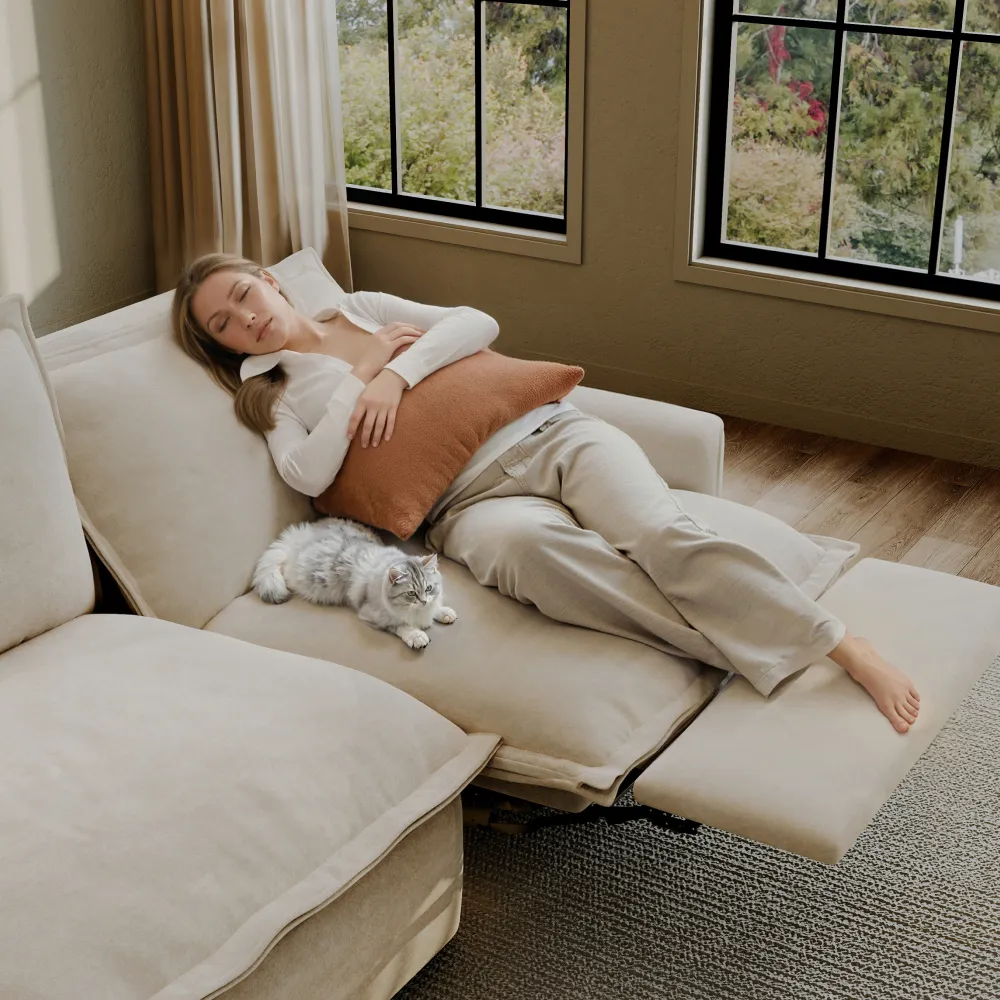
Your pets are family, but your sofa is the battlefield where fur, claws and muddy paws all meet. A truly pet friendly sofa lets everyone relax without constant scolding, blanket fortresses or panic-cleaning before guests arrive. With the right upholstery, surface texture and cleaning features, you can reduce visible scratches, trapped fur and everyday stains without giving up style. This guide focuses specifically on scratch resistance and easy-clean performance, from fabric choice to everyday care.
The Real-Life Challenges of Sharing a Sofa with Pets
If you share your sofa with a pet, you’re far from alone. The American Pet Products Association reports that 94 million U.S. households own at least one pet, including households with dogs, cats and other companion animals.
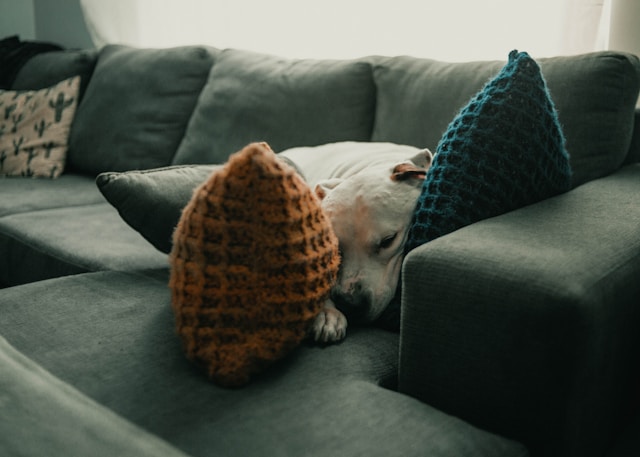
In my own small living room, our beagle used to sprint along the back of the couch to greet visitors, digging in her paws for grip. Over time, that meant worn corners, pulled threads and a permanent outline of dog where the back cushions had sagged. Multiply that by cats using arms as scratching posts, puppies having accidents and pets tracking in dirt, and you see why a standard sofa often fails long before its time.
Key Features to Look For in a Pet-Friendly Sofa
Durability essentials – frame, cushions & easy-care construction
Pet-friendly durability starts below the upholstery. A sturdy frame, supportive cushions and well-secured seams all matter in a home where pets regularly jump on and off the sofa or settle into the same spot every day. Look for construction that can handle repeated use without cushions quickly losing shape or high-contact areas pulling apart.
Easy maintenance matters too. Removable cushion covers can make deeper cleaning more manageable. Removable does not automatically mean machine washable, so always check the care instructions before washing or treating the fabric.
Scratch resistance – fabrics, weaves & finishes that stand up to claws
For a scratch resistant sofa, fabric structure matters more than thickness. Tight, flat surfaces give claws fewer loops or loose threads to catch, while heavily textured or looped upholstery is more vulnerable to visible pulls. If scratching is a frequent concern, also check whether the manufacturer provides abrasion or pet-performance information rather than relying on appearance alone.
Here’s a quick comparison:
| Material type | Pros for pets | Watch-outs | Best for… |
| Microfiber / microsuede | Tight weave, resists small snags, easy clean | Can show body impression over time | Homes concerned about fur and light claw contact |
| Performance polyester blends | Durable, stain-resistant, easy to blot | Quality varies by construction | Busy pet households |
| Protected leather / high-quality faux leather | Fur stays on the surface and is easy to wipe away | Claw marks can remain visible | Homes with calmer pets |
| Loose-weave, looped or bouclé fabrics | Soft, textured appearance | Claws can catch and pull threads | Lower-contact furniture |
Best Fabrics & Materials for Pet-Friendly Sofas
Match the fabric to your biggest pet-related problem
Once you rule out fabrics that snag easily, the best choice depends on what creates the most work in your home.
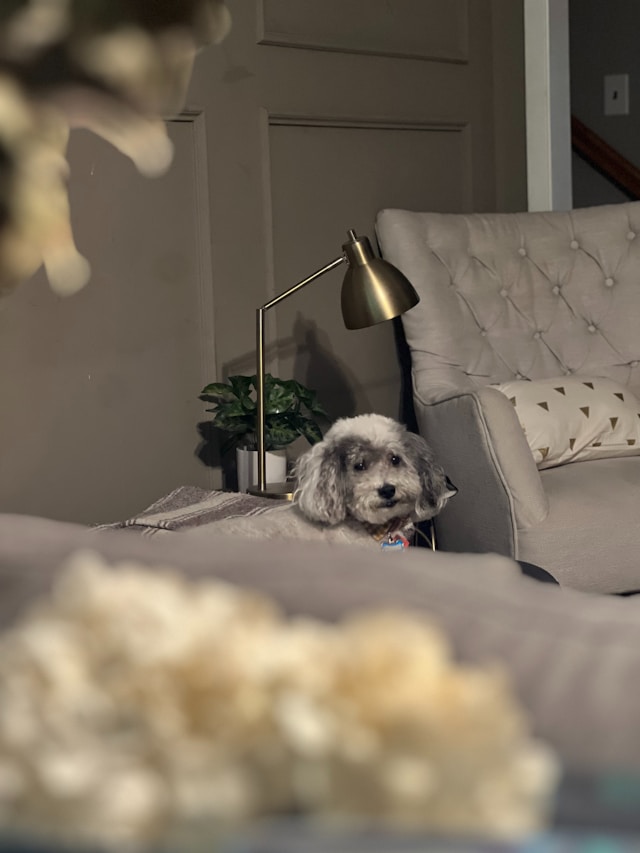
If fur is the main issue, smoother, tightly woven upholstery is easier to vacuum or brush because loose hair has fewer deep textures to settle into. If muddy paws and small spills are more common, prioritize fabrics with straightforward spot-cleaning instructions or removable covers that give you more flexibility when deeper cleaning is needed.
Leather and quality faux leather can be practical for fur cleanup because hair stays on the surface, but they are less forgiving when visible claw marks are the bigger concern. Choose them when easy hair removal matters more than hiding occasional surface marks.
Details that make a sofa harder to maintain
Beyond fabric type, some upholstery details simply create more work in a pet household. Delicate materials that require specialized stain treatment may be difficult to maintain if muddy paws or small accidents are common.
Deep tufting, buttons, fringe and heavy piping also create more places for fur and debris to collect. If easy cleanup is a priority, simpler upholstery surfaces and fewer decorative crevices are usually easier to vacuum and spot-clean.
For broader guidance on frame construction, sofa type, and other pet-friendly features, see our Pet-Friendly Couch Buying Guide for 2026.
Design & Style Choices That Make Life with Pets Easier
Colors, textures & shapes that hide fur and wear
The right color palette can make your pet friendly sofa feel tidy even between cleanings. Mid-tone shades—think warm gray, mushroom, caramel or dusty blue—do a better job disguising both light and dark fur than very pale or very deep colors. If you want a deeper dive into color, Povison’s guide on pet friendly sofa colors explores how neutrals and mid-tones help balance style and practicality.
Subtle texture and variation in color can make minor fur and everyday wear less visually obvious between cleanings. Also consider how your pet actually uses the sofa: a deeper seat gives pets more room to settle beside you, while wider arms may become favorite lounging spots for cats.
Sofa styles and configurations that work well with pets
For multi-pet households, a pet friendly sectional sofa can be a hero. It creates obvious “zones” so each animal finds a favorite corner, spreading out wear and tear. Low, wide arms double as lounging ledges for cats, while chaise sections give dogs enough room to fully stretch out. If you often host guests, an L-shaped or U-shaped pet friendly sectional sofas layout keeps people and pets together without feeling crowded.
If you love reclining or motion pieces, look for pet friendly sofas with minimal exposed mechanisms so paws and tails stay safe. Povison’s performance-fabric sectionals and pet-focused collections—like those highlighted in the dog friendly fabric sectional guide—show how pet-friendly upholstery can work across larger sectional and reclining designs.
POVISON Picks for Pet-Friendly Living
Ergopals Power Reclining Loveseat – For Easier Fur Cleanup
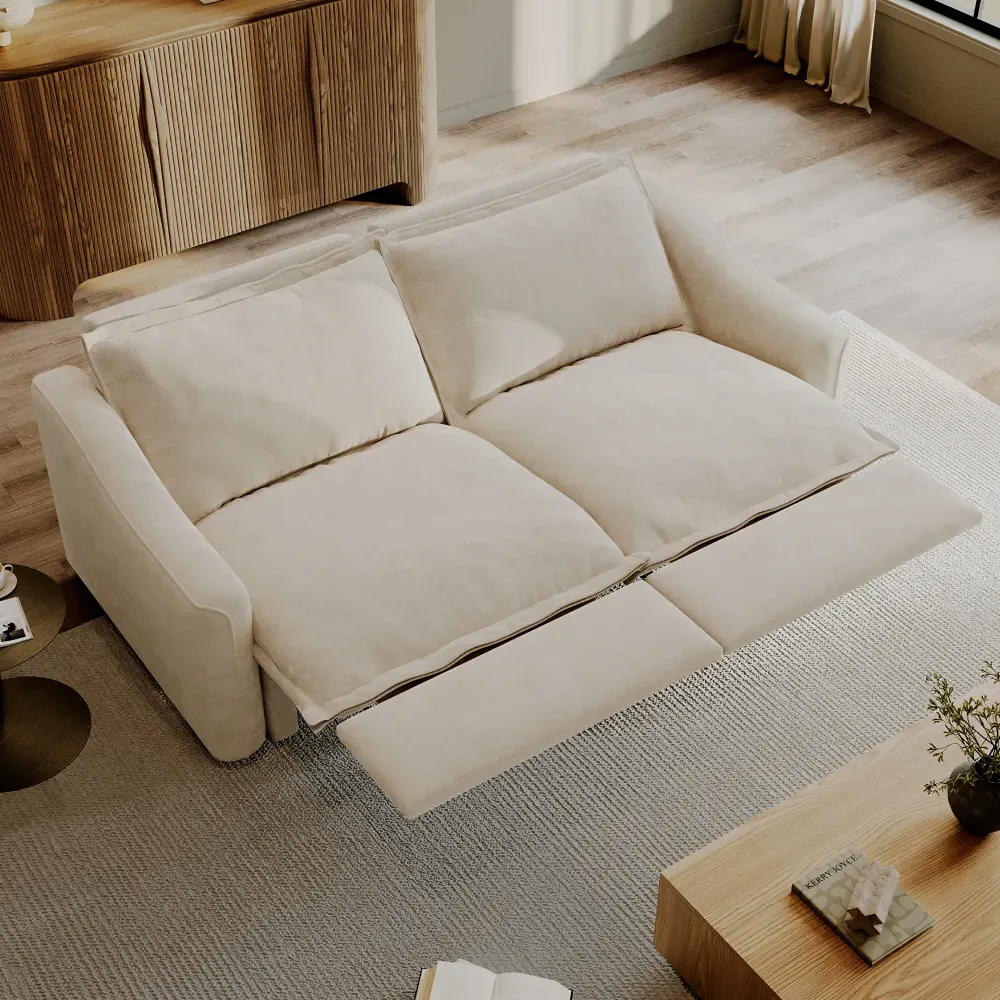
The Ergopals Power Reclining Loveseat is a strong fit for homes where shedding creates more work than major spills. Its short-pile pet-friendly polyester is designed to reduce fur cling, so loose hair is easier to vacuum or brush away, while removable cushion covers make deeper cleaning more manageable. The power-reclining design also expands the seat depth for lounging, giving both people and pets more room to settle in without requiring a larger sectional.
Aurora Power Sofa Bed – For Scratches, Spills and Flexible Lounging
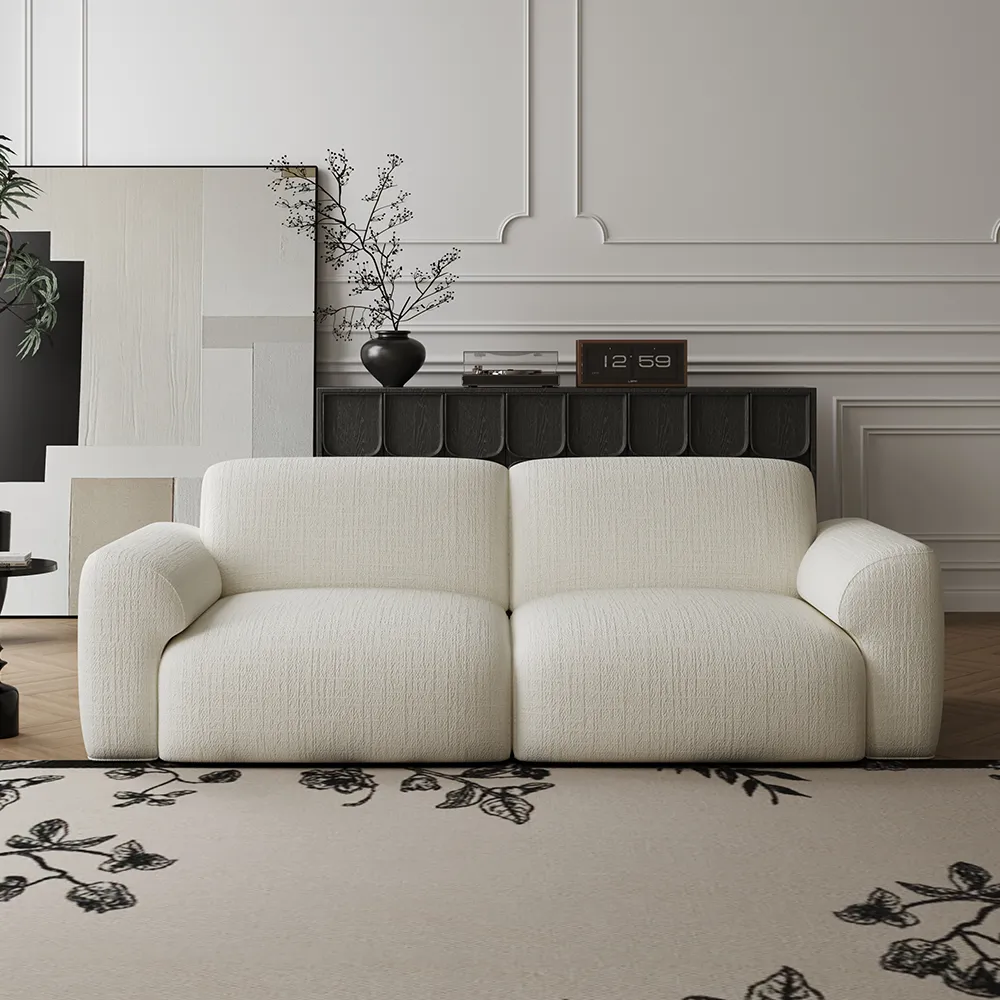
The Aurora Power Sofa Bed is better suited to households worried about muddy paws, small spills and everyday claw contact. Its selected performance upholstery is designed to resist water and scratches, while the powered seat extends from a more upright position into much deeper lounging and sleeping space. That flexibility makes it especially useful when the sofa needs to handle everyday seating, pets stretching out beside you and occasional overnight use in the same room.
Arlo Deep Sofa – For Pets That Like to Share the Sofa
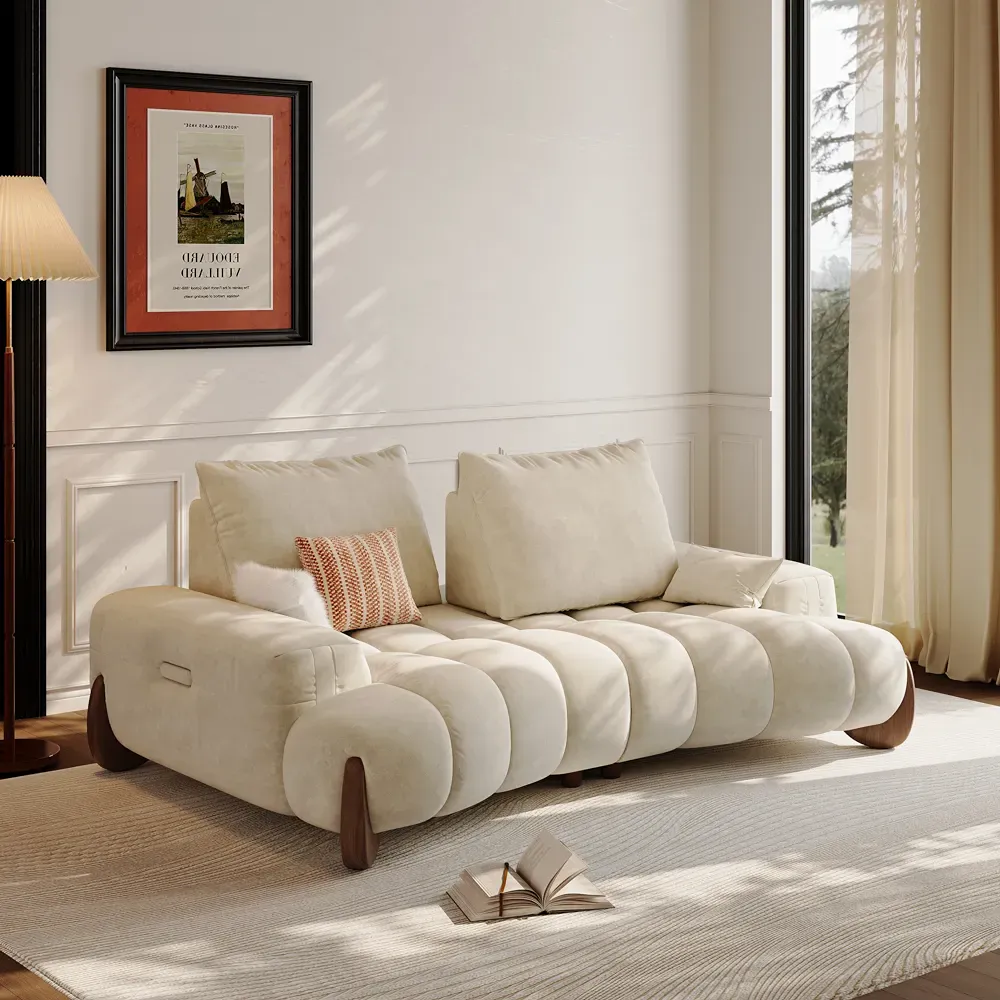
The Arlo Deep Sofa puts more emphasis on shared lounging space. Its deep seat gives dogs or cats room to curl up beside you, while adjustable cushions let you shift the support depending on how the sofa is being used. The pet-friendly upholstery adds anti-scratch and waterproof performance, but the bigger advantage here is comfort: it works well for households where pets regularly claim part of the sofa rather than staying in a separate bed.
Maintenance Habits to Extend the Life of a Pet-Friendly Sofa
Even the best pet friendly sofas still need a little routine care. Build a light, regular cleaning loop into your week: quick vacuuming with an upholstery attachment, plus a lint-roller swipe over your pet’s favorite spot. Spot-clean spills right away with a mild cleaner approved for your sofa material, blotting rather than scrubbing. In my last apartment, switching to a simple Sunday 10-minute clean—vacuum, lint-roll, flip two cushions—kept our easy clean sofa looking “guest ready” for years.
Longer-term habits matter too. Wash throw blankets and pet friendly sofa covers regularly to keep oils and dander from soaking into the upholstery. Rotate and flip cushions to distribute wear, and occasionally shift where your pet’s bed or blanket sits so one arm or cushion doesn’t age faster. Keeping nails trimmed, offering scratching posts, and rewarding your pet for using their own bed or mat near the sofa all help your durable sofa stay comfortable and attractive longer.
Conclusion
Living with pets shouldn’t mean surrendering your style or constantly fighting fur and scratches. By choosing a pet friendly sofa with scratch-resistant upholstery, easy-clean materials and practical care features, you create a space where everyone can relax—human and animal alike.
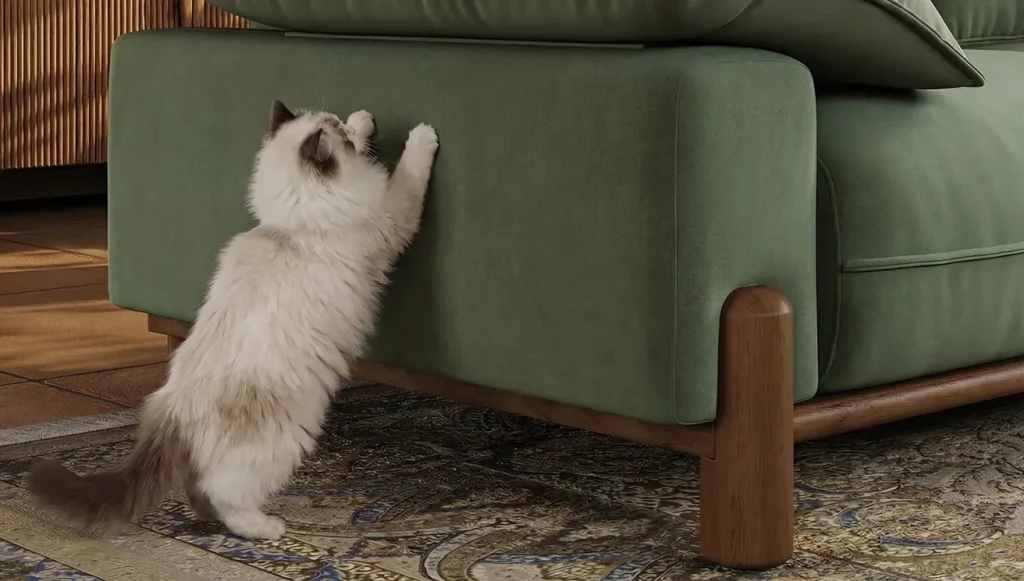
Find a Sofa That Works Better with Pets
Explore pet-friendly sofas designed for easier cleanup, everyday lounging, and life with fur, paws, and claws.
FAQs About Pet-Friendly Sofas
Does scratch-resistant mean scratch-proof?
No. Scratch-resistant upholstery is designed to reduce snagging or make everyday claw contact less noticeable, but no sofa fabric is completely scratch-proof. Look for a tight weave, minimal loose texture and clear durability information if scratching is a frequent concern in your home.
Can a light-colored sofa still work with pets?
Yes. Light upholstery can still work if the fabric is easy to maintain and does not strongly contrast with your pet’s fur. If shedding is heavy, compare fabric samples against your pet’s coat before choosing a color. A slightly warmer or more varied neutral is often more forgiving than a flat, bright white surface.
What affects how long a pet-friendly sofa lasts?
There is no single lifespan that applies to every pet household. Frame construction, cushion support, upholstery, pet size and behavior, and cleaning habits all affect how quickly a sofa shows wear. When comparing options, focus on durable construction and surfaces you can realistically maintain rather than relying on a promised number of years.
Do cats and dogs need different sofa fabrics?
Often, yes. Cats that actively scratch make snag resistance especially important, so tightly woven, low-loop fabrics are usually the safer choice. Dog households may care more about shedding, muddy paws and repeated jumping. If you live with both, look for a tightly woven, easy-clean upholstery that balances snag resistance with practical everyday maintenance.


[…] homes with cats, dogs, and everyday mess, a pet friendly sofa with scratch-resistant and easy-clean materials supports the same design goal: a living room that looks calm but still works for real […]