 By Kelvin
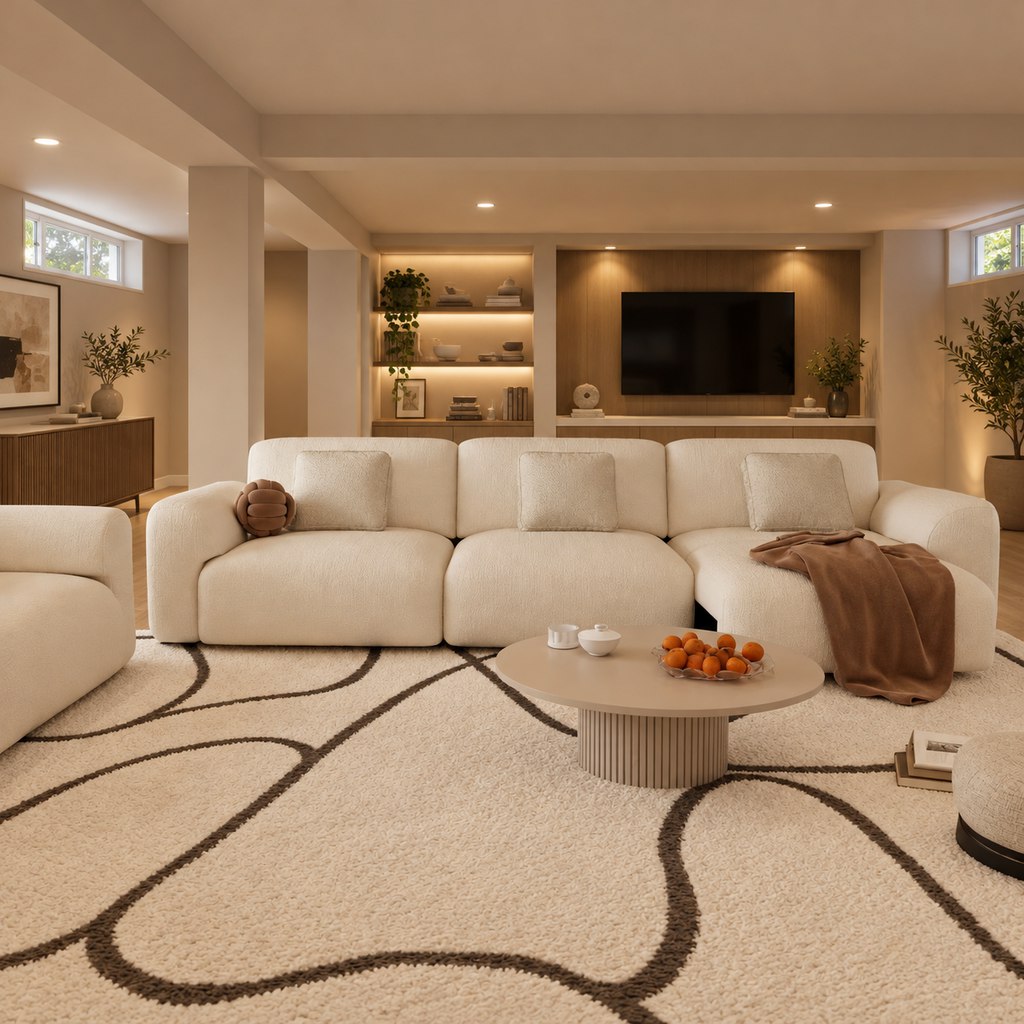
The best basement family room ideas make the space work for everyday lounging, movie nights, and family activities without making it feel crowded or dim. The challenge is choosing furniture that adapts to different needs, from comfortable seating for long viewing sessions to a sleeping surface for occasional overnight guests. Instead of filling the basement with single-purpose pieces, consider furniture that combines useful functions while leaving enough room for movement. The right combination can make the space more practical for daily family life without sacrificing comfort or flexibility.
Table of Contents
How Should You Plan a Basement Family Room Layout?
The most useful basement family room layout ideas start with the activities that happen most often. Decide whether the room is mainly for watching TV, relaxing together, or accommodating games and children’s activities. Then position the main seating area and plan secondary spaces around it. This approach helps prevent furniture from blocking walkways or competing for the same floor space.
| Basement Use | Common Furniture Problem | Function to Consider |
|---|---|---|
| Movie nights and gaming | Fixed seating can limit lounging options, while equipment creates clutter. | Adjustable seating and organized media storage |
| Daily lounging and overnight guests | A permanent guest bed takes up space between visits. | Convertible seating with a sleeping surface |
| Family time and children’s play | Toys and furniture compete for the same floor space. | Accessible storage and flexible surfaces |
| Multiple activities in an open basement | Separate furniture arrangements can crowd the room. | Multi-purpose pieces and clearly defined activity zones |
Before buying furniture, consider how people will move between the stairs, seating area, and other activity zones. A layout that looks spacious in a photo may be inconvenient if a sofa blocks the main route or a coffee table leaves too little room to pass.
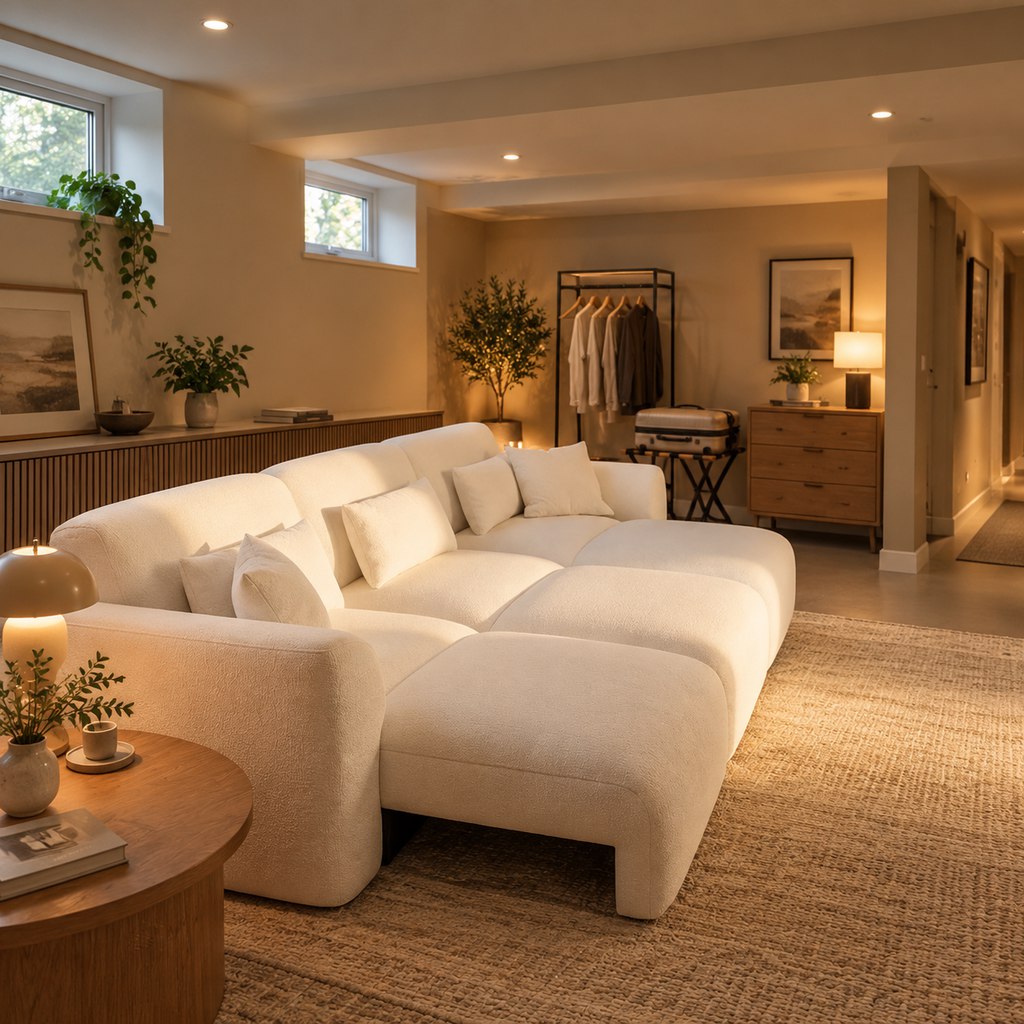
What Furniture Works Best for a Basement Family Room?
Choose furniture according to the activities the room needs to support. A few well-selected pieces can provide comfortable seating, practical storage, and a clear focal point without filling every available corner.
- Standard sofa: Works well for everyday conversation and general TV viewing. Check the seating capacity and depth against the room’s dimensions.
- Sectional sofa: Brings multiple seats together for family movie nights. Make sure the longer side and any chaise fit without obstructing the main walkway.
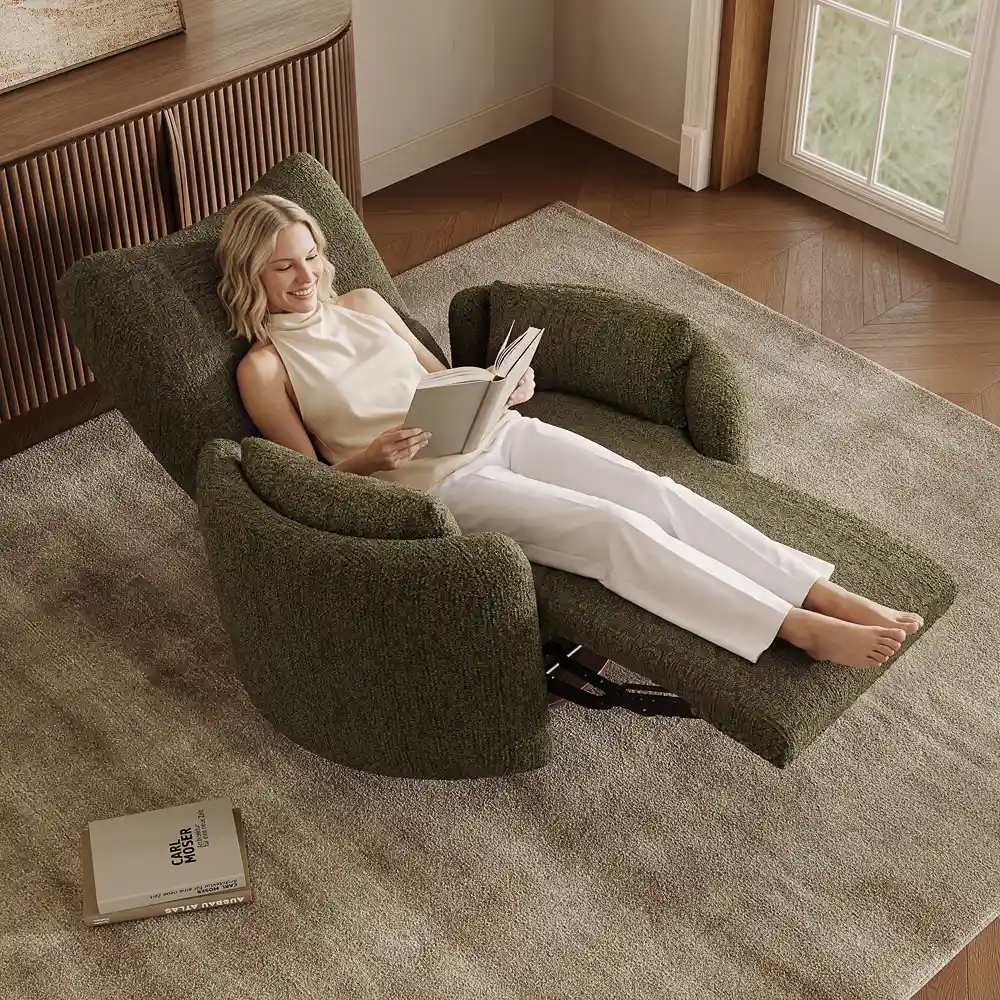
- Power reclining sofa: Suits households that spend long periods watching movies or relaxing. Check the clearance needed when the seats extend.
- Sofa bed: Provides everyday seating and an extra sleeping surface for occasional overnight guests. Check the fully extended footprint to ensure it won’t block walkways or interfere with other activities.
- Coffee table or storage ottoman: Provides a place for drinks, snacks, and game controllers. Storage can help keep shared spaces tidy, while an upholstered ottoman offers a softer surface.
- Media console: Organizes the television, gaming equipment, and accessories. Look for suitable storage, cable openings, and ventilation for electronic components.
How Can You Make a Basement Family Room Brighter and Cozier?
Basements often receive less natural light than rooms above ground, but lighting and furniture choices can also affect how comfortable the space feels during different activities. The goal is to make the room suitable for watching movies, reading, and everyday lounging without adding furniture or lighting that gets in the way.
- Match lighting to the activity. Use general lighting for shared activities, a floor lamp beside the sofa for reading, and softer lighting for movie nights. Separate lighting sources make it easier to adapt the room without rearranging furniture.
- Choose finishes that balance the room. Cream upholstery, warm wood, and lighter rugs can soften a dark media wall without requiring every surface to be light-colored.
- Keep seating proportional to the space. A large sectional may provide more seats, but it can restrict movement or leave too little room for children’s activities. Check the full footprint before choosing a larger piece.
For a basement used for evening movies and daytime homework, separate lighting zones can support both routines. These choices also complement broader family room comfort and styling tips when the goal is to make a shared space more practical for everyday use.hen the room needs to balance comfortable seating, practical storage, and an uncluttered layout.
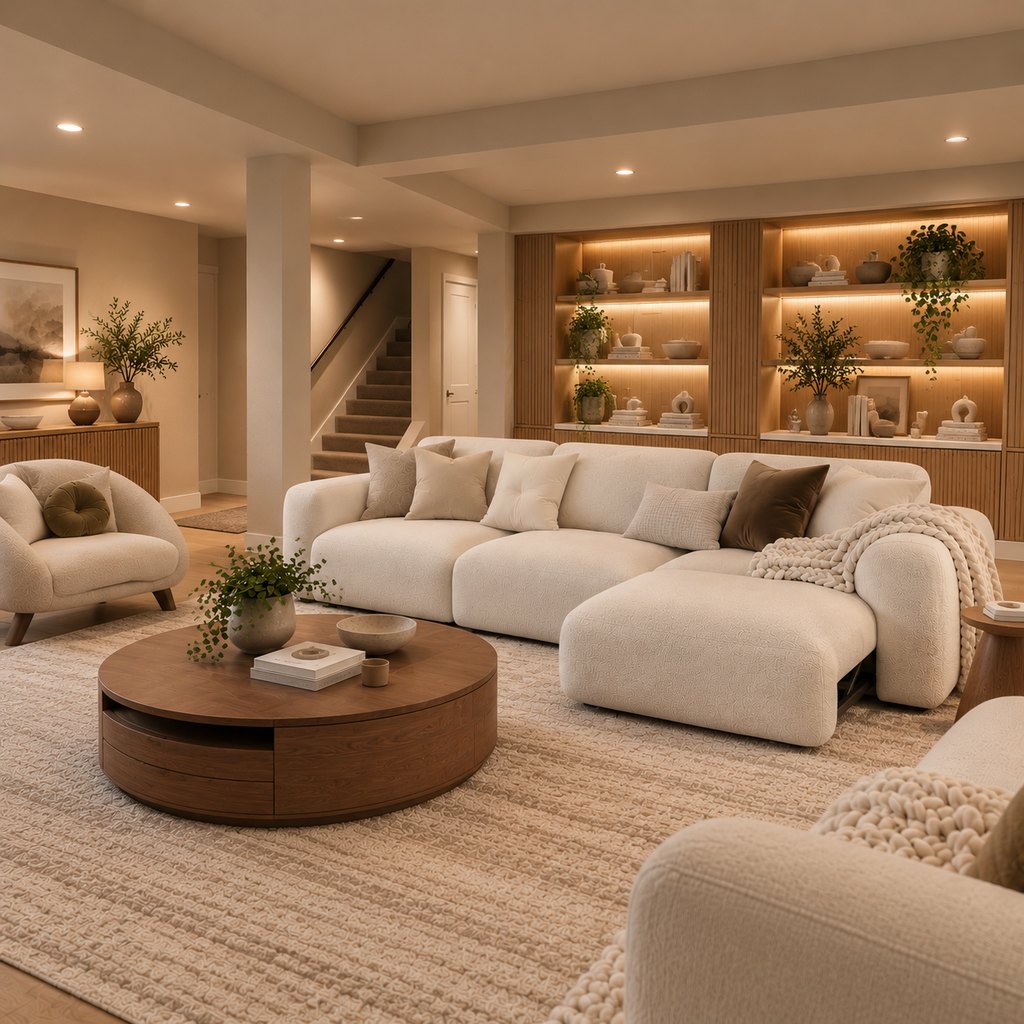
Which Basement Family Room Ideas Fit Different Family Activities?
Different family activities create different furniture demands. Long movie nights call for comfortable, adaptable seating; occasional overnight guests need a sleeping surface that does not permanently occupy the room; and children’s play requires accessible storage and open floor space. These setups show how specific furniture functions can address those needs without making the basement harder to use every day.
A Flexible Family Room for Occasional Overnight Guests
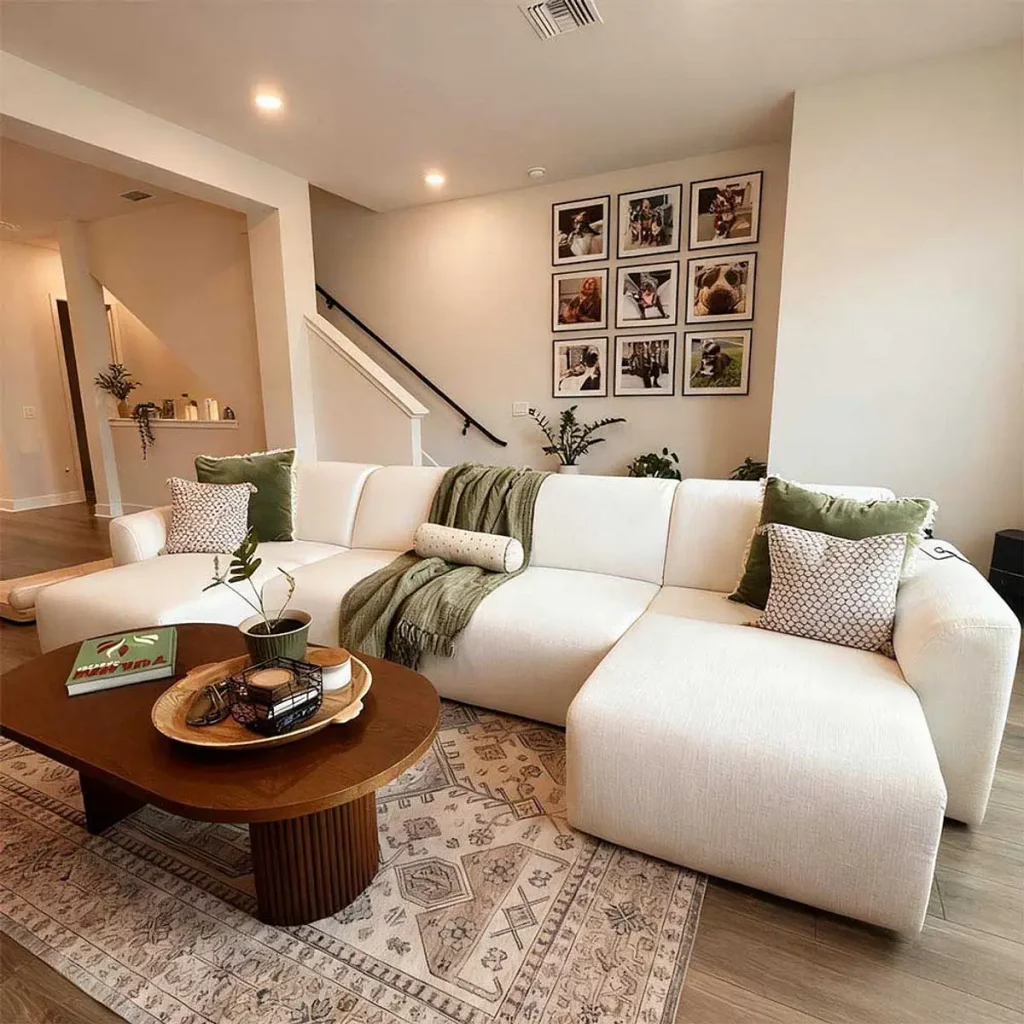
When relatives stay over only occasionally, a convertible sofa can provide a sleeping surface without dedicating an entire area to a permanent guest bed. The key is choosing seating that works for everyday lounging and leaves enough room to open the bed when needed.
The Aurora Power Sofa Bed adjusts from a standard seating position to a deeper lounging setup and opens into a sleeping surface. Its water-resistant, scratch-resistant chenille upholstery suits everyday family use. It is worth considering when a basement needs comfortable daily seating but must also accommodate overnight guests without a separate bed.
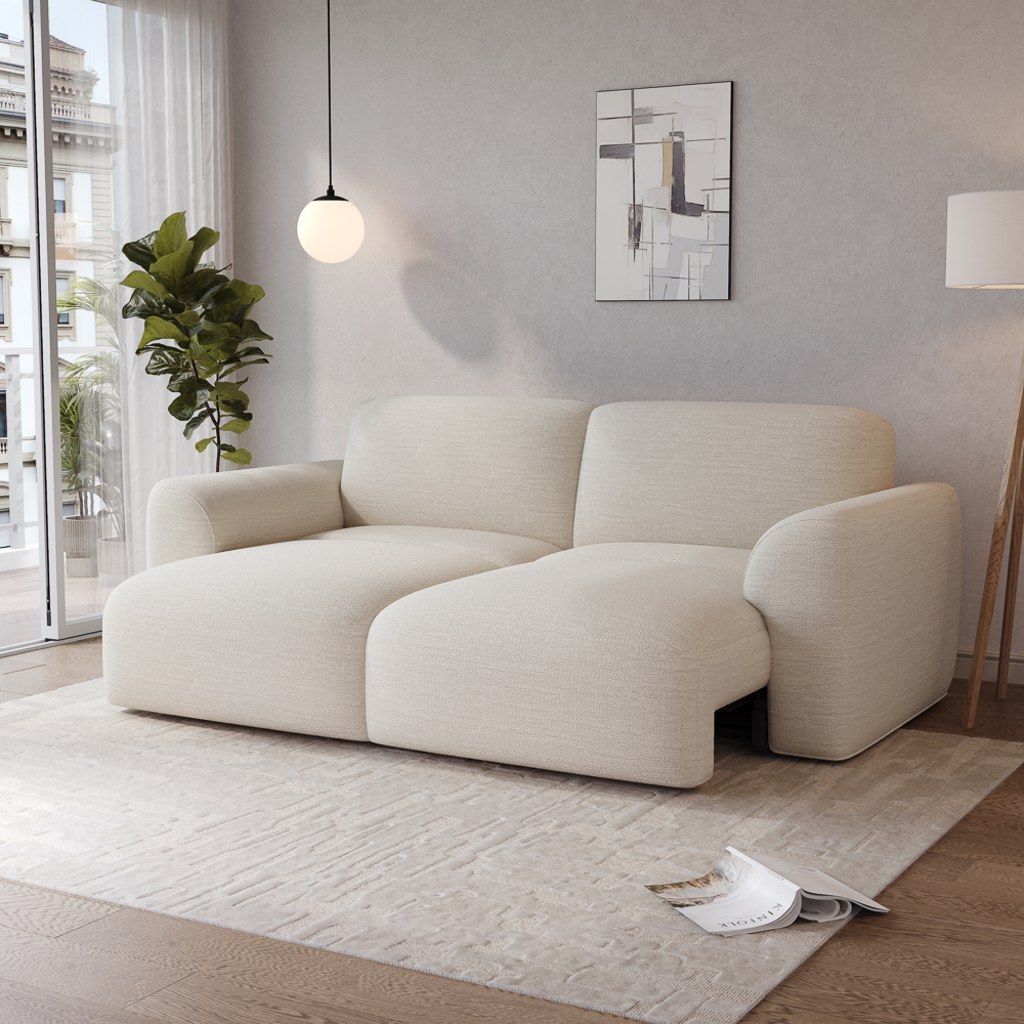
Aurora Power Sofa Bed
Flexible seating supports everyday lounging while providing an extra sleeping surface.
👍 Best for: Family rooms with occasional overnight guests
✨ One-touch adjustable seat depth
✨ Water-resistant, scratch-resistant chenille
✨ Extends into a sleeping surface
Before settling on this arrangement, measure the sofa’s full sleeping footprint and decide where movable furniture will go when the bed is open. If overnight stays become frequent, a dedicated guest room may require a different layout.
A Family Movie and Game Night Setup
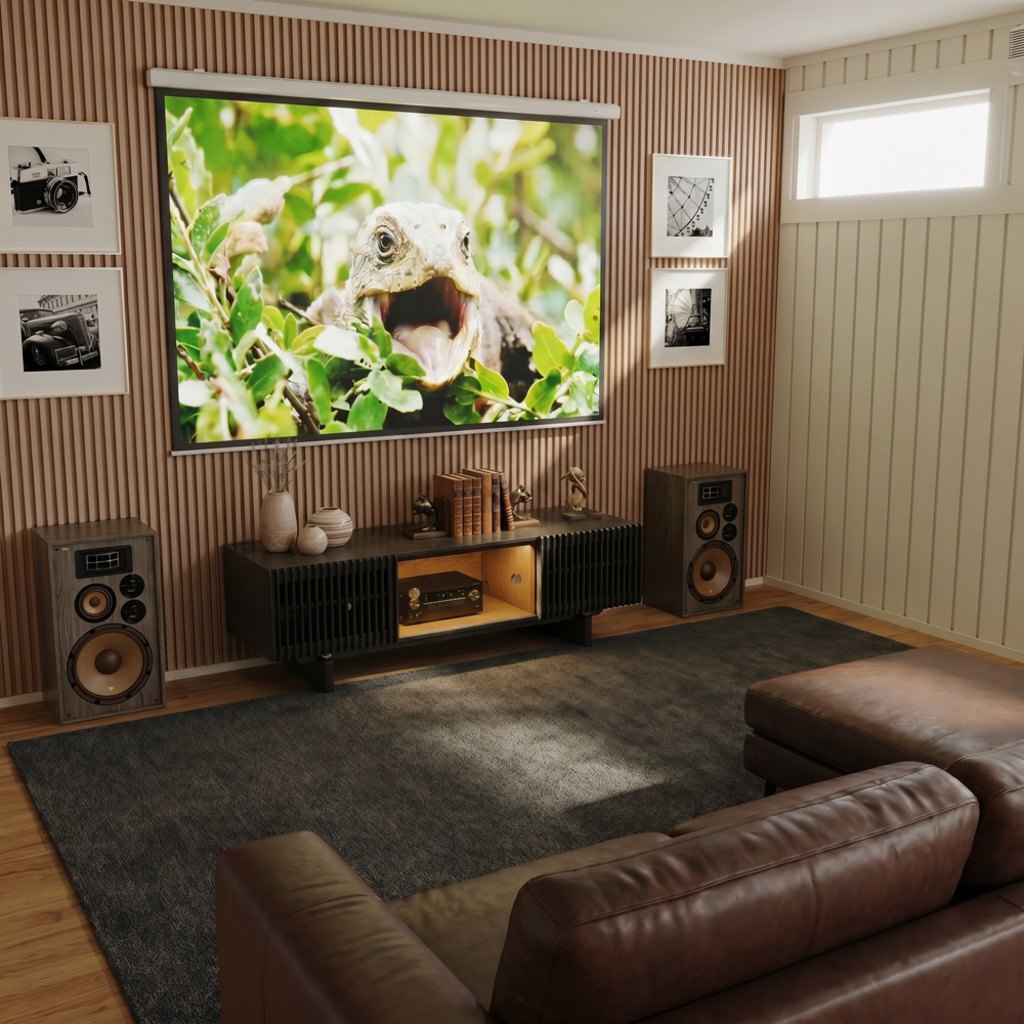
Place the main sofa opposite the TV and keep the coffee table close enough for snacks, controllers, and board games. A media console with enclosed storage can keep accessories out of sight when the room is used for other activities. If several people watch together, check that everyone has a clear view of the screen without forcing anyone into a narrow walkway.
The Delven Verse Mid-Century Modern TV Stand can help keep the viewing area organized without requiring built-in cabinetry. Adjustable shelving accommodates entertainment equipment, while cable openings and rear ventilation support a tidier setup. Its slatted doors allow remote signals to pass through, making it worth considering when gaming accessories and media devices need a dedicated place.
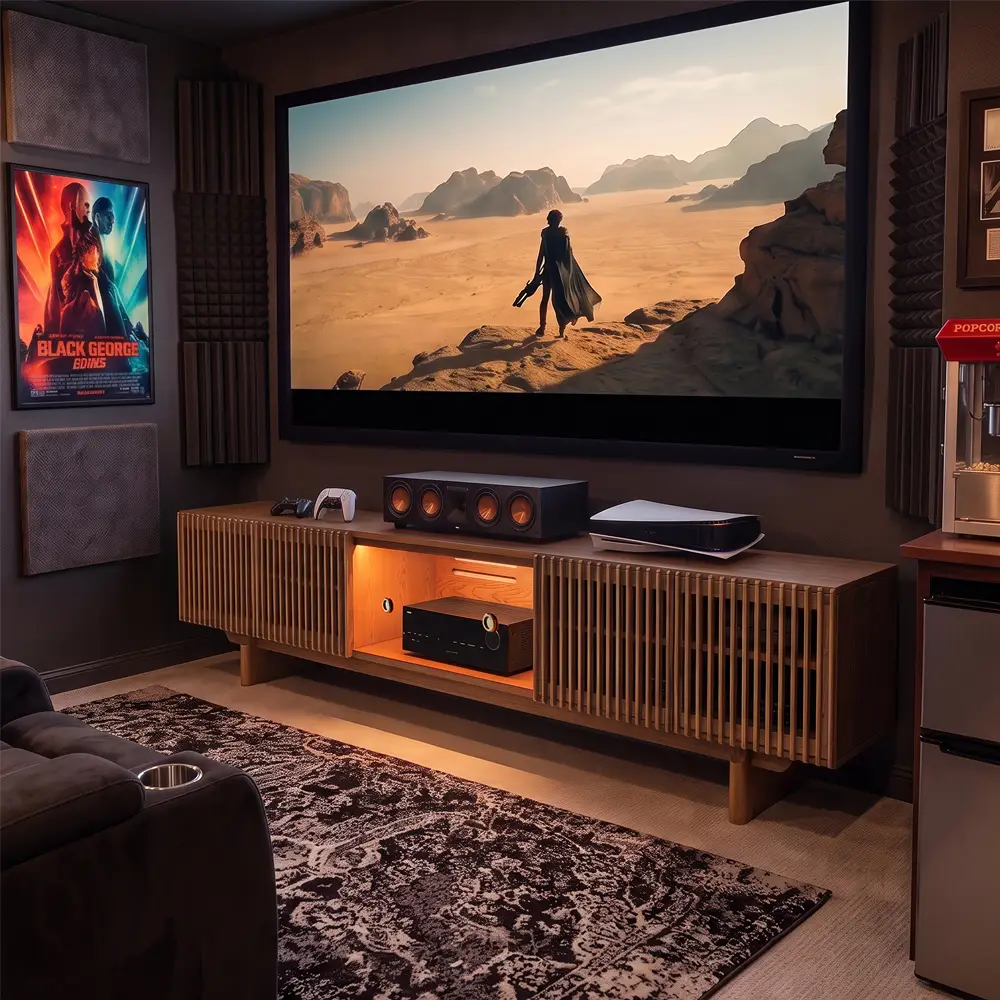
Delven Verse Mid-Century Modern TV Stand
Keeps gaming consoles and media accessories organized while maintaining a clean TV wall.
👍 Best for: Basement TV walls and gaming gear
✨ Adjustable shelves for AV components
✨ Rear vents support equipment airflow
✨ Slatted doors pass remote signals
A Family Room with a Kids’ Play Area
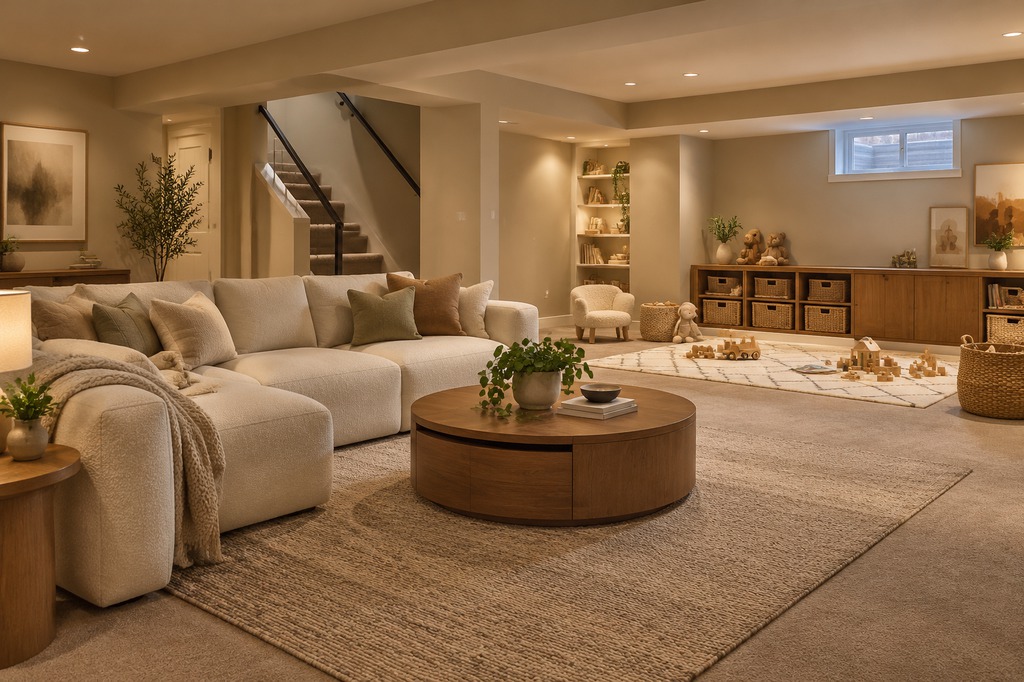
Keep the play area within sight of the main seating zone while leaving enough open floor space for movement. Low storage baskets or closed cabinets can hold toys, books, and games after use. In the adjoining lounge, a round coffee table with built-in storage can help keep shared items organized without introducing sharp corners.
The Silva Lifting Top Round Coffee Table combines rounded edges with hidden storage and two drawers, making it a practical option for keeping everyday essentials close at hand. Its lift-top surface adds flexibility for adults using the lounge for snacks or other activities. Keep the lift mechanism away from unsupervised children’s play and leave the main activity area clear.
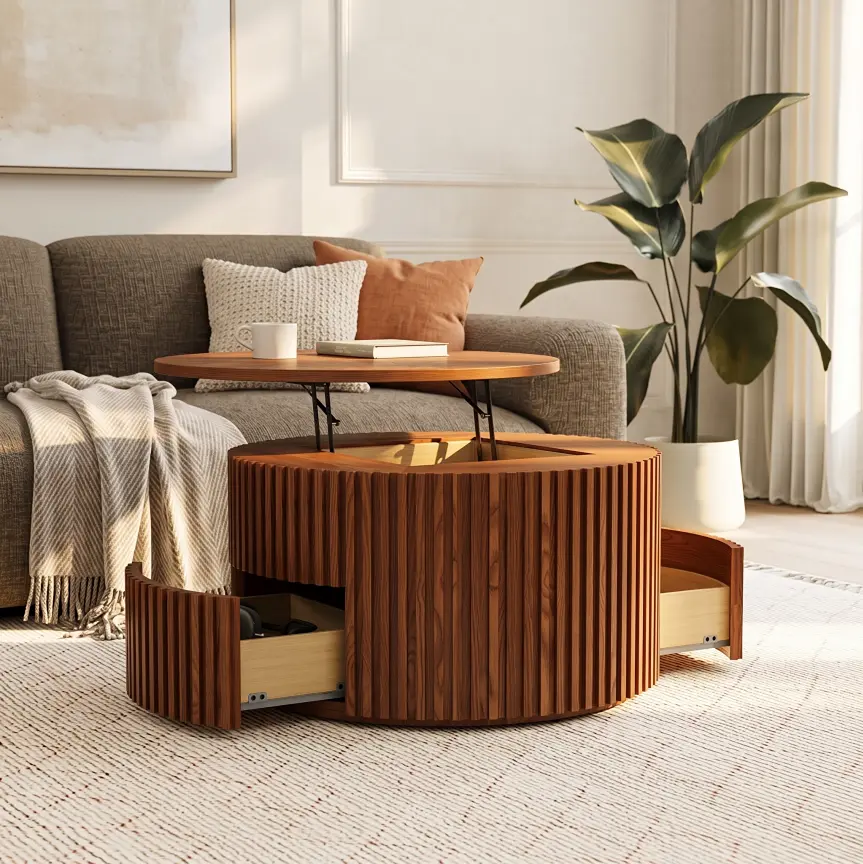
Silva Lifting Top Round Coffee Table
A rounded walnut-finish table supports family activities while keeping the lounge organized.
👍 Best for: Family lounges with kids’ play areas
✨ Rounded edges for easier movement
✨ Lift-top surface for flexible use
✨ Two drawers for everyday essentials
A Quiet Corner for Reading and Relaxing
A compact accent chair, side table, and reading lamp can create a quieter corner without requiring another full furniture arrangement. Position the chair away from the main TV sightline when possible. This works particularly well in an open basement where a small secondary zone can provide a change of activity without needing walls or permanent dividers.
For more frequent overnight stays or a dedicated sleeping area, basement guest room layouts may require a different approach to privacy, bedding, and furniture placement. In a family room, the priority is preserving everyday use while allowing for occasional flexibility.
What Should You Measure Before Buying Furniture for a Basement Family Room?
A furniture layout can look workable on paper but become inconvenient once the pieces arrive. Before ordering a sofa, media console, or coffee table, check more than the room’s overall length and width.
Use this checklist before buying:
- Measure the room and entry points. Check the basement stairs, doorways, turns, and any narrow passages that furniture must pass through.
- Check the full furniture footprint. Measure sofas in their extended or reclined positions, not only in their standard configuration. For a sofa bed, include the full sleeping surface.
- Preserve walking space. Make sure people can move between the stairs, seating area, and other activity zones without squeezing around furniture.
- Plan TV and power access. Check where outlets, cables, routers, and gaming equipment will sit before deciding on the media console’s position.
- Check the basement’s condition. Address persistent dampness, leaks, or musty odors before bringing in upholstered furniture, rugs, and other moisture-sensitive items.
A useful way to test the layout is to mark the planned furniture footprints on the floor with painter’s tape. Walk through the room, check the route to the stairs, and simulate how the space will work when the sofa is extended. This simple step can reveal conflicts that are easy to miss when looking at measurements alone.
If you are considering a power sofa bed that adapts to everyday lounging and overnight stays, measure both its regular seating footprint and its fully extended configuration before committing to the layout.
Conclusion
The best basement family room ideas balance comfortable seating, practical storage, lighting, and enough open space for everyday activities. Start with the family’s routine, choose furniture that fits the room’s shape, and check the full footprint of any reclining or convertible pieces before buying. A well-planned basement does not need a separate zone for every activity. With thoughtful furniture placement and a few practical choices, it can become a comfortable place for movie nights, play, reading, and time together without sacrificing flexibility.
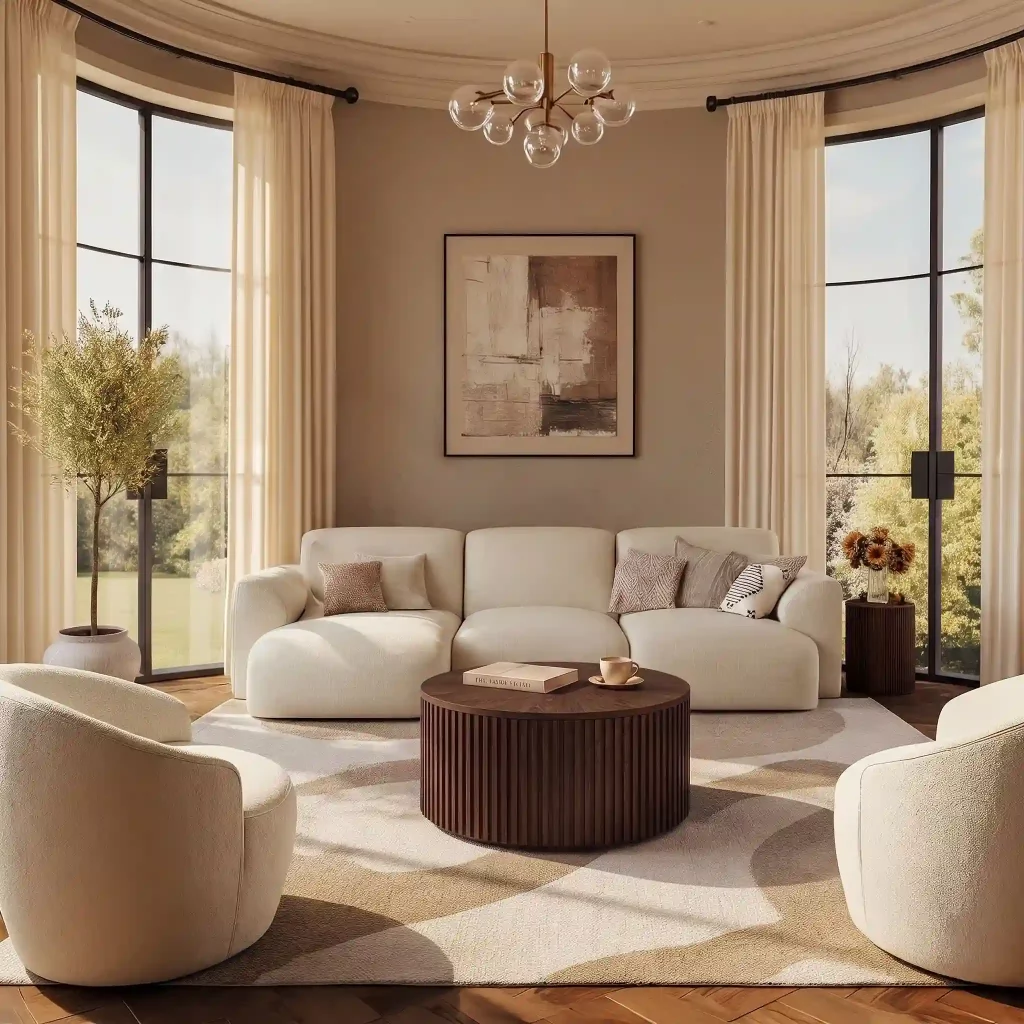
Find Furniture for Your Basement Family Room
Explore furniture for movie nights, family activities, flexible layouts, and everyday comfort.
Q&A
How Do You Arrange a Basement Family Room Around a Support Column?
Use the column as a reference point when dividing the room into seating and activity zones, but avoid placing it where it blocks the main TV sightline or interrupts the route to the stairs. Measure the surrounding clearance before positioning a sectional, and keep frequently used walkways open.
What Size Rug Works Best Under a Basement Family Room Sectional?
Choose a rug based on the footprint of the entire seating arrangement, not just the coffee table. Ideally, the front legs of the main seating pieces can rest on the rug, visually connecting the area. Measure the sectional’s full configuration first, especially if its seats extend for lounging.
Should You Use a Coffee Table or an Ottoman in a Basement Family Room?
A coffee table provides a firm surface for board games, drinks, and remotes. An upholstered ottoman offers a softer surface and may double as a footrest, while some models add storage. Choose based on the family’s activities, the need for a stable tabletop, and available walking space.
How Can You Hide Gaming Accessories and TV Cables Without Built-Ins?
Choose a media console with enclosed storage and cable openings, then group controllers, chargers, and smaller accessories in labeled bins. Use suitable cable organizers to keep cords together and away from walking paths. Check ventilation requirements before placing consoles or other heat-producing equipment inside closed compartments.
Should You Buy Furniture Before Fixing Basement Moisture?
No. Persistent dampness, seepage, or musty odors should be investigated before furnishing the room. Upholstery, rugs, and wood furniture can absorb moisture or odors, and large pieces may conceal early signs of water damage. Address the underlying issue and confirm the room stays dry before bringing in new furniture.


[…] These basement living area ideas work particularly well for families who use the space for movie nig…. The same planning principles used in living room and guest room layouts apply here, with extra attention to ceiling height, daylight, and the route between the sleeping area and stairs. […]