 By Jenny Smith
Introduction
Most people judge a sofa by the fabric and cushions, but the real test is the frame you can’t see. A solid wood sofa frame is the quiet hero that keeps everything stable, comfortable, and safe year after year. That focus on construction matches how people actually shop: in 2024, 93.9% of consumers said quality was the most important factor when buying furniture, ahead of price or design. (GlobalData)
Quick Check: Before buying a sofa, look for clear frame specs, kiln-dried solid wood or hardwood wording, reinforced corners, stable weight, minimal creaking, and a warranty that mentions the frame. If the product only says “wood frame” without details, check the materials carefully before assuming it is built to last.
Table of Contents
What Is a Solid Wood Sofa Frame?
A solid wood sofa uses full pieces of hardwood or softwood—think oak, ash, or rubberwood—for its frame, not glued-together scraps. A wood frame sofa built this way can be joined, repaired, or refinished over time, much like a quality dining table. Engineered wood or metal frames can still work, but they behave very differently in strength, feel, and long-term value.
Solid Wood vs Engineered Wood vs Metal – What’s Inside Your Sofa?
A solid wood frame uses continuous wood members with strong joinery. Engineered wood frames rely on plywood, MDF, or particleboard panels, while metal frames use steel or aluminum tubes. Here’s a simple comparison:
| Frame type | What it is | Durability | Price & eco-impact |
| Solid wood | Full-length pieces of hardwood or softwood. | Very durable when kiln-dried and well joined; can be refinished and repaired. Performance depends on species and construction quality. | Generally higher upfront cost. Can be sustainable when responsibly sourced, but uses more solid timber. |
| Engineered wood | Plywood, MDF, particleboard or a mix, often combined with solid wood parts. | Quality varies: high-grade plywood can be strong and stable; low-grade boards are more prone to damage from moisture or heavy load. | Often more affordable. Efficient use of wood resources, but relies on adhesives; eco-profile depends on resins and certifications. |
| Metal | Steel or aluminum tubes and components, sometimes paired with wood elements. | Very high structural strength and resistant to pests and warping; finish can scratch or rust if not protected. | Price ranges widely. Highly recyclable, but energy-intensive to produce; good for slim, lightweight designs. |
Why Frame Construction Matters More Than Cushions
A strong wood frame sofa keeps its shape, resists wobbling, and supports the suspension so cushions don’t sag prematurely. You can always replace covers or foam, but a weak frame usually means replacing the entire sofa. Imagine buying a $500 couch that collapses after three years—that’s about $166 per year—versus a $1,500 high quality sofa with a hardwood frame lasting 12 years, at roughly $125 per year.
Key Benefits of Choosing a Solid Wood Sofa
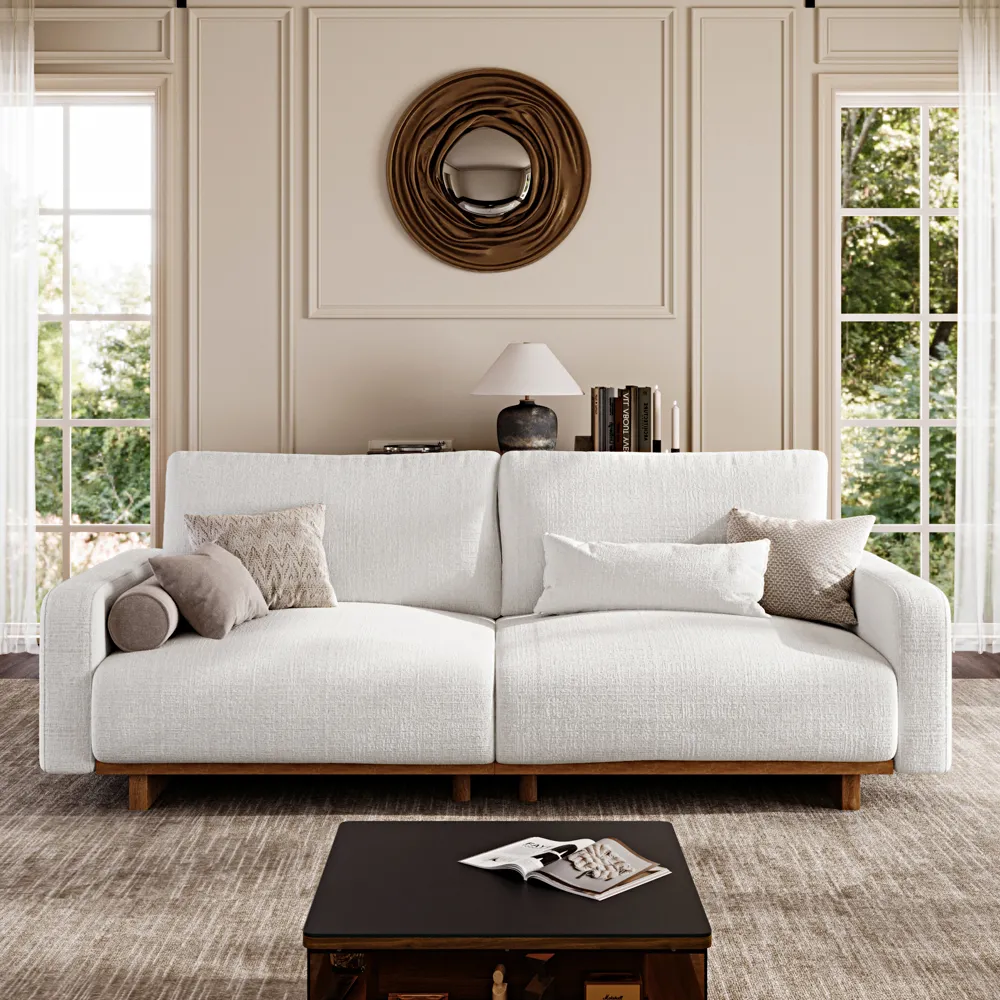
A solid wood sofa is essentially a piece of fine furniture you happen to sit on every day. You get a durable sofa that handles daily lounging, kids climbing, and occasional naps without feeling loose or flimsy. Solid hardwood resists warping, so the frame stays square, doors and drawers (if any) align, and the suspension keeps doing its job. Visually, wood adds natural warmth: you can echo its tone with other pieces—like a matching TV stand or coffee table—to create a cohesive, “curated” living room. For more help comparing styles, you can also explore Povison’s best sofas for 2026 guide.
How to Tell If a Sofa Truly Has a Solid Wood Frame
To check whether that “solid wood sofa” is the real deal, look for:
- Clear product specs stating “solid hardwood frame” (not just “wood products” or “composite”).
- Noticeable weight when you lift a corner; solid wood usually feels heavier and more grounded.
- Corner blocks, screws, and dowels you can spot under the seat, not just thin metal plates and staples.
- Minimal creaking when you rock side to side—the frame shouldn’t flex or twist.
- A meaningful warranty that mentions the frame specifically, often 5–10 years or more.
If solid-wood construction is the priority, Cronus Genuine Leather Modular Sofa gives shoppers a clearly disclosed frame rather than vague “wood frame” wording. The current product is specifically listed with a solid wood frame and top-grain leather, making it easier to verify the construction before buying. A 26-inch seat also gives the sofa a deeper, lounge-oriented feel.
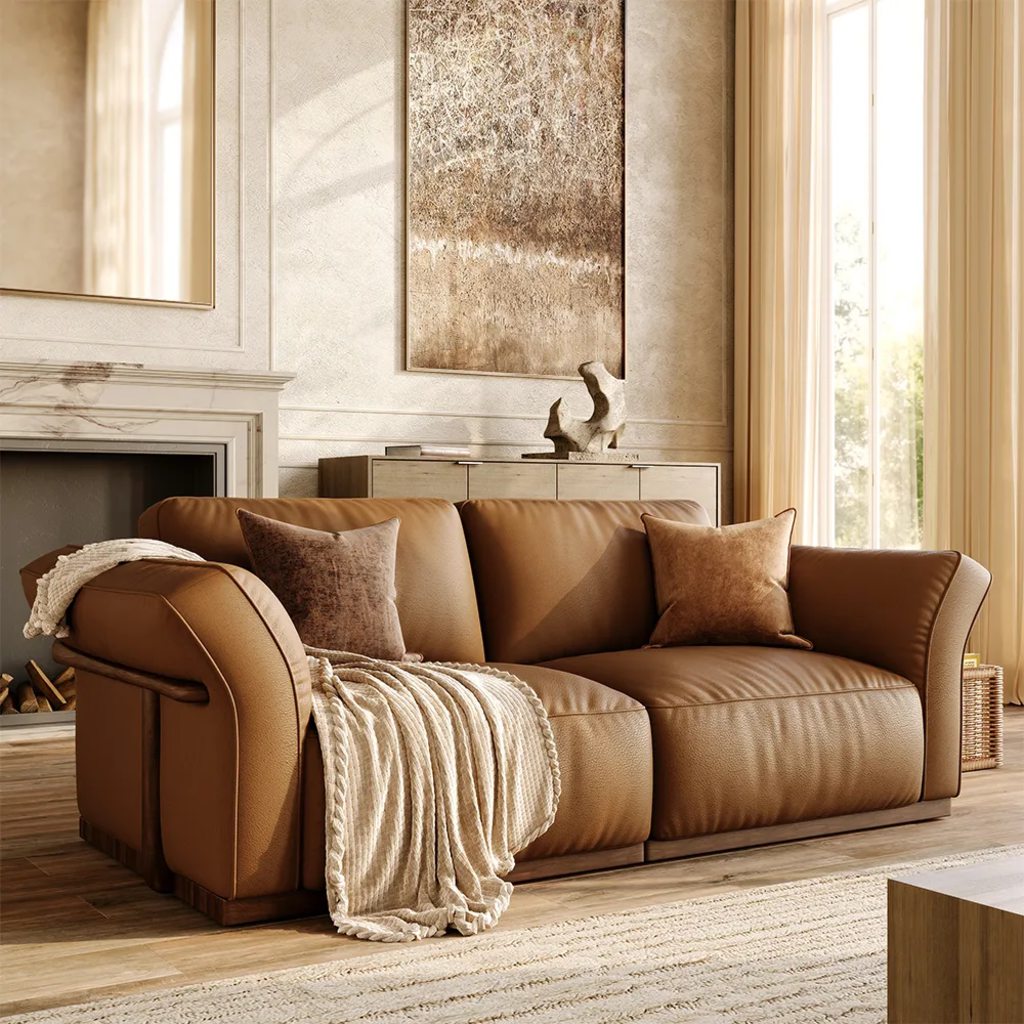
Cronus Genuine Leather Modular Sofa
Solid-wood framing and top-grain leather support durable everyday use.
👍 Best for: Buyers prioritizing verified frame construction
✨ Solid-wood frame construction
✨ Top-grain genuine leather
✨ Deep 26-inch seating
Best Woods for Sofa Frames & What They Mean for Your Home
Not all woods behave the same. The species used in your wood frame sofa affects how sturdy it feels, how heavy it is, and how it looks alongside the rest of your furniture. Lighter species suit airy, Scandinavian or Japandi spaces, while deeper-toned woods give a cozier, more formal vibe.
Common Hardwood Species Used in High Quality Sofas
Oak and ash are sofa-frame classics: strong, relatively heavy, and great when you want visible grain and a slightly rustic edge. Beech and birch are fine-grained and pale, perfect for Nordic, minimalist or Japandi interiors where you want a clean, calm base. Maple is dense and smooth, ideal for a very durable sofa with a refined feel. Rubberwood is an eco-minded option, repurposed from latex plantations; it tends to be lighter in color and works beautifully in modern, relaxed spaces.
Sustainability, Safety, and Certifications to Look For
Responsibly sourced solid wood doesn’t just feel better—it supports a more sustainable home. The global eco-friendly furniture market was valued at about US$46.98 billion in 2023 and is forecast to more than double by 2033, driven by demand for durable, low-impact pieces. (Fact.MR) Surveys also show that 76% of consumers are willing to pay a premium for eco-friendly furniture, underscoring how important sustainability has become. (ienhance.co) Look for FSC-certified wood, CARB-compliant boards if any panels are used, and low- or no-VOC finishes so your sofa doesn’t off-gas in a family living room. Brands that also disclose non-toxic glues and offer repair or reupholstery options are treating your furniture as something to keep, not toss.
Matching a Solid Wood Sofa to Your Lifestyle & Space
A solid wood sofa doesn’t have to be bulky or traditional. Today’s designs use slim, exposed frames, lighter woods, and generous cushions to create a Japandi or minimalist look that feels calm, modern, and easy to live with. The key is to match the frame’s shape, size, and color to how you actually use your space.
Style, Size, and Layout – Not Just a “Heavy” Traditional Sofa
In a compact apartment, a streamlined wood frame sofa with raised legs keeps the floor visible, which makes the room feel bigger and lighter. In open-plan spaces, an L-shaped solid wood sofa can define the living zone without adding visual clutter. Choose a silhouette that suits your architecture—softer curves for cozy rooms, cleaner lines for modern ones—and echo the wood tone in your coffee table or TV stand so everything feels connected, not perfectly matched.
Families, Pets, and Heavy Use – When Solid Wood Really Shines
If your living room is a mix of playroom, office, and movie zone, a strong solid wood frame gives you a stable base for everyday chaos. Imagine a weekend: kids piling onto one corner, a pet stretching along the back, you settling in with a laptop—the sofa shouldn’t wobble or complain.
For a busy family room, Atticus Mid-Century Pet-Friendly Sofa combines solid-wood framing with upholstery designed for more demanding everyday use. The short-pile polyester fabric is described as splash- and scratch-resistant and easier to clear of pet hair, while layered foam adds supportive everyday seating. That combination makes the frame choice more practical for homes shared with kids or pets.
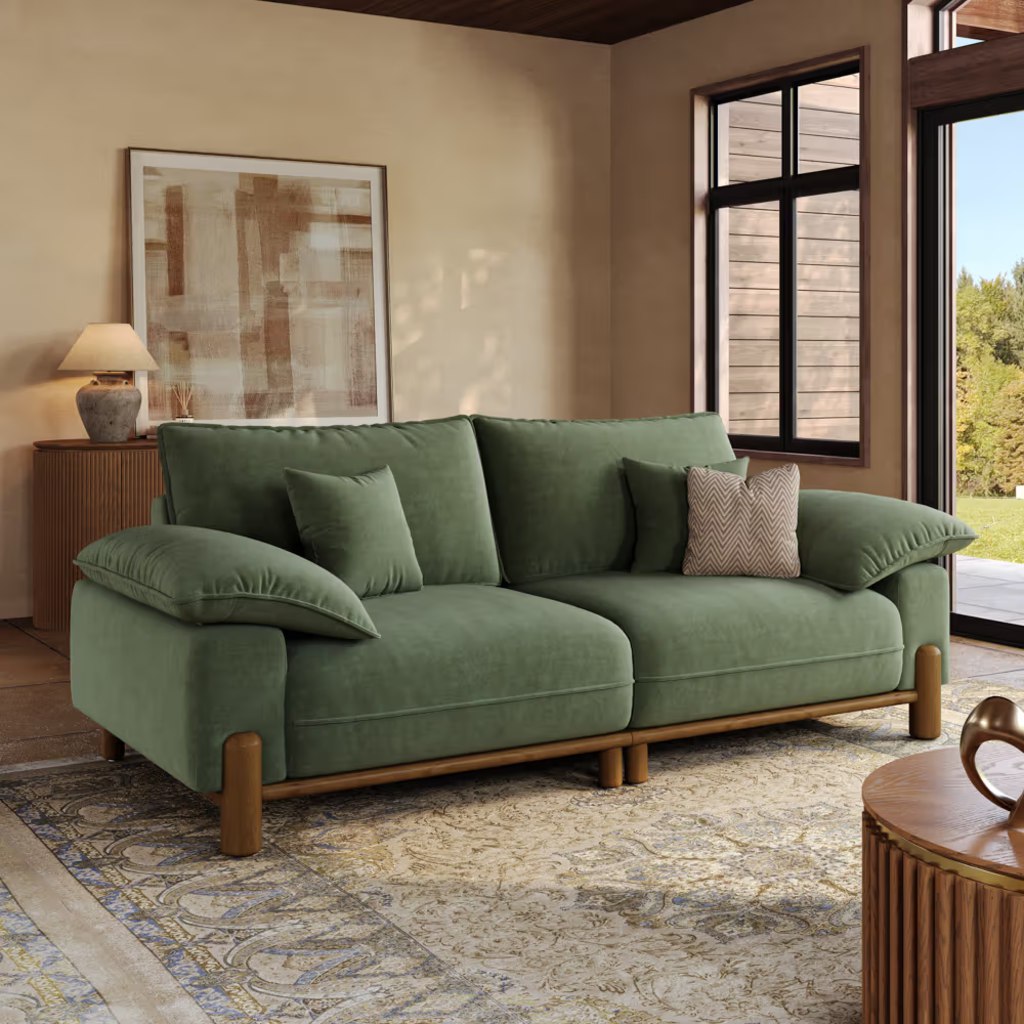
Atticus Mid-Century Pet-Friendly Sofa
Solid-wood framing adds structural support, while performance upholstery helps handle everyday wear.
👍 Best for: Busy homes with pets
✨ Solid-wood frame construction
✨ Pet-friendly polyester upholstery
✨ Splash- and scratch-resistant fabric
Pair that frame with performance fabrics, removable covers, and mid-tone neutrals so fur, spills, and snack crumbs are easier to manage- Povison’s fabric sofa guide explains which weaves handle claws, spills, and daily lounging the best. That way you get a sofa that works hard daily, without looking worn out after just a few years.
Caring for Your Solid Wood Sofa So It Lasts Even Longer
Care is simple but powerful. Keep your solid wood sofa away from direct heat sources and harsh sunlight to avoid drying and fading the frame. Dust or lightly wipe the wood with a soft cloth, and use felt pads or coasters if you rest drinks on wide arms. Vacuum cushions regularly and rotate or flip them so one favorite spot doesn’t collapse. Check any visible bolts or screws once or twice a year and tighten them; that 10-minute ritual can add years of quiet, wobble-free use.
Conclusion – Invest Once, Enjoy for Years
Choosing a solid wood sofa is about more than checking a “premium” box; it’s a decision to prioritize comfort, stability, and sustainability for the long term. You now know how to tell a true solid wood frame from cheaper lookalikes, which woods suit your style, how to check construction, and what certifications to ask about. Take a quick look at your current sofa—does it wobble, creak, or sag? Use the checks from this guide next time you shop, and treat your next sofa as a long-term partner in how you live, gather, and relax at home.
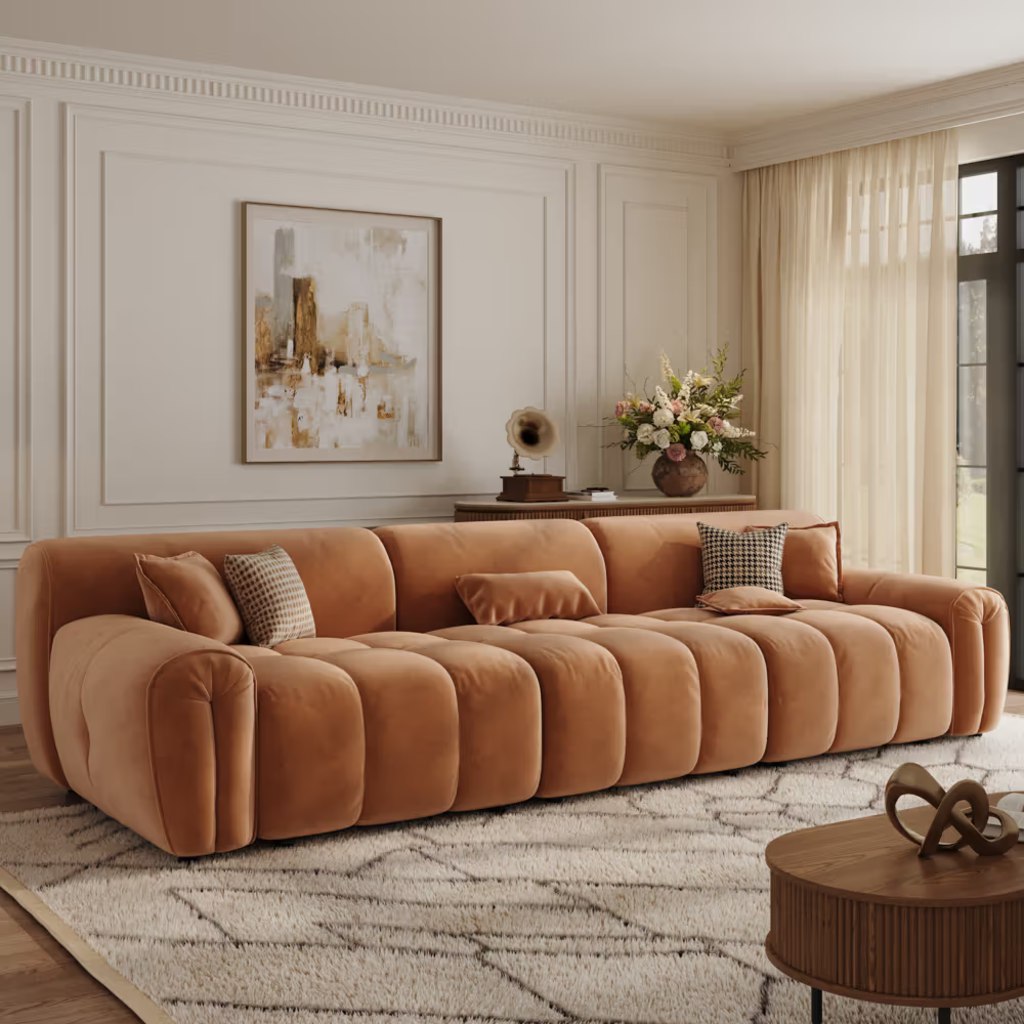
Find a Sofa Built for Everyday Living
Compare frame construction, upholstery, size, and seating style.
FAQs About Solid Wood Sofas
Is a solid wood frame better than a metal frame for sofas?
Both can be strong, but a solid wood frame usually feels warmer, quieter, and more “home-like.” Metal frame sofas can occasionally ping or squeak and often feel firmer. Solid wood is easier to repair, customize, or refinish over time, which is why many design-forward, high quality sofa brands still rely on hardwood at the core.
How long should a solid wood sofa last?
With a kiln-dried hardwood frame, good suspension, and decent fabric, a solid wood sofa should comfortably last 10–15 years of daily use, sometimes longer. Longevity depends on how you treat it: avoiding jumping, rotating cushions, and following cleaning guidelines all stretch that lifespan. A cheaper frame might look similar on day one but rarely holds up as gracefully.
Are solid wood sofas always heavier and harder to move?
They are typically heavier than hollow metal or thin particleboard frames, but design matters too. Sofas with slim profiles and removable cushions are surprisingly manageable, especially with furniture sliders or felt pads. Many families move solid wood sofas through several homes over a decade—they’re investments you rearrange, not disposable pieces you abandon.
Are solid wood sofas eco-friendly?
They can be, especially when they use FSC-certified wood, low-VOC finishes, and minimal, safe adhesives. Because a durable sofa lasts longer, you’re replacing it less often, which helps reduce waste and transport emissions. Combine that longevity with responsible sourcing, and a solid wood sofa can be one of the most sustainable choices in your living room.
How can I be sure a “solid wood sofa” isn’t just marketing?
Look beyond the headline. Read the specs for clear language like “solid oak frame” or “solid rubberwood legs and rails,” ask what joinery is used, and check for certifications or a frame-specific warranty. In-store, lift a corner, gently rock the arm, and listen—if it feels light, twisty, or squeaky now, it won’t magically improve at home.


