 By Kelvin
Choosing between a sofa bed vs regular bed is less about which piece is universally better and more about how the room needs to work. If sleeping is the room’s main purpose, a regular bed usually provides the simpler setup. If the space also functions as a living room, office, or flexible guest room, a sofa bed can reclaim valuable floor space during the day. The right decision comes down to three things: how often someone sleeps there, what the room does when no one is sleeping, and how much setup you are willing to handle.
Table of Contents
Sofa Bed vs Regular Bed: What’s the Real Difference?
The practical difference is simple: a regular bed dedicates its footprint to sleeping, while a sofa bed asks the same area to handle seating and sleep. That changes what you should compare. A sofa bed or regular bed decision should consider not only nighttime comfort, but also daytime room use, setup effort, and how often the furniture changes modes.
| Factor | Sofa Bed | Regular Bed |
| Main purpose | Seating + sleeping | Dedicated sleeping |
| Daytime floor use | Can be reclaimed | Permanently occupied |
| Sleep setup | Requires conversion | Always ready |
| Sleep surface | Varies by design | Broad mattress choice |
| Best room type | Multi-use spaces | Dedicated bedrooms |
| Frequent nightly use | Requires closer evaluation | More straightforward |
| Value | Combines two functions | Focuses investment on sleep |
Neither format automatically wins. A regular bed makes more sense when sleep is the room’s primary job. A sofa bed becomes more useful when keeping a permanent bed open would prevent the room from serving another important purpose.
Which Is Better for Regular Sleep?
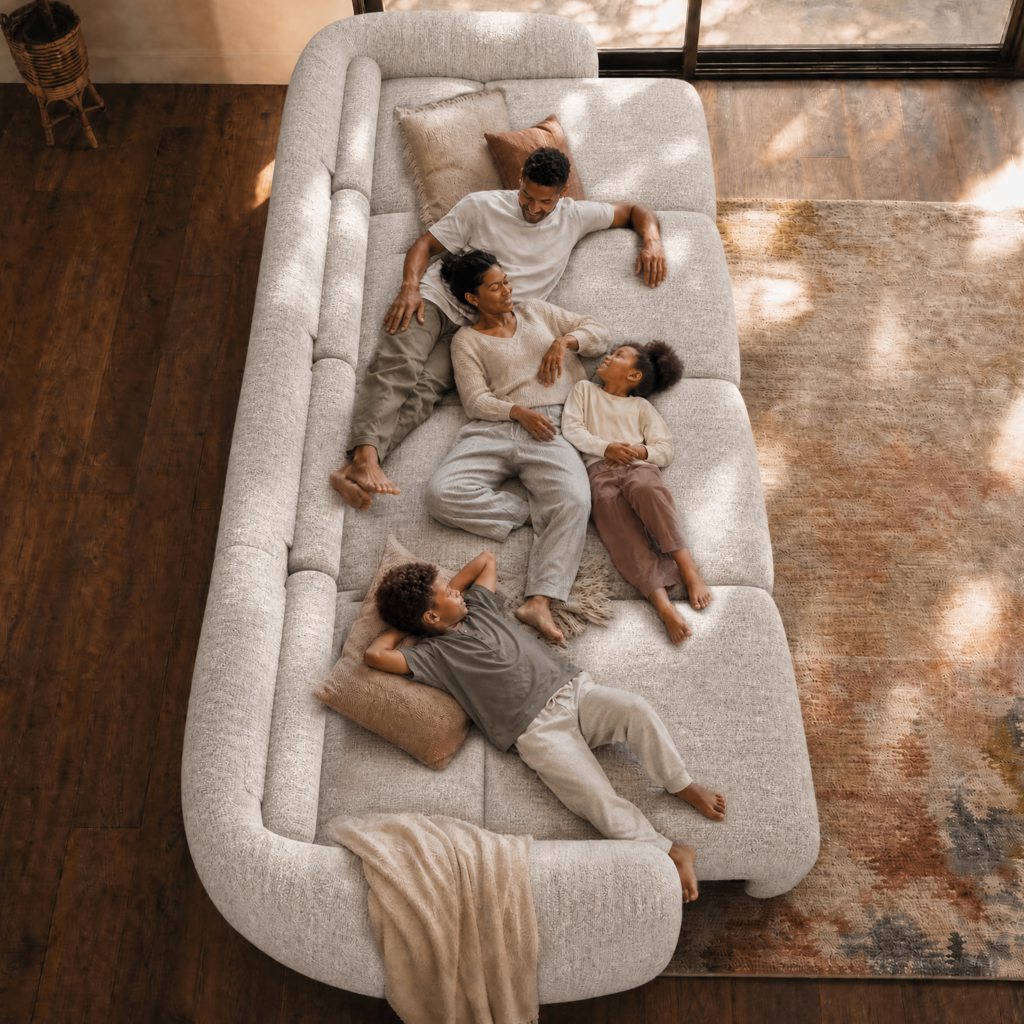
Sleep frequency should carry more weight than occasional convenience. A sofa used as a bed several nights each month faces a different standard from one opened twice a year. Before asking can a sofa bed replace a bed, decide whether you need a permanent sleep setup or a flexible surface that also performs another job during the day.
For Occasional or Recurring Guests
For occasional guests, the goal is not to recreate a permanent bedroom. The sleeping surface still needs enough usable room, even support, and a setup process that fits how often guests stay, but keeping a bed open all year may offer little value if the room has another daily purpose.
Homes hosting relatives for several weekends a year may benefit more from keeping the room useful between visits. In that case, understanding whether sofa beds are comfortable for both sitting and sleeping helps separate a genuinely usable sleeper from a sofa that simply happens to fold flat.
For a room that needs to return to everyday lounging after guests leave, the Mila Power Sofa Bed keeps the sleeping function integrated into the sofa. Its seat depth expands from 32 to 59 inches, while the powered backrest adjusts from 105° to 180°, reducing the manual setup involved when recurring guests stay overnight.
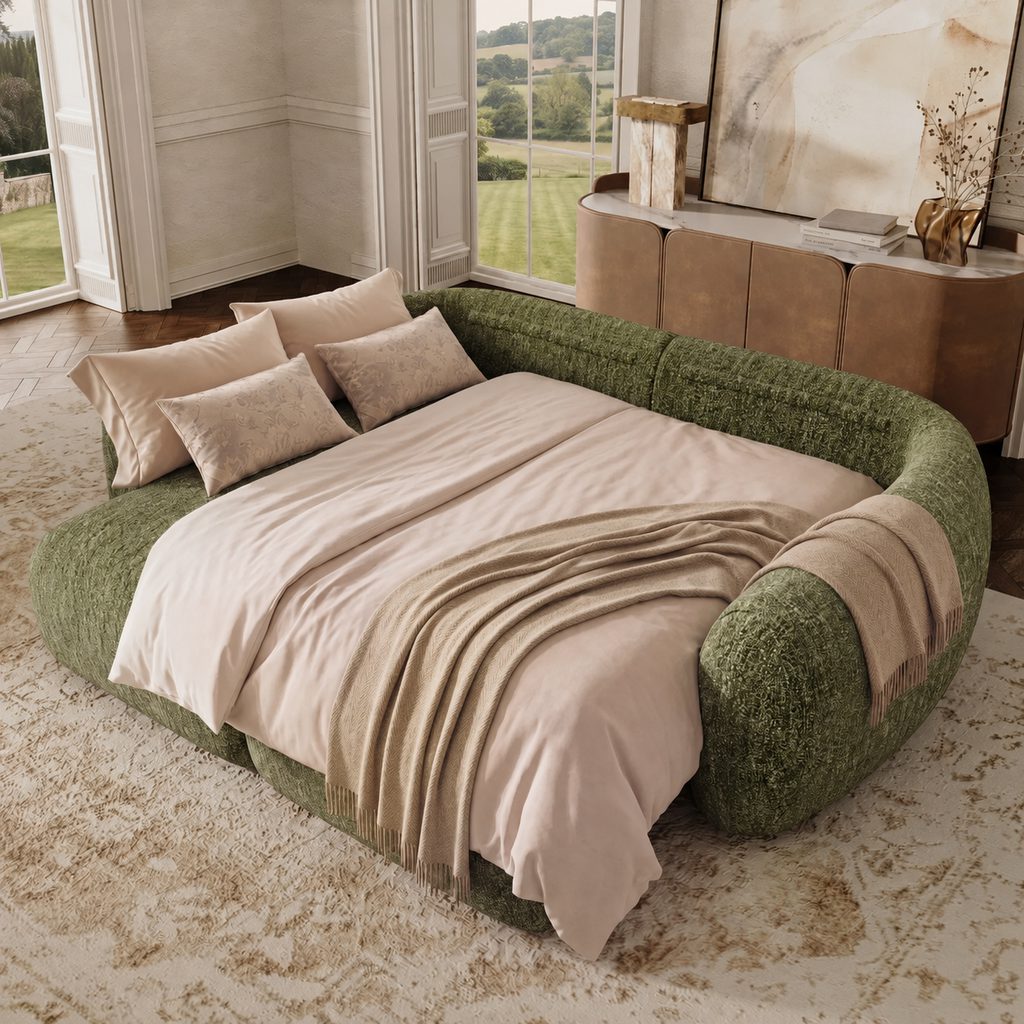
Mila Power Sofa Bed
Power sleeper for recurring guests without giving up everyday lounge space.
👍 Best for: Recurring guests in flexible rooms
✨ 32–59″ adjustable seat depth
✨ 105°–180° powered backrest
✨ Integrated sleeping surface
For Nightly Sleep
A regular bed is generally the more straightforward setup for every-night sleeping. It stays ready, supports a wider choice of mattresses, and does not require cushions, bedding, or nearby furniture to be reset each morning.
That matters most in a primary bedroom or dedicated guest bedroom where reclaiming floor space provides little practical benefit. If someone sleeps in the room every night and the room does not need to become an office or living area during the day, there may be little reason to add a conversion step.
For a room already dedicated to sleep, the Lambra Bouclé Upholstered Bed fits that simpler routine. The Queen-size platform accommodates a standard 60-by-80-inch mattress, while wooden slats provide mattress support without requiring a box spring, keeping the bed permanently ready rather than adding a daily conversion step.
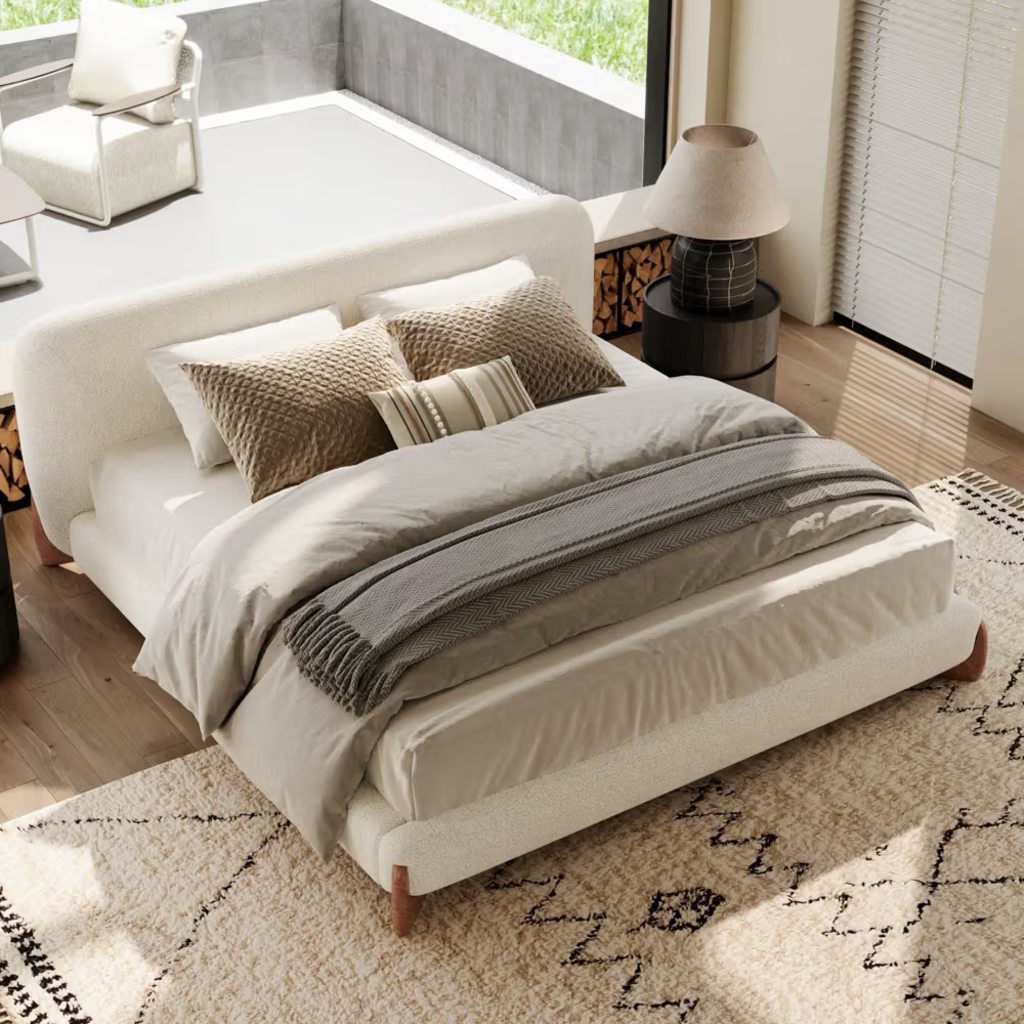
Lambra Bouclé Upholstered Bed
Queen platform bed for bedrooms centered on consistent nightly sleep.
👍 Best for: Dedicated bedrooms and nightly use
✨ Standard Queen mattress space
✨ Wooden slat mattress support
If you are still considering a sofa bed for everyday sleeping, apply a stricter standard. Check the actual sleeping surface, usable width and length, support across joined sections, and manufacturer guidance rather than assuming occasional guest comfort translates to nightly use. A sofa bed also has to pass two comfort tests: it needs to work for daytime sitting and overnight sleeping.
When Does a Sofa Bed Save More Useful Space?
A sofa bed does not automatically save space just because it is smaller when closed. The more useful question is whether closing the sleeping surface gives that floor area another meaningful purpose. That makes the sofa bed vs bed for spare room decision very different in a dedicated bedroom than in an office, studio, or main living area.
In a Dedicated Bedroom
If the room remains a bedroom all day, a regular bed may use the space more efficiently in practice. There is no need to fold it away, move nearby furniture, store bedding elsewhere, or convert the room before sleep.
A spare bedroom used frequently by parents, adult children, or visiting couples can also benefit from being permanently ready. In this case, the floor area occupied by the bed is serving its intended purpose rather than being “wasted.”
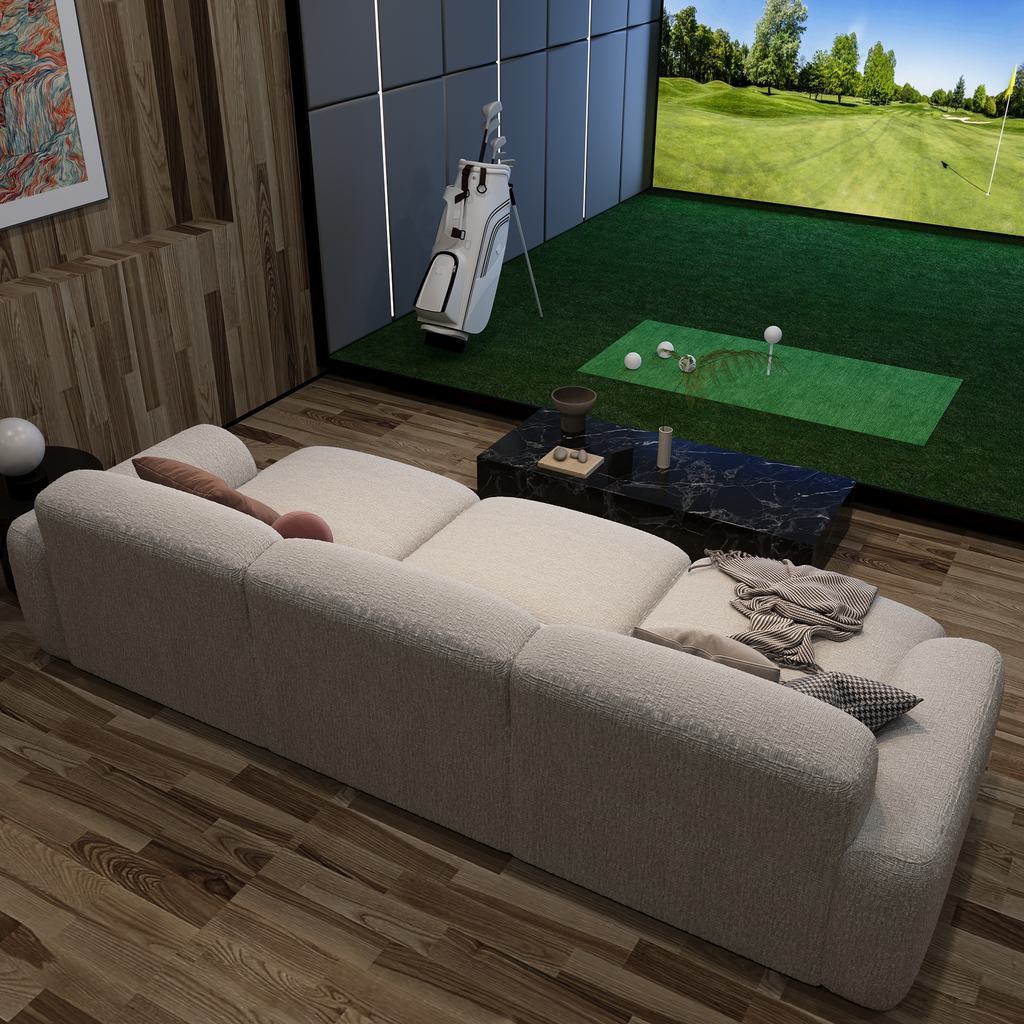
In a Multi-Use Room
A sofa bed becomes more valuable when the same square footage has another daily job. A home office may need clear floor space and professional-looking seating Monday through Friday, then become a guest room for the weekend. A studio may need one zone to support sitting, lounging, and sleeping without fitting two separate pieces of furniture.
Measure the furniture in both modes. A compact-looking sleeper can project much farther into the room once opened, so the open and closed sofa bed dimensions matter more than the sofa width alone. Check whether doors, desks, coffee tables, and walking paths still work after extension.
For a living room that remains seating-first but occasionally needs to host someone overnight, the Aurora Power Sofa Bed follows that logic. Its powered seat extends from 27 to 45.5 inches, allowing the footprint to shift gradually from everyday seating toward deeper lounging or sleeping rather than keeping a bed-sized surface open all day.
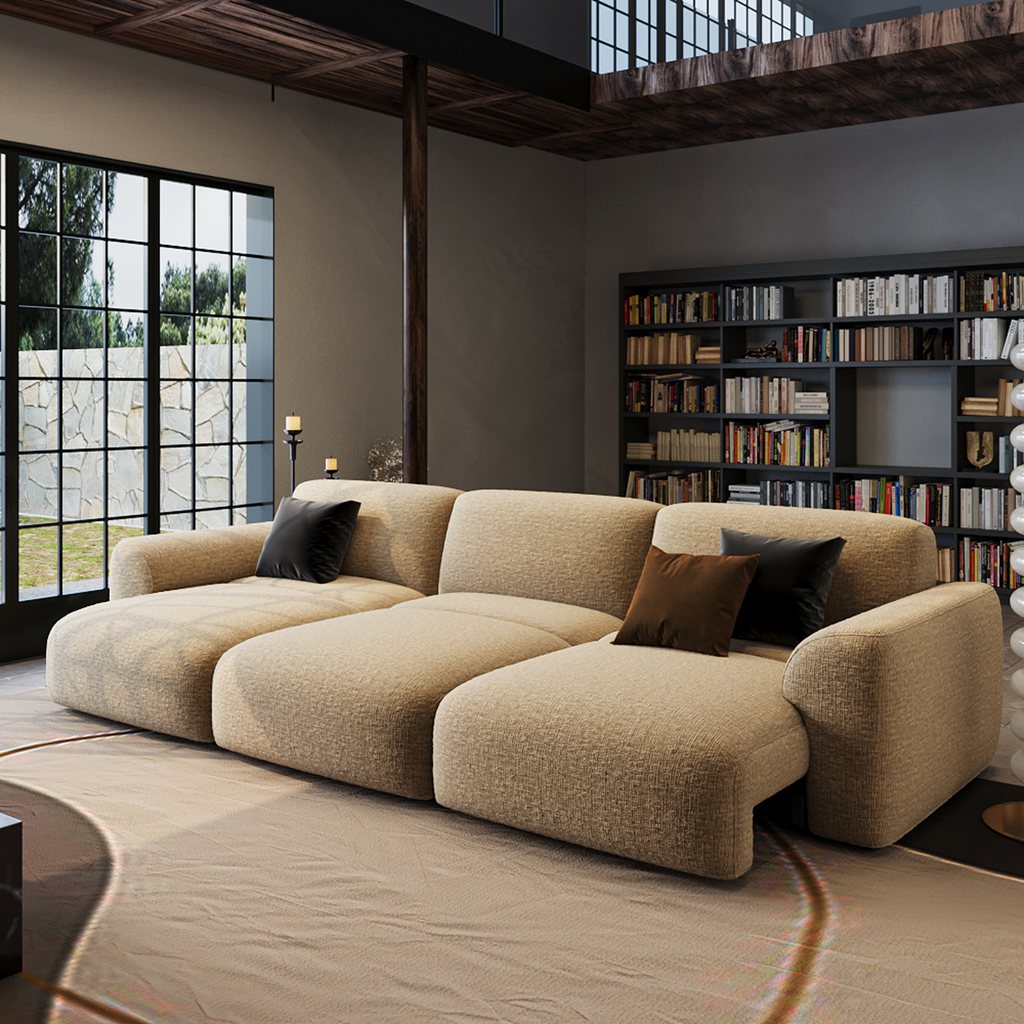
Aurora Power Sofa Bed
Power-adjustable sleeper for living rooms that shift between seating and guests.
👍 Best for: Living room and guest use
✨ 27–45.5″ adjustable extension
✨ Remote-controlled power movement
✨ 18-inch everyday seat height
How Often Will You Actually Convert It?
Versatility only helps when the conversion process fits your routine. A sleeper opened twice a year can tolerate more setup. One converted several times a week should be judged partly by how much work each change creates.
Before buying, walk through the full routine:
- Do cushions need to come off?
- Where will sheets and pillows be stored?
- Does a coffee table need to move?
- Can one person open and close it comfortably?
- Does the opened bed block a door or walkway?
- Does a powered model have access to an outlet?
Mechanism design affects all of these steps. Traditional pull-outs, fold-down designs, platforms, and powered sleepers move differently, so understanding how different sofa bed mechanisms work is especially useful when conversion will be frequent.
A sofa bed that saves ten square feet during the day but requires rearranging half the room every night may not feel efficient after a few weeks. Conversion effort is part of the space decision, not a separate convenience feature.
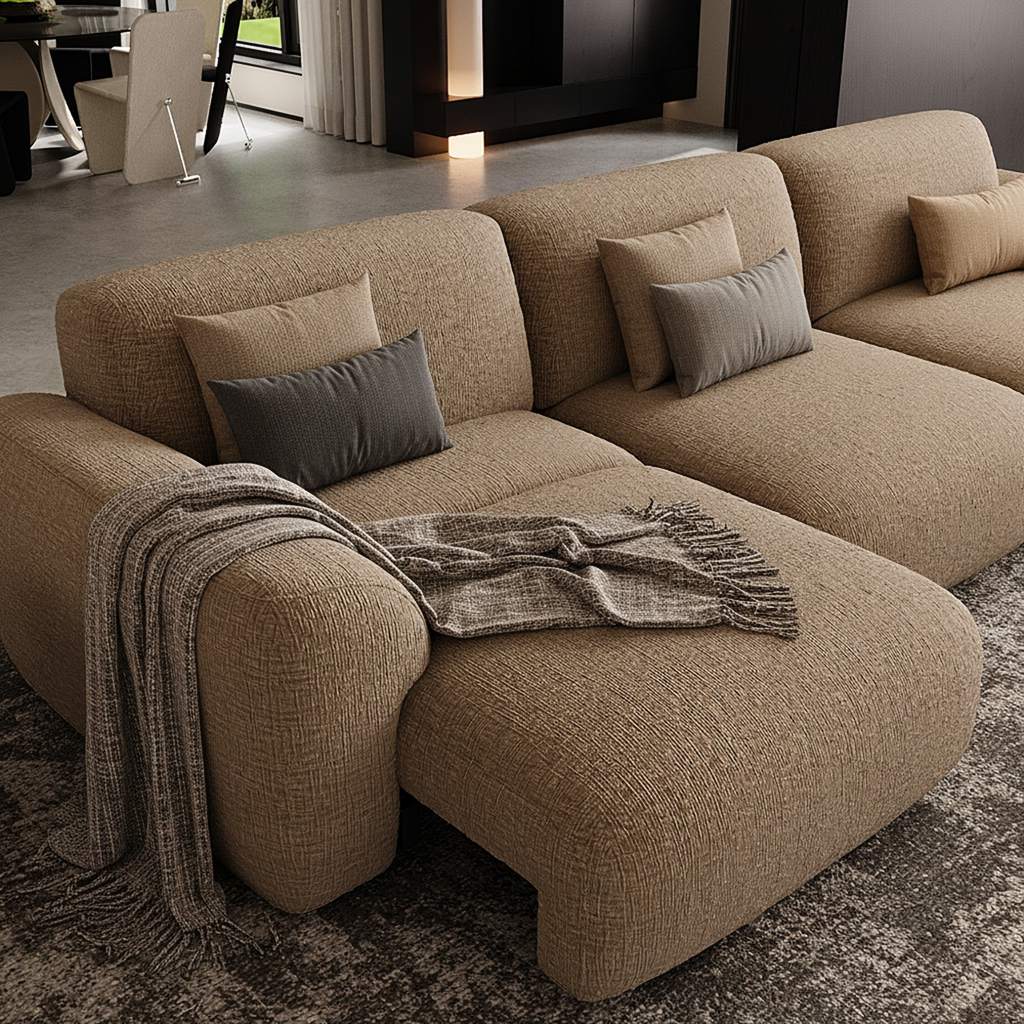
What Should You Check Before Choosing Either One?
By this point, the choice should come down to the room and routine rather than a generic pros-and-cons list. Before ordering either format, check four areas.
Room fit
- Measure the closed footprint.
- Measure the fully open footprint.
- Keep doors and primary walking paths usable.
Sleep needs
- Check usable sleeping width and length.
- Decide whether one or two adults will sleep there.
- Match the support level to actual sleep frequency.
Daily use
- Test or review sitting depth and seat height.
- Count the steps required for conversion.
- Decide where bedding will live when the sofa is closed.
Ownership
- Check weight capacity.
- Review upholstery care.
- Confirm outlet placement for powered designs.
- Read warranty terms for moving or electrical components.
One simple rule helps answer “Is a sofa bed better than a bed?”: choose the sofa bed when its second function is genuinely useful. If the room is already doing its job as a bedroom, a permanent bed may be the cleaner solution.
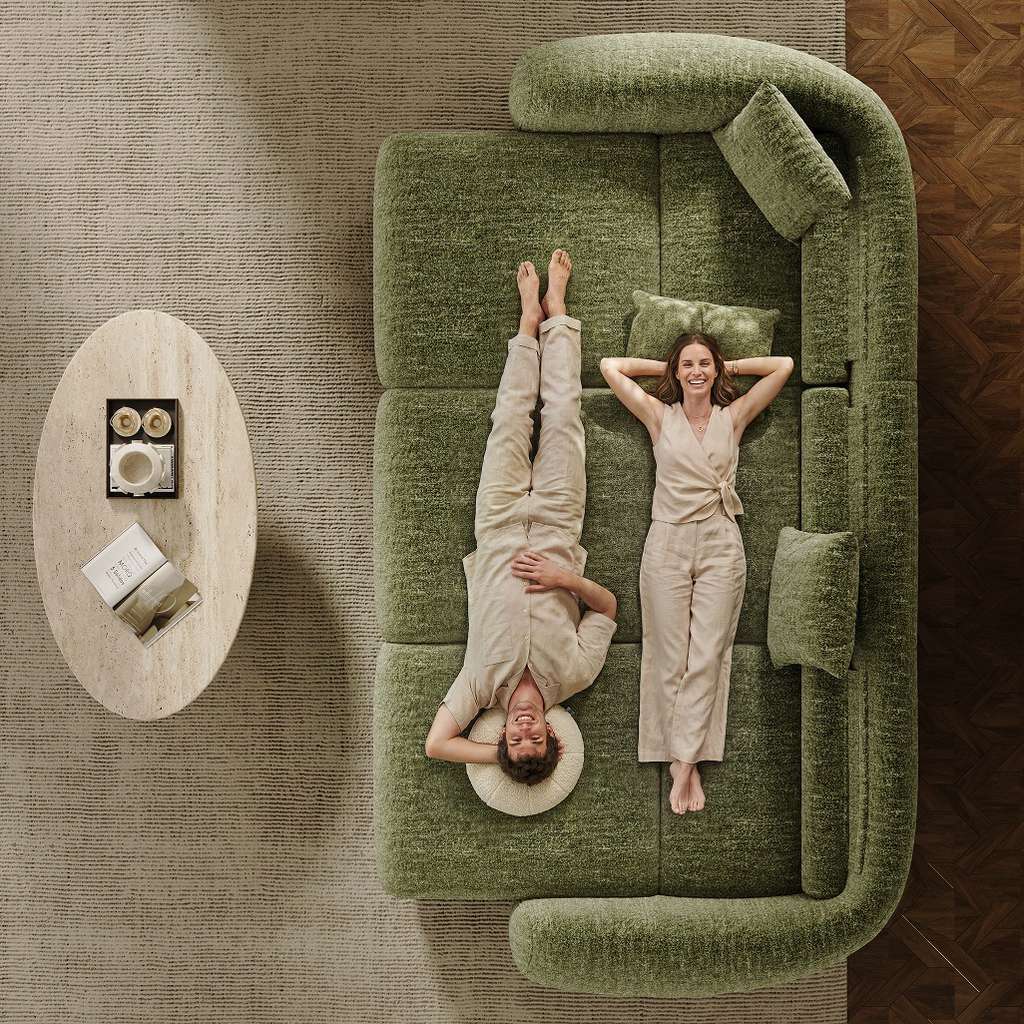
Conclusion
The right sofa bed vs regular bed decision starts with the room rather than the furniture label. Choose a regular bed when sleeping is the space’s main purpose and you want a permanent, ready-to-use setup. Consider a sofa bed when the room needs to support seating, work, or everyday living between overnight stays. Then compare the opened footprint, sleep frequency, sitting comfort, and conversion effort. The better setup is the one that works naturally in both the daytime routine and the nighttime one.
Choose the Setup That Fits Your Routine
Think about how often the room is used for sleep, what it needs to do during the day, and whether you prefer a flexible or dedicated setup.
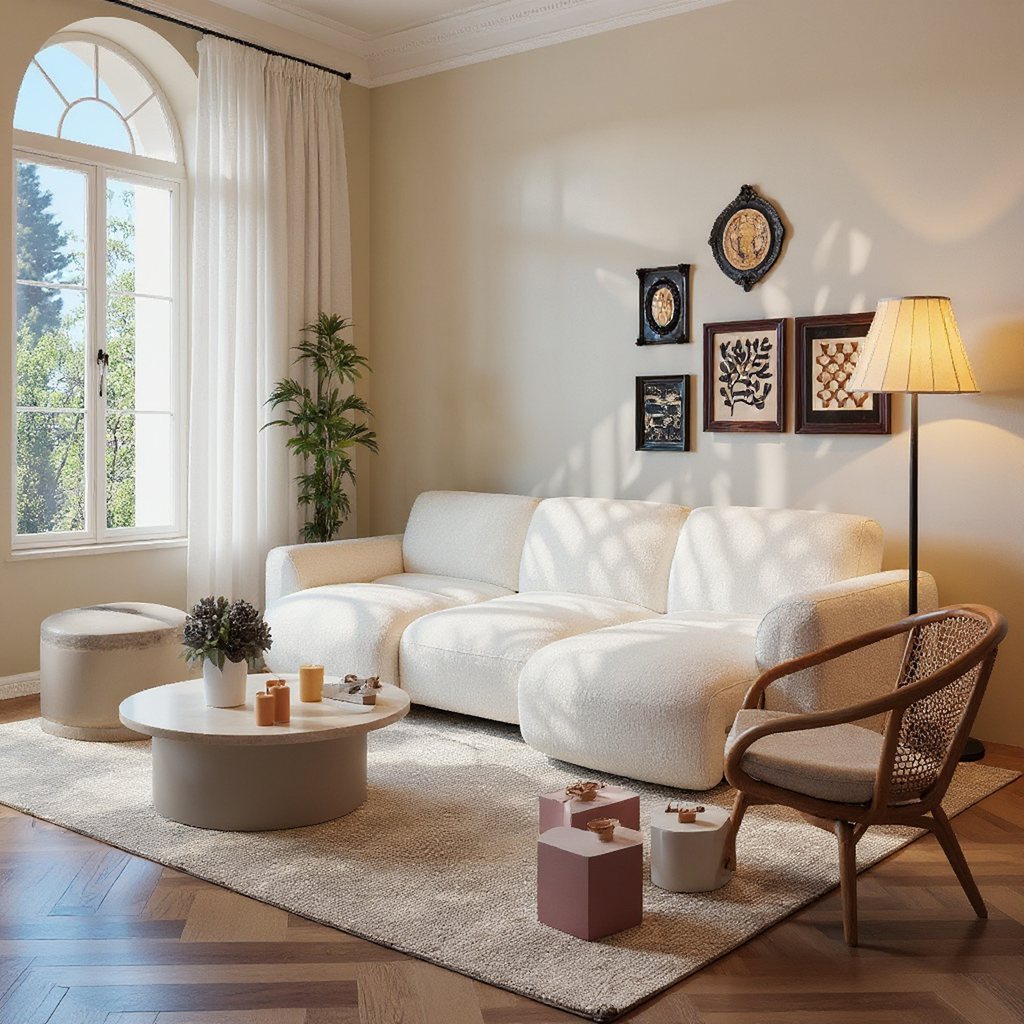
Keep the room flexible for sitting and sleeping.
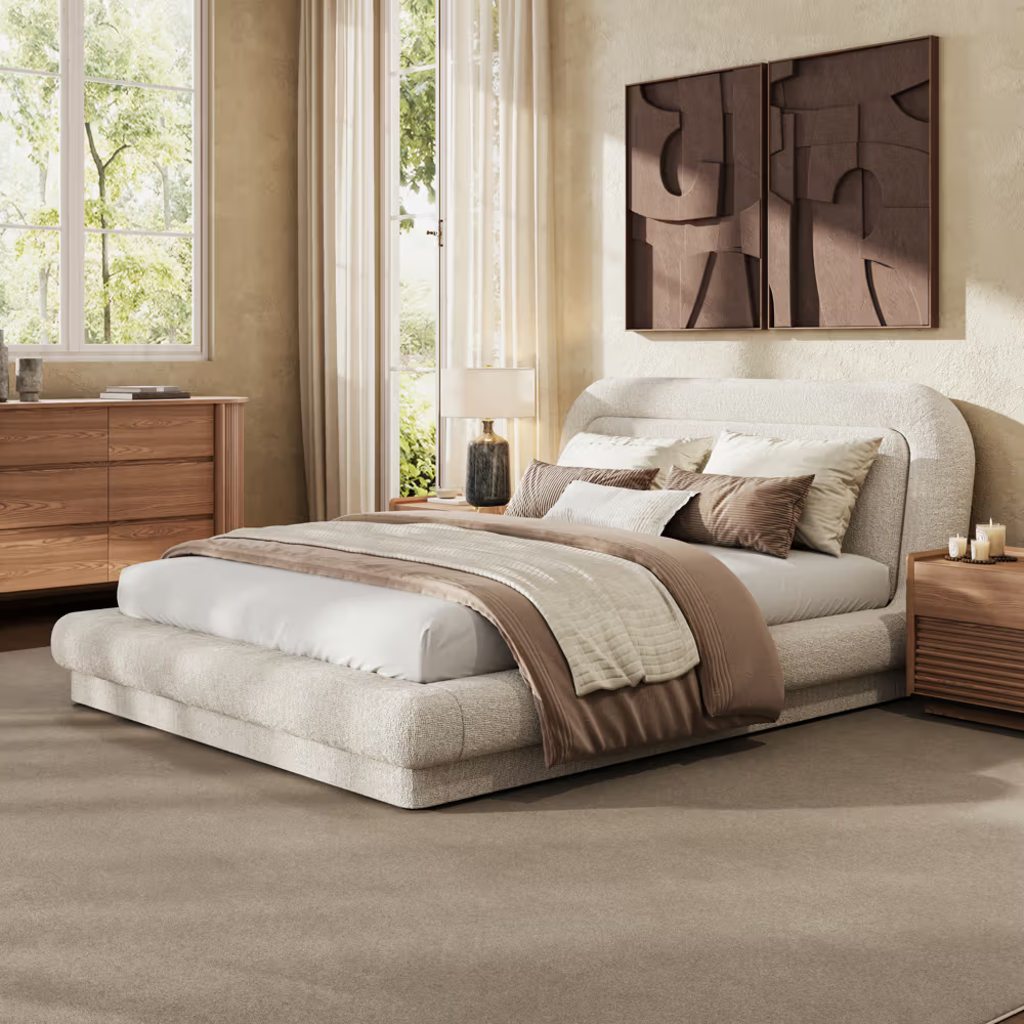
Create a dedicated sleep setup.
Q&A
Do sofa beds need a separate mattress?
Not always. Traditional pull-out sleepers often store a separate mattress inside the frame, while many convertible, platform, and power sofa beds use cushions or an integrated sleep surface. Check what actually forms the sleeping area before buying; the mechanism name alone does not tell you whether a separate mattress is required.
Can two adults sleep on a sofa bed?
Yes, if the usable sleeping area and weight capacity support two adults. Do not judge this from the sofa’s seating capacity alone. Check the actual opened width and length, because wide armrests or raised edges can reduce sleeping room even when the overall sofa looks large.
Do regular sheets fit a sofa bed?
Sometimes. Measure the actual sleeping surface first, then compare it with standard Twin, Full, Queen, or King sheet dimensions. A product marketed as a “Queen sleeper” may not match a standard Queen mattress exactly, particularly when cushions or an integrated platform form the bed.
Does daily conversion wear out a sofa bed faster?
Frequent movement places more use on hinges, rails, motors, cushions, or other moving components than occasional conversion. That does not automatically make daily use unsuitable, but buyers expecting frequent conversion should check the intended-use guidance, mechanism construction, motor coverage where applicable, and warranty terms before purchasing.
Does a power sofa bed need an outlet?
Most power sofa beds need access to electricity to move between positions unless a specific model includes a battery or backup system. Check cord location before placement, keep the operating path clear, and confirm what happens during a power outage if you expect the sofa to be converted frequently.


