 By Stephanie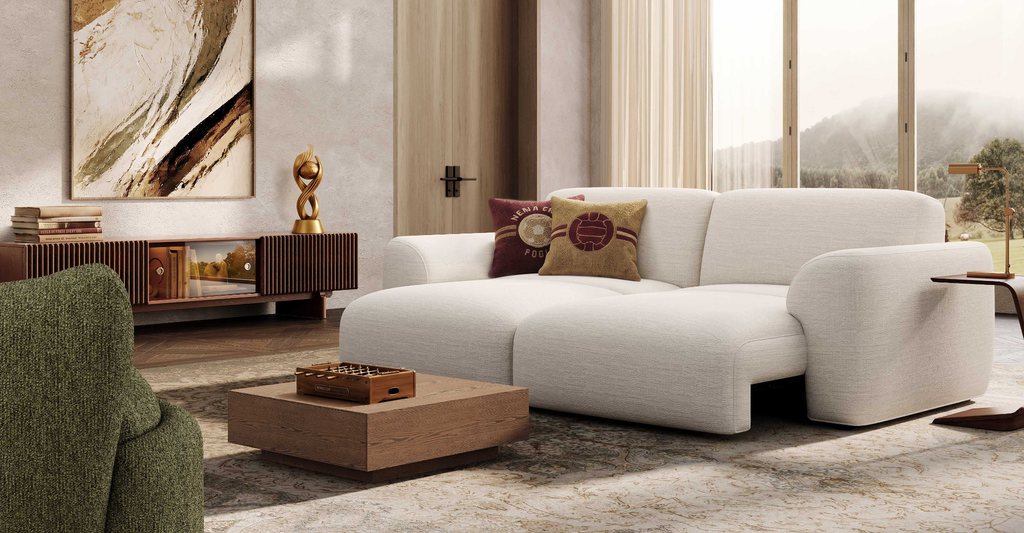
If you are deciding whether one piece of furniture should handle both everyday seating and occasional sleep, the real question is not whether sofa beds are useful in general. So, is a sofa bed a good idea for your home? Usually, yes—when both functions will be used, the fully open sofa still fits the room, and conversion is easy enough for your routine. This guide helps you judge those three conditions before buying, so you can avoid paying for a sleeper function that creates more compromise than convenience.
Table of Contents
When Is a Sofa Bed a Good Idea?
Start with how the room earns its square footage. A sofa bed is most useful when closing the sleep surface gives the room a meaningful daytime job, and opening it solves a real overnight need. That makes room purpose and use frequency more important than the simple fact that one piece can do two things.
When the Room Really Needs Two Jobs
A home office that becomes a guest room several weekends a year is a strong use case. The desk and circulation space matter most on normal days; the extra sleeping surface matters when visitors stay. A studio can create similar value if closing the bed gives back floor area for sitting, working, or dining.
The key is not “small space” by itself. A compact room with a sleeper that blocks the only walkway once opened can be less functional than a room with a dedicated bed.
When the Sleep Function Gets Used More Than Rarely
The question “are sofa beds good for everyday use?” needs two answers. For everyday sitting, choose the sofa around the people who use it most. For frequent sleeping, the opened surface, support, and conversion process deserve much stricter scrutiny.
A sleeper used for guests every few weeks creates more value than one opened once every two years, but nightly use raises the standard again.
| Your Situation | What the Sleeper Function Replaces | Value of a Sofa Bed |
| Home office + recurring guests | A permanent guest bed occupying the office | High when the room returns to work use after guests leave |
| Main living room + occasional guests | A separate temporary guest setup | Higher when the sofa is already needed every day |
| Studio used for sitting and sleeping | A separate sofa-and-bed footprint | High only if both daily modes remain practical |
| Dedicated guest bedroom | Usually nothing | Lower unless the room also needs a daytime function |
| Main sofa + guests once every few years | A rarely needed temporary bed | Often harder to justify |
When Is a Sofa Bed Not Worth It?
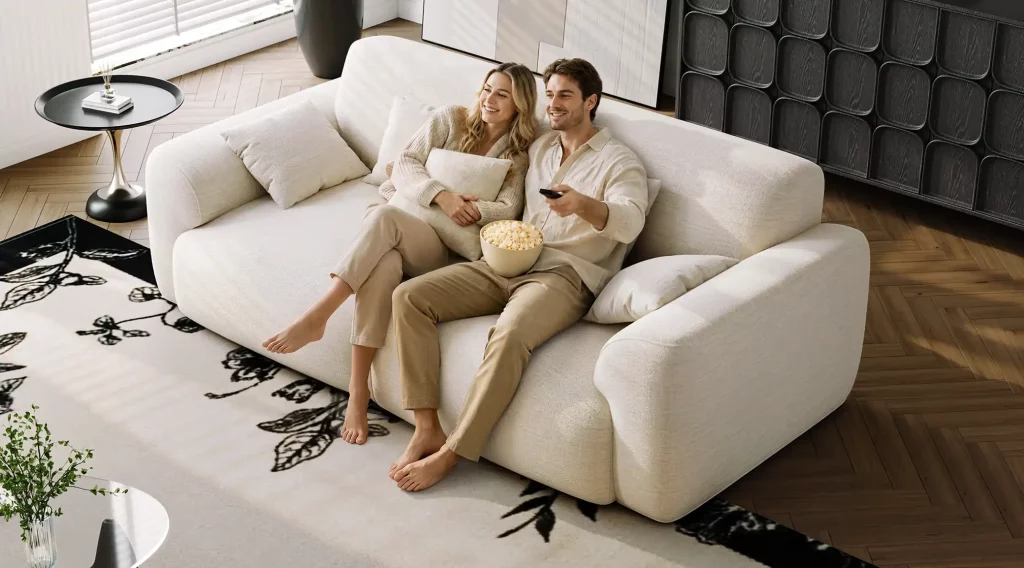
A sofa bed becomes harder to justify when the sleeping function solves a problem you rarely have while its compromises affect the room every day. The deciding issue is not whether the sofa can become a bed, but whether that ability replaces something you would otherwise need.
Think twice if:
- The room is already dedicated to sleep. A convertible function adds little value if the furniture rarely needs to return to seating mode.
- Overnight guests are extremely rare. Paying for and living with a sleeper mechanism may make less sense than keeping a temporary guest solution in storage.
- Your main sofa has stricter priorities. If upright support, compact depth, easy moving, or a specific upholstery feel matters every day, do not compromise those needs for a bed function used occasionally.
- The sleeper does not actually free useful space. If another bed or guest setup would occupy no meaningful everyday space, the two-in-one advantage becomes much smaller.
If the choice is specifically between permanent sleeping space and convertible furniture, a sofa bed vs regular bed for frequent sleep comparison handles that narrower decision in more detail.
3 Checks to See If a Sofa Bed Fits Your Routine
Use three checks before comparing fabrics or styles: Function, Footprint, and Friction. Together they answer whether the sleeper function will be used, whether the room still works in both modes, and whether changing between those modes is simple enough to become part of real life instead of a feature you stop using.
Function — What Would the Sofa Bed Actually Replace?
Start by naming the sofa’s primary job and the problem its sleep function would replace. It might eliminate a permanent guest bed in a home office, an air mattress stored for visitors, or separate lounge furniture in a studio.
If the second function does not replace another piece of furniture, recurring setup, or reserved floor space, the extra flexibility may have less practical value.
Footprint — Does the Room Work Open and Closed?
Measure the sofa in both seating and fully extended modes. The second number matters just as much as the first: a sleeper that fits neatly against the wall can still consume the room once opened.
Check whether the extended footprint leaves enough usable space around the furniture rather than asking only whether the bed technically fits.
Friction — How Much Work Comes With Each Conversion?
Conversion effort matters more as use becomes more frequent. A setup that feels reasonable for a few guest weekends may become frustrating several nights a week.
Look at the mechanism itself: how many steps it requires, whether one person can operate it, and whether powered movement or removable pieces add requirements to the routine. Different sofa bed mechanisms create very different levels of daily effort.
Put a Sofa Bed Through These 3 Real-Life Tests
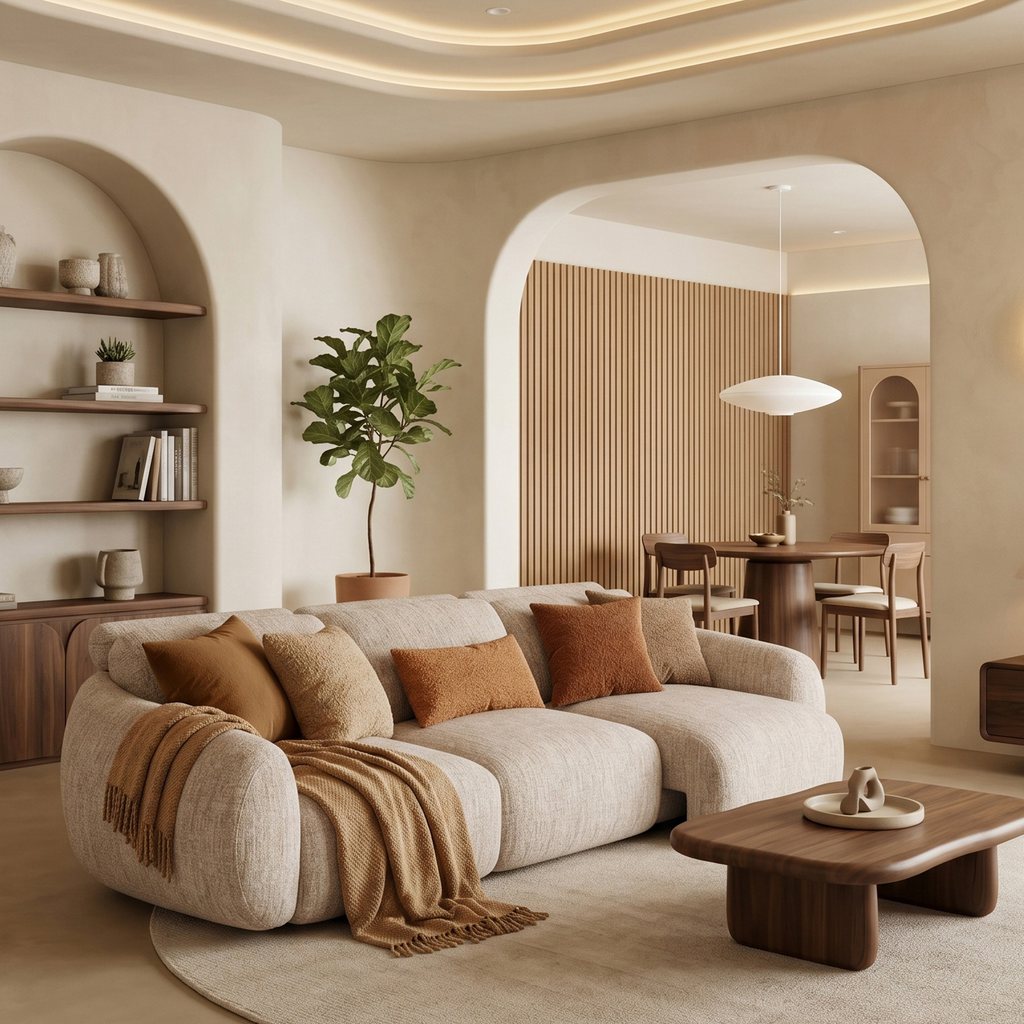
Measurements tell you whether a sofa bed fits on paper. These three tests show whether the room still works when someone actually uses it overnight. Walk through the setup from bedtime to the next morning and look for steps that could become inconvenient after repeated use.
- Test 1 — Bedtime Setup: Run through the steps from sofa to sleep-ready bed. Can one person complete the conversion without relocating another large piece of furniture? If cushions or bedding need to come off, identify exactly where they will go.
- Test 2 — Overnight Access: Leave the proposed bed area “open” and move through the room as a guest would. The route to the door, bathroom, closet, and essential furniture should still feel usable without stepping over bags or squeezing between furniture.
- Test 3 — Morning Reset: Reverse the process. A setup may be easy enough for occasional visitors but annoying several times a week if the coffee table, cushions, bedding, and other furniture all require separate resets.
If all three tests feel manageable, then verify the model’s actual sleep dimensions, delivery route, and manufacturer requirements.
Which Sofa Bed Fits Different Daily Routines?
Once a sofa bed makes sense for the room, the next question is which kind of daily routine it should support. These three models solve different problems: frequent mode changes in a main living room, a larger shared lounge-and-sleep setup, and a sofa-first room where upholstery and everyday presentation still carry more weight.
Aurora Power Sofa Bed — For the Main Living Room
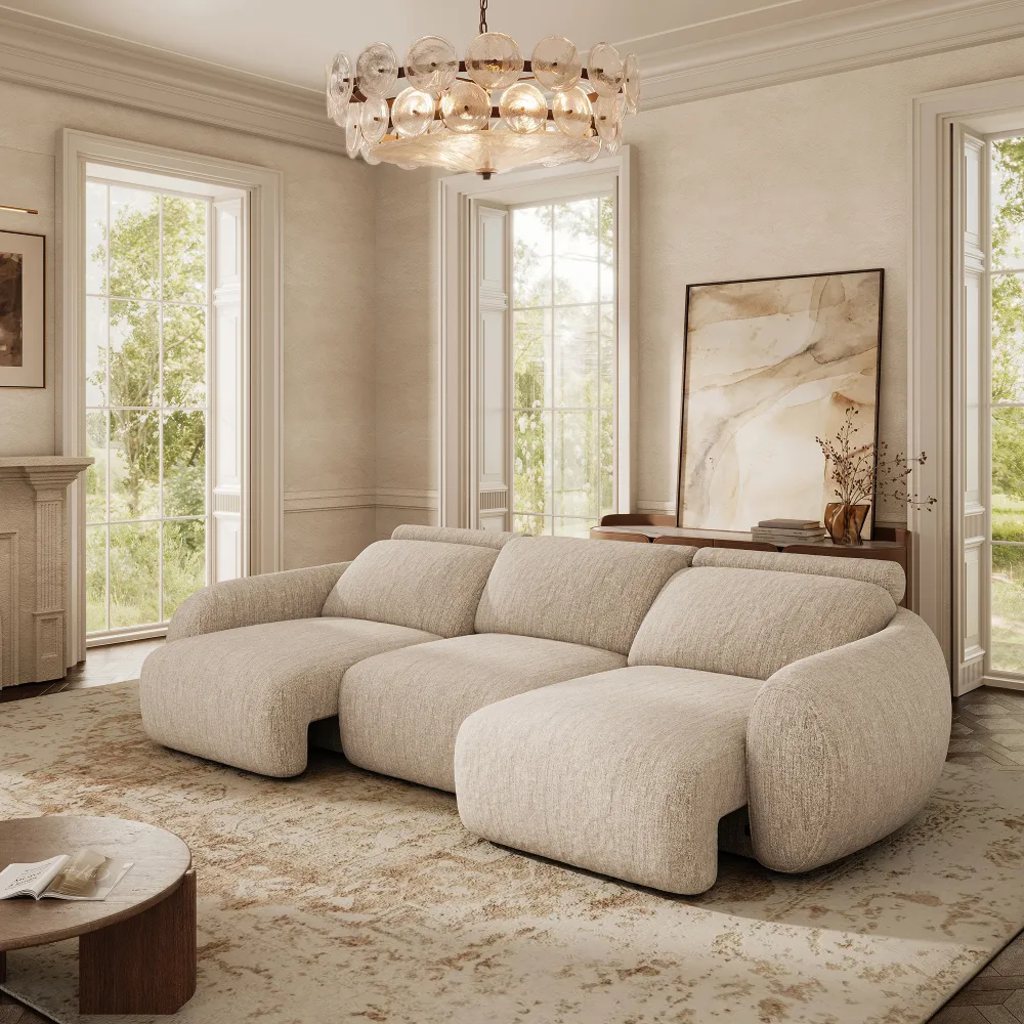
The Aurora Power Sofa Bed makes more sense when the powered function will be useful between guest stays, not only at bedtime. Its seat adjusts continuously from 27 to 45.5 inches, so the same sofa can stay shallower for everyday sitting or extend for deeper lounging and sleep.
The white performance chenille is also water- and scratch-resistant, which gives the sleeper function a better chance of fitting a genuinely high-use living room.
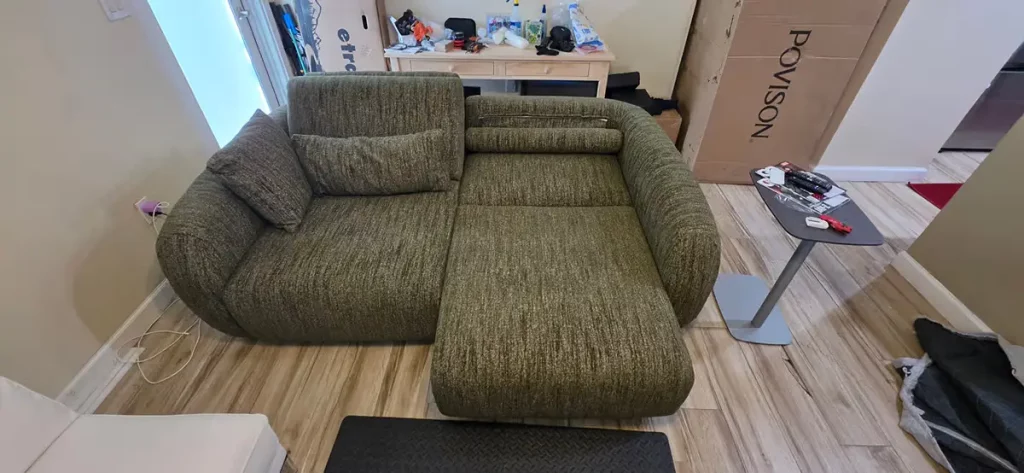
Mila Power Sofa Bed — For Shared, Larger Spaces
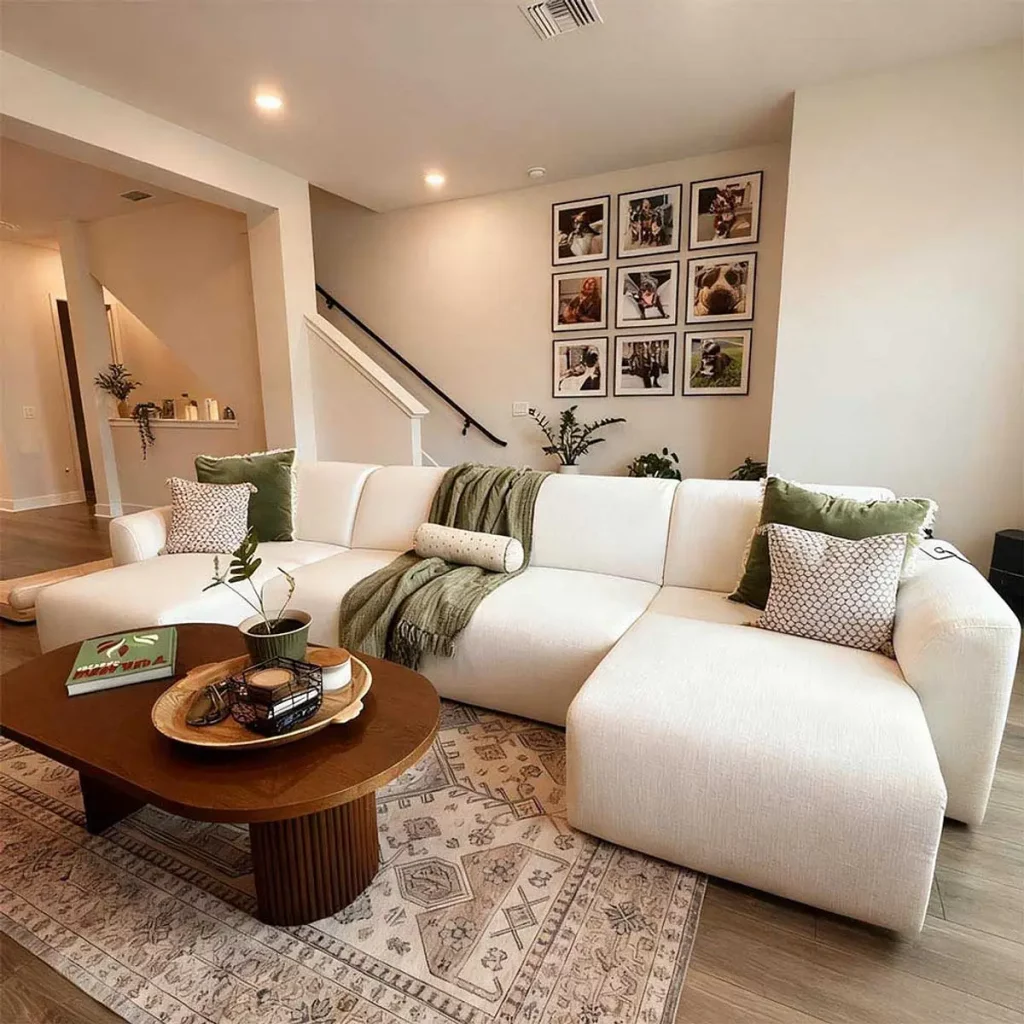
The Mila Power Sofa Bed suits households that expect to use the extended surface often enough to justify giving it more room. Its seating depth ranges from 32 to 59 inches, while the backrest adjusts from 105° to a flat 180°, creating what POVISON describes as a near-King sleep platform.
That extra range is meaningful for couples or recurring guests—but at 90 inches wide, Mila works best when the larger sleep setup is a real priority rather than an occasional bonus.
Cygnus Leather Power Sofa Bed — For a Sofa-First Living Room
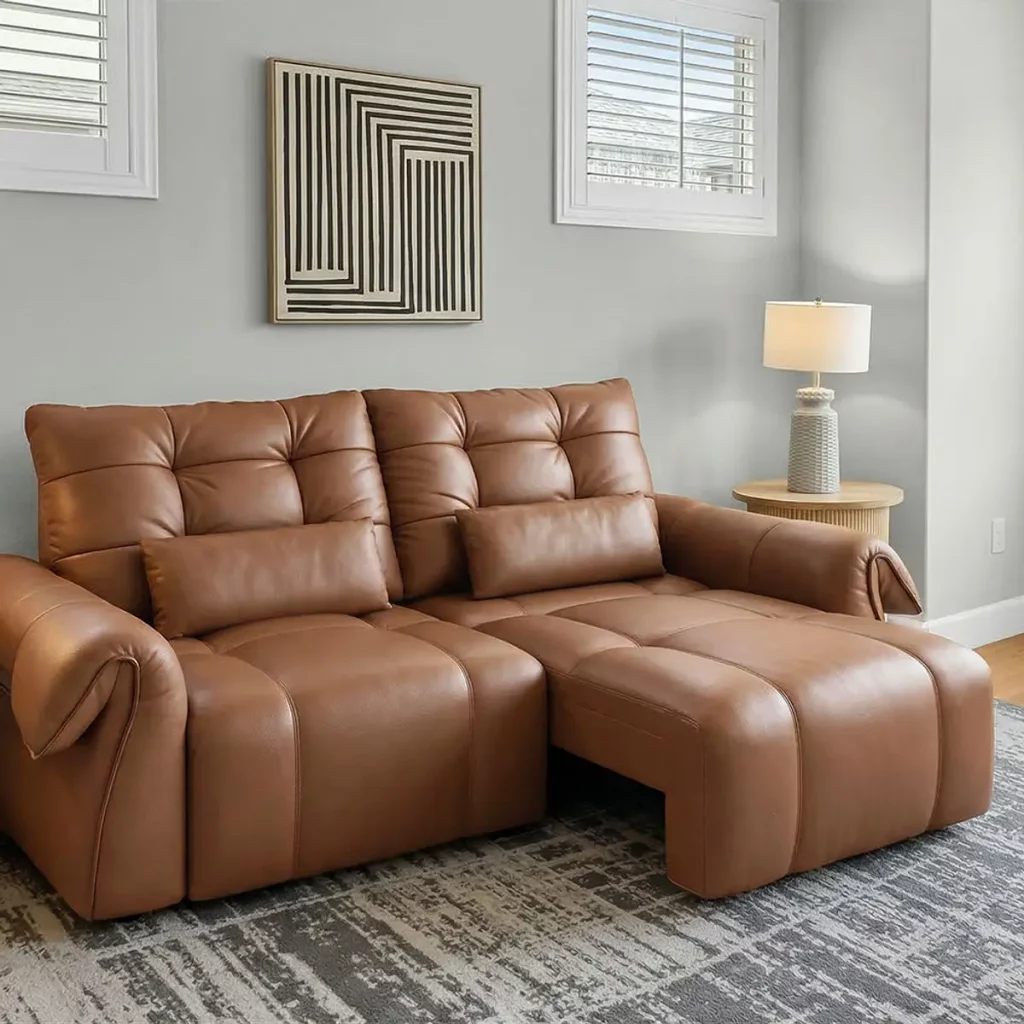
If sleeping is secondary but the piece will anchor the living room every day, the Cygnus Power Sofa Bed puts more of its everyday value into the sofa itself. Its top-grain leather softens and develops a natural luster with use, while a reinforced frame and high-density resilient foam support up to 500 pounds per seat.
Powered lounge, recline, and sleep modes add guest flexibility without making the sleeper function the only reason to own it.
Conclusion
Is a sofa bed a good idea? It is when the sleeper function solves a problem your home actually has rather than simply adding another feature. The strongest use cases are rooms where one piece needs to support more than one real routine without making everyday seating inconvenient. Once you know what the sleeper replaces and how often you will use it, choose the model around the room’s primary job first—and treat the bed function as useful only when it genuinely earns its space.
Find a Sofa Bed That Fits Your Routine
Explore sleeper sofas for everyday seating, flexible lounging, overnight guests, and different room sizes.
Q&A
Does a sofa bed need a separate mattress?
Not always. Traditional pull-out sleepers usually hide a separate mattress, while fold-flat, platform, and power sofa beds may turn the existing seating surface into the bed. Check what forms the actual sleep surface before comparing comfort, bedding, or mattress size.
Can bedding stay on when the sofa closes?
Only when the manufacturer specifically allows it. Thick toppers, comforters, or folded bedding can interfere with a folding or powered mechanism. When the instructions do not say bedding can remain in place, remove it before closing the sofa and store it nearby.
What happens if a power sofa bed loses power?
Without a battery backup or manual release, a powered sofa bed may stay in its current position until electricity returns. Check the specific model before buying, keep its outlet accessible, and never try to force an electric mechanism closed by hand.
Is a sofa bed practical for older guests?
It can be, but check more than mattress comfort. A very low sleep surface can make standing up harder, while an unstable edge or difficult manual mechanism adds another obstacle. Look at sleep height, edge support, walking clearance, and whether the guest can get in and out without assistance.


