 By Stephanie
Can sofa beds be comfortable for both sitting and sleeping? Yes, many can, but comfort depends on the design, the people using it, and how often the bed function is needed. A sofa that feels comfortable for everyday lounging may not provide the same support when opened for sleeping. Traditional pull-out sofa beds and power sofa beds also create their sleeping surfaces differently. Understanding these differences can help you choose a model that works for both your living space and your routine.
Table of Contents
Are Sofa Beds Comfortable to Sit On and Sleep On?
How comfortable are sofa beds? A sleeper sofa can feel supportive when closed yet less comfortable when opened. Whether sofa beds are comfortable to sleep on depends on how evenly the surface comes together and whether it stays supportive under your body.
| Comfort Check | Sitting | Sleeping |
|---|---|---|
| What should feel right? | Supported posture and comfortable back support | A level surface with consistent support |
| Key dimensions | Seat depth and seat height | Usable sleeping length and width |
| Common issues | Seat feels too deep, low, or upright | Gaps, uneven joins, frame pressure points, or sagging |
| What to inspect | Cushion feel, back angle, and sitting posture | Surface alignment, center support, and edge stability |

What Actually Determines Sofa Bed Comfort?
Sofa bed comfort comes down to three connected factors: the sleeping surface, how well the seat fits your body, and how securely the frame supports the bed when opened. Each affects a different part of the experience, so evaluating them separately can help you identify potential comfort issues before buying.
The Sleeping Surface and Support
With a traditional pull-out, check whether the mattress lies flat and whether you can feel the frame through the padding. If the sofa uses its seating surface for sleeping, press each upholstered section to compare firmness, then check whether the joins stay level and the center sinks under pressure. These hands-on checks can reveal support problems that a quick sit test may miss.
Seat Depth, Height, and Back Support
For everyday sitting, a deeper seat isn’t automatically more comfortable. It can suit people who like to curl up or lounge, but shorter users may need extra back support to sit upright comfortably.
Are sleeper sofas less comfortable to sit on than standard sofas? Not necessarily. Seat depth, seat height, cushion design, and back support matter more than the label. Sit in the closed position with your back supported and your feet comfortably positioned, then consider whether the fit works for the people who use it most.
Frame Stability and Conversion
When fully extended, the frame or platform should lock securely, remain level, and support the center of the sleeping area. If possible, open and close the mechanism to check for jerky movement, shifting sections, or hard points beneath the surface. On powered designs, confirm that the controls and power connection remain accessible in both positions.
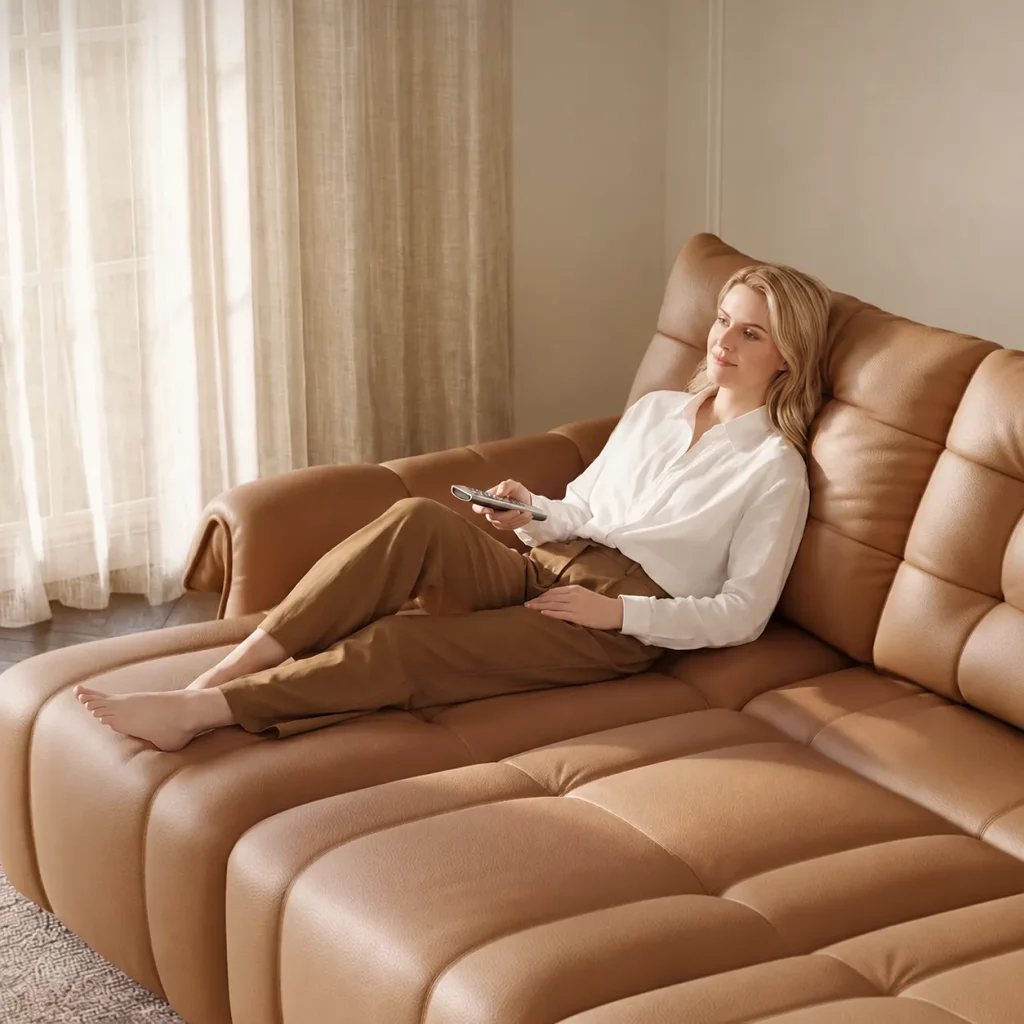
When Is a Sofa Bed Comfortable Enough for Your Routine?
Are sofa beds comfortable for everyday use? They can be, but the right balance depends on whether you use the bed occasionally, frequently, or every night.
- Daily sofa, occasional guests: Let daytime comfort drive the decision. The bed still needs enough support and room for guests, but do not sacrifice the way the sofa feels during the hundreds of hours it will spend closed.
- Frequent overnight guests: Give daytime and nighttime comfort nearly equal weight. A design that is excellent as a sofa but only tolerable as a bed may become frustrating if guests stay several times a month.
- Regular lounging and naps: Adjustable depth becomes more valuable because the sofa spends significant time between upright and fully open positions.
Can you sleep on a sofa bed every night? It depends on the model and its intended use. For regular sleep, compare its usable dimensions, surface support, and stability with a dedicated bed. Follow the manufacturer’s guidance rather than assuming a sofa designed for occasional guests is suitable as a long-term mattress replacement.
For households that want more flexibility between everyday sitting and lounging, the sofa bed’s adjustment mechanism is another factor to consider.
Power Sofa Beds: An Alternative to Traditional Pull-Out Designs
A power sofa bed uses a motorized mechanism to adjust or extend its seating area for sitting and lounging. Depending on the model, the extended surface can also serve as a sleeping space. Unlike a traditional pull-out, it does not unfold a separate mattress from inside the frame.
Traditional Pull-Out vs. Power Sofa Beds: What to Check
| Comfort Factor | Traditional Pull-Out Sofa Bed | Power Sofa Bed |
|---|---|---|
| Sleeping surface | A separate mattress that folds out from inside the sofa | A motorized mechanism adjusts or extends the seating surface; the sleeping setup varies by model |
| Common comfort concerns | Thin or sagging mattresses, uneven support, or pressure from the frame | Gaps between cushions, uneven surface height, or inconsistent firmness across the extended surface |
| What to check | Mattress construction, support beneath the center, and whether the bed lies flat | Cushion alignment, support beneath the sleeping surface, and usable sleeping dimensions |
| Sitting comfort | Seat depth, back support, and how the pull-out mechanism affects the seating area | Available seat-depth or recline adjustments, along with back support |
| Room requirements | Space to unfold the mattress and frame | Clearance for the motorized extension and access to the controls |
Mila Power Sleeper Sofa: For Deeper Lounging and Stretching Out
For households that want more room to recline and stretch out, the Mila Power Sleeper Sofa offers a backrest that adjusts from 105° to 180° and a seat depth that extends from 31 to 59 inches. Its deeper seating range creates more space for relaxed lounging, while the water-resistant tweed chenille is practical for everyday use. If overnight sleeping is a priority, check the listed sleeping dimensions separately, since seat depth does not equal sleeping length.
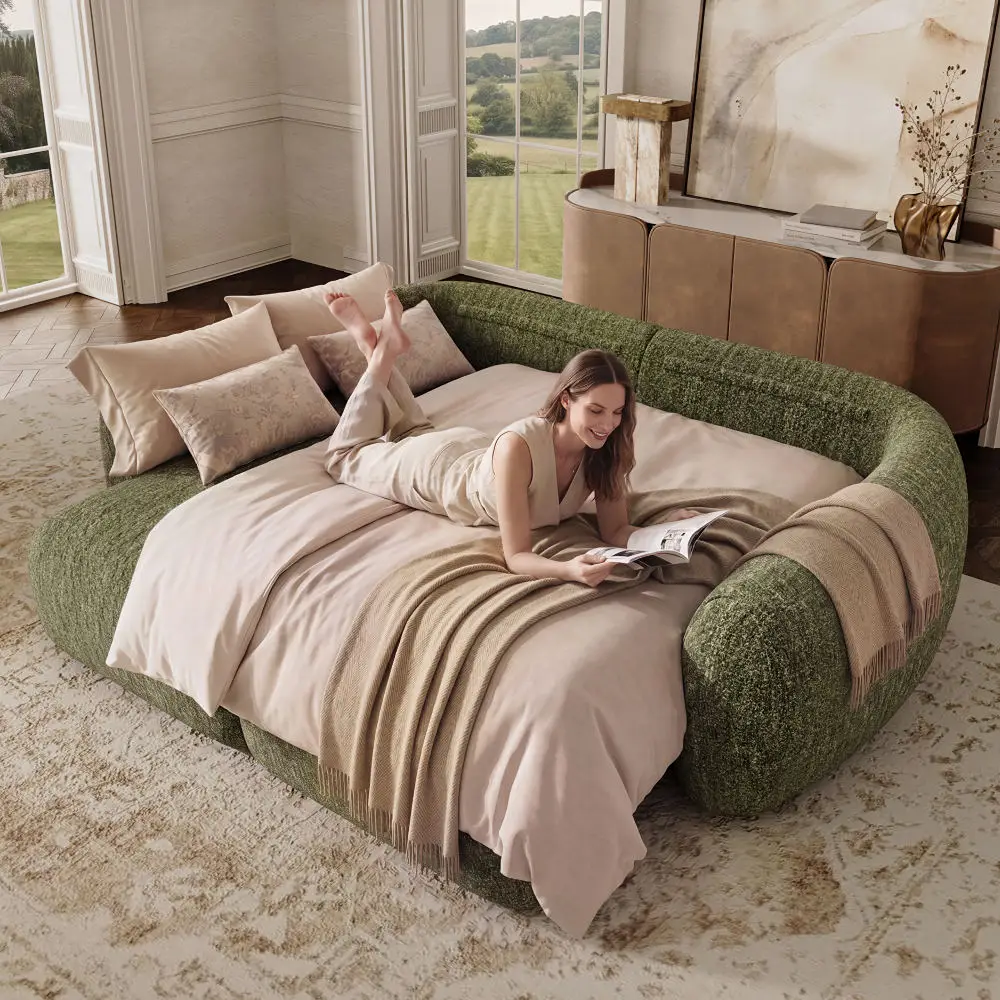
Mila Electric Sleeper Sofa
A natural fit for households that make stretching out and unwinding a regular part of everyday life.
Aurora Power Sofa Bed: For Everyday Sitting and Flexible Lounging
For households that want a sofa for everyday sitting that can also adapt to a more relaxed position, the Aurora Power Sofa Bed offers a seat depth that adjusts from 27 to 45.5 inches. Its 18-inch seat height supports a more conventional sitting setup, while high-resilience foam provides responsive cushioning as you shift into a deeper lounging position. This makes Aurora a practical option for people who want flexibility without giving up their everyday seating routine.
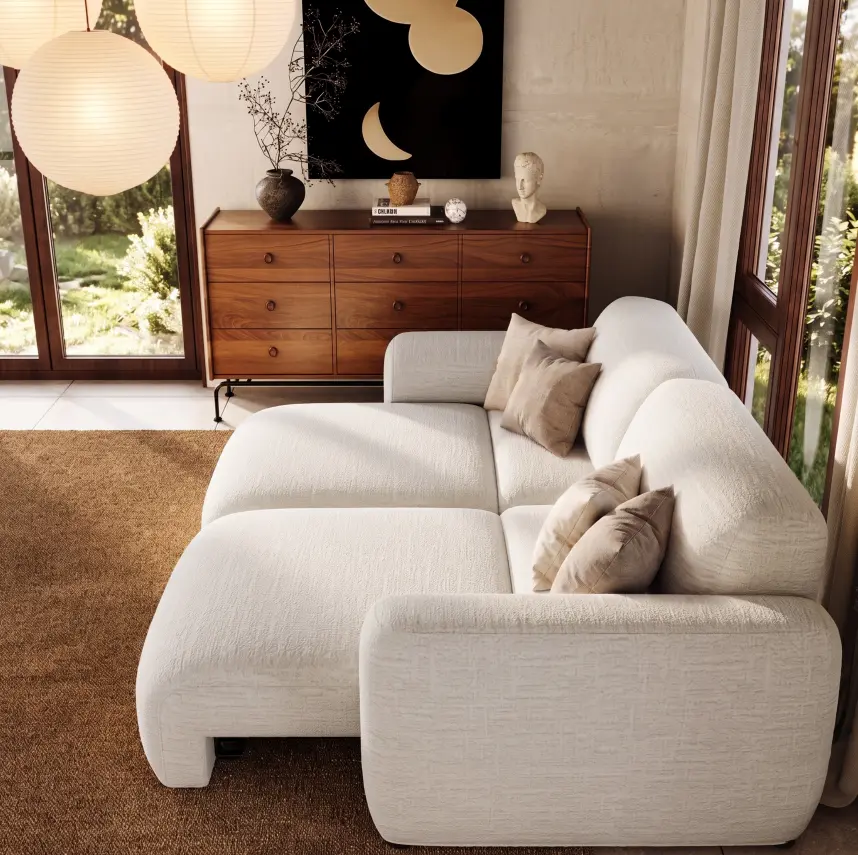
Aurora Modern Sofa Bed
A smart choice for living rooms that need to stay ready for conversation and everyday activities.
Conclusion
Sofa beds can be comfortable for both sitting and sleeping, but the right choice depends on how the furniture will be used in your home. For everyday seating, prioritize a seat that fits the main user and provides comfortable back support. For overnight guests, pay closer attention to the sleeping surface, usable dimensions, and support when the bed is fully open. Comparing traditional pull-out and power designs can also help you identify which approach better suits your space and routine.
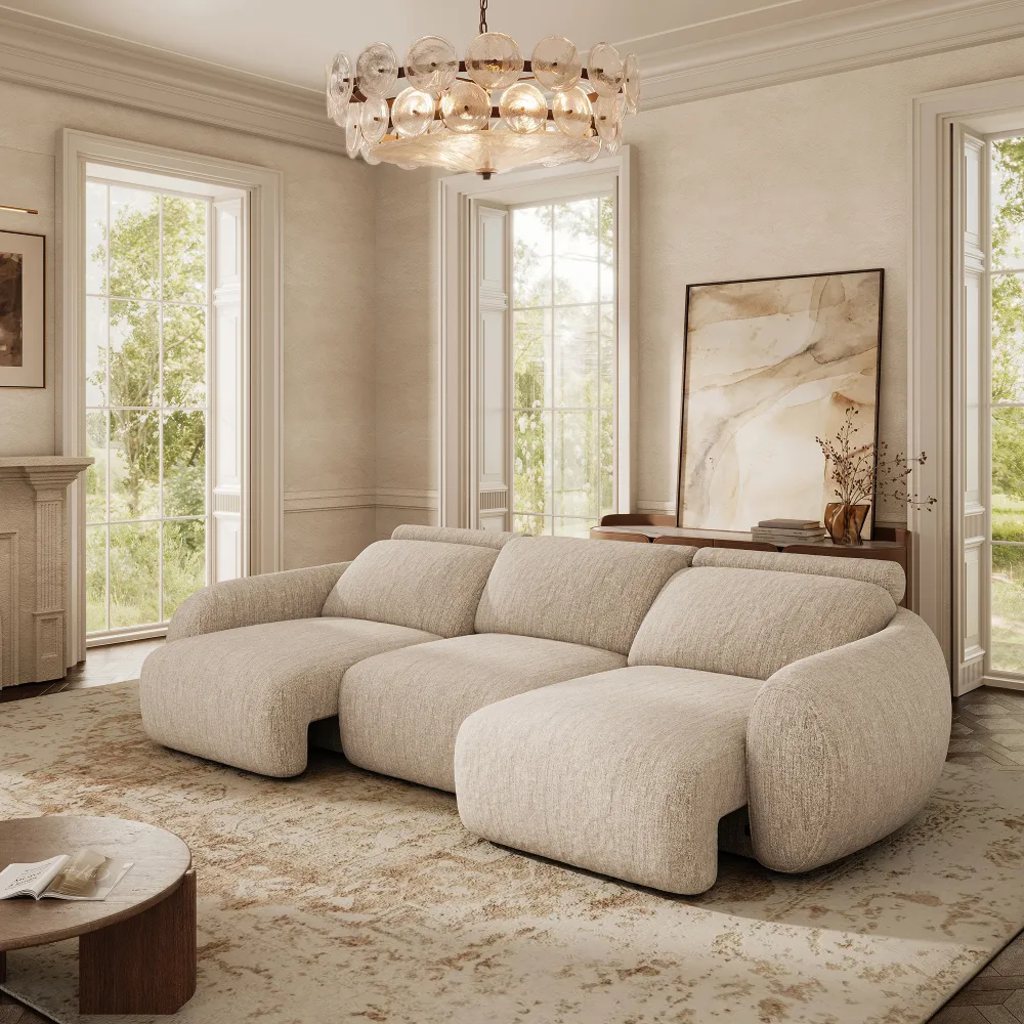
Find a Sofa Bed That Fits Your Space and Routine
Explore designs that balance everyday comfort, flexible lounging, and overnight sleeping for different living spaces.
FAQ
Are sofa beds comfortable for tall adults?
Tall adults should compare the usable sleeping length with their height and preferred sleeping position, leaving extra room if they tend to stretch out. If the product page lists only overall dimensions, ask the seller for the actual sleep-surface length. Armrests and raised ends can shorten the flat area available, even when the sofa looks wide enough.
Are pull-out sofa beds comfortable?
Pull-out sofa beds can be comfortable when the mattress lies flat and the frame supports it evenly. Before buying, check whether the mattress can be replaced with a compatible size and whether the frame creates pressure points through the padding. If possible, test the fully opened bed rather than judging comfort from the closed sofa alone.
Can you add a topper to a power sofa bed?
Sometimes. Check the manufacturer’s instructions before using one, and never retract a powered sofa with a topper in place unless the design specifically allows it. Extra thickness can interfere with moving parts or prevent full closure. Store the topper separately when needed.
Is memory foam always better in sofa beds?
No. Memory foam can add pressure relief, but it cannot compensate for poor support or an uneven sleep surface. Judge the foam together with its thickness, firmness, underlying support, and how flat the bed feels when fully opened.
Should a sofa bed feel firm when new?
Some new sofa beds may feel firmer before the cushions soften slightly with use, but they should still provide even support from the start. Do not assume deep gaps, hard pressure points, or an unstable sleep surface will disappear after a break-in period.


[…] adults can sleep comfortably on a queen sofa bed for several nights if the surface is flat, supportive, and close to a true 60 x 80-inch sleeping […]
[…] may benefit more from keeping the room useful between visits. In that case, understanding whether sofa beds are comfortable for both sitting and sleeping helps separate a genuinely usable sleeper from a sofa that simply happens to fold […]
[…] sleeping dimensions support it. For sleepers who are sensitive to firmness or cushion transitions, how sofa bed comfort changes between sitting and sleeping also depends on the cushion construction and support beneath that measured […]
[…] small guest rooms, kids’ rooms, dens, and home offices, the question is not “Is a twin sofa bed comfortable?” The better question is: does this room still work when the sofa is closed, open, and being used […]
[…] five memory foam sofa beds take different approaches to overnight comfort, from integrated power sleep surfaces to dedicated memory foam mattresses. The best choice depends […]