 By Kelvin
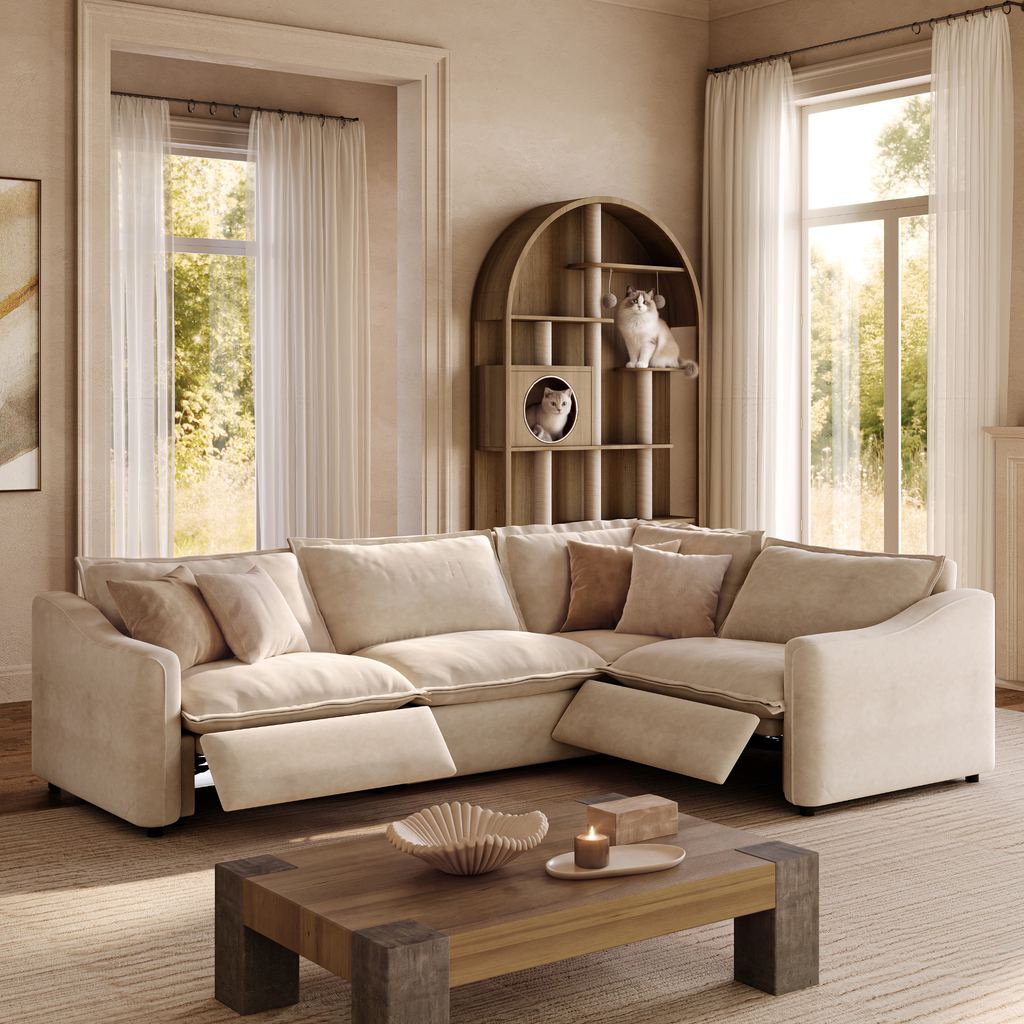
A sectional offers plenty of seating and room to stretch out, but its fixed L-shaped layout doesn’t work for every living room. If you’re looking for sectional alternatives, the challenge is finding a setup that still accommodates family members, offers comfortable lounging, and keeps walkways open. Options range from a sofa with an ottoman to separate loveseats, modular sofas, and extendable sofa beds. This guide compares six practical arrangements, including their seating capacity, lounging comfort, and space requirements, so you can choose what works for your room.
Table of Contents
What Can You Use Instead of a Sectional?
The most practical alternatives to sectional sofas include a sofa with an ottoman, a sofa with accent chairs, a sofa and loveseat combination, two facing sofas, straight modular seating, and a power sofa bed.
These living room seating alternatives solve different problems. Some increase the number of separate seats, while others provide deeper lounging without a permanent chaise. The right arrangement depends on how many people use the room daily and whether you prioritize upright seating or stretching out.
| Alternative | Best For | Lounging Comfort | Layout Flexibility |
| Sofa + Ottoman | Movable leg support | Good for one person | High |
| Sofa + Accent Chairs | Separate seats for guests | Depends on chair type | High |
| Sofa + Loveseat | More everyday seating | Moderate to high | High |
| Two Facing Sofas | Conversation and entertaining | Moderate | Moderate |
| Straight Modular Sofa | Changing room layouts | Depends on configuration | High |
| Power Sofa Bed | Adjustable deep lounging | High | Adjustable seating depth |
The key is to compare usable seats and lounging positions, not just furniture dimensions.
6 Sectional Alternatives That Work in Real Living Rooms
Not every seating arrangement replaces the same sectional features. Some provide more individual seats, while others prioritize stretching out or changing the layout. The six options below address different needs, from accommodating guests to creating deeper lounging space. Compare what each arrangement offers—and what you may give up—before choosing one for your living room.
1. Sofa + Ottoman — For Movable Leg Support
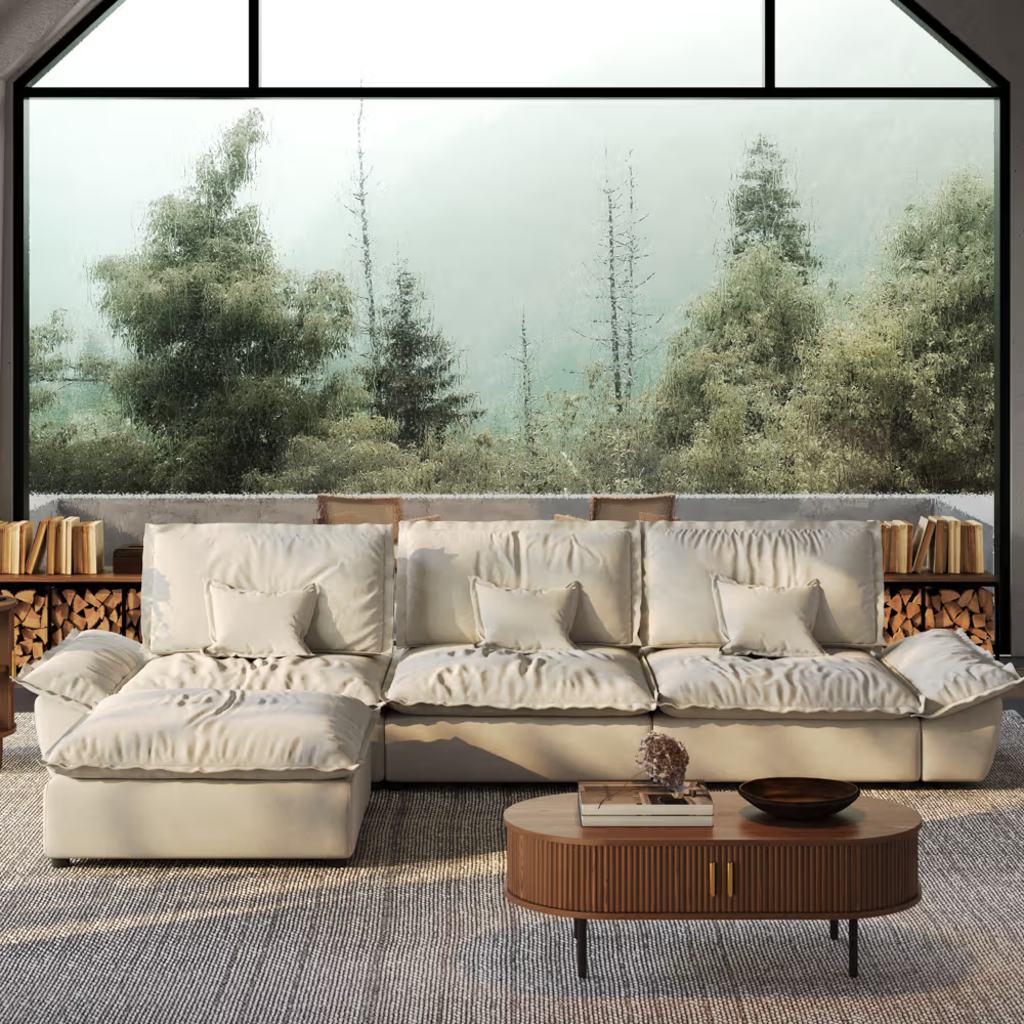
A standard sofa paired with an ottoman creates a chaise-like lounging area without permanently extending one side of the couch.
You can pull the ottoman closer when putting your feet up, then move it aside when guests need access to the coffee table. This works especially well when the same living room serves multiple activities.
However, check that the ottoman height matches the seat cushions. A large height difference can make lounging uncomfortable, while a lightweight ottoman may slide away during use. The choice between a sofa with an ottoman versus a chaise often comes down to whether you prioritize movable furniture or continuous leg support.
The POVISON Cronus Modular Sofa suits living rooms that need everyday seating with the option to add a separate lounging surface. Its straight modular configuration works with an appropriately sized ottoman without committing to a permanent L-shaped layout. The genuine leather upholstery and down-filled cushions make it worth considering for households that prioritize comfortable, flexible seating.
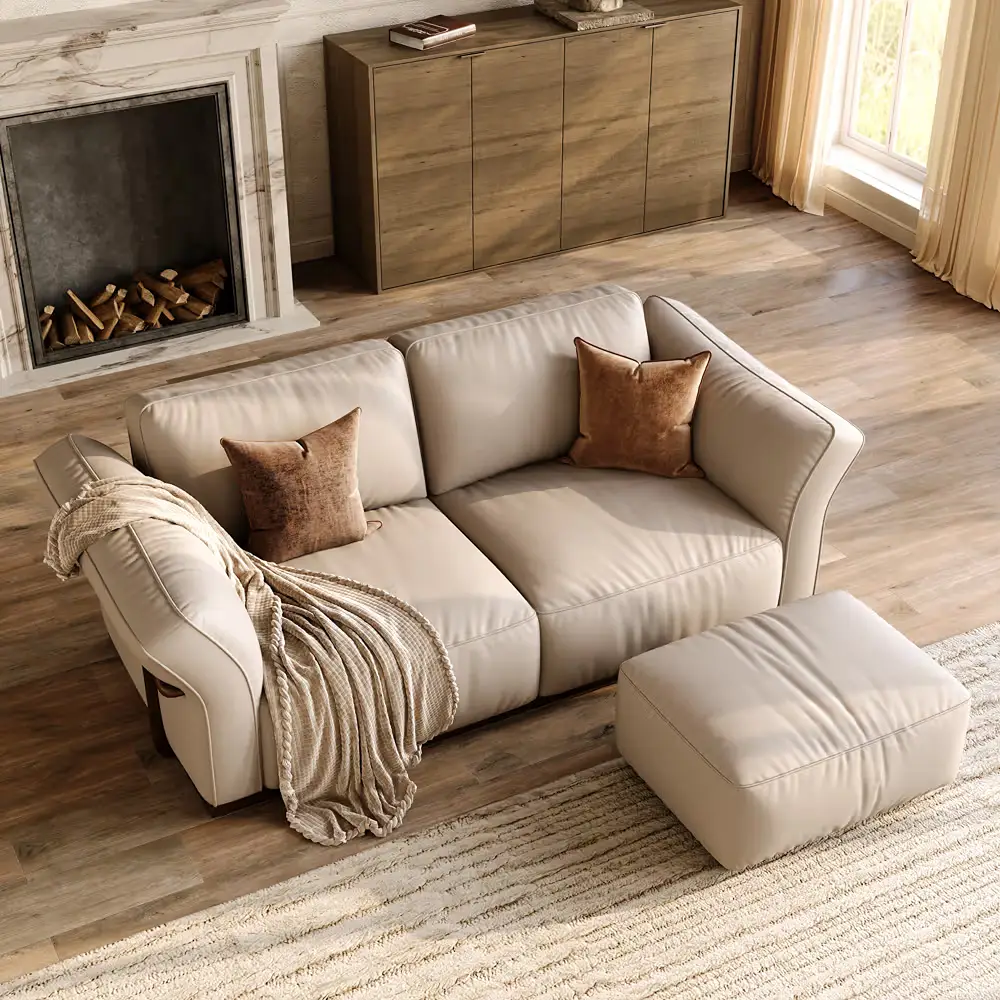
Cronus Genuine Leather Modular Sofa
A straight leather seating base accommodates flexible lounging with a separate ottoman.
👍 Best for: Flexible sofa and ottoman layouts
✨ 26-inch deep seating
✨ Solid wood frame construction
✨ Modular seating configurations
2. Sofa + Accent Chairs — For Separate Seating
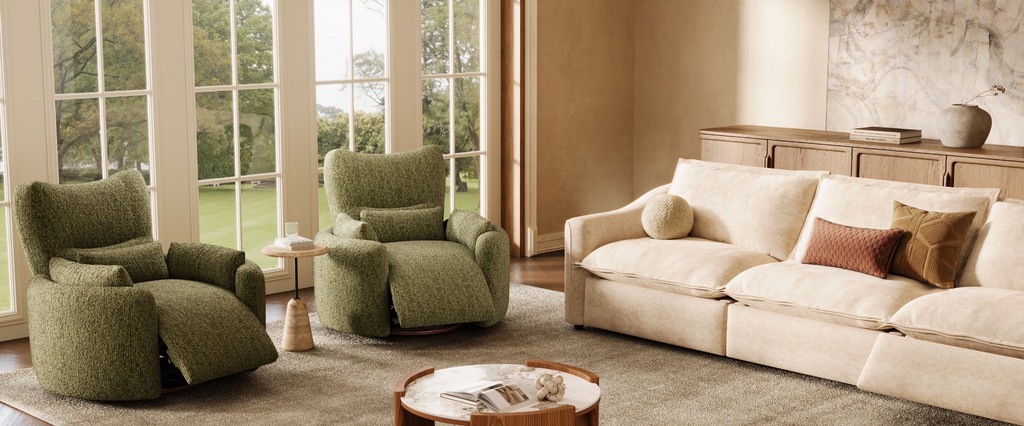
Pairing a three-seat sofa with two accent chairs creates up to five designated seating positions, depending on the sofa’s actual capacity.
Unlike a sectional, chairs can face the sofa for conversation or turn toward the TV. Swivel chairs offer additional flexibility without requiring you to drag furniture across the floor.
This arrangement suits families who regularly entertain guests but don’t need everyone stretching out together. When choosing accent chairs for a living room, compare outside width, seat height, and clearance around each chair. Swivel models also need enough space to rotate without hitting nearby tables.
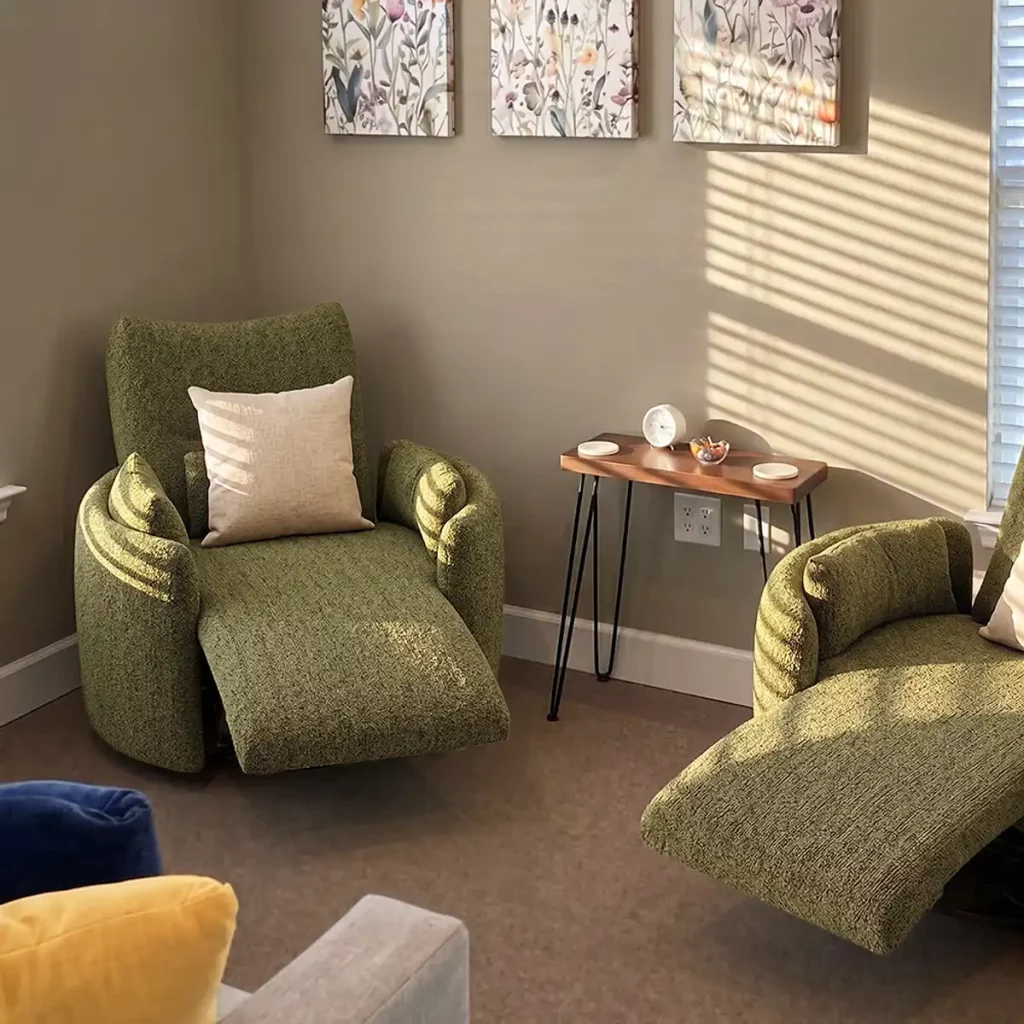
Accent Chairs for Flexible Seating
Add independent seats without committing to a fixed sectional layout.
3. Sofa + Loveseat — For More Everyday Seats
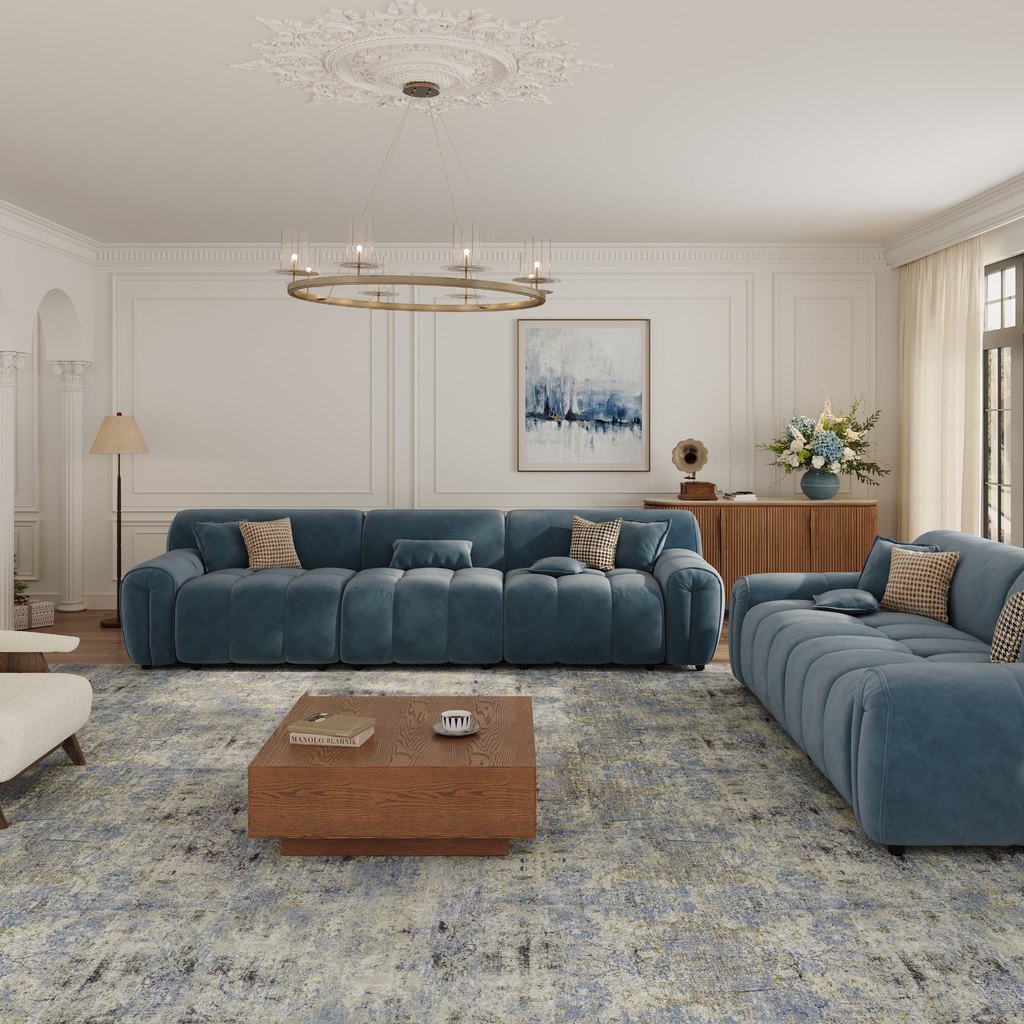
A sofa and loveseat combination gives people separate places to sit without sharing a fixed corner section. It works well for households where adults and children prefer different seats.
When comparing a sofa and loveseat vs sectional, consider whether you need more upright seating or one large lounging surface. A reclining loveseat can add leg support without requiring a separate ottoman.
A reclining loveseat is especially useful when two people want to change positions without sharing a fixed chaise. The POVISON Ergopals Power Reclining Loveseat provides two independently controlled reclining positions within a straight seating arrangement. It’s a practical fit for couples who prioritize individual leg and back support over one connected corner seat.
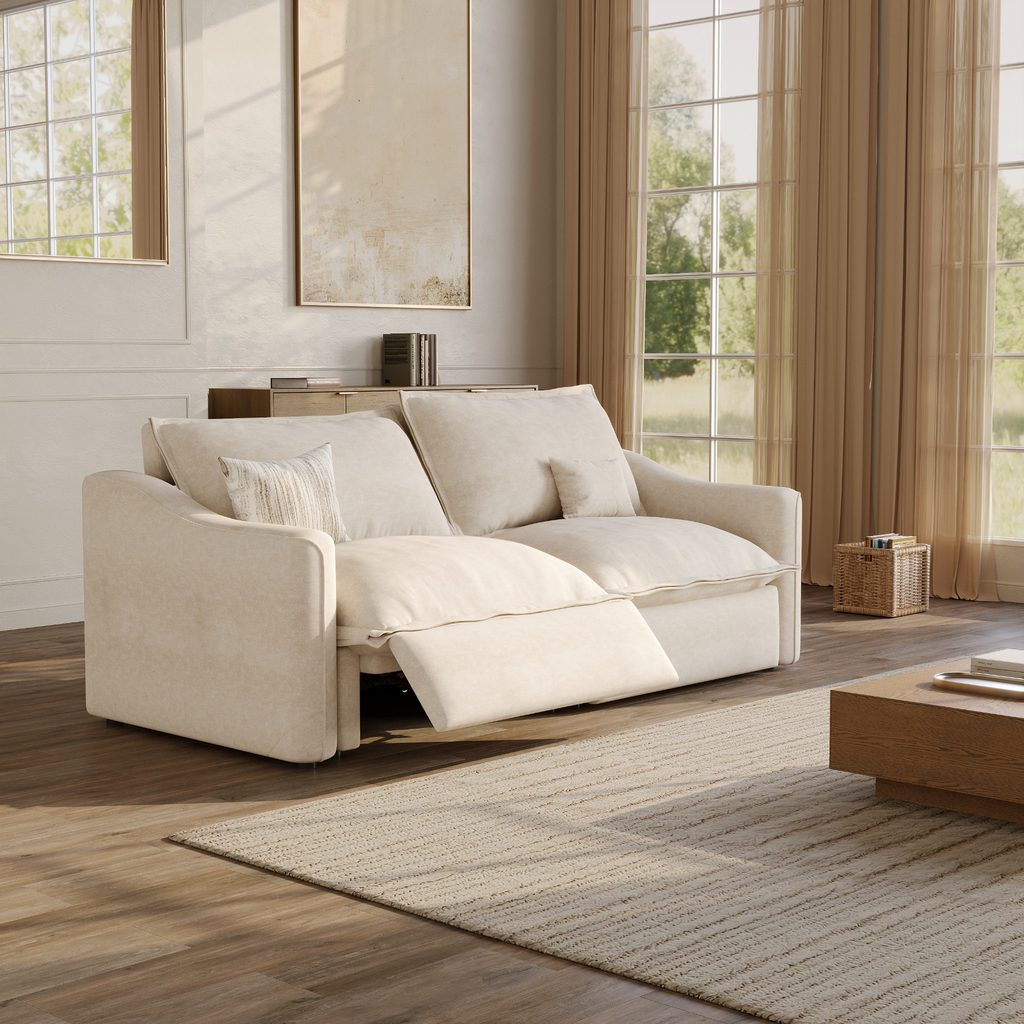
Ergopals Power Reclining Loveseat
Independent reclining seats provide personal comfort without adding a fixed sectional corner.
👍 Best for: Couples sharing a flexible living room
✨ Zero Gravity power reclining
✨ Removable, machine-washable cushion covers
✨ Wall-hugging reclining design
4. Two Facing Sofas — For Conversation
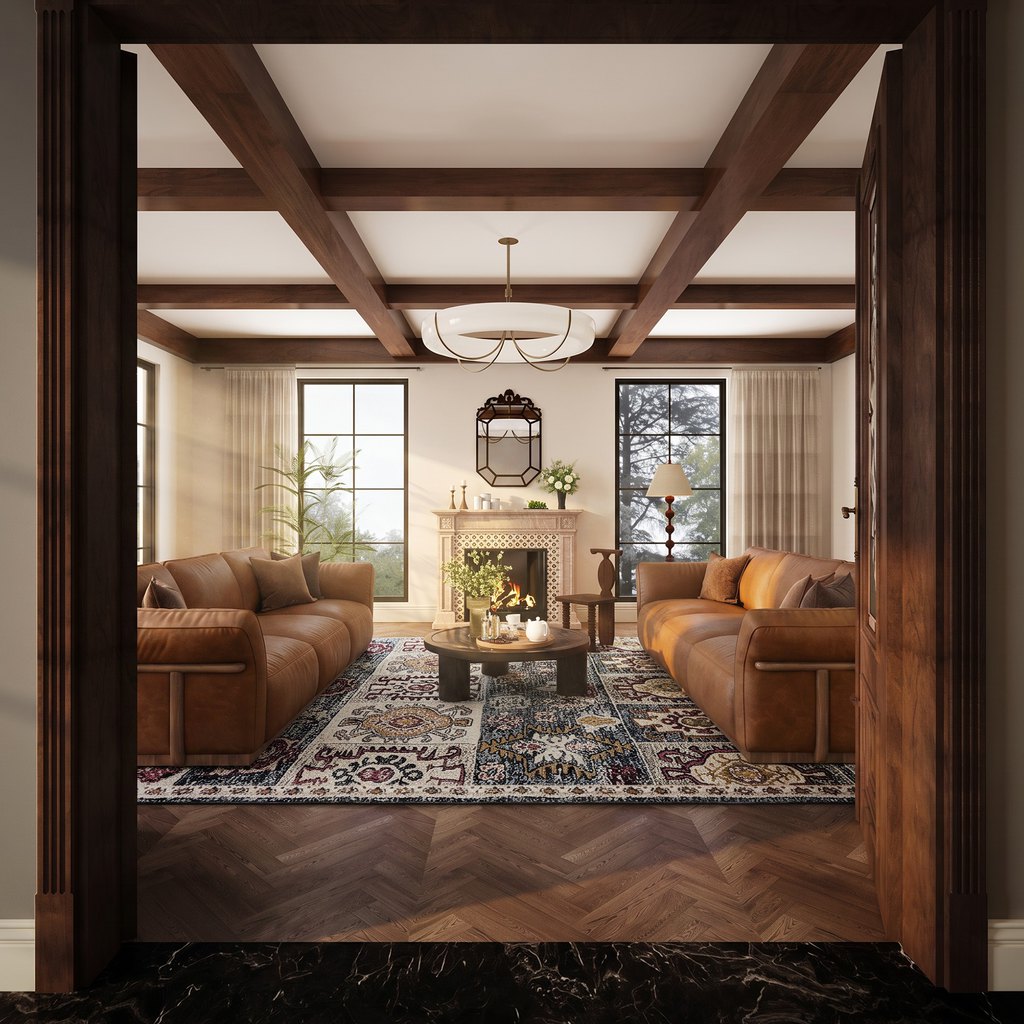
Two sofas placed opposite each other create a balanced seating arrangement for family gatherings and conversations.
A common setup uses two standard sofas with a coffee table between them. Guests can face each other naturally instead of sitting along one continuous L-shaped couch.
This arrangement works better in medium or larger living rooms because both sofas need sufficient space behind them. If your room is narrow, placing two full-size sofas opposite each other may restrict movement.
5. Straight Modular Sofa — For Future Changes
A straight modular sofa uses separate seating sections that can be connected, separated, or rearranged according to their compatible configurations.
This is useful for households expecting layout changes, such as moving to another apartment or replacing an accent chair with additional seating. Optional ottoman or chaise modules can also introduce lounging space later.
The POVISON Moku Modular Block Sofa suits households that may rearrange seating as their routines change. A straight configuration can provide everyday seats now, while compatible pieces can be considered if deeper lounging becomes a priority. It’s worth considering when adapting the furniture over time matters more than keeping one large, connected lounging area.
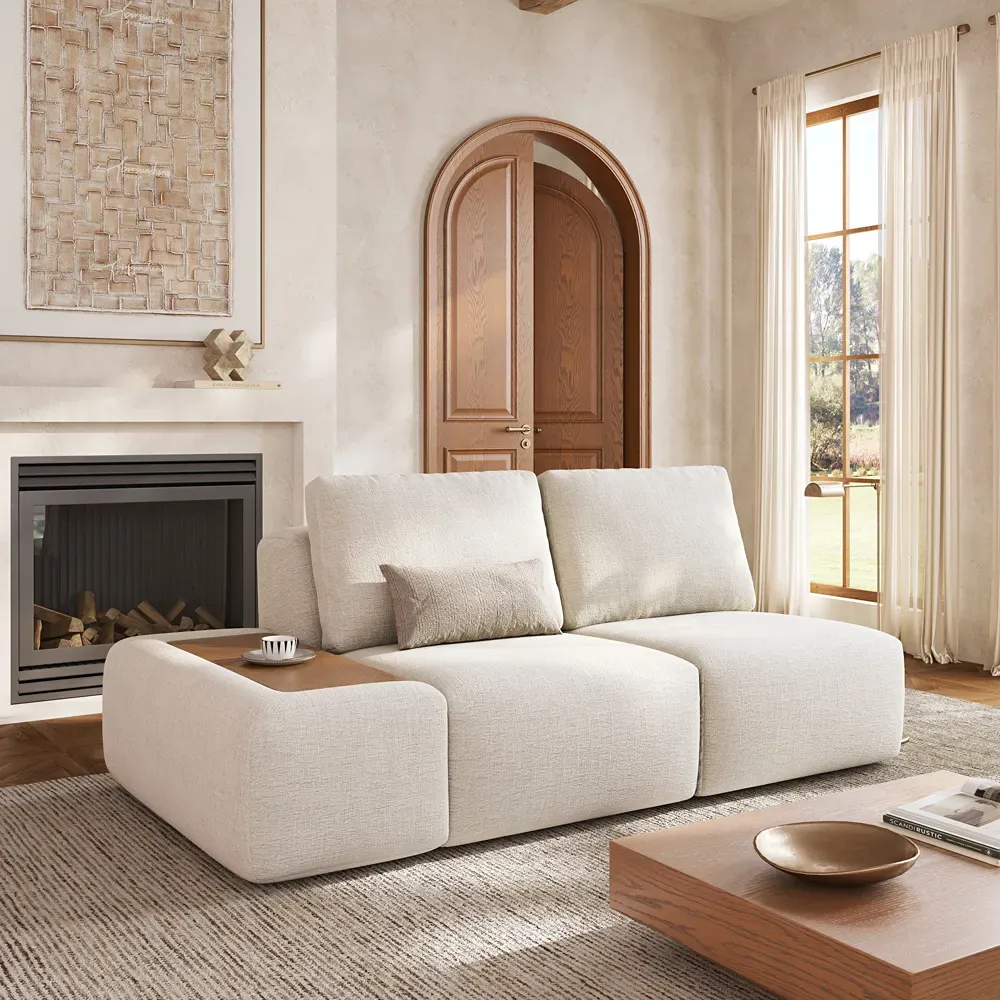
Moku Modular Block Sofa
Convertible armrests and detachable seating modules accommodate changing room layouts and routines.
👍 Best for: Rooms with evolving seating needs
✨ Detachable modular seating units
✨ Convertible armrest and side table
✨ Water-repellent chenille upholstery
6. Power Sofa Bed — For Adjustable Lounging
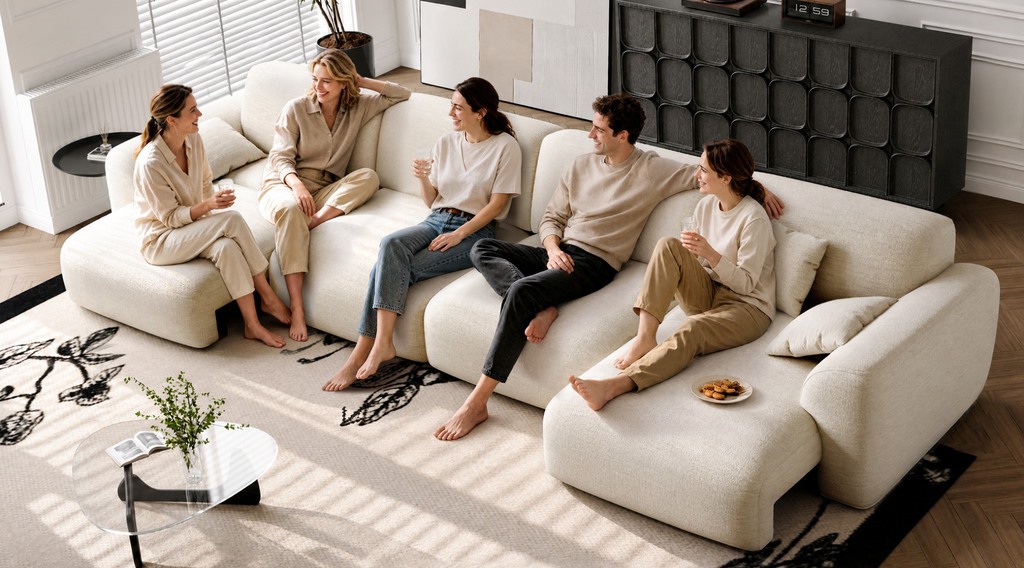
A power sofa bed offers a different approach to replacing sectional-style lounging. Rather than relying on a fixed chaise, motorized seats extend forward to create more room for resting.
This is useful when you need conventional seating during the day but want deeper lounging in the evening.
Some models allow individual seats to extend independently, letting one person stretch out while another remains upright. When retracted, the sofa returns to a shallower configuration, although the overall frame stays in place.
Power Sofa Beds: An Alternative to Fixed-Chaise Lounging
A power sofa bed uses motorized seat extensions to create deeper lounging space when needed, then retracts to a shallower seating position. Unlike a sectional with a fixed chaise, it doesn’t keep an extended lounging surface in place throughout the day.
A fixed chaise provides continuous leg support but permanently occupies one side of the furniture. An ottoman can be moved, although it requires separate positioning. A power sofa bed offers adjustable lounging within one connected piece of furniture, making it useful when household members prefer different seating depths.
For couples who want to stretch out without leaving a chaise extended all day, the POVISON Aurora Power Sofa Bed offers motorized seat-depth adjustment from 27 to 45.5 inches. The adjustable seats allow two people to choose different lounging positions without rearranging cushions. Its strongest advantage here is the ability to return to a shallower seating profile between lounging sessions.
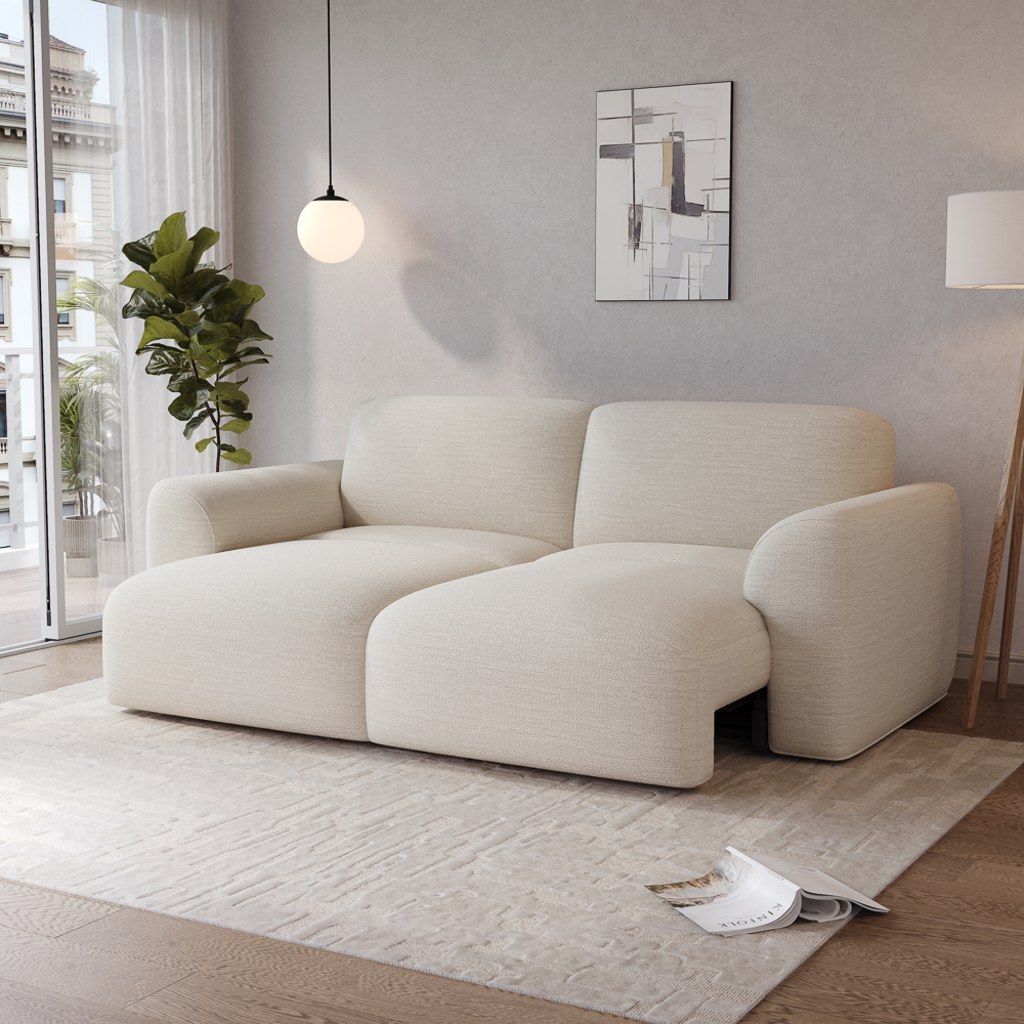
Aurora Power Sofa Bed
Deep lounging becomes available when needed without a permanent side chaise.
👍 Best for: Flexible lounging without fixed chaises
✨ Adjustable 27–45.5-inch seat depth
✨ Quiet, one-touch motorized extension
✨ Scratch-resistant chenille upholstery
Adjustable depth is particularly useful when two household members have different seating preferences. It can also accommodate occasional overnight guests when the model supports a fully extended sleeping surface.
For households exploring power sofa beds for more ways to live, the important distinction is between furniture that permanently defines a lounging area and seating that changes depth as needed.
Space Requirements for Sectional Alternatives
Replacing a sectional doesn’t automatically save floor space. Two separate sofas may occupy more total area than a compact L-shaped sectional, especially when they require additional gaps and walkways.
A useful starting point is to compare the combined furniture footprint before accounting for circulation space.
The following examples use hypothetical standard-size furniture. They show how much floor area the furniture itself occupies, not the minimum room size required.
| Seating Arrangement | Example Dimensions | Furniture Footprint |
| Straight Sofa | 84″W × 38″D | About 22.2 sq. ft. |
| Sofa + Ottoman | Above sofa + 24″ × 24″ ottoman | About 26.2 sq. ft. |
| Sofa + Loveseat | Above sofa + 60″W × 36″D loveseat | About 37.2 sq. ft. |
| Two Standard Sofas | Two 84″W × 38″D sofas | About 44.3 sq. ft. |
| Aurora Power Sofa Bed, Closed | 83″W × 41″D | About 23.6 sq. ft. |
These estimates calculate width × depth ÷ 144 for each furniture piece, then add the areas together. They exclude coffee tables, walking paths, and spacing between pieces.
For a comfortable layout, aim for approximately 30–36 inches along main walkways and 16–18 inches between a sofa and coffee table.
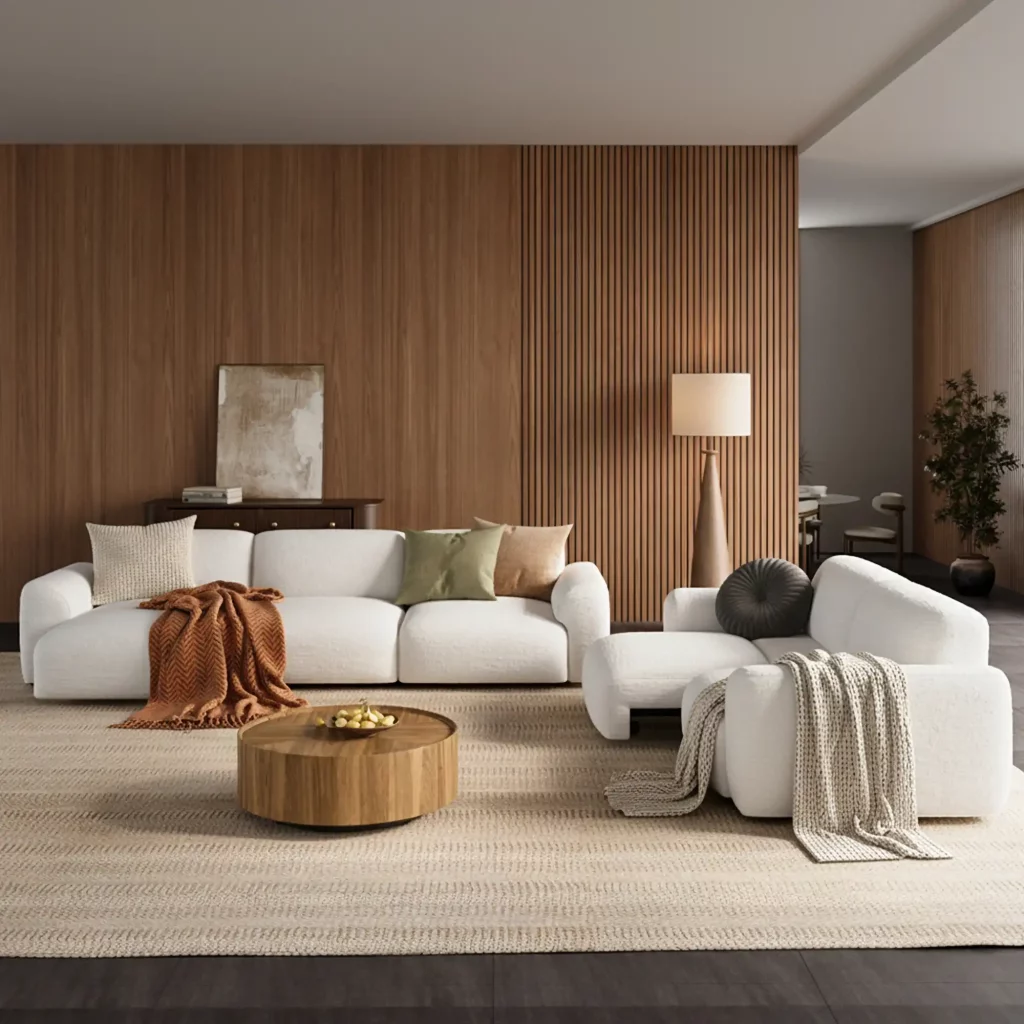
For example, two 38-inch-deep sofas facing a 24-inch-deep coffee table, with 16 inches between the table and each sofa, require about 11 feet of room depth before allowing for walkways behind them. That arrangement may feel cramped in a 12-foot-deep room.
Extendable furniture needs additional clearance. Aurora measures approximately 83 inches wide and 41 inches deep when closed, but its adjustable seat depth should not be mistaken for the complete extended footprint.
Before purchasing, mark both the closed and extended positions on the floor with painter’s tape. Check that doors, coffee tables, and main walkways remain accessible when the furniture is in use.
When Is a Sectional Still the Better Choice?
A sectional may still be the more practical option if your household regularly needs several connected seats or prefers a large, shared lounging area.
It can also work well when an L-shaped sofa fits neatly against two walls without blocking the main walkway.
If four or five people frequently sit together, replacing one sectional with a loveseat and two chairs might make the room feel more crowded rather than less.
The decision between a sectional and a regular sofa should account for room proportions, seating habits, and the type of comfort your household uses most often.
Choose a sectional when its fixed layout genuinely supports your daily routine. Choose separate or adjustable seating when flexibility matters more.
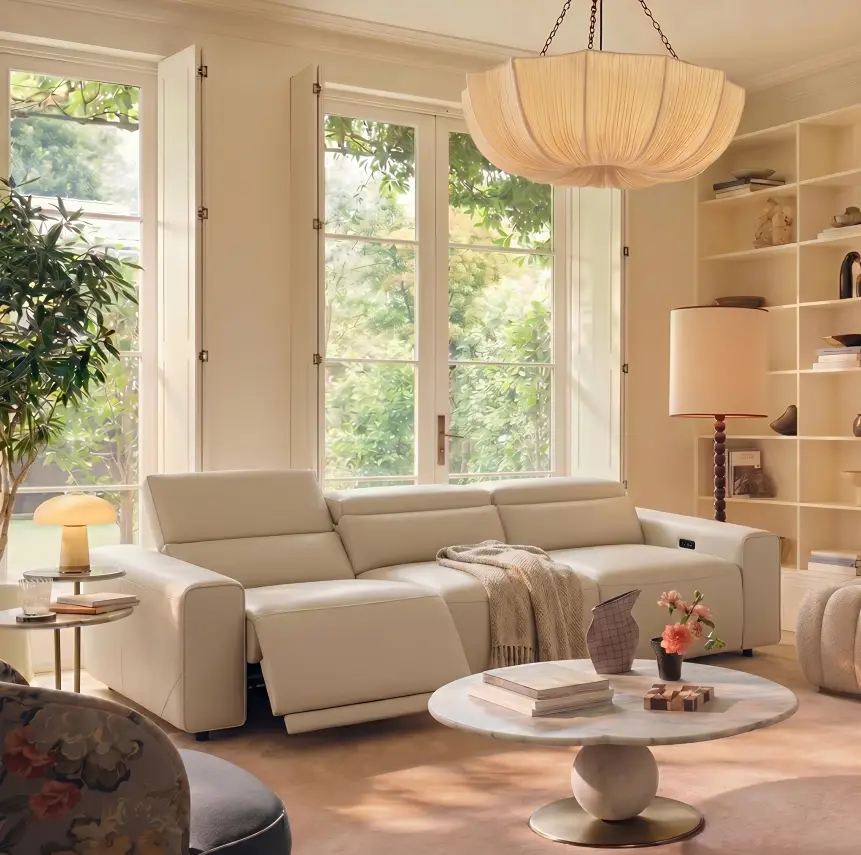
Conclusion
The right sectional alternatives depend on which features you want to keep. A sofa with accent chairs offers separate seating, while a loveseat or two-sofa arrangement works well for households that prioritize accommodating guests. Modular furniture supports changing layouts, and a power sofa bed provides adjustable lounging without a permanent chaise. Before buying, compare the number of usable seats, the fully extended furniture dimensions, and the space needed for everyday movement. The most practical arrangement is one that supports how your household actually sits, relaxes, and shares the room.
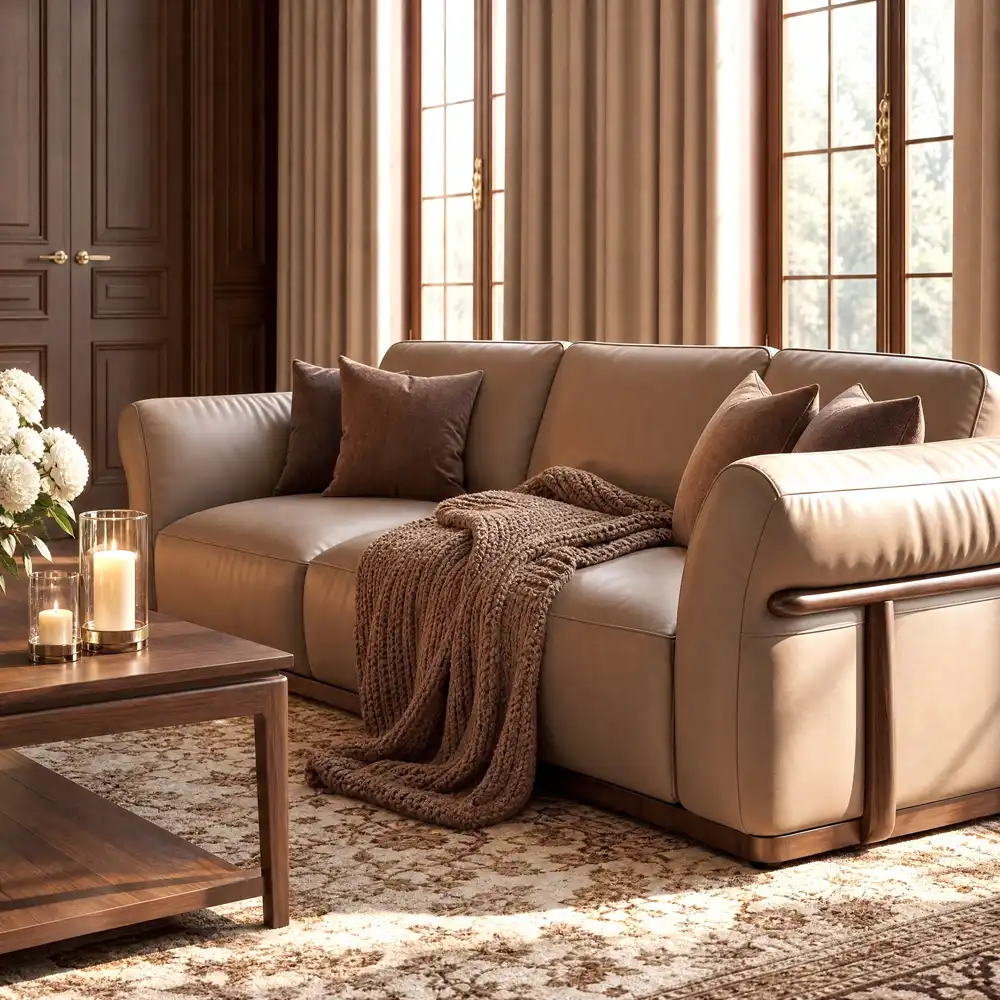
Find Your Flexible Lounging Setup
Explore sofas that balance everyday seating, adjustable lounging, and flexible room layouts.
FAQ
Can an Ottoman Safely Seat an Adult?
An ottoman can provide occasional adult seating if the manufacturer specifically approves it for sitting and lists an adequate weight capacity. A footrest isn’t automatically designed to support a person’s full weight. Check the internal frame, leg stability, and upholstery construction before counting an ottoman as an additional seat.
Do Power Sofa Beds Need Nearby Outlets?
Most motorized sofa beds require an electrical connection, so check the model’s power requirements and cord length before purchasing. Position the furniture near a suitable outlet without running exposed cables across walkways. If the outlet is behind the sofa, leave enough access to disconnect the power safely when needed.
Are Separate Sofas Easier to Move Upstairs?
Separate sofas can be easier to transport than one oversized sectional, but this depends on each item’s dimensions and weight. Measure the narrowest doorway, stair landing, and turning point. Modular furniture shipped in smaller sections may be easier to maneuver, although individual modules can still be heavy and require assistance.
Do Accent Chairs Have to Match the Sofa?
No. Accent chairs can differ in color, upholstery, or silhouette while still creating a coordinated seating arrangement. Repeating one detail, such as wood tones, fabric texture, or leg finish, can connect the pieces visually. Prioritize comfortable seat heights and proportions before selecting chairs purely for their appearance.
How Can You Keep an Ottoman From Sliding?
Place a nonslip furniture pad beneath the ottoman or choose a model with rubberized feet. On hardwood floors, use protective grips designed not to damage the finish. If the ottoman moves frequently during lounging, a heavier model or one with compatible sofa connectors may provide more stable leg support.


[…] Why I like it: this layout gives you the cozy feeling of a sectional without locking the room into one fixed L-shape. […]