 By Stephanie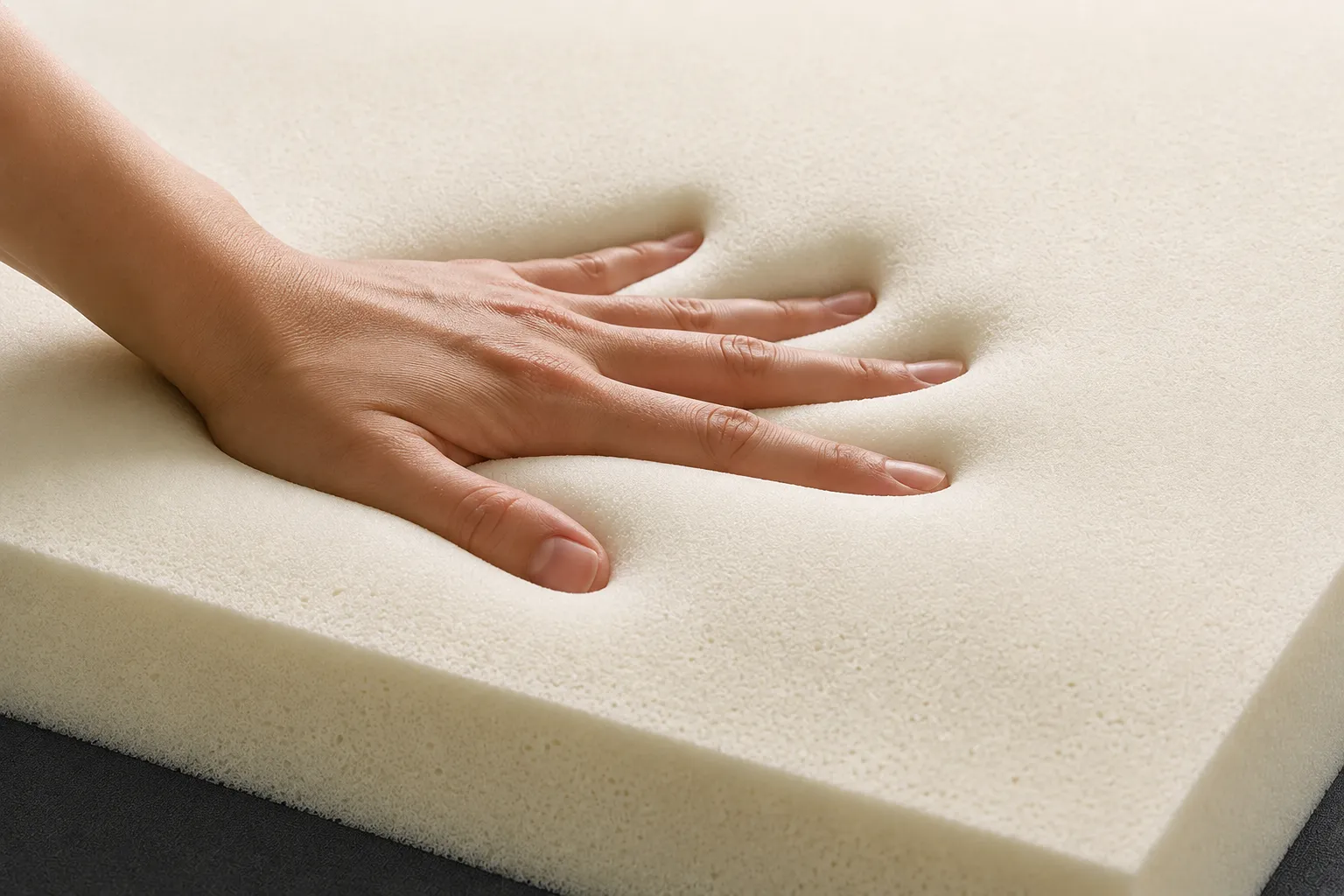
Table of Contents
Why Can Two Memory Foam Sofa Beds Feel So Different?
“Memory foam sofa bed” describes a material, not one standard construction. Two products can both use memory foam yet create very different beds, with different support layers, sleeping dimensions, and conversion methods. One may unfold a dedicated mattress; another may turn its everyday cushions into the sleep surface. This ranking focuses on what each product actually provides after conversion—not simply whether the product page mentions memory foam—so you can distinguish a useful sleep system from a comfort claim that tells you very little on its own.
What Changes When Memory Foam Is Built Into the Sofa?
A separate memory foam mattress keeps the sleeping component distinct from everyday seating. That makes mattress dimensions and bedding easier to understand, and the mattress may be easier to service separately. The tradeoff is a folding mechanism and more setup before bed.
Integrated designs put the cushioning inside the sofa sections that extend into the sleeping platform. Conversion can be easier, but daytime cushion wear also matters because the same cushioning continues to support the sleeper at night.
Neither construction automatically wins. Frequent converters may value fewer setup steps, while occasional hosts may prefer a dedicated mattress with familiar bedding dimensions. Room fit remains a separate decision, especially when following a sleeper sofa buying guide for small spaces.
Sleep deserves more than a vague comfort claim: 30.5% of U.S. adults averaged less than seven hours of sleep per day in 2024 (CDC’s National Center for Health Statistics).
Quick Summary of the Best Memory Foam Sofa Beds
| Product | Best For | Memory Foam Setup | Price | Editorial Rating |
| POVISON Mila Power Sofa Bed | Frequent conversion and couples | Integrated foam layers | $3,099 | 4.9/5 |
| POVISON Cygnus Power Sofa Bed | Leather seating plus sleeping | Integrated memory foam cushions | $3,099 | 4.8/5 |
| Crate & Barrel Barrett II Queen Sleeper | Traditional Queen sleeper | 5″ gel-memory-foam mattress | $1,999 | 4.7/5 |
| Article Vati Sofa Bed | Dedicated mattress in an 80″ sofa | 4″ memory foam mattress | $1,799 | 4.6/5 |
| Pottery Barn Luna Twin Sleeper | One overnight guest | 5″ layered foam mattress | $1,039–$2,599 sale | 4.4/5 |
Prices were checked on August 18, 2026 and may change by upholstery, promotion, location, or configuration.
The 5 Best Memory Foam Sofa Beds
These five memory foam sofa beds take different approaches to overnight comfort, from integrated power sleep surfaces to dedicated memory foam mattresses. The best choice depends on how often the bed will be used, who will sleep on it, and whether easy conversion or a more traditional mattress setup matters more.
🥇1. POVISON Mila Power Sofa Bed
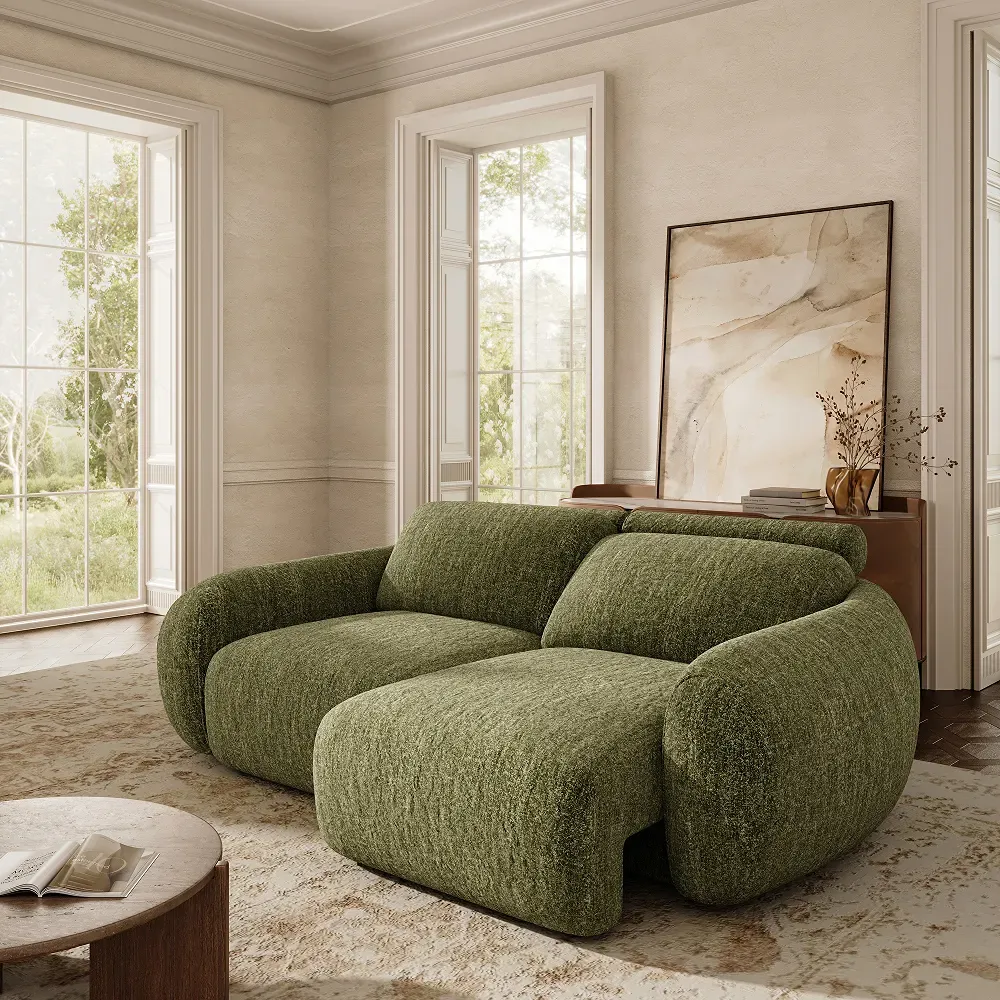
Price: $3,099
Editorial Rating: 4.9/5
Best For: Frequent conversion and larger shared sleep space
Highlights
- High-density foam with softer memory foam layers
- 105°–180° power adjustment
- 32″–59″ adjustable seat depth
- Near-King integrated sleep platform
- 500-lb capacity per seat
Limitations
- 90″ × 52″ closed footprint needs a generous room
- 304-lb weight makes frequent repositioning impractical
- Powered adjustment requires outlet access
Why It Fits
Mila Power Sleeper Sofa stands out for shoppers who expect the sofa to become a bed regularly, not just for occasional guests. Its powered extension eliminates the need to pull out a separate mattress, while independently adjustable sections make it easier for two people to use the sofa differently before fully opening it for sleep. The continuous sleep surface also keeps setup simple. Choose it when frequent, low-effort conversion matters more than standard mattress dimensions.
🥈2. POVISON Cygnus Power Sofa Bed
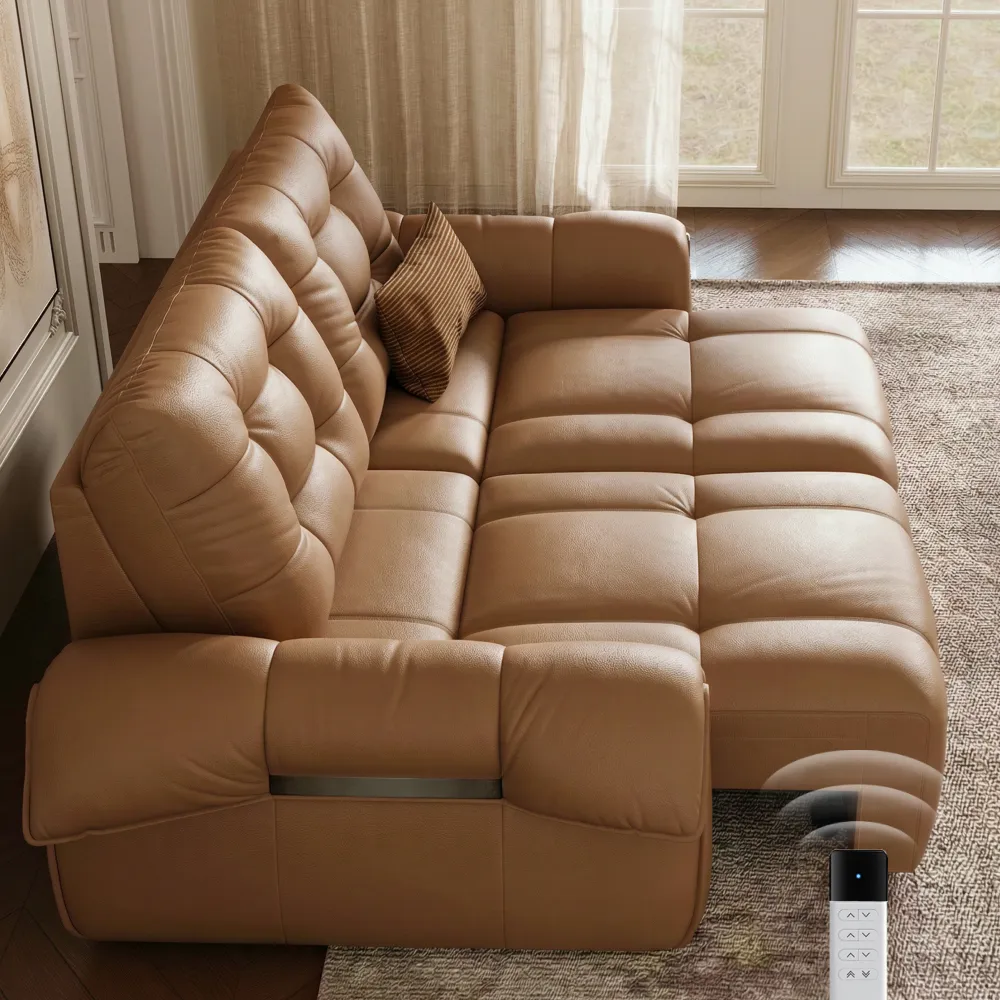
Price: $3,099
Editorial Rating: 4.8/5
Best For: Leather seating with sleeper flexibility
Highlights
- Premium memory foam cushions
- Anti-sagging cushion support
- One-touch lounge, recline, and sleep modes
- 500-lb capacity per seat
Limitations
- 92″ width requires substantial wall space
- Powered adjustment requires outlet access
- Leather should avoid excessive sunlight and heat
Why It Fits
Cygnus Power Sofa Bed is better suited to shoppers who want a memory foam sleeper without giving up the look and feel of a leather living-room sofa. Premium memory foam pairs with anti-sagging support to help the cushions hold up to everyday seating, while the top-grain leather gives it a more polished look than most fabric sleeper sofas. Choose it when daytime style matters nearly as much as occasional overnight flexibility.
Buyer Review
“The remote is easy to use and the sofa easily turns into a bed.” — Nina
🥉3. Crate & Barrel Barrett II Queen Sleeper Sofa
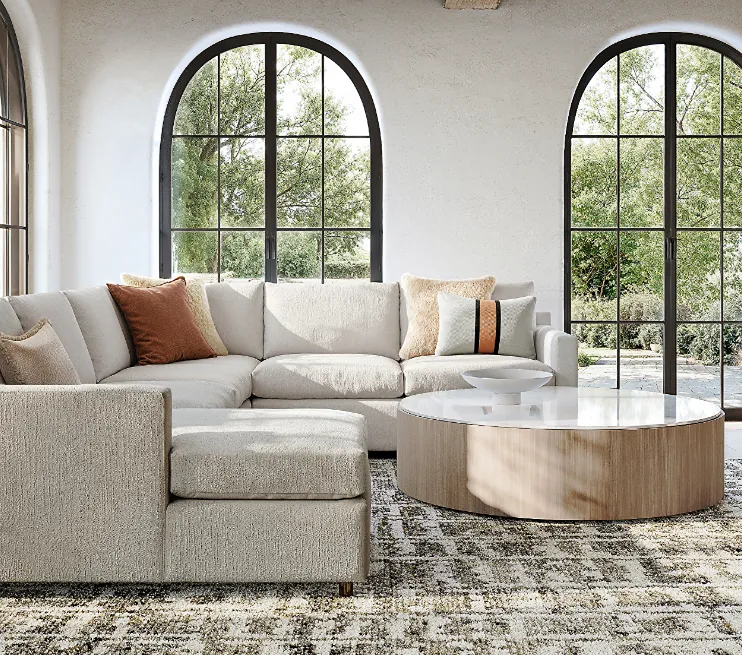
Price: $1,999
Editorial Rating: 4.7/5
Best For: A traditional Queen sleeper with a defined mattress
Highlights
- 5″ gel-infused memory foam mattress
- 78.5″ Queen sleeper configuration
- Low-profile sleeper support system
- Anti-tip safety mechanism
- Locking tilt-up headrest
Limitations
- Manual mechanism adds conversion effort
- Five-inch mattress is shallower than a typical standalone mattress
- Open bed requires clear floor space in front
Why It Fits
Barrett II is the strongest sleeper sofa with memory foam mattress here for shoppers who want a conventional bed structure. Its five-inch gel-infused memory foam mattress gives sleepers a separate, clearly defined surface instead of relying on the everyday seat cushions. That also makes mattress thickness and bedding easier to evaluate before buying, although opening and closing the separate mechanism requires more handling.
4. Article Vati Sofa Bed
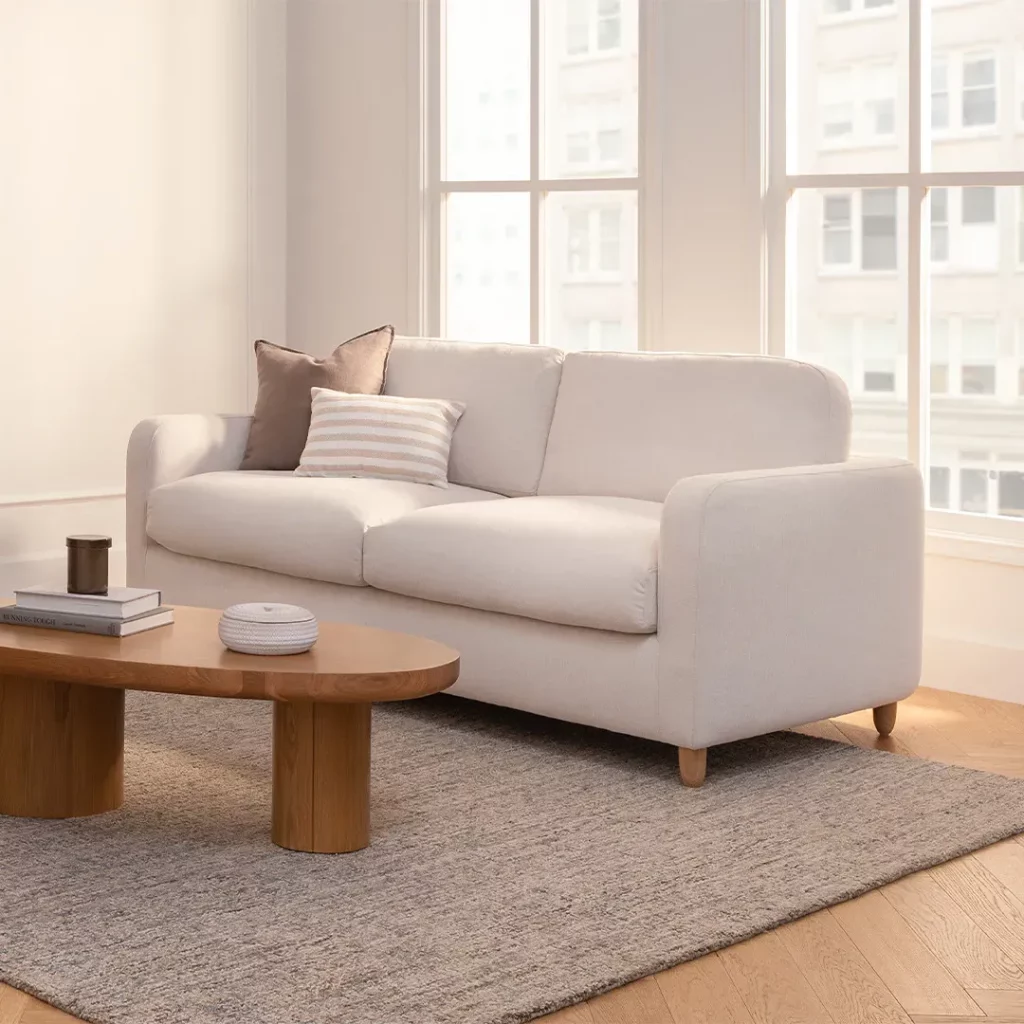
Price: $1,799
Editorial Rating: 4.6/5
Best For: A dedicated mattress in a shorter sofa
Highlights
- 4″ memory foam mattress
- 60″ × 70″ sleeping surface
- 80″ overall sofa width
- Solid oak legs
Limitations
- 70″ mattress length may be short for taller adults
- Manual pull-out requires more setup
- Shorter than a standard Queen mattress
Why It Fits
Vati works best for occasional guest use when shoppers want a dedicated memory foam mattress without moving up to a much larger sleeper sofa. Its separate mattress keeps the sleeping surface distinct from the everyday seat cushions, which makes the setup feel more like a conventional guest bed. Choose it for shorter-term stays rather than frequent use by taller sleepers.
5. Pottery Barn Luna Twin Sleeper Sofa
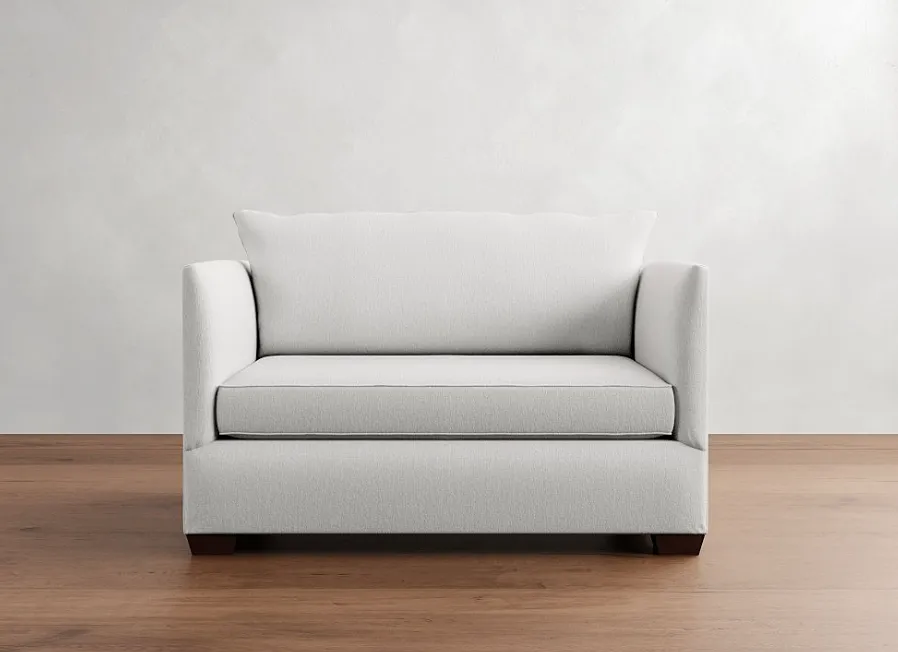
Price Range: $1,039–$2,599 sale; $1,199–$2,599 regular
Editorial Rating: 4.4/5
Best For: One overnight guest in a smaller room
Highlights
- 54″ sofa width
- 36″ × 72″ Twin mattress
- 5″ layered foam mattress
- Dedicated pull-out sleeping surface
Limitations
- Twin surface accommodates one sleeper
- 72″ length can be restrictive for taller adults
- Upholstery choice can substantially increase the price
Why It Fits
Luna is a strong fit for a home office or compact guest room that needs a true pull-out bed without dedicating space to a larger sleeper sofa. Its separate mattress creates a more conventional overnight setup than sleeping directly on sofa cushions, while the compact format keeps the room usable during the day. Choose it for occasional single-guest stays rather than couple-friendly sleeping.
How Can You Verify a Memory Foam Claim Before Buying?
Treat memory foam as a specification that needs proof.
First, check the exact product and selected configuration rather than relying on a category page or search-result description. Look specifically for “memory foam.” Terms such as “high-density foam,” “resilient foam,” and “foam-filled cushions” do not establish the same material.
Second, locate it. Is the memory foam inside a dedicated mattress, inside cushions that become the bed, or available only through an optional upgrade?
Third, connect that claim to the actual sleeping surface. A pull-out should identify mattress construction or dimensions. An integrated sleeper should document the cushion construction and explain how those cushions work in sleep mode.
A product passes this check only when you can verify what the material is and where it supports the sleeper. That makes the difference between a pull-out sleeper sofa and convertible sofa bed more useful without turning mechanism type into a substitute for foam specifications.
Conclusion
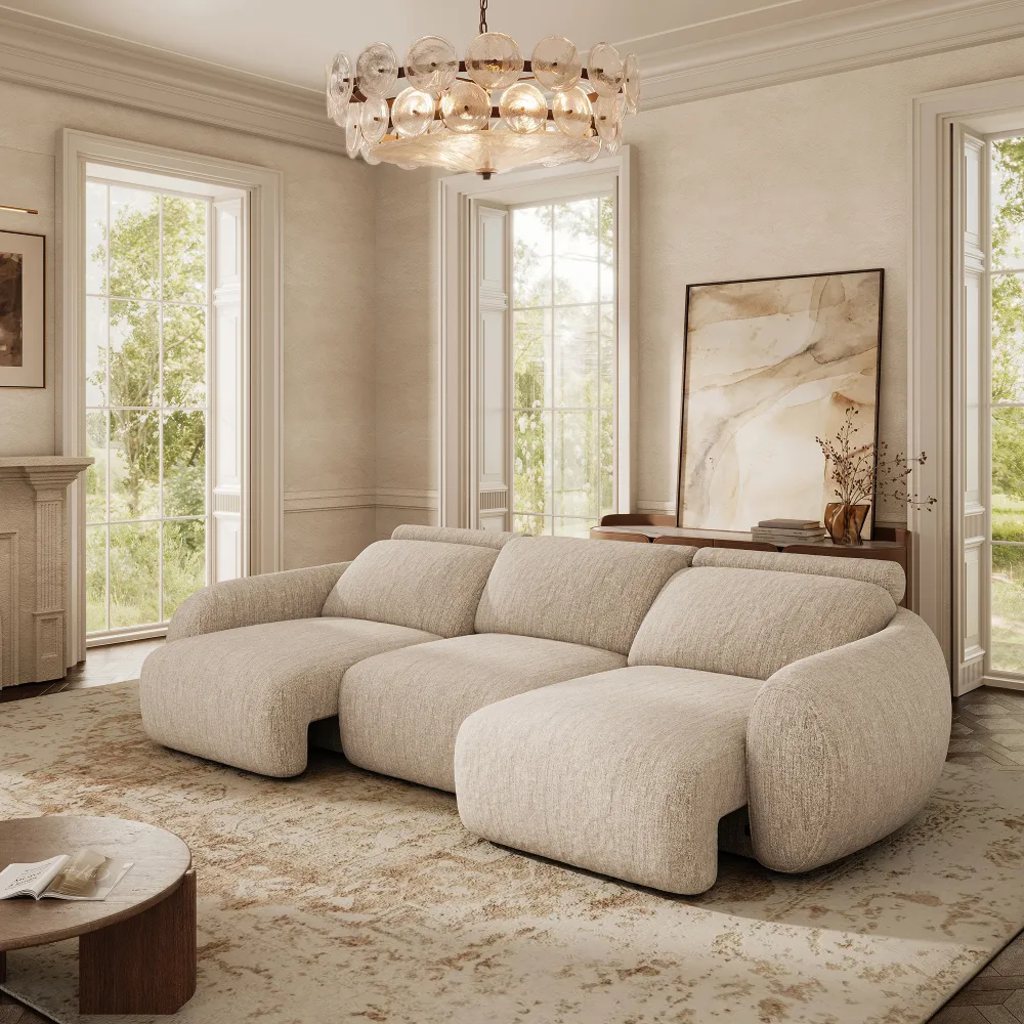
Choosing the right memory foam sofa bed starts with understanding what the label actually describes. Check whether the foam belongs to a dedicated mattress or the convertible seating system, then compare the finished sleep surface and conversion routine. A separate mattress offers a familiar guest-bed format, while an integrated design can reduce the work required to switch modes. POVISON‘s power sleepers add a distinctive option by combining memory foam cushioning with adjustable seating and sleep functions, helping one piece work comfortably for both daily living and overnight use.
Find the Right Sofa Bed
Compare sleep surfaces, everyday comfort, and overnight flexibility.
FAQ
Does memory foam feel firmer in a cold room?
It can. Memory foam responds to temperature, so a cooler room may make the surface feel firmer at first. Body heat usually softens the contact area gradually. If a guest room stays unusually cold, judge the sleep surface after several minutes of use rather than only pressing the foam by hand.
Does a new memory foam sofa bed need time to expand?
Only if the manufacturer says the foam was compressed for shipping. Some sleeper mattresses or cushions may need recovery time, while others arrive ready for use. Follow the specific setup instructions and avoid assuming every memory foam sofa bed requires the same 24- or 48-hour expansion period.
Can you flip a memory foam sleeper mattress?
Not automatically. Some sleeper mattresses use different materials on the top and bottom or must bend in a specific direction to fit the folding mechanism. Check the manufacturer’s care instructions before flipping or rotating the mattress, especially when memory foam is layered over a separate support foam base.
Does higher-density foam automatically mean a better sofa bed?
No. Density is only one part of the sleep system. Layer construction, underlying support, usable sleeping dimensions, and the conversion mechanism also affect performance. Compare density numbers only when two manufacturers describe comparable foam materials; otherwise, treat density as one specification rather than a standalone quality score.


