 By Stephanie
A memory foam mattress topper for sofa bed use can make a firm or thin sleep surface more comfortable, but thickness alone does not tell you what to buy. Before choosing one, identify what is actually uncomfortable, measure the opened sleeper, and decide where the topper will go when the sofa is closed.
This guide walks through those decisions in order, so you can improve pressure relief without ending up with a topper that is too bulky, too warm, poorly sized, or unable to solve the real support problem.
Table of Contents
What Can a Memory Foam Mattress Topper Actually Fix?
A memory foam mattress topper for sofa bed works best when the existing mattress or sleeping surface is still level and structurally sound but feels too firm, thin, or slightly uneven. Memory foam adds cushioning at the shoulders and hips and can soften minor seams. It does not rebuild a worn mattress or straighten a damaged sleeper frame.
Use what you feel when lying down to identify the likely problem:
| What You Notice | Is a Topper a Good First Step? | What to Check Instead |
| Surface feels firm but level | Yes | Add a comfort layer |
| Mild seams create pressure | Usually | Check topper thickness and fit |
| One metal bar is clearly noticeable | Maybe | Inspect support under the mattress |
| Mattress has a permanent dip or lump | No | Assess the mattress itself |
| One side of the bed sits lower | No | Inspect the frame and mechanism |
| Sleeper is difficult to open or close | No | Stop adding layers and check the mechanism |
Use the table as a first filter rather than assuming more foam is always the answer. If discomfort is concentrated directly over the frame instead of spread across the sleeping surface, a sleeper sofa support board may be more relevant than adding a thicker topper.
How Thick Should a Memory Foam Topper Be?
When shoppers ask what thickness mattress topper for sofa bed comfort is appropriate, there is no single number that works for every sleeper. Thickness should match how much you need to change the feel of the existing sleep surface: mild firmness, stronger pressure relief, or substantial cushioning.
A 2-inch topper is the most practical starting point when the mattress is level but simply feels firm. It adds noticeable cushioning without changing the feel of the sleeper as dramatically as a thicker layer, making it well suited to occasional guests and lighter comfort adjustments.
A 3-inch topper provides deeper pressure relief and may suit an adult guest who feels more shoulder or hip pressure on a thin sleeper mattress. It creates a more noticeable change in the sleeping surface and is better suited to users who want more than a minor softness adjustment.
A 4-inch topper adds substantial cushioning, but more thickness is not automatically better. If the sleeper needs four inches of extra foam just to become tolerable, also check whether the original mattress has lost support or is nearing replacement.
Use thickness to match the amount of surface change you need: 2 inches for mild firmness, 3 inches for deeper pressure relief, and 4 inches only when substantial cushioning is genuinely needed. Whether that thickness is practical to fold, move, and store belongs to the next check.
Will the Topper Fit, Fold, and Store Easily?
Before ordering a mattress topper for sofa bed use, treat the sleeper as a convertible piece of furniture rather than a standard bedroom mattress. The topper has to fit the open sleep surface at night and fit your routine during the day. Three checks prevent most sizing and storage mistakes.
Measure the Usable Sleep Surface
Open the sofa fully and measure the surface the guest will actually sleep on. Record width and length instead of relying only on a Twin, Full, or Queen label.
Check whether the surface has rounded corners, exposed hardware, rails, or upholstery edges that reduce usable space. A topper that hangs several inches over a flexible sleeper mattress may shift when the guest turns over.
This also answers the common question can you put a mattress topper on a sofa bed: usually yes, when the sleep surface is stable and the topper fits without interfering with the structure. The measurements of the opened bed—not its marketing size—should make the final decision.
Decide Where It Goes During the Day
Storage should be part of the purchase decision, not an afterthought.
A 2-inch topper may fit in a large linen closet or under another bed once rolled. A thicker model may need a storage bag and a more permanent location. In a studio apartment, that can matter more than the difference between two foam densities.
Before buying, name the exact storage location. If you cannot, reconsider the thickness.

Remove It Before Closing by Default
Do not assume flexible foam can remain inside a folding mechanism. Unless the sofa manufacturer specifically allows extra bedding to stay in place, remove the topper before retracting the sleeper.
The same principle applies when caring for the original mattress: bulky bedding should not be forced into the frame simply to avoid putting it away. Proper sleeper sofa mattress care and replacement starts with keeping the folding path clear and checking that the mattress follows its intended fold points.
Which Memory Foam Features Matter Most?
Once size and thickness are settled, compare features that solve a specific ownership problem rather than choosing the topper with the longest specification list:
- Airflow: Choose ventilated or open-cell foam with a breathable cover if the sleeper tends to feel warm. Gel-infused foam can be useful, but it should not replace checking overall breathability.
- Grip: A non-slip underside or corner straps matter when the topper shifts across a thin or slick sleeper mattress.
- Cover: A removable, washable cover is especially useful when different guests use the bed regularly because the foam itself usually cannot be machine-washed.
- Return policy: Prioritize a reasonable trial or return window when firmness and pressure relief are difficult to judge before sleeping on the topper.
These features become useful after the topper already meets your size and thickness requirements. They should help break a tie between suitable options, not compensate for poor fit.
When Should You Skip the Topper?
If a correctly sized topper still does not solve the problem, stop adding more foam. The next step depends on what remains uncomfortable: support beneath the mattress, the mattress itself, or the repeated setup required by the sleeper design.
When Pressure Still Comes From Below
If a topper softens the surface but the same bar or unsupported area remains obvious, inspect the layer beneath the mattress. This is especially important when the mattress feels normal after being placed temporarily on a clean, flat floor.
Adding a second topper usually increases bulk without correcting that support pattern.
When the Mattress Has Lost Its Shape
Permanent sagging, deep impressions, persistent lumps, or a mattress that no longer lies evenly are replacement signals rather than requests for extra cushioning.
A topper will follow much of the shape beneath it. It can soften a firm mattress, but it cannot restore foam or springs that have already collapsed.
When Setup and Storage Become the Bigger Problem
For a sleeper used several times each week, repeated setup may become more frustrating than the original firmness issue. Taking out a topper, positioning it, making the bed, stripping it, rolling it, and storing it is reasonable for occasional guests; it can become excessive for a room that changes modes constantly.
That is where integrated sleeper designs serve a different role.
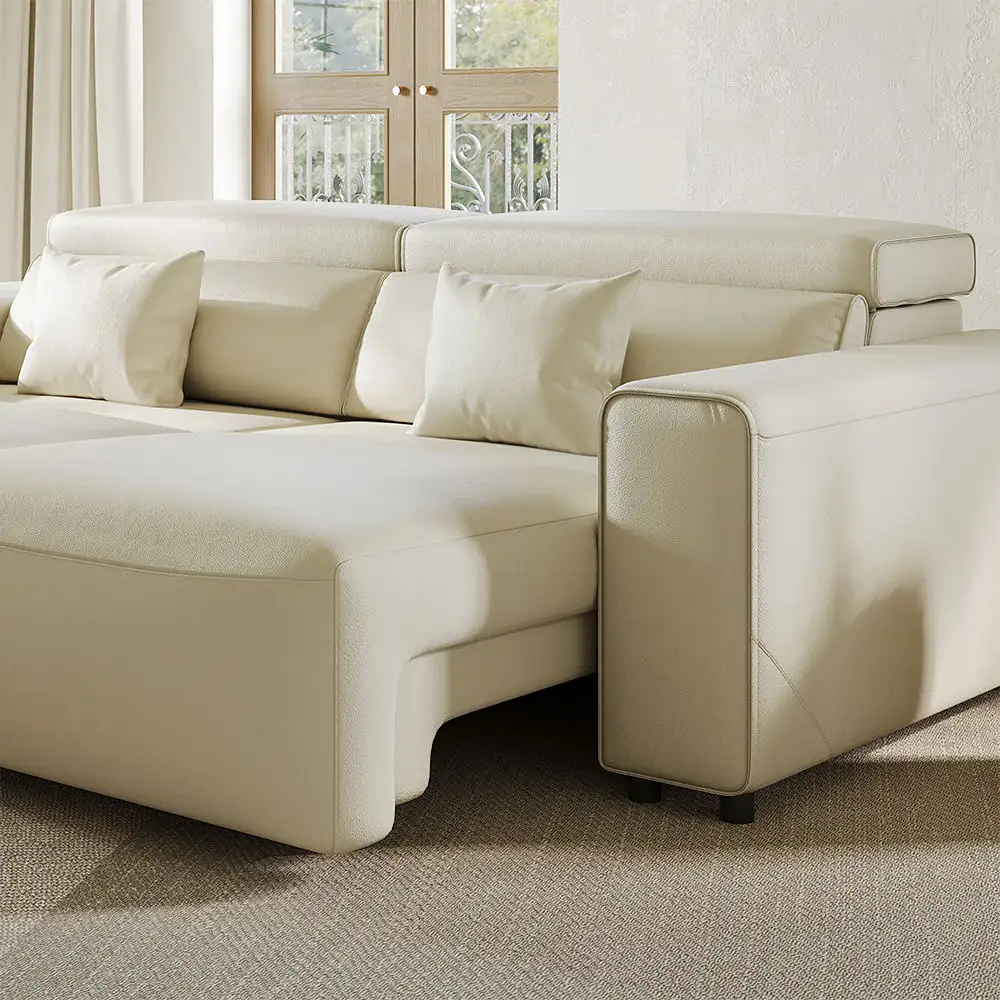
For a room that switches between seating and sleeping frequently, the POVISON Mila Power Sofa Bed removes the separate topper-and-storage step from the routine. Its powered 105°–180° adjustment and 32″–59″ extendable depth move from everyday seating to a near-King sleep platform, while the uninterrupted high-density foam cushion layout creates a flat, continuous surface when fully extended.

Mila Multifunctional Sofa Bed
A practical fit when frequent setup and topper storage have become more inconvenient than the sofa bed itself.
If the sleeper also has to work as a polished everyday living-room sofa, the POVISON Cygnus Power Sofa Bed takes a different route. Top-grain leather covers a one-touch lounge, recline, and sleep system, while high-density resilient foam and memory foam provide built-in cushioning. With support rated up to 500 lbs per seat, it favors substantial everyday seating without adding a separate topper to the routine.
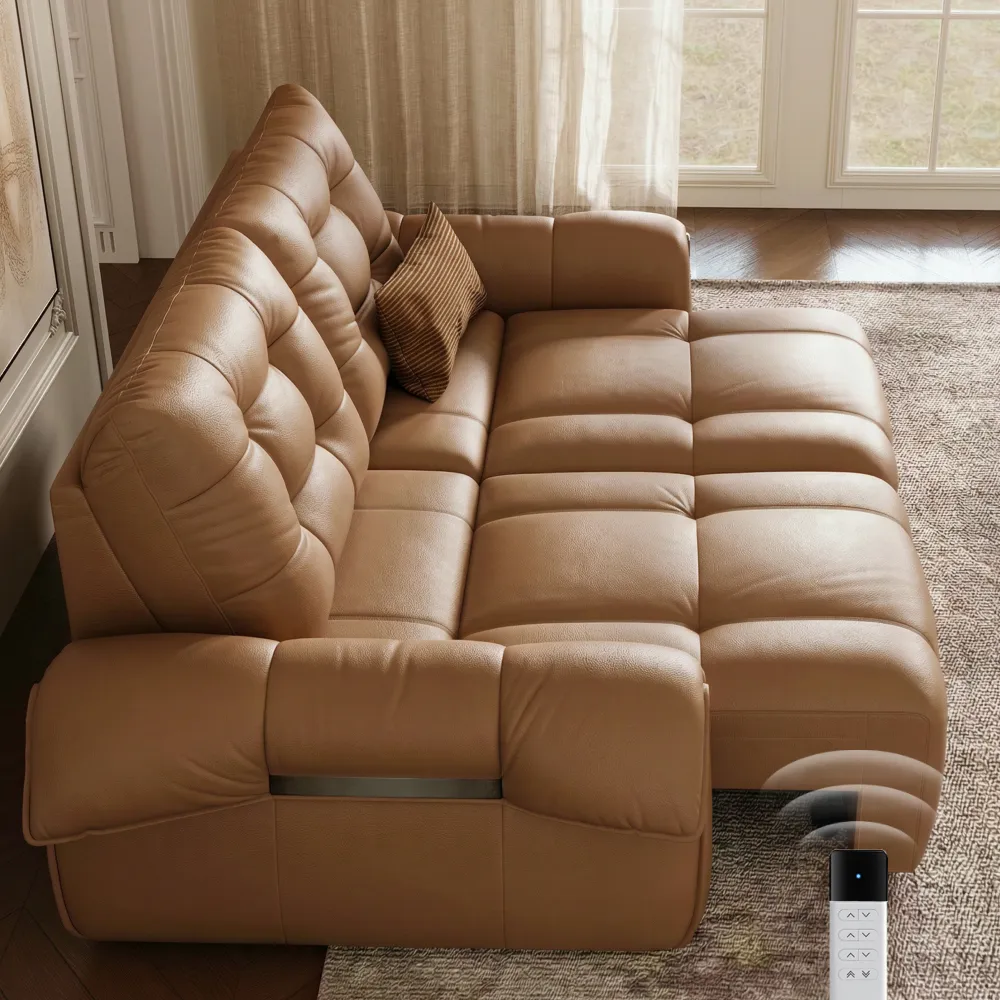
Cygnus Power Leather Sofa Bed
Better suited to a main living room where everyday seating matters first, with a sleeper function ready when needed.
Conclusion
Choosing a memory foam mattress topper for sofa bed comfort comes down to matching the solution to the actual problem. A level, supportive sleeper that simply feels too firm is a strong candidate for added memory foam. Once structural wear, persistent frame pressure, or an inconvenient setup routine becomes the issue, extra thickness offers diminishing value. The most useful topper is therefore not the thickest one, but the one that improves the sleep surface while still fitting the way the room and sofa are used.
Q&A
Can I cut a memory foam topper to fit?
Some uncovered foam toppers can be trimmed, but cutting may leave exposed edges, make the original cover unusable, or affect the warranty. For a short or unusually shaped sofa-bed mattress, check for a custom-size topper first. Only cut one when the manufacturer allows modification and the cover can still fit securely.
Does a mattress topper increase a sofa bed’s weight capacity?
No. A topper can change surface comfort, but it does not increase the load capacity of the sofa bed frame or mechanism. If two adults will use the sleeper, check the manufacturer’s stated weight limit first. A thicker topper should never be used to compensate for a frame that is not designed for the expected load.
Can I use a memory foam topper on a power sofa bed?
Only if the sofa’s design and manufacturer instructions allow it. Power sofa beds often create the sleep surface from moving seat or back sections rather than a separate mattress. A loose topper should be removed before powered adjustment if it could shift into hinges, gaps, or moving parts. Use it only after the bed is fully extended and stable.
When should a memory foam topper be replaced?
Replace it when the foam develops lasting body impressions, cracks, uneven areas, or stops returning close to its original shape. A memory foam mattress topper for sofa bed use may also need replacement when repeated rolling creates permanent ridges or folds that remain noticeable after the foam has fully expanded.


