 By Kelvin

Building a DIY sofa bed lets you customize a multifunctional piece of furniture around your room, budget, and sleeping needs. The challenge is choosing a design that works as a comfortable sofa by day and a stable sleeping surface at night. Before buying lumber or hardware, you need to plan the dimensions, compare conversion mechanisms, and understand how the frame, cushions, and support system work together. This guide walks through the key decisions, materials, construction steps, and common mistakes to help you decide whether building your own sofa bed is practical.
Table of Contents
What Should You Measure Before Building a DIY Sofa Bed?
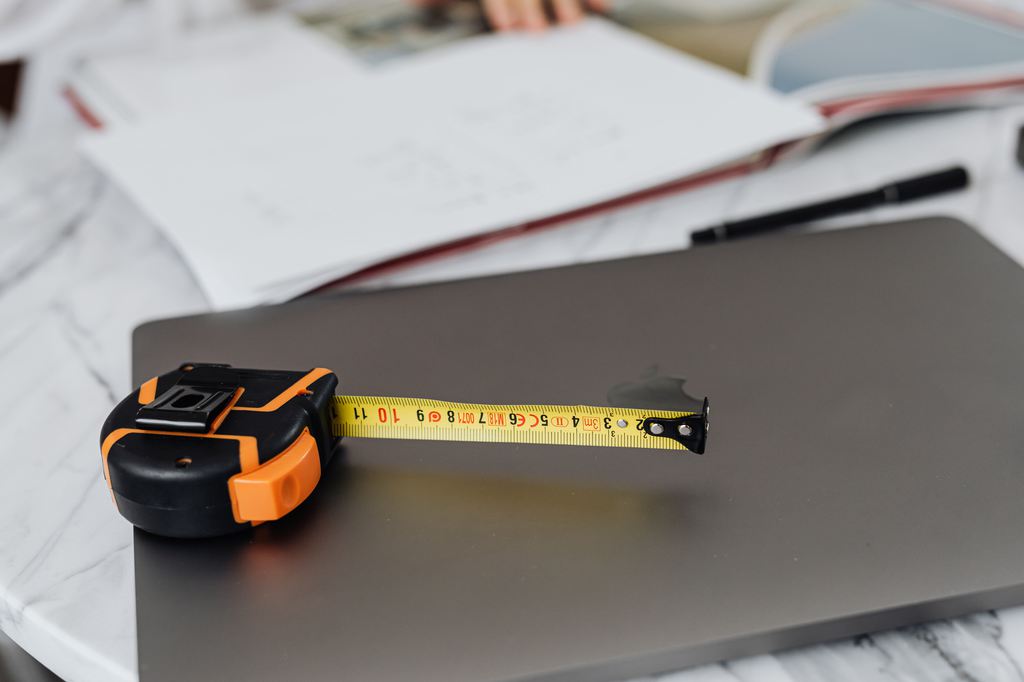
Start with the space the furniture must occupy in both configurations. A sofa that fits neatly against a living room wall may block a walkway when extended. Measure the intended sleeping surface first, then work backward to determine the frame dimensions, seat depth, backrest position, and clearance required for moving parts.
Check these measurements before choosing a design:
- Available floor space: Measure the sofa area and the full extension area, including a usable path around the furniture.
- Sleeping surface: Determine the length and width needed for the intended sleeper or sleepers.
- Everyday seating: Consider seat height, seat depth, and backrest angle for comfortable upright sitting.
- Access and clearance: Account for doorways, nearby tables, outlets, and any mechanism that moves forward or backward.
- Material dimensions: Include the thickness of the frame, upholstery, foam, and support panels in your calculations.
For example, a sofa placed in a narrow apartment living room may work well as everyday seating but leave little room for a pull-out frame. A forward-extending design could be easier to accommodate, provided the extended surface still leaves enough room for safe movement.
Which DIY Sofa Bed Design Fits Your Space?
The conversion mechanism determines how much woodworking, hardware, and clearance your project will require. A simple fold-flat design may be easier to build than a sliding frame, while a pull-out design can create a separate sleeping platform but requires careful alignment. Understanding the differences between sofa bed mechanisms helps you choose a realistic starting point.
| Category | Typical materials or tools | What to check |
| Frame | Structural lumber or suitable plywood | Strength, straightness, and appropriate thickness |
| Connections | Screws, bolts, brackets, and joinery hardware | Compatibility with the chosen frame design |
| Conversion mechanism | Hinges, slides, or a designed folding assembly | Required clearance and load rating |
| Sleeping surface | Support slats or a suitable support panel | Even support and compatibility with the mechanism |
| Comfort | Upholstery foam, cushions, and fabric | Cushion thickness, resilience, and cleanability |
| Tools | Tape measure, square, drill, saw, and sanding tools | Whether your design requires additional equipment |
Choose the design based on the way you intend to use the furniture, not simply how it looks in a finished project photo. A guest bed used occasionally may need a different mechanism from a sofa that changes configurations several times a day.
What Materials and Tools Do You Need?
The materials for a DIY sofa bed depend on the selected structure, but most projects need a stable frame, a supported seating and sleeping surface, suitable hardware, and upholstery materials. Prepare a complete list before purchasing anything so that the dimensions of the frame and moving parts remain compatible.
DIY sofa bed materials checklist:
| Category | Typical materials or tools | What to check |
| Frame | Structural lumber or suitable plywood | Strength, straightness, and appropriate thickness |
| Connections | Screws, bolts, brackets, and joinery hardware | Compatibility with the chosen frame design |
| Conversion mechanism | Hinges, slides, or a designed folding assembly | Required clearance and load rating |
| Sleeping surface | Support slats or a suitable support panel | Even support and compatibility with the mechanism |
| Comfort | Upholstery foam, cushions, and fabric | Cushion thickness, resilience, and cleanability |
| Tools | Tape measure, square, drill, saw, and sanding tools | Whether your design requires additional equipment |
Do not choose structural materials solely because they are inexpensive. The frame and joints must suit the intended load and conversion method. Use hardware according to its manufacturer’s specifications, and obtain a reliable plan with dimensions before cutting structural components.
Budget for more than lumber. Hardware, foam, upholstery, cutting services, tool rental, and mistakes can all affect the final cost. If you need to buy several tools for a one-time project, compare the total expense with a ready-made alternative before committing.
How Do You Build a DIY Sofa Bed Step by Step?
Once the design and material list are settled, work in a sequence that lets you check fit and alignment before covering the frame. The exact measurements will vary by design, so use a dimensioned plan rather than treating the steps below as a universal blueprint. If you need help understanding the basic frame assembly process, the principles in this guide to building a standard sofa frame can provide additional context.
Step 1: Measure and Cut the Frame Components
Transfer the approved dimensions to your lumber or panels, marking each component clearly. Check that opposite pieces match and that the intended sleeping surface will fit within the frame. Before fastening anything permanently, arrange the pieces on a level work surface and confirm the overall measurements.
Step 2: Assemble the Main Sofa Frame
Build the base and attach the side and back supports according to the plan. Check that the frame is square and that the joints are secure. A frame that twists or sits unevenly can make the conversion mechanism difficult to operate and leave the finished sleeping surface uneven.
Step 3: Build the Seat and Sleeping Platforms
Install the planned support structure for the seating and sleeping positions. Depending on the design, this may involve fixed panels, slats, or connected sections. Ensure that the support system suits the intended load and that moving sections will not collide with the frame when the sofa opens or closes.
Step 4: Install and Test the Conversion Mechanism
Fit the hinges, slides, or folding hardware according to the manufacturer’s instructions. Move the mechanism through its full range before adding upholstery. Look for binding, uneven gaps, loose fasteners, and pinch points. Never force a mechanism that catches or feels unstable.
Step 5: Add Cushions, Upholstery, and Finishing Touches
After the frame and mechanism pass their initial checks, add the foam, fabric, and removable cushions. Keep upholstery away from moving joints, and make sure cushion placement does not interfere with conversion. Test the completed piece again in both configurations before regular use.
How Can You Make a DIY Sofa Bed Comfortable?
Comfort depends on more than adding thick foam. A successful design must provide a supportive sitting position, a reasonably even sleeping surface, and cushions that stay in place during conversion.
Consider these details when selecting the padding and upholstery:
- Foam support: Choose cushioning that suits both sitting and lying down. Very soft foam may feel inviting initially but compress excessively under repeated use.
- Surface alignment: Check for gaps, raised joints, or uneven sections that could create uncomfortable pressure points.
- Cushion retention: Use a suitable removable fastening or nonslip solution if cushions tend to move during conversion.
- Fabric care: Choose upholstery that matches your household’s cleaning needs and expected wear.
- Bedding compatibility: Confirm that sheets and blankets can be fitted without interfering with hinges, rails, or folding sections.
If the sofa will double as a guest bed several times a month, test the sleeping surface with the actual cushion arrangement before finishing the upholstery. A design that feels comfortable for a few minutes of lounging may need a different support or padding arrangement for a full night’s rest.
What DIY Sofa Bed Mistakes Should You Avoid?
Many problems become difficult to correct after the frame has been upholstered. Test the structure before adding the finishing materials, and inspect it again after assembly. A simple checklist can help catch alignment and support problems before they turn into expensive repairs.
| Common mistake | Why it matters | What to check |
| Measuring only the closed sofa | The open configuration may block the room | Mark the full extension area on the floor |
| Misaligning the moving hardware | The frame may bind or wear unevenly | Test the complete movement before upholstery |
| Leaving unsupported gaps | The sleeping surface may flex or feel uneven | Check support spacing against the design specifications |
| Fixing loose parts with improvised hardware | Connections may fail under repeated use | Use compatible fasteners and rated components |
| Upholstering before testing | Fabric may hide problems or obstruct moving parts | Complete repeated open-and-close tests first |
Do not assume that adding a board automatically makes an unsuitable frame safe. A sleeper sofa support board may help address certain support issues, but compatibility, clearance, and the sofa’s rated capacity still matter. Permanent modifications can also affect a manufacturer’s warranty.
If the frame shifts, the mechanism catches, or the surface flexes unexpectedly under load, stop using it until the underlying problem has been corrected. Do not rely on extra foam or upholstery to compensate for a structural issue.
Power Sofa Bed: A Ready-Made Alternative to DIY Construction
A power sofa bed uses motorized controls to extend the seat for deeper lounging, allowing you to adjust your seating position without building a frame or installing a conversion mechanism yourself. It offers an alternative for households that want flexible seating but prefer a ready-made design over a custom woodworking project.
For households that want a flexible seating area but would rather not build and align a conversion frame, the Aurora Power Sofa Bed offers a ready-made alternative. Its seat depth adjusts from 27 to 45.5 inches with one-touch control, making it easier to move from upright seating to a deeper lounging position. It is a practical fit when convenience matters more than customizing every frame dimension.
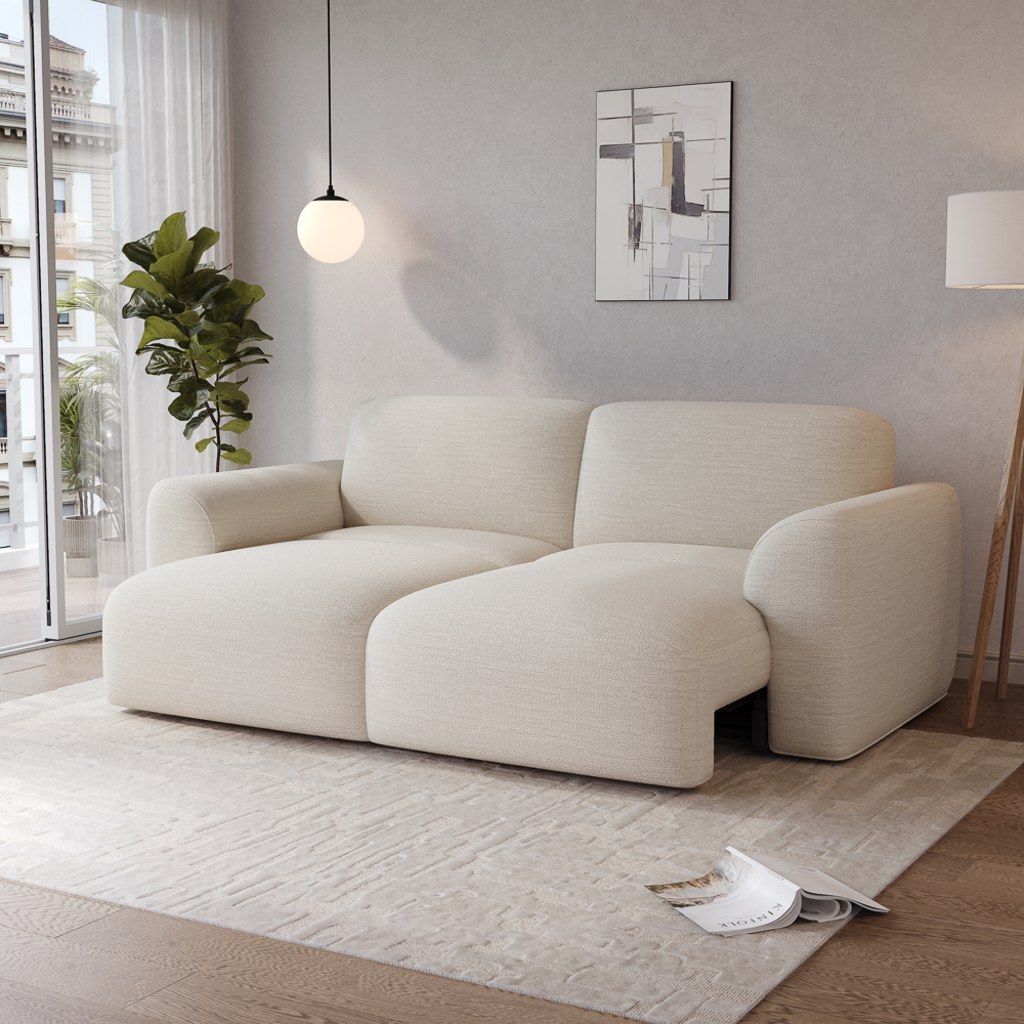
Aurora Power Sofa Bed
A ready-made option for flexible rooms needing everyday seating and deeper lounging.
👍 Best for: Living rooms needing flexible seating
✨ 27–45.5-inch adjustable seat depth
✨ One-touch powered extension
✨ Zero-clearance wall-hugger design
Povison’s overview of power sofa beds for more ways to live explains how powered seating can shift between everyday sitting, deeper lounging, and overnight use. Compare the dimensions and intended sleeping configuration with your needs before deciding whether a ready-made design offers enough flexibility for your room.
Conclusion
A DIY sofa bed can be a useful way to combine everyday seating and occasional sleeping in one piece of furniture, but the result depends on careful planning. Measure both configurations, choose a mechanism that suits your space and skill level, and test the frame and support system before adding upholstery. Consider the full cost of materials, hardware, tools, and time rather than comparing lumber prices alone. If building and troubleshooting a conversion mechanism is more work than you want to take on, a ready-made power sofa bed offers another way to get flexible seating and lounging without constructing the mechanism yourself.

Find the Right Power Sofa Bed
Explore powered seating designs for different room sizes, layouts, and everyday needs.
FAQs
Can I use a regular mattress in a DIY sofa bed?
Sometimes. A fixed platform may accommodate a standard mattress if the frame is sized for it. Folding and pull-out designs need additional clearance for mattress thickness and storage. Measure the mattress and mechanism together before building, and never force a mattress into a compartment that compresses or obstructs moving parts.
What wood is best for a DIY sofa bed frame?
The right material depends on the frame design, load requirements, and connection method. Structural lumber may suit the main frame, while appropriately specified plywood can work for certain panels. Choose materials based on a reliable plan and the intended loads rather than assuming one wood type is suitable for every component.
How can I keep a DIY sofa bed from squeaking?
First identify where the noise originates. Check loose fasteners, misaligned hinges, rubbing panels, and uneven contact between moving parts. Tighten or adjust components according to their specifications, and use lubricant only where the hardware manufacturer permits it. Persistent noise accompanied by frame movement may indicate a structural problem.
Can a DIY sofa bed be used every night?
It can be suitable only if the design is intended for repeated sleeping and provides adequate support and durability. Evaluate the sleeping surface, joints, hardware, and cushioning for regular use. A project designed for occasional guests should not automatically be treated as a permanent replacement for a purpose-built bed.
Can I build a DIY sofa bed without power tools?
A simple fixed-platform daybed-style project may be possible with suitable hand tools and pre-cut materials. Designs involving precise joinery, sliding hardware, or complex folding mechanisms are more demanding. If you cannot make accurate cuts or assemble the mechanism securely, use professionally cut components or choose a simpler design.


[…] always comes with a pull-out or fold-down design, to transform the sofa into a bed when needed, seamlessly accommodating […]