 By Kelvin
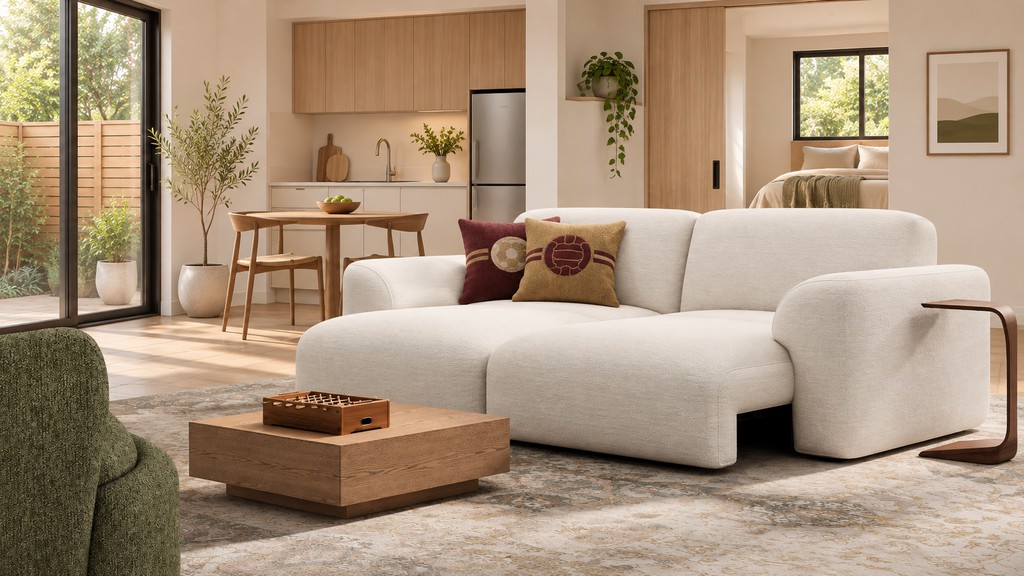
Good ADU interior design ideas do more than make a compact unit look polished; they help the space work for the way someone lives. The challenge is deciding which functions need a dedicated area and which can share space without making daily routines awkward. This guide covers practical layouts for living, sleeping, dining, and working, then explains how to choose furniture based on its everyday and expanded footprint. Whether the unit is a studio or has a separate bedroom, the goal is a comfortable home, not a room packed with clever pieces.
Table of Contents
Step 1: Plan Around How the ADU Will Be Used
Before choosing furniture or a decorating style, identify the ADU’s primary purpose. A backyard guest suite used occasionally has different needs from a rental unit occupied year-round. The most effective ADU interior design plans give permanent space to everyday essentials while allowing less frequent activities to share flexible areas.
Consider how different layouts affect furniture priorities:
| ADU Type | Fixed Priorities | Flexible Functions |
| Studio ADU | Kitchen, bathroom, essential storage | Living, sleeping, dining, and working |
| One-bedroom ADU | Separate bedroom, kitchen, bathroom | Living, guest seating, and working |
| Guest ADU | Comfortable sleeping and basic storage | Lounging, dining, and occasional entertaining |
| Rental ADU | Everyday seating, dining, and storage | Guest sleeping and work-from-home space |
Think about how often each activity happens. Daily activities deserve convenient, comfortable arrangements. Occasional needs, such as hosting overnight guests, may not justify dedicating an entire room or permanent furniture footprint.
For example, a studio ADU occupied by one person who works remotely may need a comfortable living area and a functional work surface every day. A separate guest bed, however, might only be used a few weekends each year. Planning around actual routines helps prevent occasional needs from taking over valuable floor space.
Step 2: Create Functional Zones Without Adding Unnecessary Walls
An open ADU can accommodate several activities without feeling like one crowded room. The key is to establish visual boundaries between functional areas while keeping natural light and everyday movement unobstructed. The most useful ADU layout ideas start with fixed features, such as entrances, windows, and kitchen locations, before assigning furniture to each zone.
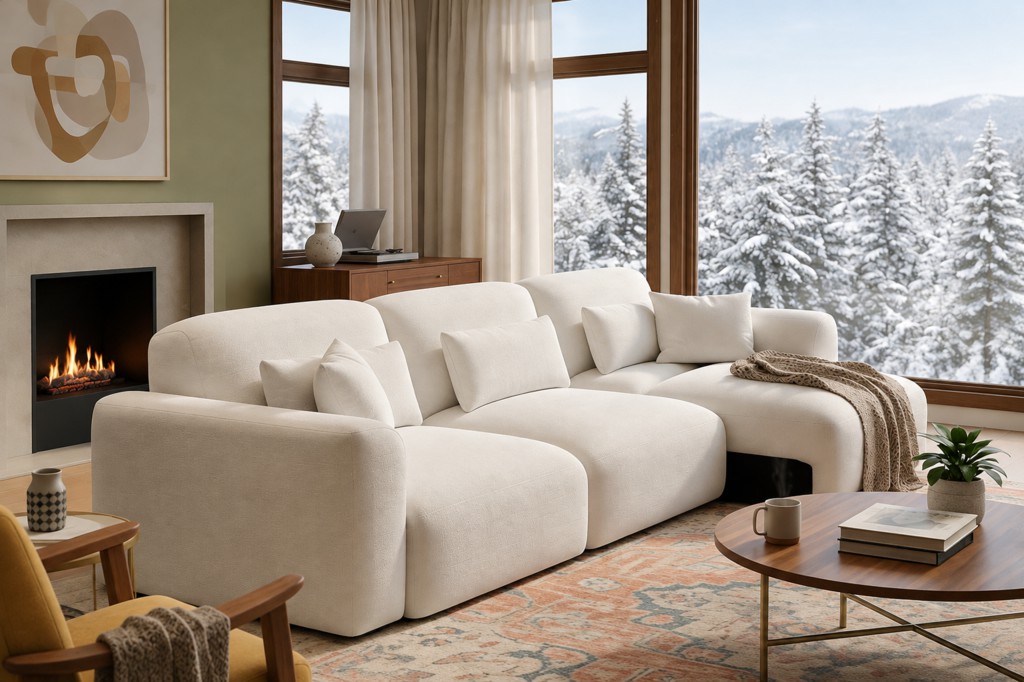
Use furniture placement to define the living area. Positioning a sofa with its back toward the dining area creates a natural boundary without requiring a partition. This works particularly well when the living area also needs to accommodate occasional overnight guests. Similar principles used in living room and guest room layouts can help maintain everyday seating while leaving room for a sleeping setup.
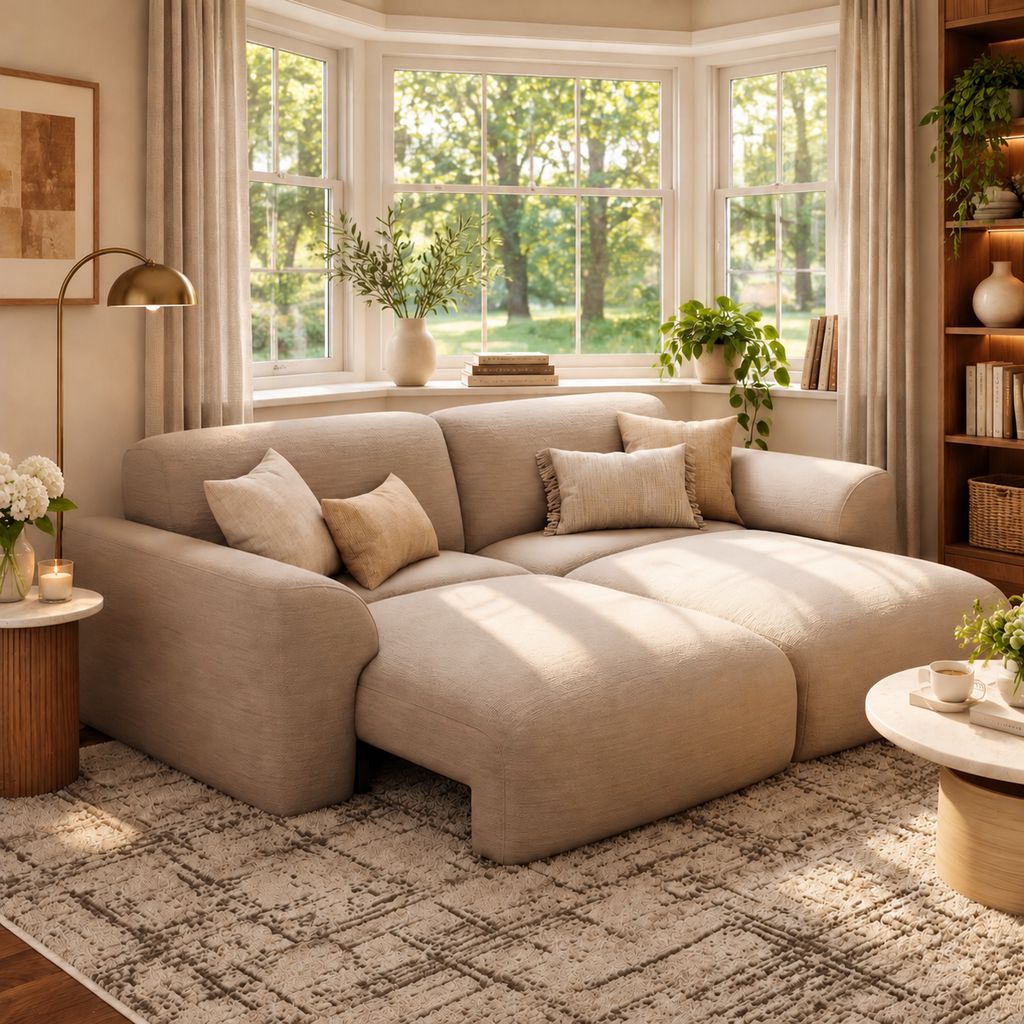
Use rugs and lighting to distinguish activities. A rug can visually anchor the living area, while a pendant light helps establish a separate dining zone. These elements create definition without taking up additional floor space.
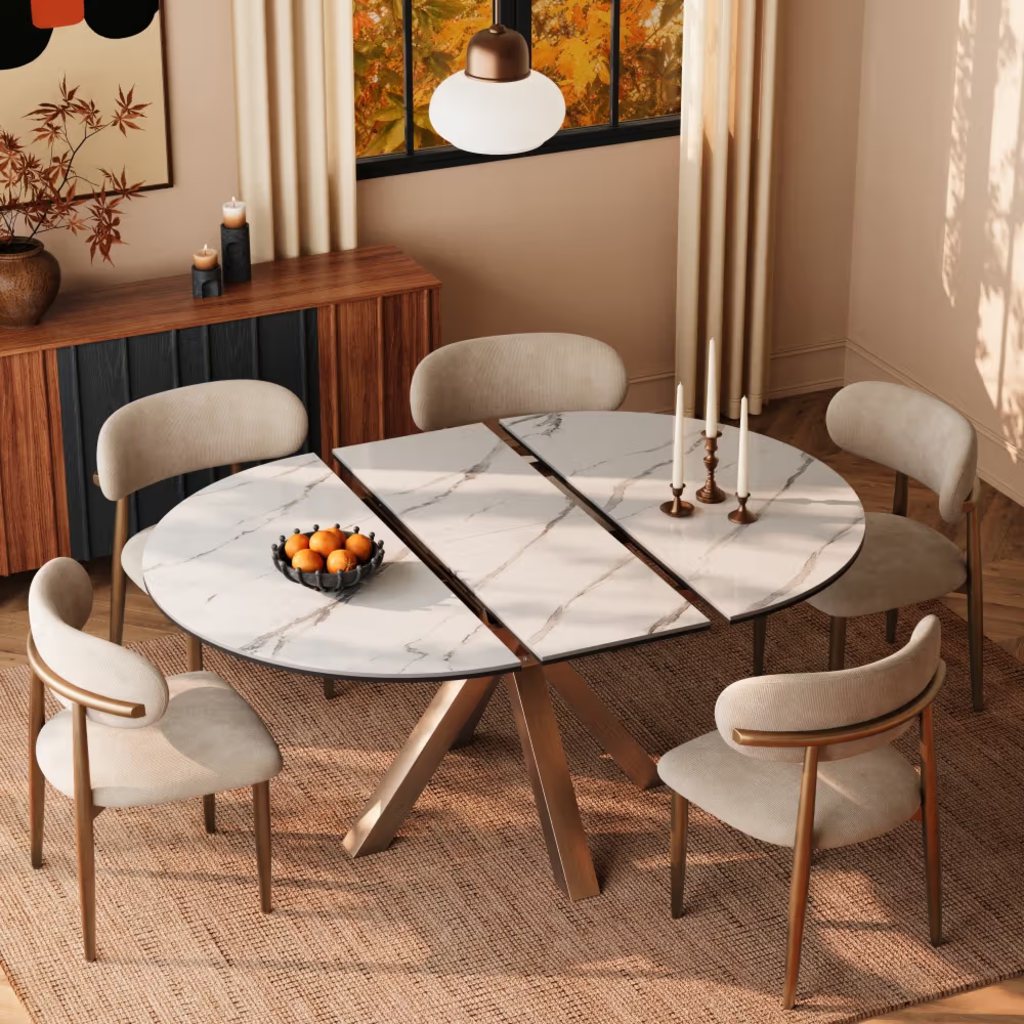
Keep dining flexible when possible. A dedicated dining area does not always need a large table that stays fully extended. If the ADU has a defined dining nook but needs extra seats only when family visits, an extendable table can accommodate both routines.
The important distinction is that an open layout should not eliminate privacy or convenience. A low bookshelf, strategically positioned sofa, or folding screen can provide separation when needed without permanently dividing the unit.
Step 3: Choose Furniture That Handles More Than One Job
Multifunctional furniture is particularly useful when two activities happen at different times rather than simultaneously. A piece should reduce the need for additional furniture without making its primary everyday function uncomfortable. For small ADU design ideas, prioritize furniture that solves a recurring space problem instead of choosing pieces simply because they offer multiple features.
A sofa bed is especially useful when a studio’s living area also needs to accommodate occasional overnight guests. Instead of keeping a separate bed in the main room, the seating area can remain available for everyday use and convert when someone stays over.
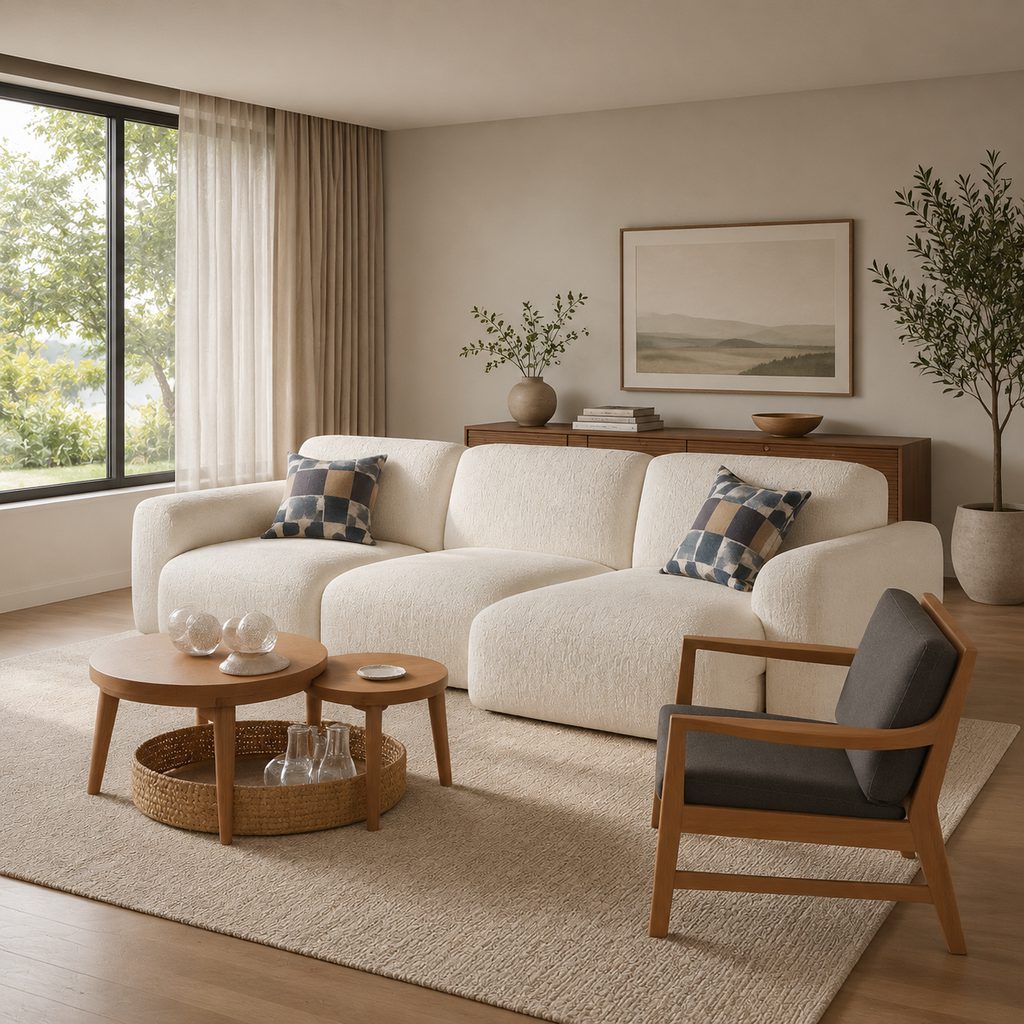
The power sofa beds for everyday lounging and overnight guests approach offers another way to handle this transition. Some designs allow the seating depth to adjust for lounging before extending further to create a sleeping surface.
An ADU living area that doubles as an occasional guest room needs seating that can change without a separate bed taking up floor space every day. The Aurora Power Sofa Bed adjusts its seat depth from 27 to 45.5 inches with powered controls, moving from everyday seating to deeper lounging and a sleeping surface. It makes sense when the room can accommodate its full extension.
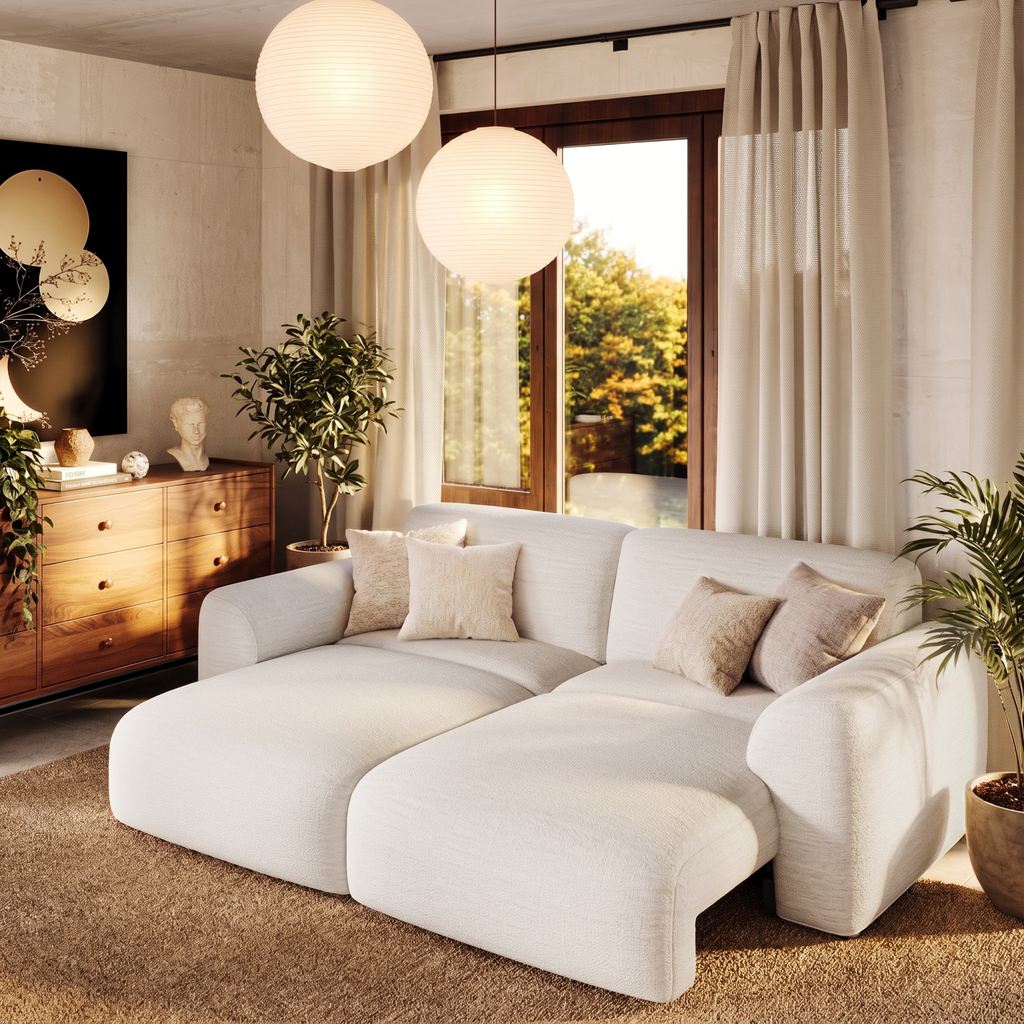
Aurora Power Sofa Bed
Everyday seating expands into deeper lounging and guest sleeping without a separate bed.
👍 Best for: Studio ADUs with occasional overnight guests
✨ 27–45.5-inch adjustable seat depth
✨ One-touch powered extension
✨ 500-lb capacity per seat
Other furniture can also serve multiple purposes. A dining table may double as a work surface, while a storage ottoman can provide extra seating and keep blankets or everyday accessories out of sight. The best arrangement depends on which activities actually share a schedule. If two people need a work surface at the same time as someone else needs the dining table, combining those functions may not be practical.
Step 4: Use Light, Storage, and Flexible Surfaces to Keep the Room Open
Once the main functional zones are established, smaller design decisions can make the ADU feel more organized and comfortable. Instead of adding decorative pieces everywhere, focus on visual continuity, accessible storage, and furniture that supports everyday activities.
Bring in natural light and keep the palette connected. Light wall colors, consistent flooring, and a limited combination of materials help different zones feel like parts of the same home. Mirrors can reflect available daylight, while open shelving maintains some visual connection between areas. Large furniture pieces should complement one another rather than compete for attention.
Use vertical and concealed storage. Wall-mounted shelves, built-in cabinets, and furniture with hidden compartments can reduce the need for additional floor-standing storage. Keep frequently used items close to the areas where they are needed. For example, everyday dining accessories belong near the dining area, while blankets and remote controls should be easy to reach from the sofa.
Choose flexible surfaces for occasional activities. An ADU living area may also serve as a casual workspace or eating area. A lift-top coffee table can provide a more convenient surface without requiring a separate desk for occasional use.
When comparing studio apartment furniture ideas, the same principle applies: choose pieces that support actual routines rather than filling every available corner.
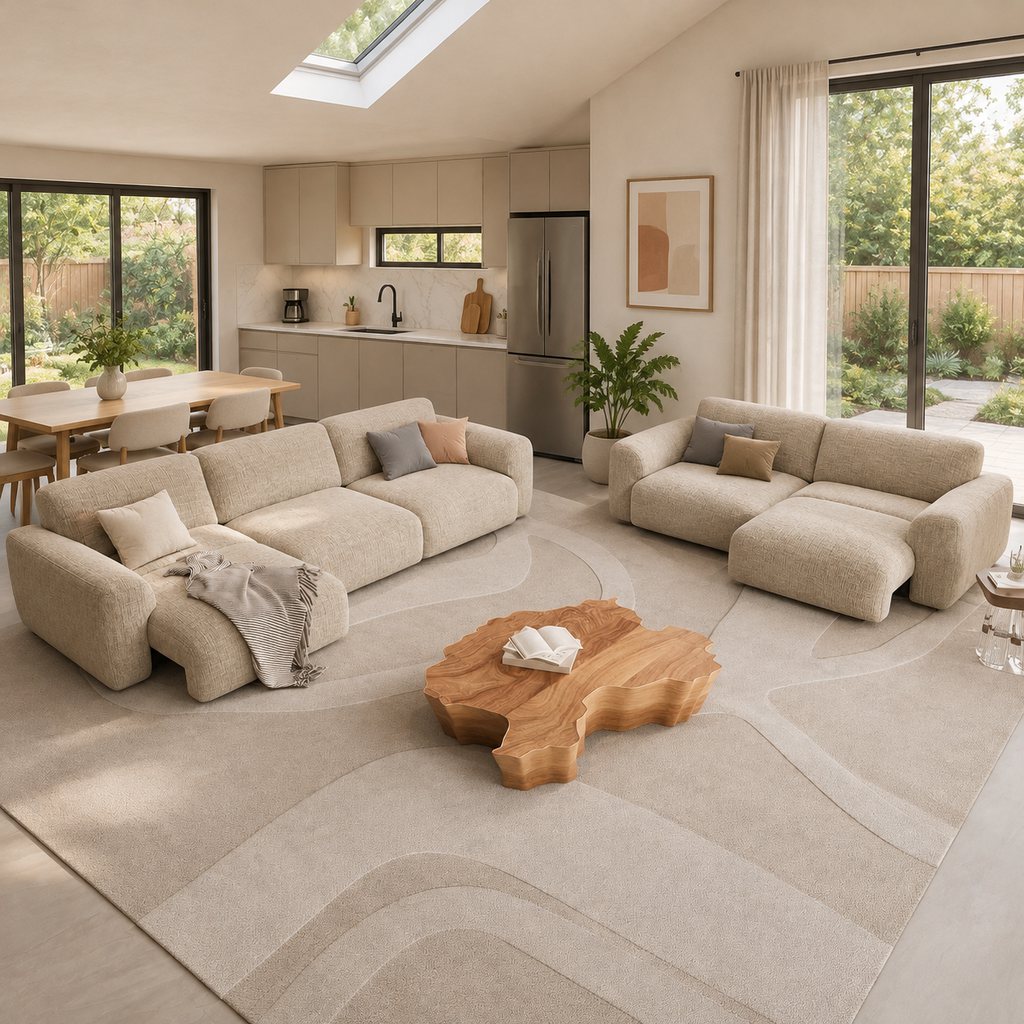
For a living area without a dedicated desk, the Silva Lifting Top Round Coffee Table offers a raised surface for casual meals or laptop use, moving from 16.9 to 23.2 inches high. Two drawers and concealed storage help keep everyday items organized. Its 31.5-inch round footprint works best when there is still enough room for comfortable circulation.
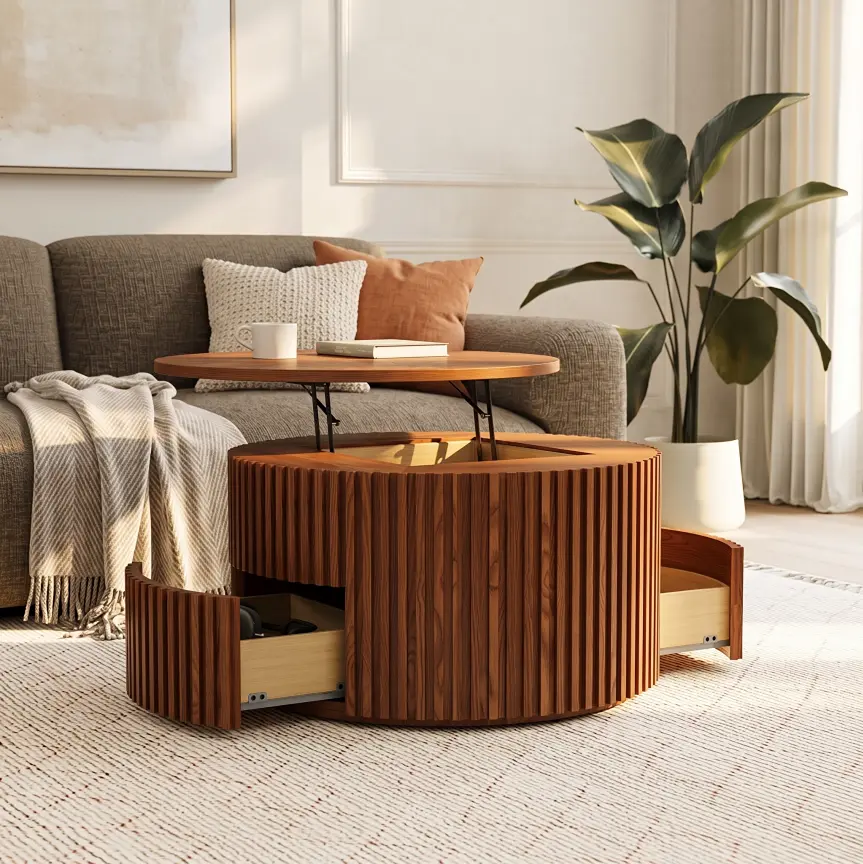
Silva Lifting Top Round Coffee Table
A raised surface supports laptop work or casual meals without a separate desk.
👍 Best for: ADU living zones without desks
✨ 16.9–23.2-inch lift range
✨ Two drawers plus hidden storage
✨ Fully assembled on arrival
A flexible coffee table is useful for occasional tasks, but it should not replace a dedicated ergonomic desk if someone works from home for several hours every day. Choose each piece according to how frequently its additional function will be used.
Step 5: Measure Furniture in Every Position Before Buying
A furniture plan only works if it accommodates the way each piece is actually used. In an ADU, checking the closed dimensions is not enough. Extendable furniture, reclining seats, lift-top tables, and pull-out drawers all need additional operating space.
Before ordering, check these measurements:
- Everyday footprint: Record the furniture’s dimensions in its normal position.
- Fully extended footprint: Measure the entire area needed when a sofa bed, recliner, or extendable table is opened.
- Operating clearance: Check whether drawers, table extensions, and moving mechanisms can function without hitting nearby furniture.
- Walking paths: Make sure people can move between the entrance, kitchen, bathroom, and main living area.
- Delivery access: Compare package dimensions with doorways, hallways, and any tight turns along the delivery route.
A practical way to test a layout is to mark furniture footprints on the floor with painter’s tape. For a sofa bed, mark both its everyday seating area and its fully extended position. Then walk through the room as you normally would, including the route to the kitchen and bathroom.
Pay attention to what happens when several pieces are in use at once. A dining chair pulled away from the table, a raised coffee table, and an extended sofa can create overlapping spaces even when each item fits individually.
This is especially important when planning around a larger piece of furniture. A comfortable sofa that fits against a wall may still make the entire room difficult to use once its seating depth increases. Measure first, then choose the arrangement that works across everyday and occasional activities.
Conclusion
Good ADU interior design ideas begin with how the space will be used, not with a shopping list. Give permanent room to the functions that happen every day, then use flexible furniture for occasional sleeping, work, or extra dining. Before buying, check each piece in its fully extended position and make sure doors, chairs, and walkways still work. A well-planned ADU does not need every activity in a separate room; it needs a layout that supports daily routines without making comfort feel like a trade-off.
Find Furniture for Better Everyday Living
Explore thoughtfully designed furniture for different spaces, styles, and everyday living needs.
Q&A: Common Questions About ADU Furniture and Layouts
Is a Sofa Bed or a Murphy Bed Better for a Studio ADU?
A Murphy bed works well when overnight sleeping is frequent and there is a suitable wall for installation. A sofa bed is more practical when the room needs comfortable everyday seating and only occasional guest sleeping. Compare the fully opened footprints, installation requirements, and sleeping preferences before choosing.
Can a Power Sofa Bed Be Placed Directly Against a Wall?
It depends on the model’s mechanism. Some designs extend forward without requiring additional space behind the sofa, while others need a specified wall gap. Check the manufacturer’s installation instructions and test the full movement path before positioning the sofa. Do not assume every retractable model is wall-hugging.
How Much Clearance Should You Leave Around an ADU Dining Table?
As a practical starting point, leave approximately 36 inches between the table edge and nearby walls or furniture. This gives chairs room to move and allows people to pass behind seated guests. If the dining nook cannot accommodate this clearance, consider fewer chairs or a smaller table.
Is a Round or Rectangular Dining Table Better for a Narrow ADU?
A round table can make circulation around a compact dining nook feel less interrupted because it has no corners. A rectangular table may fit better against a wall or in a narrow galley-style layout. In either case, measure chair pull-back space rather than judging fit by the tabletop alone.
Can a Rug Stay Under a Sofa Bed?
Yes, provided the rug remains flat and does not interfere with the moving base, support legs, or extension path. Thick pile, curled edges, and shifting rug pads can obstruct the mechanism. Check the manufacturer’s clearance guidance and test the sofa’s movement carefully after installation.


[…] the space for every day, then consider how each piece fits when closed and fully extended. These studio apartment furniture ideas will help you choose practical pieces, arrange them efficiently, and keep your home comfortable without sacrificing floor […]