 By Kelvin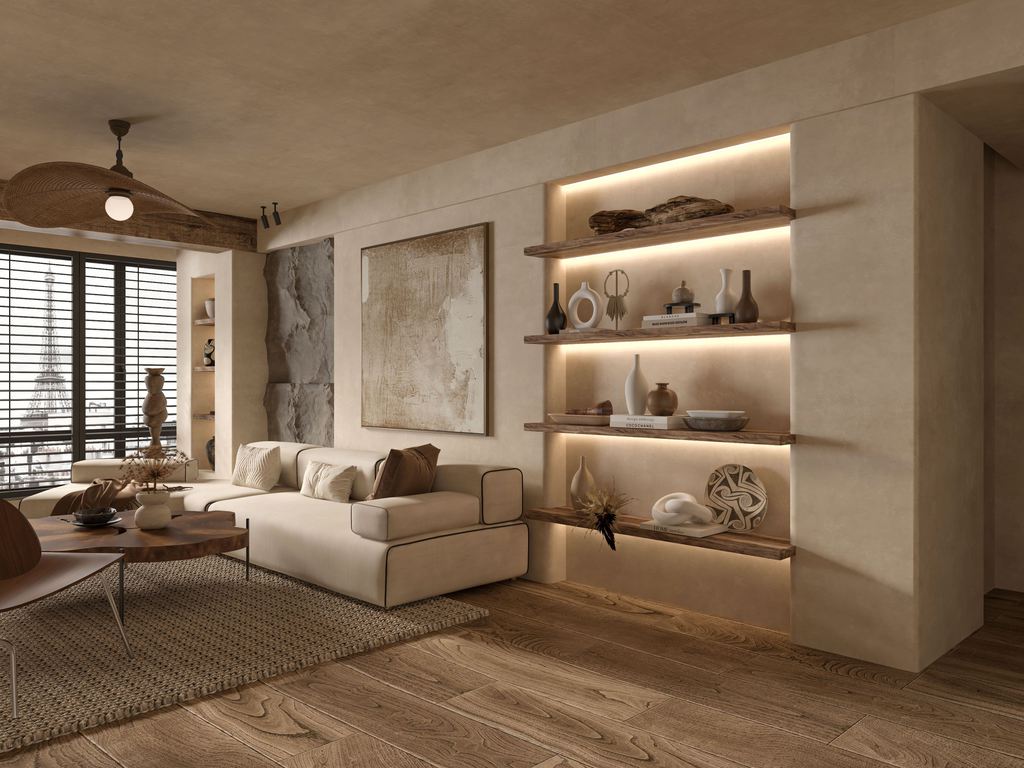
Introduction
Modern Mediterranean interior design is for people who want the warmth, texture, and relaxed character of Mediterranean homes without making a modern house feel themed or overly rustic. The key is not to copy arches, blue-and-white palettes, or old-world furniture piece by piece. Instead, keep your existing architecture and build the look through warm neutrals, mineral-inspired surfaces, natural wood, tactile fabrics, and simpler furniture. This guide focuses on the choices that make the style recognizable, practical, and current in an everyday home.
Table of Contents
What Is Modern Mediterranean Interior Design?
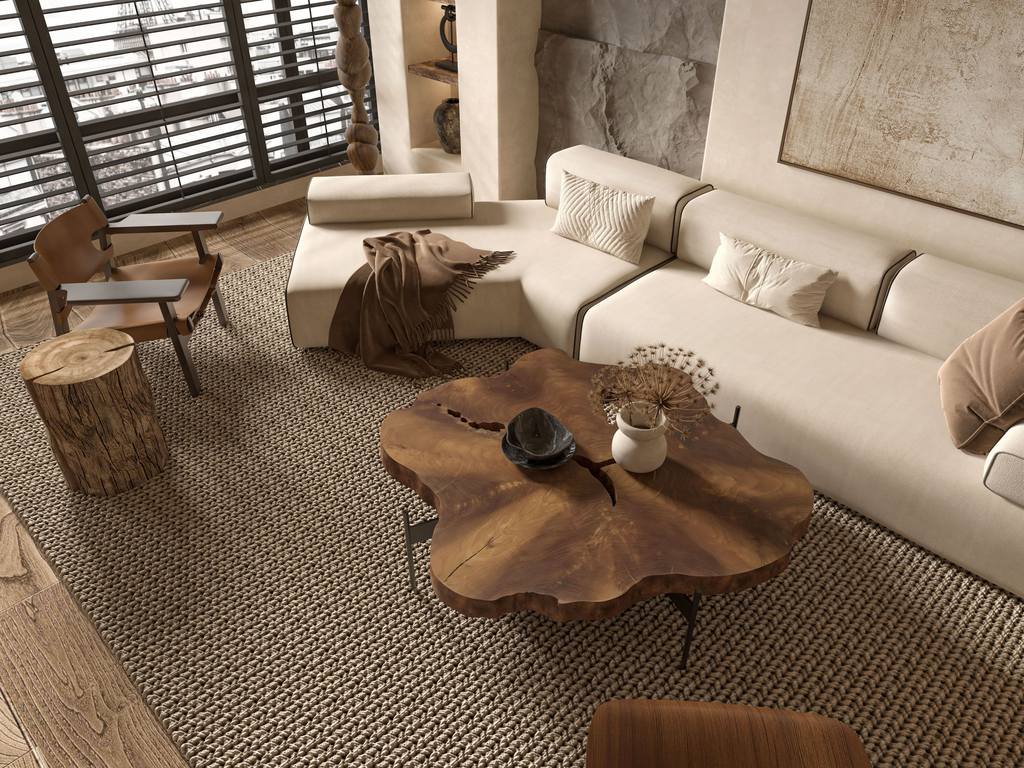
Modern Mediterranean interior design combines the material warmth of traditional Mediterranean homes with the cleaner shapes and visual restraint of contemporary interiors. Traditional Mediterranean interior design often uses plaster, stone, terracotta, wood, ironwork, arches, patterned tile, and richly layered decor. The modern version keeps much of that material character but removes visual heaviness.
The clearest difference is editing. A modern room may use one warm stone table, cream upholstery, a walnut cabinet, and a few ceramic pieces instead of filling every surface with decorative references.
| Traditional Mediterranean | Modern Mediterranean |
| Rich patterns and stronger color | Warm neutrals with controlled accents |
| Carved or substantial furniture | Cleaner, softer silhouettes |
| Decorative ironwork | Small, restrained metal details |
| Layered ornament | Fewer, larger accessories |
| Strong old-world character | Natural texture with modern simplicity |
A Mediterranean style interior can therefore feel unmistakably warm without looking historical. If you are comparing the style with modern coastal interior design ideas, look beyond their shared linen, rattan, and pale colors. Coastal rooms usually emphasize airiness and sea-inspired lightness; Mediterranean rooms rely more heavily on earthy mineral texture, warm wood, clay tones, and architectural influence.
How Do You Create Modern Mediterranean Style Without Remodeling?
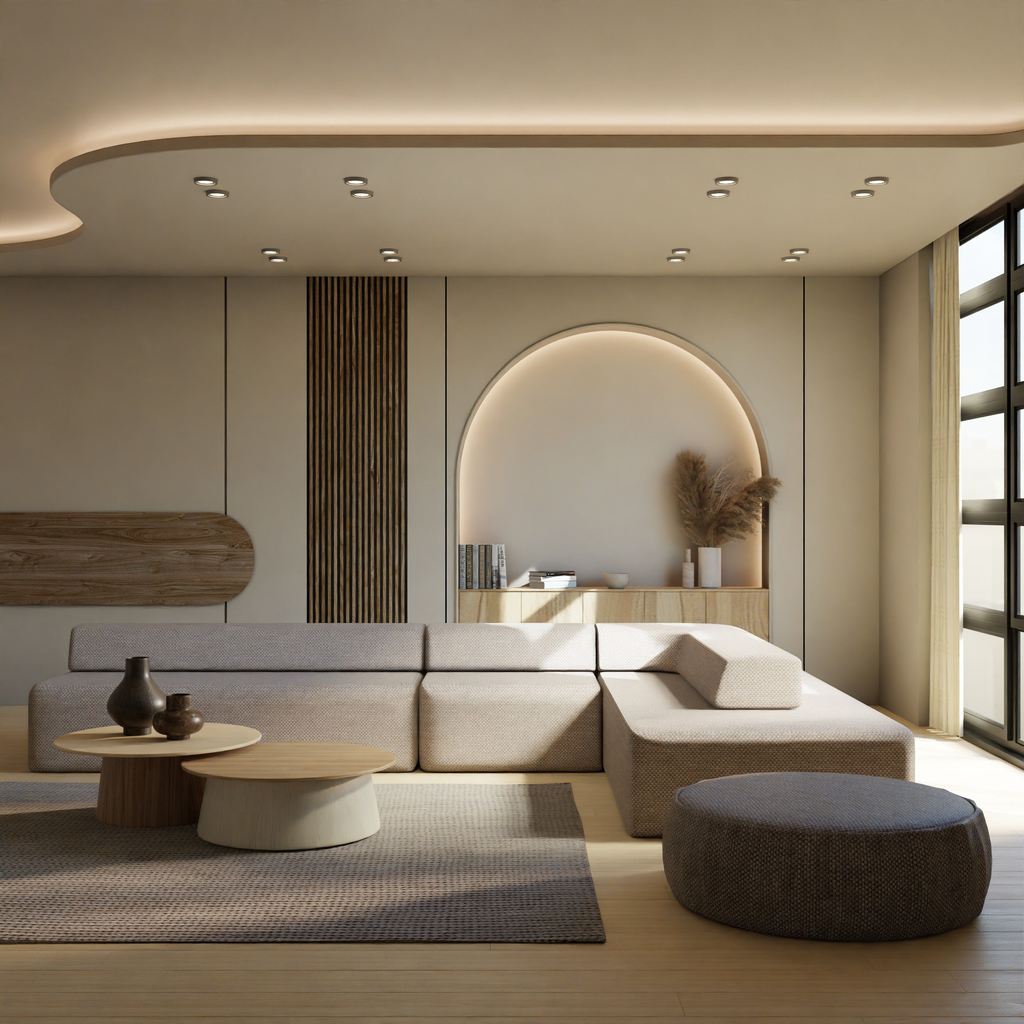
You do not need arched doorways, ceiling beams, terracotta floors, or a Spanish-style house to create the look. In a typical apartment, condo, or suburban home, the more practical approach is to separate the permanent architecture from the elements you can realistically change.
Start in this order:
- Keep the architecture that already works. Plain drywall, conventional windows, and modern flooring do not need to be disguised. Avoid adding decorative faux beams or arches simply to make the room look Mediterranean.
- Change the large visual anchors first. The sofa, coffee table, dining table, rug, and storage furniture occupy much more visual space than small accessories. Warm upholstery, stone or stone-look surfaces, medium wood, and softened shapes can shift the room before decor is added.
- Use smaller details to reinforce the direction. Linen curtains, handmade-looking ceramics, woven baskets, terracotta pots, olive or muted green accents, and warm lamps can add character without overwhelming the room.
This is especially useful in an open-plan living and dining room. A cream sofa and warm wood storage piece can keep the living side quiet, while a stone-toned dining table provides a stronger mineral reference. The two areas feel connected without needing matching furniture.
The goal is not to make every object Mediterranean. It is to create enough consistent material cues that the room reads as one coherent space.
Which Colors and Materials Make the Look Feel Modern?
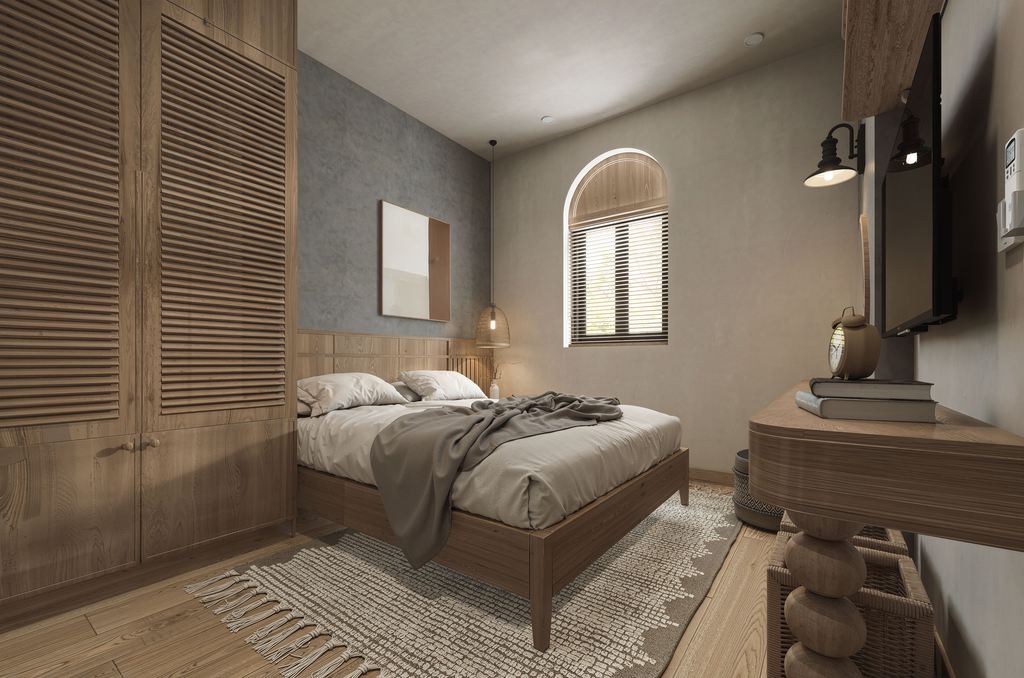
Color provides the background, but material contrast gives the room its Mediterranean character. Modern Mediterranean interior design generally works better when the palette begins quietly and stronger earth tones are used as accents rather than covering every major surface.
| Element | Better Direction | Use Carefully |
| Base colors | Cream, sand, warm white, soft beige | Stark blue-white throughout |
| Wood | Walnut, medium oak, warm natural finishes | Matching dark wood on every large piece |
| Stone | Limestone, travertine tones, matte stone-look surfaces | High-gloss stone across multiple surfaces |
| Accent color | Olive, clay, ochre, muted blue, terracotta | Several saturated Mediterranean colors together |
| Textiles | Linen-like weaves, boucle, textured neutrals | Numerous competing prints |
| Decor | Ceramic, woven fiber, aged metal | Many small themed accessories |
Texture matters more than using a long list of Mediterranean colors. A cream room with warm wood, a matte stone surface, woven upholstery, and one clay-colored accent can communicate the style more clearly than a room filled with blue tile, terracotta, rattan, and patterned textiles at the same time.
Some of these materials also overlap with organic modern interior design. The distinction is where the emphasis falls: organic modern interiors tend to focus on soft natural minimalism, while Mediterranean spaces can carry stronger references to sun-washed plaster, clay, limestone, aged wood, and Southern European architecture.
What Furniture Works in a Modern Mediterranean Home?
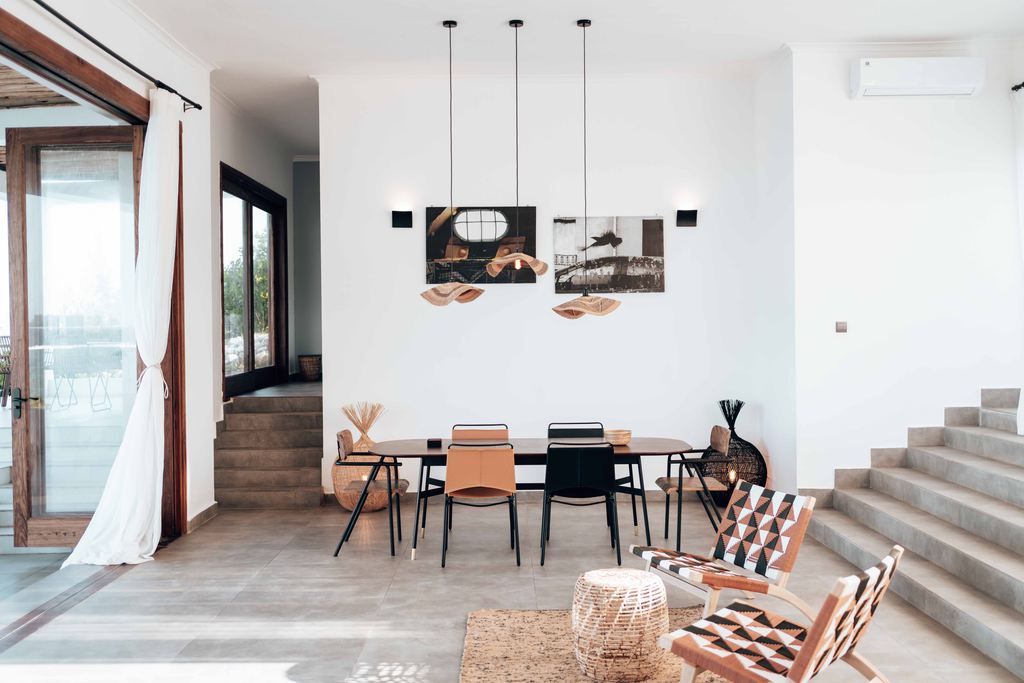
Furniture has to do more than match a reference image. It should translate Mediterranean warmth into forms that still work with the scale, storage needs, and daily routines of a modern home. Instead of shopping for products labeled “Mediterranean,” judge each major piece by its material, visual weight, shape, and relationship with what is already in the room.
Sofa
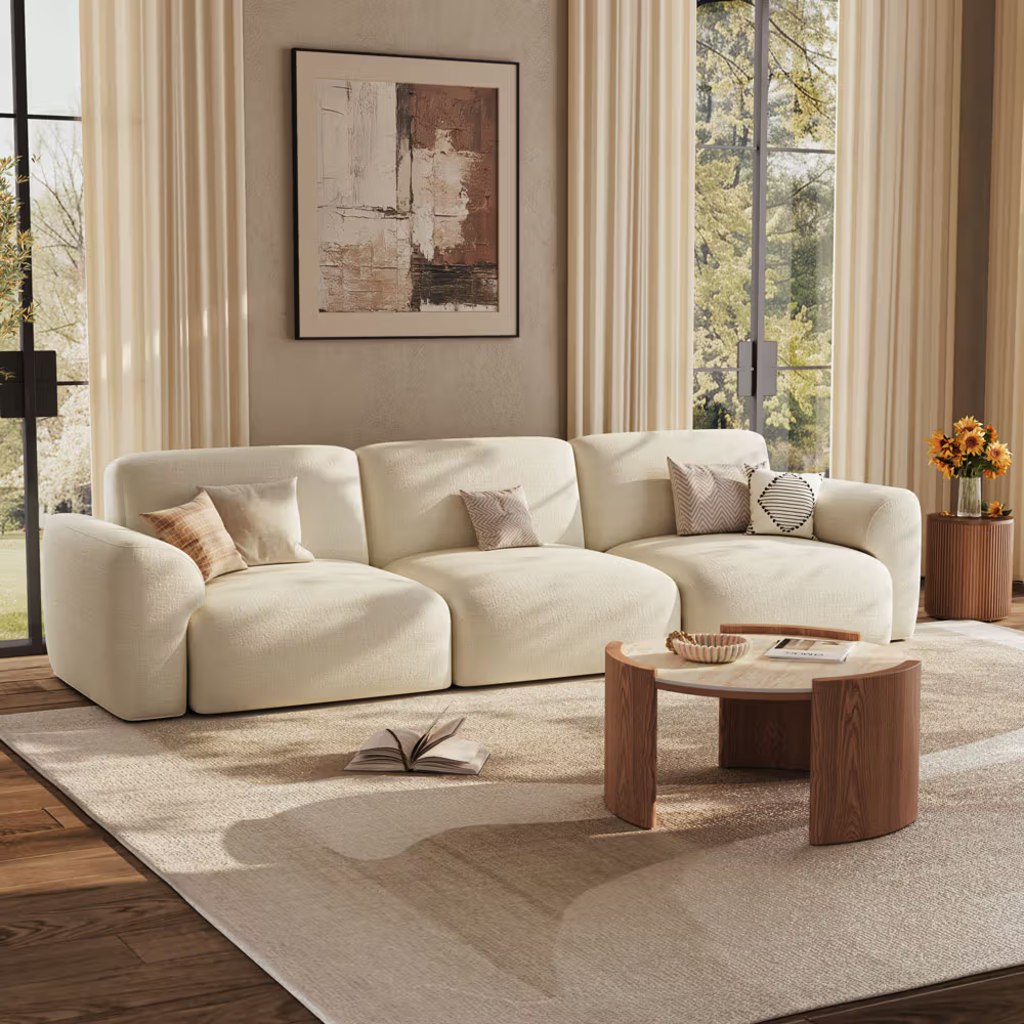
Start with upholstery that gives the room a calm base. Cream, oatmeal, beige, warm gray, and other softened neutrals leave room for wood, stone, pottery, and richer accent colors elsewhere.
The silhouette can be straight or curved, but it should generally feel simpler than a traditional rolled-arm or heavily tufted sofa. Soft curves are useful when the architecture itself is very rectangular because they introduce some of the rounded language associated with arches without altering the building.
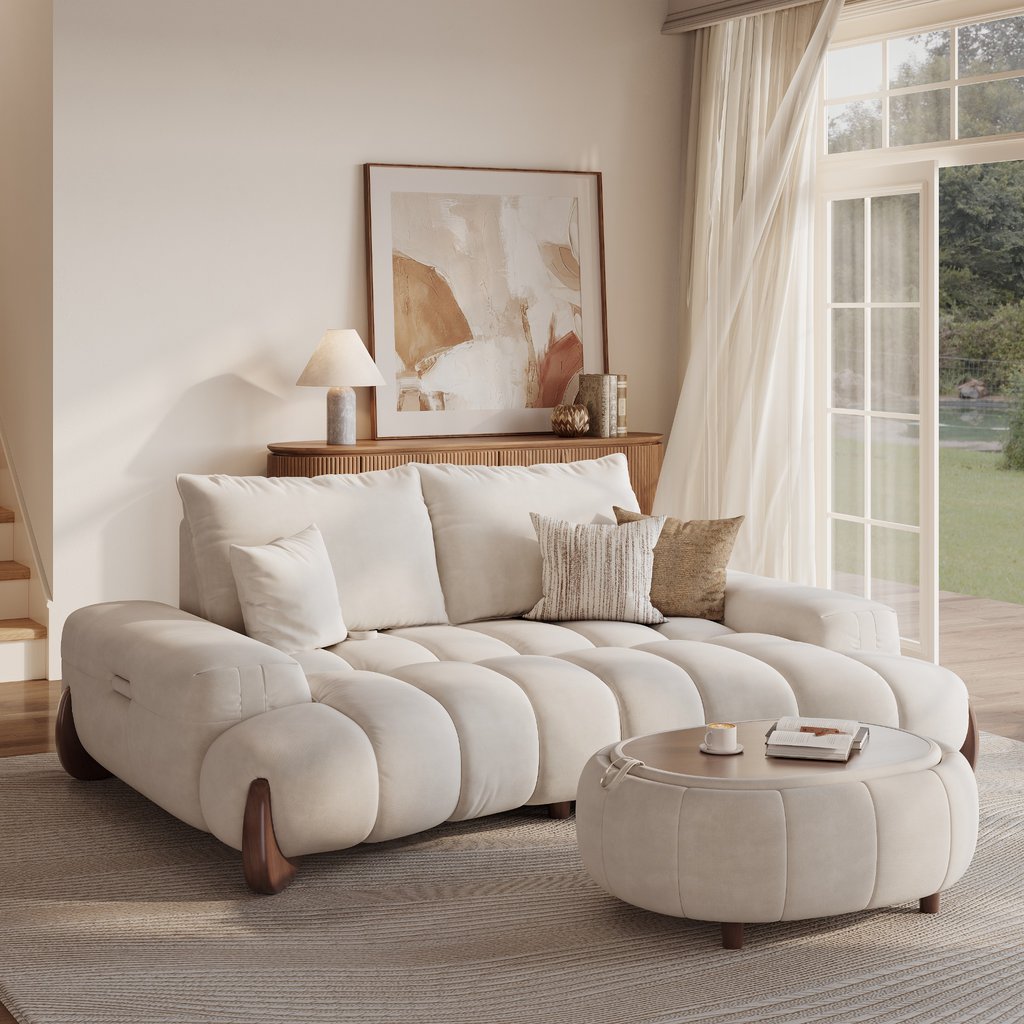
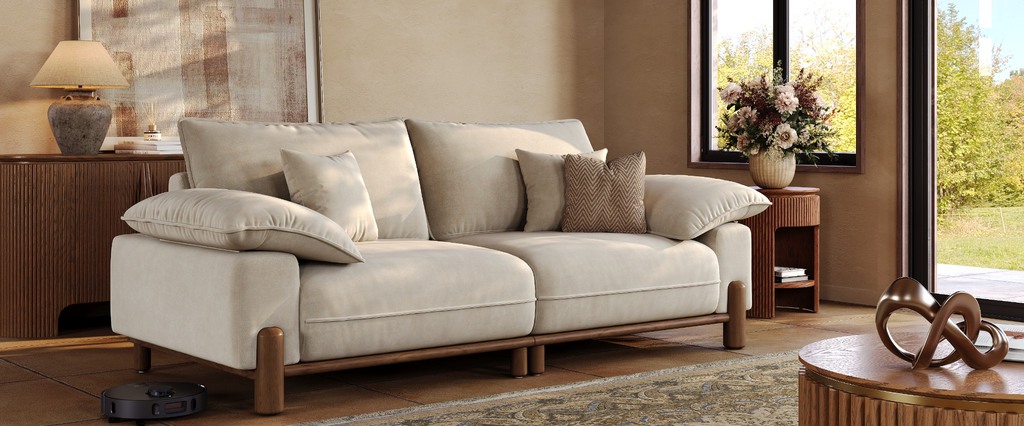
Arlo Mid Century Deep Sofa
A relaxed seating anchor with soft curves, warm tones, and adaptable comfort for modern Mediterranean living rooms.
✨ Pet-friendly textured fabric
✨ Adjustable deep seating
✨ Solid wood leg details
Coffee Table
A coffee table is an effective place to introduce mineral character. Limestone tones, travertine-inspired patterning, matte stone surfaces, or a combination of stone and warm wood add texture near the center of the room.
Keep the shape relatively quiet. Round, oval, softly rectangular, and simple geometric tables usually integrate more easily than highly decorative bases.
Round Matte Sintered Stone Coffee Table
A natural-inspired centerpiece combining stone texture and walnut warmth for balanced Mediterranean-style living spaces.
✨ Matte travertine-look surface
✨ FSC-certified walnut finish
✨ Rounded tripod base
Media Console
TV walls can easily pull a Mediterranean room toward generic contemporary design. Warm walnut, wood grain, woven fronts, or subtle texture can bridge that gap while keeping electronics and everyday clutter contained.
The key is restraint. One textured storage piece is usually more effective than combining a rattan console, woven chair, wicker baskets, and cane cabinet in the same sightline.
This principle also applies when borrowing from modern rustic interior design: natural wood adds warmth, but simpler shapes keep the room from becoming visually heavy.
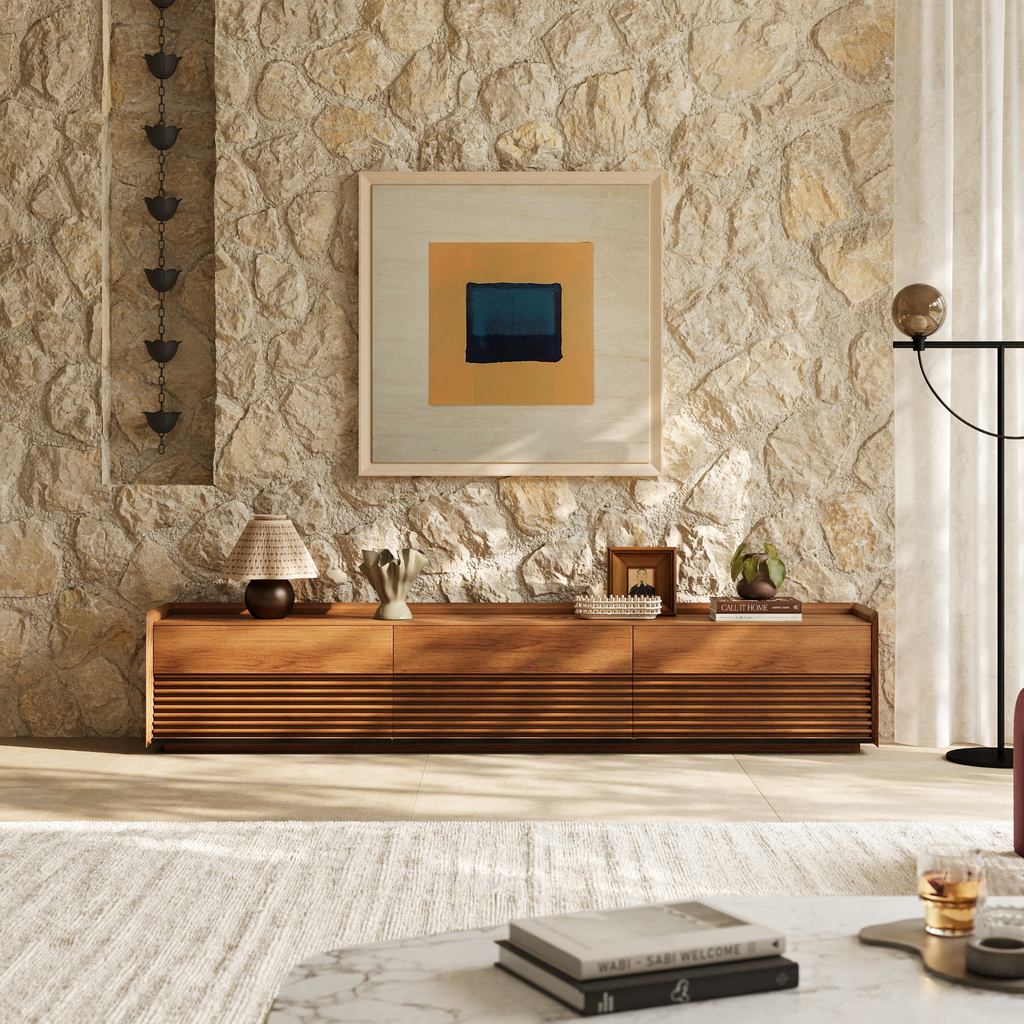
Ansel Mid-Century TV Stand
A low-profile media console adding warm wood storage and understated structure to modern Mediterranean interiors.
✨ Walnut wood finish
✨ Six drawer storage
✨ Adjustable LED lighting
Dining Table
Dining areas can carry slightly stronger material character because the table acts as a clear anchor. Warm wood suits relaxed rooms, while stone or stone-look surfaces reinforce the Mediterranean connection more directly.
For a narrow dining route, an oval or round-ended table can also soften the layout while reducing projecting corners. In a larger room, a substantial rectangular table works when surrounding chairs and lighting remain visually lighter.
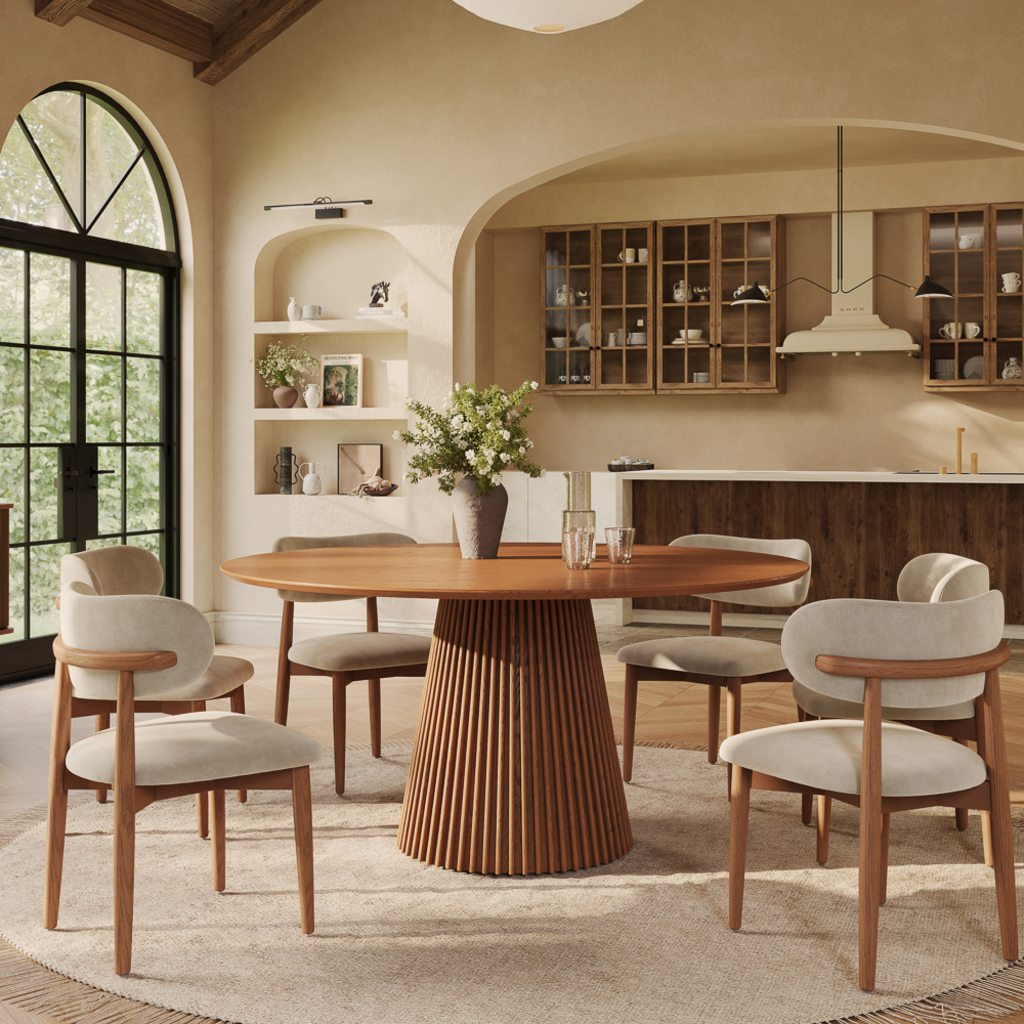
Silva Round Dining Table
A welcoming dining centerpiece with organic curves and warm wood character for everyday Mediterranean gatherings.
✨ Fluted pedestal base
✨ Round space-saving design
✨ Solid wood visual warmth
What Makes Modern Mediterranean Interiors Look Dated?
A room usually looks dated not because it uses Mediterranean materials, but because too many Mediterranean signals are used at once. The style feels more current when the reference is clear but edited.
Common mistakes include:
- Making blue and white the entire scheme. Blue can work, but olive, ochre, clay, rust, walnut, and muted green provide equally useful regional references.
- Adding artificial architectural details everywhere. A curved table, rounded sofa arm, mirror, or niche-shaped accessory can introduce softer geometry without attaching decorative arches to standard doorways.
- Buying matching natural-material furniture. One woven or heavily textured piece has more impact when the rest of the furniture is quieter.
- Using too much dark, distressed wood. Warm grain is useful; excessive distressing can shift the room toward Tuscan, farmhouse, or rustic styling.
- Covering every surface with pottery and baskets. Larger, purposeful objects leave more visual space and make texture easier to notice.
Many Mediterranean decor ideas work individually but compete when combined. Before adding another recognizable motif, check whether the room actually needs more Mediterranean identity or simply more contrast, texture, or warmth.
Conclusion
Modern Mediterranean interior design works best when you borrow its principles rather than copy its most recognizable symbols. Begin with warm, restrained colors, then create depth through wood, mineral surfaces, tactile fabrics, and a few deliberate earthy accents. Let major furniture establish the room before adding smaller decor, and avoid forcing architectural details that do not belong to the home. The result should feel connected to Mediterranean warmth and materiality while still functioning naturally as a modern space you use every day.
Explore More from POVISON
Browse fully assembled furniture created for modern rooms and everyday living.
FAQs
Can modern Mediterranean work in a small apartment?
Yes. Use fewer style-defining pieces rather than smaller versions of many accents. Keep the largest upholstery light, choose one warm wood or stone anchor, and preserve clear walkways. Introduce curves through a round table or furniture arms instead of architectural additions that may make a compact room feel busier.
Can a leather sofa work in a modern Mediterranean interior?
Yes. Look for matte or softly textured leather in cognac, camel, tan, cream, or other warm neutrals, paired with a simple silhouette. Very glossy black leather or bulky traditional shapes can pull the room away from the style. Balance leather with lighter stone, woven textiles, or pale walls to keep the space relaxed.
Do you need real travertine for Mediterranean style?
No. Natural travertine offers genuine variation and porous stone character, but it also requires more consideration around staining and maintenance. Stone-look ceramic, porcelain, or sintered surfaces can provide a similar warm mineral effect. Compare finish, edge detail, durability, and care requirements rather than choosing by pattern alone.
What flooring works with modern Mediterranean furniture?
Existing wood, tile, and even neutral concrete-look flooring can work. With cool gray floors, introduce warmer wood, cream upholstery, and clay accents to correct the temperature visually. With dark wood floors, use lighter large furniture and rugs so the room does not become too visually heavy.
Can modern Mediterranean work in a low-light room?
Yes, but adjust the contrast. Choose cream or warm beige instead of grayish white, keep the largest upholstered pieces relatively light, and limit deep wood to one or two areas. Matte pale stone and layered warm lighting can help surfaces remain visible instead of allowing dark furniture and earthy colors to merge together.


[…] with some designers and collecting the researches. Arches are the popular elements in the Mediterranean house and urban modern home. From the entryway to living room furniture, arches and curves echo each […]
[…] furniture pieces. A room dominated by rectangles may benefit from contrast, while a space with arched openings, rounded windows, or curved walls may need straighter furniture to keep the composition […]