 By Kelvin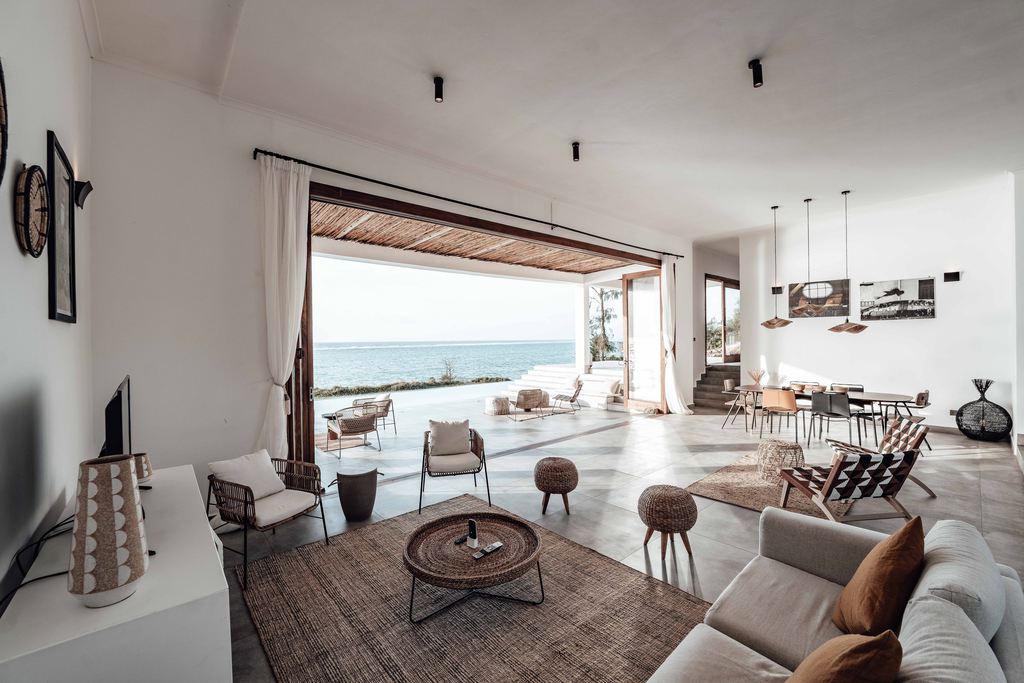
Introduction
Searching for coastal interior design ideas usually means you want more than seashells, blue pillows, or beach signs. You want a home that feels bright, calm, comfortable, and easy to live in, even if you are nowhere near the ocean. This guide explains how to create a coastal look through color, furniture, texture, storage, and room-by-room choices. The goal is a modern coastal home that feels natural and polished, not like a themed vacation rental.
Table of Contents
What Is Coastal Interior Design, and Why Does It Work?
If you are wondering what is coastal interior design, the simple answer is this: it is an interior style inspired by the sea, sky, sand, sunlight, and natural materials, translated into a comfortable home. It works because it uses the same things that make coastal places feel relaxing: light, air, soft colors, texture, and easy movement.
The difference between older beach-themed decorating and modern coastal interior design is restraint. Traditional beach decor often relies on obvious symbols like anchors, shells, ropes, lighthouses, and navy stripes. Contemporary coastal interiors use fewer literal references. They focus on softer colors, cleaner furniture, warmer materials, and better editing.
A modern coastal room usually includes:
- Soft, sun-washed colors instead of harsh contrast
- Natural textures like linen, jute, rattan, cane, or light wood
- Comfortable seating that feels casual but not messy
- Storage that hides daily clutter
- A few coastal accents, not a room full of beach objects
This matters because coastal style can quickly become too themed. A single ceramic vase, woven tray, driftwood-toned table, or ocean-inspired artwork often feels more refined than several small shell decorations spread across every surface.
How Do You Choose a Coastal Color Palette?
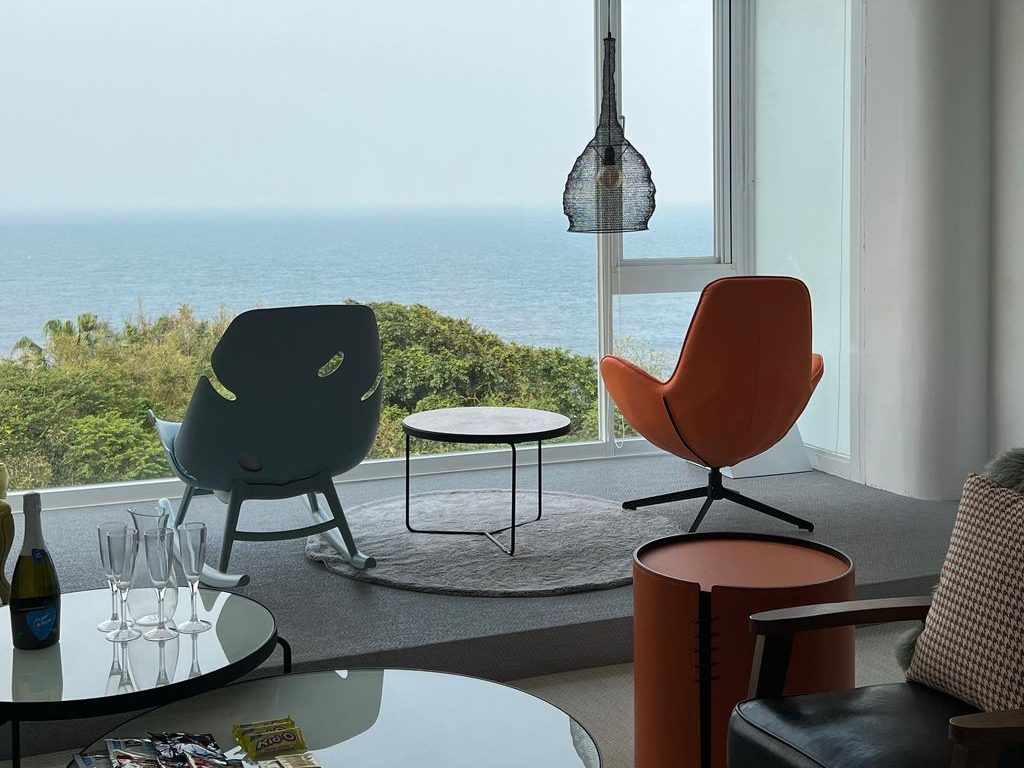
Color is usually the first thing people notice in a coastal room. The safest approach is to start with warm neutrals, then add muted coastal colors in smaller doses. A good coastal palette should make the room feel open and calm without becoming cold, flat, or too blue.
| Color Direction | Best Use | What It Adds |
| Warm white or cream | Walls, sofa, curtains | Brightness without a cold feeling |
| Sand or beige | Rugs, upholstery, bedding | Soft warmth and easy layering |
| Light wood | TV stands, coffee tables, dining tables | Natural texture and relaxed structure |
| Soft blue | Pillows, art, accent chair | A subtle ocean reference |
| Sea-glass green | Vases, textiles, small decor | Freshness without heavy contrast |
| Driftwood gray | Frames, cabinets, woven accents | A weathered coastal feel |
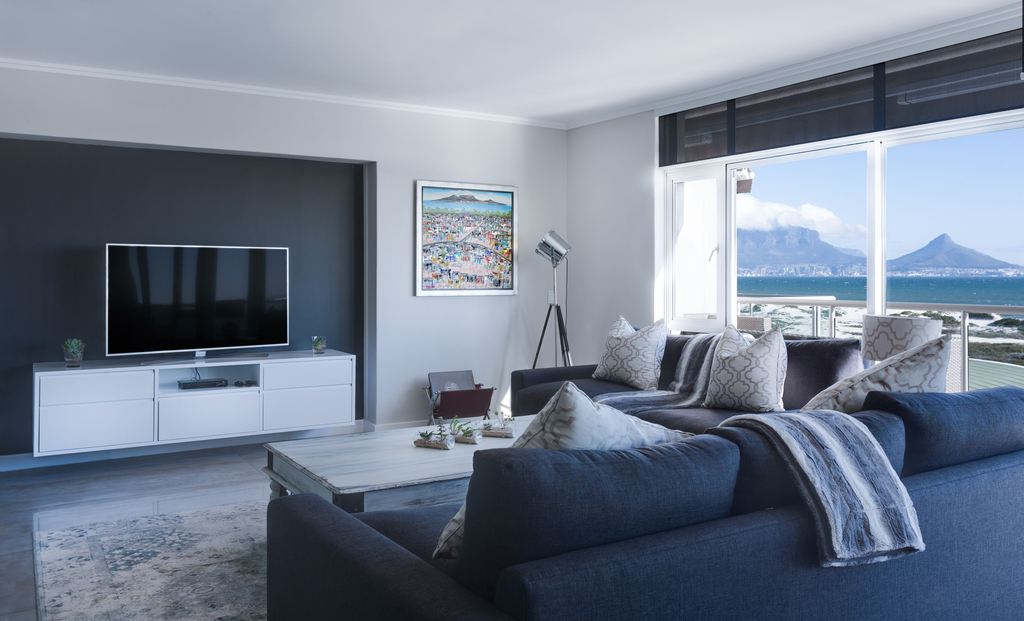
The most common mistake is using only bright white and navy. That can look crisp in a photo, but in real homes it may feel cold or too nautical. A warmer coastal palette is easier to live with because cream, sand, beige, taupe, and pale wood work with many wall colors and flooring types.
If your room has limited natural light, avoid cool gray walls and icy white furniture. Use cream upholstery, warm wood, and woven textures to bring softness back into the space. If your room gets strong sunlight, muted blue, pale green, and textured neutrals can keep the room fresh without making it feel washed out.
How Can You Add Coastal Texture Without Overdecorating?
Coastal texture should feel natural, not crowded. Instead of filling a room with beach-themed objects, use materials that quietly suggest the coast. Linen, cotton, jute, rattan, cane, seagrass, ceramic, and light wood all help create the right feeling.
A simple way to layer texture is to use one item from each category:
- A woven rug or natural-look rug
- Linen or cotton curtains
- A light wood furniture piece
- One ceramic vase or stone tray
- One woven basket for storage
- A soft throw or textured pillow
This keeps the room from looking flat. It also prevents the common coastal mistake of relying too heavily on blue decor. Texture gives the room depth even when the color palette stays neutral.
Wood tone is especially important. Pale oak, light ash, natural beige wood, or whitewashed finishes can all support coastal style. If you are comparing finishes, a light colored wood furniture approach works well because it helps the room feel brighter without losing warmth.
Coastal Interior Design Ideas by Room: Furniture, Layout, and Decor
Coastal style works best when each room starts with the right large pieces, not small beach-themed accents. Use furniture to set the tone first, then layer color, texture, lighting, and decor. This keeps coastal interior design ideas practical for real homes instead of turning the room into a themed display.
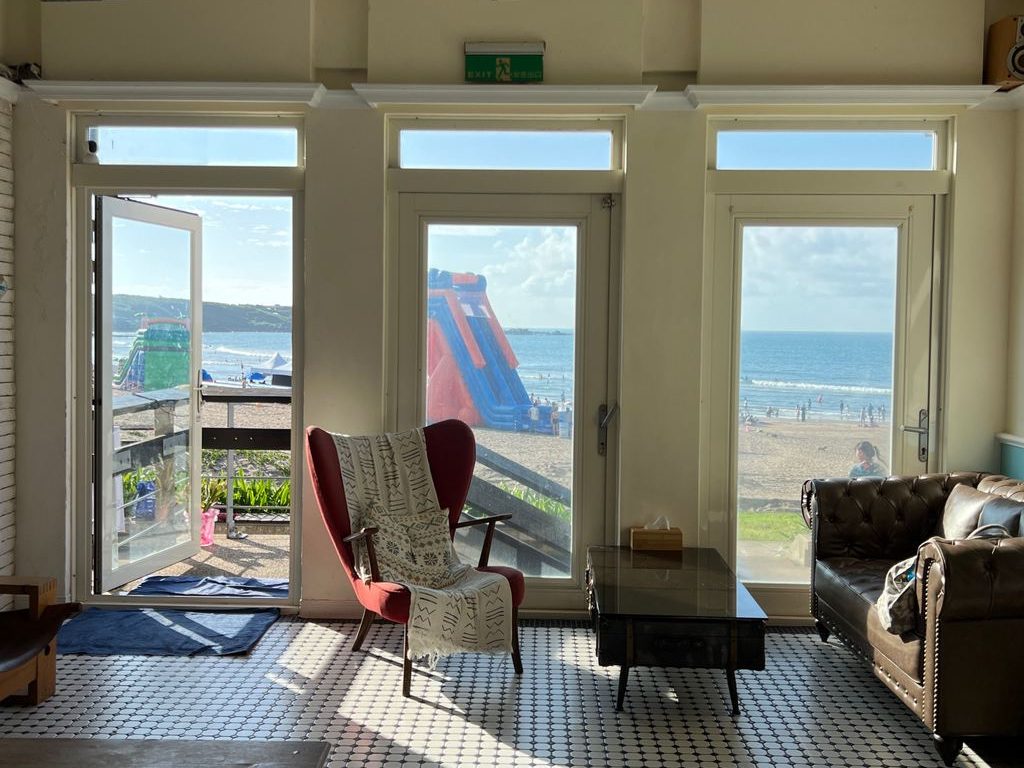
Living Room
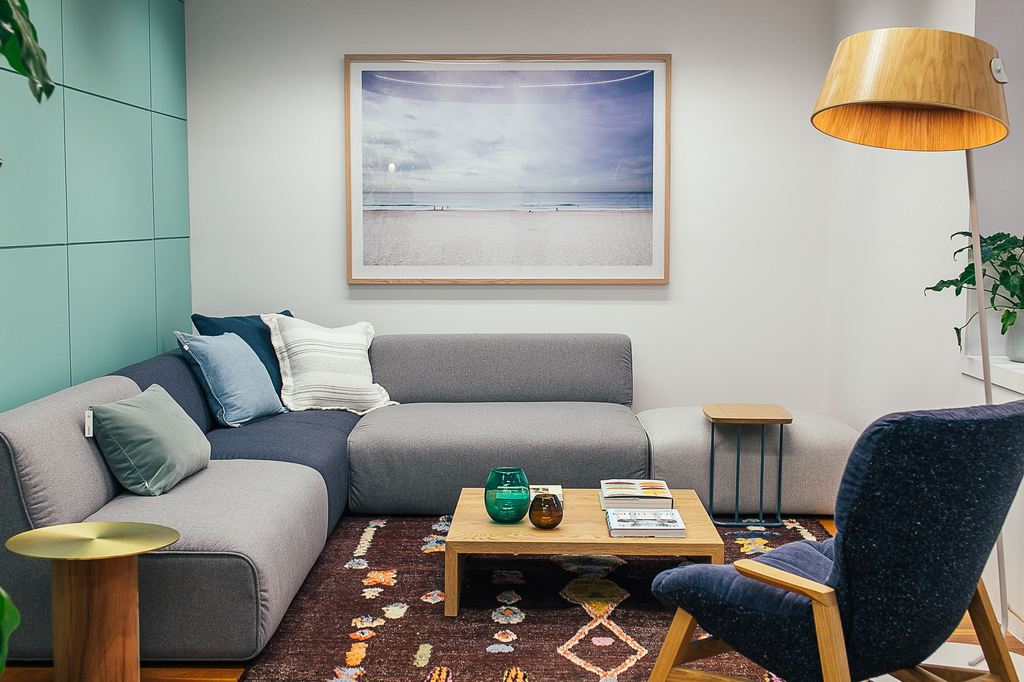
A coastal interior design living room should feel comfortable, bright, and easy to use. Focus on the furniture that shapes the room every day:
- Start with a light, relaxed sofa. Cream, beige, warm white, soft gray, or pale blue upholstery creates a coastal base without feeling too nautical. For homes with kids, pets, or frequent guests, easy-clean fabric is more practical than delicate pure white.
- Use the TV stand to soften the media wall. A large black screen can feel heavy in a light room, so choose a clean-lined TV stand in light wood, warm white, or a mixed finish. Closed storage helps hide remotes, cables, gaming devices, and chargers. If the TV wall needs to match the rest of the room, custom TV stand ideas can help connect finish, scale, and storage.
- Choose a coffee table that supports movement. A round, oval, light wood, stone-look, or storage coffee table works well because it adds texture without making the room feel crowded. In smaller spaces, rounded edges also make the seating area easier to walk through.
- Keep the styling edited. Use a textured rug, linen curtains, one table lamp, a woven basket, and one or two coastal accents. Avoid filling the TV stand or shelves with shells, signs, ropes, and small nautical objects.
- Add one refined reference, not many literal ones. Modern coastal rooms are moving away from heavy beach motifs and toward layered textures, warmer palettes, and more subtle coastal references, a direction also reflected in ELLE Decor’s coastal design trends.
Dining Room
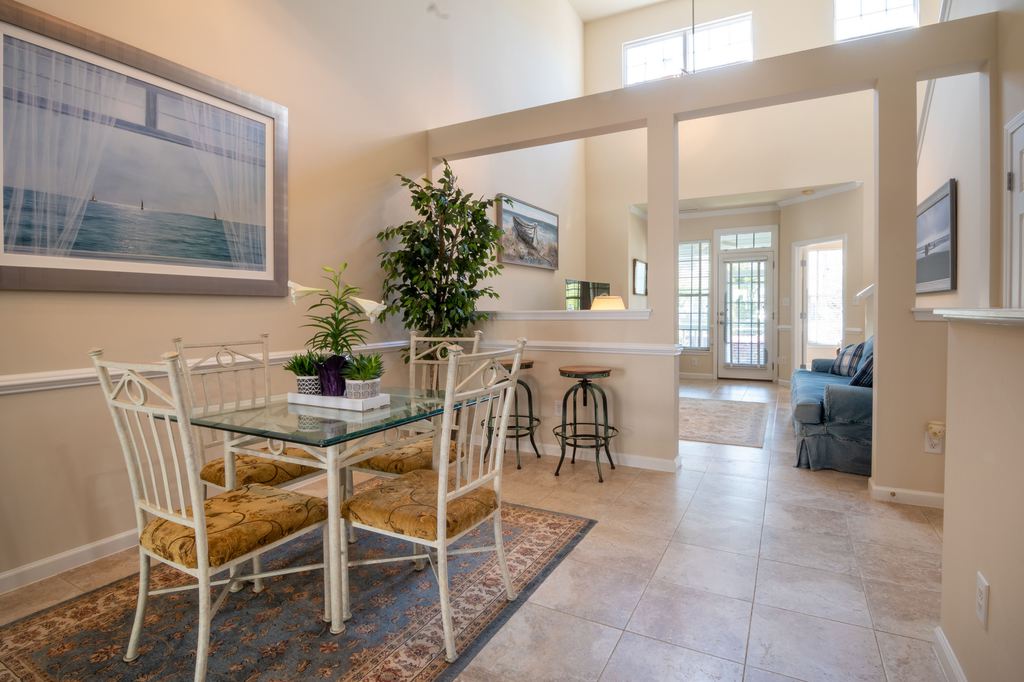
A coastal dining room should feel relaxed enough for daily meals but polished enough for hosting. The best approach is to make the table and storage pieces do most of the visual work:
- Choose a light or warm-toned dining table. Light wood, soft curves, warm neutral finishes, or a simple stone-look surface can support a contemporary coastal interior design direction without relying on blue-and-white decor.
- Use chairs to add texture. Woven backs, cane details, upholstered seats, or pale wood frames add coastal character while keeping the room practical.
- Repeat one material from the living room. In an open-plan space, repeat light wood, rattan, cream upholstery, or soft blue accents so the dining area feels connected rather than separate.
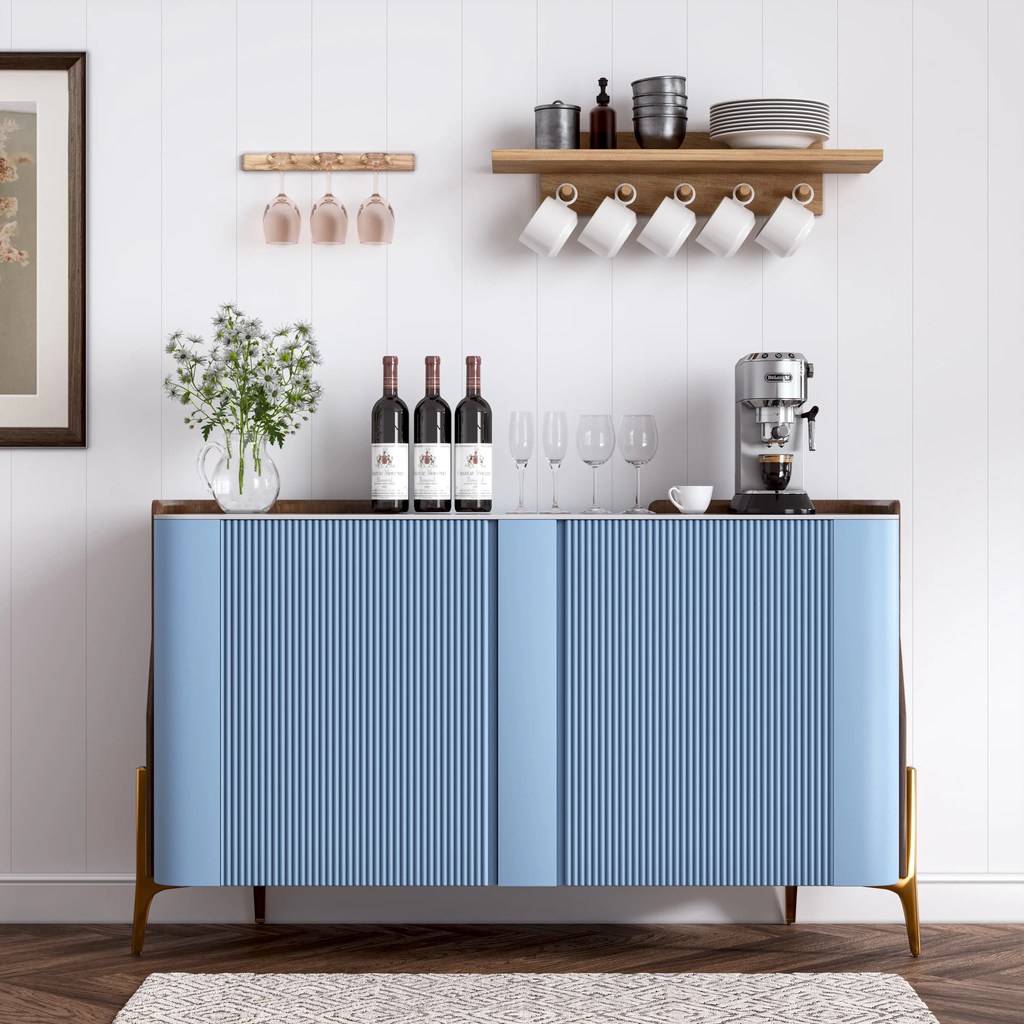
- Add storage to protect the airy look. A sideboard or dining cabinet can hide tableware, candles, napkins, and seasonal decor. Coastal rooms look better when daily items have a place to go.
- Keep the centerpiece low and useful. A ceramic bowl, glass vase, branch arrangement, or woven tray is enough. Avoid tall centerpieces that block conversation or make everyday meals feel staged.
Bedroom
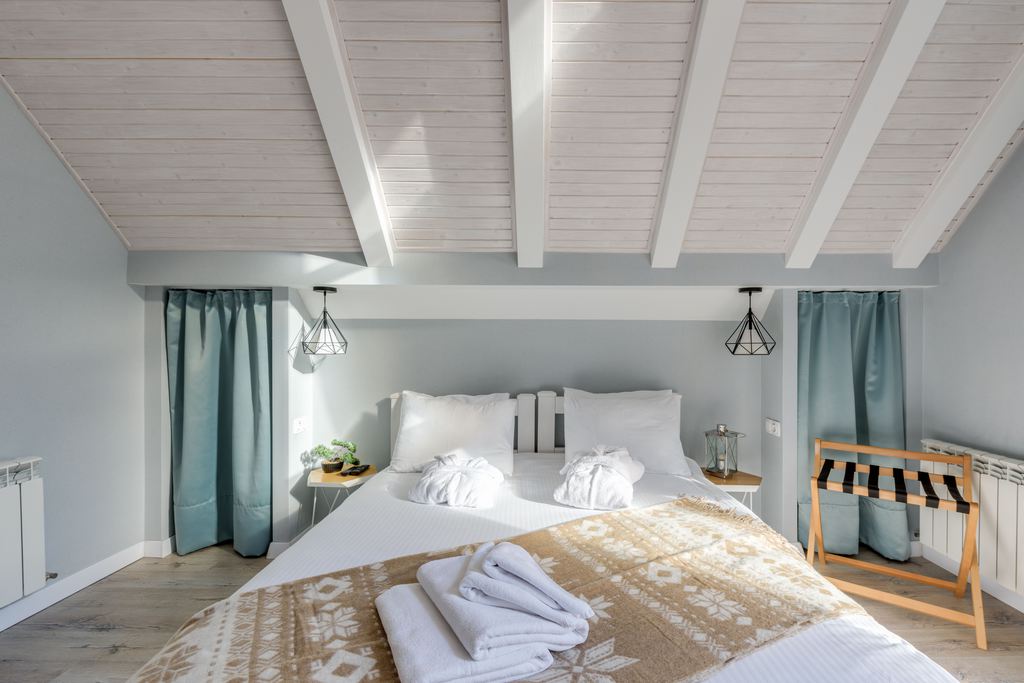
In the bedroom, coastal interior design style should feel calm and restful instead of decorative. The goal is softness, not a strong beach theme:
- Build the room around soft layers. Linen bedding, cream sheets, a beige throw, and light wood nightstands create a calm coastal base.
- Use color lightly. Pale blue, sea-glass green, or driftwood gray works best as a small accent, not the whole room’s personality.
- Keep nightstands simple. A warm lamp, one book, a tray, and one natural accent are enough. Too many small objects make the room feel busy.
- Add texture before adding more decor. If the room feels plain, try woven baskets, linen curtains, a textured bench, or a natural-look rug before adding extra wall art.
- Avoid strong blue-and-white contrast. It can look crisp, but it may feel cold in a bedroom. Warm whites, sand tones, and natural wood usually feel more restful.
Entryway
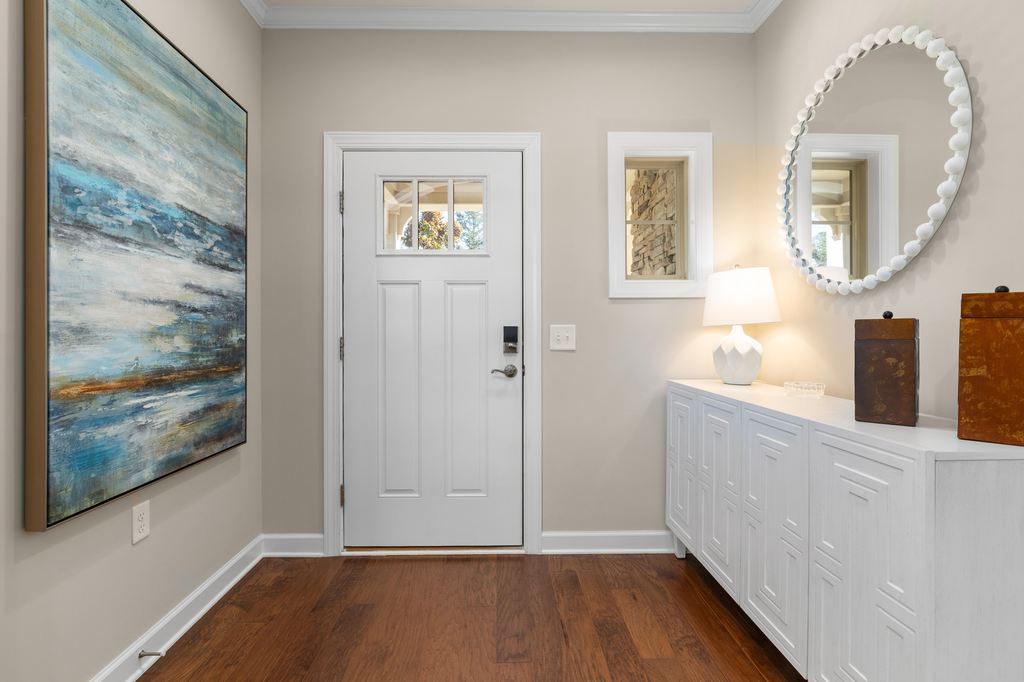
The entryway is small, but it sets the tone for the whole home. It should feel clean, light, and useful from the moment someone walks in:
- Start with one practical furniture piece. A slim console table, storage bench, or small cabinet can create a coastal feeling while holding shoes, bags, keys, or pet items.
- Use a mirror to bring in light. A mirror makes the entry feel brighter and gives the space more visual depth.
- Add storage with texture. A woven basket or natural tray keeps daily items organized while supporting the coastal look.
- Style only the surface you need. One vase, lamp, bowl, or branch arrangement is enough. Empty space is part of the coastal look.
- Keep the entry connected to the rest of the home. Repeat one finish from nearby rooms, such as light wood, cream, rattan, or soft blue, so the entry does not feel like a separate style moment.
What Makes Coastal Decor Look Dated?
Coastal decor looks dated when it becomes too literal. The room starts to feel like a theme instead of a home. The fix is usually not to remove every coastal reference, but to edit the obvious ones and replace them with better materials, scale, and color.
| Dated Choice | Better Coastal Alternative |
| Anchors, ropes, and shell signs everywhere | One abstract ocean-tone artwork |
| Bright white and navy only | Cream, sand, light wood, muted blue |
| Open shelves packed with beach objects | Closed storage with a few styled pieces |
| Very glossy furniture | Matte, wood, woven, or stone-look finishes |
| Too many small decorations | Fewer, larger pieces with texture |
| Cold gray walls and cool lighting | Warm white walls and layered lamps |
A good test is to remove half of the coastal-themed objects and see if the room still feels coastal. If the answer is yes, the design is probably stronger. If the room only feels coastal because of signs, shells, and prints, the foundation needs work.
What Should You Buy First for a Coastal Room?
Start with the largest and most used furniture pieces. This creates a stable base and prevents you from buying small decor that does not match later.
A practical buying order looks like this:
- Choose the main seating, bed, or dining table first.
- Add a storage piece, such as a TV stand, sideboard, or cabinet.
- Choose a coffee table or accent table that adds warmth or texture.
- Add a rug and curtains to soften the room.
- Finish with lighting, art, baskets, and small coastal accents.
This order works because coastal style depends on scale and calm surfaces. A room with a good sofa, warm wood table, and clean storage already feels relaxed. When choosing the middle piece for the seating area, the same practical rules used to pick a coffee table can help balance size, walking space, and daily function. The final layer of decor should support the room’s feeling, not carry the whole style by itself.
Conclusion
The best coastal interior design ideas start with feeling, not decoration. A coastal home should feel bright, comfortable, natural, and easy to live in. Warm whites, sand tones, light wood, textured fabrics, clean storage, and relaxed furniture create a stronger foundation than obvious nautical themes. Once the main pieces are right, a few coastal accents are enough. Whether you are styling a living room, bedroom, or dining area, the most timeless coastal interior design style is calm, edited, and built for real daily life.
FAQ
How can I make my existing furniture work with coastal style?
You do not need to replace every piece. Keep the furniture that already feels light, simple, or natural, then soften heavier pieces with a neutral rug, linen curtains, woven baskets, and warm lighting. If a dark sofa or cabinet feels too strong, balance it with cream textiles, pale wood accents, and fewer small decorations.
What is the easiest way to try coastal interior design on a budget?
Start with textiles and surfaces before buying large furniture. Change pillow covers, add a natural-look rug, use a woven tray, switch to warm white curtains, and clear clutter from open surfaces. These updates make the room feel lighter while helping you decide whether larger coastal-style furniture is worth adding later.
Can coastal style work in a rental home?
Yes, coastal style works well in rentals because it does not require permanent changes. Use removable curtains, light rugs, freestanding storage, table lamps, framed art, and natural textures. If you cannot paint walls or change flooring, focus on movable pieces that brighten the room and reduce visual clutter.
How do I mix coastal furniture with darker wood floors?
Dark wood floors can work with coastal furniture if you add contrast carefully. Use cream upholstery, light wood accent tables, woven rugs, and warm white curtains to soften the floor visually. Avoid filling the room with only dark furniture, because the space may feel more traditional than relaxed coastal.
What should I put on a coastal TV stand?
A coastal TV stand looks best with a few useful, edited pieces. Try a small lamp, ceramic vase, woven tray, stacked books, or one organic object. Leave open space around the decor so the TV wall feels calm. Avoid filling the console with shells, signs, and tiny themed objects.
What window treatments fit coastal interior design?
Light-filtering curtains, linen panels, Roman shades, bamboo shades, or woven blinds all fit coastal interiors. Choose warm white, cream, beige, or natural fiber tones. Avoid heavy dark drapes unless the room needs strong light control, because they can make a coastal room feel less open.
How do I update a traditional room with coastal style?
Keep the strongest traditional pieces, then lighten the room around them. Use cream textiles, natural rugs, softer lamps, woven baskets, and simpler artwork. If the furniture has dark wood or formal details, balance it with relaxed fabrics and fewer decorative accessories so the space feels fresher.


[…] therefore feel unmistakably warm without looking historical. If you are comparing the style with modern coastal interior design ideas, look beyond their shared linen, rattan, and pale colors. Coastal rooms usually emphasize airiness […]