 By Kelvin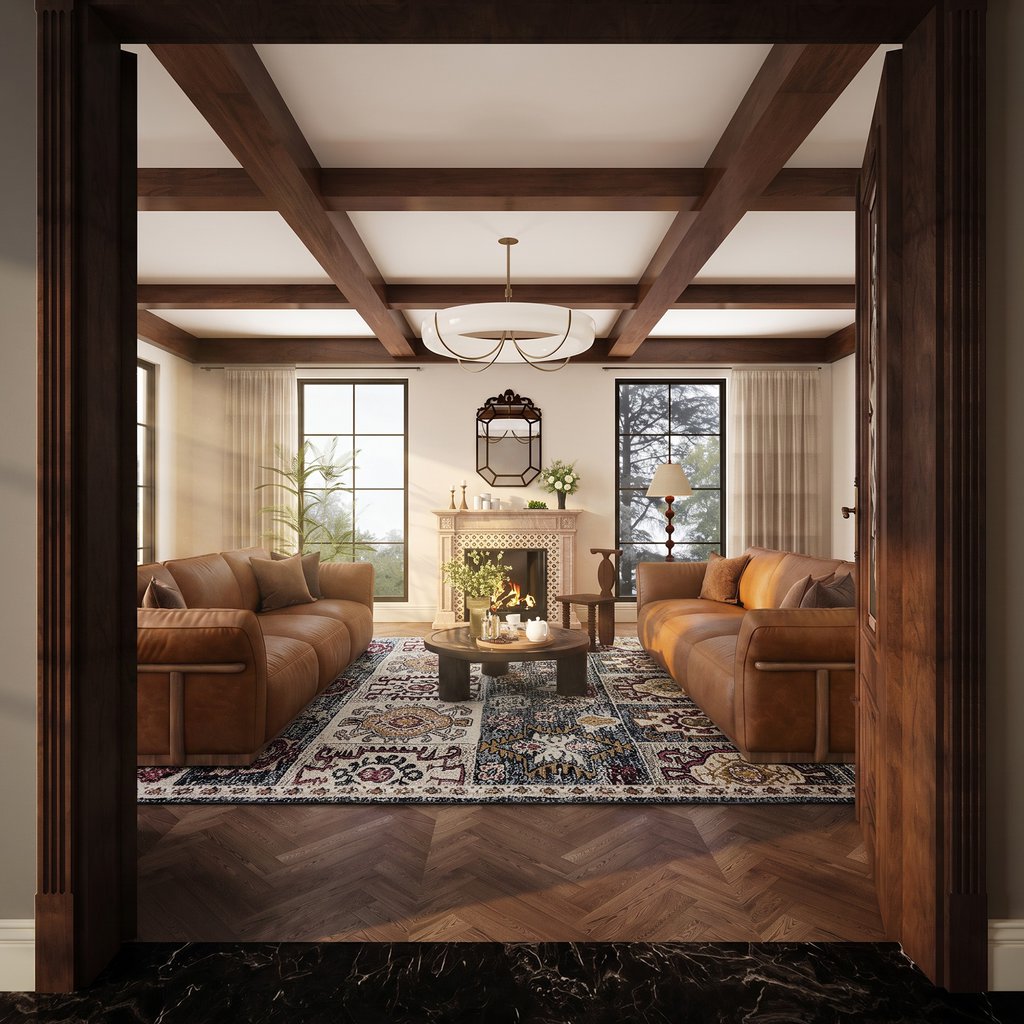
Introduction
Modern Victorian interior design combines the elegance of Victorian details with the comfort and simplicity needed for today’s homes. If you like rich textures, classic furniture shapes, and layered spaces but want to avoid a room that feels outdated, this style offers a balanced approach. This guide explains how to create a modern Victorian home decor look through colors, materials, furniture choices, and practical styling decisions that work for everyday living.
Table of Contents
What Is Modern Victorian Interior Design?
Modern Victorian interior design blends traditional Victorian character with contemporary furniture, cleaner layouts, and practical living needs. Instead of recreating a historical room, it keeps the richness, craftsmanship, and layered materials associated with Victorian interiors while reducing visual heaviness.
| Traditional Victorian Elements | Modern Victorian Updates |
| Ornate furniture details | Cleaner furniture profiles |
| Heavy patterns throughout the room | Selective use of patterns and textures |
| Dark, formal spaces | Balanced colors with natural light |
| Antique-focused styling | Mix of vintage character and modern comfort |
The key difference is that modern Victorian style is not about filling a room with antique-inspired pieces. A few recognizable Victorian influences can provide character, while contemporary furniture keeps the space comfortable and functional.
For homeowners, this balance makes the style easier to use in living rooms, dining areas, and apartments where everyday comfort matters as much as appearance.
How Do You Create a Modern Victorian Living Space?
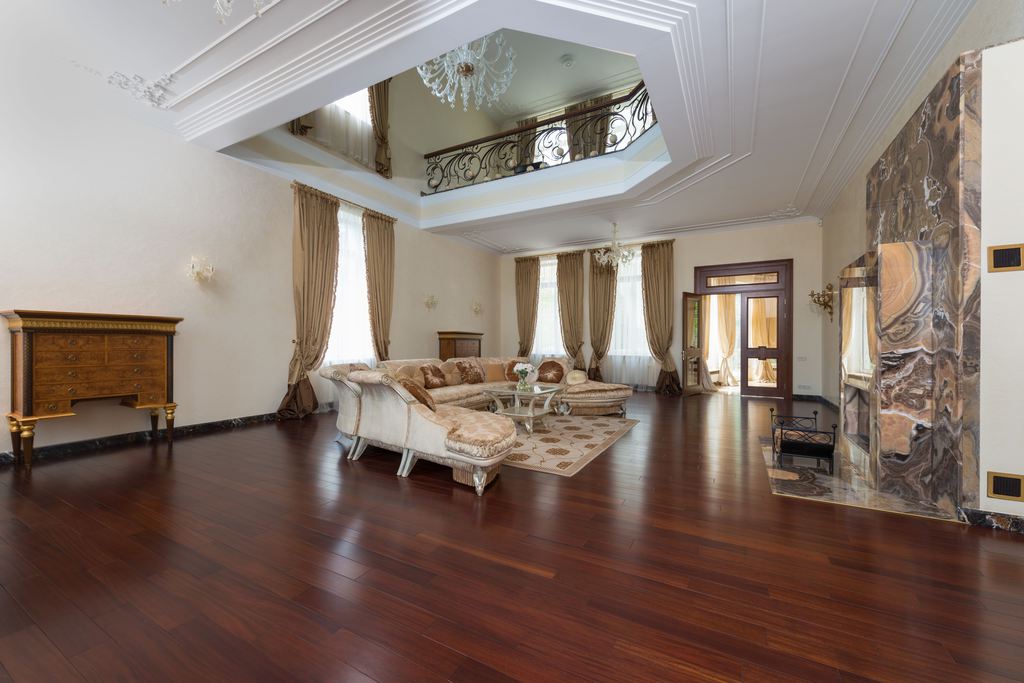
A successful modern Victorian room usually follows one principle: keep the richness of Victorian design, but control the amount of visual detail. Instead of adding every traditional element at once, focus on color, texture, and furniture shape in a balanced order.
Choose Rich but Balanced Colors
Color is one of the easiest ways to introduce a Victorian feeling, but modern Victorian decor works best when darker tones are used intentionally.
Common color choices include:
- Deep navy
- Emerald green
- Burgundy
- Warm beige
- Cream
- Chocolate brown
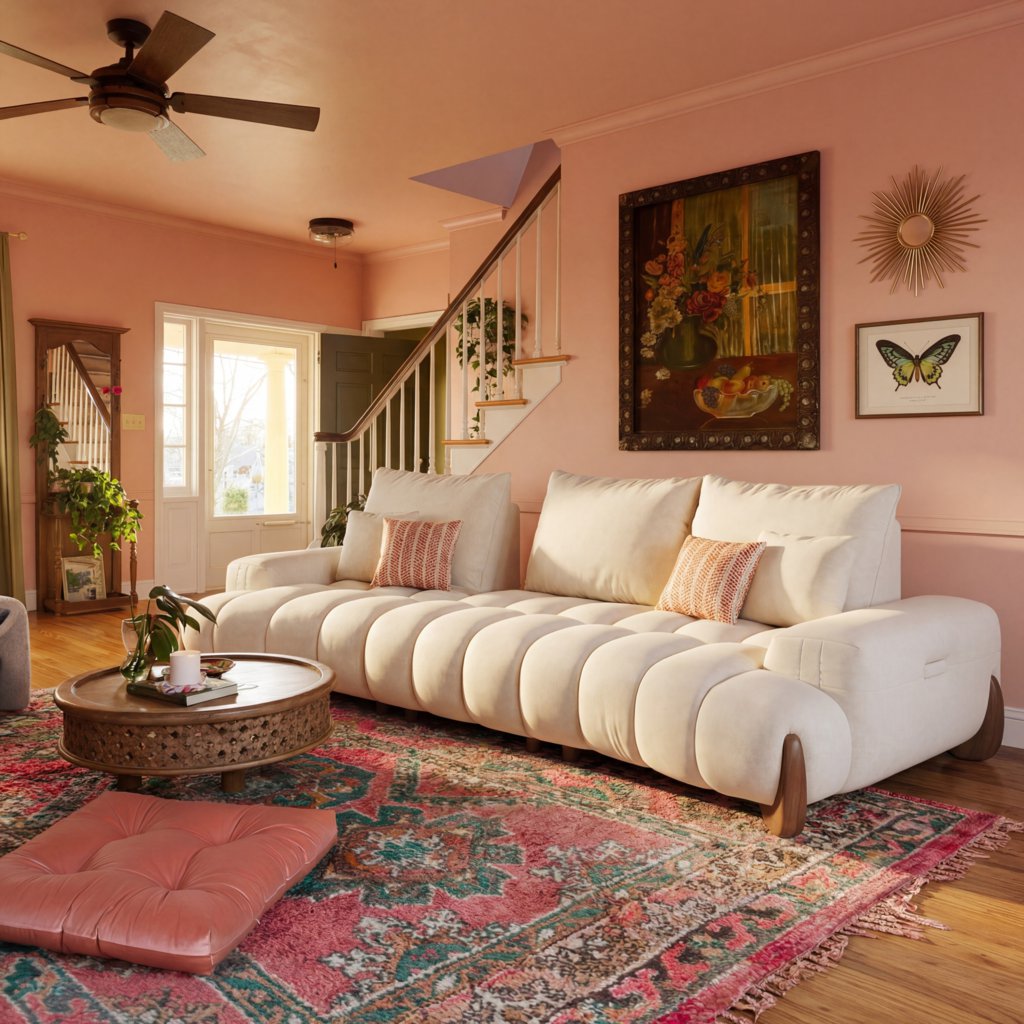
A modern approach does not require every wall or furniture piece to be dark. For example, a navy velvet sofa can create a classic focal point while lighter walls, natural wood, and neutral accessories keep the room open.
The goal is contrast rather than heaviness. Use one or two richer tones as accents instead of creating a space where every surface competes for attention.
Layer Textures and Materials
Victorian interiors are known for their use of tactile materials. In a modern Victorian interior, texture creates depth without relying on excessive decoration.
Materials that work well include:
- Velvet upholstery for softness and visual richness
- Leather for timeless character
- Wood for warmth and craftsmanship
- Marble for refined surfaces
- Metal accents for subtle contrast
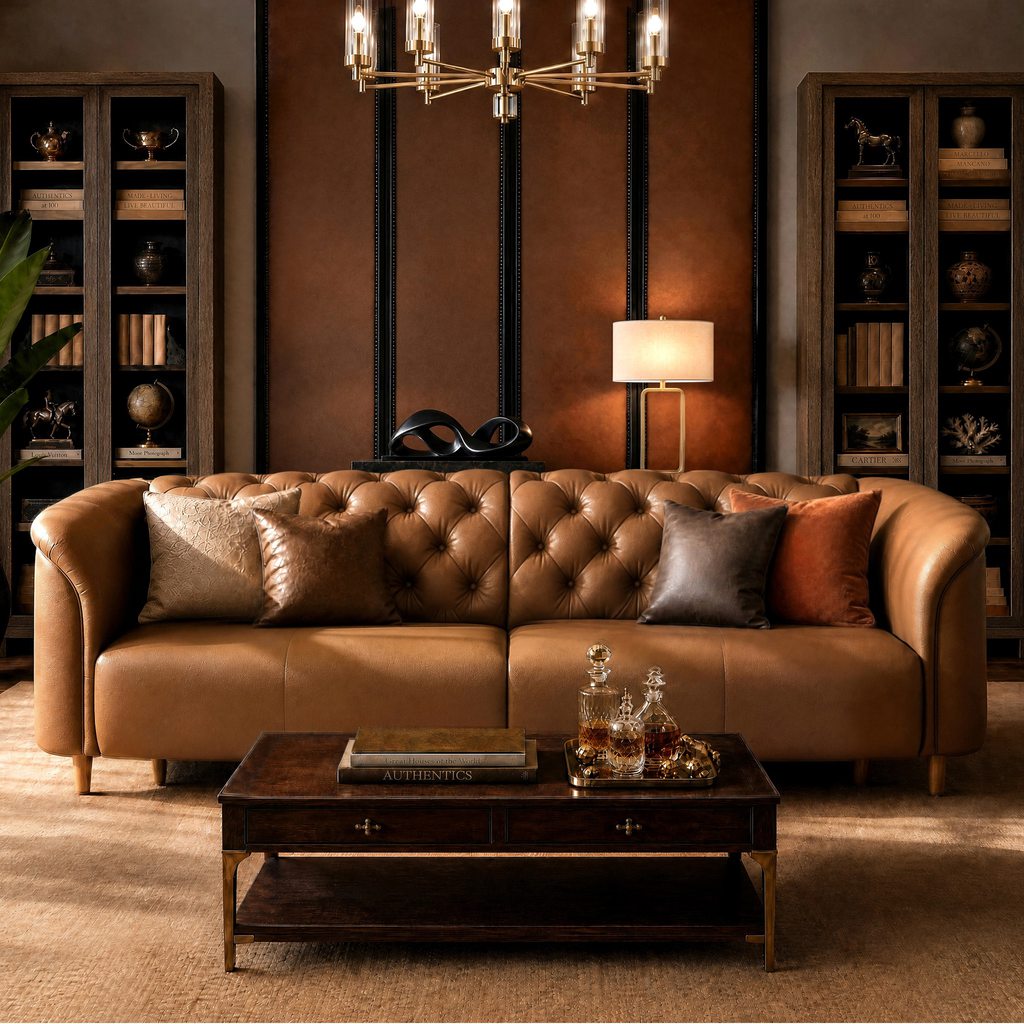
A useful approach is to combine one statement texture with simpler supporting pieces. For example, a velvet sofa can provide the traditional softness associated with Victorian spaces, while a clean-lined coffee table keeps the overall room feeling current.
If you are comparing different upholstery options, understanding how materials affect comfort and maintenance can help create a more practical design choice. Choosing the right sofa material is especially important when a living room needs to balance appearance with everyday use.
Mix Classic Details With Modern Furniture
The furniture selection determines whether a modern Victorian room feels updated or outdated.
Instead of matching a full Victorian-inspired furniture set, choose pieces with classic characteristics:
- Curved silhouettes
- Elegant proportions
- Soft upholstery
- Rich finishes
- Quality materials
A curved sofa, for example, can introduce the graceful lines often associated with traditional interiors while still fitting a contemporary floor plan. Similarly, a dark wood media console can add warmth without making the room feel like a historical reproduction.
For more guidance on combining classic and contemporary elements, a balanced approach similar to transitional interior design ideas can help create a cohesive space.
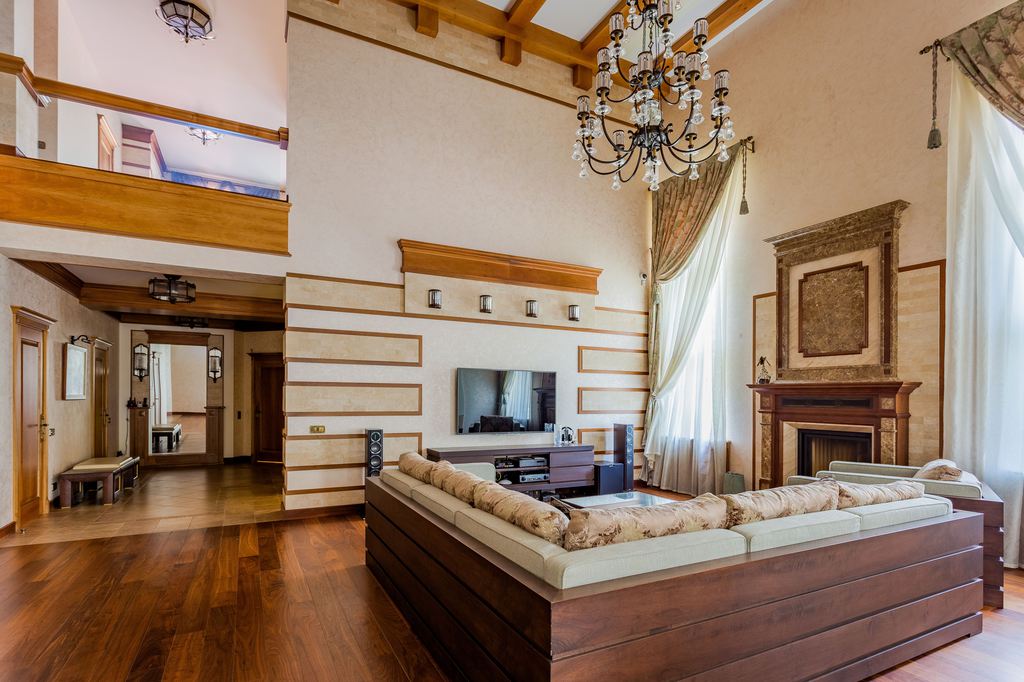
What Furniture Works Best for Modern Victorian Interior Design?
Furniture is where the style becomes practical. Instead of choosing pieces simply because they look traditional, focus on silhouettes, materials, and proportions that introduce Victorian character without sacrificing modern comfort. The strongest choices usually give one furniture category a decorative role while allowing the surrounding pieces to remain quieter.
Choose Sofas With Elegant Shapes and Comfortable Materials
The sofa is usually the largest visual anchor in a modern Victorian living room, so its silhouette and upholstery have more impact than small decorative details.
Velvet works particularly well when you want richer texture and a more formal appearance. Deep navy, green, burgundy, brown, and muted neutrals can all support the look without requiring elaborate carving or excessive tufting.
Leather offers a different route. It can bring warmth and traditional character to a family living room while feeling less decorative than velvet. For a more contemporary interpretation, a curved sofa can introduce the graceful lines associated with Victorian furniture without resembling a period reproduction.
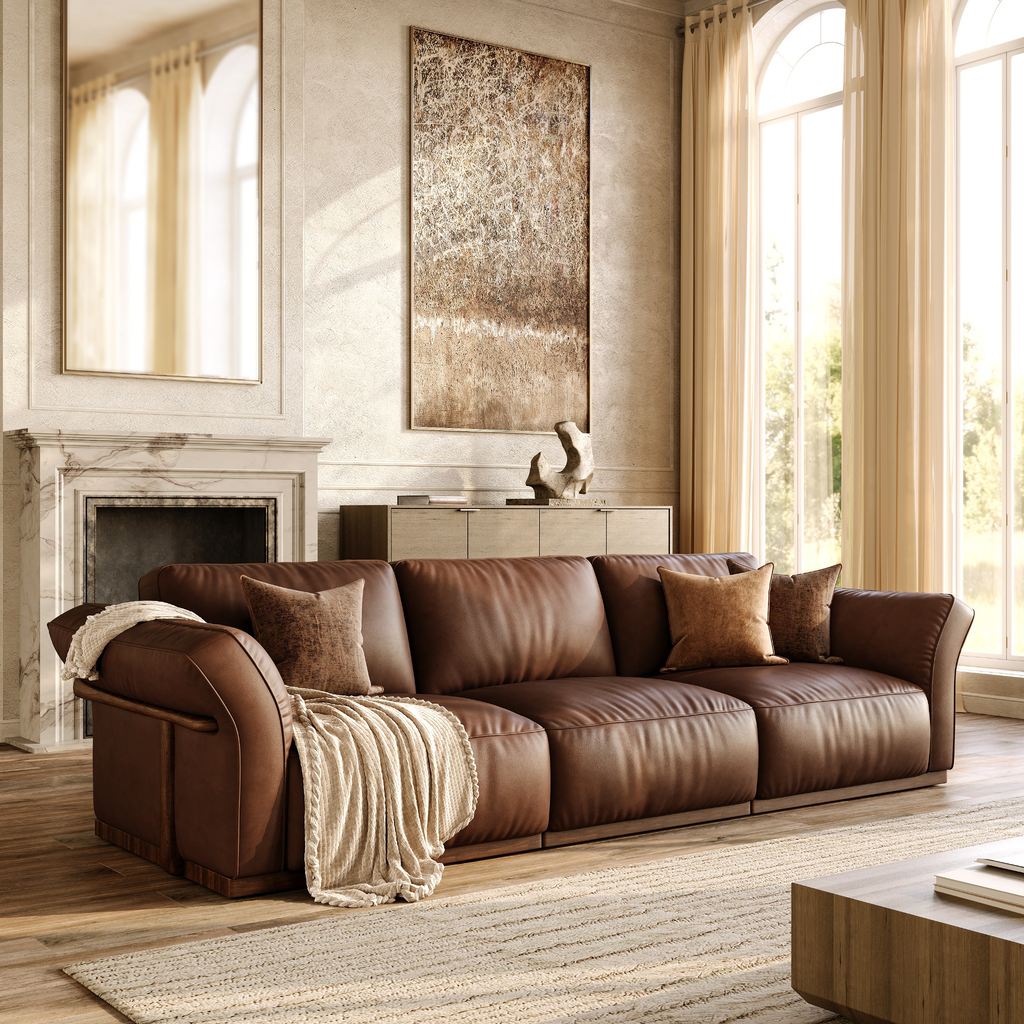
Cronus Genuine Leather Modular Sofa
Warm leather seating brings traditional richness to relaxed modern Victorian living rooms.
✨ Top-grain leather develops natural luster
✨ Down-filled cushions with solid frame
✨ Rich brown suits Victorian palettes
Whichever direction you choose, check comfort and proportions as carefully as appearance. A sofa should still suit how the room is used for sitting, lounging, hosting, and everyday routines.
Add Dark Wood Furniture for Warmth and Structure
Dark and warm wood tones can connect modern furniture with the craftsmanship associated with Victorian interiors. Walnut, deep brown, and similarly rich finishes work especially well when the furniture itself has a relatively clean shape.
A media console, sideboard, or storage cabinet can bring this warmth into a modern living room without requiring ornamental detailing. Closed storage is particularly useful because it gives the room visual structure while keeping electronics, remotes, and everyday objects out of sight.
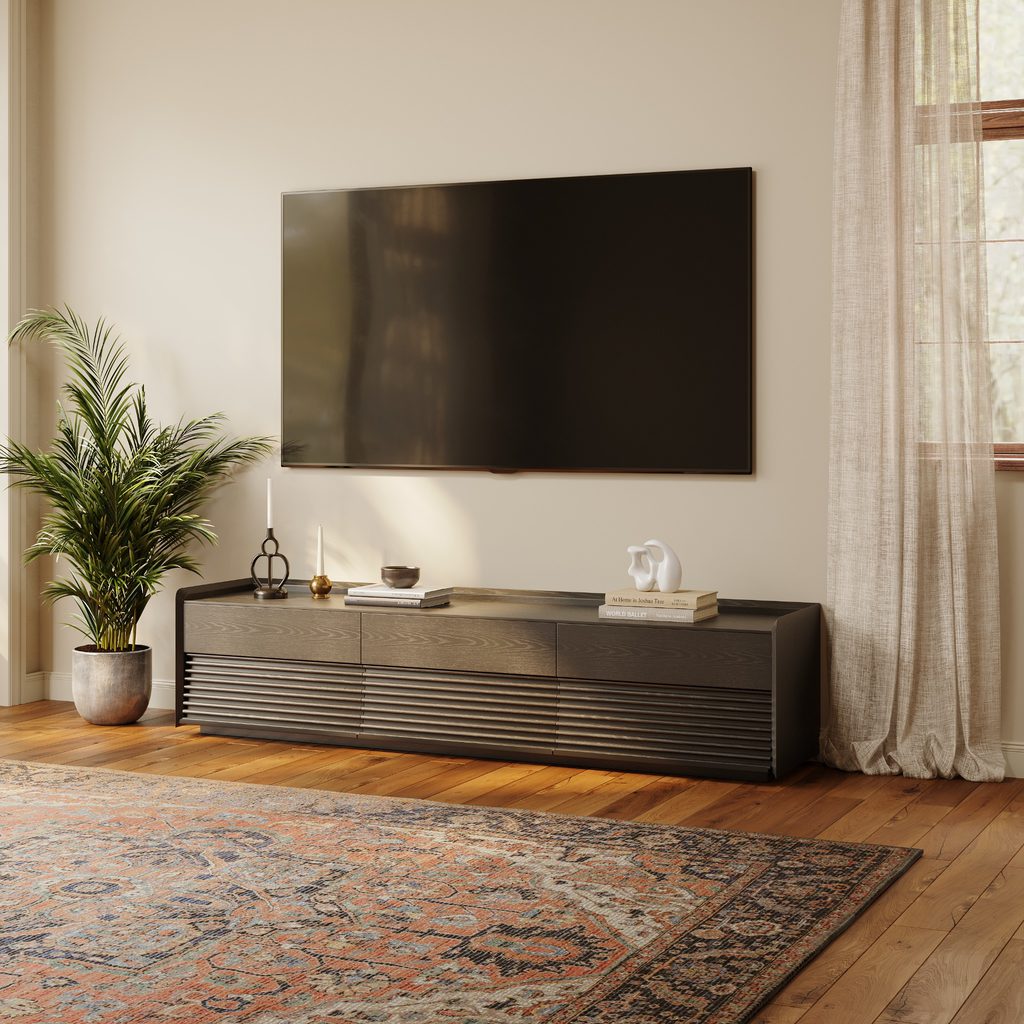
Ansel Mid-Century TV Stand
Warm walnut storage grounds decorative rooms without adding excessive visual heaviness.
✨ Fluted fronts add subtle dimension
✨ Fully assembled with adjustable lighting
✨ Walnut balances richer furnishings
If the sofa already carries strong color or texture, a simpler wood cabinet can also act as a grounding element rather than another competing statement piece.
Use Coffee Tables and Accent Pieces to Create a Focal Point
Coffee tables offer an easier way to introduce refined materials without committing to a heavily traditional room. Marble or stone surfaces, rounded forms, and subtle sculptural details can provide the sense of craftsmanship associated with Victorian decor while keeping the center of the room visually lighter.
The table should still relate to the sofa in scale. A decorative surface that crowds the seating area or interferes with circulation will make the room feel less considered, regardless of how well its material fits the style.
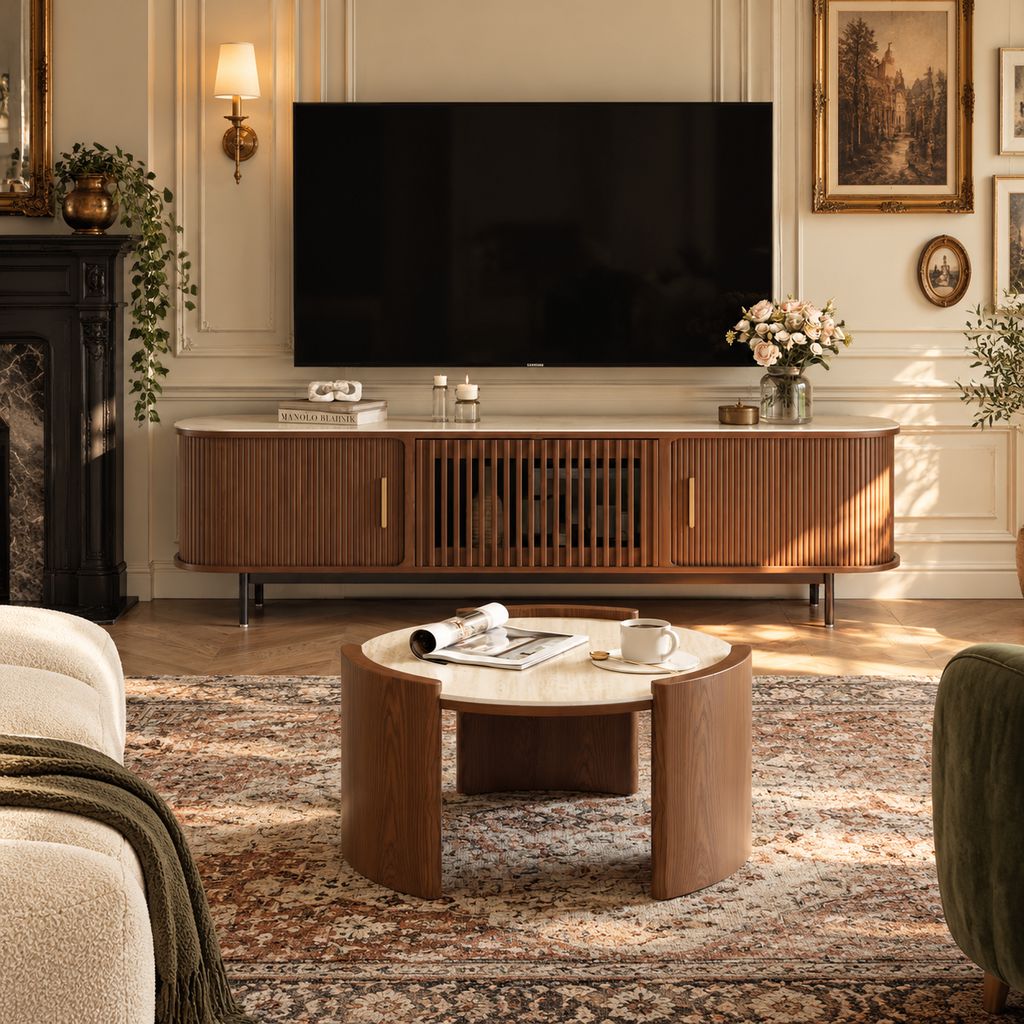
Round Matte Sintered Stone Coffee Table
Rounded stone and walnut create a refined focal point without formality.
✨ Matte sintered stone surface
✨ Compact 31.5-inch round profile
✨ Curves soften layered interiors
Smaller accent pieces can then repeat one material or finish rather than introducing several unrelated decorative themes.
Balance Statement Furniture With Functional Storage
Modern Victorian home decor can become cluttered quickly because the style naturally invites layered objects, art, textiles, and richer finishes. Functional storage provides an important counterbalance.
Closed media consoles, sideboards, cabinets, and tables with storage can keep daily-use items out of view while allowing more decorative pieces to remain intentional. Rather than treating storage as separate from the style, choose it as part of the room’s furniture composition.
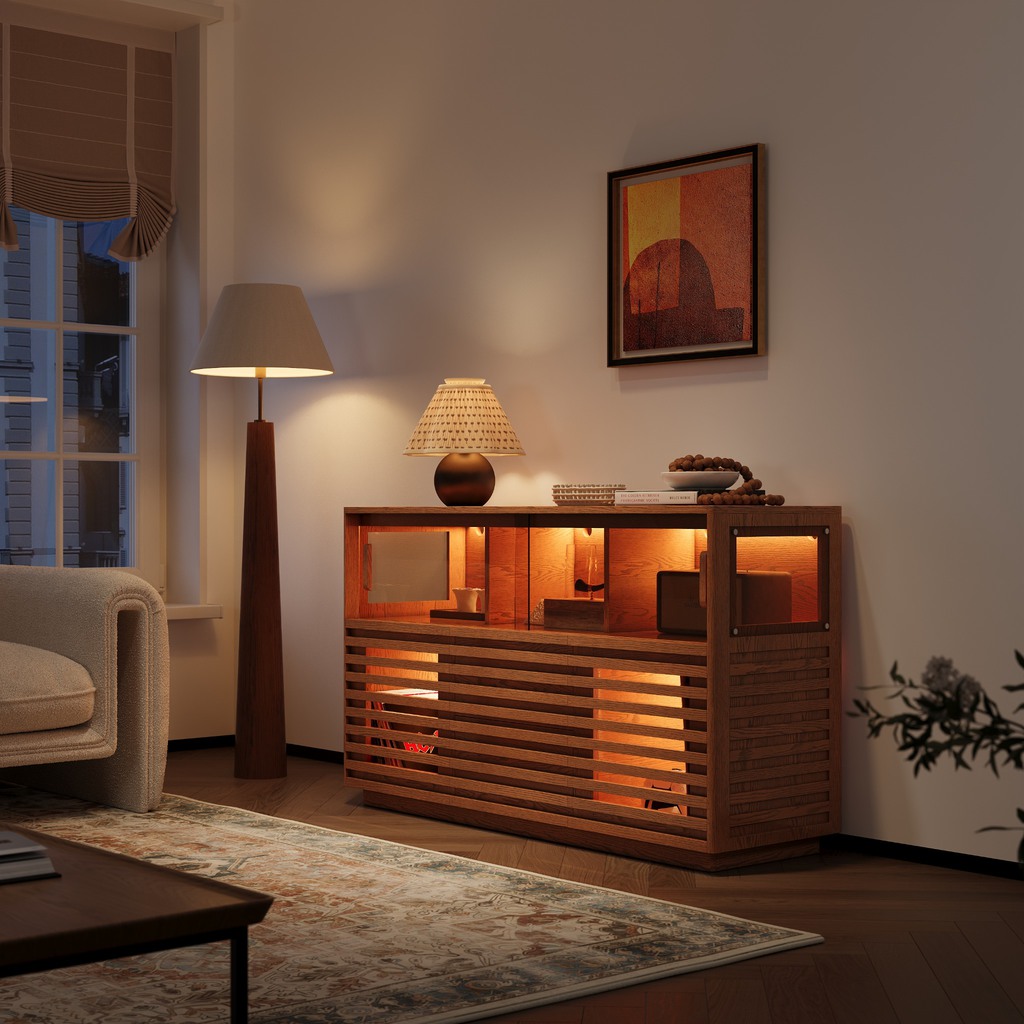
Selene Horizontal Slatted Storage Cabinet
Decorative walnut storage keeps layered modern Victorian rooms visually organized.
✨ Slatted walnut-look visual texture
✨ Five cabinets plus two drawers
✨ Fully assembled concealed storage
This is particularly useful in living rooms that serve several purposes. A visually expressive sofa or coffee table can provide the Victorian character, while quieter storage furniture handles the practical work.
How to Make Modern Victorian Style Work in Today’s Homes
Modern Victorian style works best when furniture scale, comfort, and visual detail are adjusted to the way the room is actually used.
In smaller spaces, let one statement piece provide most of the character rather than combining several dark or decorative furnishings. Lighter surroundings and simpler supporting furniture can keep richer upholstery or wood finishes from making the room feel crowded.
Comfort should also influence furniture choices. Check seat depth, upholstery durability, storage needs, and room circulation before choosing large pieces. Living room furniture layout ideas can help you evaluate placement and usable walking space before buying.
Keep the decorative balance simple: pair richer materials or classic silhouettes with quieter modern pieces, and leave enough visual space around statement furniture for it to feel intentional.
Conclusion
Modern Victorian interior design works by combining the elegance of the past with the practicality of modern living. The most successful spaces do not recreate a historical room; they use rich textures, classic shapes, and thoughtful furniture choices to create a home that feels comfortable today. By balancing statement pieces with simpler elements, you can achieve a modern Victorian interior that feels timeless rather than outdated.
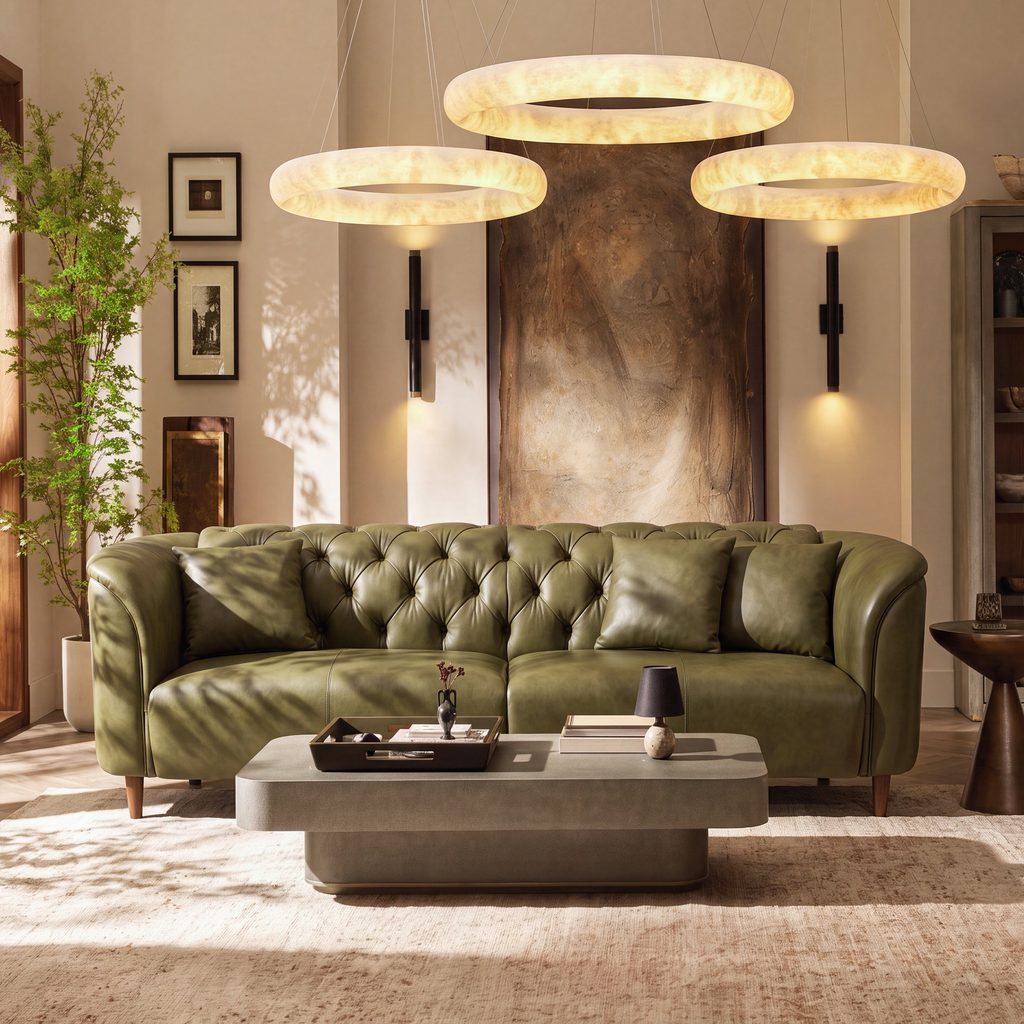
Find the Right Living Room Furniture
Explore designs for different room sizes, layouts, and everyday needs.
Q&A
Can this style work in a small living room?
Yes, but check furniture scale before focusing on style. Leave enough clearance for normal walking paths, avoid sofas with unnecessarily bulky arms, and keep the coffee table proportional to the seating area. In compact rooms, one visually detailed anchor piece is usually easier to balance than several decorative furnishings.
What sofa upholstery works best for a modern Victorian home?
Choose upholstery according to how the sofa will actually be used. Velvet offers stronger texture and a more formal look, while leather can be easier to maintain in frequently used living rooms. For homes with children or pets, check the specific fabric’s cleaning instructions and durability rather than choosing by appearance alone.
Is modern Victorian decor expensive to create?
Not necessarily. Spend first on one furniture piece that strongly defines the room, such as a sofa, coffee table, or media console. Add textiles and decorative details gradually. This approach limits unnecessary spending on small accessories before the room’s main furniture, scale, and color direction are settled.
How can modern Victorian style work in a new-build apartment?
Use movable elements rather than trying to imitate historic architecture. Rich upholstery, dark or warm wood, an elegant furniture silhouette, framed artwork, and selective lighting can establish the style without permanent changes. Renters should prioritize these reversible choices instead of adding molding or other alterations that may require landlord approval.
What should you check before buying Victorian-inspired furniture?
Check the full dimensions, upholstery care requirements, seating comfort, and visual weight of the piece. Decorative furniture can look appropriate online but still overwhelm a room or demand more maintenance than expected. Measure the intended placement and nearby circulation space before purchasing large sofas, cabinets, or tables.


[…] popular in recent years, as more and more people seek to incorporate the charm and character of bygone eras into their modern living spaces. Whether it’s a retro-inspired living room, a vintage-inspired kitchen, or a classic […]
[…] a modern sofa with a vintage table or pairing a traditional cabinet with contemporary seating can work when the pieces share a clear relationship. This guide explains how to mix furniture […]