 By Kelvin
Introduction
Furniture can scratch, scuff, or dent a wood floor even when the piece itself never looks damaged. To protect hardwood floors from furniture, match the protection method to how each piece contacts and moves across the floor. A dining chair that shifts several times a day needs a different solution from a heavy media cabinet that may stay in one place for years. This guide explains which pads, rugs, and moving methods fit common furniture situations, plus how weight, contact area, and worn protectors change the risk.
Table of Contents
How Does Furniture Damage Hardwood Floors?
Furniture usually damages hardwood in three different ways, and identifying the risk first makes it easier to choose the right protection.
Scratches usually happen when a hard furniture foot or trapped grit moves across the finish. Even a lightweight chair can leave a visible line if sand or debris is caught underneath it.
Scuffs and finish wear develop through repeated movement. Dining chairs, stools, and sofas that shift slightly every time someone sits down can gradually wear the same area.
Dents or pressure marks are more closely related to load concentration. A heavy cabinet resting on four narrow feet places its weight differently from the same weight spread across a broad base.
The National Wood Flooring Association recommends floor protector pads on furniture legs that contact wood floors.
For dining areas, the same principles behind how to stop dining chairs from scratching hardwood floors are especially important because chairs move repeatedly and can collect grit underneath their protectors.
What Should You Put Under Furniture on Hardwood Floors?
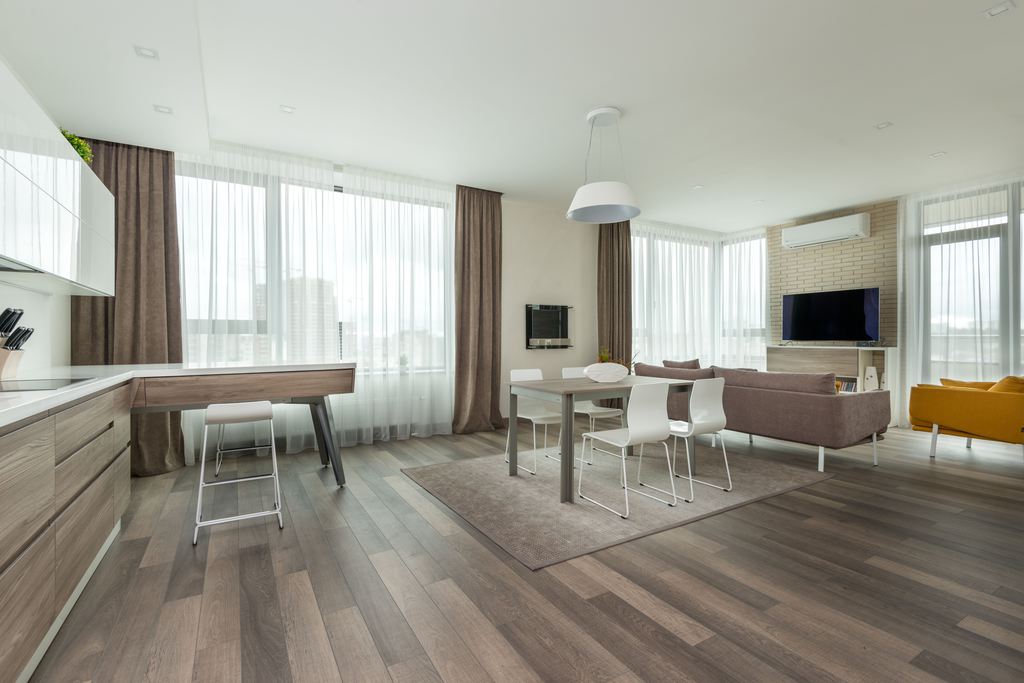
If you are deciding how to protect hardwood floors from furniture, do not choose a protector by material name alone. Start with three questions: Does the furniture move frequently? How much surface area touches the floor? Is the protector specifically compatible with your wood floor or finish?
| Furniture situation | Main floor risk | Better protection approach |
| Dining chairs and stools | Repeated friction and grit | Secure dense felt or fitted felt-bottom protectors |
| Coffee tables and dining tables | Narrow feet and occasional movement | Full-contact felt; wider pads for heavier narrow-foot designs |
| Sofas and beds | Static load plus small shifts | Wide, stable floor-safe pads or cups |
| Media consoles and storage cabinets | Heavy long-term load | Dense protectors that cover the full contact area |
| Rolling office furniture | Repeated caster wear | Hard-floor-compatible casters or a hardwood-safe chair mat |
| Furniture being repositioned | Long scratches while moving | Temporary sliders designed for hard floors |
The protector should cover the entire area that actually touches the floor. A small felt dot placed in the middle of a wide furniture foot can leave the exposed edge close enough to contact the finish when the piece tilts or shifts.
Movement also changes the best attachment method. A stationary cabinet puts relatively little sideways force on its protector. A dining chair may be pushed and pulled multiple times during one meal, so an adhesive pad that starts sliding out of position becomes a problem much sooner.
Material compatibility matters as well. Felt is commonly used for hardwood, but rubber, latex, silicone, adhesives, and rug backings vary by product and floor finish. Instead of assuming every product made from one material is safe, look for explicit wood-floor compatibility from the protector and flooring manufacturers.
If a sofa moves each time someone sits down, addressing how to keep your sofa from sliding on hardwood floors can reduce both unwanted movement and repeated friction against the finish.
How Do You Move Furniture Without Scratching Hardwood?
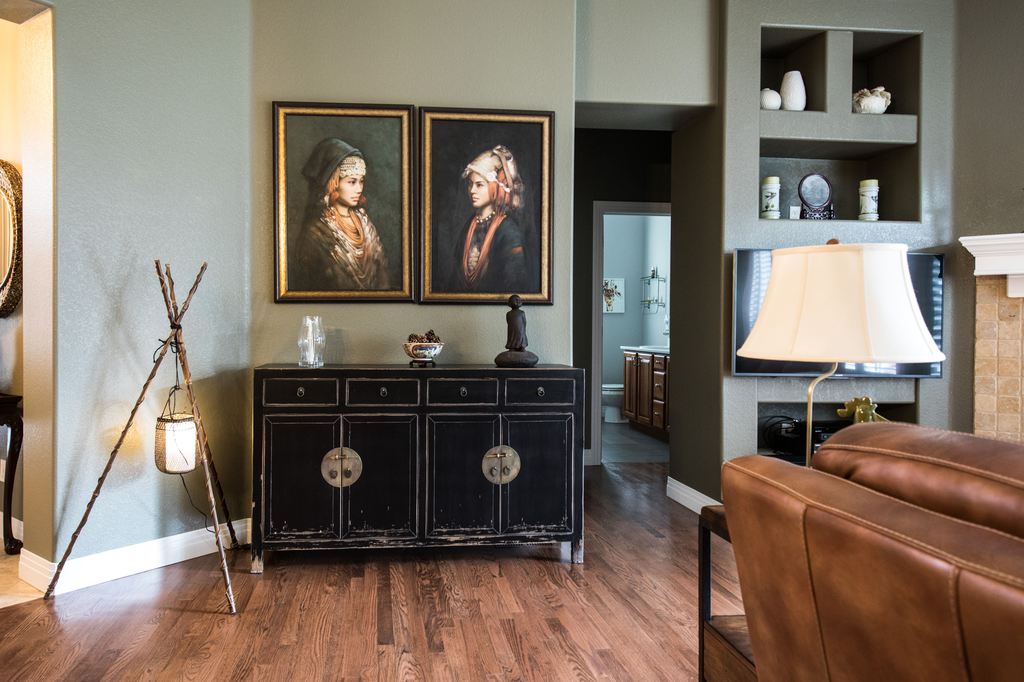
The highest scratch risk often occurs during rearranging rather than everyday use. A heavy table that has sat safely for years can leave a long scratch in seconds if it is dragged across grit.
Use this sequence when repositioning furniture:
1. Clean the route first.
Vacuum or sweep away sand and debris before anything moves.
2. Reduce the load when possible.
Empty cabinets, remove loose shelves, and take removable cushions or components off large furniture.
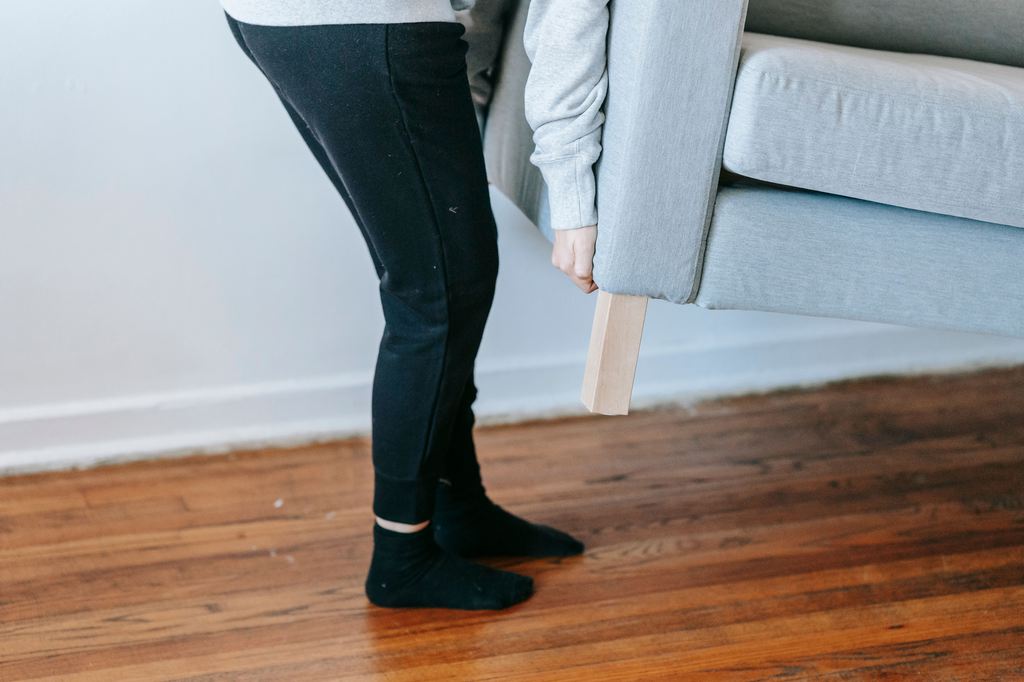
3. Lift instead of drag.
Lifting heavy furniture rather than sliding it across wood flooring.
4. Use hard-floor-safe sliders when lifting is impractical.
Position a slider under every contact point before moving the piece.
5. Remove moving sliders afterward.
Replace them with protectors designed for long-term placement.
Moving equipment and permanent protectors serve different jobs. A slider is designed to reduce friction while a piece travels across the floor; a permanent pad or cup needs to remain stable while supporting the furniture during everyday use.
For heavier sleepers, understanding how much a sofa bed weighs before moving it can also help determine whether the piece should be lightened, separated into movable sections, or handled with additional help.
Does Furniture Weight Change the Protection You Need?
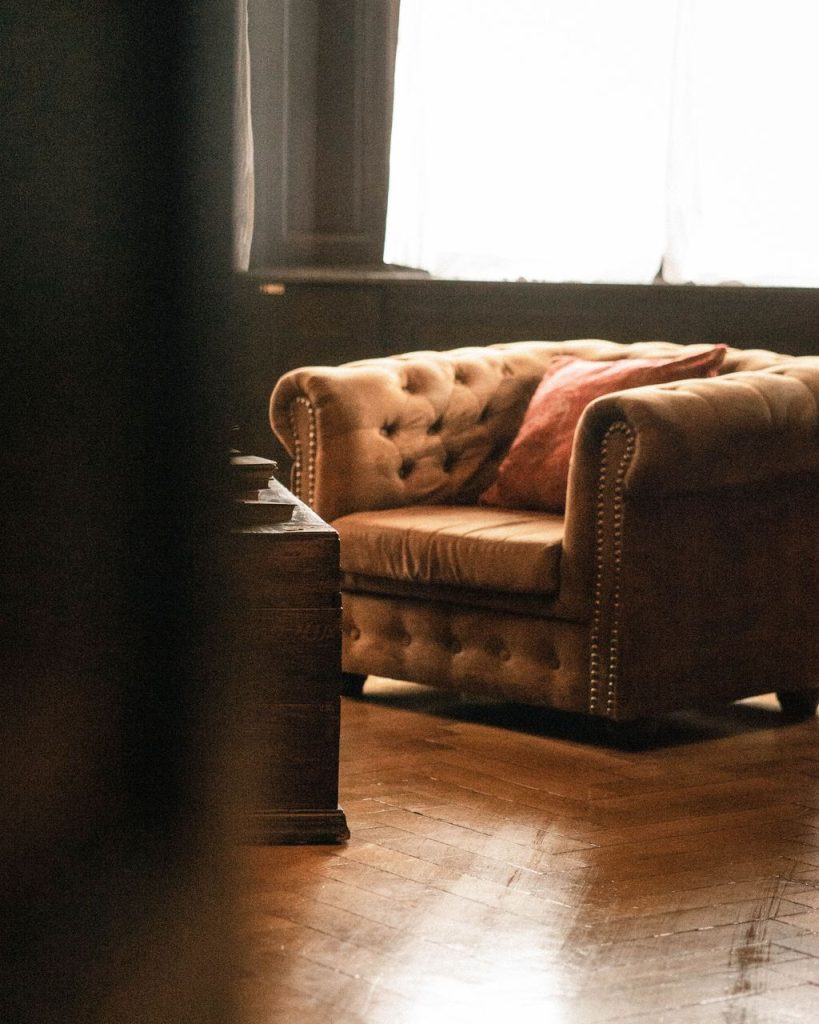
Yes, but furniture weight on a hardwood floor is only part of the equation. The more useful question is how much weight is being carried by each contact point.
Consider a heavy media console supported by four slim metal feet. Its load is concentrated into relatively small areas. A cabinet of similar total weight with a broad plinth base distributes that load across much more flooring.
When evaluating a heavy piece, check:
- Total furniture weight: heavier furniture increases the load that the floor-protection system must support.
- Number of contact points: four feet distribute weight differently from six or eight.
- Contact area: wider feet or bases spread the load over more surface.
- Movement frequency: a stationary cabinet creates a different risk from a heavy coffee table that is regularly shifted for cleaning or entertaining.
- Protector firmness: a very soft pad can compress under a concentrated load and become less effective.
This is why there is no useful universal rule such as “anything over 200 pounds needs a certain pad.” Weight should be considered together with the furniture’s base design and how it is used.
A stone coffee table, for example, may be heavy but remain relatively low-risk when its broad base sits on suitable protectors and rarely moves. A lighter table with narrow hard feet that gets pulled aside every weekend may create more frequent opportunities for scratching.
Check These 5 Things Before Placing New Furniture
Floor protection is easier to plan before a sofa, table, or cabinet reaches its final position. A quick inspection can catch problems that become difficult to see once the piece is loaded and pushed against a wall.
1. Inspect the underside of every contact point. Look for rough wood, sharp edges, exposed screws, damaged plastic, or metal that could touch the finish.
2. Check factory-installed glides. Do not assume a pre-installed plastic foot or leveler is intended for every floor type. Confirm that the contact material is appropriate for hardwood.
3. Match the protector to the full footprint. Measure the part of the leg or base that actually contacts the floor rather than choosing pads based only on the visible leg width.
4. Decide whether the furniture is stationary or mobile. A media cabinet may barely move, while a chair, ottoman, or occasional table may shift constantly. Frequent movement requires more attention to attachment security and wear.
5. Confirm floor-finish compatibility. Check both the flooring manufacturer’s care instructions and the protector or rug-pad specifications, particularly when adhesives, rubber-like materials, or long-term rug contact are involved.
Conclusion
The most reliable way to protect hardwood floors from furniture is to match the solution to the way each piece meets the floor. Frequently moved furniture needs secure friction protection, while heavy furniture with small contact points may benefit from wider, stable protectors. Moving sliders should be treated as temporary tools, and every long-term pad, glide, or rug backing should be compatible with the floor finish. Before placing new furniture, inspect its feet, contact area, movement pattern, and protector condition so small problems do not become permanent marks.
FAQ
Can felt pads scratch hardwood floors?
Felt pads can become risky when embedded grit makes the surface feel rough or the pad has compressed enough to expose an edge of the furniture foot. If either happens, replace the pad rather than continuing to slide the furniture over it. Frequently moved dining chairs deserve especially close inspection.
Are nail-on felt pads better than adhesive pads?
Neither type is always better. Nail-on felt can stay more secure on solid wood chair legs that move frequently, but the fastener must remain recessed. Adhesive pads work on more smooth surfaces but may shift under repeated sideways movement. Avoid nail-on designs on hollow, thin, metal, or unsuitable furniture legs.
Do pedestal-base tables need floor protectors?
Not always. A broad, smooth base already spreads weight across a larger area, but a rough, unfinished, or hard-edged underside may still need protection. If protection is necessary, use a stable layer that supports the actual contact surface rather than a few small pads that could make the pedestal uneven.
Do you need furniture pads when using an area rug?
Not necessarily. If the furniture rests fully on a stable rug and the feet are smooth, separate pads may offer little additional floor protection. Consider pads when narrow or rough feet could damage the rug, the furniture shifts frequently, or some legs sit beyond the rug edge. Always use a hardwood-compatible rug pad underneath.
How often should furniture floor protectors be checked?
Inspection frequency should follow furniture use. Check dining chairs, stools, and movable ottomans more often because repeated movement can loosen or wear their protectors. Stationary cabinets and media consoles usually need less frequent checks. Inspect any protector immediately after moving furniture, and replace it if it shifts, tears, flattens severely, or loses adhesion.


[…] offer white-glove delivery. At home, place felt sliders under the feet so you can adjust the stand without scratching floors. If you move often, consider a lighter tv stand wood species or a narrower design that two people […]
[…] pads, and check them periodically for trapped grit. On finished wood, the same habits that protect hardwood floors from furniture also reduce the chance that a gripper becomes a source of […]