 By Hana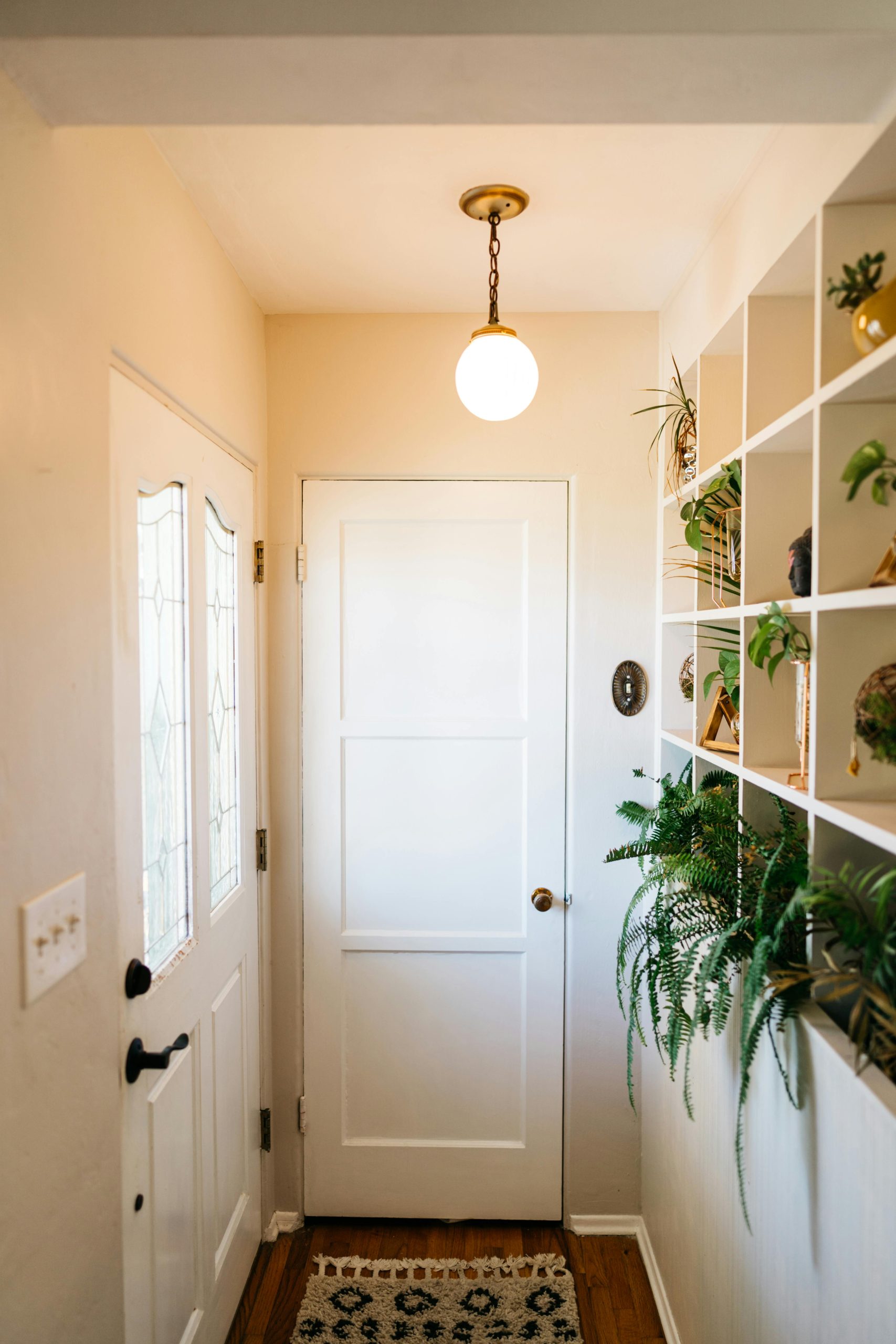
Why Your Entryway Matters More Than You Think
Your entryway is the first and last place you pass through every day. When it’s chaotic, you feel it in your stress levels and your schedule. One survey found the average American spends about 2.5 days every year looking for lost items like keys and wallets (Pixie Lost & Found survey, 2017). Thoughtful entryway furniture turns that chaos into a simple, repeatable system, so coming and going feels calm instead of frantic.
Your entryway is a “control center” for your home. It’s where outside life—work, school, packages, weather—meets inside life—family, pets, and rest. When this small zone is set up with the right entryway furniture, it quietly organizes all those moving parts for you.
Essential Entryway Furniture Pieces That Organize Everyday Life
Seating and Drop Zones – Benches, Stools, and Console Tables
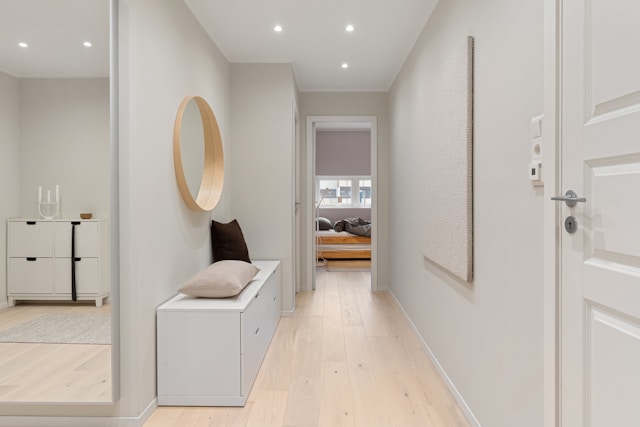
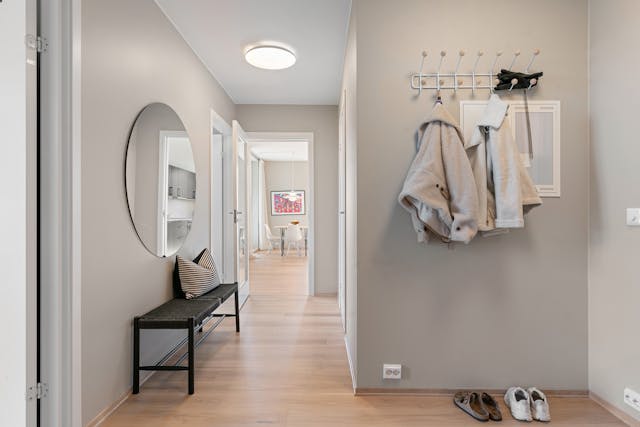
Seating is the unsung hero of entryway furniture. A slim bench, stool, or upholstered ottoman gives you a spot to sit while you put on shoes, zip kids’ coats, or clip a dog leash. Once you’ve had that seat, it’s hard to go back to balancing on one foot by the door. I still remember the first morning after adding a small bench—no more hopping around with a coffee in hand.
Pair your seat with a console table or narrow shelf that acts as a “landing strip.” Add a tray for keys and wallets, a small bowl for coins, and a hook or knob for everyday bags. That simple combo turns a blank stretch of wall into a drop zone that catches clutter the second you walk through the door.
Hidden Storage – Cabinets, Drawers, and Shoe Solutions
Open shoe racks are great if you own just a few pairs and like things on display. But many households prefer closed shoe cabinets or storage benches to hide visual clutter and control dust in a small space. Choosing the right piece depends on how you live:
| Type of entryway furniture | Best for | Main pros | Watch out for |
| Open shoe rack | Singles, couples with few shoes | Easy to see and grab | Looks messy quickly |
| Closed shoe cabinet | Families, sneaker lovers | Hides clutter, protects shoes | Needs door clearance |
| Storage bench with drawers | Small spaces, kids | Seating + hidden storage | Check weight capacity |
Zoning Your Entryway for Effortless Daily Flow
The “Just Got Home” Zone – Keys, Bags, Mail, and Shoes
The first step inside your door should feel automatic: drop, hang, park. Create a small “just got home” zone with a console table or low cabinet, a tray for keys, and sturdy hooks for daily bags. Beneath or beside it, add a mat or shoe cabinet so shoes stop at the threshold instead of wandering into the living room.
For mail and packages, use a simple “drop and sort later” system: one labeled tray for urgent items (bills, forms) and another for things to recycle or shred. That way, even if you don’t have time to sort right away, the stack doesn’t spill over every surface.
The “Heading Out” Command Center – Reminders, Weather Gear, and Last Checks
Your heading-out zone can sit right above or beside the same entryway furniture. Use shallow bowls or small boxes for sunglasses, lip balm, transit cards, and earbuds.
Above the furniture, hang a memo board, wall calendar, or mini whiteboard for quick reminders: school spirit days, package pickups, or “don’t forget the gym bag.” One family I worked with wrote a short checklist—“Keys, phone, water, lunch”—next to their mirror, and missed-ferry mornings dropped dramatically.
Guest- and Family-Friendly Zones for Kids, Pets, and Visitors
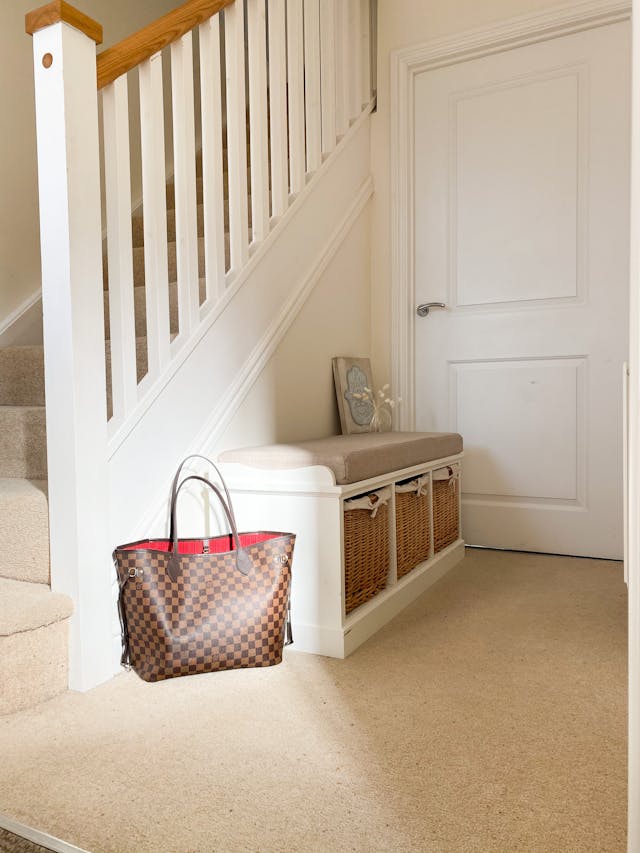
If you have kids, keep part of your entryway furniture low and easy to reach. A short bench with baskets underneath gives them a clear spot for shoes, and lower hooks with their names help them hang backpacks and coats on their own. This makes it easier for them to follow the routine without constant reminders.
For guests, keep things simple and practical: leave a couple of open hooks free and add a basket or tray near the door for shoes or slippers. If your home is a no-shoes space, a small, neutral sign or card by the entry is enough to let people know what to do without any awkwardness.
Entryway Furniture Ideas for Different Home Types and Sizes
Smart Entryway Furniture Ideas for Small Apartments and Narrow Hallways
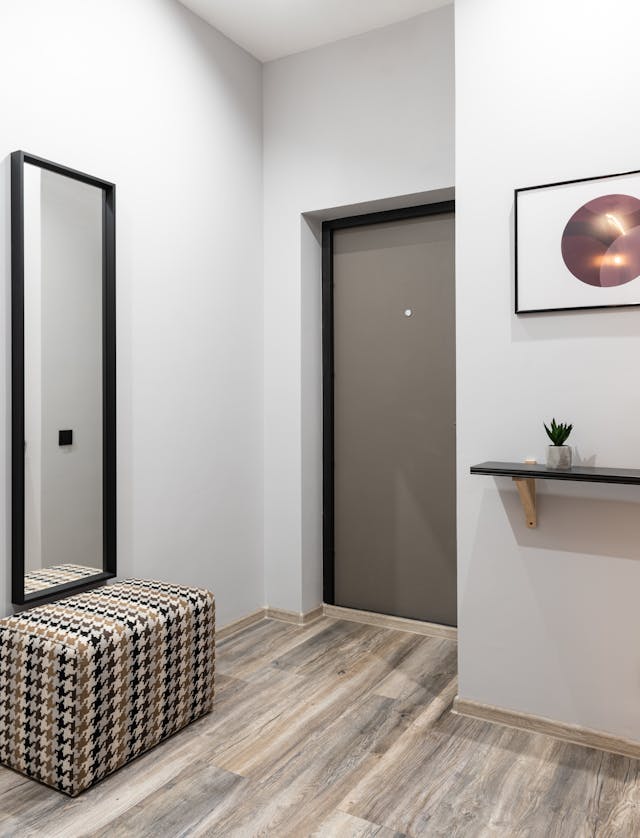
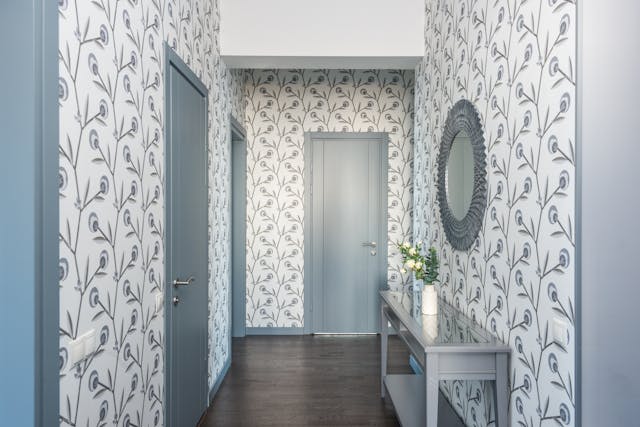
In small apartments, the right entryway furniture ideas are all about slim profiles and vertical storage. Look for shallow console tables, wall-mounted shelves, and narrow shoe cabinets that hug the wall but still offer a landing surface and hidden storage. Light colors, mirrors, and glass or metal legs help everything feel lighter and more open.
Multi-functional pieces are your best friends: a storage bench with a lift-up seat, a mirror cabinet above a console, or stools that tuck completely underneath. In one studio, a 10-inch-deep shoe cabinet plus a round mirror instantly created a defined “entry moment” without stealing precious floor space.
High-Traffic Family Entryways – Mudroom-Style Solutions Without a Renovation
You don’t need a built-in mudroom to get mudroom function. Combine a hall tree, separate shoe cabinet, and row of labeled baskets to mimic cubbies and lockers along one wall. Overhead shelves or closed cabinets can hold out-of-season gear, while hooks and open cubbies manage daily coats and backpacks.
Design platforms like Houzz regularly highlight “most-saved entryways and mudrooms” that mix hard-working storage with warm decor, showing that more homeowners now treat these spaces like real rooms, not afterthoughts.Houzz Think washable rugs, durable flooring, and a warm light to make this high-traffic zone feel intentional, not purely utilitarian.
Choosing the Right Entryway Furniture – Materials, Safety, and Sustainability
Durable, Easy-Care Materials for Real-Life Messes
Entryway furniture takes a beating: wet boots, muddy paws, backpacks, and grocery bags. Prioritize scratch-resistant finishes, solid or engineered wood frames, and hardware that can handle daily use. Removable, washable cushion covers and water-resistant bench tops help your space stay fresh despite rain, snow, and kids.
Safety, Stability, and Kid-Friendly Details
Because entryways are narrow, bumping into furniture is almost guaranteed. Rounded corners on benches and cabinets, soft-close doors, and recessed pulls reduce “ouch” moments. In homes with kids or pets, always anchor tall cabinets and hall trees with anti-tip hardware.
If you choose flat-pack pieces, follow the weight limits carefully—especially for seating. Fully assembled, quality furniture often comes with more robust joints and thicker panels, which adds stability and peace of mind in tight, busy spaces.
Sustainable and Low-Odor Furniture Choices for a Healthier Home
Entryways are small, enclosed spaces, so materials really matter. Choose entryway furniture made with low-VOC finishes, water-based glues, and certified wood such as FSC-certified options, which signal responsible sourcing and safer indoor air.
Demand for eco-friendly furniture is rising fast: one market report estimates the global eco-friendly furniture market will grow from about $54.6 billion in 2025 to $93.9 billion by 2032, an 8% annual growth rate (ResearchAndMarkets, 2025). When you choose sustainable, low-odor entryway furniture, you’re not just helping the planet—you’re investing in healthier daily air for your family.
Where to Buy Entryway Furniture That Fits Your Life and Style
What to Look For in an Entryway Furniture Retailer
A good retailer makes it easy to imagine how entryway furniture will work in your real home, not just in a studio photo. Look for clear overall dimensions, interior storage measurements, and several real-life photos taken at human eye level. Brands that show full “home-ready” entryway setups—bench, cabinet, hooks, lighting—save you from piecing everything together yourself.
Check shipping timelines, assembly requirements, and return policies before you fall in love with a piece. If you’re short on time (or tools), retailers that ship fully assembled or offer convenient delivery service options can literally give you a weekend back. Povison, for example, offers fully assembled entryway pieces and multiple delivery options on select items, so your furniture arrives ready to place and use. That means less time wrestling with tools and more time enjoying a calm, organized entryway from day one.
Online vs In-Store: Pros, Cons, and How to Measure From Home
Both online and in-store shopping can work well for entryway furniture. Online, you get a huge range of styles, reviews, and room inspiration; in-store, you can test seat comfort and feel finishes. In the U.S., around one-third of furniture revenue now comes from e-commerce channels, and that share continues to grow, so online is increasingly normal for big pieces too (ECDB, 2024).
When shopping from home, grab a tape measure and some painter’s tape:
- Measure wall width, height, and door swing.
- Mark the furniture footprint on the floor with tape.
- Stand in the “doorway” and walk through your usual path to check clearance.
Conclusion – Turn Your Entryway Into a Calm, Organized Threshold
Well-chosen entryway furniture does more than fill a hallway. It shapes how every day begins and ends—where you drop the weight of the outside world and step into something calmer. Start small: add a bench with storage, define a landing strip, or try one of the entryway furniture ideas that caught your eye today. If you’d like a shortcut, explore curated, fully assembled entryway furniture collections that arrive ready to live in, so your home’s threshold works beautifully from day one.
Quick Q&A – Entryway Furniture and Daily Organization
How much entryway furniture do I really need?
Most homes do well with three basics: seating, shoe storage, and a landing zone for small items. In a studio, that might be one storage bench with a tray on top. In a big family home, it might grow into a bench, tall cabinet, and wall hooks—but the categories stay the same.
What if I don’t have a “real” entryway?
Use decor to fake one. A rug defines the zone, a wall mirror plus hooks marks the “vertical” entry, and a narrow console or shoe bench finishes the look. Even a tiny stretch of wall near the door can become a practical, stylish mini-entry if you keep the furniture slim and consistent.
How do I keep the entryway from getting cluttered again?
Give every category a fixed home: keys in the same bowl, mail in one tray, shoes in the cabinet, bags on hooks. Then set tiny habits: a 5-minute Sunday reset, a seasonal shoe swap, and simple rules like “only one coat per person on the hooks.” The furniture creates structure; daily habits keep it working.


