 By Kelvin
Introduction
If you are searching what is modern design, you are probably trying to understand more than a decorating label. You want to know what modern furniture looks like, why some rooms feel clean but still warm, and what pieces actually help you create that style at home. This guide explains the idea in simple terms, then moves room by room so you can choose furniture with cleaner lines, smarter storage, better proportions, and a more livable modern furniture style.
Table of Contents
What Is Modern Design?
Modern design is a defined interior design style rooted in early-to-mid-20th-century modernism. In furniture, it usually means clean lines, practical forms, minimal ornamentation, natural or industrial materials, and a layout that feels open rather than crowded. It is not the same as “whatever is trendy right now.” In simple terms, what is modern design? It is a way to make a home feel cleaner, calmer, and more functional through furniture and space planning.
This is also why what is modern furniture design is not only a style question. It is a buying question. A piece can look modern in a photo but feel wrong at home if it is too large, too low, too cold in color, or short on storage. The best modern rooms balance form, comfort, function, and everyday use.
What Makes a Room Look Modern?
Modern rooms usually feel calm because each furniture piece has a clear purpose. The goal is not to remove personality. It is to reduce visual noise so shape, material, light, and proportion can stand out. Use this table as a quick buying filter before choosing a sofa, TV stand, dining table, bed, or storage piece.
| Design Element | Modern Choice | What to Avoid |
| Lines | Clean, straight, low, or softly curved | Heavy carving, rolled arms, bulky trim |
| Color | Warm neutrals, earth tones, black accents | Too many bright competing colors |
| Materials | Wood, leather, stone-look surfaces, glass, metal | Cheap-looking glossy finishes |
| Storage | Closed cabinets, hidden drawers, cable control | Open shelves filled with clutter |
| Shape | Simple geometry or sculptural restraint | Overly decorative silhouettes |
| Layout | Clear walking paths and fewer larger pieces | Too many small pieces crowding the room |
| Comfort | Supportive seating with usable depth | Furniture that looks sleek but feels stiff |
A modern room should be easy to read. When someone walks in, they should notice the sofa shape, the table material, the natural light, or one piece of art—not a dozen unrelated objects fighting for attention.
Modern vs. Contemporary Design: What Is the Difference?
Modern and contemporary design are often confused. The useful rule is simple: modern design refers to a defined design style shaped by early-to-mid-20th-century ideas, while contemporary design refers to what feels current now.
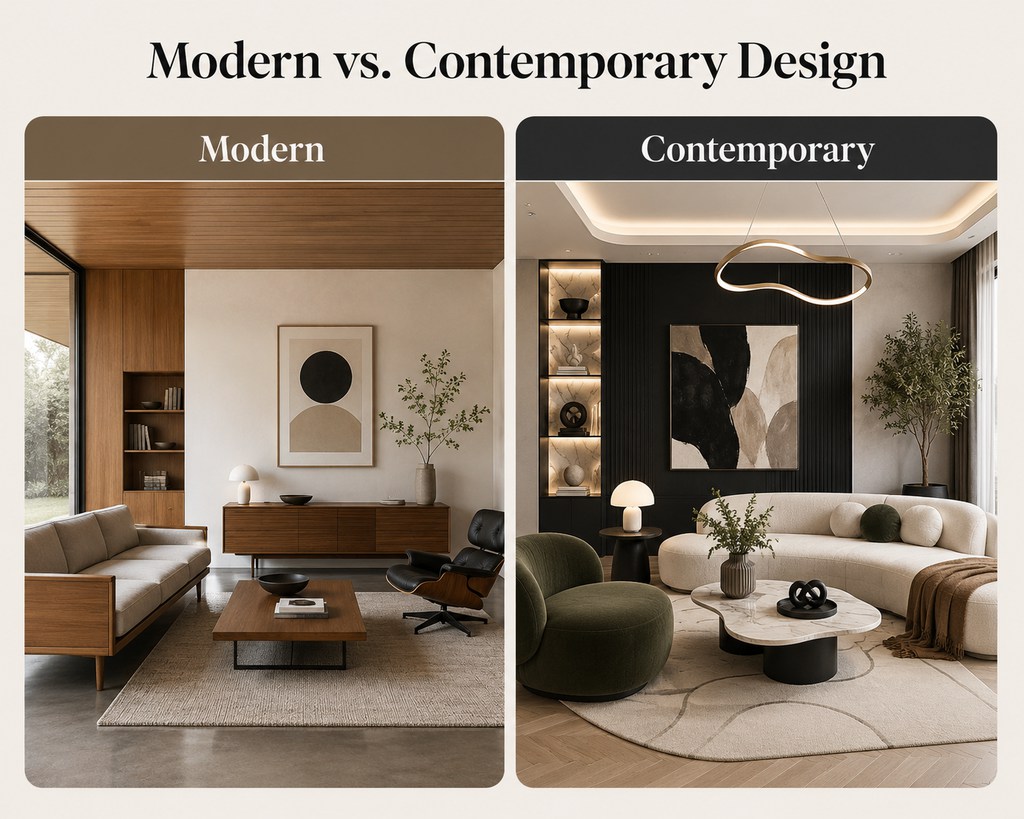
For furniture shopping, this distinction matters because modern furniture tends to be more consistent: clean lines, functional shapes, warm wood, simple silhouettes, and controlled details. Contemporary furniture can borrow from modern design, but it may also include more sculptural curves, trend-led materials, sharper contrast, or bolder statement pieces. If you are deciding between both directions, understanding modern and contemporary design can help you avoid mixing pieces that look clean individually but feel unrelated together.
For most homes, you do not need to choose one label perfectly. You can use modern furniture as the clean base, then soften it with texture, lighting, rugs, and personal decor.
How Do You Choose Modern Furniture by Room?
A modern home is not created by buying one statement piece. It usually comes from consistent furniture decisions across the rooms you use most. The right choice depends on how each room functions: the living room needs seating and flow, the TV area needs storage, the dining room needs proportion, and the bedroom needs calm.
Living Room: Start With Clean-Lined Seating
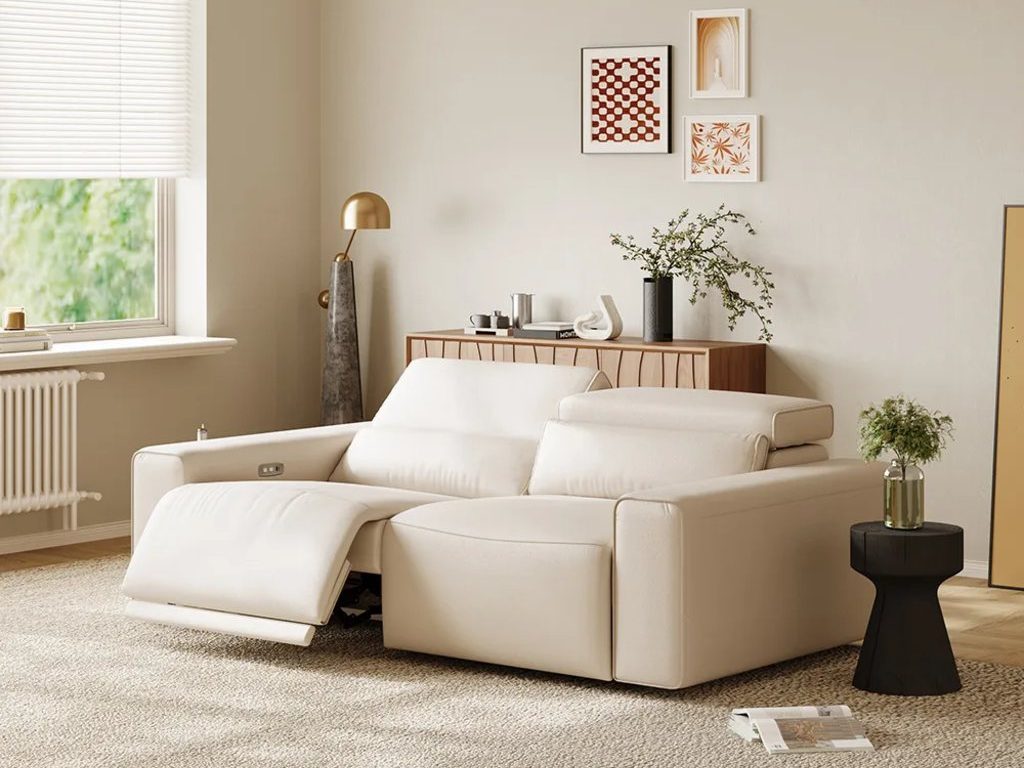
For modern furniture design for living room spaces, start with the largest piece: the sofa. A modern sofa should have a simple outline, controlled arms, and enough comfort for daily use. Track arms, low backs, modular shapes, and soft but structured upholstery usually work better than ornate wood frames or rolled arms. The Benjamin-Power Reclining Loveseat fits this direction with its clean reclining profile, deep seat, adjustable headrest, and practical charging features for a modern living room.
In a busy family room, modern style living room furniture should also reduce clutter. A sectional can work if the room is open enough, but a compact sofa with visible legs may be better in a small apartment. If the sofa already has a strong shape, keep the coffee table simpler. An oval or round coffee table can soften a room with many straight lines.
A realistic test: if the living room has kids’ toys, remotes, blankets, and charging cables, the modern look will depend less on the sofa’s silhouette and more on whether storage is built into the layout.
TV Area: Use a Low Media Console With Hidden Storage
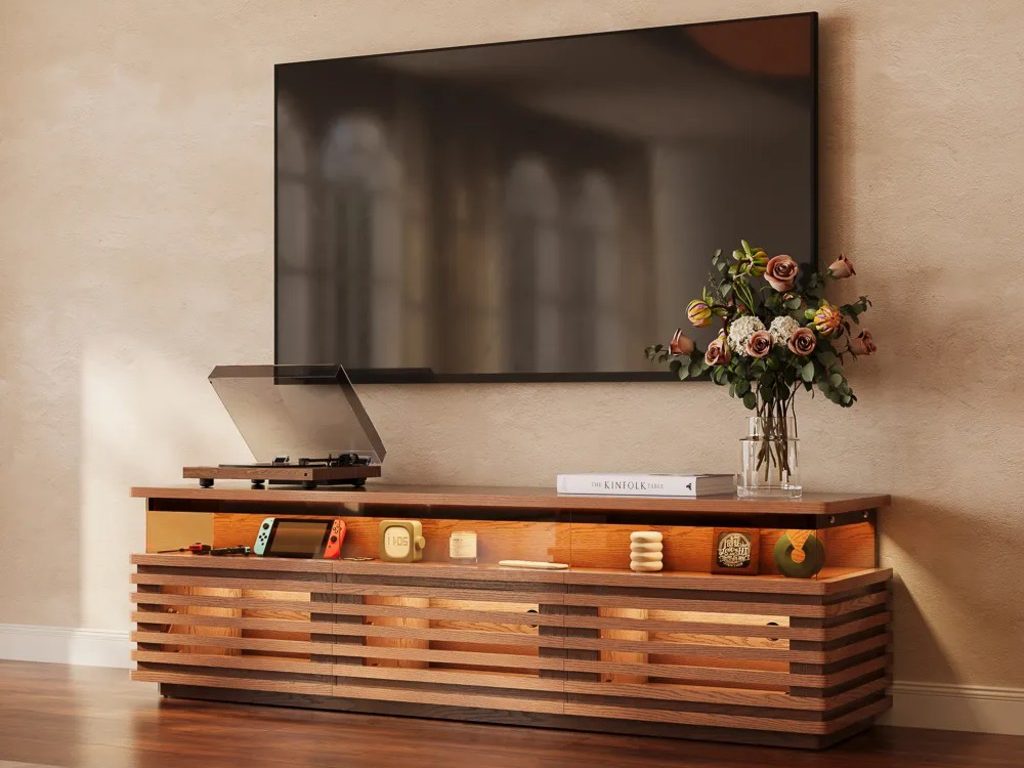
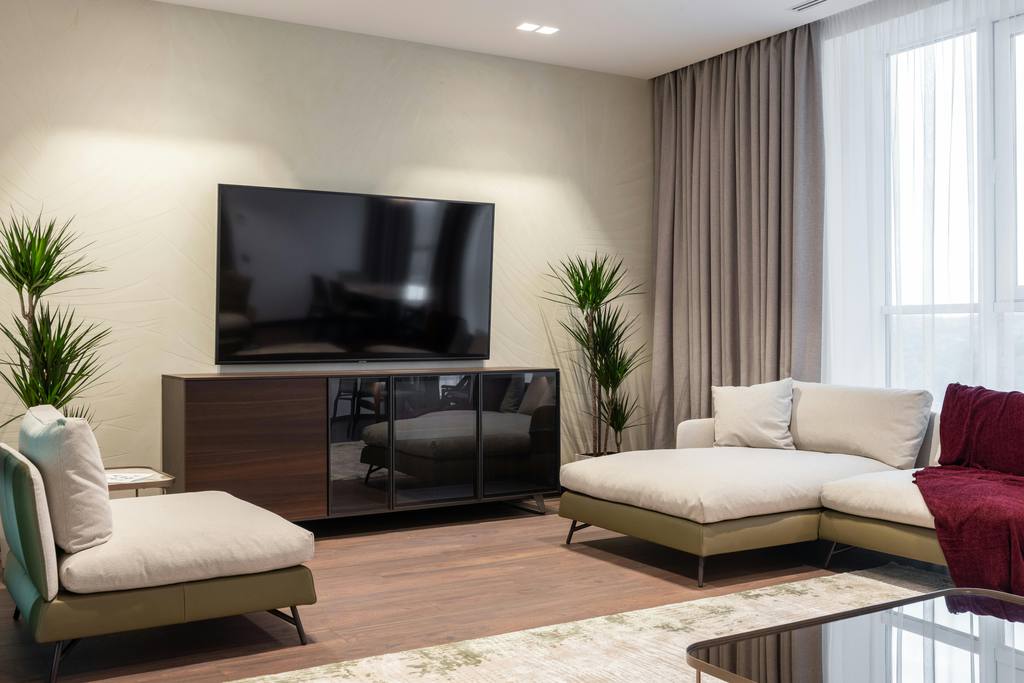
A modern TV area should feel quiet, not empty. The most useful furniture piece is often a low media console with closed storage. It keeps the wall visually horizontal, hides cables, and gives remotes, game controllers, books, and small electronics a place to disappear.
For modern living room interior design, avoid relying only on wall decor to make the TV wall look finished. A clean media console can do more work than extra shelves. Closed doors usually look calmer than open cubbies, especially if the room is small or the TV is large.
Wood tones, matte finishes, stone-look tops, and slim legs can all work. The key is proportion. A console that is too short for the TV can make the wall feel top-heavy, while one that is too deep may block traffic in a narrow room.
Dining Room: Let Shape and Material Do the Work
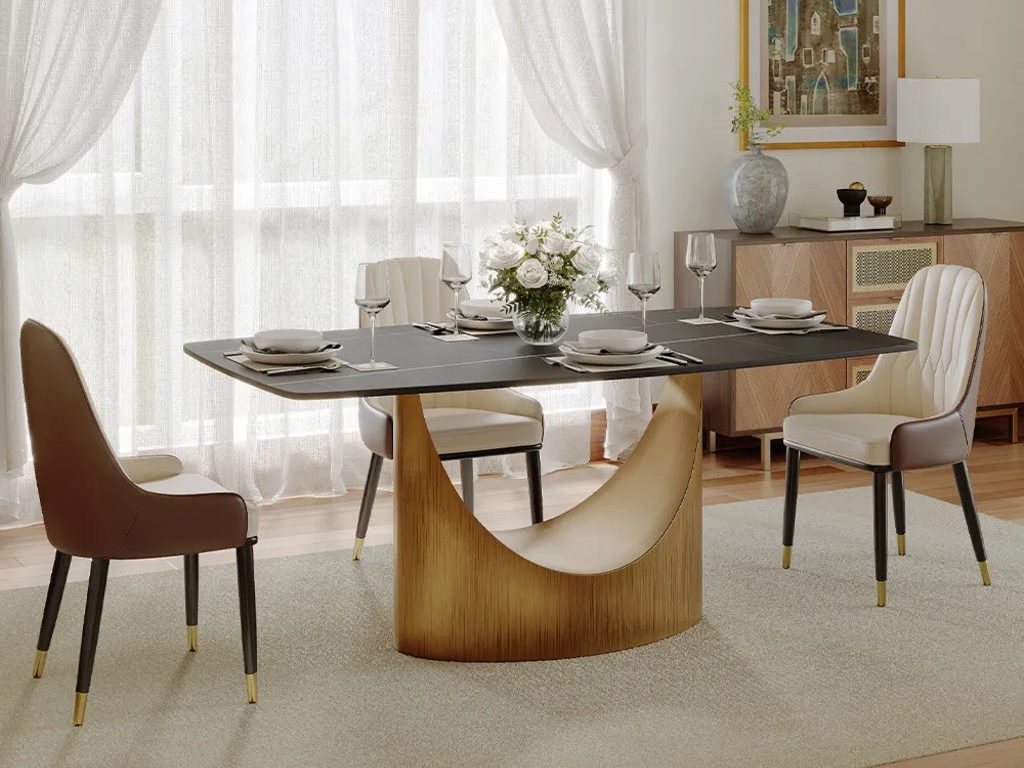
Modern dining rooms do not need complicated furniture. A table with a clean top, clear base, and strong material presence can set the tone for the whole space. Rectangular tables feel structured, round tables soften traffic flow, and oval tables work well when you want seating capacity without sharp corners.
Before choosing a modern dining table, check your real room conditions. The table does not exist alone; chairs, walking paths, sideboards, rugs, and lighting all affect fit. Practical dining table measurements matter because a beautiful modern table can still fail if people cannot pull out chairs comfortably.
For a modern furniture style, dining chairs should not overpower the table. Slim upholstered chairs, curved backs, simple wood frames, or mixed material chairs can keep the room comfortable without making it heavy.
Bedroom: Keep the Bed Frame Simple and Storage Quiet
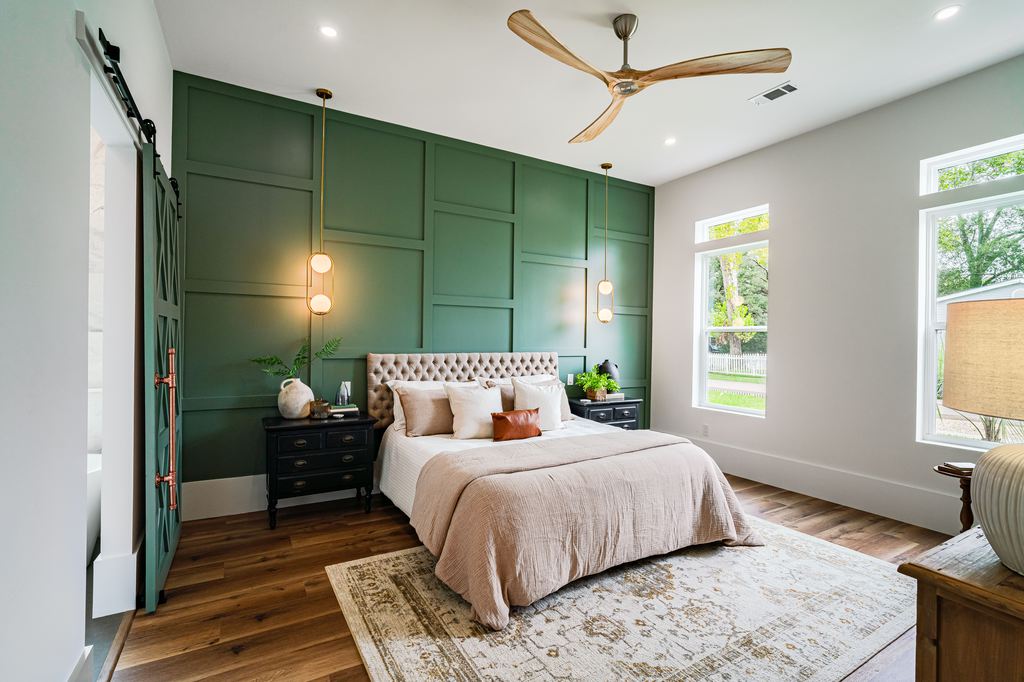
Modern style bedroom furniture should help the room feel calm at the end of the day. Start with the bed frame. Platform beds, low-profile wood beds, upholstered beds, and simple headboards usually work better than tall, carved, or overly decorative frames.
Nightstands matter more than people think. A modern bedroom looks cleaner when bedside storage is closed, scaled to the bed, and easy to use. If the surface is always covered with chargers, glasses, books, and skincare, choose drawers instead of an open shelf.
Modern bedrooms can still feel soft. Use fabric, warm wood, layered bedding, and a textured rug to prevent the room from feeling like a showroom. The goal is not to make the bedroom empty. It is to make the necessary pieces feel intentional.
Entryway: Choose Slim Storage That Looks Built-In
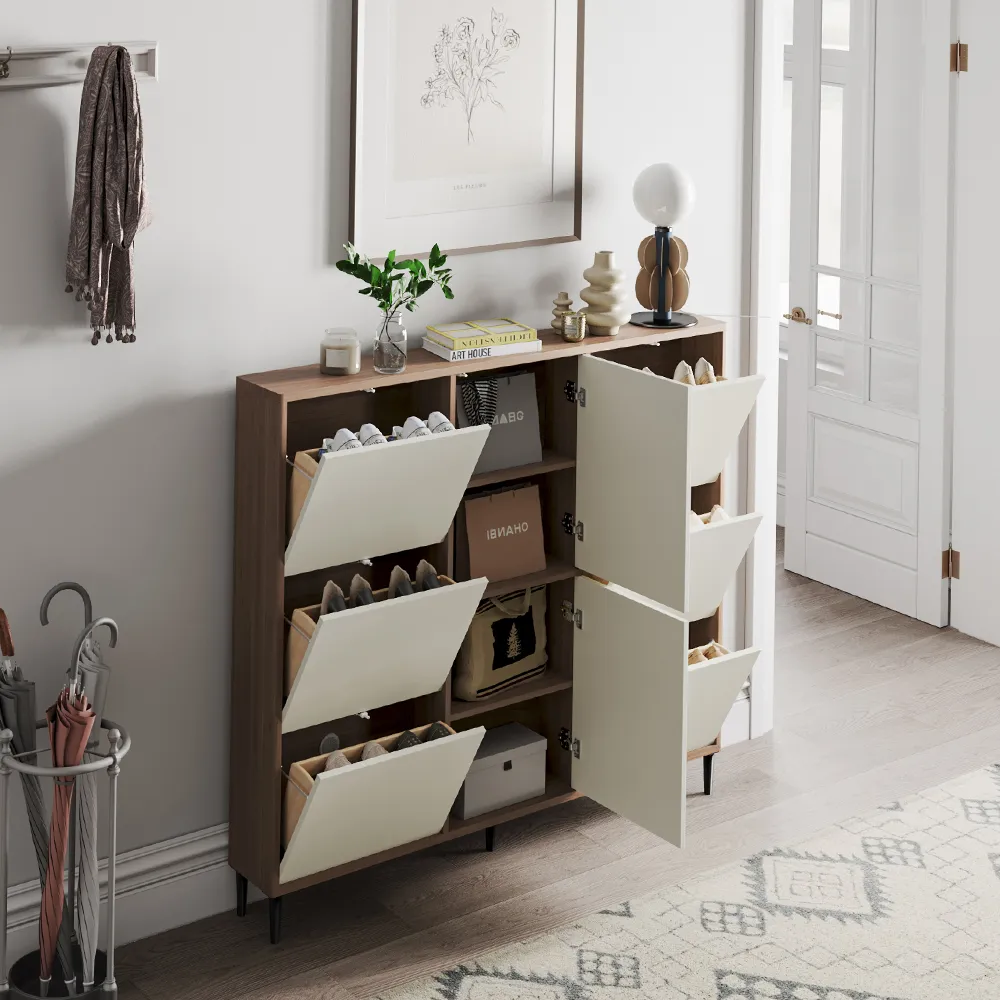
The entryway is a small area, but it can quickly break a modern home’s visual calm. Shoes, bags, keys, mail, and pet leashes often collect there. Modern entryway furniture should solve this problem quietly.
A slim console, closed shoe cabinet, floating shelf, or narrow storage bench can help the entryway feel more built-in. Keep the top surface simple: one tray, one lamp, one vase, or one mirror is usually enough. If the entryway is narrow, avoid deep furniture that forces people to turn sideways when entering.
This is where function supports style. A modern entryway looks clean because daily items have a place to go.
What Should You Check Before Buying Modern Furniture?
Modern furniture often looks simple, so buyers may assume it is easy to choose. The risk is buying for the photo, not the room. Before ordering a large piece, check how it will work with your space, traffic flow, and daily habits.
Use this buying checklist:
- Measure the room, doorways, stairs, and elevator access.
- Check sofa depth, seat height, and back support, not just width.
- Choose closed storage if clutter is a daily issue.
- Compare wood tones before mixing several pieces.
- Leave enough walking space around sofas, beds, and dining chairs.
- Check whether a low-profile piece is still comfortable for your household.
- Think about assembly, especially for large furniture.
A modern piece should make the room easier to live in. If it creates storage problems, blocks movement, or feels uncomfortable after one hour, it is not the right modern choice.
Dos and Don’ts for a Warm Modern Furniture Style
Modern furniture styles can feel cold when the room relies only on black, white, gray, glass, and sharp edges. They can also feel messy when the furniture looks sleek but does not solve real storage, comfort, or layout problems. The goal is to keep the clean structure of modern design while making the room warm enough for daily life.
Dos
- Choose wood tones with visible grain.
- Add soft upholstery in beige, taupe, cream, olive, rust, or warm gray.
- Mix straight lines with rounded coffee tables, curved chairs, or oval dining tables.
- Use rugs to soften large open floor areas.
- Add warm lighting instead of relying only on ceiling lights.
- Keep surfaces clean, but not completely bare.
Don’ts
- Buy every piece in black, white, or gray.
- Choose furniture that looks sleek but lacks comfort.
- Usie too many open shelves in a room that needs hidden storage.
- Mix five different wood tones without a clear plan.
- Buy a large statement sofa for a small room.
- Forget rugs, lamps, and texture.
- Choose a low bed or sofa that is hard to get in and out of.
- Treat modern design as a showroom style instead of a daily-use style.
If you like the softer side of modern design, organic modern interior design can help you understand how wood, stone, texture, and curved shapes make modern rooms feel more livable. A good modern room should still work on a normal weekday, when the coffee table has mugs, the sofa has a throw blanket, and the dining table is used for more than dinner.
Conclusion
So, what is modern design when you are actually choosing furniture? It is a practical way to make a home feel cleaner, calmer, and easier to use through simple shapes, useful storage, balanced materials, and thoughtful proportions. The best modern furniture style is not cold or empty. It works room by room: a cleaner sofa, a quieter TV console, a better-scaled dining table, a simpler bed, and storage that hides daily clutter without removing personality.
FAQ
What if I already own large furniture in another style?
You can still create a modern look by making modern design the cleaner visual layer around your existing furniture. Keep the large piece, then simplify nearby items with a low-profile coffee table, cleaner lighting, plain rugs, closed storage, and fewer decorative objects. Avoid adding more ornate pieces in the same room.
Can I change modern style later with small decor updates?
Yes, modern furniture is usually flexible enough to support small style changes. You can shift the mood with pillows, rugs, lamps, artwork, vases, table decor, or accent chairs. Keep the large furniture simple, then use replaceable decor to lean warmer, organic, minimalist, mid-century, or contemporary.
Do the living room and dining room have to match?
No, the living room and dining room do not have to match exactly, but they should share one or two connecting elements. Use similar wood tones, metal finishes, color temperature, or furniture silhouettes. If one room feels modern and the other feels traditional, repeat a material or color to make the transition smoother.
What decor works best on modern furniture?
Modern furniture looks best with fewer, more intentional decor pieces. On a TV stand, use a low bowl, books, a vase, or one sculptural object. On a side table, try a lamp, tray, or small plant. On a dining table, use a simple centerpiece that does not block conversation.
Do wall color and floor color affect modern style?
Yes, wall and floor colors strongly affect how modern furniture reads, but they do not need to be black, white, or gray. Warm wood floors, beige walls, soft taupe, muted green, or light oak can still support modern design. The key is clean contrast, simple furniture shapes, and controlled color repetition.
What if my windows do not match modern style?
You do not need to replace the windows to create a modern room. Use simple window treatments, such as plain curtains, linen panels, roller shades, or wood blinds, to reduce visual distraction. Keep curtain rods minimal, avoid heavy patterned drapes, and let nearby furniture carry the modern style.


[…] Modern + Mid-Century Modern […]