 By Jenny Smith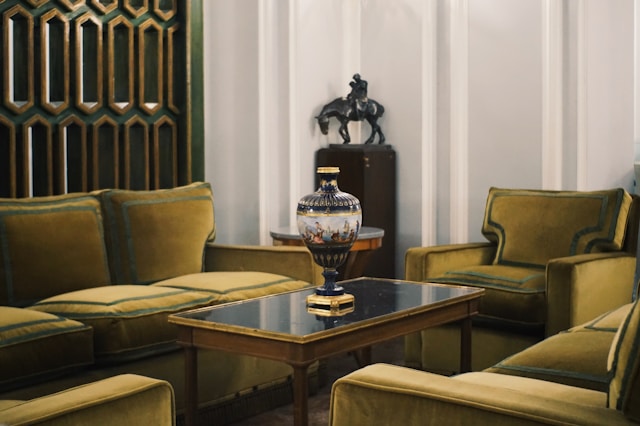
Home decor trends in 2026 are moving away from cold, gallery-like spaces and into warmer, more character-rich homes. Instead of choosing strictly Minimalist Home Decor Trends or fully traditional interiors, people are blending both: clean lines, clear surfaces, and calm layouts mixed with soulful colors, heirloom details, and tactile materials. In other words, the best Home Decor Trends now are about balance—clarity without sterility, personality without clutter, and furniture that’s ready to live with from day one, not just ready for photos.
How Minimalism Is Getting Warmer and More Personal
Goodbye Stark White, Hello Earthy Neutrals
The all-white “rental stage set” look is quietly fading. In 2026, minimalist rooms lean into coffee, mocha, mushroom, clay, and caramel rather than harsh, icy white. Interior trend reports already highlight richer browns and clay-inspired neutrals as key directions for 2025–2026, especially in color-forward publications like Homes & Gardens and Better Homes & Gardens, which spotlight warm earth tones as anchors for modern spaces. (Homes and Gardens)
These shades make a room feel snug and comforting without adding visual noise. A low, cream-beige sectional paired with a mocha sintered stone coffee table still reads minimalist, but it looks lived-in, not clinical. Picture a small city apartment where soft taupe walls, a latte-colored rug, and a single terracotta accent chair instantly make the space feel calmer and more personal than flat white ever could.
Soft Geometry & Biomorphic Shapes
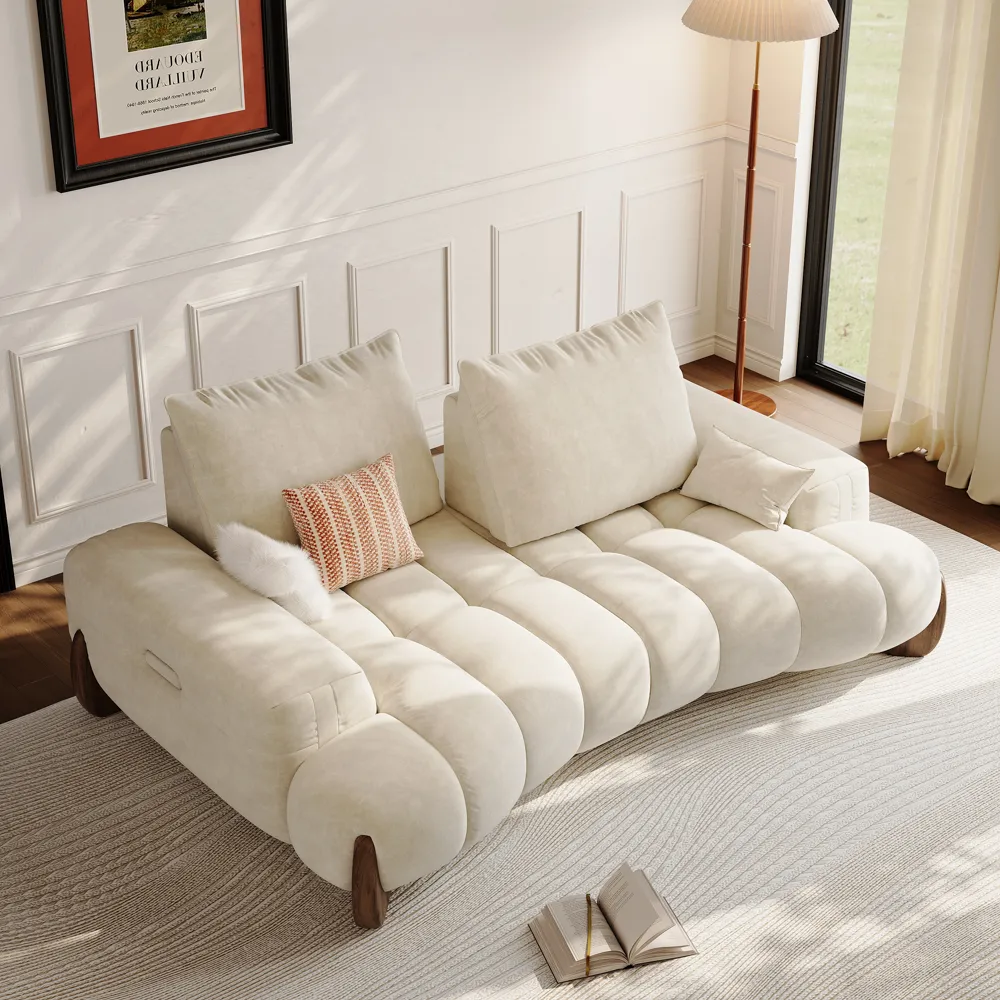
Minimalist silhouettes are softening too. Straight-edged sofas and razor-thin tables are giving way to cloud-style sectionals, rounded corners, and circular nesting tables that visually “slow down” a room. Curves naturally guide the eye; in compact, stimulus-heavy apartments, that gentle flow reduces the feeling of chaos.
Imagine walking in after a long day and seeing a curved, cloud-like modular sofa instead of a rigid rectangle. You automatically sink into the corner with a throw and your laptop—it feels like the furniture is hugging the architecture. A slim, rounded Povison coffee table keeps that airy look but removes the “don’t-bump-into-this” anxiety of sharp angles.
The Traditional Revival – Why “Grandmillennial” Grows Up in 2026
Architectural Purity & Heirloom Details
On the other side of the spectrum, traditional styles are maturing beyond granny florals into something more edited and architectural. Darker woods—walnut, cherry, mahogany—are back, but with cleaner lines and visible joinery so pieces feel crafted, not mass-produced.
In living rooms, that looks like a slim walnut media console with framed panels next to a vintage-inspired hutch, rather than a bulky matchy-matchy set. People want “story-rich” furniture: a carved coffee table that looks like it could have been inherited, even if it shipped last week. This mindset aligns with broader market growth in decor as consumers treat furniture as a long-term investment; globally, the home decor market was valued around $960 billion in 2024 and is projected to reach over $1.6 trillion by 2030 (Grand View Research, 2024).
Functional Sculpturalism in Classic Forms
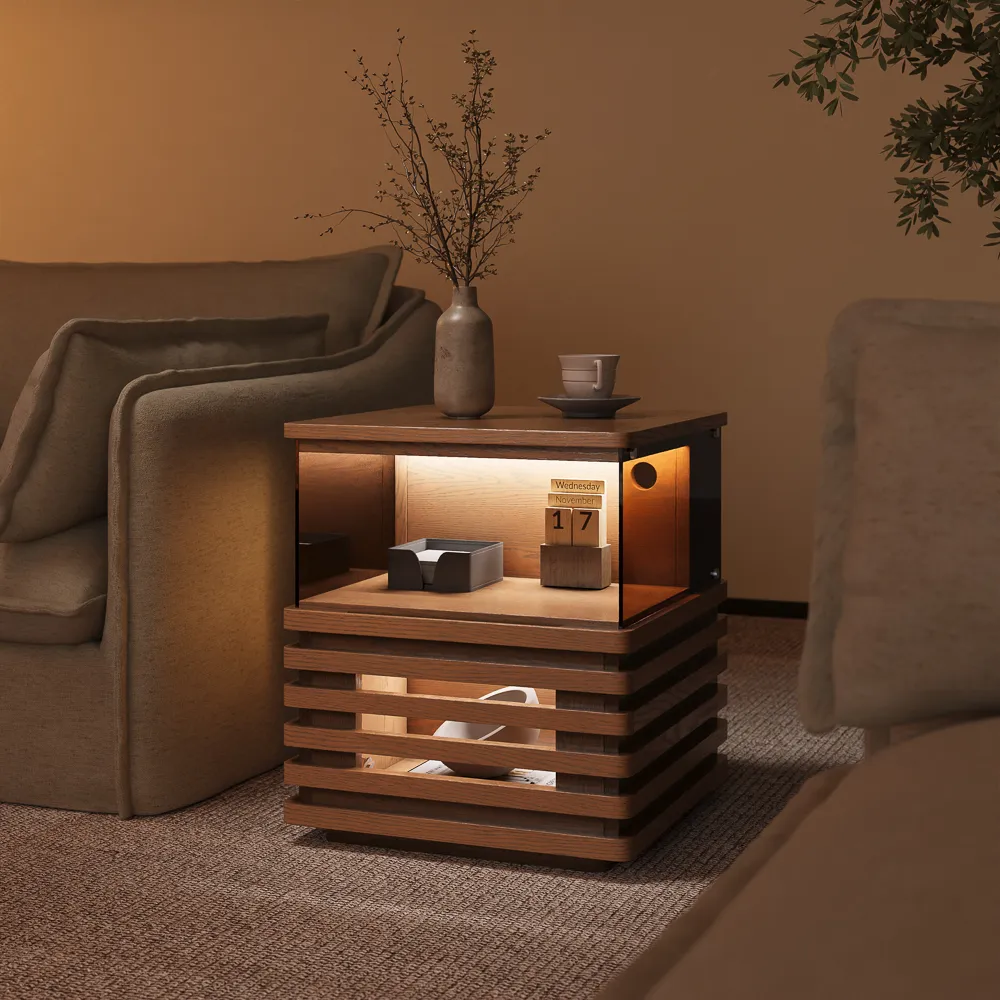
Traditional furniture in 2026 still features rolled arms, cabriole legs, and skirted sofas—but with a quiet upgrade. Think hidden drawers inside sideboards, soft-close compartments for game consoles, or classic end tables hiding USB ports and cable channels. Patterned upholstery (checks, stripes, small-scale florals), pleated lampshades, and grouped framed art add layers that feel lived-in rather than museum-like.
A classic example: a wingback chair in a subtle olive stripe beside a small cherry side table. Underneath, there’s built-in cable management so a reading lamp, phone charger, and speaker stay invisible. The room delivers old-world charm on the surface and smart functionality below it.
Head-to-Head – Minimalist vs Traditional in the 2026 Living Room
Seating Philosophy – Low Profile vs High Back
Minimalist seating in 2026 favors low-profile, modular sectionals designed for lounging. A Povison “cloud-style” sectional, for instance, stretches horizontally, encouraging casual movie nights, napping, or spreading out with a laptop. The vibe is relaxed, social, and flexible, perfect for open-plan apartments where one piece has to handle everything.
Traditional seating leans into posture and presence. High-back wing chairs frame conversation corners, skirted sofas ground the room, and patterned upholstery adds visual warmth. This style often works beautifully in homes where hosting feels more like a dinner party than a Netflix marathon—guests sit upright, you can see everyone across the coffee table, and the furniture itself becomes a conversation starter.
Material Showdown – Sintered Stone vs Solid Wood
Minimalist spaces often rely on sintered stone, tempered glass, and slim metal frames. Sintered stone tops, a favorite in Povison home decor furniture collections, are scratch-resistant, heat-resistant, and visually sleek—ideal if you want surfaces that stay “fresh out of the box” with minimal effort.
Traditional rooms, on the other hand, lean into solid hardwood and richly grained veneers. Walnut or oak tables slowly develop a patina: faint ring marks, softened edges, and color shifts that feel like memories, not flaws. The real question is durability vs patina—do you prefer pieces that look new for as long as possible, or pieces that chronicle your life over time?
Layout & Flow – Open Concept vs Zone-Defined
Minimalist layouts usually celebrate negative space. Sofas are floated away from walls, console tables stay slim, and walkthroughs remain clear. The goal is maximum sightlines and minimal visual friction—great for smaller spaces or for people who get overwhelmed by clutter.
Traditional layouts are more “zone-defined.” Rugs anchor conversation areas, bookcases create gentle dividers, and layered textiles signal where each activity happens. You might have a reading nook by the window, a TV zone, and a separate spot for board games, all in one room.
| Aspect | Minimalist Layout (2026) | Traditional Layout (2026) |
| Space Feeling | Airy, open, light | Cozy, enveloping, room-within-a-room |
| Storage | Built-in, hidden, minimal furniture pieces | Cabinets, sideboards, bookcases as visible “anchors” |
| Atmosphere | Calm, streamlined, gallery-like | Layered, collected, story-driven |
| Cleaning Effort | Easy to vacuum and wipe, fewer objects to move | More dusting and textile care, but stains are better camouflaged |
The “Midimalism” Trend – Why You Don’t Have to Choose
Mixing Heritage with Modernity
“Midimalism” is the sweet spot between modern minimalism and traditional richness. The idea is simple: keep the layout and number of objects minimal, but let each piece carry more visual weight.
You might pair a slender Povison minimalist coffee table with a vintage Persian-style rug, or flank a clean-lined TV stand with two antique spindle chairs. The emerging “Scanditalia” influence—Scandinavian restraint plus Italian warmth—shows up in pale woods, simple silhouettes, and then expressive textiles and art layered on top. A neutral sofa, terracotta velvet cushions, and a single ornate mirror can quietly merge both worlds without feeling chaotic.
Sustainable Luxury as the Common Ground
Both warm minimalism and elevated traditional interiors are converging around sustainability. Consumers are increasingly choosing bamboo, reclaimed wood, recycled metals, and low-VOC finishes, and the numbers back it up: over 60% of consumers say they prefer environmentally friendly furniture options (SmallBizTrends, 2025).
The eco-friendly furniture market itself is projected to nearly double from around $40.6 billion in 2022 to $88 billion by 2031, driven by demand for sustainable living solutions (Transparency Market Research, 2022). Povison home decor furniture leans into this shift with quality woods and long-lasting construction, so you can buy fewer, better pieces—whether that’s a clean sintered stone dining table or a classic wood console—then refresh smaller accents as trends evolve.
2026 Home Decor Trends – 5 Must-Have Features for Every Style
Whether your home leans minimalist, traditional, or somewhere in between, these 2026 home decor trends are versatile enough to work in almost any space and season:
- Invisible Technology: Media units and side tables that hide routers, cables, and chargers so your living room doesn’t look like a tech store.
- Color Drenching: Painting walls, trims, and sometimes furniture in one hue—sage, clay, or cocoa—to create an immersive, cocooning feel. (Homes and Gardens)
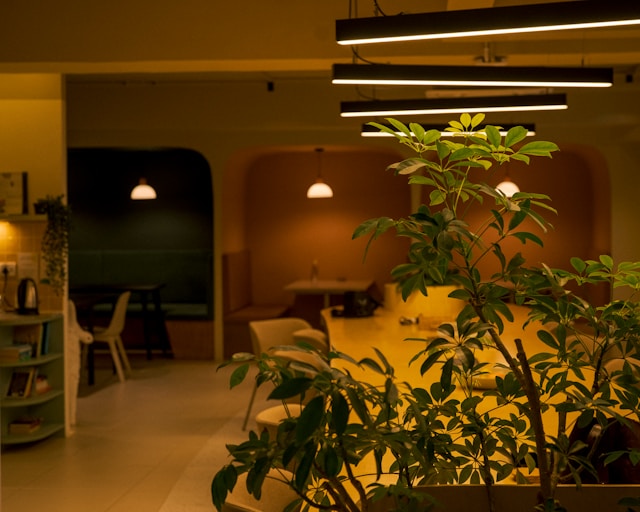
- Biophilic Integration: Built-in planters, large-leaf plants, natural stone, and light-maximizing glass that blur the line between indoors and out.
- Multifunctional Zones: A mini reading corner, a compact WFH desk, and a tech-free analog spot for journaling or board games within the same room.
- Sensory Layers: Combining bouclé, velvet, linen, and wool so neutral rooms still feel rich and touchable—especially important for fall and holiday home decor trends.
How to Curate Your 2026 Space with Povison
For small apartments, prioritize pieces that visually “float” and secretly store. A compact Povison sectional paired with nesting tables and a storage-rich TV stand keeps the floor as open as possible while hiding remotes, routers, and seasonal decor. In a 600-square-foot studio, this can be the difference between feeling like a dorm and feeling like a boutique hotel suite. In larger living rooms, look for statement dining tables, extended sofas, and coordinated sets that still leave breathing room around them, so the space feels generous rather than overcrowded.
Fast furniture might look trendy today, but repeated replacements quickly cost more—in money, time, and landfill waste. Think of your sofa, dining table, bed, and TV stand as your “core four.” Invest in high-quality versions you won’t mind living with for 5–10 years, then update pillows, throws, art, and small decor each season to tap into the latest trends in home decor. One holiday you might add plum velvet cushions and brass candleholders; the next spring, you swap in breezy linen covers and a new rug without changing your main furniture at all.
Conclusion
In the end, the best 2026 home decor trends are the ones that reflect your lifestyle, not just your Pinterest boards. Warm minimalism, grown-up traditionalism, and the “midimalist” middle ground all offer ways to live with more intention: fewer but better pieces, calmer layouts, and rooms that still feel deeply personal. If you’re ready to build a home that feels calm, character-rich, and truly yours, exploring Povison’s 2026-ready collections is a simple way to start—one room, one story-rich piece at a time.
Frequently Asked Questions
Are minimalist interiors actually “out” in 2026?
Not really. What’s fading is cold, ultra-sparse minimalism with hard edges and no personality. The new Minimalist Home Decor Trends favor warmth, texture, and comfort—curved sofas, earthy neutrals, and layered textiles. You still get clean lines and clear surfaces, but the room feels like someone genuinely lives there, not like a staged listing.
Which style works better for a small apartment—minimalist or traditional?
For tiny spaces, a minimalist base usually works best: fewer pieces, slimmer profiles, and plenty of negative space. Then, add a couple of traditional touches—like a vintage lamp or patterned rug—to keep it from feeling bland. This 80/20 mix lets you enjoy popular home decor trends without sacrificing circulation space or storage.
How can I follow 2026 home decor trends without a major renovation?
Focus on high-impact, low-construction changes. Swap textiles, repaint in a warmer neutral, add plants, and upgrade a single hero piece like a coffee table or TV stand. Because many current home decor trends are about color, texture, and layout, you can get a fresh 2026 feeling through styling rather than tearing down walls or replacing all your furniture.
What should I prioritize if I’m decorating on a budget in 2026?
Start with function and longevity. Choose a good-quality sofa or bed first, then layer in smaller decor over time. Look for pieces with built-in storage and durable finishes so they survive multiple trend cycles. Once those anchors are in place, you can play with spring 2026 home decor trends—like color drenching or new cushions—using paint, textiles, and accessories.


I love how the blend of minimalist and traditional styles is becoming more prevalent in 2026. It’s refreshing to see decor that’s not just about looks but about comfort and personality. The shift to earthy neutrals really does make a space feel more welcoming and lived-in.