 By Hana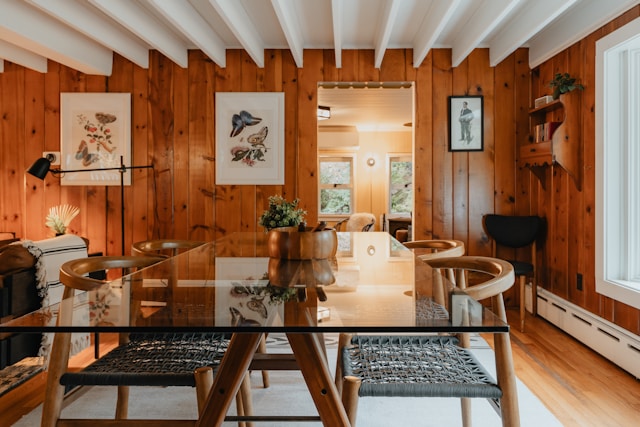
Your dining table probably sees more action than your sofa: hot dishes, kids’ science projects, laptops, craft nights, wine spills. In this guide, we’ll compare the main dining table materials—solid wood, stone and ceramic, glass, metal and engineered options—so you can see the pros and cons of each material, the best materials for families, and a quick long-term maintenance comparison. You’ll also find two simple tables you can screenshot and keep on your phone while shopping.
Start With Your Non-Negotiables: What Your Table Must Survive
Everyday Enemies: Spills, Heat, Scratches
Real-life hazards look like spaghetti sauce, permanent marker, hot pots, pet claws and dropped cutlery. Before falling for a pretty finish, decide what the surface must shrug off. In one recent kitchen trends study, durability and easy-to-clean surfaces ranked among the top reasons homeowners choose materials for busy worktops (research from Houzz, 2024).
- My table must handle: ___ heat / ___ spills / ___ scratches / ___ daily laptop work.
Heavy crafts and science experiments point to ceramic or sintered stone; family-style serving and hot dishes suit wood with a good finish or stone.
Look vs. Upkeep: What You’ll Honestly Maintain
Be honest: are you okay with a table that slowly develops patina, tiny dents and color variation, or do you want it to look showroom-new for years? If you love character, solid wood and some metal tops age gracefully. If you prefer crisp and low-drama, ceramic, glass and quality laminates stay more consistent. Also ask how often you’ll really do maintenance: never, once a year, or happy with seasonal care. Use those answers to rule materials in or out before you even open a product page.
Solid Wood Dining Table Materials
Pros and Cons of Solid Wood
Solid wood is still the backbone of home furniture; wood accounts for over 64% of the global home furniture market by material, showing how strongly buyers trust it.(meticulousresearch.com) It feels warm, looks inviting, and each grain pattern is unique. Oak is usually light and very sturdy, walnut is darker and rich, rubberwood tends to be budget friendly, and acacia has dramatic, varied grain. Downsides: wood can scratch, stain and react to humidity, so it appreciates coasters, quick wipe-ups and a stable indoor climate.
Example Comparison Table: Popular Wood Options
Here’s a quick glance at common solid wood dining table materials:
Table 1 – Solid Wood Dining Table Materials at a Glance
| Material | Look & Feel | Durability | Maintenance Level | Price Tier |
| Oak | Light, natural, versatile | High | Medium | Medium–High |
| Walnut | Dark, luxurious, modern | High | Medium | High |
| Rubberwood | Simple, soft contemporary | Medium | Medium | Low–Medium |
| Acacia | Bold grain, warm statement | Medium–High | Medium | Medium |
If you want more detail on species, bases and styling, bookmark this in-depth solid wood dining table guide for later reading.
Stone & Ceramic: Marble, Sintered Stone and More
Pros and Cons of Stone Dining Table Materials
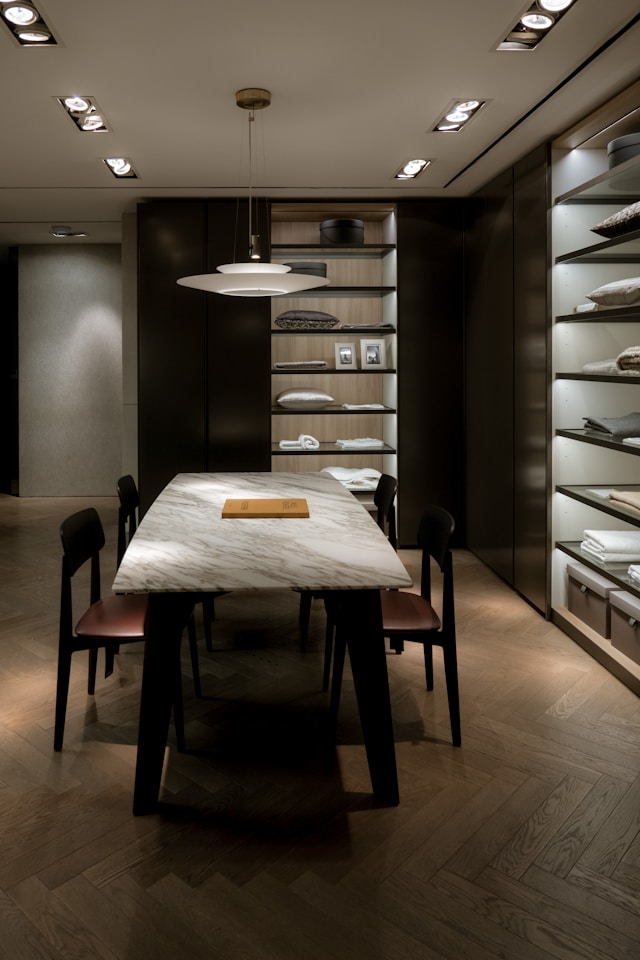
Stone and ceramic tops are ideal if your table doubles as buffet line and baking station. Marble gives that magazine-cover look and handles heat well, but it’s porous, so wine, citrus and harsh cleaners can etch or stain if left sitting. Sintered stone, porcelain and ceramic are denser, highly scratch- and stain-resistant, and great for heavy daily use. Imagine a weekend brunch where trays of pancakes, coffee mugs and juice glasses come and go; a matte ceramic top quietly survives it all while still looking sharp.
Glass, Metal and Mixed-Material Dining Tables
Pros and Cons of Glass, Metal and Mixed Designs
Glass tops feel light and airy, which is perfect for small dining rooms, and they’re easy to wipe. They do show fingerprints and crumbs and should be tempered glass, usually around 8–12 mm thick, for safety with kids. Metal tops and edges are strong and modern but can sound a bit “clangy” with plates, and brushed finishes may show scratches less than polished ones. Mixed-material designs—like a wood or stone top on a slim metal base—often balance warmth, durability and legroom. For style inspiration, pair this material guide with a visual modern dining table guide that covers shapes and chair pairing.
Engineered Woods, Veneers & Easy-Care Alternatives
Veneer, MDF & Laminate: Pros and Cons and Best for Families
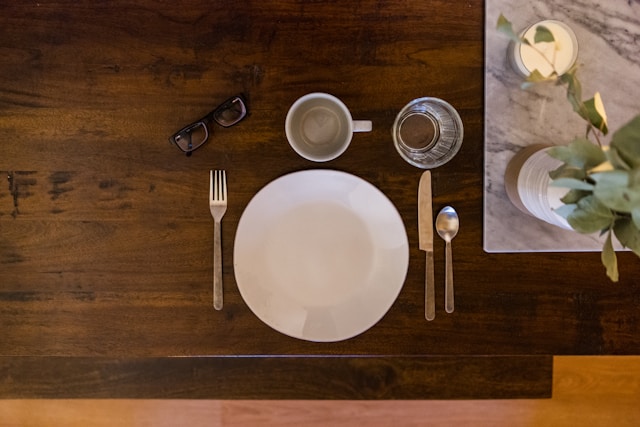
A good veneer table has a thin layer of real wood over a stable core like MDF or plywood, so you get the wood look with less warping and often a friendlier price. MDF and plywood cores are smooth and strong but dislike standing water. Laminate and melamine surfaces are very stain-resistant and great with crayons and juice, though edge chips are hard to fix. Many consumers now say they’re willing to pay almost 10% more for sustainable, longer-lasting products, which often includes engineered woods made from responsibly sourced fibers (global survey by PwC, 2024). If your household includes toddlers, pets and constant snack time, a tough veneer or laminate top with rounded corners and a pedestal base is usually more forgiving than soft, glossy solid wood. For busy homes, a practical complement to this section is the fully assembled dining table guide, which focuses on convenience and setup.
Long-Term Maintenance Comparison & Real-Life Picks
Long-Term Maintenance Comparison by Material
Use this long-term maintenance comparison as a screenshot-friendly cheat sheet while you compare dining table materials online or in-store. Picture a weeknight where homework, dinner and a late-night laptop session all happen on the same surface—this table helps you see which materials cope with that rhythm best.
Table 2 – Maintenance Cheat Sheet for Dining Table Materials
| Material | Daily Care | Yearly / Occasional Care | Repairability | Expected Lifespan* |
| Solid wood | Wipe spills quickly | Oil / refinish as needed | Can be sanded & refinished | 10–20+ years |
| Veneer & engineered wood | Gentle wipe, avoid puddles | Check edges, tighten base | Limited, small touch-ups | 8–15 years |
| Marble | Blot spills fast, use coasters | Reseal periodically | Etches hard to hide | 10–20 years |
| Sintered stone / ceramic | Simple wipe | Almost none | Chips hard to fix | 15–20+ years |
| Glass | Wipe fingerprints frequently | None beyond cleaning | Chips/cracks not repairable | 8–15 years |
| Laminate | Wipe, avoid harsh abrasives | Check edges for peeling | Chips difficult to repair | 8–12 years |
*With normal indoor use.
Simple Recommendations by Household Type
If you’re a busy young family, ceramic or sintered stone and good veneer or laminate tops usually deliver the best materials for families: they’re easy to wipe and shrug off spills and crafts. A design-driven couple who host often might choose solid oak or walnut, or a marble top with clear house rules about coasters and cleaners. In smaller apartments or for frequent movers, lighter engineered-wood or glass tops on slim bases feel less bulky and are easier to maneuver. For layout planning and table shape decisions, this round vs. rectangular dining table layout guide is a helpful companion.
Conclusion: Choose the Material That Matches Your Real Life
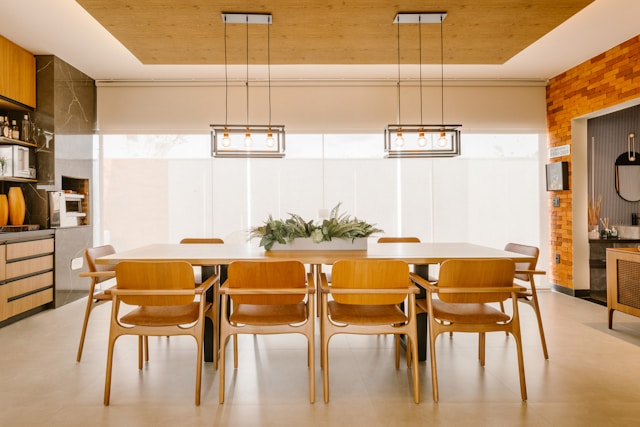
There’s no single “best” dining table material—only the one that matches your mess level, style and patience for care. Start by naming your daily hazards, then decide how much patina you’re comfortable with and how often you’ll maintain the surface. Shortlist two or three materials that fit, screenshot the tables above and compare real products in those categories. Measure your space, note your top non-negotiables and take this guide—on your phone or printed—when you browse online or step into a showroom.
Quick FAQs about Dining Table Materials
1. Which dining table material is the most durable overall?
For pure toughness in everyday family life, ceramic and sintered stone usually win: they resist scratches, stains and heat very well. Dense hardwoods like oak and walnut are next, especially with a strong finish and basic care. Good-quality laminates are also durable if you protect the edges. Glass and marble can last for years but are more vulnerable to chips and etching.
2. What is the safest dining table material for small kids?
Rounded-edge wood or ceramic tops with a sturdy, wide base are great for homes with little ones. They’re stable, less slippery than glass and kinder on bumped heads and elbows. If you do pick glass, choose tempered safety glass of decent thickness and avoid sharp corners. Whatever you buy, add felt pads under legs and consider a soft rug under the table.
3. How do I make any dining table material last longer?
Use placemats and coasters so plates and glasses don’t grind grit into the surface. Wipe spills quickly, especially anything acidic or dark like wine, coffee or tomato sauce. Avoid harsh cleaners and scouring pads; a soft cloth and mild soap are usually enough. Finally, check screws or bolts once or twice a year to keep the base solid and wobble-free.


