 By Hana
Introduction: Your 2026 Dining Layout, Decoded
Modern homes ask a lot from one dining table: it handles meals, laptops, homework, and weekend guests—often in an open-plan room with no clear “dining room” at all. The classic round vs rectangular dining table dilemma is really about how your space feels and functions: circulation, conversation, and how comfortably people can gather. This guide focuses on dining table shapes, layout patterns, and simple designer-style measuring ideas so you can choose a table that fits your home and habits, instead of just copying a pretty picture.
Round vs Rectangular Dining Table – The 10-Second Answer
At-a-Glance Comparison: Space, Seating & Style
If your space is compact, fairly square, or part of a cozy living-dining zone, a round dining table usually feels softer and easier to move around. Everyone faces each other, there are no corners, and a pedestal base keeps legs from fighting chair frames. Rectangular tables feel natural in longer rooms and most open-plan layouts, especially when they line up with a kitchen island or wall, and they’re more forgiving when you occasionally need to squeeze in extra guests along a straight edge. Americans are almost evenly split between open layouts and traditional ones, so there’s no single “right” answer—only the shape that works with your floor plan. (Rocket Mortgage, 2023)
When a Round Dining Table Is the Better Choice
A round dining room table thrives in small apartments, bay windows, and square dining areas where you want smooth circulation and relaxed conversation. Families with young kids appreciate the lack of sharp corners, and it’s easy to pull in one more chair for a birthday or game night, especially with a round pedestal dining table that keeps the floor visually open. Curved silhouettes are everywhere in 2026, from sofas to kitchen islands; a modern round dining table fits that trend and makes multi-use spaces feel more like a lounge than a conference room. For more ideas, see Povison’s guide on creating intimacy with round dining tables.
When a Rectangular Dining Table Just Makes More Sense
A rectangular dining table simply makes sense in long or narrow rooms, or in open-plan layouts where you want a clear axis from kitchen to living area. It echoes the lines of a kitchen island, and a rectangular extendable dining table can stretch for gatherings while staying compact day to day. When you want generous personal space and options for benches along a wall or extra end chairs for guests, a rectangle is usually the safest bet. Rectangular shapes also pair well with banquette seating, so you can tuck one side in and keep the main walkway clear.
Measuring Your Dining Area Like a Designer
Clearance & Traffic Flow: How Much Space You Really Need
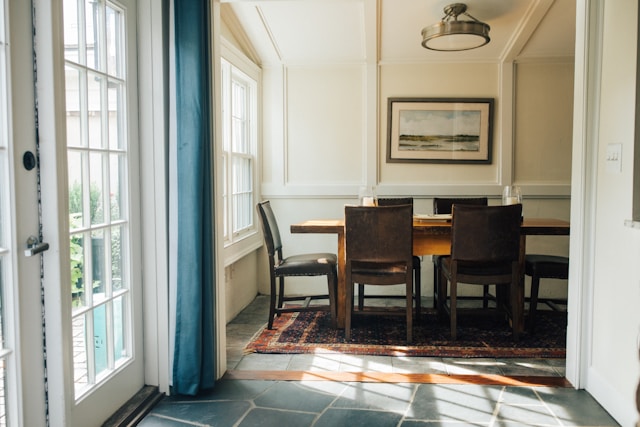
Instead of memorizing exact numbers, think in layers. Picture a chair pulled back, then imagine walking comfortably behind someone sitting there without turning sideways—that’s the clearance you want around your table. Everyday layouts can live with slightly tighter paths, while “holiday mode” needs more room for people carrying dishes, kids moving around, and chairs constantly shifting. As new homes shrink and dining rooms turn into flexible “do-it-all” zones, circulation paths matter more than formal room labels. Nearly 80% of designers working on new communities say dining rooms have become less important, replaced by multi-use spaces that must stay easy to navigate. (Axios, 2025)
Matching Table Shape to Room Shape & Open-Plan Layouts
Let the room outline guide your dining table shape. Square or slightly boxy spaces feel balanced with round tables, which soften corners and create an easy center point. Longer rooms and galley-style zones work better with rectangular or oval pieces that follow the length of the room. In open-plan layouts, place the table so people don’t have to cut through the cooking triangle to reach the sofa or balcony. You might center a rectangular dining room table on a rug parallel to the kitchen island, or float a small round dining table near a window as a softer “bubble” between living and cooking zones.
Round Dining Tables – Pros & Cons
Pros & Cons of Choosing a Round Dining Table
Round tables are naturally social. Everyone sits at a similar distance, which keeps conversation flowing, and there’s no “end seat” that feels more important. A round dining table set is also kinder to your shins and to any toddlers racing around it, thanks to the lack of sharp corners and the smoother circulation. A round extendable dining table or expandable round dining table adds flexibility for bigger nights without overwhelming the room on ordinary days. The trade-offs: they can feel awkward pushed directly against a wall, and very large circles make it harder to reach the center. In long, narrow rooms, a large round dining table may leave odd, unused strips of floor along the sides.
Where Round Tables Shine: Rooms, Lifestyles & Hosting Styles
Round tables work especially well in breakfast nooks, square condo dining rooms, and flexible corners of the living room that also serve as craft or homework zones. Their curved shape softens hard lines, makes it easier to move around the table, and keeps everyone at a similar distance. If you enjoy long conversations, casual games, or kids’ projects, a round marble dining table or other round wood dining table naturally gathers attention toward the center and creates a warm, relaxed atmosphere.
Rectangular Dining Tables – Pros & Cons
Pros & Cons of Rectangular Dining Tables
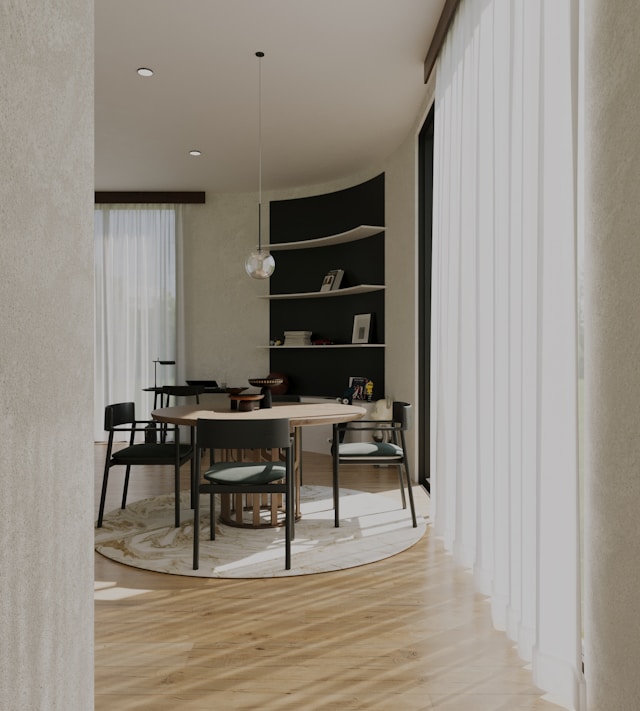
Rectangular tables are the default choice for many homes because they echo the shape of most rooms. A rectangular dining table or rectangular glass dining table lines up easily with walls and islands, can seat more people in a row, and pairs beautifully with benches. They’re straightforward to style with runners and layered place settings, which works for both everyday meals and more formal gatherings. On the downside, corners are less kid-friendly, and a big rectangular dining room table can make a small, squarish space feel like a boardroom if everything else in the room is also angular and rigid.
Where Rectangular Tables Work Best
Choose a rectangle if your dining area is clearly longer than it is wide, or if you have a built-in bench or banquette along one wall. A small rectangular dining table can slide closer to a wall on everyday nights, then move to the center for guests. In open plans, a rectangular extendable dining table often feels like a natural bridge between kitchen and living zones: it anchors the space without blocking views or walkways. Many people who work from home prefer rectangular shapes because they can line up laptops, notebooks, and kids’ homework while still leaving room for dinner.

Styling, Chairs & Layering – Making Any Table Shape Work Harder
How Many Chairs, What Style & How to Avoid Overcrowding
Instead of obsessing over measurements, watch how people and chairs actually move. Leave a little breathing room between chair backs so they don’t clash, and remember that armchairs naturally need more space than armless styles. Benches are smart space-savers with small rectangular dining tables or banquettes, especially for kids. When I styled a round dining table set for a busy family, we mixed slim, wipeable chairs with a bench that tucked fully under the table so the walkway felt open again as soon as dinner was over. If you enjoy long meals, choose cushioned chairs and a table shape that lets everyone see each other easily; if you host big groups, opt for slimmer chairs or a bench so adding an extra place stays simple. For more pairing ideas, see Povison’s modern dining table set matching guide.
Lighting, Rugs & Centerpieces by Table Shape
Lighting and rugs can make any table shape feel intentional. Round tables sit well under a single pendant or chandelier centered above; rectangles often look best with a linear fixture or a pair of smaller pendants that follow the table’s length. Choose a rug generous enough that chairs stay fully on it when pulled back, matching round rugs with round dining tables and rectangular rugs with rectangular tops. Keep centerpieces low and flexible: long runners with a few simple vases for rectangles, or a compact cluster or Lazy Susan–friendly arrangement for rounds so conversation stays open across the table.
Materials, Bases & Maintenance for Real-Life Use
In daily life, your table catches everything from coffee mugs to craft projects, so materials and bases matter. Easy-care finishes like sealed wood, ceramic, or good-quality glass handle spills and everyday wear more gracefully than delicate surfaces. Corner legs usually feel very solid; trestle and pedestal bases trade a bit of that planted look for better legroom and easier chair placement. Simple habits—using coasters, wiping spills promptly, and adding felt pads to chair legs—keep both round wood dining tables and rectangular dining room tables looking fresh. About two in five new-construction buyers say “move-in ready” condition is their top reason for choosing new homes, which also explains the appeal of fully assembled, design-forward tables that skip the all-day toolbox moment. (Zillow, 2023)
Conclusion: Your Perfect Dining Table Shape for 2026
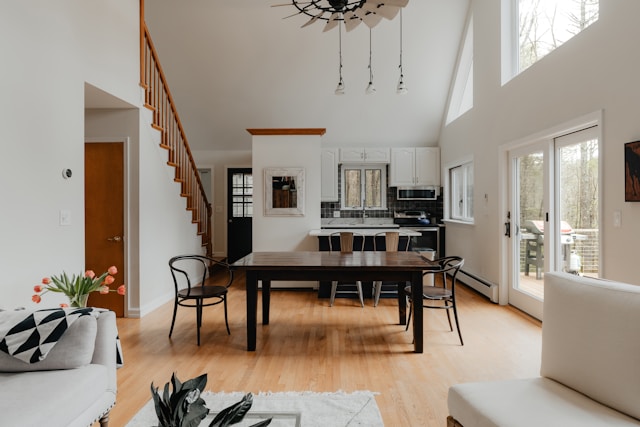
Choosing between a round vs rectangular dining table is less about strict measurements and more about how you move, gather, and work at home. Start by watching how people naturally travel through your space, then decide whether you’re more “round, cozy, conversation-first” or “rectangular, host-everyone and multitask.” Use the shape and layout ideas above to narrow down options, and when the time comes, consider fully assembled, ready-to-live-in pieces so your new table can go straight from delivery to dinner.
Choose a Shape That Fits the Room
Compare room proportions, seating capacity, and circulation to decide whether a round or rectangular table better supports the layout.
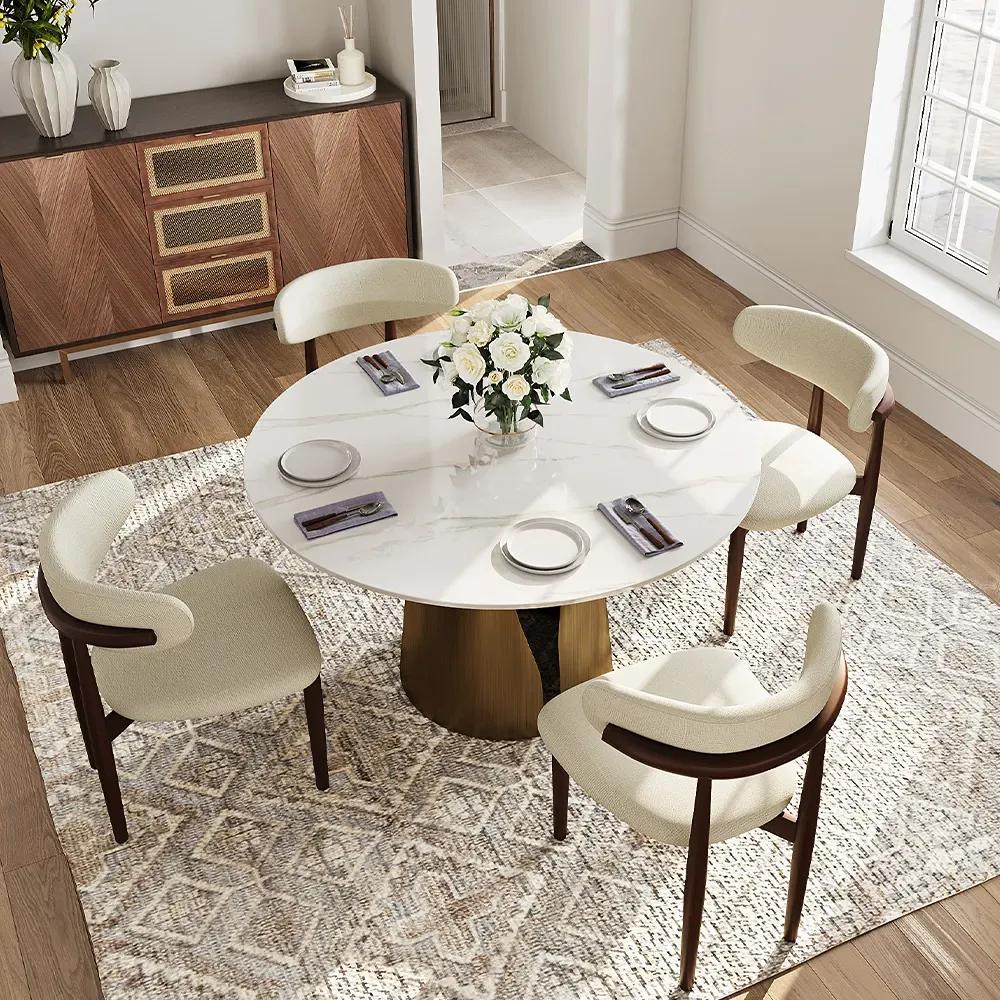
Round Dining Tables
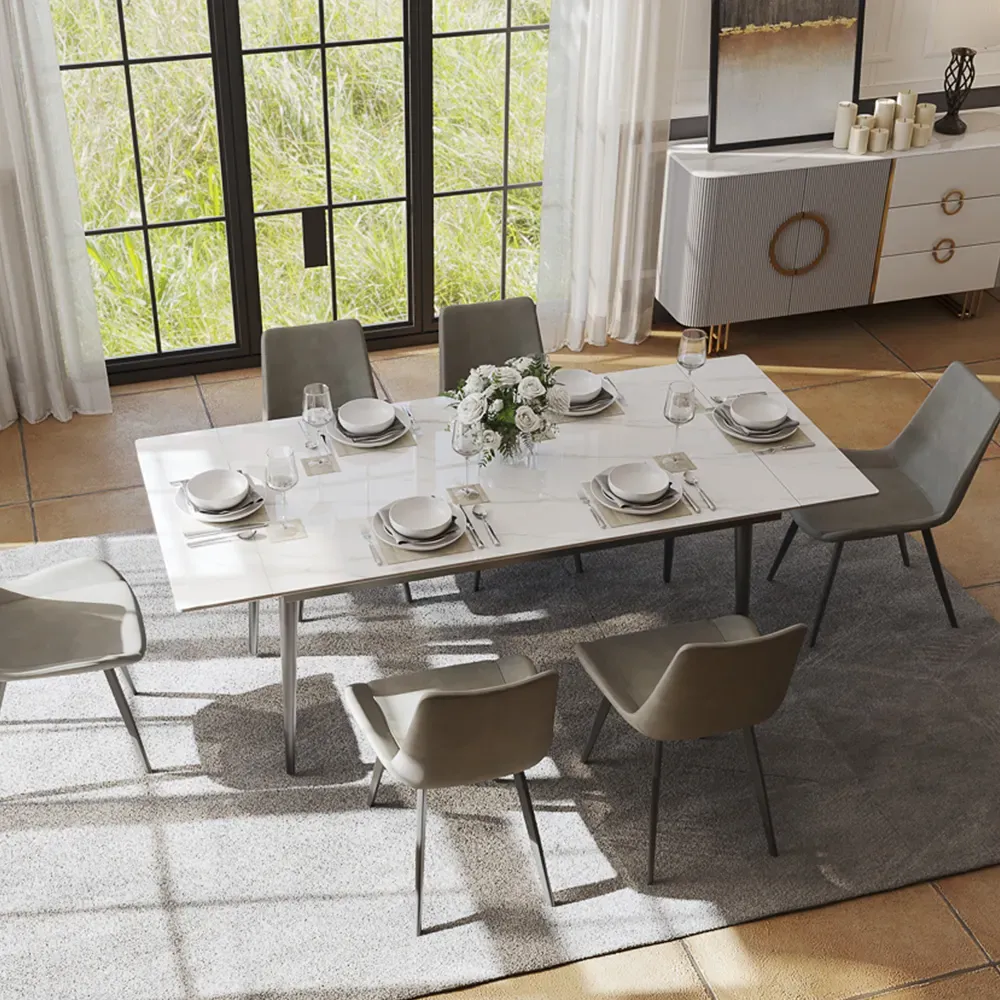
Rectangular Dining Tables
FAQs – Round vs Rectangular Dining Tables
Is a round or rectangular dining table better for a small space?
In a small or square space, a round dining table often feels easier to live with because you can slide around it without catching corners. In narrow rooms, a compact rectangular dining table placed slightly off-center may work better. Either way, choose the shape that keeps your main walking paths clear when chairs are in use.
What’s the best table for 6 in a narrow dining room?
In a narrow room, the best table for 6 is usually rectangular, with three seats along each long side and end chairs optional. Look for a design with slimmer legs or a graceful trestle so chairs can tuck in neatly. Benches or armless chairs help keep the room feeling open even when everyone is seated.
Can I put a rectangular table in a square room (or vice versa)?
Yes. A rectangle in a square room looks intentional when it is centered on a rug with reasonably equal space on each side. A round table in a long room works well if it forms its own “island” near a window or sliding door while other furniture shapes define the rest of the space.
Are round dining tables really safer for kids?
Round tables remove sharp corners at face level, which can help reduce bumps and bruises for small children. They also make it easier for kids to move around without clipping edges. Just pair your round dining table set with sturdy chairs and a stable base so the table feels solid when little hands lean on it.
How big should my rug and light fixture be for my table shape?
Aim for a rug large enough that chairs stay fully on it when pulled back. For lighting, pick a pendant or chandelier that feels smaller than the table surface and hang it low enough to create intimacy but high enough that no one has to dodge it while talking. Round tables love a centered single fixture; rectangles benefit from long or multi-light options.


I appreciate how this guide goes beyond aesthetics and focuses on how people actually move and interact in a space. One thing I’ve found helpful is mapping out chair clearance with painter’s tape—it’s a quick way to see whether a round or rectangular table will feel cramped before committing. It’s surprising how much smoother circulation can feel with just a few inches of extra breathing room.